Tanzania Safari Packing List

Tanzania Safari Packing List

Tanzania Safari Packing List: What to Actually Bring for the Serengeti and the Crater

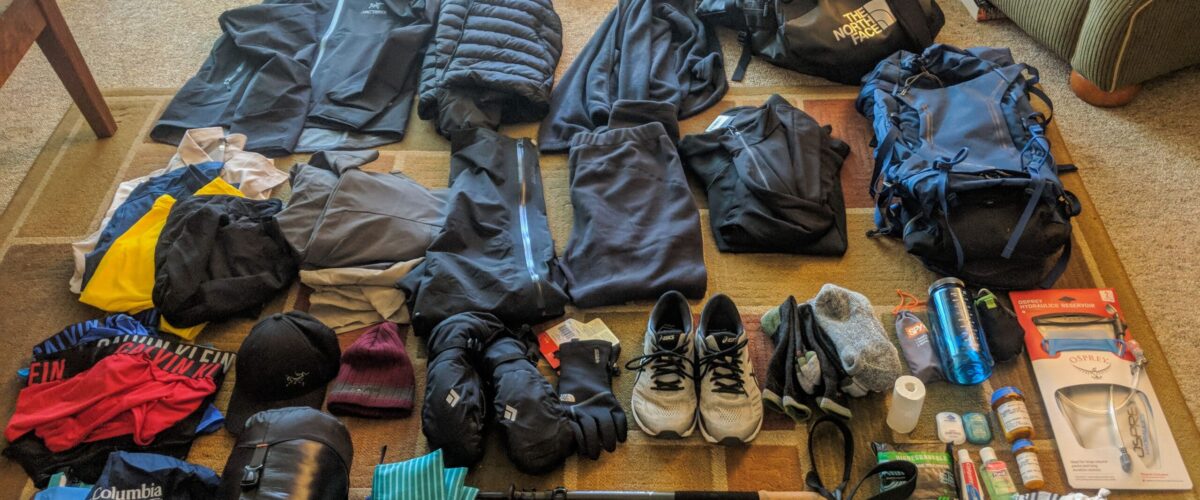
Packing for a Tanzania safari is less about volume and more about precision. You are not packing for a city trip or a beach holiday. You are packing for long game drives, variable weather, dust, early mornings, and remote environments inside places like the Serengeti National Park and the Ngorongoro Crater.

The biggest mistake travellers make is overpacking the wrong items and underpacking the essentials that actually affect comfort in the bush.

A safari is function-first. Everything you bring should improve visibility, mobility, comfort, or protection from environmental conditions.

Clothing: Keep It Simple, Functional, and Neutral

Safari clothing is not about fashion. It is about temperature control, dust management, and blending into the environment.

Neutral colours like khaki, olive, beige, and light brown work best. They reduce heat absorption and avoid attracting unnecessary attention from insects.

Lightweight long-sleeve shirts are more useful than short sleeves because they protect from sun exposure and dust during long drives. Trousers are preferable to shorts for the same reason.

Even in warm months, early mornings in the Serengeti can feel cold due to altitude and wind exposure. Layering is essential, not optional.

A light jacket or fleece becomes important for sunrise game drives and evening returns to camp.

Footwear: Practical Over Stylish

Most of your safari time is spent inside a vehicle, not walking. That means heavy hiking boots are unnecessary unless you are doing specific walking safaris.

Comfortable closed shoes or lightweight trekking shoes are enough for general safari use. Camp environments may include uneven ground, so stability matters more than design.

Sandals can be useful in camp, but not during game drives.

Sun Protection: Non-Negotiable in Open Plains

The sun in Tanzania is direct and intense, especially in open ecosystems like the Serengeti plains.

A wide-brim hat or cap is essential. Sunglasses with UV protection are equally important, particularly during long midday drives where glare from dry grass or dust can be strong.

Sunscreen should be high SPF and applied consistently, not just at the start of the day. Reflection from open landscapes increases exposure more than many travellers expect.

Binoculars: The Most Underrated Safari Tool

Binoculars are often treated as optional, but in reality they are one of the most important safari tools you can bring.

Wildlife is not always close. In vast landscapes like the Serengeti, animals may be hundreds of metres away, especially predators resting or scanning territory.

Good binoculars transform distant shapes into meaningful sightings. They also help you understand behaviour rather than just presence.

Camera Gear: Match Your Interest Level

You do not need professional photography equipment to enjoy a safari, but if you are interested in capturing wildlife seriously, zoom capability matters more than anything else.

A mid-range zoom lens is more useful than multiple small lenses because most sightings happen at variable distances.

Dust protection is critical. The safari environment is dry, and fine dust enters equipment easily, especially during movement between game drive areas.

Even smartphone cameras can perform well in the Serengeti ecosystem if lighting conditions are right, especially during early morning and late afternoon.

Health and Personal Essentials

A basic medical kit is important but should be lightweight.

Include:
basic pain relief medication
antiseptic wipes
plasters or small wound care items
any personal prescription medication

If you are visiting malaria-risk regions, preventive medication may be recommended depending on travel advice at the time of your trip.

Hand sanitiser is useful because safari environments are remote and facilities are limited during game drives.

Bags and Luggage: Soft and Flexible Only

Soft-sided luggage is strongly preferred for safari travel.

This is especially important for bush flights into airstrips across the Serengeti system, where small aircraft have strict weight and space limitations.

Hard-shell suitcases are difficult to fit and may be restricted on certain internal flights.

A small daypack is also useful for game drives, allowing you to carry essentials like water, camera gear, sunscreen, and binoculars.

Water and Hydration

Staying hydrated is more important than many travellers expect.

Game drives can last several hours, often under direct sun. Most safari vehicles provide drinking water, but carrying your own bottle ensures consistent hydration.

Dehydration affects concentration, comfort, and overall enjoyment of long wildlife viewing sessions.

What You Do NOT Need to Overpack

Many travellers bring items they never use.

You do not need:
formal clothing
excessive shoes
large electronics
heavy books or entertainment items
bright or patterned clothing

Safari life is repetitive in movement but rich in observation. You will not need complex wardrobes or urban-style items.

Weather Reality: One Trip, Multiple Conditions

One of the key challenges in packing for Tanzania is variability.

Even within a single trip covering the Serengeti National Park and surrounding regions, conditions can shift between warm afternoons, cool mornings, dust, and occasional rain depending on season.

This is why layering is more important than heavy clothing. You need flexibility, not volume.

Insight

A good Tanzania safari packing list is not about bringing more. It is about bringing correctly.

Inside ecosystems like the Serengeti and Ngorongoro Crater, comfort is determined by practical decisions: clothing that handles dust and sun, footwear that supports movement, binoculars that extend your vision, and a travel setup that works with small aircraft and remote lodges.

The best-prepared travellers are not the ones with the most luggage. They are the ones who can adapt easily to changing light, temperature, and terrain without thinking about what they forgot.

If you pack correctly, your attention stays where it should be—on the wildlife, not your belongings.
Inside the broader safari system leading to the Serengeti National Park,

Arusha as a Safari Gateway

Arusha as a Safari Gateway: Is It Worth Spending a Night Before Heading to the Parks?

Arusha is the unofficial capital of northern Tanzania safaris, but many travellers treat it as a transit stop rather than part of the experience. That is partly correct, but also slightly misleading. Whether you should spend a night in Arusha depends on how you want your safari to begin, especially if your route leads into the Serengeti National Park ecosystem.

In most well-structured itineraries, Arusha is not about wildlife. It is about control, timing, recovery, and logistics. And those factors can directly improve or weaken your safari experience depending on how you handle them.

What Arusha Actually Is in a Safari Context

Arusha is a regional hub positioned between Kilimanjaro International Airport and the main northern safari circuit. It functions as a staging point for departures into Tarangire, Ngorongoro, and Serengeti routes.

Unlike safari parks, Arusha itself does not offer meaningful game viewing. Its value is operational rather than experiential.

It is where:
safari vehicles are organised
guides are assigned
final briefings happen
domestic bush flights connect
itineraries are synchronized

So the real question is not whether Arusha is a safari destination, but whether it improves your transition into one.

The Case for Spending a Night in Arusha

Spending one night in Arusha before heading into the parks is often a smart decision, especially for long-haul travellers.

The biggest advantage is recovery. International flights into Kilimanjaro or nearby airports often involve fatigue, time zone adjustment, and disrupted sleep cycles. A night in Arusha allows your body to reset before early safari mornings begin.

Safari days typically start early and run long. Entering that schedule immediately after arrival can reduce your alertness and enjoyment during the first days in the bush.

A night in Arusha stabilises that transition.

Better Safari Timing and Logistics

Another major benefit is timing control.

Safaris are highly dependent on departure coordination. Vehicle pickups, park entry schedules, and internal flight timings are strict and often early in the morning.

Staying in Arusha reduces the risk of:
missed morning departures
rushed airport transfers
same-day international-to-safari fatigue
logistical delays after long flights

It creates a buffer between arrival and actual safari movement.

Access to the Northern Circuit

Arusha is strategically positioned for access to all major northern parks.

From here, travel times are relatively controlled:
Tarangire is a few hours away
Ngorongoro is within half a day
Serengeti access is via road or bush flight connections

This makes Arusha the most logical staging point before entering the core safari zones.

Once you leave Arusha, you are fully inside safari territory. Everything becomes more remote, and flexibility reduces.

When Staying in Arusha Is Not Necessary

Despite its advantages, staying in Arusha is not always required.

If your itinerary includes immediate bush flight connections into the Serengeti from Kilimanjaro or Arusha Airport, you can bypass the city entirely.

This is common in luxury itineraries where travellers land and transfer directly into safari aircraft, entering the park within hours of arrival.

In such cases, Arusha becomes a logistical waypoint rather than a stopover.

The Serengeti Connection Factor

Once you enter the Serengeti National Park, your schedule becomes fixed around flight windows and lodge locations.

That is why Arusha matters most before the safari begins. After you leave, there is very little flexibility to recover from delays or fatigue.

A well-planned Arusha night ensures you enter the Serengeti system in a stable state, rather than already adjusting from travel stress.

Comfort, Not Just Convenience

Arusha also offers a range of accommodation options that serve different traveller needs.

For some, it is a basic overnight stop. For others, especially luxury travellers, it becomes a soft introduction to safari hospitality with high-end lodges, private transfers, and curated services.

This matters because safari experiences are cumulative. The way you begin your journey often influences how you perceive everything that follows.

A calm, structured start in Arusha often leads to a smoother overall safari rhythm.

The Downside of Staying in Arusha

The main drawback is simple: Arusha is not a wildlife destination.

If your expectation is to begin seeing animals immediately, staying in the city can feel like a delay rather than an enhancement.

It also adds one extra layer of movement before you reach the actual safari parks.

For travellers on very short itineraries, this extra night can feel like time lost rather than time gained.

Who Should Definitely Stay in Arusha

A night in Arusha is especially valuable for:
long-haul international travellers
first-time safari visitors
itineraries starting early the next morning
travellers combining multiple parks in a short timeframe
those using road-based northern circuit routes

In these cases, Arusha acts as a stabilising point before entering the bush.

Who Can Skip It

You can reasonably skip Arusha if:
you are using same-day bush flights into Serengeti
you are arriving mid-day with immediate transfer coordination
your safari is extremely short and tightly scheduled
you are already well-rested from regional travel

In these cases, efficiency outweighs the need for a buffer night.

Insight

Arusha is not a safari highlight, but it is a strategic gateway that can significantly improve or simplify your journey into northern Tanzania.

Inside the broader safari system leading to the Serengeti National Park, it functions as a stabilisation point rather than a destination.

For most travellers, especially those arriving from long international flights, one night in Arusha is not wasted time. It is a structural advantage that improves timing, reduces fatigue, and ensures the safari begins in a controlled and well-paced manner.

Whether it is worth it depends not on Arusha itself, but on how smoothly you want the transition from airport arrival to wilderness immersion to unfold.

Internal Flights in Tanzania

Internal Flights in Tanzania

Internal Flights in Tanzania: Which Bush Strips Connect the Parks and When to Use Them

Internal flights are one of the most important parts of a Tanzania safari, but also one of the most misunderstood. Many travellers assume safaris are purely road-based experiences, when in reality, the aviation network inside the country is what makes multi-park itineraries efficient, especially across the northern circuit and the Serengeti National Park ecosystem.

These flights operate between small bush airstrips rather than large airports, and they are designed specifically to connect remote wildlife areas with minimal travel time.

Understanding how they work determines whether your safari feels smooth and well-paced or unnecessarily long and fragmented.

Why Bush Flights Matter in Tanzania Safaris

Tanzania is geographically large, and its key safari parks are separated by long distances and rough terrain. Driving between major destinations like Arusha, Ngorongoro, and the Serengeti can take several hours per segment.

Bush flights solve this by replacing long road transfers with short aerial hops.

Instead of spending most of a day in a vehicle, you can move between ecosystems in under an hour, arriving directly inside wildlife zones rather than on their edges.

This changes the structure of the safari completely. More time is spent in game viewing areas and less time in transit.

The Serengeti Airstrip Network

The most important aviation network in Tanzania is within the Serengeti system itself. The Serengeti National Park is served by multiple bush airstrips positioned strategically across its vast landscape.

Each airstrip connects to different ecological zones depending on seasonal wildlife movement.

Seronera Airstrip (Central Serengeti)

Seronera Airstrip is the main hub of the central Serengeti.

This is the most frequently used airstrip and often the default entry point for first-time visitors flying into the park.

It provides access to:
year-round resident wildlife
lion territories in central plains
riverine habitats with leopards and elephants

Because it is centrally located, Seronera is operational throughout the year and serves as the backbone of Serengeti flight logistics.

Kogatende Airstrip (Northern Serengeti)

Kogatende Airstrip serves the northern Serengeti region near the Mara River system.

This airstrip becomes especially important between July and October when migration herds move through northern corridors.

It is the primary access point for travellers targeting:
river-crossing opportunities
large herd concentrations in northern zones
predator activity linked to migration bottlenecks

Kogatende is seasonal in importance, peaking during migration months.

Grumeti Airstrip (Western Serengeti)

Grumeti Airstrip connects the western corridor of the Serengeti.

This region is known for its river systems, forested areas, and early-stage migration movement depending on rainfall timing.

It is less crowded than central or northern zones and is often used for more exclusive safari circuits.

Western Serengeti flights are typically used by travellers seeking quieter, high-end safari experiences.

Ndutu Airstrip (Southern Serengeti / Ngorongoro Border Zone)

Ndutu Airstrip sits in the southern Serengeti ecosystem near the Ngorongoro Conservation Area.

This airstrip is especially important between December and March, during calving season.

It provides access to:
open short-grass plains
large wildebeest herds during calving
high predator concentration zones

Ndutu is one of the most strategically important seasonal airstrips in the entire system.

Arusha Airport as the Main Connection Hub

Arusha Airport functions as the primary domestic hub for bush flights into Serengeti airstrips.

Travellers typically arrive internationally at Kilimanjaro Airport, transfer to Arusha, and then board small aircraft into Serengeti zones depending on itinerary design.

Arusha is not a safari destination itself. It is a logistics gateway that connects road-based arrivals to air-based safari movement.

When You Should Use Internal Flights

Internal flights are not always necessary, but they are highly valuable in specific scenarios.

They are best used when:
your itinerary includes multiple Serengeti regions
you want to avoid long road transfers
you are combining northern parks in a short timeframe
you are doing luxury or high-comfort safaris
you are linking Tanzania with Zanzibar after safari

They are especially useful when time is limited and efficiency is important.

When Road Transfers Still Make Sense

Despite the advantages of flying, road transfers still play an important role.

Driving between parks allows:
gradual landscape transition
cultural and village exposure
flexibility for short detours or sightings

For example, driving from Arusha to Tarangire or Ngorongoro is still common and practical because distances are relatively manageable and scenic value is high.

The Trade-Off: Time vs Ground Experience

The key decision between flying and driving is not just convenience. It is experience design.

Flying prioritises speed and maximising time in wildlife areas. Road travel prioritises gradual immersion and landscape continuity.

Most well-designed safaris use a combination of both:
road transfers for nearby parks
internal flights for long-distance Serengeti movement

This hybrid structure is what creates efficient, balanced itineraries.

Insight

Internal flights are the backbone of modern Tanzania safari logistics. Without them, multi-region itineraries across the Serengeti National Park would require significantly more time on the road and reduce actual wildlife viewing hours.

Bush airstrips like Seronera, Kogatende, Grumeti, and Ndutu are not just transport points—they are strategic access gates into different ecological zones of the Serengeti system.

The real value of internal flights is not just convenience. It is precision. They allow you to enter the exact part of the ecosystem you want, at the exact time it matters, without wasting days in transit.

Flying into Tanzania

Flying into Tanzania

Flying into Tanzania: Kilimanjaro vs Dar es Salaam vs Arusha — Which Airport for Your Safari?

Choosing the right airport into Tanzania is not a minor logistical detail—it directly shapes your safari routing, travel time, cost, and even the type of experience you end up having. In many cases, travellers make the mistake of choosing flights based only on price, without considering how each airport connects to the actual safari circuits.

For safaris, especially those focused on the north and the Serengeti National Park ecosystem, your entry point determines how smooth or fragmented your itinerary becomes.

Tanzania has three main international gateways relevant to safari planning: Kilimanjaro, Dar es Salaam, and (to a lesser extent for safari logistics) Arusha’s domestic airstrip network. Each serves a different purpose, and choosing correctly avoids wasted time and unnecessary internal transfers.

Kilimanjaro International Airport (JRO): The Safari Gateway

Kilimanjaro International Airport is the primary airport for northern Tanzania safaris and the most efficient entry point for first-time visitors heading to classic routes like Serengeti, Ngorongoro, and Tarangire.

Its biggest advantage is location. It sits between Arusha and Moshi, meaning you are already inside the northern safari circuit upon arrival.

From here:
Arusha is typically 1–1.5 hours away
Tarangire is around 2–3 hours
Ngorongoro is roughly 3–4 hours
Serengeti access is via short bush flights or extended road transfers

This makes Kilimanjaro the most logically aligned airport for safari itineraries.

The key benefit is simple: minimal wasted travel time. You land close to where your safari actually begins, not far from it.

It is also the preferred entry point for luxury safari itineraries because it connects efficiently to both road and air transfers into the Serengeti.

Dar es Salaam International Airport: Best for Southern Circuit Safaris

Julius Nyerere International Airport in Dar es Salaam is Tanzania’s largest international airport, but it serves a very different safari purpose.

This is the correct entry point if your safari is focused on southern and coastal parks such as Nyerere National Park (formerly Selous) or Ruaha National Park.

From a northern safari perspective, Dar es Salaam is less efficient. If you land here and want to go to Serengeti or Ngorongoro, you must either:
take a domestic flight to Arusha/Kilimanjaro
or spend significant time connecting over long distances

This adds complexity and often reduces safari time.

However, Dar es Salaam becomes very relevant if your itinerary includes:
Southern Tanzania wilderness safaris
Coastal extensions
Zanzibar as a first or last stop

It is not ideal as a direct gateway to the northern circuit unless combined with internal flights.

Arusha Airport: The Internal Safari Hub

Arusha Airport is not an international entry point, but it is one of the most important operational airports for safari movement within northern Tanzania.

This is where bush flights connect travellers directly into Serengeti airstrips, often bypassing long road transfers entirely.

From Arusha Airport, you can fly directly into:
Central Serengeti
Northern Serengeti
Western corridors depending on season
Ngorongoro-linked airstrips (indirect routing)

Its main advantage is speed. Instead of driving 6–8 hours into the Serengeti, you can fly in under 2 hours depending on routing.

For luxury safaris, Arusha is often used as a transition hub rather than an arrival point.

So Which Airport Should You Actually Choose?

The correct choice depends entirely on your safari structure.

If your focus is a classic northern safari (Serengeti, Ngorongoro, Tarangire), Kilimanjaro International Airport is the strongest and most efficient entry point. It minimises travel time and keeps your itinerary clean and direct.

If your safari is in southern Tanzania or includes coastal wilderness, Dar es Salaam becomes the correct gateway.

If you are already in-country or using internal flight networks, Arusha Airport becomes the key connector for bush flights into the Serengeti.

The Hidden Factor Most Travellers Miss

The biggest mistake is not the airport itself, but underestimating internal transfer time.

Tanzania is large, and safari parks are not located near major cities. A “cheap flight” into the wrong airport often results in:
long road transfers
lost safari days
fragmented itineraries
higher overall fatigue

A well-structured safari prioritises proximity to the ecosystem over initial flight price.

Insight

For most first-time safari travellers, the decision is straightforward.

If your goal is the northern safari circuit and the Serengeti ecosystem, Kilimanjaro International Airport is the most efficient and strategically correct entry point.

Dar es Salaam is essential for southern Tanzania and coastal combinations, but less efficient for northern safaris unless paired with domestic flights.

Arusha Airport is not an entry point, but a critical internal hub that allows fast access into the Serengeti by air.

In the end, the right airport is not about geography alone. It is about how directly it connects you to the safari experience you actually came for, without wasting time outside the ecosystem you want to explore.

Is October a Good Time to Visit Tanzania?

Is October a Good Time to Visit Tanzania?

Is October a Good Time to Visit Tanzania? The Honest Answer

October is one of those “in-between” months in Tanzania that doesn’t get as much attention as July–September or January–February, but it is actually a very strong safari period depending on what you want.

In simple terms: October is still very good for safari, but it sits at a transition point between peak dry season and the beginning of the short rains. That transition is exactly what shapes the experience in the Serengeti National Park and other northern safari areas.

What October Actually Feels Like on Safari

October is the tail end of the long dry season.

Wildlife is still concentrated around remaining water sources, vegetation is thin, and visibility is excellent. Game drives are generally productive because animals are easier to locate and track.

However, compared to July, August, and September, there is a subtle shift. The extreme pressure of peak season starts to ease, both in terms of tourist numbers and wildlife movement patterns.

This is what makes October interesting—it still behaves like peak season, but without being fully peak season anymore.

Wildlife Viewing in October

Wildlife viewing in October is generally very strong.

Because water sources are still limited, animals remain relatively concentrated, especially in key areas of the Serengeti ecosystem. Predators are still active and visible, and herbivore sightings remain consistent.

Depending on annual rainfall patterns, some migration herds may still be in northern or central regions of the Serengeti, but movement is beginning to shift southward.

What you get is a slightly more relaxed version of peak dry-season game viewing.

The Serengeti in October

In the Serengeti National Park, October feels like a transition between two worlds.

Early in the month, conditions often resemble peak dry season: dry landscapes, high visibility, and predictable wildlife concentration.

As the month progresses, early signs of the short rains may begin to appear depending on the year. This gradually starts to change animal movement patterns and vegetation response.

The key difference is not sudden—it is gradual. You feel the shift rather than see it immediately.

Crowds and Safari Pressure

One of the biggest advantages of October is that crowd levels begin to drop compared to peak season.

July and August are high-pressure months with heavy tourism in popular safari zones. By October, this pressure starts to ease.

You still see other vehicles at major sightings, but the intensity is noticeably reduced. Game drives feel less congested, and there is more flexibility in positioning and timing.

This makes October feel more comfortable without losing strong wildlife access.

Weather Conditions

October is still generally dry, but it is the beginning of change.

Temperatures remain warm during the day, and rainfall is still limited in most regions. However, occasional early rains can start appearing toward the end of the month in some areas.

These early weather shifts are important because they trigger the ecosystem’s transition toward the green season.

For travellers, conditions remain highly favourable for safari activities.

Pricing and Availability

October sits in a mixed pricing zone.

It is not as expensive as July and August, but it is not low season either. Many lodges still operate at mid to high-season rates, especially in prime wildlife areas.

Availability is generally better than peak months, but popular camps can still book out, especially in the northern circuit.

It is a good balance between cost and quality compared to peak dry season travel.

Migration Context in October

The Great Migration is still active in October, but it is less predictable than peak dry-season months.

Depending on rainfall and herd movement, wildlife may begin shifting southward from northern areas back toward central and southern plains.

This is not a peak river-crossing month, and it is not the most dramatic migration period. Instead, it is a movement phase where herds begin repositioning for the next cycle.

The Trade-Offs of October

October is not perfect, and it is important to be realistic.

You are not getting peak migration drama like July or August. You are also not getting green-season photography conditions like November or February.

Instead, you are getting a balanced middle phase.

The trade-offs include:
slightly less predictable migration positioning
early signs of changing weather patterns
less dramatic “event-based” wildlife moments compared to peak months

In exchange, you get better space, solid wildlife density, and more comfortable safari conditions.

Who October Is Best For

October is ideal for travellers who want:
strong wildlife viewing without peak-season crowds
better availability and slightly improved pricing
dry-season style safaris with a softer tourism load
flexibility without sacrificing game quality

It is especially good for first-time visitors who want a reliable safari experience without the intensity and cost of peak months.

Insight

October is a transition month, and that is exactly what makes it valuable.

Inside the Serengeti National Park ecosystem, it represents the shift from peak dry-season concentration toward the early stages of green-season renewal.

You still get strong wildlife visibility, stable weather, and good safari conditions, but with fewer crowds and slightly more flexibility.

So the honest answer is simple: October is absolutely a good time to visit Tanzania, especially if you want a balanced safari experience without the extremes of peak season pressure or full green-season dispersion.

Tanzania in July and August

Tanzania in July and August

Tanzania in July and August: Peak Season, Peak Prices and Whether It’s Worth It

July and August are widely regarded as the “headline” safari months in Tanzania. This is when most travellers imagine Africa: dry golden plains, large herds on the move, and high drama across open landscapes in the Serengeti National Park.

It is also the most expensive and most crowded period of the year.

So the real question is not whether it is good. It is whether it is worth the cost, the crowds, and the logistical pressure that come with it.

What Actually Happens in July and August

July and August sit in the core dry season. Rainfall is minimal, vegetation is thin, and wildlife concentrates around permanent water sources.

This concentration effect is what creates the classic safari conditions Tanzania is famous for.

During this period, large wildebeest herds are often positioned in the northern Serengeti ecosystem, depending on rainfall patterns and movement timing. This is the stage where migration dynamics become highly visible, especially around river systems.

Predators also adjust their behaviour accordingly, following herd movement and exploiting predictable crossings and bottlenecks.

The Serengeti Becomes a Stage of Movement

In the Serengeti National Park, July and August are defined less by stillness and more by movement.

This is the period when large-scale migration behaviour is most visible to visitors. Herds stretch across landscapes, sometimes forming continuous lines of movement over vast distances.

Depending on timing and location, this can include dramatic river crossings, though these events are not guaranteed on any specific day. They are driven by ecological pressure, not schedules.

Even without crossings, the scale of movement alone is often enough to define the experience.

Wildlife Density at Its Highest

One of the main advantages of July and August is predictability of sightings.

Because water sources are limited, wildlife is concentrated in more defined areas. This increases encounter frequency and reduces search time during game drives.

You are more likely to see:
large herbivore aggregations
consistent predator presence
high visibility across open terrain
repeat sightings of active hunting zones

This density is what makes the season feel “easy” in safari terms. Wildlife is not hidden or widely dispersed.

The Downside: Crowds and Pressure on the Experience

The same concentration that improves wildlife visibility also attracts large numbers of visitors.

July and August are peak tourism months in northern Tanzania. This creates noticeable pressure at popular viewing areas, especially where migration activity is expected.

You may encounter:
multiple vehicles at sightings
longer waiting times for positioning
limited exclusivity at high-demand locations
increased lodge occupancy and reduced flexibility

The experience is still strong, but it is less private and less fluid than other seasons.

Peak Pricing Reality

Accommodation and safari pricing are at their highest during this period.

Lodges and camps operate at premium rates due to demand. Availability becomes limited well in advance, particularly in high-end properties positioned near key migration corridors.

This is not a period for last-minute planning. It is a structured booking season where early reservation directly affects both cost and quality of placement.

Weather Conditions: Reliable but Unforgiving

Weather in July and August is generally stable. Dry conditions dominate, and rainfall is rare.

This creates excellent visibility and comfortable safari conditions during the day.

However, dryness also means dust levels can increase, especially in heavily trafficked areas. This can affect photography clarity during certain game drives.

Despite this, overall conditions remain among the most predictable of the year.

Is This the Best Time for the Migration?

It depends on what you define as “best.”

If your priority is maximum chance of witnessing large-scale migration movement and potential river crossings, July and August are strong contenders.

However, these events are not guaranteed on demand. They depend on herd positioning, rainfall patterns, and river conditions that shift annually.

This is important: the migration is not a scheduled performance. It is a dynamic system.

The Experience Style: High Energy, High Structure

Safaris in July and August are structured and high-energy.

Game drives often follow established movement patterns, and guides operate within known migration zones. This increases efficiency but reduces unpredictability.

The experience is less about exploration and more about positioning within known ecological corridors.

Who This Season Is Best For

July and August are best suited for travellers who want:
high probability wildlife encounters
large-scale herd movement visibility
classic dry-season safari conditions
structured, predictable game drives
strong migration-focused itineraries

It is especially suitable for first-time safari travellers who want the most iconic version of Tanzania’s wildlife experience.

When It May Not Be Worth It

This period may not be ideal if you prioritise:
privacy and low tourist density
flexibility in lodge selection
lower pricing and better value
slower, more atmospheric game viewing

In that case, shoulder months or green season periods often deliver a more balanced experience.

Insight

July and August represent the most visually iconic safari season in Tanzania, but also the most commercially intense.

Inside the Serengeti National Park, this is when wildlife density, tourism pressure, and pricing all peak at the same time.

The experience is strong, reliable, and often spectacular—but it comes with trade-offs that are important to understand.

Whether it is worth it depends on your priorities. If you want maximum classic safari imagery and migration probability, it is one of the best windows of the year. If you want space, value, and flexibility, it may not be the optimal choice.

The strength of this season is not subtle. It is concentrated, predictable, and high-impact.

Tanzania in January and February

Tanzania in January and February

Tanzania in January and February: Calving Season and Why It’s Africa’s Best-Kept Secret

January and February in Tanzania are often overlooked by first-time safari travellers, largely because most marketing attention goes to the dry season months. That is a mistake. These two months represent one of the most biologically intense periods in the entire African safari calendar, especially inside the Serengeti National Park ecosystem.

This is calving season. It is not a quiet transition period or a shoulder season. It is a concentrated wildlife event that reshapes predator behaviour, herd movement, and overall safari dynamics on a massive scale.

What happens during this window is simple but powerful: life begins at scale, and predators respond immediately.

What Calving Season Actually Means

Calving season refers to the synchronized birthing period of wildebeest in the southern Serengeti plains.

Within a very short window, typically from late January through February, hundreds of thousands of calves are born. The density is extreme, with thousands of births occurring daily during peak phases.

This creates one of the most concentrated wildlife events on Earth, not because of migration movement, but because of reproduction at scale.

The southern plains of the Serengeti become a nursery ecosystem almost overnight.

Why the Southern Serengeti Becomes the Focus

During this period, wildebeest concentrate on short grass plains in the southern Serengeti because the fresh vegetation is highly nutritious and easy to access after seasonal rains.

These open plains are critical because they allow mothers to give birth in relatively flat, open terrain where visibility is high. However, this same openness also increases vulnerability.

There is nowhere to hide, and predators take full advantage of that.

Predator Response: Nature at Full Intensity

The arrival of thousands of newborn calves triggers immediate and aggressive predator response.

Lions, hyenas, cheetahs, and opportunistic scavengers adjust their movement patterns to follow the herds. Hunting frequency increases significantly, not because predators change behaviour, but because prey density increases dramatically.

This creates constant interaction across the landscape:
survival, loss, regrouping, and movement all happening in real time.

It is one of the most behaviourally intense safari experiences in Africa.

The Role of the Serengeti Ecosystem

The Serengeti National Park is not just a backdrop for calving season—it is the system that enables it.

The southern plains provide the short grass environment needed for grazing and calving. Seasonal rainfall patterns determine when these conditions peak. The entire cycle is timed by ecological pressure rather than human-defined seasons.

This is why January and February are so consistent in delivering this experience: the ecosystem itself drives the timing.

What You Actually See on Safari

A safari during calving season is not structured around single iconic moments. It is structured around continuous wildlife behaviour.

On a typical day, you may observe:
newborn calves taking their first steps within minutes of birth
large herds moving slowly across open plains
lions tracking groups over extended distances
hyenas testing weak or isolated calves
cheetahs using speed-based hunting strategies in open terrain

Unlike migration river crossings, where action is concentrated in short bursts, calving season is sustained and continuous.

Why This Season Feels Different

Most safari periods are defined by movement or scarcity. Calving season is defined by density.

There is an overwhelming presence of life across the plains. It is not random wildlife spotting. It is structured biological activity happening at scale.

This creates a very different emotional tone on safari:
less anticipation of “where is the wildlife,” and more observation of “how is the ecosystem functioning right now.”

Photographic Conditions

January and February also offer strong photographic conditions.

The landscapes are green from seasonal rains, which creates strong contrast against the golden coats of wildlife. Light conditions are often soft due to cloud cover, which reduces harsh shadows and improves detail capture.

Storm systems can add dramatic skies, and the open plains provide clear visibility for action photography.

Even though wildlife density is already high, the visual environment elevates the experience further.

Crowd Levels and Accessibility

Despite the intensity of wildlife activity, this period is not the busiest safari season.

It falls outside peak migration travel months, which means fewer tourists in many parts of the southern Serengeti. This creates more space at sightings and a less congested safari experience.

However, access to key calving areas still depends on guide knowledge and positioning, as wildlife is spread across large but specific grazing zones.

The Trade-Offs You Should Understand

Calving season is not perfect for every type of traveller.

Wildlife is highly spread across southern plains, so you may need patience to track movement. It is also not the period for river crossings or large migration river drama, which occur later in the year.

Predator activity can be intense and sometimes sensitive to observe, as it involves natural survival outcomes.

It is a season of realism, not spectacle in the traditional sense.

Who This Season Is Best For

January and February are ideal for travellers who want:
high-intensity predator-prey behaviour
raw ecological interaction rather than staged moments
strong photographic landscapes with green contrast
fewer crowds compared to peak migration months
deep immersion into natural life cycles

It is especially suited for travellers who have already experienced dry-season safaris and want a deeper ecological perspective.

Insight

Calving season in Tanzania is one of the most important but under-discussed wildlife events in Africa.

Inside the Serengeti National Park, it represents a full ecological reset point where reproduction, survival, and predator dynamics intersect at scale.

January and February are not transitional months. They are active biological months where the ecosystem operates at full intensity in a different form from migration season.

For those who understand it, this period is not a secret because it is hidden. It is a secret because it is misunderstood.

Tanzania in the Green Season

Tanzania in the Green Season

Tanzania in the Green Season: Why the “Low Season” Is a Serious Safari Option

The green season in Tanzania is often underestimated because it is labelled as “low season.” That label creates the wrong expectation. It suggests reduced value, fewer sightings, or a weaker safari experience. In reality, the green season is simply a different ecological phase of the same system, especially in the Serengeti National Park.

What changes is not whether wildlife exists, but how it is distributed, how it behaves, and how you experience it as a traveller.

What the Green Season Actually Is

The green season refers to Tanzania’s rainy periods, mainly from November to May, with variations depending on region and rainfall timing.

Rainfall reshapes the entire ecosystem. Grasslands regenerate, water becomes widely available, and wildlife no longer needs to concentrate around limited dry-season water sources. The result is a more spread-out, less predictable but more natural safari environment.

Instead of dense gatherings, you get wider movement across landscapes and a more fluid wildlife pattern.

The Key Shift: Less Concentration, More Distribution

In the dry season, animals are forced into predictable areas. This creates high-density sightings and easy visibility.

In the green season, that pressure disappears. Water and food are widely available, so wildlife spreads out.

This changes the safari experience in a fundamental way. You may see fewer large congregations, but you experience more natural spacing, more behaviour-based sightings, and less competition between vehicles.

The safari becomes less about “where are the animals gathered” and more about “how are they moving through the landscape.”

The Serengeti Becomes a Different Landscape

In the Serengeti National Park, the transformation is especially noticeable.

Dry plains turn green. Dust disappears. The horizon becomes softer and more layered. Storm systems build and clear, constantly changing light conditions across the savannah.

Wildlife is still active, but it is no longer compressed into predictable dry-season hotspots. Movement becomes more dynamic and spread across wider areas.

This is a different version of the Serengeti—less concentrated, but more atmospheric and visually rich.

Fewer Vehicles, More Space

One of the strongest advantages of the green season is the reduction in tourist numbers.

Many parts of the safari circuit become noticeably quieter. Instead of multiple vehicles at sightings, you often find long periods of isolation in the bush.

This changes the entire rhythm of the safari. You are not sharing space or timing with large groups. You are moving through ecosystems with more flexibility and less pressure.

For many travellers, this sense of space is one of the most valuable parts of the experience.

Calving Season Changes Everything

Between January and March, the southern Serengeti becomes a major calving zone.

Thousands of wildebeest give birth in a short period, creating one of the most intense predator-prey environments in Africa. Lions, hyenas, and cheetahs follow closely behind the herds, leading to constant interaction.

This period proves an important point: the green season is not quiet. In fact, it can be one of the most active wildlife periods of the year.

Wildlife Is Still There, Just Not Clustered

A common misunderstanding is that green season means fewer animals. That is not correct.

Wildlife remains present across the ecosystem. The difference is that animals are no longer forced into concentrated dry-season patterns.

This leads to more scattered sightings, more tracking-based game drives, and a stronger emphasis on behaviour rather than density.

You may not always find large herds immediately, but the encounters often feel more natural and less staged by environmental pressure.

Photography Conditions Improve

From a visual perspective, the green season offers some of the strongest photography conditions of the year.

The landscape is greener, the air is cleaner, and the light is softer. Clouds and storm systems add depth and drama to the sky, creating far more dynamic compositions.

Instead of dusty, high-contrast dry-season scenes, you get layered colour, richer backgrounds, and more atmospheric wildlife imagery.

Even fewer sightings can produce stronger visual results.

Lower Costs and Better Availability

The green season also changes the economics of safari travel.

Many lodges reduce rates due to lower demand, and availability is significantly higher. This means access to high-end properties that may be fully booked or far more expensive in peak season.

For travellers focused on value and comfort, this period often provides better accommodation options for the same budget.

The Trade-Offs You Must Understand

The green season is not perfect, and it is important to be realistic about its limitations.

Wildlife is less concentrated, which means sightings can take more patience. Some roads may be affected by rainfall. Migration river-crossing events are not a focus during this period. Game drives can feel more exploratory and less predictable.

If your priority is high-density, guaranteed sightings in a short time, the dry season is more suitable.

Who Should Choose the Green Season

The green season is ideal for travellers who value space, photography, and atmosphere over constant high-density sightings.

It works best for those who want fewer crowds, more immersive landscapes, calving season predator activity, and a more flexible safari rhythm.

It is also particularly strong for experienced safari travellers who want to see a different side of the ecosystem beyond peak-season behaviour.

Insight

The green season in Tanzania is not a reduced safari experience. It is a redistribution of the ecosystem.

The Serengeti National Park remains fully active, but wildlife spreads out instead of clustering. Behaviour becomes more natural, landscapes become more dramatic, and safari traffic becomes lighter.

What changes is not quality, but structure.

For travellers who understand this, the green season is not a compromise. It is a different, often more atmospheric and visually rich way to experience Tanzania’s wilderness.

Best Time to Visit Tanzania for a Safari

Best Time to Visit Tanzania for a Safari

Best Time to Visit Tanzania for a Safari: A Month-by-Month Guide for 2026

There is no single “perfect month” for a Tanzania safari. What exists instead is a year-round wildlife cycle shaped by rainfall, migration movement, and predator behaviour. The experience in the Serengeti National Park changes dramatically depending on when you travel—sometimes it is about massive herds, sometimes about calving drama, and sometimes about quiet, low-tourist wilderness.

Choosing the right month is really about choosing the type of safari experience you want.

January

January is part of the southern Serengeti ecosystem phase. Wildlife is concentrated on short grass plains as conditions become ideal for grazing. This is the beginning of one of the most important ecological cycles of the year. Predator activity is increasing, especially lions and hyenas, as herbivores gather in large numbers. It is a strong month for active game viewing with good visibility and green landscapes.

February

February is one of the most important wildlife months in Tanzania. This is peak calving season in the southern Serengeti. Thousands of wildebeest calves are born within a short period, creating one of the highest predator-prey interaction zones in Africa. The result is constant wildlife activity: hunting, movement, and survival behaviour across open plains. This is not a migration crossing month—it is a birth and predation month.

March

March is a transition period. Calving activity slows, and rainfall patterns begin shifting the ecosystem. Vegetation becomes denser, and wildlife starts to spread more widely. Game viewing is still strong but slightly less concentrated compared to February.

April

April is part of the long rainy season and one of the quietest safari months. The landscape becomes fully green, and wildlife disperses due to widespread water availability. This is a low-tourist period, meaning fewer vehicles and more solitude, but sightings are less predictable due to natural dispersion. It is ideal for travellers who prioritise atmosphere over density.

May

May continues the green season but starts transitioning toward drier conditions. Rainfall decreases gradually, and wildlife begins to regroup. Vegetation remains lush, creating excellent photographic conditions with dramatic skies and rich landscapes. It is a value-friendly month with improving game structure.

June

June marks the beginning of the dry season. Wildlife starts concentrating around permanent water sources, improving visibility significantly. In the Serengeti system, early migration movement begins shifting depending on rainfall patterns. This is one of the most balanced safari months—good weather, improving visibility, and moderate crowd levels.

July

July is a peak safari month in northern Tanzania. Wildlife density increases in northern Serengeti regions as migration herds move through key corridors. This is when river-crossing behaviour may begin depending on exact herd timing and location. It is one of the most dramatic months, but also one of the busiest.

August

August continues peak dry-season conditions. Wildlife viewing is extremely reliable, with large herds and strong predator presence across key areas. This is one of the best months for classic safari scenes—high visibility, active predators, and stable weather. It is also one of the most crowded months in popular safari zones.

September

September remains within the dry season but begins to stabilise slightly in terms of visitor pressure. Wildlife is still highly concentrated, and viewing conditions are excellent. It is one of the most consistent months of the year for predictable game drives across the northern circuit.

October

October is a transition month. Wildlife begins to spread out gradually as early rainfall patterns begin to return. Game viewing remains strong, but the intensity of dry-season concentration starts to reduce. It is a quieter, more flexible safari month.

November

November marks the beginning of the short rains and the return of green-season conditions. The landscape quickly turns lush, and wildlife disperses more widely. Tourist numbers drop, creating a quieter safari atmosphere with strong photographic potential due to fresh vegetation and dramatic skies. It is also part of the migration movement cycle toward southern plains.

December

December is part of the early green season. Conditions are warm with occasional rainfall, and landscapes are visually rich. Wildlife begins concentrating again in southern Serengeti areas, setting the stage for the upcoming calving season. It is a balanced month with good sightings and fewer crowds compared to peak dry season.

Insight

The most important truth about Tanzania safaris is that timing shapes everything.

The Serengeti National Park is not static—it is a moving ecosystem where wildlife shifts across regions in response to rain and grazing pressure.

There is no bad month, only different safari outcomes: early year months focus on calving and predator action, mid-year months focus on migration density and dry-season visibility, and late-year months focus on green landscapes and quieter travel.

A good safari is not about finding the “best month.” It is about matching your travel dates with the specific wildlife experience you want to see.

Tanzania Safari for a Week

Tanzania Safari for a Week

Tanzania Safari for a Week: The Smartest 7-Day Itinerary for a First-Time Visitor

A 7-day safari in Tanzania can be excellent, but only if it is structured realistically. The biggest mistake first-time visitors make is trying to “see everything” in one week. That usually leads to rushed transfers, shallow game viewing, and too little time in the Serengeti ecosystem where most of the wildlife action actually happens.

A smart 7-day itinerary is not about quantity of parks. It is about time inside ecosystems that actually deliver wildlife value. The most logical and efficient route for a first-time visitor is the northern circuit, built around the Serengeti National Park and the Ngorongoro Crater, with one additional introductory park depending on arrival timing.

This is how a correct, well-balanced 7-day safari should look.

Day 1: Arrival in Tanzania and Rest in Arusha

You arrive via Kilimanjaro International Airport and transfer to Arusha, the safari hub of northern Tanzania. This is not a safari day.

The purpose of Day 1 is simple: recovery and preparation. Long-haul flights affect energy levels, and safari days start early and run long. A proper overnight rest improves your entire experience for the week ahead.

No game drives are scheduled. Any attempt to start immediately usually reduces overall safari quality.

Day 2: Tarangire National Park – First Real Game Drive

Your safari begins in Tarangire National Park.

Tarangire is a strong opening park because it is less crowded than other northern destinations and offers high wildlife density in a compact area. It is especially known for large elephant herds, baobab landscapes, and seasonal wildlife concentrations around the Tarangire River.

This first game drive is about easing into safari rhythm. You will typically see elephants, giraffes, zebras, and various antelope species, along with early predator sightings if conditions are right.

Tarangire also helps reduce pressure later in the itinerary by providing a full wildlife introduction without overwhelming vehicle traffic.

Day 3: Drive to Ngorongoro Highlands

Day 3 is a transition day toward the Ngorongoro Conservation Area.

This is not a full safari day but a necessary movement day. The drive passes through changing landscapes—open plains, farmland edges, and highland forests.

You overnight near the crater rim or in nearby highland lodges. The purpose is positioning for an early descent into the crater the following morning.

Day 4: Ngorongoro Crater – High-Density Wildlife Experience

Day 4 is dedicated to the Ngorongoro Crater.

This is one of the most concentrated wildlife environments in Africa. The crater floor functions like a natural enclosure, which keeps large populations of animals in a relatively small area.

Here you have a strong chance of seeing lions, buffalo, hippos, zebras, and elephants within a single game drive. It is also one of the best places in Tanzania to see the black rhinoceros, which is not reliably found in most other northern parks.

Game drives are structured and time-controlled, but extremely productive due to wildlife density.

After the crater visit, you either return to the rim or begin travel toward the Serengeti depending on logistics and lodge positioning.

Day 5: Entering the Serengeti – First Full Plains Experience

Day 5 is your entry into the Serengeti ecosystem.

The Serengeti is not a single environment but a vast system of plains, river valleys, and seasonal migration zones. This is where scale changes completely compared to earlier parks.

Game drives focus on central regions, which offer year-round wildlife presence. Lions, hyenas, giraffes, and large herbivore herds are commonly seen depending on season.

This is also where you begin to experience long-distance visibility across open plains, which defines the Serengeti safari style.

Day 6: Full Day Serengeti Game Drives

Day 6 is the most important day of the itinerary.

A full day in the Serengeti National Park allows your guide to track movement patterns and respond to real-time wildlife activity rather than fixed routes.

Depending on season, this day can include:

  • Predator encounters involving lions or cheetahs
  • Herd movements across open plains
  • Leopard sightings in riverine or rocky zones
  • Extended observation of wildlife behaviour

This is where safari depth increases. Wildlife viewing is no longer about single sightings but about understanding patterns and behaviour over time.

Spending a full uninterrupted day in the Serengeti is what makes a 7-day safari feel complete rather than rushed.

Day 7: Final Morning Safari and Departure

The final day begins with an early morning game drive in the Serengeti.

Morning hours are one of the most active periods for predators, making this a high-value final session. It is often the best chance to see hunting behaviour or early movement activity.

After the game drive, you transfer to an airstrip for your flight back to Arusha or Kilimanjaro International Airport, depending on your onward travel plans.

If extending your trip, this is also where travellers typically connect to Zanzibar.

Why This 7-Day Itinerary Works

This structure works because it respects how safari ecosystems actually function.

It avoids excessive movement and focuses on three key environments: Tarangire for introduction, Ngorongoro for density, and the Serengeti for scale and behaviour.

Most importantly, it allocates enough time in the Serengeti, which is essential for meaningful wildlife encounters. Without this, a safari feels incomplete regardless of how many parks are visited.

The Core Mistakes This Itinerary Avoids

Many first-time travellers make the mistake of adding too many destinations into a 7-day trip. This reduces time in each park and turns safaris into travel-heavy experiences rather than wildlife-focused ones.

Another common mistake is underestimating the Serengeti. It is large enough that a single short visit does not reflect its ecological diversity.

This itinerary avoids both issues by prioritizing time in key ecosystems instead of constant relocation.

Insight

A well-designed 7-day Tanzania safari is not about how many places you can fit in. It is about how effectively you move through ecosystems that build on each other.

Tarangire introduces wildlife rhythm. Ngorongoro concentrates it. The Serengeti expands it into a large-scale natural system.

When structured correctly, one week is enough to deliver a complete safari experience—not a rushed overview, but a logically sequenced journey through some of Africa’s most important wildlife landscapes.