Is October a Good Time to Visit Tanzania? The Honest Answer
October is one of those “in-between” months in Tanzania that doesn’t get as much attention as July–September or January–February, but it is actually a very strong safari period depending on what you want.
In simple terms: October is still very good for safari, but it sits at a transition point between peak dry season and the beginning of the short rains. That transition is exactly what shapes the experience in the Serengeti National Park and other northern safari areas.
What October Actually Feels Like on Safari
October is the tail end of the long dry season.
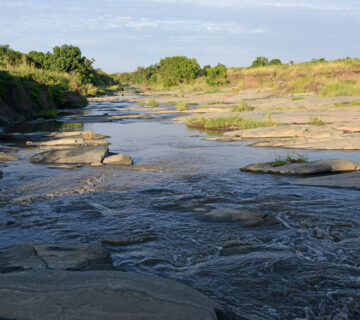
Wildlife is still concentrated around remaining water sources, vegetation is thin, and visibility is excellent. Game drives are generally productive because animals are easier to locate and track.
However, compared to July, August, and September, there is a subtle shift. The extreme pressure of peak season starts to ease, both in terms of tourist numbers and wildlife movement patterns.
This is what makes October interesting—it still behaves like peak season, but without being fully peak season anymore.
Wildlife Viewing in October
Wildlife viewing in October is generally very strong.
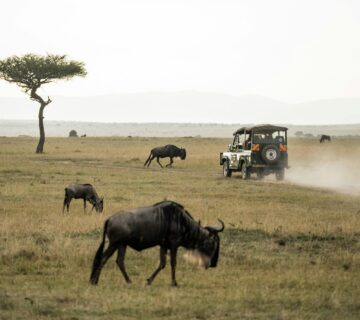
Because water sources are still limited, animals remain relatively concentrated, especially in key areas of the Serengeti ecosystem. Predators are still active and visible, and herbivore sightings remain consistent.
Depending on annual rainfall patterns, some migration herds may still be in northern or central regions of the Serengeti, but movement is beginning to shift southward.
What you get is a slightly more relaxed version of peak dry-season game viewing.
The Serengeti in October
In the Serengeti National Park, October feels like a transition between two worlds.
Early in the month, conditions often resemble peak dry season: dry landscapes, high visibility, and predictable wildlife concentration.
As the month progresses, early signs of the short rains may begin to appear depending on the year. This gradually starts to change animal movement patterns and vegetation response.
The key difference is not sudden—it is gradual. You feel the shift rather than see it immediately.
Crowds and Safari Pressure
One of the biggest advantages of October is that crowd levels begin to drop compared to peak season.
July and August are high-pressure months with heavy tourism in popular safari zones. By October, this pressure starts to ease.
You still see other vehicles at major sightings, but the intensity is noticeably reduced. Game drives feel less congested, and there is more flexibility in positioning and timing.
This makes October feel more comfortable without losing strong wildlife access.
Weather Conditions
October is still generally dry, but it is the beginning of change.
Temperatures remain warm during the day, and rainfall is still limited in most regions. However, occasional early rains can start appearing toward the end of the month in some areas.
These early weather shifts are important because they trigger the ecosystem’s transition toward the green season.
For travellers, conditions remain highly favourable for safari activities.
Pricing and Availability
October sits in a mixed pricing zone.
It is not as expensive as July and August, but it is not low season either. Many lodges still operate at mid to high-season rates, especially in prime wildlife areas.
Availability is generally better than peak months, but popular camps can still book out, especially in the northern circuit.
It is a good balance between cost and quality compared to peak dry season travel.
Migration Context in October
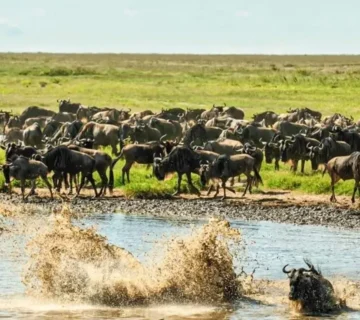
The Great Migration is still active in October, but it is less predictable than peak dry-season months.
Depending on rainfall and herd movement, wildlife may begin shifting southward from northern areas back toward central and southern plains.
This is not a peak river-crossing month, and it is not the most dramatic migration period. Instead, it is a movement phase where herds begin repositioning for the next cycle.
The Trade-Offs of October
October is not perfect, and it is important to be realistic.
You are not getting peak migration drama like July or August. You are also not getting green-season photography conditions like November or February.
Instead, you are getting a balanced middle phase.
The trade-offs include:
slightly less predictable migration positioning
early signs of changing weather patterns
less dramatic “event-based” wildlife moments compared to peak months
In exchange, you get better space, solid wildlife density, and more comfortable safari conditions.
Who October Is Best For
October is ideal for travellers who want:
strong wildlife viewing without peak-season crowds
better availability and slightly improved pricing
dry-season style safaris with a softer tourism load
flexibility without sacrificing game quality
It is especially good for first-time visitors who want a reliable safari experience without the intensity and cost of peak months.
Insight
October is a transition month, and that is exactly what makes it valuable.
Inside the Serengeti National Park ecosystem, it represents the shift from peak dry-season concentration toward the early stages of green-season renewal.
You still get strong wildlife visibility, stable weather, and good safari conditions, but with fewer crowds and slightly more flexibility.
So the honest answer is simple: October is absolutely a good time to visit Tanzania, especially if you want a balanced safari experience without the extremes of peak season pressure or full green-season dispersion.
Start Planning Your Next Trip To Africa
If you can picture yourself in one—or several—of these exceptional retreats, the next move is simple. We design fully tailored African safaris that bring these experiences together seamlessly, from private gorilla encounters to luxury lodges in the heart of the wild.
Every detail is carefully planned, so your journey feels effortless from start to finish. Reach out in whichever way suits you best, and let’s begin crafting your safari.
Start Planning