Should Kilimanjaro Be on Your Tanzania Safari Itinerary?

Should Kilimanjaro Be on Your Tanzania Safari Itinerary? An Honest Assessment for Luxury Travellers
Mount Kilimanjaro is one of the most recognisable mountains on Earth, and for many travellers it represents the ultimate African achievement. At the same time, a Tanzania safari in places like the Serengeti National Park represents one of the most rewarding wildlife experiences anywhere in the world.
The question is not whether both are impressive. They are. The real question is whether they belong in the same luxury itinerary, or whether combining them creates unnecessary compromise.
For luxury travellers, the answer is more nuanced than marketing brochures suggest.
The Core Reality: These Are Two Completely Different Luxury Experiences
A safari and a Kilimanjaro climb are both premium experiences in Tanzania, but they operate in fundamentally different ways.
A luxury safari is defined by:
comfort in remote wilderness
high-end lodges and tented camps
private guiding and flexible game drives
slow, observational travel across ecosystems
A Kilimanjaro climb, even at the highest logistical standard, is defined by:
physical endurance
multi-day trekking in basic mountain conditions
limited comfort compared to safari lodges
structured route progression rather than flexibility
This is the first key distinction: one is comfort-driven exploration, the other is achievement-driven endurance.
What Kilimanjaro Actually Feels Like in Practice
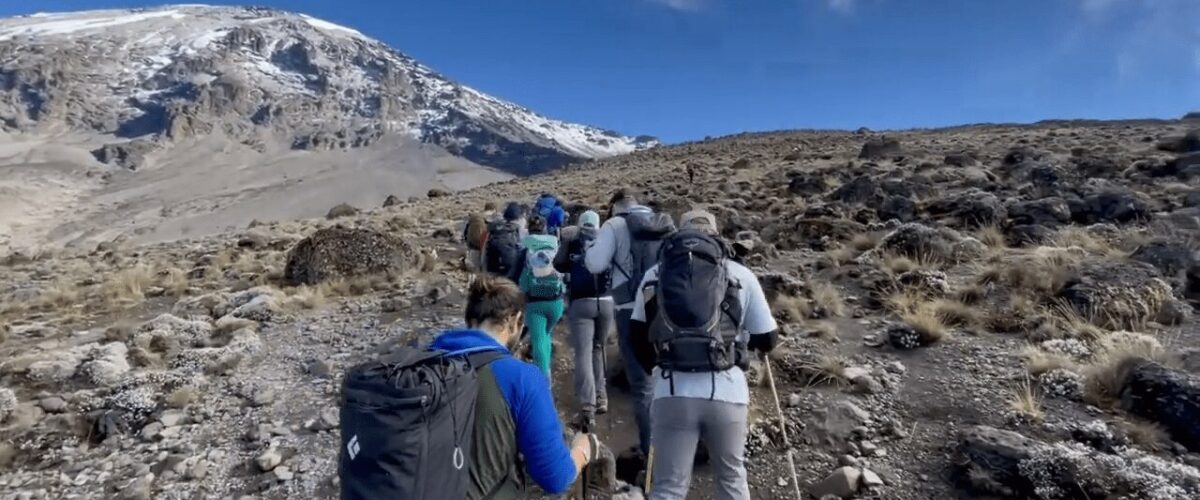
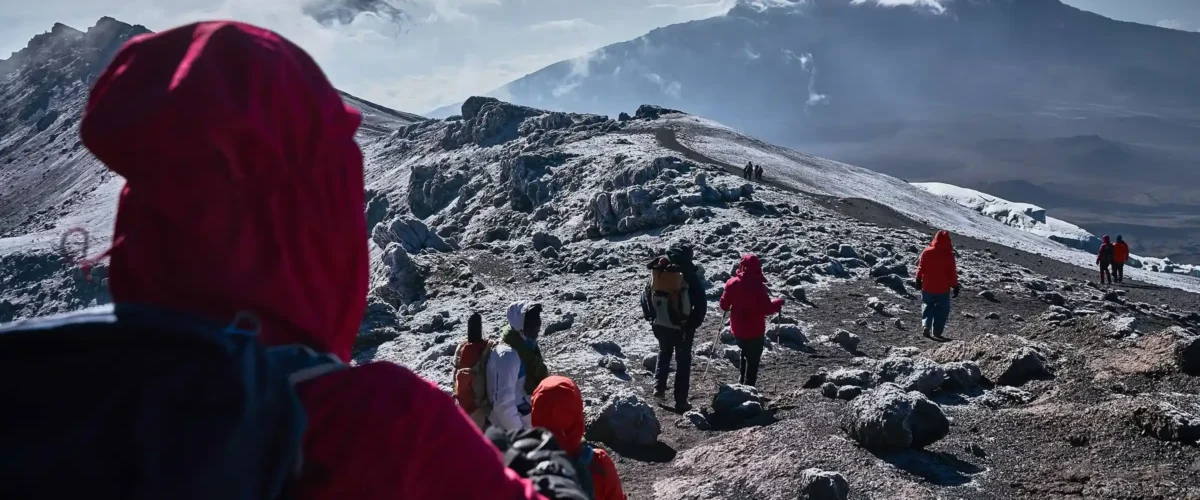
Even on well-supported luxury trekking routes, Mount Kilimanjaro is not a comfort experience in the traditional sense.
You are sleeping in mountain tents, moving through altitude zones, and adapting daily to thinning air.
There are no lodges in the safari sense, no game drives, and no downtime luxury rhythm. The experience is focused, structured, and physically demanding.
This matters because luxury travellers often expect continuity of comfort. Kilimanjaro interrupts that pattern completely.
What a Luxury Safari Actually Delivers
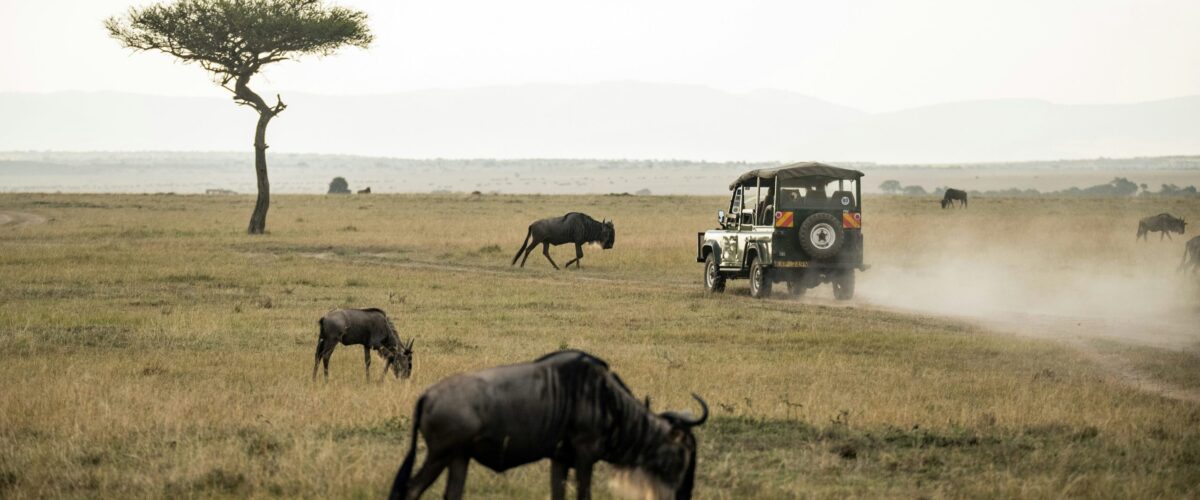
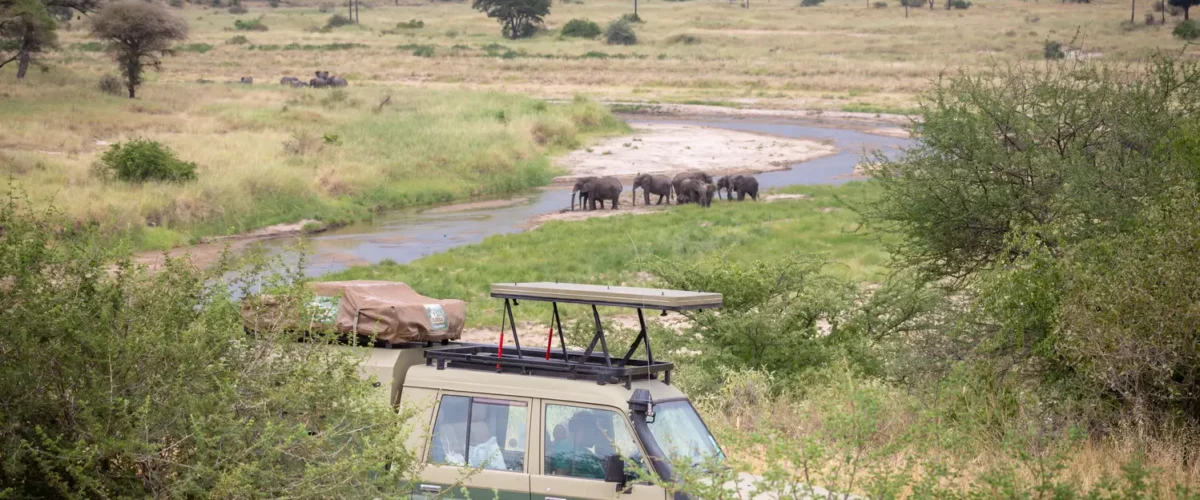
In contrast, a safari in the Serengeti ecosystem is built around immersion and comfort working together.
Inside the Serengeti National Park, luxury lodges and camps offer:
large private suites or tented rooms
personalised guiding and flexible schedules
high-quality dining in remote locations
game drives tailored to your pace
The experience is not physically demanding. It is observational, curated, and designed for relaxation between wildlife encounters.
The Main Conflict: Energy vs Experience Quality
The biggest issue with combining Kilimanjaro and safari in one itinerary is not logistics. It is energy distribution.
Kilimanjaro requires peak physical energy and mental focus for nearly a week or more. A safari requires relaxed attention, patience, and long observational days.
If you do Kilimanjaro first, you may arrive on safari physically drained. If you do safari first, you risk entering the climb without optimal physical conditioning or rhythm.
This creates a subtle but important compromise in both experiences.
Time Reality for Luxury Itineraries
Luxury travel is not just about comfort—it is also about pacing.
A well-designed luxury safari in northern Tanzania typically needs:
at least 5 to 7 days for meaningful wildlife immersion
A proper Kilimanjaro climb requires:
6 to 9 days depending on route and acclimatisation profile
Once you combine them, you are realistically looking at 12 to 16 days minimum, excluding international travel.
This is where many itineraries become compressed, which is exactly what luxury travel is meant to avoid.
The Psychological Shift Between Experiences
There is also a less discussed issue: psychological transition.
On safari, your mindset is:
relaxed observation
slow movement
focus on wildlife behaviour
On Kilimanjaro, your mindset becomes:
goal-oriented progression
physical endurance
daily altitude adaptation
Switching between these mindsets within the same trip can be mentally demanding, especially without buffer days.
When Combining Both Actually Works
There are scenarios where combining both works well, but they are specific.
It works best when:
you have 14+ days available
you are physically fit and experienced in trekking
you are comfortable with rapid environmental change
you prioritise “once-in-a-lifetime” experiences over relaxation
In these cases, Kilimanjaro becomes the achievement component, and the safari becomes the recovery and reward phase.
When You Should NOT Combine Them
For many luxury travellers, combining both is not the best design choice.
It is not ideal if:
you prefer slow travel with downtime
you value uninterrupted luxury lodge stays
you are sensitive to altitude or physical strain
you want deep photographic or wildlife focus in the Serengeti
In these cases, combining both reduces the quality of each experience rather than enhancing the trip.
A Strong Alternative: Choosing Depth Over Quantity
Instead of combining Kilimanjaro and safari, many luxury travellers get more value by choosing one and doing it properly.
Option 1: Safari Focus
Spend 7–10 days in northern Tanzania, focusing on the Serengeti, Ngorongoro Crater, and possibly Tarangire. This allows deeper wildlife immersion and lodge-based luxury.
Option 2: Kilimanjaro + Short Safari Add-On
Focus on the climb, then add a short 2–3 day safari for relaxation and wildlife contrast rather than full immersion.
Both approaches avoid compromise and preserve the integrity of each experience.
Why Serengeti Still Defines the Safari Experience
For most luxury travellers, the core value of Tanzania remains the safari system itself.
The ecosystem of the Serengeti National Park offers something Kilimanjaro cannot: continuous wildlife narrative.
Instead of a single summit goal, you experience:
predator-prey dynamics
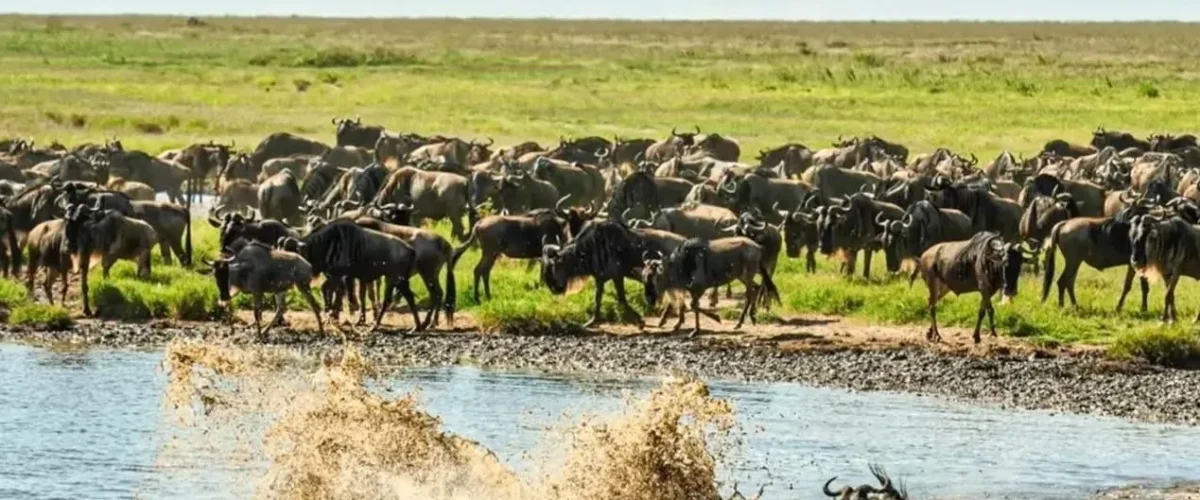
migration movement patterns
ecosystem scale and variation
long-form wildlife observation
This is why many travellers ultimately prioritise safari time over mountain time.
Assessment
Should Kilimanjaro be on your Tanzania luxury safari itinerary?
The honest answer is: only if you have enough time, physical readiness, and a clear reason for doing both.
If your goal is maximum comfort, wildlife immersion, and curated luxury, then a dedicated safari in the Serengeti ecosystem will deliver a more consistent and refined experience.
If your goal includes personal challenge and achievement alongside wildlife, then combining Kilimanjaro with a safari can work—but only when the itinerary is long enough to prevent rushing either experience.
In luxury travel, the key principle is not how much you include. It is how well each experience is allowed to fully exist.