Rwanda’s Plastic Bag Ban and Clean Country Policy

Rwanda’s Plastic Bag Ban and Clean Country Policy: What Travellers Need to Know
Why Rwanda feels so different on arrival
Most travellers notice it immediately after landing in Kigali. The streets look unusually clean. There is very little roadside litter. Public spaces feel orderly and well maintained. This is not accidental. It is the result of one of the strictest environmental policies in Africa: Rwanda’s national plastic bag ban and broader clean country policy.
For safari travellers, this policy is more than a background detail. It directly affects what you can bring into the country, how you pack, and how smoothly your arrival process goes.
Understanding it properly prevents inconvenience at the airport and helps you move through Rwanda without unnecessary delays.
The plastic bag ban explained simply
Rwanda has banned the importation, use, and distribution of non-biodegradable plastic bags. This policy has been in place for years and is strictly enforced.
When you arrive in Rwanda, airport security may inspect your luggage. Any plastic carrier bags are typically removed. In some cases, travellers are asked to unpack items or transfer them into reusable alternatives.
This applies to most standard plastic shopping bags and packaging materials that are not considered environmentally safe.
The goal is simple. Rwanda wants to eliminate plastic waste from its environment entirely.
Why Rwanda introduced the ban
Rwanda introduced the plastic bag ban as part of a wider environmental protection strategy.
Plastic waste had become a serious problem in many urban and rural areas. It affected drainage systems, landscapes, and wildlife habitats.
The government responded with a national policy that eliminated plastic bags and promoted alternative packaging materials.
This decision is closely linked to Rwanda’s identity as a clean and environmentally conscious destination.
It also supports tourism, especially safari tourism, where natural landscapes and wildlife are central to the experience.
How strict enforcement works in practice
The plastic bag ban is not just a guideline. It is enforced at multiple points of entry.
At Kigali International Airport, luggage may be checked for restricted plastic materials. Items can be confiscated or repackaged into permitted alternatives.
Inside the country, shops do not provide plastic bags. Instead, reusable paper or fabric alternatives are used.
This system is consistent across cities, towns, and rural areas. It is not limited to tourist zones.
Travellers quickly notice that the absence of plastic is part of everyday life in Rwanda.
What travellers should pack differently
Because of the plastic bag ban, travellers need to adjust how they pack before arriving in Rwanda.
Instead of using disposable plastic bags for toiletries, shoes, or laundry separation, it is better to use fabric pouches, packing cubes, or reusable waterproof bags.
These alternatives are widely accepted and avoid issues during airport checks.
It is also useful to avoid bringing unnecessary packaging inside checked luggage. Removing excess plastic before travel makes arrival smoother.
Small adjustments in packing style prevent delays and avoid the need to re-pack items on arrival.
The clean country policy and public behaviour
Rwanda’s environmental approach goes beyond plastic bags. The country also operates a broader clean country policy that promotes public cleanliness and environmental responsibility.
This policy encourages clean streets, organized waste management, and community participation in environmental maintenance.
One of the most visible examples is Umuganda, a national community service day held regularly. On this day, citizens participate in cleaning public spaces, repairing infrastructure, and supporting local development projects.
This system reinforces the idea that environmental cleanliness is a shared responsibility, not just a government function.
How this affects safari destinations
Rwanda’s clean environment policy extends into its national parks and safari areas.
Volcanoes National Park, Nyungwe Forest, and Akagera National Park are all maintained under strict environmental standards.
Litter is minimal in these areas. Visitor behaviour is closely regulated. Park authorities enforce rules that protect wildlife habitats from pollution and disturbance.
This creates a different safari experience compared to destinations where environmental control is less strict.
The result is cleaner landscapes and more controlled tourism environments.
Why Kigali is often described as one of Africa’s cleanest cities
Kigali is widely recognized as one of the cleanest cities in Africa. This reputation comes directly from the enforcement of environmental policies.
Waste management systems are organized. Public spaces are maintained regularly. Illegal dumping and littering are strictly discouraged.
For travellers, this creates a strong first impression of Rwanda’s governance and planning systems.
It also sets expectations for the rest of the country, especially when moving into national parks and rural areas.
Common mistake travellers make before arrival
One common mistake is assuming that plastic bags will not be an issue during travel.
Many travellers pack toiletries, clothing, or accessories in multiple plastic bags for convenience. On arrival, these may be removed or replaced.
This can cause confusion or delays at the airport.
Another mistake is expecting flexibility with packaging rules. Rwanda’s enforcement is consistent, so it is better to prepare in advance rather than adjust on arrival.
How the policy supports conservation goals
The plastic bag ban is directly linked to conservation outcomes.
Plastic waste can harm wildlife, especially in protected ecosystems. By removing plastic from circulation, Rwanda reduces environmental risks in national parks and rural habitats.
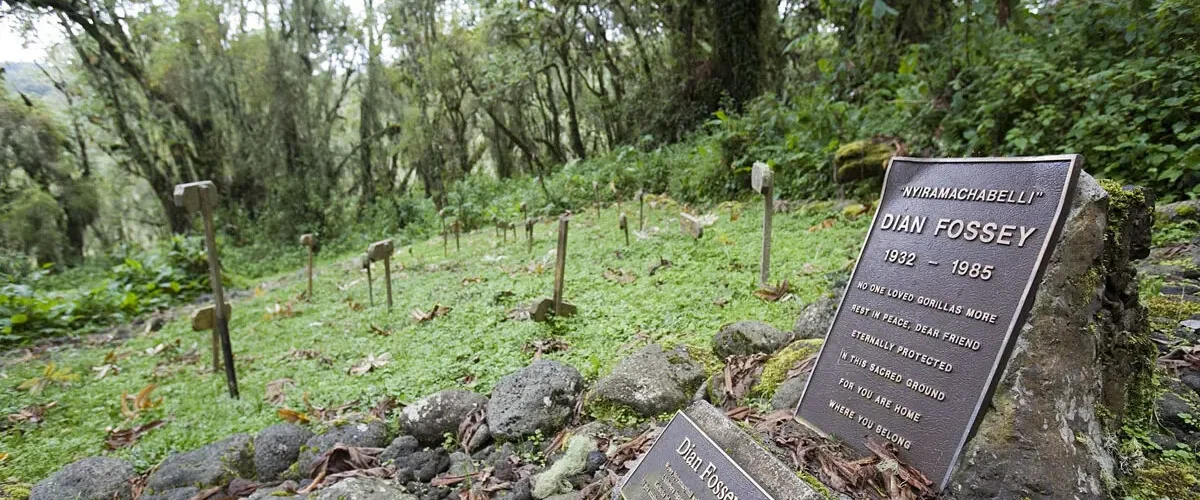
This supports species protection efforts, including mountain gorillas in Volcanoes National Park and wildlife in Akagera National Park.
Cleaner environments also improve the quality of safari experiences for visitors.
The role of tourism in reinforcing the policy
Tourism plays an important role in supporting Rwanda’s environmental policies.
Visitors are expected to follow the same cleanliness standards as residents. This includes avoiding plastic bags, respecting waste rules, and maintaining clean public spaces.
Tour operators and safari lodges also support this system by using sustainable packaging and reducing single-use materials.
This alignment between tourism and national policy strengthens overall environmental outcomes.
How luxury safari operators adapt
Luxury safari operators in Rwanda fully integrate environmental rules into their operations.
Lodges often use reusable materials, eco-friendly packaging, and controlled waste systems. Airport transfers and guiding services also inform travellers about plastic restrictions before arrival.
This ensures that guests are prepared and avoid issues during their trip.
In many cases, sustainability becomes part of the luxury experience itself.
What this means for your safari experience
For travellers, Rwanda’s plastic bag ban and clean country policy create a more structured and organized environment.
You experience cleaner cities, well-maintained parks, and clear environmental expectations.
At the same time, you need to adapt your packing and travel habits slightly before arrival.
Once you adjust, the system becomes simple and easy to follow.
The result is a safari environment that feels controlled, safe, and environmentally conscious.
Rwanda’s plastic bag ban and clean country policy are not minor regulations. They are central to how the country manages its environment and tourism industry.
These policies reduce pollution, protect wildlife habitats, and maintain some of the cleanest public spaces in Africa.
For travellers, the key requirement is simple preparation. Avoid plastic bags, use reusable packing solutions, and respect environmental rules throughout your trip.
In return, you experience a destination where conservation is visible in everyday life, from city streets in Kigali to the forests of Volcanoes National Park.
This system is one of the reasons Rwanda stands out as a leading conservation and safari destination in Africa.