First Trip To Africa? The Best Regions for First Timers
Most guides to Africa try to cover the entire continent in a single scroll. We would rather cover it properly. This guide focuses on the regions Engabi Tours and Travel knows intimately: Uganda, Rwanda, Kenya, Tanzania, and the Victoria Falls corridor shared by Zambia and Zimbabwe.
If this is your first safari, the number of decisions in front of you can feel heavier than the trip itself. How many days do you actually need. Which country goes first. What does a genuinely luxury experience cost, and where does the number stop making sense. This guide answers those questions with real figures, real distances, and the reasoning our travel consultants use when they build a first-time itinerary.
How Long Should Your First African Safari Be
The Short Answer
Ten to fourteen days is the sweet spot for a first safari that includes gorilla trekking, chimpanzee tracking and at least one savannah destination. Fewer days than that and you spend too much of the trip in transit. More, and fatigue starts to compete with wonder.
Why This Range Works
A primates experience including a gorilla and chimpanzee trek alone justifies six full days on the ground: one day to settle in each primates destination and acclimatise, one day for each trek itself, and a buffer day for resting after the encounters. Add a savannah safari component of four to five days, since wildlife viewing genuinely improves the longer you stay in one ecosystem, allowing you to catch predator activity at dawn and dusk rather than a single rushed game drive. Build in one or two travel days between countries, and a rest day near the end goes further than people expect.
If You Only Have a Week
A seven-day trip can still work well if you commit to a single country. Uganda alone offers gorilla and chimpanzee trekking, a savannah park, and a cultural encounter within a seven-day frame without feeling compressed. Trying to combine three countries in seven days usually means spending more hours in transit than on safari, which we actively discourage first-timers from doing.
Where to Go: A Brief Overview of Our Destinations
Uganda
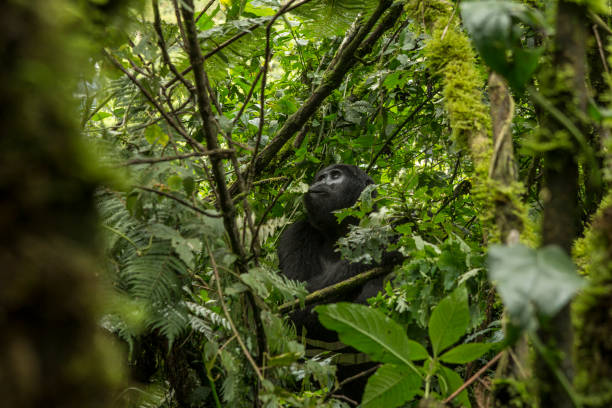
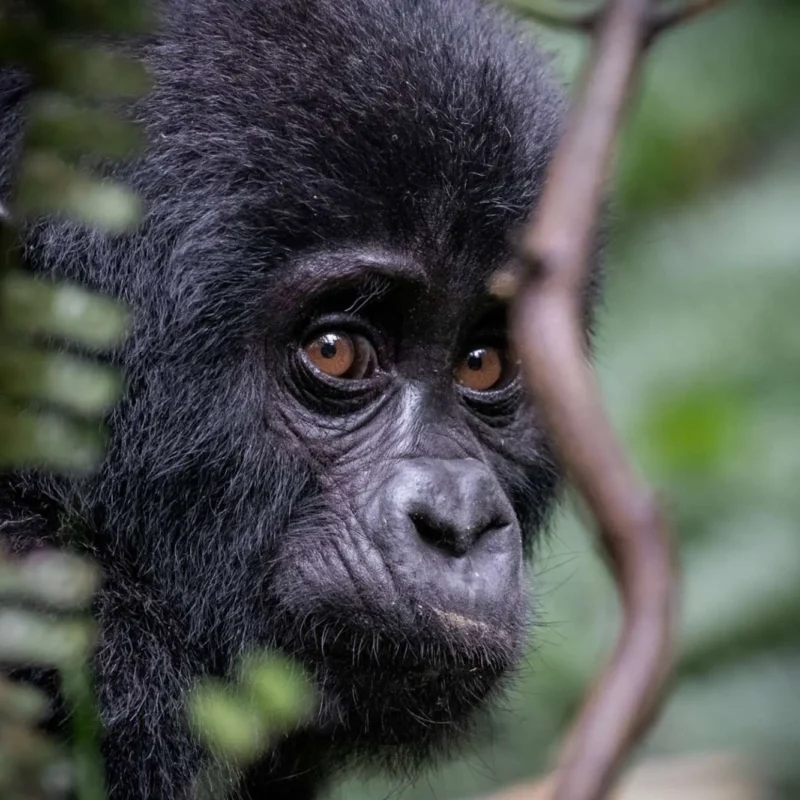
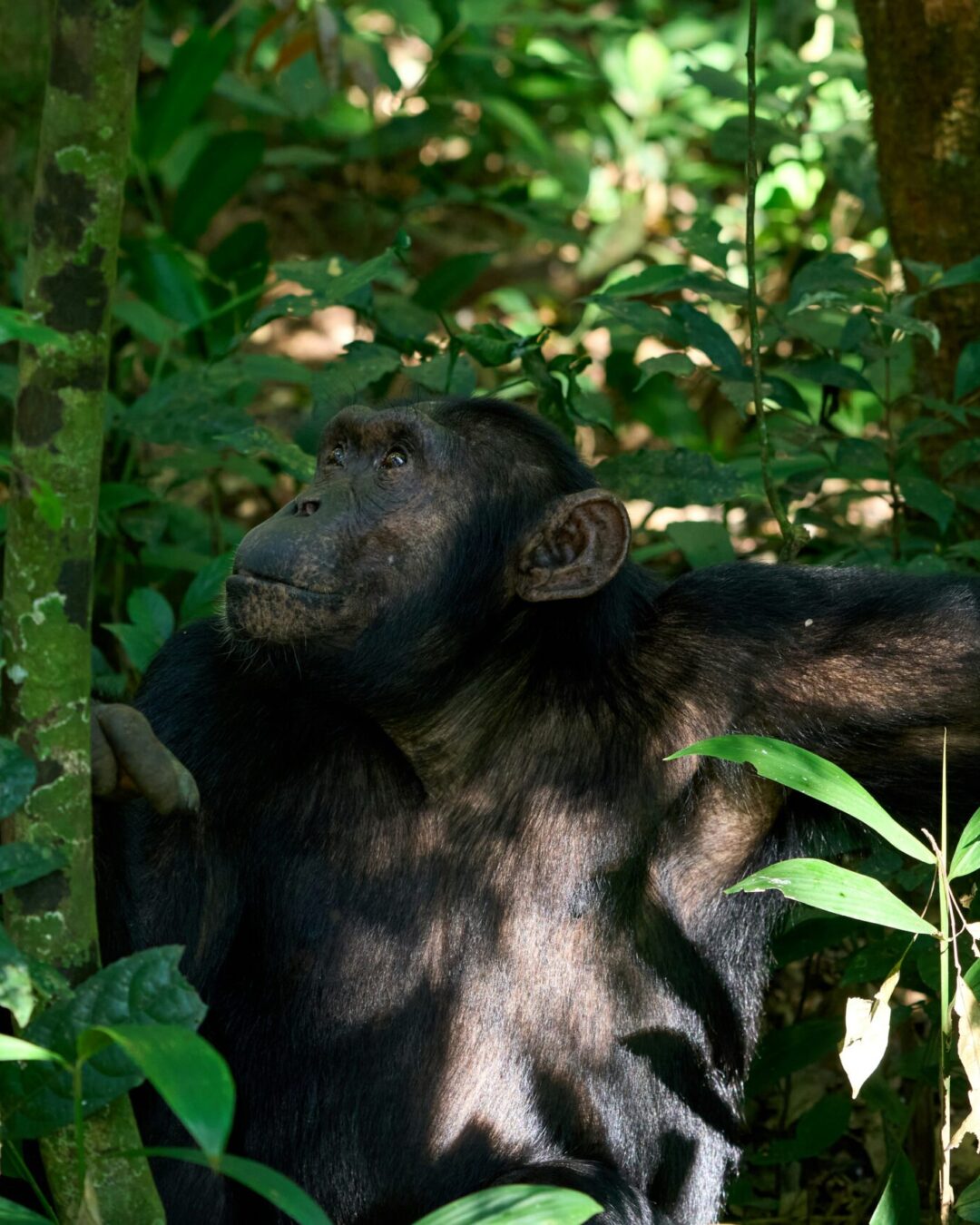
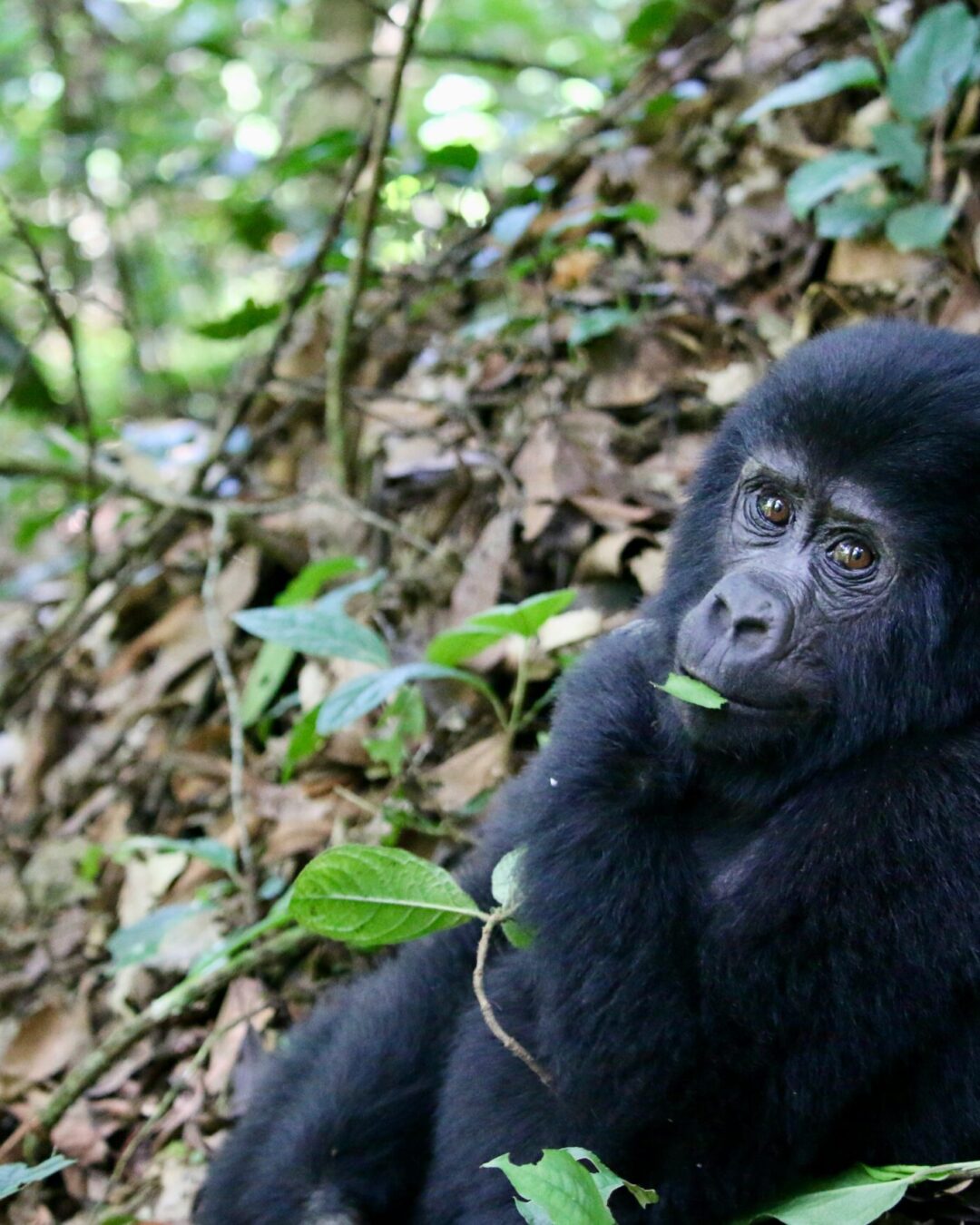
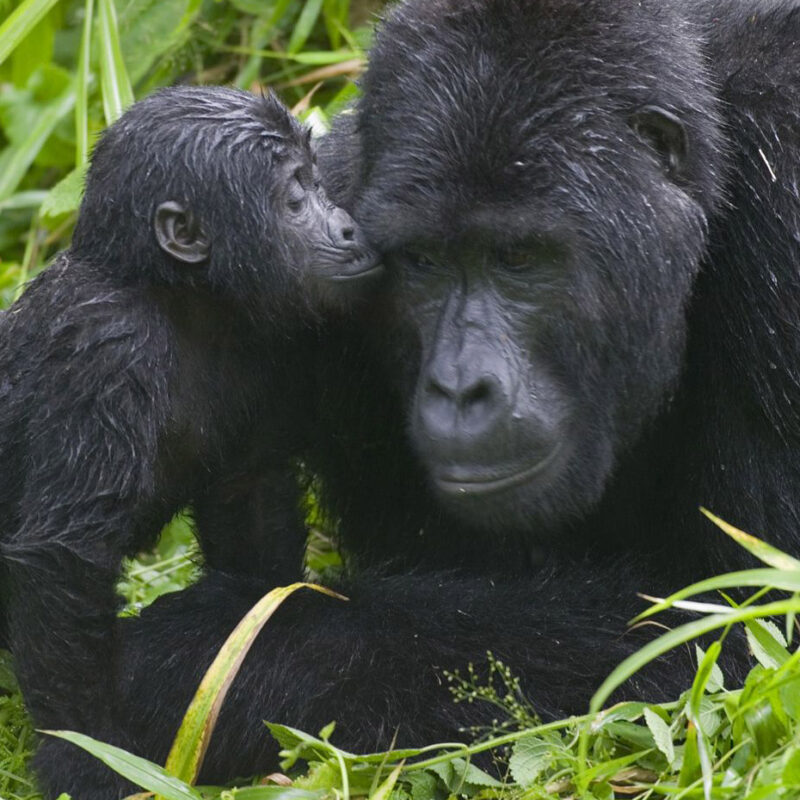
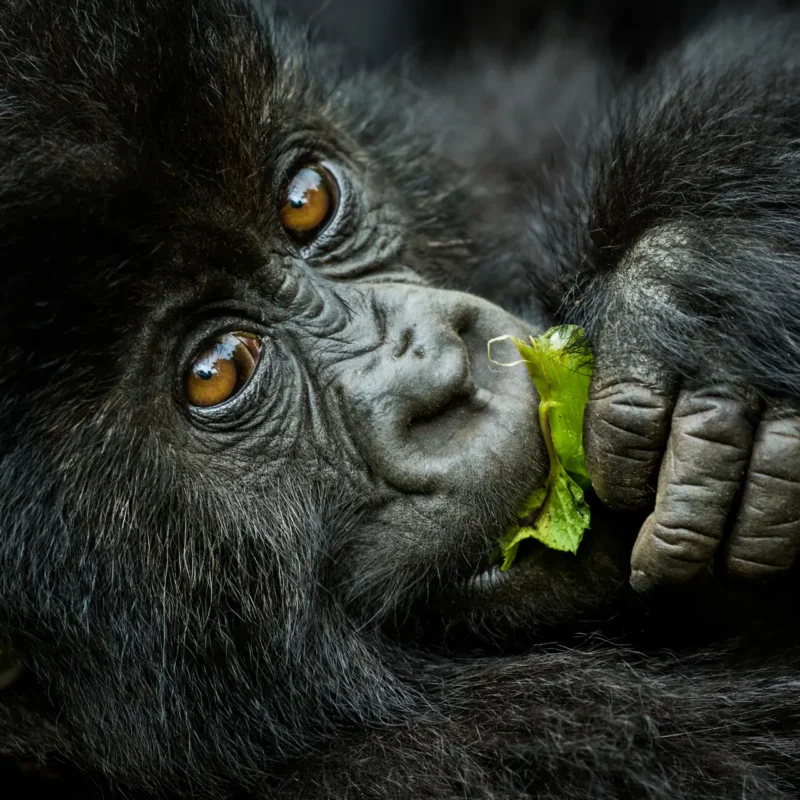
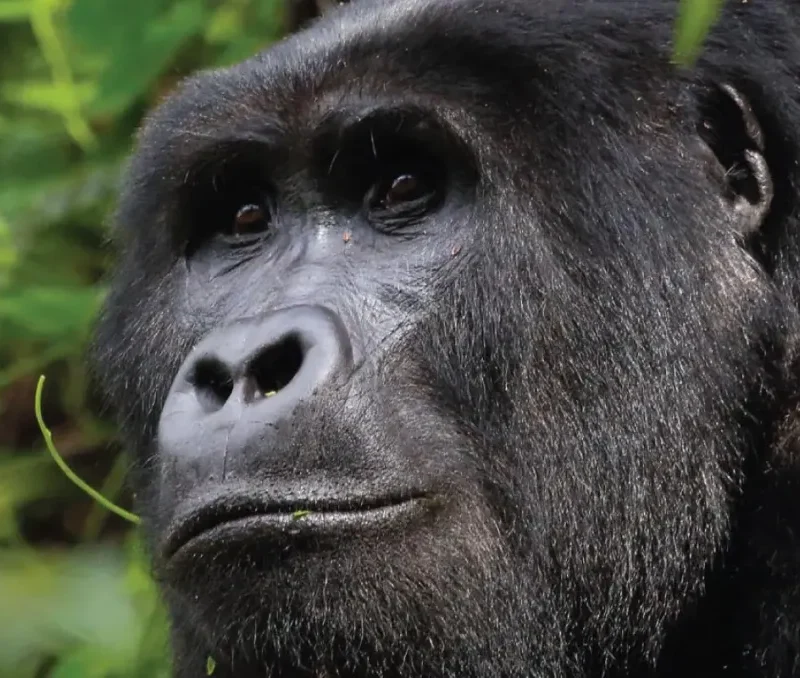
Uganda is where most of our first-time travellers begin and for good reason. Bwindi Impenetrable National Park holds more than half the world’s remaining mountain gorillas, spread across more than twenty-five habituated families. A standard gorilla permit costs $800 for foreign non-residents, or $600 during the discounted low season of April, May and November. Beyond gorillas, Kibale Forest National Park offers Chimpanzee tracking, Queen Elizabeth National Park offers tree-climbing lions and boat safaris on the Kazinga Channel, while Murchison Falls delivers the most dramatic single waterfall on the Nile.
Rwanda
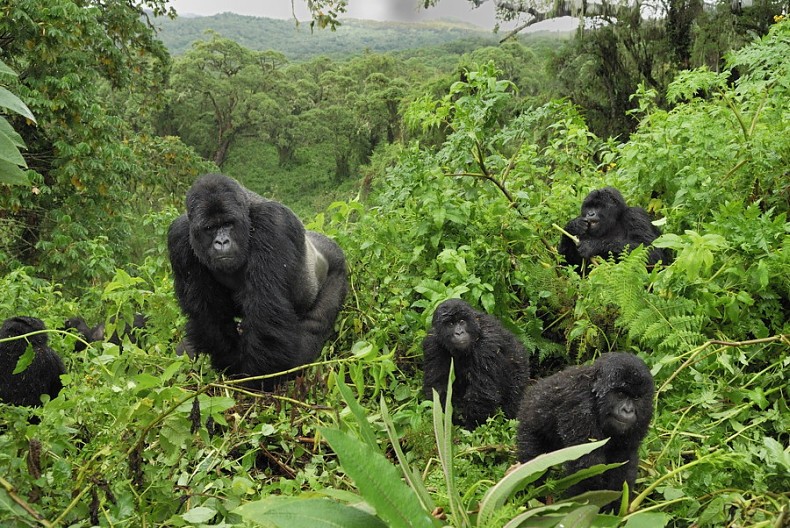
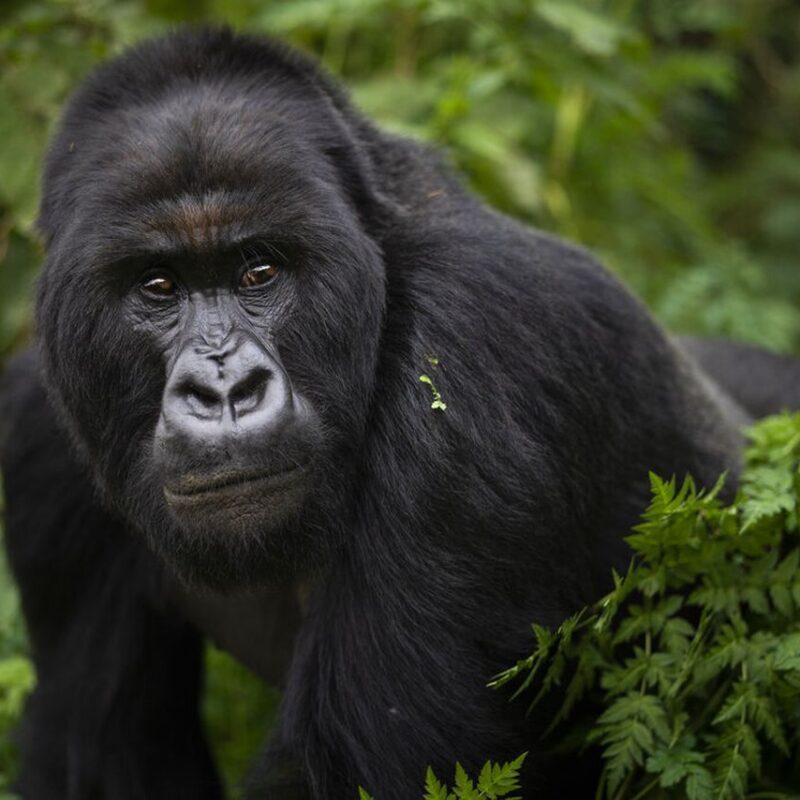
Rwanda’s Volcanoes National Park is the more polished, more accessible cousin to Bwindi. A gorilla permit here costs $1,500, nearly double Uganda’s rate, but the trade-off is shorter, better-maintained access roads and a park that sits close enough to Kigali for a same-day transfer. Golden monkey tracking and the Dian Fossey research legacy add depth beyond the gorillas themselves.
Kenya
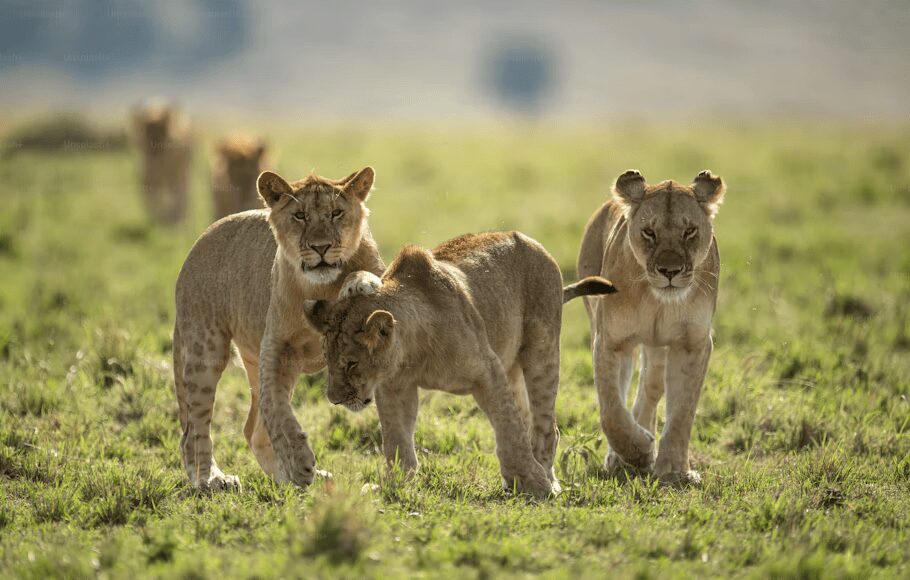
The Masai Mara is the country’s centrepiece, and between July and October it hosts one of the most concentrated wildlife spectacles on the continent, as more than a million wildebeest cross the Mara River. Outside migration season, the Mara’s resident lion, leopard, and cheetah populations still make for exceptional daily game drives.
Tanzania
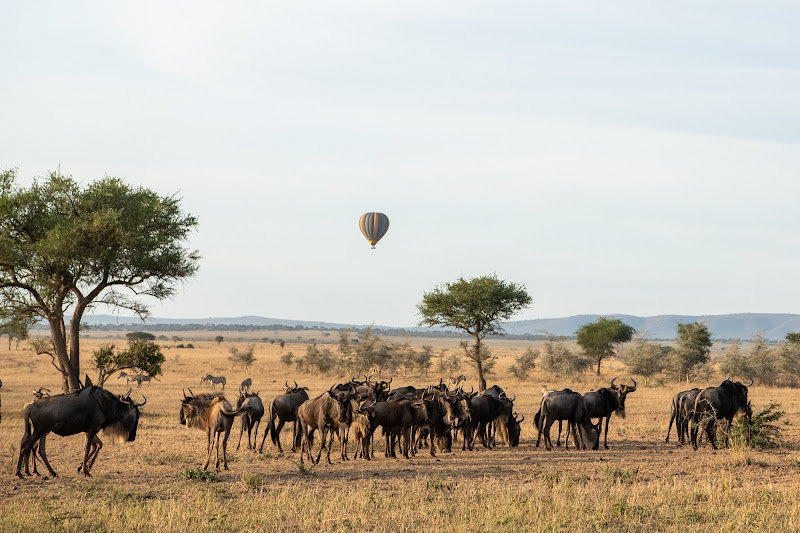
Tanzania pairs the Serengeti’s open plains with the Ngorongoro Crater, a collapsed volcanic caldera dense enough with wildlife that a single morning drive can produce sightings of all of the Big Five. The two parks sit close enough together that they are easily combined in one itinerary.
Victoria Falls
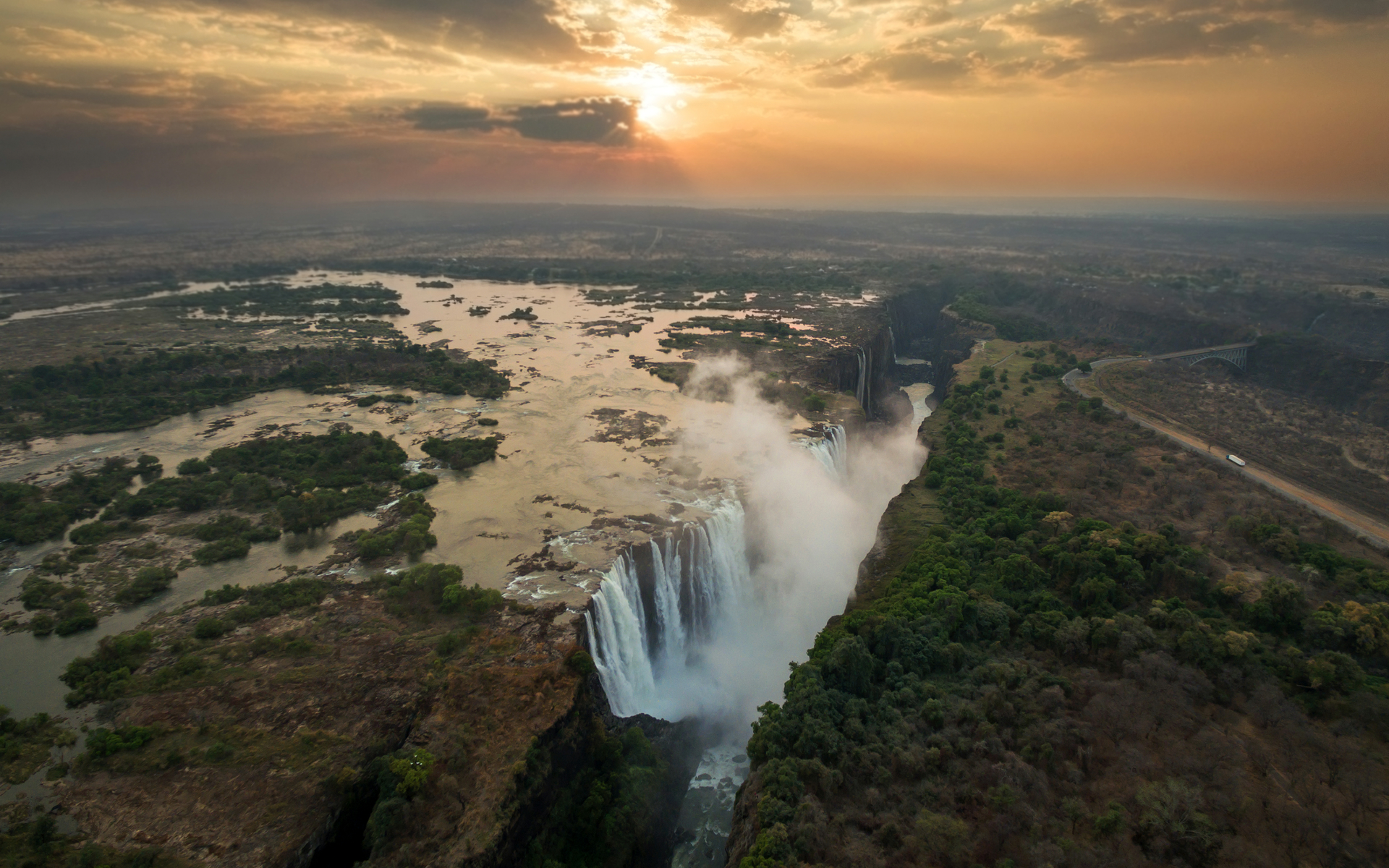
Straddling the border of Zambia and Zimbabwe, Victoria Falls is the widest sheet of falling water on earth, and it works best as the final chapter of a longer trip rather than a standalone destination. Sundowner cruises on the Zambezi, microlight flights over the gorge, and white-water rafting below the falls round out a stay of two to three days.
Why Go on Safari to Explore Africa
A safari is one of the few remaining travel experiences that cannot be replicated through a screen or a photograph. Watching a lion pride wake at dusk, or sitting a few metres from a gorilla family as they groom and feed, puts you inside an ecosystem rather than observing it from outside.
For many of our travellers, it also reframes their sense of scale. The Serengeti’s horizon has no visible edge. The silence around a gorilla family, broken only by the sound of them eating, is unlike anything most people have experienced.
There is also a conservation dimension worth understanding before you go. Permit revenue from gorilla trekking through Uganda Wildlife Authority, directly funds ranger patrols, veterinary care, and community programmes in the areas surrounding the parks. Your trip is, in a very direct sense, part of why these species are still here to be seen.
The Cost of Luxury Safari Travel in Africa
Luxury on safari is not a single price point. It spans a wide range, and understanding where you sit on it changes how your trip should be planned.
Mid-Luxury
Starting from $5000 per person, full-board for about ten days to two weeks. This tier covers standard accommodation in well-appointed mid-luxury lodges and tented camps with good service, good food, included game drives and private guiding without remote airstrip access. Most first-time travellers land comfortably here for at least part of their trip.
Luxury
Starting from $8000 per person , all-inclusive for about ten to fourteen days. This is where fly-in access, dedicated guides, and executive accommodation in high-end lodges enter the picture. Properties in this range tend to offer spa services, laundry services, internet and beverages including softdrinks, house wine and local beers.
Ultra-Luxury
$20,000 per person and upward. Private villas, exclusive-use camps, dedicated 4×4 vehicles with a guide, and access to locatons by private charter flights and private boat safaris. Ultra-Luxury properties tend to sit inside private conservancies or concessions, which means fewer vehicles at every sighting and more flexibility to leave established roads. At this level, the lodge itself often becomes as much a part of the story as the wildlife.
Most of the itineraries we build blend tiers, spending more on the nights immediately around a gorilla trek or a big-cat-dense conservancy, and slightly less on transitional nights where the accommodation matters less than the day’s activity.
Travelling To and Between African Countries
Getting Into Africa
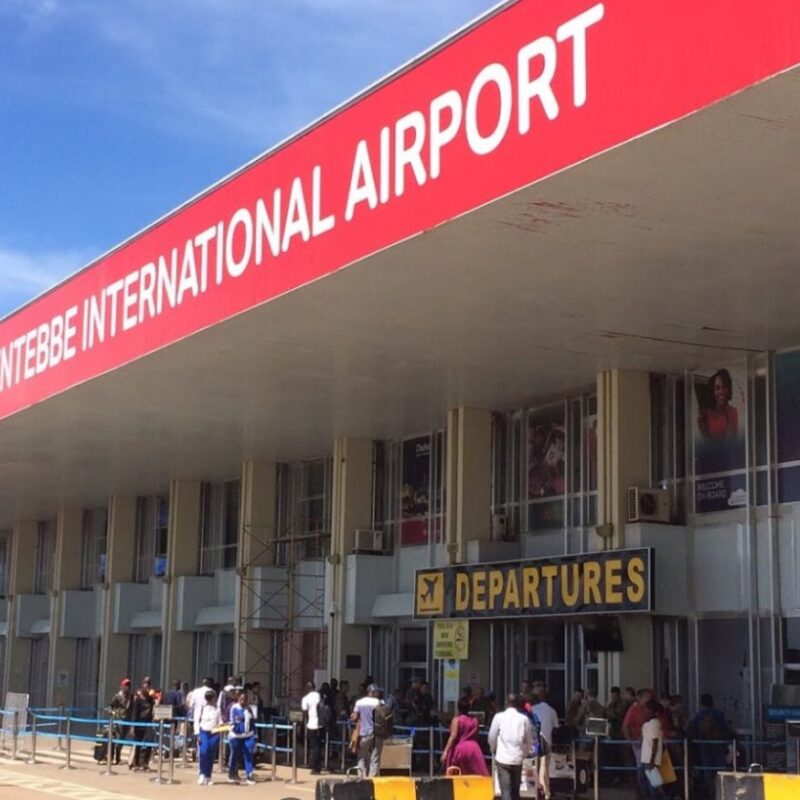
Entebbe International Airport in Uganda, Jomo Kenyatta International in Nairobi, Kigali International in Rwanda and Kilimanjaro International Airport in Tanzania are the four main international gateways for our itineraries. Kenya Airways, Uganda Airlines, RwandAir and Air Tanzania connect all three to each other with daily flights. International flights under major airlines like Emirates, Brussels Airlines, Qatar Airways, KLM, Turkish Airlines and others all fly to these countries with connections via major hubs like Dubai, Brussels, Doha, Amsterdam and Istanbul.
Moving Between Countries
Entebbe to Kigali takes around fifty minutes by air, against roughly seven hours by road. Nairobi to Kigali runs closer to one hour and thirty-five minutes by air, versus close to sixteen hours by road. Kampala to Nairobi is a similarly short hop, at roughly one hour and ten minutes. For any multi-country itinerary, we default to flights between hubs and reserve road transfers for shorter, scenic legs where the drive itself adds to the experience, such as Kigali to Volcanoes National Park.
Scheduled Domestic Flights and Charter Flights Within a Country
Once inside a destination, light aircraft transfers between parks are common and often preferable to long road transfers. For instance, a scheduled flight or charter flight from Entebbe to an airstrip in Bwindi operated by Aerolink Uganda cuts a nine-hour drive down to roughly sixty minutes, which matters when you would rather spend that time on a game drive than a highway.
Best Time to Explore Africa
Gorilla Trekking in Uganda and Rwanda
Trekking is possible year-round, since permits are not weather-dependent, but the two dry seasons, June through September and December through February, bring firmer trails and easier hiking. April, May, and November are wetter and muddier underfoot, but Uganda’s discounted low-season permits make this window appealing for travellers comfortable with rain gear.
The Great Migration in Kenya and Tanzania
The Great Migration is a restless, year-round pulse, not a single event, but an endless cycle of birth, pursuit, and survival. Calving begins early in the year in January, February and March on the southern Serengeti plains, where newborns draw predators like a magnet. By April, the herds drift northwest toward fresher grass, and mating season brings head-to-head battles among males. June and July are the true test: crocodile-filled rivers that demand everything from the thousands who attempt to cross. August through October delivers the Mara River’s peak drama, with chaos, panic, and staggering losses, though no two crossings are ever the same. After the short rains, the migration loops back south, and by December, the herds are grazing again on the lush plains where it all began ready to start the cycle once more.
Victoria Falls
The falls are at their most dramatic, and loudest, between March and May, following the rainy season, though spray can obscure some viewpoints at peak flow. By September and October, water levels drop and rock formations become visible, which some travellers prefer for photography and activities like the Devil’s Pool.
What Else to Plan Before You Go
Visas
Uganda, Kenya, and Rwanda operate under the East Africa Tourist Visa, which allows travel between all three countries on a single visa for many nationalities. Tanzania and the Victoria Falls countries require separate arrangements, which can be handled online through Tanzania Immigrations Services Evisa Portal or on arrival for Tanzania and the Kaza Univisa for entry in Zambia and Zimbabwe.
Health Preparations
A yellow fever vaccination certificate is required for entry into most of these countries if you are arriving from, or have transited through, a country with risk of transmission. Malaria prophylaxis is recommended across all the destinations in this guide.
What to Pack
Layers matter more than volume. Mornings on game drives can sit close to freezing at altitude, particularly around Bwindi and the Virunga foothills, while midday heat in the Mara or Serengeti climbs quickly. Neutral-coloured clothing, a good rain layer, and broken-in hiking boots for gorilla trekking cover most of what you will need.
How to Book Your First Safari With Engabi Tours and Travel
Booking a first safari should not feel like filling out a form. It starts with a conversation between you and one of our travel consultants, where we listen before we suggest anything. From there, we sketch a rough itinerary based on your dates, your budget tier, and the experiences that matter most to you, then refine it together until every day earns its place.
Once you are happy with the plan, we secure your gorilla permits, lodge bookings, and internal flights directly through our partners, which is where a decade of relationships saves you both time and money. You receive a single, clear itinerary with every detail confirmed well before you land, so the only thing left to do once you arrive is show up.
Ready to Begin
Your first safari deserves a plan built around you, not pulled off a shelf. Reach out to our team and let’s start sketching yours.
Frequently Asked Questions
Is Africa safe for a solo traveller?
Yes, and solo travellers make up a steady share of the guests we plan for. Safaris are structured, guided experiences rather than independent exploration, so you are with a trusted driver-guide from airport pickup through to departure. Lodges in our destinations are accustomed to solo guests, and many offer communal dining if you would rather not eat alone.
What languages are mostly used for foreigners?
English is the primary language of tourism across Uganda, Kenya, and Rwanda, spoken fluently by guides, lodge staff, and most people you will interact with. Swahili is widely spoken alongside English in Kenya and Tanzania, and French is still understood by some in Rwanda, though English has become the dominant second language there over the years.
What animals should I expect to see on my first safari?
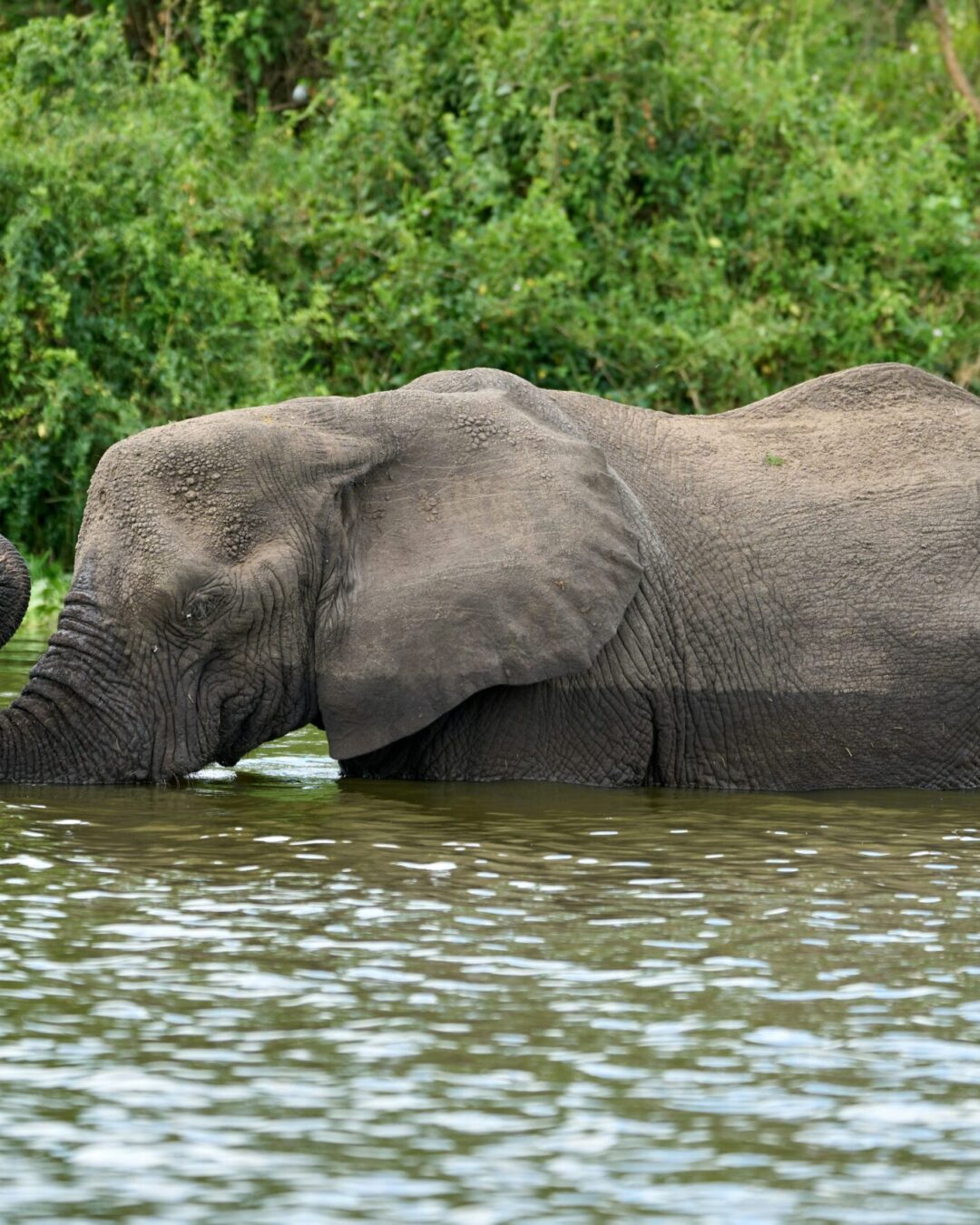
Expect mountain gorillas if your itinerary includes Bwindi or Volcanoes National Park, alongside chimpanzees, golden monkeys, and a wide range of forest birdlife. On the savannah portions of a trip, lion, elephant, buffalo, and giraffe sightings are close to guaranteed, with leopard and rhino sightings depending on the specific park and a degree of good fortune. The Masai Mara and Serengeti also bring wildebeest, zebra, and during migration months, some of the densest predator activity on the continent.
What is the etiquette around tipping?
Tipping is customary and forms a meaningful part of guide and lodge staff income. As a general guide, $15 to $20 per day for your driver-guide, and $10 to $15 per day for lodge staff collectively, are reasonable benchmarks. Gorilla trekking porters and trackers are typically tipped separately, often $20 to $25 per person, and go a long way toward supporting the local community.
What should I know about photography on safari?
A telephoto lens in the 100 to 400mm range covers most wildlife photography needs, though gorilla trekking often calls for something wider given how close encounters can be. Flash photography is prohibited during gorilla treks to avoid startling the animals, and some parks charge a separate professional camera fee for equipment with detachable lenses, which our consultants will flag during planning if it applies to your trip.
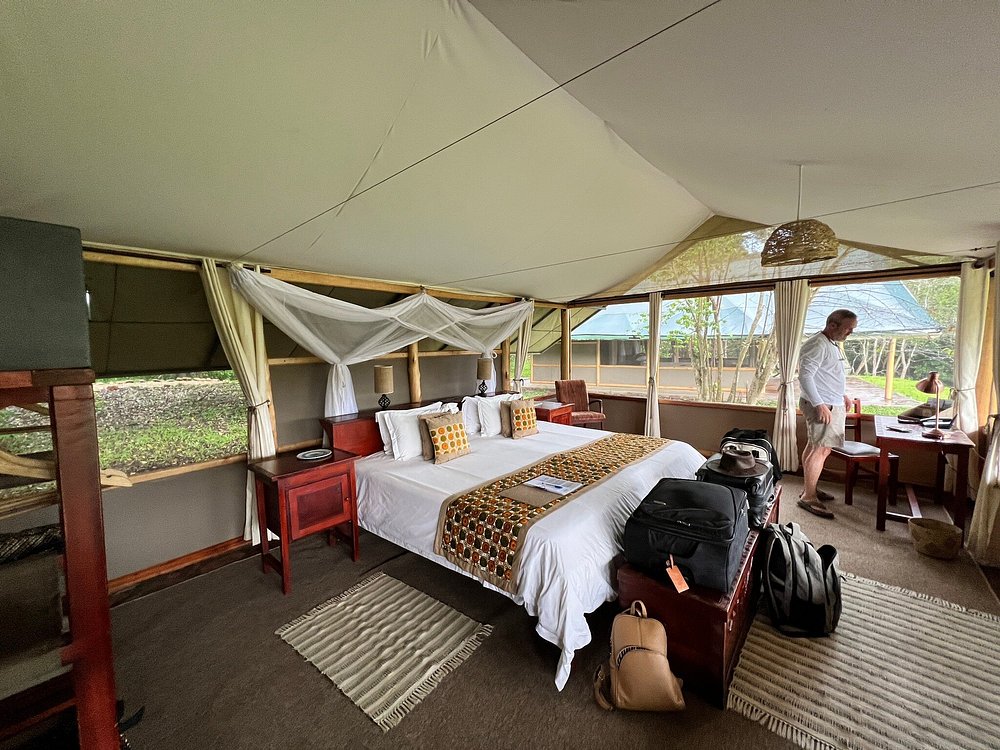
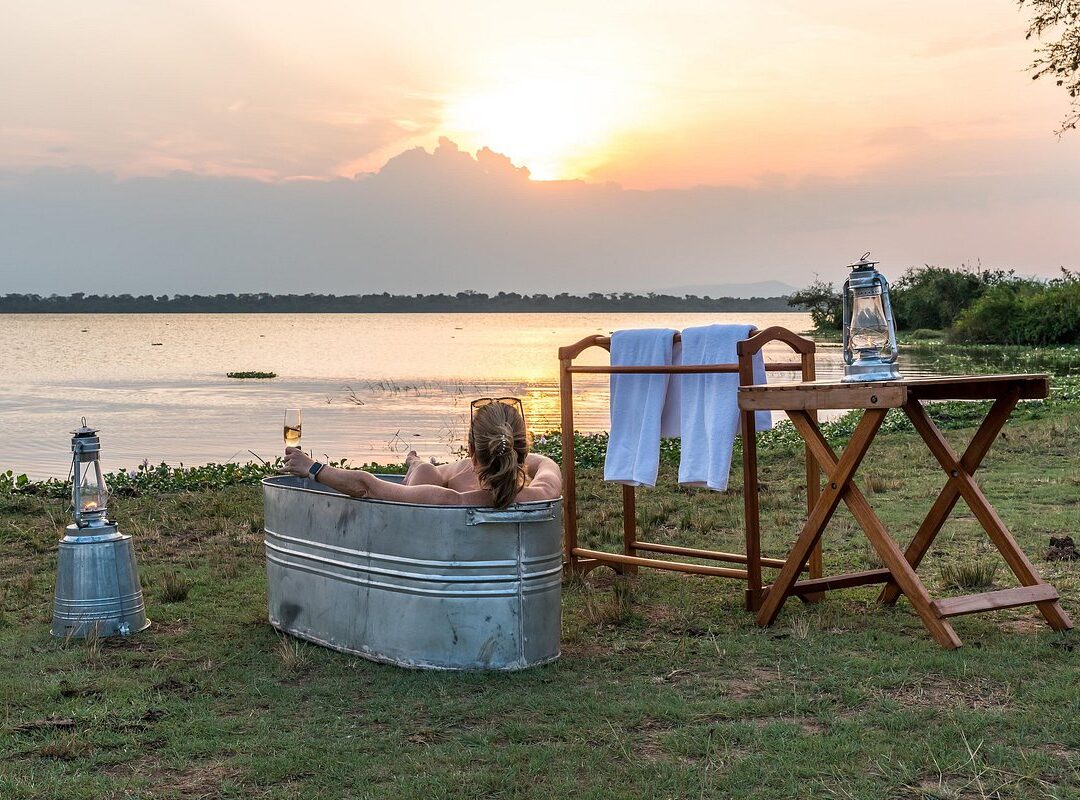
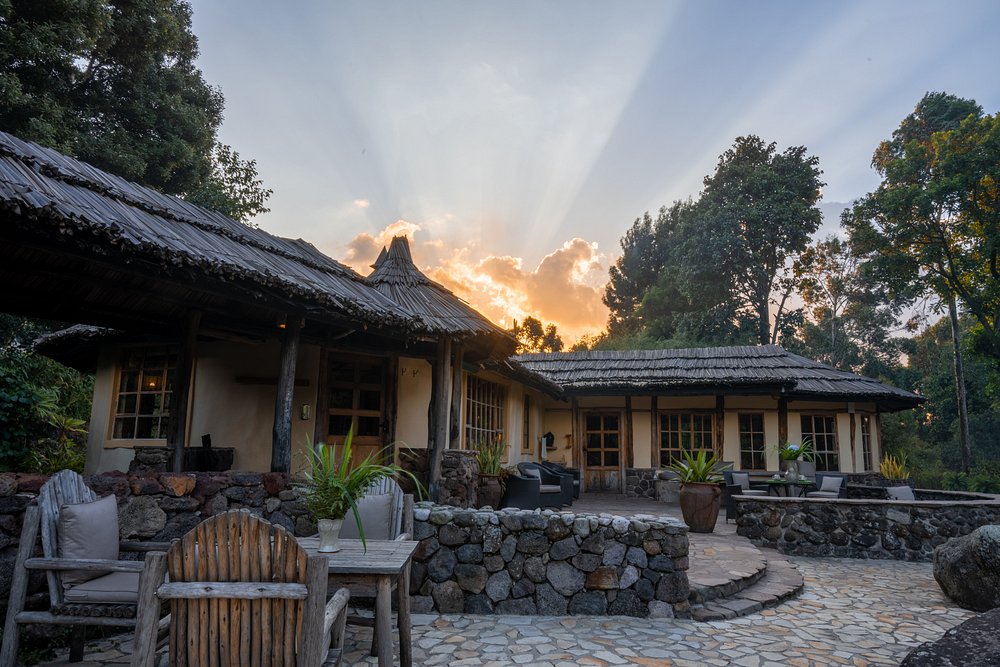
Where To Stay During Your First Safari in Africa

The Experiences to Expect on your First African Safari

Uganda Travel Advice
How to Book a Private Uganda Safari vs a Group Departure
Flying into Entebbe
Uganda vs Rwanda for Gorilla Trekking
The 4 Bwindi Sectors Compared
Altitude and the Bwindi Trek