Gorilla Trekking in Uganda: The World’s Most Extraordinary Wildlife Encounter
The undisputed centrepiece of any Uganda safari. Trekking through the ancient forest of Bwindi or the slopes of Mgahinga in search of mountain gorillas is an experience so profound and moving that most guests struggle to find words adequate enough to describe it. When you finally stand just metres away from a gorilla family in its natural habitat, you feel an almost overwhelming sense of connection to the natural world.
Gorilla Trekking In Uganda
Gorilla Trekking in Bwindi Impenetrable & Mgahinga Gorilla National Park | Gorilla Habituation Experience | Gorilla Permits Cost, Planning & Booking
Uganda is home to more mountain gorillas than any other country on earth. Approximately 460 of the world’s estimated 1,063 remaining individuals live within Uganda’s borders, the vast majority of them in the ancient forests of Bwindi Impenetrable National Park and a smaller population in Mgahinga Gorilla National Park on the Virunga volcanic massif. These numbers are not static, the mountain gorilla population has been slowly recovering after decades of critical decline, a conservation success story driven in no small part by the revenue and community incentives generated by gorilla trekking tourism.
To come to Uganda and trek to the gorillas is not just to have an extraordinary personal experience. It is to participate in the ongoing conservation of one of the most endangered and most remarkable animals on the planet. Every permit purchased, every porter hired, every lodge night spent in the communities surrounding the parks contributes directly to the system that is keeping these animals alive.
This is the definitive guide to gorilla trekking in Uganda: where to go, which sector to choose, how to book your permit, what to expect on the day and everything you need to know to make the most of one of the great experiences that Africa has to offer.
Uganda’s Mountain Gorillas – The Species and the Stakes
The mountain gorilla, Gorilla beringei beringei, is one of two subspecies of eastern gorilla and one of the most critically endangered large mammals on earth. Unlike their lowland gorilla cousins, mountain gorillas cannot survive in captivity every individual alive exists in the wild, in the forests of the Albertine Rift across Uganda, Rwanda, and the Democratic Republic of Congo. This means that the mountain gorilla’s survival depends entirely on the protection of the forests they inhabit and the communities living alongside those forests.
Mountain gorillas live in complex family groups led by a dominant silverback male, typically ranging from six to thirty individuals. Family structure is intricate and dynamic: silverbacks lead and protect, females raise young and form coalitions, juveniles play and explore, and infants cling to their mothers in the first years of life. The social behaviour of gorillas is one of the most striking things about the trekking experience, the parallels with human social dynamics are impossible to ignore and deeply moving to observe.
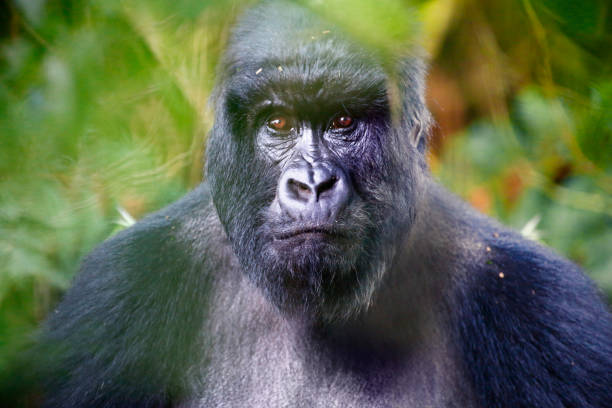
Adult male silverbacks can weigh up to 220 kilograms and stand nearly two metres tall. Despite their size, they are by temperament gentle and largely non-aggressive in the presence of habituated visitors. The habituation process, which takes two to three years of daily researcher contact before a family is considered ready for tourism, results in gorilla families that are comfortable with the presence of small groups of quiet, respectful humans. The encounter, when it comes, is conducted at the gorillas’ own pace, on their own terms, in their own forest.
Where to Trek Gorillas in Uganda
Bwindi Impenetrable National Park
Bwindi is the undisputed heart of gorilla trekking in Uganda and the most important gorilla conservation area on earth. The park is home to approximately 460 mountain gorillas across more than 50 family groups, of which over 25 are fully habituated and available for trekking across the park’s four sectors. This means Bwindi alone offers more gorilla trekking opportunities than the rest of the world combined.
The park is divided into four trekking sectors, each with its own character, its own lodge ecosystem, and its own set of habituated gorilla families. Choosing the right sector is one of the most important decisions in planning a Bwindi visit.
Buhoma Sector – The Original and Most Accessible
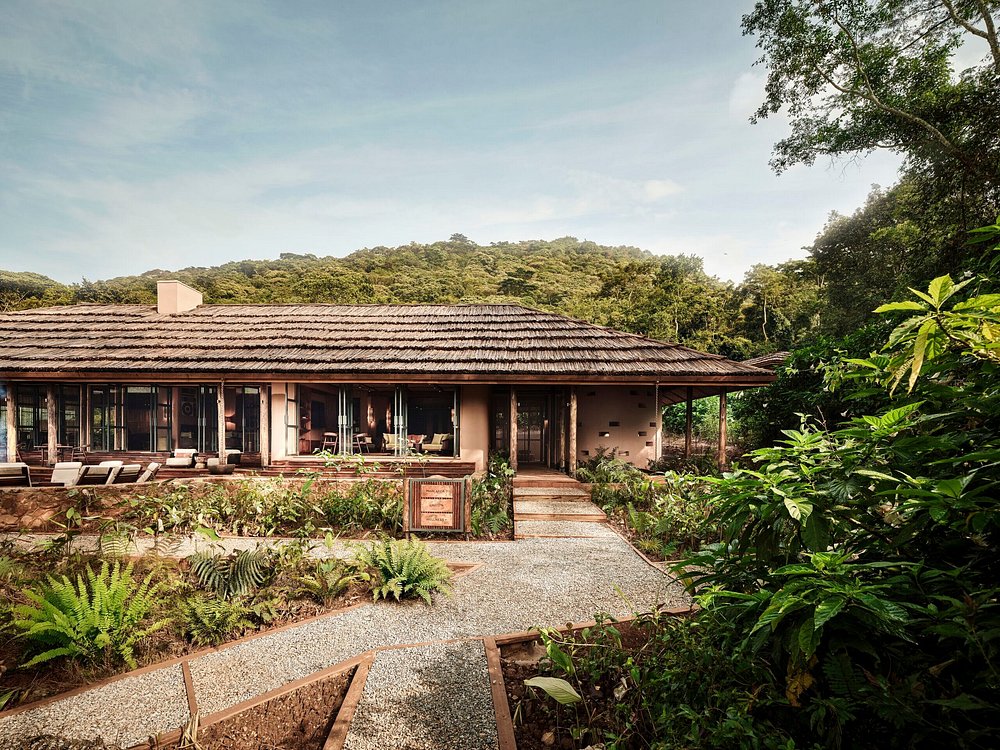
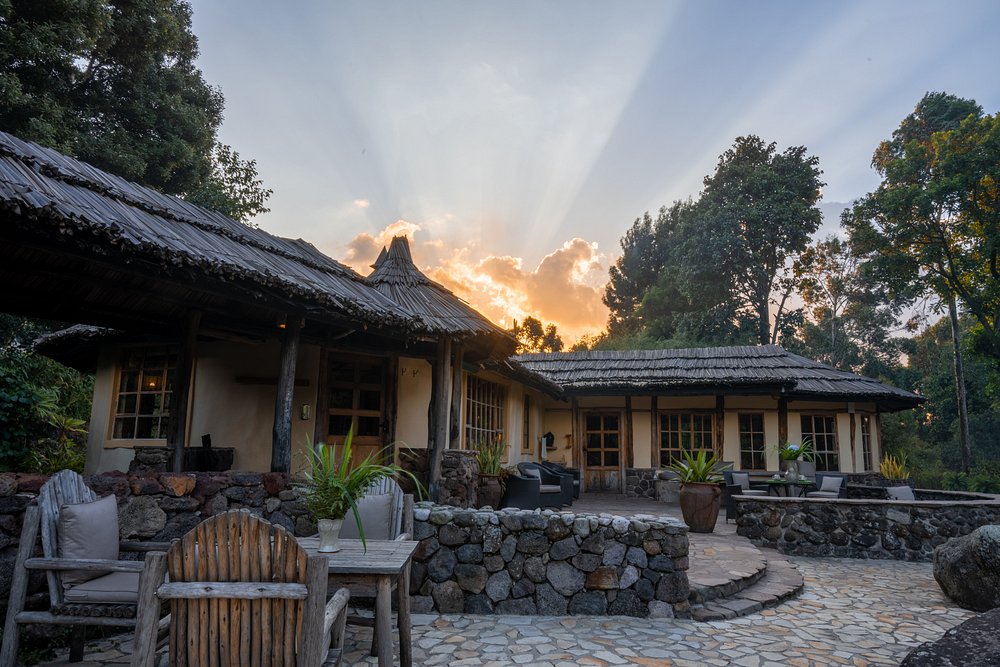
Buhoma in the park’s north is where gorilla trekking in Uganda began, with the first permits issued here in 1993. It remains the most established, most visited, and most accessible sector, connected by a daily charter flight to Kihihi Airstrip approximately one hour from Entebbe. The terrain in Buhoma is steep but well-managed, with a network of trails through beautiful montane forest. Several of Uganda’s finest luxury lodges sit on the park boundary here, including Gorilla Forest Camp by andBeyond. For first-time visitors arriving by air, Buhoma is the natural starting point.
Rushaga Sector – The Most Prolific for Gorilla Encounters
Rushaga in the park’s south hosts the highest concentration of habituated gorilla families of any sector in Bwindi, making it the best option for guests who want maximum choice and flexibility. It is also the only sector in the world where the Gorilla Habituation Experience is available, which allows four visitors to spend up to four hours with a gorilla family still in the process of habituation. Rushaga is the natural entry point for guests travelling overland from Rwanda via Kisoro, and it is served by Kisoro Airstrip.
Nkuringo Sector – The Dramatic and Remote Option
Nkuringo sits at over 2,000 metres on the park’s southern rim, offering the most physically challenging trekking in Bwindi and the most spectacular highland scenery. The views from Nkuringo across the Virunga volcanoes into the DRC are extraordinary, and the remoteness of the sector gives it a quality of intimacy and adventure that more accessible areas cannot replicate. Served by Kisoro Airstrip, approximately 90 minutes away.
Ruhija Sector – The Birder’s Choice
Ruhija in the park’s northeast sits at the highest altitude of any sector and is the quietest, most remote corner of Bwindi. Gorilla trekking is available here with several habituated families, but Ruhija’s primary reputation is as the finest birdwatching location in the park, with the highest density of Albertine Rift endemic species. For guests who want to combine gorilla trekking with serious birding, a night in Ruhija is highly recommended.
Mgahinga Gorilla National Park
Mgahinga is Uganda’s smaller and less visited gorilla park, home to the Nyakagezi gorilla family a well-established and relaxed habituated group of approximately 20 individuals, including five silverbacks. Only eight permits are issued per day for the Nyakagezi family, making Mgahinga one of the most exclusive gorilla trekking experiences in Uganda.
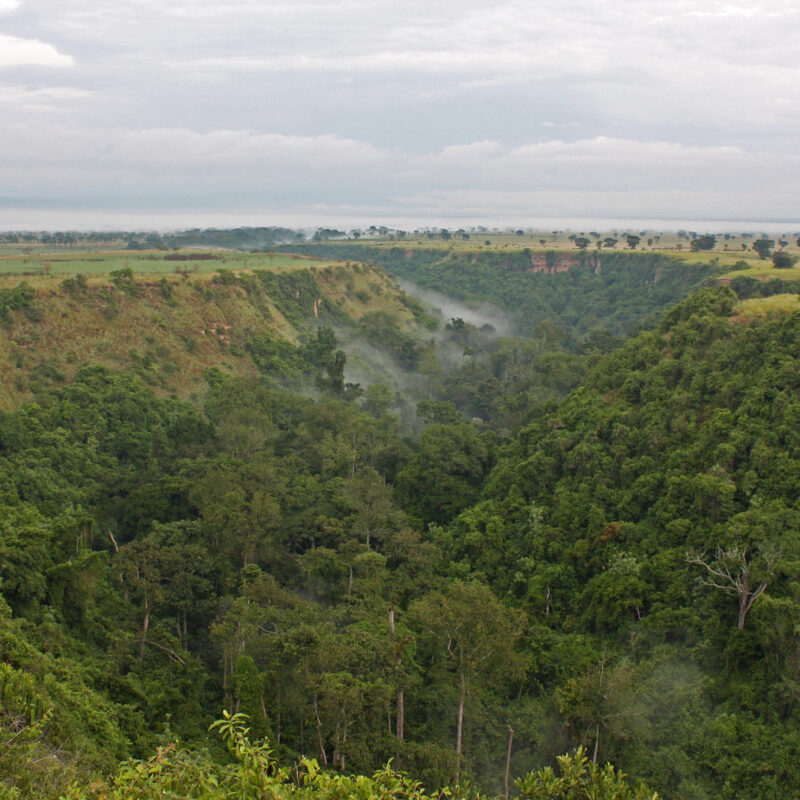
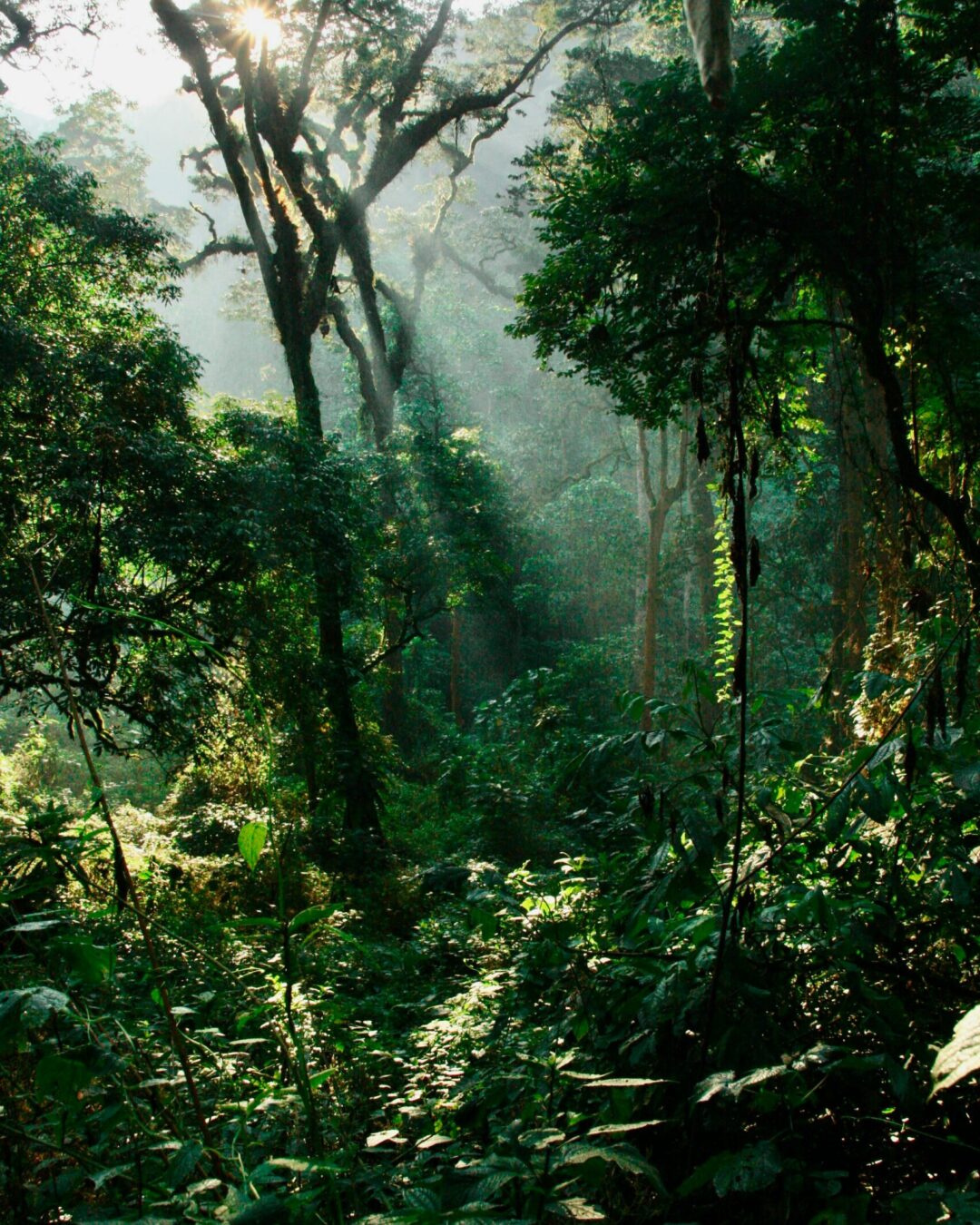
The park’s setting on the slopes of three Virunga volcanoes gives the trekking a dramatic mountain landscape quality that is entirely different from Bwindi’s dense ancient forest. Trekking in Mgahinga also tends to be slightly shorter on average, as the Nyakagezi family’s territory is generally well-known and the trackers locate them relatively efficiently. Mgahinga combines naturally with golden monkey tracking and volcano hiking for a full southwestern Uganda experience.
The Gorilla Trekking Experience: What Actually Happens
Understanding what to expect on the day of your gorilla trek significantly enhances the experience. Here is a complete walk through of how the day unfolds.
The Morning Briefing
Trekking begins with a briefing at the sector’s visitor centre, typically starting at 8:00 AM. This is where you meet the rest of your group, limited to a maximum of eight visitors per gorilla family per day, and where your Uganda Wildlife Authority ranger guide explains the rules and protocols of the encounter. You also learn which gorilla family you have been assigned, your guide will tell you the family’s name, its composition, the silverback’s personality, and the approximate direction the trackers have reported from their early morning reconnaissance.
The briefing is also the moment to make any final adjustments: hiring a porter if you have not already done so, checking your daypack and water supply, and putting on gaiters if conditions are wet. After the briefing, the group sets off into the forest together.
The Trek
The duration of the trek to find the gorillas is entirely variable and unpredictable, one of the most honest and exciting things about the experience. Gorilla families move through their territory every night, building new sleeping nests in a different location, and the distance between the trailhead and where they have settled each morning determines how long your walk will be.
On a fortunate day, the gorillas may be close to the forest edge and the walk may take 30 minutes to an hour. On a more challenging day, particularly if the family has moved to higher ground or deeper forest, the trek may take four to six hours. Most treks fall somewhere between one and three hours in each direction.
The walk itself is beautiful and demanding in equal measure. The forest is dense, steep in places, and wet underfoot roots, vines, and tangled undergrowth make for terrain that requires attention and physical effort. Your ranger guide and the team of trackers who have been following the family since dawn lead you through the forest, communicating by radio as the trackers update the family’s position in real time.
As you move deeper into the forest, the sense of anticipation builds in a way that is difficult to describe. You hear sounds, a branch cracking, leaves rustling and your guide raises a hand for silence. The forest goes quiet around you. And then the gorillas appear.
The Hour with the Gorillas
You are permitted one hour in the gorillas’ company from the moment of first contact. This is a non-negotiable conservation rule designed to limit stress on the animals, and it is enforced absolutely.
The hour passes faster than you will believe possible.
The gorilla family goes about its business with a mixture of complete indifference and occasional curiosity toward its human visitors. A silverback may settle three metres from your group, chewing vegetation, his massive frame utterly relaxed. Mothers nurse infants in the tree branches above. Juveniles chase each other through the undergrowth, occasionally tumbling toward the group before veering away. A young male may stare directly at you with an expression of such focused intelligence that you find yourself involuntarily wondering what he is thinking.
The rules require guests to maintain a minimum distance of seven metres from the gorillas at all times, though the gorillas themselves are not bound by this rule. It is not uncommon for a gorilla to approach significantly closer moving past the group to reach a food source, or simply walking through. When this happens, the ranger guide will instruct the group to stand still and look away, making yourselves as non-threatening as possible. The silverback, who watches everything, will move away when satisfied that the group presents no threat.
No flash photography. No food or drink in the presence of the gorillas. No sudden movements. No talking above a whisper. These rules exist to protect the gorillas from disease transmission and behavioural disruption, and following them is not only required but instinctively right, the last thing you will want to do in that moment is disturb what is in front of you.
When the hour ends, your guide signals the group to begin moving quietly back through the forest. Most guests describe the walk out in silence, each person processing something profound and personal that will take days to fully articulate.
The Gorilla Habituation Experience
Available exclusively in Bwindi’s Rushaga sector, the Gorilla Habituation Experience represents an entirely different level of encounter. Rather than spending one hour with a fully habituated gorilla family, you join researchers, trackers, and rangers for a full day with a gorilla family that is still in the process of becoming accustomed to human presence, a process that takes two to three years of daily contact before a family is considered ready for standard trekking tourism.
Groups are limited to just four visitors per day, and the permit costs USD $1,800 per person, making it one of the most exclusive and expensive wildlife experiences available anywhere in Africa. The four hours you spend with the semi-habituated family rather than one hour, give you a depth of observation that the standard trek simply cannot provide. You witness the full arc of morning gorilla behaviour: foraging, social interactions, infant play, territorial displays, and the complex dynamics of a family group going about its day without the constraint of a countdown.
The habituation experience also comes with the presence and narration of researchers who are actively working on the family’s acclimatisation, adding a scientific and conservation dimension to the encounter that enriches understanding as well as experience. For guests who have already trekked gorillas in the standard format and want to go deeper, or for those visiting Uganda specifically to have the most immersive primate encounter possible, the Gorilla Habituation Experience is extraordinary.
Gorilla Trekking Permits: Everything You Need to Know
Permit Cost
Standard Gorilla Trekking Permit: USD $800 per person for foreign non-residents
Gorilla Habituation Experience: USD $1,800 per person
Foreign residents of Uganda: USD $700 per person
East African citizens: UGX 300,000 per person
The permit cost includes park entry for the day of the trek, the services of the ranger guide and trackers, and the one hour with the gorilla family. It does not include accommodation, meals, transport to the trailhead, porter fees, or gratuities.
How to Book Your Gorilla Permit
Gorilla permits are issued exclusively by the Uganda Wildlife Authority and are tied to a specific date, park, and trekking sector. There are two ways to book:
Through a licensed Uganda tour operator: This is the strongly recommended approach for international visitors. Your tour operator accesses the UWA permit booking system in real time, confirms availability for your preferred dates and sector, handles payment, and ensures that your lodge is correctly matched to your permit sector. They also manage any rescheduling if circumstances change. Engabi Tours and Travel, the company behind this site, handles all permit bookings for our guests as part of a complete safari itinerary.
Directly through Uganda Wildlife Authority: Possible, but significantly more complex for international visitors. The UWA website does not currently have an online payment gateway, requiring bank transfer and manual coordination. You are also responsible for ensuring your accommodation matches your assigned sector, a common source of error for self-booking visitors.
How Far in Advance to Book
Peak season permits, covering June to September and December to February, should be booked a minimum of four to six months in advance, and ideally longer. These months see the highest demand, and popular sectors like Buhoma and Rushaga sell out quickly, especially for groups and guests requiring specific lodge combinations.
Green season permits, covering March to May and October to November, are generally more available and can sometimes be secured with shorter notice, though advance booking is always advisable. The Gorilla Habituation Experience permits, limited to four visitors per day in Rushaga, are among the scarcest in Uganda and should be booked as early as possible regardless of season.
Permit Rules and Conditions
Gorilla trekking permits are governed by strict rules that every visitor must understand and agree to before trekking:
Permits are non-refundable once issued. In exceptional circumstances such as serious illness, Uganda Wildlife Authority may exercise discretion on a case-by-case basis, but this is not guaranteed.
Permits can be rescheduled if notified at least two weeks before the trekking date. Contact your tour operator or UWA directly to initiate a reschedule request.
Visitors must be a minimum of 15 years old. Age verification is required at the briefing centre, and this rule is strictly enforced in both Bwindi and Mgahinga.
Any visitor showing signs of illness, cold, flu, fever, respiratory infection, or gastrointestinal symptoms will not be permitted to trek. Mountain gorillas share approximately 98% of human DNA and are highly susceptible to human diseases. If you are unwell on your trekking day, inform your guide and ranger immediately. Your health and the gorillas’ health are both at stake.
A face mask must be worn during the entire hour with the gorillas. This rule was introduced as a permanent biosecurity measure to protect the gorillas from respiratory pathogens. Masks are typically provided by the ranger team.
Preparing for Your Gorilla Trek: What to Wear and Bring
Proper preparation significantly improves the comfort and enjoyment of the day. Gorilla trekking takes place in a tropical rainforest at altitude, over terrain that is steep, wet, and heavily vegetated regardless of season.
Clothing: Long-sleeved shirt and long trousers are essential for protection against insects, nettles, and vegetation. Dark, neutral colours are preferable. Avoid blue clothing, which is known to attract tsetse flies in some forest environments. Wear clothing you are comfortable getting muddy.
Footwear: Sturdy, waterproof hiking boots with good ankle support are non-negotiable. The forest floor is uneven, muddy, and root-strewn, and ankle support significantly reduces the risk of injury on the descent.
Gaiters: Highly recommended. Gaiters protect the lower legs and boot tops from mud, moisture, and vegetation, and make a significant difference to comfort over a long trek.
Gardening gloves: One of the most useful and least expected items on the packing list. When navigating steep terrain, grabbing vines, roots, and vegetation for balance is constant. Gardening gloves protect your hands and give far better grip than bare skin. Bring a pair.
Waterproof jacket: Rain in the forest can arrive at any time of day without warning. A lightweight, packable waterproof layer is essential year-round.
Daypack: Carry water (at least two litres), snacks for the trail, your camera, sunscreen, insect repellent, and any personal medications. Your lodge will typically provide a packed lunch if the trek is expected to be long.
Walking stick or trekking poles: Porters typically provide a carved wooden walking stick as standard. Trekking poles can also be brought from home and are particularly useful on the descent through steep terrain.
Porter: Hiring a porter from the local community is strongly recommended for almost all guests. Porters carry your daypack, support you physically on difficult sections of the trail, and provide employment income to the families living alongside the park. The cost is modest typically around USD $15 to $20 per porter for the day and the impact on your experience, particularly on a long trek, is significant.
Best Time to Trek Gorillas in Uganda
Gorilla trekking is available year-round in Uganda, and the success rate across both parks is consistently high in every season. The choice of when to visit is largely determined by your preference for trail conditions, crowd levels, and complementary activities.
Dry Season: June to September and December to February (Recommended)
These are the most popular months for gorilla trekking, and for good reason. Forest trails are firmer and drier underfoot, making the physical demands of the trek more manageable. Gorillas tend to spend more time in the lower canopy and on the forest floor during dry periods, which generally results in closer and more sustained sightings. The dry season is also when Bwindi’s weather is at its most comfortable and when lodge availability across the region is tightest. Book permits and accommodation well in advance these months fill up fast.
Green Season: March to May and October to November
The rains bring Bwindi’s forest to its most dramatically lush and atmospheric state. The canopy is thick with new growth, waterfalls appear throughout the landscape, and the light through the ancient forest takes on a quality of deep, saturated green that is exceptional for photography. Gorilla sightings remain highly reliable throughout the wet season, and the experience of tracking through a misty, rain-drenched ancient forest is one that many guests find more immersive and more affecting than the cleaner dry season conditions. Permits are more available, lodge rates at some properties are lower, and the park is noticeably quieter.
How Gorilla Trekking Fits into a Uganda Safari
Gorilla trekking is almost always the centrepiece of a Uganda itinerary rather than a standalone activity, and it combines powerfully with the country’s other exceptional wildlife experiences.
The most popular Uganda circuit pairs Bwindi with Queen Elizabeth National Park to the northwest. Two nights at Bwindi for gorilla trekking, followed by two nights at Queen Elizabeth for the Kazinga Channel boat cruise and game drives, with a night in the Ishasha sector for tree-climbing lions in between, covers the best of Uganda’s southern wildlife offering in five to six nights.
For guests with more time, the full Uganda circuit adds chimpanzee trekking at Kibale National Park north of Queen Elizabeth, and occasionally Murchison Falls in the northwest. A week to ten days allows this complete circuit to be done comfortably by a combination of road and charter flight.
Guests travelling from Rwanda can combine gorilla trekking in Volcanoes National Park in Rwanda with gorilla trekking in Bwindi or Mgahinga in Uganda on a single trip, experiencing two of the world’s three gorilla trekking destinations within days of each other. The drive between Kigali and Bwindi’s southern sectors takes approximately four to five hours via the Katuna border crossing, making the combination very manageable.
Why Trek Gorillas in Uganda Rather Than Rwanda
Both Uganda and Rwanda offer outstanding gorilla trekking experiences, and the right choice depends on the priorities and itinerary of the individual guest. Uganda’s key advantages are:
Cost: Uganda’s gorilla permit is priced at USD $800, compared to USD $1,500 in Rwanda. For guests trekking multiple times or travelling as a couple or group, this difference is substantial.
Volume of opportunity: Uganda’s 25-plus habituated gorilla families in Bwindi alone offer significantly more permit availability than Rwanda, where 12 habituated families share the Volcanoes National Park. Uganda is considerably easier to book at short notice.
The Gorilla Habituation Experience: Available only in Uganda’s Rushaga sector, this four-hour extended encounter has no equivalent in Rwanda.
Safari combination: Uganda’s broader safari circuit, encompassing Kibale chimpanzees, Queen Elizabeth’s tree-climbing lions, and Murchison Falls, is more varied and extensive than Rwanda’s wildlife offering, making Uganda the natural choice for guests wanting gorilla trekking within a broader East Africa safari context.
Rwanda’s advantages lie in its shorter flight connections, its post-trek luxury lodge offering around Volcanoes National Park, and its generally slightly easier terrain, which makes it more suitable for guests with limited mobility or physical fitness concerns.
The ideal answer for guests with sufficient time and budget is, of course, both.
Conservation – Why Gorilla Trekking Matters
Mountain gorillas were once declining toward extinction. In 1981, the global population was estimated at just 254 individuals. Today, that number has grown to over 1,063, an increase driven in significant part by the revenue and community incentive structures created by gorilla trekking tourism in Uganda, Rwanda, and the DRC.
The USD $800 gorilla permit fee is not simply the price of an experience. It funds Uganda Wildlife Authority ranger salaries and anti-poaching patrols. It supports the community revenue sharing programme that distributes a percentage of park income to villages surrounding Bwindi and Mgahinga, giving local families a direct financial stake in the gorillas’ survival. It pays for veterinary monitoring programmes that have dramatically improved the health management of habituated gorilla families. And it supports the research programmes that have produced the scientific understanding of mountain gorilla ecology, behaviour, and disease vulnerability on which all conservation interventions are based.
When you trek gorillas in Uganda, you are not an observer of conservation. You are a participant in it.
Where To Do Gorilla Trekking In Uganda
Uganda Travel Advice
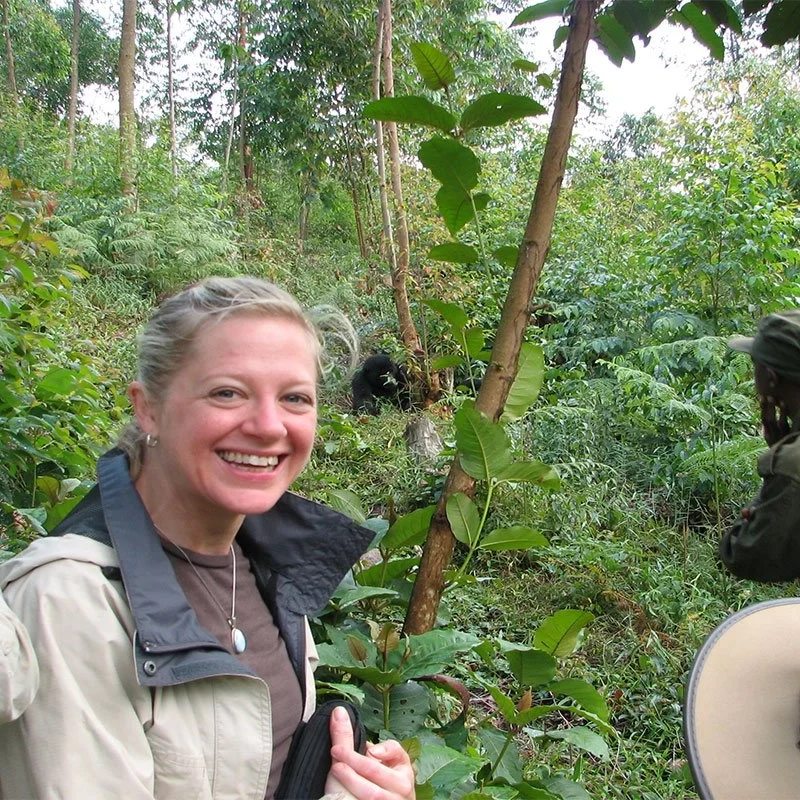
Is Uganda Safe for International Tourists in 2026?
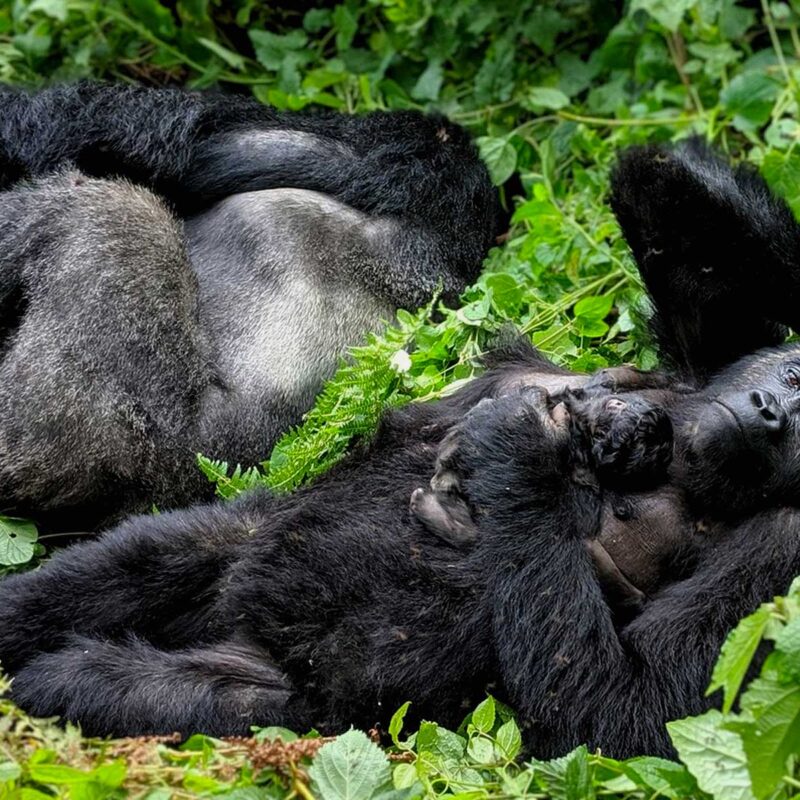
Gorilla Habituation vs Gorilla Trekking
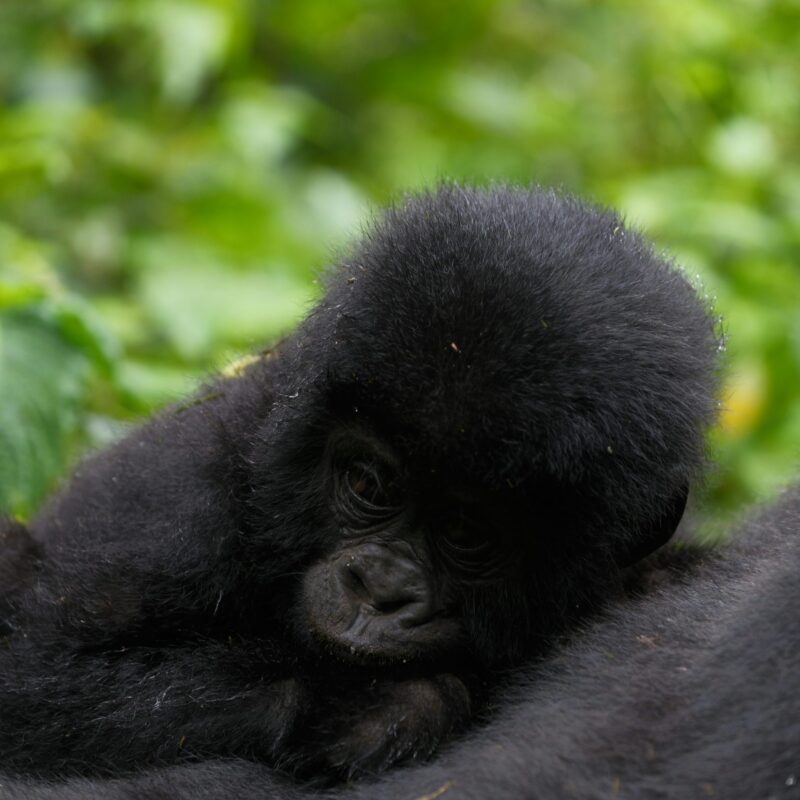
Uganda’s Dry Season : What June to August Really Looks Like
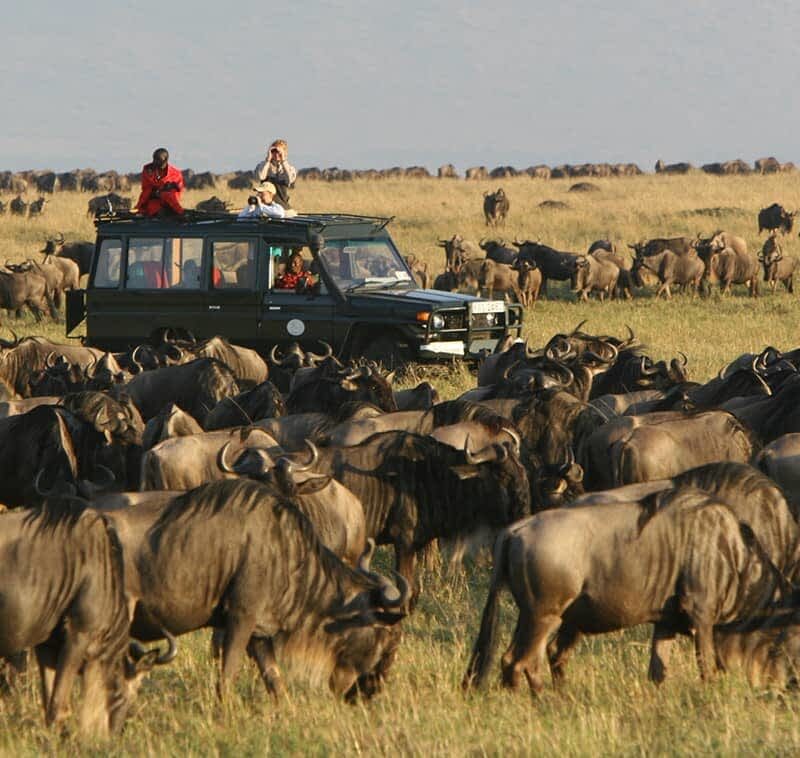
Uganda and Kenya Combined Safari