Malaria in Uganda: Which Areas Are High Risk and What Prophylaxis Do Guides Recommend?
Malaria in Uganda is a serious but highly manageable travel health consideration, especially for safari travelers moving between lowland savannah parks and high-altitude rainforest regions such as Bwindi Impenetrable National Park. The country sits within a tropical malaria zone where transmission risk varies significantly by altitude, season, and ecosystem type.
For safari planning, the key is not to assume uniform risk across Uganda, but to understand how malaria prevalence changes between lake basins, forest zones, and elevated terrain. This directly affects where risk is highest, how exposure changes during game drives and trekking, and what prophylaxis is typically recommended by travel health professionals and field guides.
Understanding How Malaria Risk Actually Works in Uganda
Malaria transmission in Uganda is driven by mosquito density, temperature stability, and humidity levels. These factors are not evenly distributed across the country, which means malaria risk is highly geographic rather than uniform.
Low-lying tropical zones, especially around lakes and river systems, tend to have higher mosquito density. In contrast, higher altitude forest regions have lower transmission intensity, though risk is not completely absent.
This variation is important because many safari routes move between very different ecological zones in a single itinerary.
High-Risk Malaria Zones in Uganda
Lake Basin and Lowland Savannah Regions
The highest malaria transmission risk is typically found in low-altitude, warm, and humid environments. This includes areas around major lakes and river systems where mosquito breeding conditions are stable year-round.
Regions such as the Lake Victoria basin, parts of central Uganda, and some savannah-adjacent zones fall into this category. Extended stays in these environments, especially near water bodies, increase exposure risk.
Western Uganda Lowlands and Park Interfaces
National parks located in lower altitude zones, particularly savannah systems, also present moderate to high malaria risk. This includes parts of Queen Elizabeth National Park and surrounding areas where wetlands, crater lakes, and river channels create ideal mosquito habitats.
Game drives in these environments, especially early morning and evening, coincide with peak mosquito activity periods.
Northern Uganda Savannah Systems
Areas such as northern savannah ecosystems also maintain seasonal malaria transmission patterns influenced by rainfall cycles and temperature stability. These regions can experience fluctuating risk depending on seasonal rainfall intensity.
Moderate-Risk Regions
Mid-Altitude Forest Zones
Forest ecosystems like Kibale and parts of western Uganda sit in a moderate-risk category. The presence of dense vegetation and humidity supports mosquito activity, but cooler temperatures at elevation reduce transmission intensity compared to lowland zones.
Exposure here is typically associated with lodge environments and evening outdoor activity rather than trekking itself.
Agricultural and Rural Transition Zones
Between major safari destinations, rural agricultural corridors also present moderate risk due to standing water sources, irrigation, and settlement density. These areas are often crossed during long road transfers between parks.
Lower-Risk Areas
High-Altitude Forest Regions
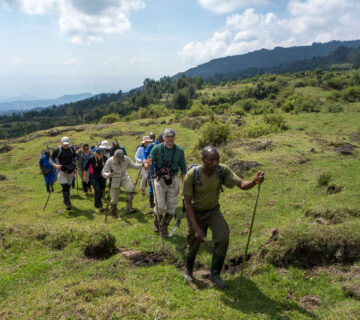
Higher elevation zones, particularly in Bwindi Impenetrable Forest’s upper sectors and ridge areas, generally have lower malaria transmission rates due to cooler temperatures and reduced mosquito survival conditions.
However, “lower risk” does not mean “no risk.” Travelers are still advised to maintain protection measures.
Urban Areas and Transit Hubs
Urban centers such as Kampala and Entebbe have variable but generally lower transmission risk compared to rural lake or forest zones. However, risk still exists, especially in peri-urban environments.
Why Safari Travelers Are Still Considered At Risk
Even though malaria risk varies geographically, safari itineraries often combine multiple ecosystems in a short period. A typical Uganda safari may move from lake basin regions to savannah parks and then into forested highlands within a few days.
This movement pattern increases cumulative exposure because travelers experience multiple risk zones in a compressed timeframe.
Even a single night in a higher-risk area can be sufficient for exposure if preventive measures are not followed.
What Guides Typically Recommend for Malaria Prevention
Standard Medical Prophylaxis
Safari guides and tour operators in Uganda consistently recommend that travelers consult a medical professional before travel for malaria prophylaxis medication. Common preventive regimens are selected based on individual health profiles, travel duration, and destination mix.
The most important guidance from field experience is consistency—medication must be started before arrival, taken during travel, and completed after departure according to medical instructions.
Consistent Use of Preventive Medication
Guides emphasize adherence over choice of medication type. Whether the regimen is daily or weekly, the critical factor is maintaining full compliance throughout the safari period.
Interruptions in prophylaxis significantly increase risk in high-transmission zones.
Insect Bite Avoidance Strategy
In field practice, malaria prevention is not medication alone. Guides strongly emphasize bite avoidance behavior, which includes limiting exposure during peak mosquito activity periods, particularly at dusk and dawn.
This is especially relevant during game drives in savannah parks and evening lodge stays near water bodies.
Practical Protection Measures Used in Safari Conditions
Clothing-Based Protection
Lightweight long-sleeved clothing is widely recommended during evening hours, particularly in lodge environments and outdoor dining areas. Neutral-colored clothing is preferred in safari settings, but coverage is more important than color choice for malaria prevention.
Repellents and Skin Protection
Effective insect repellents are considered essential safari equipment, especially in lowland and wetland regions. Reapplication is often necessary during extended outdoor activity.
Lodge and Camp Protection Systems
Most safari lodges use mosquito nets, screened rooms, or insect-reduction systems. However, their effectiveness depends on proper usage and environmental conditions, especially in more humid regions.
Seasonal Influence on Malaria Risk
Rainy Season Amplification
During rainy periods, mosquito breeding conditions increase due to standing water accumulation. This can raise malaria risk in both savannah and forest ecosystems.
Road transfers during wet seasons may also expose travelers to more humid, high-risk zones for longer periods due to slower travel speeds.
Dry Season Reduction but Not Elimination
Dry seasons reduce mosquito breeding sites, but do not eliminate malaria transmission. Risk remains present, especially in lake-adjacent and forested regions.
Misconceptions About Altitude and Safety
A common misconception is that high-altitude safari destinations are malaria-free. While elevated regions such as parts of Bwindi have reduced transmission intensity, malaria risk is still present at lower levels.
This is why prophylaxis is still recommended even for predominantly highland itineraries.
Why Uganda Requires Consistent Prevention Across All Itineraries
Uganda’s safari structure combines multiple ecological zones in a single trip. A traveler may sleep near lake regions, drive through savannah wetlands, and trek in rainforest highlands within a single itinerary.
This layered exposure means malaria prevention must be consistent throughout the entire journey, regardless of perceived risk differences between destinations.
Field Reality of Malaria Risk on Safari
From an operational safari perspective, malaria risk in Uganda is not defined by a single location but by movement between ecosystems. The highest exposure risk occurs not in a single park, but in transitions between lowland wet areas, forest lodges, and savannah environments.
Experienced guides treat malaria prevention as a continuous protocol rather than a location-specific concern. The combination of prophylaxis, bite avoidance, and environmental awareness forms the standard protection model used throughout Uganda safari circuits.
In practical terms, malaria in Uganda is manageable when prevention is consistent and integrated into daily safari behavior rather than treated as an afterthought.
Start Planning Your Next Trip To Africa
If you can picture yourself in one—or several—of these exceptional retreats, the next move is simple. We design fully tailored African safaris that bring these experiences together seamlessly, from private gorilla encounters to luxury lodges in the heart of the wild.
Every detail is carefully planned, so your journey feels effortless from start to finish. Reach out in whichever way suits you best, and let’s begin crafting your safari.
Start Planning