Uganda Beyond the Gorillas

Uganda Beyond the Gorillas: Cultural Encounters, Craft Villages and Community Tourism
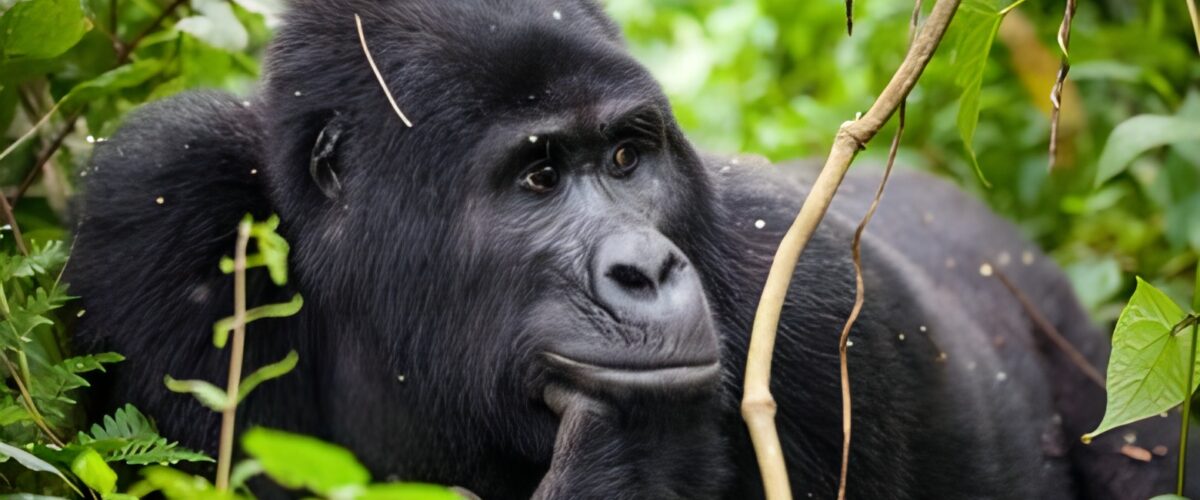
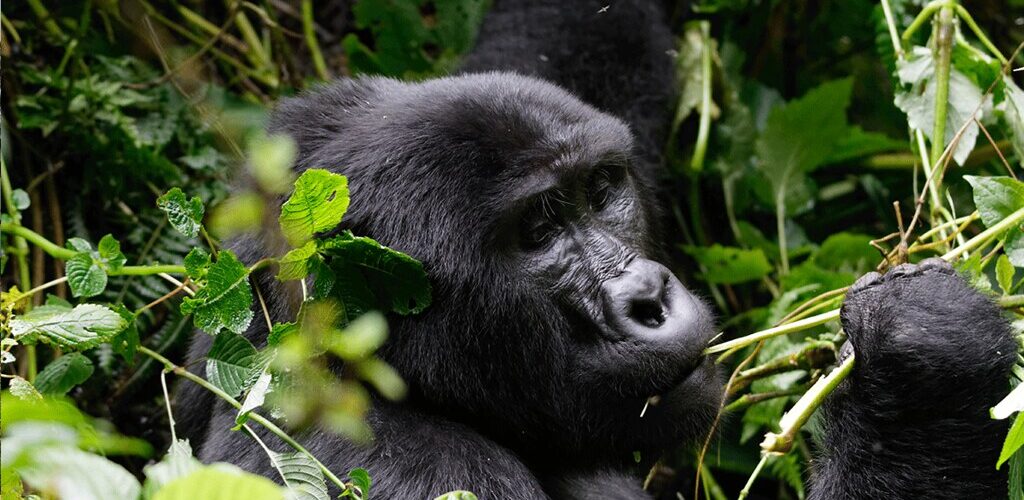
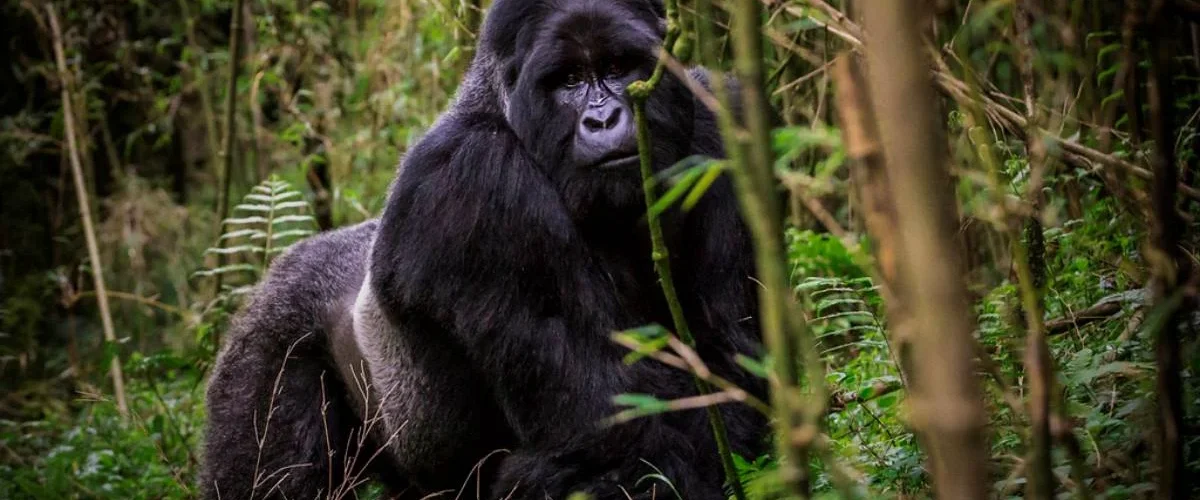
Uganda is often defined internationally by its mountain gorillas in Bwindi Impenetrable National Park, but this framing only captures one layer of a much more complex travel experience. Beyond the forests lies a dense cultural landscape shaped by hundreds of ethnic communities, traditional knowledge systems, agricultural heritage, and evolving community-based tourism initiatives.
These cultural encounters are not secondary add-ons to a safari. In many regions, they are structurally linked to conservation, particularly around protected areas such as Queen Elizabeth National Park and Kibale National Park, where local communities play a direct role in shaping how tourism interacts with wildlife ecosystems.
Understanding Uganda beyond gorillas means moving from wildlife viewing to human ecology—how people live, create, trade, and preserve identity alongside some of Africa’s most important conservation landscapes.
Why Cultural Tourism Matters in Uganda’s Safari Ecosystem
Conservation and Community Are Interconnected
Unlike purely wilderness-based destinations, Uganda’s national parks exist within lived-in landscapes. Communities surround and interact with protected areas daily.
This means conservation success depends heavily on how local people benefit from tourism. Cultural tourism becomes a mechanism for reducing pressure on forests, supporting livelihoods, and reinforcing conservation incentives.
Tourism as a Shared Economic System
Revenue from tourism does not stay only within parks. It flows into nearby villages through employment, craft sales, guiding, and cultural experiences.
This creates a parallel economy where wildlife protection and community development are linked rather than separated.
Craft Villages: The Living Economy of Uganda’s Heritage
Handmade Craft Traditions Across Regions
Craft villages near major safari routes showcase Uganda’s long-standing artisanal traditions, including basket weaving, wood carving, bark cloth production, and beadwork.
These crafts are not decorative souvenirs alone. Many are rooted in functional heritage, historically used in daily life for storage, clothing, and ceremonial purposes.
Where Craft Culture Becomes Part of the Safari Route
Craft markets are commonly encountered near tourism corridors linking destinations such as Queen Elizabeth National Park and Bwindi Impenetrable National Park.
Visitors often stop at roadside or community-run markets where artisans demonstrate production techniques and sell directly to travelers.
This direct interaction creates an economic chain that bypasses intermediaries and increases income retention within communities.
Community Tourism Near National Parks
Village Walks and Cultural Immersion Experiences
Community tourism initiatives around protected areas offer guided village walks where visitors observe daily life, agricultural practices, and local architecture.
These experiences are structured to provide insight into how communities coexist with wildlife regions while maintaining livelihoods.
In areas surrounding Kibale National Park, for example, visitors may encounter smallholder farms, traditional homesteads, and local schools as part of guided cultural routes.
Cultural Performances and Storytelling
Some community programs include traditional music, dance, and storytelling sessions.
These are not staged performances in the conventional entertainment sense but structured cultural exchanges designed to preserve oral history and identity while supporting local income generation.
The Batwa Cultural Experience in Southwestern Uganda
Indigenous Forest Communities
One of the most significant cultural encounters in southwestern Uganda involves the Batwa people, historically forest dwellers who lived in close relationship with the ecosystems of Bwindi and Mgahinga.
Following the creation of protected areas such as Bwindi Impenetrable National Park, many Batwa communities were relocated outside forest boundaries.
Cultural Preservation Through Tourism
Today, Batwa cultural experiences allow visitors to learn about traditional forest survival skills, medicinal plant use, hunting techniques, and spiritual practices.
These programs serve both educational and economic purposes, helping preserve cultural identity while generating income for displaced communities.
Agricultural Landscapes as Cultural Tourism Spaces
Banana, Coffee, and Tea Regions
Uganda’s rural landscapes are dominated by agricultural systems that are deeply integrated into cultural identity.
Coffee plantations in western Uganda, banana farming systems, and tea estates near highland regions form part of the everyday cultural economy.
Visitors traveling between safari destinations often pass through these productive landscapes, where short stops provide insight into rural livelihoods.
Farm-Based Tourism Experiences
Some communities offer structured visits where travelers can observe coffee processing, banana beer production, or traditional cooking methods.
These experiences connect agricultural production with cultural heritage in a way that is both educational and economically supportive.
Cultural Experiences Around Queen Elizabeth National Park
Fishing Communities on the Kazinga Channel
Along the shores of Queen Elizabeth National Park, fishing communities interact directly with one of Uganda’s most important water systems.
These communities rely on the Kazinga Channel for livelihood while also coexisting with hippos, crocodiles, and birdlife.
Cultural visits in this area often include boat-based observation of fishing activities and shoreline life.
Coexistence With Wildlife
The presence of wildlife near human settlements creates a dynamic relationship between conservation and daily survival.
Community tourism programs in this region often highlight how fishing, agriculture, and wildlife protection intersect.
Cultural Landscapes Around Kibale Forest
Village Life at the Forest Edge
Around Kibale National Park, community tourism focuses heavily on forest-edge villages.
These areas show how communities live adjacent to one of Africa’s most important primate habitats.
Tea Estates and Rural Economy
The region is also known for tea cultivation, which forms a major part of the local economy.
Visitors often observe plantation systems, processing facilities, and labor-based agricultural structures that support regional livelihoods.
How Cultural Tourism Supports Conservation
Reducing Pressure on Protected Areas
By providing alternative income sources, cultural tourism reduces reliance on forest resources such as firewood, bushmeat, or land expansion into protected zones.
This indirectly supports conservation goals in nearby national parks.
Building Local Conservation Incentives
When communities benefit financially from tourism, wildlife becomes an asset rather than a competing resource.
This shift in perception is one of the most important drivers of long-term ecological stability.
Authenticity and Responsible Engagement
Avoiding Performative Tourism
Not all cultural experiences are equally meaningful. Responsible programs are those that prioritize community benefit, cultural accuracy, and voluntary participation.
Authenticity is maintained when communities control how their culture is presented and shared.
Respectful Interaction Standards
Cultural tourism in Uganda functions best when visitors engage respectfully, ask questions, and understand context rather than treating experiences as entertainment.
This supports dignity and sustainability within host communities.
Integration of Cultural Tourism Into Safari Itineraries
Between Wildlife Experiences
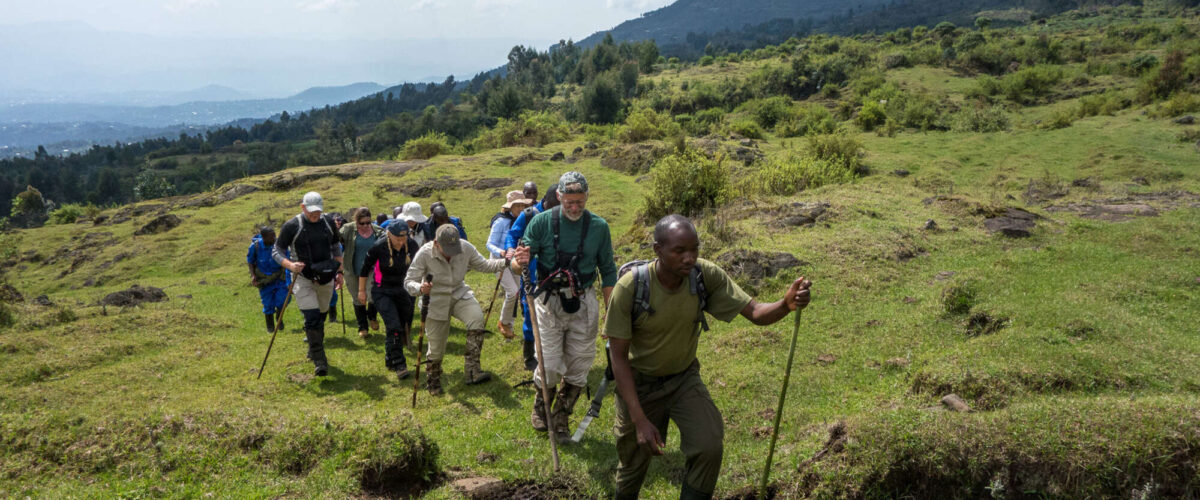
Cultural visits are often best placed between high-intensity wildlife activities such as gorilla trekking or game drives.
This creates a balanced itinerary that alternates between physical activity and slower cultural immersion.
During Transit Routes
Many cultural stops are integrated into long drives between parks.
Rather than being separate excursions, they are often built into the natural flow of movement between destinations.
Cultural Tourism in Uganda
In practical terms, cultural tourism in Uganda is not a separate layer from wildlife tourism—it is part of the same system.
Communities surrounding parks such as Bwindi Impenetrable National Park, Queen Elizabeth National Park, and Kibale National Park are integral to how conservation and tourism function on the ground.
What emerges is a multi-dimensional safari experience where wildlife, landscapes, and human culture are interconnected rather than isolated.
Uganda beyond gorillas is therefore not an alternative itinerary. It is the complete version of the safari experience when ecological and cultural systems are viewed together.