Kigali as a Safari Gateway: Why Rwanda’s Capital Deserves More Than One Night
Rethinking Kigali as more than just a transit stop
Most Rwanda safari itineraries treat Kigali as a simple entry and exit point. Travellers land, transfer quickly to Volcanoes National Park, and often return just in time for an international flight. In that model, Kigali becomes a logistical stop rather than a destination.
This approach misses a key part of Rwanda’s travel experience. Kigali is one of Africa’s cleanest, safest, and most organized capitals. It is not just a gateway city. It is a structured introduction to Rwanda’s culture, history, and modern identity.
For luxury travellers especially, Kigali deserves more than a single overnight stay. It sets the tone for the entire safari journey and adds context that improves how you experience gorilla trekking and national parks later.
Why Kigali is strategically important for safari planning
Kigali sits at the centre of Rwanda’s tourism network. Almost all international flights arrive here, and all major safari routes begin from the city.
Volcanoes National Park is about 2.5 to 3 hours away by road. Nyungwe Forest takes around 5 to 6 hours. Akagera National Park is roughly 2.5 to 3 hours in the opposite direction.
This positioning makes Kigali a natural staging point for all safari logistics.
Because of this, many travellers pass through the city without engaging with it. They focus entirely on wildlife destinations and treat Kigali as a checkpoint. However, this creates a missed opportunity to understand Rwanda before entering its national parks.
Kigali as a cultural and historical introduction
Kigali offers important context for understanding Rwanda’s conservation success and modern identity.
A key stop for many visitors is the Kigali Genocide Memorial. This site explains the 1994 genocide and the country’s recovery process. It provides historical grounding that shapes how travellers interpret Rwanda’s conservation and community-based tourism today.
Understanding this background changes the safari experience. It adds depth to gorilla trekking because it connects conservation success to national rebuilding and stability.
Without this context, Rwanda can feel like just another safari destination. With it, the experience becomes more meaningful and layered.
The value of slowing down before gorilla trekking
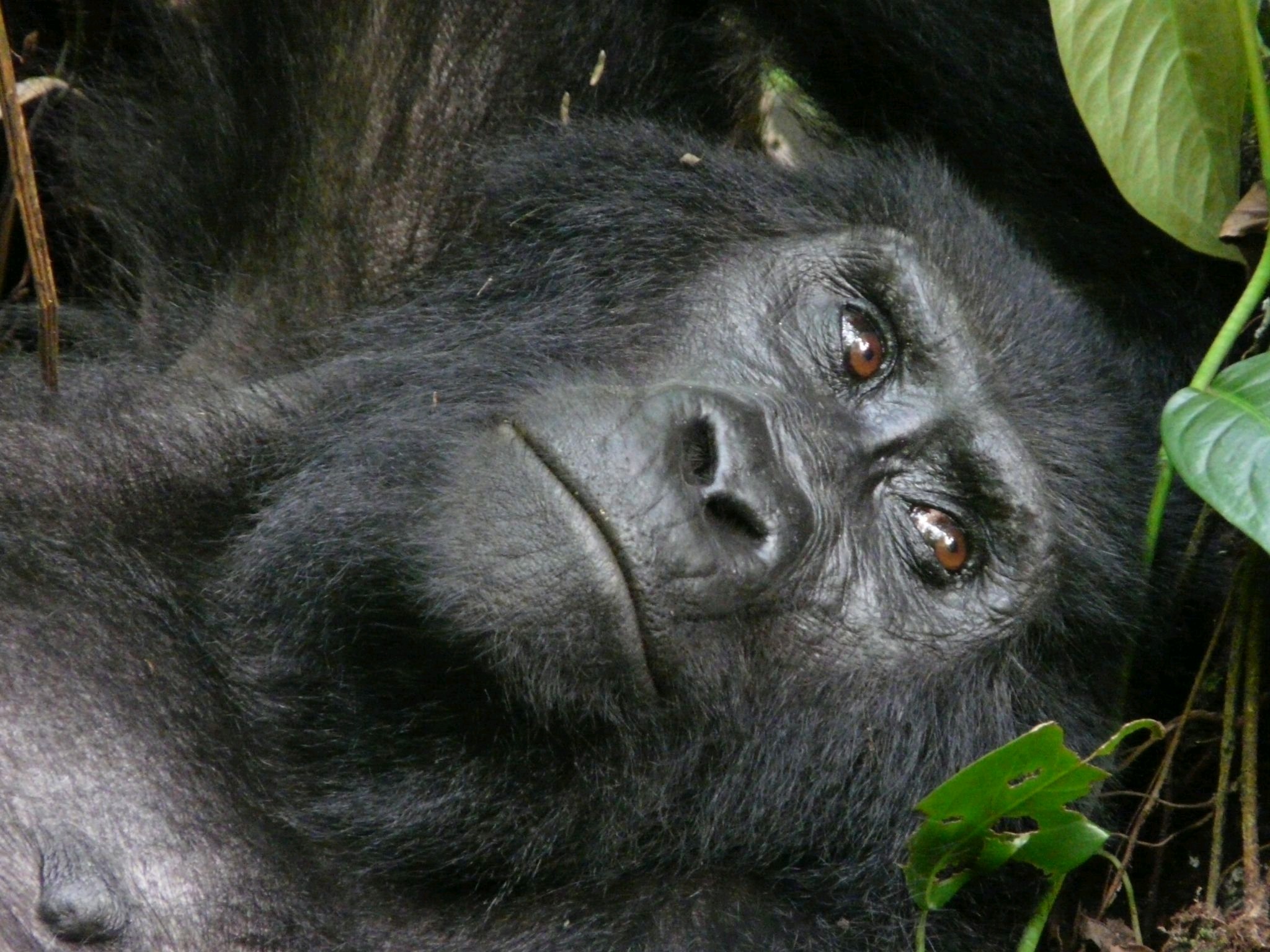
Gorilla trekking in Volcanoes National Park is physically demanding and emotionally intense. It involves early starts, altitude, hiking, and close wildlife encounters.
Arriving directly into this experience after a long international flight can increase fatigue and reduce enjoyment.
Spending at least one night in Kigali helps the body adjust. It also gives travellers time to recover from jet lag before moving into high-altitude trekking conditions.
Luxury safari design often includes buffer time for this reason. A relaxed start improves performance and overall comfort during the main safari activities.
Kigali’s modern identity and urban experience
Kigali is not a traditional safari town. It is a modern, well-planned city with clean streets, organized traffic, and strong public order.
The city offers upscale hotels, rooftop dining, coffee culture, art spaces, and curated urban experiences that contrast with rural safari destinations.
For luxury travellers, this creates an interesting transition. You move from a structured urban environment into wild national parks within a few hours of travel.
This contrast strengthens the overall safari narrative. It shows how Rwanda blends modern development with conservation tourism.
Dining, comfort, and luxury hospitality in Kigali
Kigali has developed a strong hospitality sector that supports high-end safari travel.
Luxury hotels offer international cuisine, spa services, and high-level comfort standards. Many travellers underestimate the quality of accommodation available in the city.
Restaurants range from fine dining experiences to modern African fusion cuisine. The city also has a growing café culture that appeals to travellers who want relaxed, high-quality urban stops.
For safari travellers, Kigali acts as a reset point before or after physically demanding national park experiences.
Kigali as a transition point between safari regions
Most Rwanda safari routes pass through Kigali multiple times. Travellers often arrive, travel to Volcanoes National Park, return for flights, or continue to other destinations like Nyungwe or Akagera.
Without proper planning, Kigali becomes a rushed stop between destinations.
When used correctly, it becomes a structured transition zone. It helps break long travel segments into manageable sections.
For example, a well-designed itinerary may include one night in Kigali on arrival, a second night after gorilla trekking, and optional time before departure. This reduces fatigue and improves overall flow.
Common mistake: treating Kigali as a logistical necessity only
One of the most common planning mistakes is minimizing Kigali’s role in the itinerary.
Travellers often book early morning arrivals and immediate transfers to Volcanoes National Park. They also schedule late-night departures that force rushed final days.
This removes Kigali entirely from the experience. It turns the city into a transit point rather than a destination.
The result is a faster but less balanced safari experience.
Adding even one additional night in Kigali changes the structure significantly. It creates breathing space and reduces travel pressure.
Why one night in Kigali is not enough
A single night in Kigali usually serves only arrival or departure logistics. It does not allow time for cultural exploration, relaxation, or proper adjustment.
Travellers who spend only one night often move directly into safari mode without understanding Rwanda’s broader context.
This limits the depth of the experience.
Kigali needs time to function as a gateway properly. It prepares travellers mentally and physically for gorilla trekking and other safari activities.
Why two or more nights make a difference
Two or more nights in Kigali allow the city to become part of the safari experience rather than just a stopover.
This structure gives time for city tours, historical visits, dining experiences, and rest. It also reduces pressure around airport transfers and long-distance road travel.
For luxury itineraries, this creates a smoother rhythm. The safari feels more like a journey rather than a sequence of rushed transfers.
It also improves flexibility in case of flight delays or schedule changes.
Kigali in luxury safari design
In high-end safari planning, Kigali is often used as a buffer city.
Luxury itineraries include it to balance travel pacing, especially when combining Rwanda with destinations like Kenya or Tanzania.
It allows travellers to transition between different ecosystems without stress. It also ensures that gorilla trekking is not rushed immediately after international arrival.
In this context, Kigali becomes a key structural component of the safari, not just an optional add-on.
Kigali deserves a real place in your safari
Kigali is often underestimated because it sits between more famous safari destinations. However, it plays a critical role in shaping the quality of a Rwanda safari.
It provides cultural context, recovery time, logistical structure, and a modern introduction to the country.
A single night is usually not enough to experience its value properly. Even two nights can significantly improve the flow of a safari itinerary.
For travellers planning Rwanda in 2026, Kigali should not be treated as a transit stop. It should be treated as the foundation of the journey.
When included properly, it strengthens the entire safari experience, making gorilla trekking and national park visits more meaningful, better paced, and more enjoyable overall.
Start Planning Your Next Trip To Africa
If you can picture yourself in one—or several—of these exceptional retreats, the next move is simple. We design fully tailored African safaris that bring these experiences together seamlessly, from private gorilla encounters to luxury lodges in the heart of the wild.
Every detail is carefully planned, so your journey feels effortless from start to finish. Reach out in whichever way suits you best, and let’s begin crafting your safari.
Start Planning