Rwanda’s Coffee and Tea Culture: Where to Visit Plantations on a Luxury Safari
Why coffee and tea belong in a Rwanda safari itinerary
Most travellers associate a Rwanda safari with mountain gorillas, Volcanoes National Park, and luxury lodges in the Virunga highlands. What many do not expect is how important coffee and tea are to the country’s identity and economy.
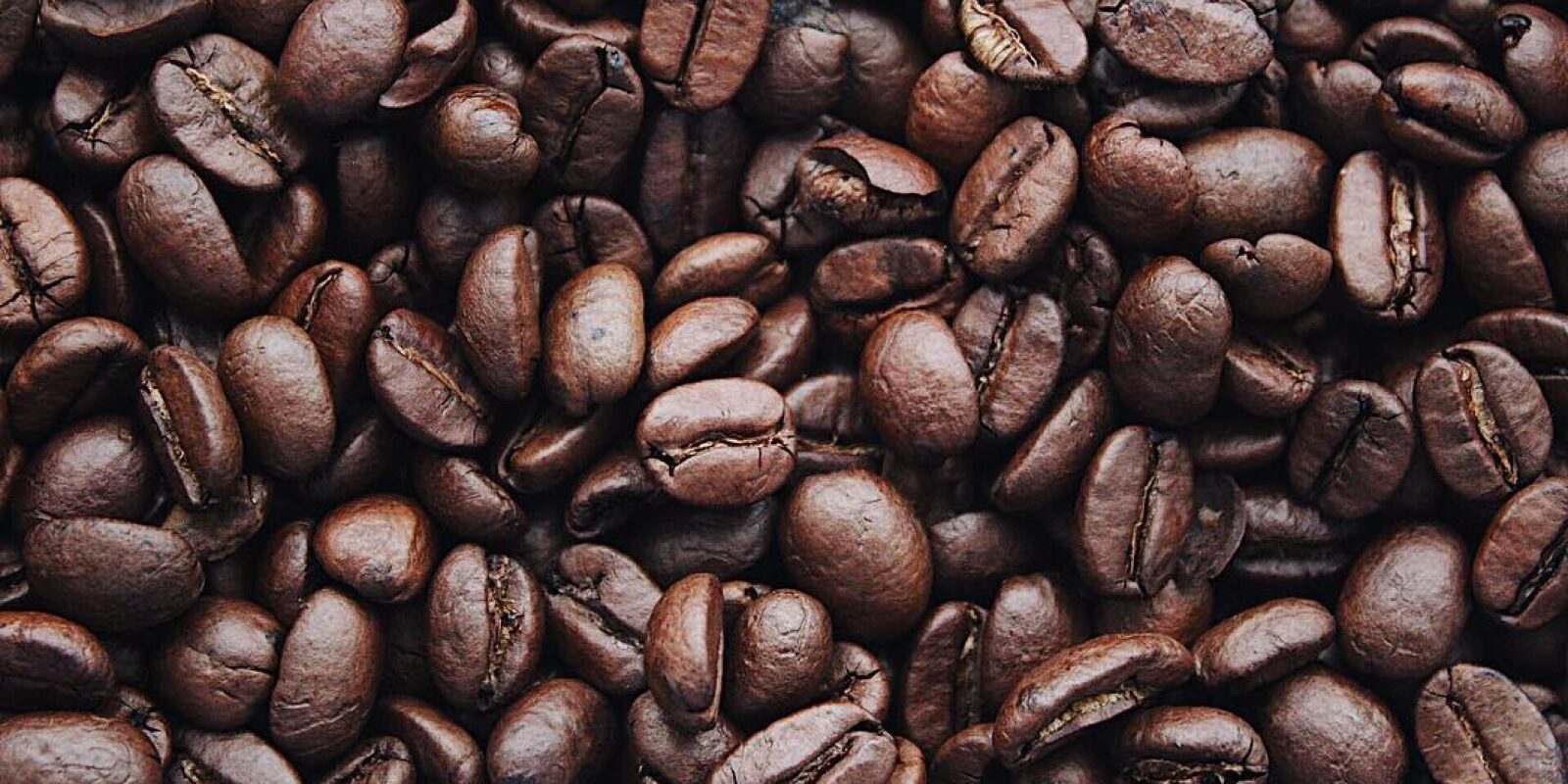
Rwanda produces some of the highest-quality Arabica coffee in Africa and grows tea in high-altitude volcanic soils that give it a distinctive flavour profile. These plantations are not just agricultural sites. They are part of Rwanda’s tourism experience, especially for luxury travellers who want more than wildlife encounters.
Adding coffee and tea visits to a safari creates balance. It introduces cultural context, supports local communities, and provides a slower, sensory contrast to the intensity of gorilla trekking and game drives.
Rwanda’s ideal conditions for coffee and tea production
Rwanda’s geography plays a major role in its agricultural success. The country sits at high altitude with volcanic soil, consistent rainfall, and mild temperatures throughout the year.
These conditions are especially strong in regions like the Western Province, around Lake Kivu, and parts of the Northern Province. Coffee thrives in these areas because of nutrient-rich soil and elevation. Tea grows well in cooler, misty zones with stable humidity.
This natural environment creates flavour complexity in both crops. Coffee tends to be bright and aromatic, while tea is often smooth and fresh with subtle vegetal notes.
Coffee culture in Rwanda and its tourism experience
Coffee in Rwanda is more than a crop. It is part of a national economic transformation strategy. Over the past decades, Rwanda has invested heavily in specialty coffee production, focusing on quality rather than mass export.
Many smallholder farmers work in cooperatives. These cooperatives process coffee cherries using modern washing stations and export high-grade beans to international markets.
For safari travellers, this system creates a strong tourism link. Visiting a coffee washing station or plantation allows you to follow the journey from farm to cup.
Where to visit coffee plantations in Rwanda
One of the most accessible regions for coffee experiences is around Lake Kivu. The western part of Rwanda offers plantation visits combined with scenic lake views and relaxed lodge stays.
In this region, travellers can visit coffee washing stations, meet local farmers, and observe processing stages such as sorting, fermentation, drying, and roasting.
Some luxury safari itineraries include private guided visits where guests walk through plantations, learn harvesting methods, and participate in coffee tasting sessions.
The experience is often structured to be interactive rather than observational. You do not just see coffee production. You understand the full value chain.
Tea plantations in Rwanda and their landscape appeal
Tea production in Rwanda is concentrated in high-altitude regions with cooler temperatures and frequent mist. These areas create visually striking landscapes with endless green fields stretching across rolling hills.
Tea estates are often located in places such as Nyungwe region and southwestern Rwanda. These plantations are large-scale but carefully managed, creating scenic views that contrast with forest and savannah environments.
Tea plantations in Rwanda are not just agricultural zones. They are also some of the most visually peaceful landscapes in the country.
Visiting tea estates on a safari itinerary
Tea estate visits are usually integrated into itineraries that include Nyungwe Forest National Park or Lake Kivu.
Travellers can walk through plantations, observe plucking techniques, and learn how tea leaves are processed from field to final product.
Some estates offer guided factory tours where visitors see withering, rolling, fermentation, and drying processes. This adds technical understanding to the experience and connects agriculture with global supply chains.
Tea tasting sessions are also common. These allow travellers to sample different grades and understand how altitude and processing affect flavour.
How coffee and tea fit into a luxury safari experience
Luxury safaris in Rwanda are not only about wildlife. They are about variety, pacing, and immersive experiences.
Coffee and tea visits provide a calm contrast to gorilla trekking, which is physically demanding and emotionally intense. After hiking in Volcanoes National Park or driving through national parks, plantation visits offer a slower rhythm.
They also add cultural depth. Instead of only seeing wildlife, you understand how local communities live, work, and contribute to the national economy.
For luxury travellers, this balance improves overall itinerary quality. It turns a safari into a multi-dimensional journey.
Lake Kivu as a key coffee and tea gateway
Lake Kivu is one of the most important regions for combining coffee culture with leisure travel.
The lake sits between mountain ranges and agricultural zones. It provides a relaxed environment after trekking or forest activities.
Many boutique lodges around Lake Kivu include coffee experiences as part of their guest activities. These can include plantation visits, roasting demonstrations, or curated tasting sessions.
The region is ideal for travellers who want to slow down after Volcanoes National Park or before moving to Nyungwe Forest.
Nyungwe region and tea landscapes
Nyungwe Forest National Park is not only known for chimpanzee trekking and canopy walks. It is also surrounded by tea plantations that shape the surrounding landscape.
The contrast between dense rainforest and open tea fields creates a unique visual transition.
Travellers moving through this region often experience both ecosystems in a single itinerary. One part of the journey focuses on primates and biodiversity. The other focuses on agriculture and landscape design.
Cultural importance of coffee and tea in Rwanda
Coffee and tea are not only export crops. They are also deeply connected to rural livelihoods.
Thousands of smallholder farmers depend on these industries for income. Cooperative systems help farmers access international markets and improve production quality.
Tourism supports this ecosystem by adding value at the local level. When travellers visit plantations, they contribute directly to community income and awareness.
This aligns with Rwanda’s broader tourism model, which integrates conservation, agriculture, and community development.
Common mistake: ignoring cultural experiences in Rwanda
Many safari travellers focus exclusively on gorilla trekking and wildlife parks. They skip coffee and tea experiences because they seem secondary.
This is a missed opportunity.
Without these visits, Rwanda can feel like a single-theme destination focused only on primates. With them, the country becomes more layered and complete.
Agricultural tourism adds context to what you see in national parks. It shows how communities live alongside conservation areas.
How many days you need to include coffee and tea visits
Coffee and tea experiences do not require separate trips. They are best added to existing safari itineraries.
A 4 to 7-day Rwanda safari is usually enough to include at least one plantation visit without affecting gorilla trekking schedules.
Lake Kivu stopovers are ideal for coffee experiences. Nyungwe itineraries naturally include tea landscapes.
The key is planning routing properly so that agricultural experiences fit between wildlife activities.
Rwanda’s coffee and tea culture adds an important layer to any luxury safari experience.
These plantations are not just scenic stops. They represent a key part of Rwanda’s economy, community structure, and global identity.
Coffee experiences around Lake Kivu and tea landscapes near Nyungwe Forest provide balance to the intensity of gorilla trekking and wildlife safaris.
For travellers who want a deeper understanding of Rwanda beyond wildlife, including coffee and tea visits transforms the safari from a nature-focused trip into a complete cultural and ecological journey.
Start Planning Your Next Trip To Africa
If you can picture yourself in one—or several—of these exceptional retreats, the next move is simple. We design fully tailored African safaris that bring these experiences together seamlessly, from private gorilla encounters to luxury lodges in the heart of the wild.
Every detail is carefully planned, so your journey feels effortless from start to finish. Reach out in whichever way suits you best, and let’s begin crafting your safari.
Start Planning