The Great Migration Is Not Just in the Serengeti

The Great Migration Is Not Just in the Serengeti

The Great Migration Is Not Just in the Serengeti: The Full Annual Route Explained

The Great Migration is often described in simplified terms as “the Serengeti migration,” but that framing is incomplete and can lead to a misunderstanding of one of the most complex wildlife movements on Earth. In reality, the migration is a continuous, circular ecosystem journey that spans national borders, multiple ecosystems, and radically different landscapes throughout the year.

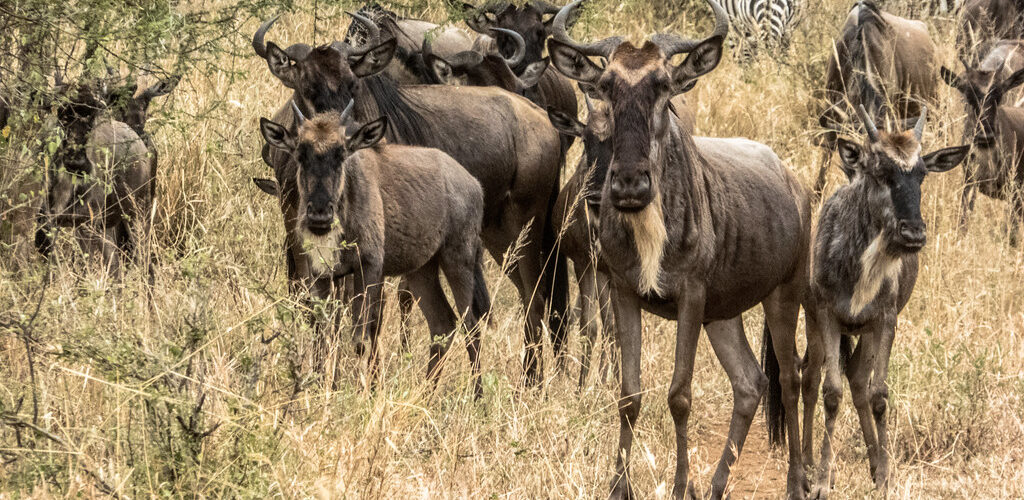
At its core, the migration is driven by over a million wildebeest, joined by zebras and gazelles, following rainfall patterns in search of fresh grazing. While the Serengeti National Park is a central and iconic part of this system, it is only one section of a much larger annual loop that also includes the Masai Mara National Reserve and surrounding conservation areas.

Understanding the full route is essential if you want to plan a safari properly, because where you go depends entirely on when you travel. The migration is not static, and different regions become active at different times of the year.

The Southern Serengeti: Calving Grounds and New Life

The cycle begins in the southern plains of the Serengeti ecosystem, where the herds gather between roughly December and March. This area is dominated by short grass plains that offer nutrient-rich grazing after seasonal rains.

This is the calving season, one of the most dramatic wildlife periods in Africa. Hundreds of thousands of wildebeest calves are born within a few weeks, creating a sudden explosion of life across the plains. The abundance of vulnerable newborns also attracts predators in large numbers, including lions, cheetahs, and hyenas, leading to intense predator-prey interactions.

During this stage, the migration is concentrated in a relatively compact area, making wildlife viewing exceptionally dense and predictable compared to other phases of the cycle.

Central and Western Serengeti: Movement Through the Heartland

As the rains shift, the herds begin moving north and west between April and June. This stage takes them through the central and western corridors of the Serengeti National Park.

Unlike the calving season, the migration during this phase is more spread out. The herds are in motion, following fresh grazing areas and gradually moving toward the northern reaches of the ecosystem. River systems and woodlands become more prominent, and the landscape changes from open plains to more varied terrain.

This part of the route is often less crowded with tourists, but it is still a critical stage in the migration cycle. It represents the transition between the birthing grounds in the south and the dramatic river crossings in the north.

Northern Serengeti: River Crossings and High Drama

Between July and October, the migration reaches the northern Serengeti, where it becomes one of the most famous wildlife spectacles in the world. This is the stage most travellers associate with the Great Migration, but it is only one segment of the full journey.

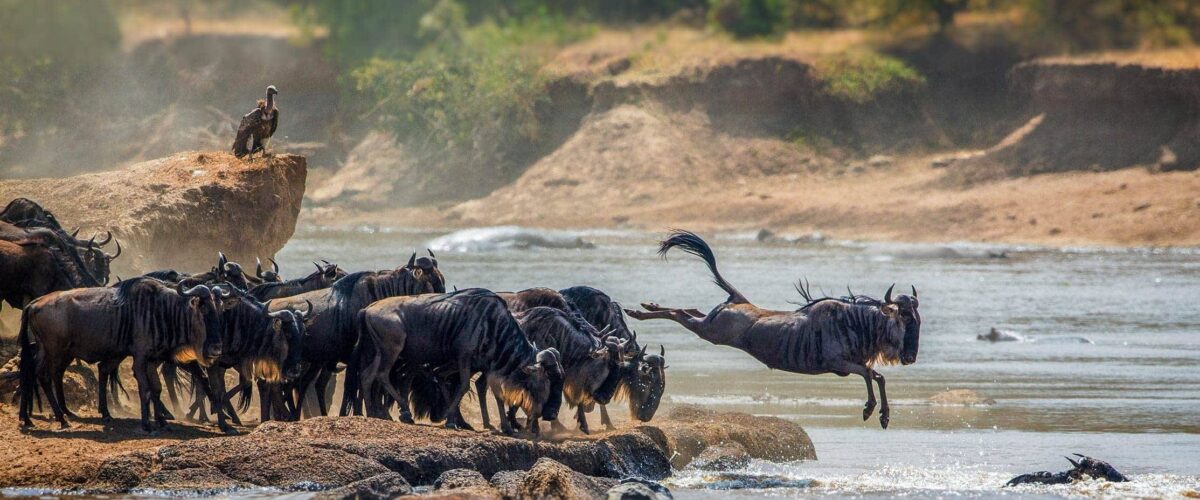
Here, the herds gather around river systems, most notably the Mara River, where they face one of nature’s most dangerous obstacles: crossing crocodile-infested waters while avoiding predators on both banks.

This region forms a direct connection between Tanzania and Kenya, linking the Serengeti ecosystem with the Masai Mara National Reserve. The river crossings are unpredictable in timing and intensity, but when they occur, they create dramatic scenes of survival, pressure, and movement.

This is also the most competitive safari period. Camps positioned near crossing points are extremely limited and often fully booked long in advance due to the global demand for this specific wildlife event.

The Masai Mara: Extension of the Same Ecosystem

A common misconception is that the migration ends when it crosses into Kenya. In reality, the Masai Mara is simply the northern extension of the same ecosystem.

Once the herds enter the Masai Mara, they continue grazing across its open plains, taking advantage of fresh grass and scattered rainfall. The landscape here is slightly more compact than the Serengeti, which increases wildlife visibility and density.

During peak months, the Masai Mara becomes one of the most active predator zones in Africa. Lions, cheetahs, and leopards follow the herds closely, creating continuous predator-prey interactions.

Eventually, as conditions change, the herds begin to move back south into Tanzania, continuing the circular journey.

The Return South: Completing the Circle

From late October into November, the herds gradually leave the Masai Mara and northern Serengeti, moving back toward central and southern regions. This return is driven by changing rainfall patterns and the regeneration of grass in the southern plains.

By December, the migration cycle resets as the herds once again concentrate in the southern Serengeti for calving season. This continuous loop is what defines the Great Migration as a year-round ecological system rather than a single seasonal event.

Why Understanding the Full Route Matters for Safari Planning

Many travellers focus only on river crossings or calving season, but understanding the full route is essential for making informed travel decisions.

The migration is not predictable in exact timing, but its general movement pattern is consistent enough to plan around. This means your safari experience depends entirely on matching your travel dates with the correct region of the ecosystem.

If you travel at the wrong time for the wrong location, you may still see wildlife, but you will miss the density and drama that defines the migration experience.

For example, being in the southern Serengeti during river crossing season will not give you the same experience as being in the north. Likewise, visiting the Masai Mara outside peak months will feel very different from visiting during high migration activity.

The Key Insight Most Travellers Miss

The most important thing to understand is that the Great Migration is not a single destination but a moving system.

It is shaped by rainfall, grass growth, predator behavior, and survival pressure. It does not pause for tourism schedules, and it does not concentrate itself in one predictable place year-round.

The Serengeti and the Masai Mara are not separate experiences. They are connected parts of the same ecological circuit.

Once you understand that, safari planning becomes less about choosing “where to go” and more about understanding “when the system is where.”

The Great Migration is often marketed as a single spectacle, but in reality it is a year-long movement across two countries and multiple ecosystems. The Serengeti National Park and the Masai Mara National Reserve are simply different stages of the same continuous journey.

Understanding this full route changes everything about how you plan a safari. It allows you to align your travel dates with the natural rhythm of the migration rather than relying on chance.

When you see the migration as a full cycle instead of a single event, you stop asking where it is and start asking when you should be there.
How Far in Advance Should You Book a Great Migration Safari?

How Far in Advance Should You Book a Great Migration Safari?

How Far in Advance Should You Book a Great Migration Safari? An Honest Answer

Booking a safari for the Great Migration is not a flexible, last-minute travel decision. It is one of the most capacity-constrained wildlife experiences in the world, where timing determines not only what you see, but also where you stay, how close you are to the action, and how much you ultimately pay. Unlike typical holidays, availability does not adjust to demand. It disappears.

The honest planning window for a Great Migration safari is between 9 and 24 months in advance, depending on the season, the level of comfort you want, and how specific you are about wildlife positioning inside the ecosystem formed between the Serengeti National Park and the Masai Mara National Reserve.

This article breaks down exactly why that timeframe matters, how it changes across seasons, and what happens when you book too late.

Why Great Migration Safaris Require Early Booking

The Great Migration is not a single event happening in one place. It is a continuous circular movement of over a million wildebeest, accompanied by zebras and gazelles, moving across vast plains in response to rainfall and grazing conditions. Because this movement is natural and unpredictable at a micro level, safari operators position camps in anticipated zones months or even years in advance.

The core limitation is not demand alone, but supply. Safari accommodation inside protected ecosystems is deliberately limited. Camps are small, often with fewer than 20 tents, and development inside key wildlife areas is tightly controlled. This ensures conservation integrity but also creates extreme scarcity during peak migration windows.

As a result, when the herds concentrate in specific areas, such as river crossings or calving plains, demand for nearby camps far exceeds availability.

Understanding the Migration Cycle and Its Impact on Booking

To understand why booking timelines vary, you need to understand how the migration moves throughout the year.

Calving Season in the Southern Serengeti

Between roughly December and March, the herds gather in the southern plains of the Serengeti National Park. This is calving season, when hundreds of thousands of wildebeest give birth within a short window.

This period is highly popular because it delivers intense predator-prey interactions. Lions, cheetahs, and hyenas follow the herds closely, making it one of the most dramatic wildlife viewing periods in Africa.

Because of its photographic value and wildlife density, accommodation in the southern Serengeti now requires booking around 9 to 18 months in advance, especially for well-positioned camps.

Green Season Movement Through Central Serengeti

From April to June, the herds begin moving through central and western Serengeti. This is a transitional stage where wildlife is still abundant but spread over a wider area.

While this period is less crowded, good camps still fill early because travelers seeking lower prices and fewer tourists target this window. Booking 6 to 12 months in advance is usually sufficient, but flexibility improves results significantly.

River Crossing Season in the North

Between July and October, the migration reaches its most famous phase in the northern Serengeti and extends into the Masai Mara National Reserve.

This is the river crossing season, when herds attempt to cross the Mara River while facing crocodiles and strong currents. It is the most iconic wildlife spectacle in Africa and also the most competitive safari season.

Camps located near crossing points are extremely limited. Many are mobile camps that move with the herds, and these often sell out 12 to 24 months in advance. This is the period where early booking matters most.

Return South in November

In November, the herds begin moving back toward the southern plains. This period is transitional again, with moderate demand and slightly better availability, but still requiring advance planning for good positioning.

How Far in Advance You Should Book Based on Season

The safest planning rule depends entirely on when you want to travel.

For peak river crossing season in July to October, the realistic booking window is 12 to 24 months in advance. This ensures access to camps close to the Mara River and prime crossing points, both in Tanzania and Kenya.

For calving season in December to March, booking 9 to 18 months in advance is strongly recommended. Demand for this period has increased significantly in recent years, particularly among photographers and repeat safari travellers.

For shoulder seasons such as April to June or November, you can sometimes secure availability 6 to 12 months in advance, although the quality of location becomes more dependent on flexibility.

Why Camps Sell Out So Early

The biggest misconception about safari planning is that accommodation behaves like a normal hotel market. It does not.

Safari camps are intentionally small and designed to minimize environmental impact. Many luxury camps operate with fewer than 15 tents, and even larger lodges are constrained by conservation regulations.

In addition, many of the best camps are seasonal or mobile. These camps physically relocate to follow the migration, meaning their availability is tightly controlled and often allocated to repeat clients or early bookers well before the season begins.

Because of this structure, availability is not just limited. It is pre-allocated long before most travelers start planning.

Luxury vs Mid-Range Availability Differences

Luxury camps are the first to sell out. This is not only due to demand but because they are smaller, more exclusive, and often positioned in the most strategic wildlife zones.

Many luxury properties near river crossings or calving areas are booked up to two years in advance. These camps prioritize location over volume, which means fewer rooms but significantly better wildlife access.

Mid-range and budget camps tend to have more capacity, but they are often located farther from peak migration routes. This can result in longer daily drives to reach wildlife action, especially during high movement periods.

What Happens If You Book Late

Booking late does not make a Great Migration safari impossible, but it does change the nature of the experience significantly.

Instead of staying close to migration corridors, you are more likely to find accommodation farther from peak wildlife activity. This means more time spent traveling and less time observing animals during critical moments.

During peak season, particularly July through September in the northern Serengeti and Masai Mara, late booking can also mean extremely limited or no suitable availability at all. In these cases, travellers often need to change dates or adjust destinations entirely.

Pricing also becomes less favorable as remaining availability is typically either premium-priced luxury or lower-quality mid-range options in less optimal locations.

When Closer Booking Can Still Work

There are situations where booking closer to travel is possible, but they require flexibility.

If you are open to adjusting your travel dates, switching between Kenya and Tanzania depending on availability, or choosing accommodation based on location rather than brand preference, then booking 3 to 6 months in advance can sometimes work.

This approach is most effective during transitional migration periods when the herds are spread across broader regions and demand is less concentrated.

However, flexibility is the deciding factor. Without it, last-minute booking rarely delivers a high-quality migration experience.

The Most Important Factor Most Travellers Ignore

One of the most overlooked aspects of Great Migration planning is that it is not just about accommodation. It is also about logistics.

Internal flights between safari regions, park entry coordination, and access to experienced guides all become constrained during peak season. Flights into remote airstrips near the Serengeti and Masai Mara have limited seats, and experienced guides are often booked well in advance by established safari operators.

This means that early booking is not only about securing a room. It is about securing the entire safari ecosystem that supports the experience.

The Great Migration is one of the most sought-after wildlife events on the planet, and its booking patterns reflect that reality.

If you want the best possible experience with strong wildlife access and well-positioned camps, you should plan 9 to 24 months in advance. Peak river crossing season requires the longest lead time, often up to two years for the most strategic camps. Calving season also requires early booking, typically around a year or more. Shoulder seasons offer slightly more flexibility but still benefit significantly from advance planning.

In simple terms, the earlier you book, the more control you have over your experience. Waiting too long does not eliminate the safari, but it reduces choice, quality, and proximity to wildlife action.

The Great Migration rewards planning, not spontaneity.

River Crossings vs Calving Season

River Crossings vs Calving Season

River Crossings vs Calving Season: Which Part of the Great Migration Is Worth Travelling For?

Two Most Dramatic Phases of the Great Migration

The Great Migration is not a single event but a continuous, circular movement of over 1.5 million wildebeest, accompanied by hundreds of thousands of zebras and gazelles, moving through the ecosystems of the Serengeti–Mara ecosystem between Tanzania and Kenya. Two moments dominate global safari interest more than any others: the river crossings at the Mara River and the calving season in the southern Serengeti plains.

Both are visually spectacular, emotionally intense, and ecologically significant, yet they deliver completely different safari experiences. Choosing between them is not simply a matter of “which is better,” but rather “what kind of wildlife experience you want to have.”

The river crossings are about tension, chaos, survival, and raw drama. The calving season is about abundance, new life, and predator-prey dynamics on open plains. One feels like a battlefield at the edge of a river. The other feels like a nursery under constant surveillance by predators.

To understand which one is worth travelling for, it is essential to break down timing, location, wildlife behaviour, viewing conditions, accessibility, and emotional impact.

What Happens During the River Crossings

The river crossings are most famously associated with the Mara River system, particularly within and around the ecosystem of Masai Mara National Reserve in Kenya and the northern parts of the Serengeti ecosystem in Tanzania, including areas bordering Serengeti National Park.

This phase typically occurs between July and October, although exact timing varies each year depending on rainfall and grazing pressure. During this period, massive herds of wildebeest gather on the southern banks of the Mara River, hesitating for hours or even days before attempting to cross into Kenya.

The challenge is not just the water itself but what lies within it. Crocodiles lie submerged, waiting. Strong currents can sweep animals away. Steep riverbanks create bottlenecks where panic leads to stampedes. It is not uncommon for crossings to involve thousands of animals surging forward at once after long periods of hesitation.

The experience for travellers is defined by unpredictability. You may wait for days without seeing a crossing, or you may witness multiple crossings in a single day. When it happens, it lasts minutes, sometimes less than an hour, but the intensity is unmatched in wildlife viewing anywhere in the world.

What Happens During the Calving Season

The calving season takes place primarily between January and March in the southern Serengeti plains, especially around Ndutu and surrounding areas within the ecosystem of Serengeti National Park.

This period is driven by the rains that turn the short-grass plains into nutrient-rich grazing grounds. The wildebeest arrive in enormous numbers to give birth almost synchronously. Around 400,000 calves are born within a span of just a few weeks.

Unlike the chaos of river crossings, calving season is defined by stillness and repetition. You see thousands of newborn calves standing unsteadily on the plains within minutes of birth. Mothers stay close, forming dense protective groups.

However, this is also predator heaven. Lions, cheetahs, hyenas, and jackals are highly active because vulnerable newborns are abundant and easy targets. The predator-prey interactions are frequent, visible, and often dramatic, but they unfold in open landscapes rather than chaotic river scenes.

The Emotional Contrast Between the Two Experiences

The river crossings are emotionally intense in a sudden, explosive way. You are watching survival under pressure. There is fear, urgency, and unpredictability. The tension builds slowly as herds gather, then releases in a chaotic surge. Many travellers describe it as overwhelming, even distressing, because of the visible struggle and occasional losses.

Calving season is emotionally different. It is less about shock and more about immersion. You see life beginning constantly. You also see predation, but it is framed within the natural cycle of life on the plains. Instead of sudden chaos, there is a continuous rhythm of birth, movement, and survival learning.

One is dramatic theatre. The other is biological abundance.

Wildlife Density and Viewing Opportunities

During river crossing season, wildlife is extremely concentrated at specific bottlenecks along the Mara River. This creates high-impact viewing moments, but also means you may spend significant time waiting in fewer productive locations.

The advantage is that when activity happens, it is concentrated and unforgettable. You may see thousands of wildebeest crossing at once, followed by predators attempting ambushes at the river edges.

During calving season, wildlife is spread across vast plains, but density is still extremely high. Instead of one dramatic focal point, you encounter continuous sightings across the landscape. Wildebeest herds stretch to the horizon, interspersed with zebras, gazelles, and predators patrolling territories.

In practical terms, calving season offers more consistent sightings per day, while river crossings offer fewer but more explosive moments.

Predator Behaviour Differences

Predators behave differently in each season due to changes in prey vulnerability and distribution.

During river crossings, crocodiles dominate the predator narrative. They are the most visible and consistent hunters in the water. On land, lions and hyenas wait near crossing points, but actual hunts are less frequent because chaos is concentrated in short bursts.

During calving season, the predator-prey relationship becomes more dynamic across the entire landscape. Lions operate in coordinated prides targeting weak or isolated calves. Cheetahs take advantage of open visibility to chase young wildebeest at high speed. Hyenas form large clans that track herds continuously.

If your interest is predator strategy and frequent hunt opportunities, calving season provides a broader range of observable behaviours.

Landscape and Photographic Conditions

The river crossing environment is visually dramatic but geographically constrained. Riverbanks are often crowded with vehicles during peak moments, and photography can be challenging due to dust, movement, and unpredictable timing. However, when crossings occur, the water, chaos, and animal density create powerful action photography opportunities.

Calving season offers cleaner photographic conditions. The southern Serengeti plains are wide, open, and green. Lighting is often softer due to seasonal cloud cover and morning mist. This creates ideal conditions for landscape wildlife photography, especially wide-angle shots of herds, newborn calves, and predator interactions.

In simple terms, river crossings are better for action shots, while calving season is better for composition, lighting, and storytelling imagery.

Accessibility and Safari Logistics

River crossing safaris require strategic positioning in the northern Serengeti or the southern parts of the Masai Mara ecosystem. Timing is critical, and camps near river crossing points tend to be fully booked well in advance. Mobility and flexibility are essential because crossing locations shift depending on herd movement.

Calving season safaris are generally easier to plan. The southern Serengeti plains offer more predictable wildlife concentrations, and lodges in the Ndutu region can provide reliable access to large herds. Game drives are often shorter in distance but richer in continuous sightings.

From a logistics standpoint, calving season is more predictable and comfortable, while river crossings require more patience and flexibility.

Crowd Levels and Safari Exclusivity

River crossing season is the busiest period in East African safari tourism. The concentration of vehicles near crossing points can be high, especially during peak migration weeks. This can affect the sense of wilderness immersion, although the wildlife spectacle often outweighs the crowding.

Calving season is less crowded overall. While popular among seasoned safari travellers and photographers, it does not attract the same mass concentration of vehicles as river crossings. This allows for more relaxed game drives and a stronger sense of space.

If exclusivity matters, calving season generally offers a more private experience.

Weather Conditions and Comfort

River crossing season occurs during the dry season. Conditions are typically dusty, with clear skies and cooler mornings. This improves visibility but can reduce colour saturation in landscapes.

Calving season occurs during the green season, when short rains have transformed the plains into lush grazing areas. The environment is greener, more vibrant, and more visually dynamic, but occasional rain showers can affect road conditions and accessibility.

For comfort, dry season is easier. For visual richness, green season is superior.

Scientific and Ecological Significance

From an ecological perspective, calving season is arguably the most important phase of the migration cycle. It represents the reproductive engine of the entire system. The synchronized births are a survival strategy designed to overwhelm predators through sheer numbers, ensuring population continuity.

River crossings, on the other hand, are driven by resource scarcity and grazing pressure. They represent movement across ecological boundaries, especially the search for fresh pasture and water access. The river becomes a natural barrier that shapes survival patterns.

Both are essential, but calving is about regeneration while crossing is about survival under pressure.

Which Experience Feels More “Authentic”

Authenticity in safari terms depends on what aspect of wilderness you value.

River crossings feel raw and unfiltered. You are witnessing survival decisions under extreme pressure. There is unpredictability and intensity that cannot be staged or replicated.

Calving season feels expansive and continuous. You are immersed in a life cycle happening at massive scale, where every moment contributes to the broader ecological rhythm.

Neither is more authentic. They are simply different expressions of the same migration system.

Which One Should You Choose

If your priority is dramatic wildlife action, high tension, and iconic “bucket-list” safari moments, river crossings in the northern Serengeti and Masai Mara ecosystem deliver unmatched intensity. It is the most famous wildlife spectacle in Africa for a reason.

If your priority is consistent wildlife viewing, predator interactions, newborn wildlife, photographic quality, and fewer crowds, calving season in the southern Serengeti offers a more immersive and balanced safari experience.

The most important truth is that both are part of the same cycle. The migration does not pause for tourism seasons. It moves, adapts, and responds to rainfall and grazing pressure.

For many experienced safari travellers, the ideal answer is not choosing one over the other, but experiencing both at different stages of life or travel planning.

Great Migration 2026

Great Migration 2026

Great Migration 2026: Exactly When and Where to Be in the Serengeti Each Month

How the Great Migration Really Works

The Great Migration in Tanzania is not a single event that happens at a fixed time or place. It is a continuous, circular movement of more than 1.5 million wildebeest, supported by hundreds of thousands of zebras and gazelles, moving across the Serengeti–Mara ecosystem in response to rainfall and fresh grazing.

What makes it complex is that the migration changes location every few weeks. If you are in the wrong part of the Serengeti at the wrong time, you may miss it entirely. If you are in the right region, you can experience one of the most dramatic wildlife spectacles on earth, including calving season, predator action, or river crossings.

This month-by-month guide for 2026 explains exactly where to be in the Serengeti so you can match your safari dates with the right stage of the migration.

January: Southern Serengeti and Ndutu Plains Begin the Calving Period

In January, the migration is concentrated in the southern Serengeti and Ndutu area within the Ngorongoro Conservation Area. This region offers short grass plains that are rich in nutrients after the rains, attracting massive herds of wildebeest and zebra.

During this time, the landscape is open and green, and wildlife is spread across wide plains. The migration is not about movement in January but about settling and grazing.

Predator activity begins to increase as lions, cheetahs, hyenas, and leopards follow the herds closely. This creates constant interaction between hunters and vulnerable animals.

January is ideal for travelers who want high wildlife density and early calving preparation behavior.

February: Peak Calving Season in Southern Serengeti

February is the most intense month of the calving season. Hundreds of thousands of wildebeest calves are born within a very short window, making it one of the most dramatic wildlife events in Africa.

The southern Serengeti becomes extremely active with life and death interactions happening daily. Predators take advantage of the abundance of newborns, leading to frequent hunts and high-action game viewing.

This is one of the best months for photography because of the combination of green landscapes, newborn animals, and constant predator presence.

If your goal is dramatic wildlife behavior rather than migration movement, February is one of the most rewarding months in the entire year.

March: End of Calving and Early Northward Movement

By March, calving activity slows down and herds begin preparing to move north. While many animals are still in the southern plains, the migration starts spreading toward central Serengeti.

Wildlife is still abundant, but less concentrated than in February. Predator activity continues, but movement becomes more noticeable as herds gradually shift location.

March offers a balance between calving season intensity and the beginning of migration movement, making it a transitional but rewarding safari month.

April: Movement Into Central Serengeti

In April, the migration begins moving into the central Serengeti. This is a transitional stage where herds are no longer concentrated in one area but are slowly dispersing northward.

Rainfall increases across the Serengeti, creating lush green landscapes and wide grazing areas. Wildlife is still active, but more spread out compared to southern calving months.

Game viewing becomes more dynamic and less predictable because herds are constantly on the move. Predator sightings remain strong as lions and hyenas follow the migrating groups.

April is also a quieter tourism month, which means fewer safari vehicles and a more private experience in the parks.

May: Western Serengeti and Grumeti Region Movement

In May, the migration reaches the western Serengeti, especially the Grumeti River region. This area introduces the first major river challenges of the migration cycle.

Herds begin crossing water channels where crocodiles wait, although crossings are less predictable than later in the year. Movement is continuous as animals search for fresh grazing.

The landscape is at its greenest, making May one of the most visually striking months of the year.

Wildlife viewing depends heavily on rainfall and herd movement, so flexibility in safari planning is important during this period.

June: Western Corridor Peak and Building Momentum North

June marks a key transition as the migration gathers momentum toward the northern Serengeti. Herds concentrate in the western corridor while preparing for longer movement phases.

This is also a time when wildebeest begin forming larger groups again after the calving dispersal period. Movement becomes more directional and organized.

Predator activity remains strong as lions and hyenas track herd movements across the plains.

June is a strategic month for travelers who want migration activity without peak season crowds.

July: Arrival in Northern Serengeti and Start of Mara River Drama

By July, the migration reaches the northern Serengeti, particularly areas like Kogatende and Lamai. This is when the most famous stage of the migration begins: the Mara River crossings.

Herds gather near riverbanks and may stay for days before attempting crossings. This waiting period is part of the natural behavior, driven by instinct and pressure from predators.

The atmosphere becomes tense and dramatic. Crocodiles remain in the water, predators wait along the banks, and thousands of animals prepare for potential crossings.

July is the beginning of one of the most iconic wildlife experiences in the world, but crossings are not guaranteed and require patience.

August: Peak Mara River Crossing Season

August is widely considered the peak month for Mara River crossings in the northern Serengeti. This is when crossings are most frequent and large in scale.

Herds move between Tanzania and Kenya, crossing dangerous river sections filled with crocodiles. The events are chaotic, unpredictable, and highly dramatic.

Some crossings happen multiple times per day, while others may not occur for several days. This unpredictability is part of what makes the experience so powerful.

August is the busiest safari month in the northern Serengeti because of the high probability of witnessing river crossings.

September: Continued Northern Movement Between Serengeti and Maasai Mara

In September, the migration continues between the northern Serengeti and the Maasai Mara in Kenya. River crossings still occur, but herd distribution becomes more spread out.

Wildlife viewing remains excellent, with large herds still present in both regions. Predator activity continues as lions and hyenas follow movement patterns across the border.

September is slightly less intense than August but still offers strong migration activity.

October: Gradual Return Toward Central Serengeti

By October, the migration begins slowly moving back toward the Serengeti as rainfall patterns shift and grazing conditions change.

Herds start dispersing from the northern regions and begin re-entering central areas. Movement is steady but less concentrated compared to river crossing months.

This is a transitional phase where wildlife is widely distributed across the ecosystem.

November: Central Serengeti Regrouping Phase

In November, herds gather again in the central Serengeti. This regrouping phase prepares the migration for its return to the southern plains.

Rainfall begins to return to the southern regions, slowly drawing the herds back.

Wildlife viewing remains strong, although the dramatic events of river crossings and calving are not present during this month.

December: Return to Southern Serengeti and Ndutu Plains

By December, the migration completes its annual cycle and returns to the southern Serengeti and Ndutu region.

Fresh rains create nutrient-rich grazing conditions, attracting large herds back to the plains. This sets the stage for the next calving season starting in early the following year.

December is a transition month that reconnects the migration cycle back to its beginning.

Timing Is Everything in the Serengeti Migration

The Great Migration is not about one destination or one moment in time. It is a continuous movement shaped by rainfall, grazing patterns, and survival instincts.

Each month in the Serengeti offers a completely different version of the migration, from calving season in the south to river crossings in the north and transition periods in between.

The key to experiencing it properly is not luck, but timing. Being in the right region at the right month determines whether you witness quiet grazing herds or dramatic river crossings.

In 2026, planning your safari around these movement patterns is the difference between seeing the migration and truly experiencing it.

What’s Included in a Luxury Tanzania Safari Package?

What’s Included in a Luxury Tanzania Safari Package?

What’s Included in a Luxury Tanzania Safari Package? Reading the Fine Print

Introduction: Why “Luxury Safari” Means More Than a High Price Tag

A luxury Tanzania safari is often marketed as an all-inclusive, high-end wildlife experience across iconic destinations such as Serengeti National Park, Ngorongoro Crater, Tarangire National Park, and sometimes Zanzibar. The word “luxury” suggests comfort, exclusivity, and seamless travel, but what is actually included varies significantly between operators.

This is where many travelers misunderstand safari pricing. Two packages can both be called “luxury” yet differ greatly in accommodation quality, guiding standards, internal flights, park coverage, and hidden exclusions. Reading the fine print is essential because safari packages are structured bundles of services rather than standardized hotel-style offerings.

Understanding what is included, what is partially included, and what is excluded helps you avoid unexpected costs and ensures your safari experience matches your expectations from arrival to departure.

Accommodation: The Core of Any Luxury Safari Package

Accommodation is one of the most visible components of a luxury safari package. In Tanzania, luxury lodges and tented camps are often located inside or near national parks to maximize wildlife access and minimize travel time.

In most luxury packages, accommodation includes full-board service, meaning breakfast, lunch, and dinner are provided daily. Many high-end camps also include drinks such as house wines, beers, and soft beverages, although premium alcohol or imported spirits may be excluded depending on the lodge policy.

Luxury accommodations in the Serengeti or Ngorongoro are often designed to blend comfort with wilderness immersion. Tented suites may include en-suite bathrooms, private verandas, and panoramic views of the plains. However, the level of luxury varies significantly between camps, even within the same price category.

It is important to read whether the package includes “standard luxury lodges” or “ultra-luxury exclusive camps,” because this distinction can significantly affect comfort levels and pricing.

Transportation: Flights, Vehicles, and Transfers

Transportation is another major component of luxury safari packages, and it is often where the biggest differences between operators appear.

Most luxury safaris include private 4×4 safari vehicles with professional driver-guides. These vehicles are typically customized for game viewing, with pop-up roofs, charging ports, and large windows for photography. In a true luxury setup, the vehicle is exclusive to your booking, meaning you are not sharing it with other travelers.

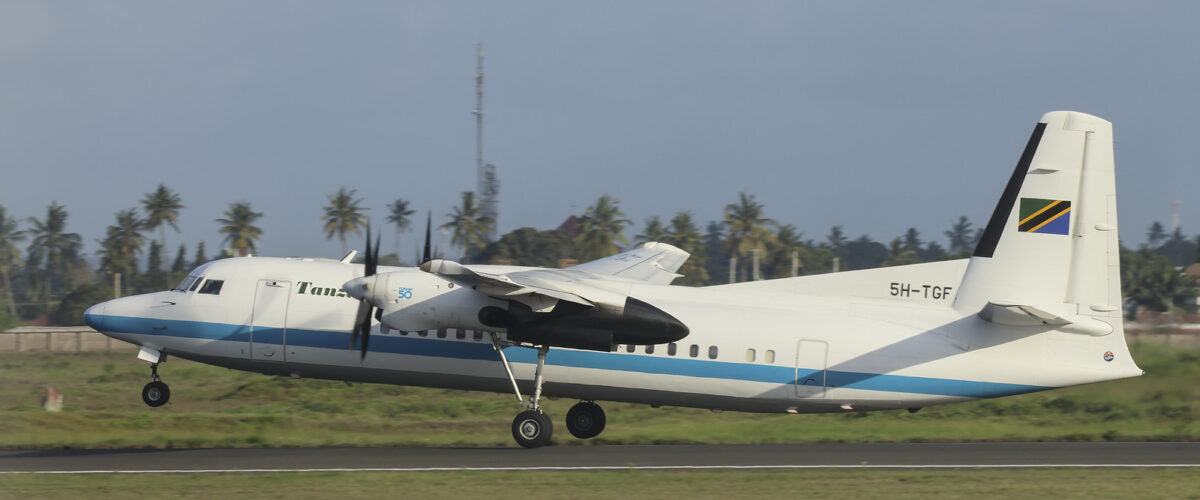
Internal flights are also commonly included in higher-end packages, especially when traveling between Arusha, Serengeti, and Zanzibar. These bush flights significantly reduce travel time and increase comfort by avoiding long road transfers.

However, not all packages include international airport transfers or domestic airport taxes. Some operators include door-to-door service from Kilimanjaro International Airport, while others charge separately depending on arrival and departure logistics.

It is essential to confirm whether transfers between airports, lodges, and parks are fully included or billed separately.

Park Fees and Conservation Charges

Park fees are one of the most misunderstood elements of safari pricing. In Tanzania, every visitor pays mandatory entry fees to national parks and conservation areas. These fees are set by government authorities and are non-negotiable.

In most luxury safari packages, park fees are included in the total price. This typically covers entry to Serengeti National Park, Ngorongoro Conservation Area, Tarangire National Park, and any other included destinations.

However, the fine print matters because park fees can vary depending on duration, age of traveler, and specific protected zones visited. Some packages include only basic park entry, while others include crater descent fees for Ngorongoro or conservation levies that apply to overnight stays inside protected areas.

If park fees are excluded or only partially included, you may face additional costs per day that significantly increase the total trip budget.

Game Drives and Guided Safari Experience

A defining feature of a luxury safari is the quality of guiding and game drive experience. Professional safari guides are responsible for wildlife tracking, interpreting animal behavior, and navigating park routes.

Most luxury packages include unlimited or full-day game drives, meaning you can spend as much time in the park as conditions allow. This is different from budget or group safaris, where game drive hours may be limited or structured around shared schedules.

Guides in luxury safaris are usually highly experienced, often with deep knowledge of animal behavior, bird species, and seasonal migration patterns. In some premium packages, private guides are assigned for the entire duration of the trip, ensuring continuity and personalized attention.

However, it is important to check whether guiding services are exclusive or shared. Some “semi-luxury” packages still use shared guides across multiple vehicles, which reduces personalization.

Meals and Dining Experience

Food is a major part of the luxury safari experience. Most packages include full-board dining, with breakfast, lunch, and dinner prepared at lodges or camps.

Luxury safari cuisine in Tanzania often combines international dishes with local ingredients. Meals are typically served in dining areas overlooking the wilderness or sometimes outdoors in scenic bush settings. Some high-end camps also offer bush breakfasts or private dining experiences inside the savannah.

What is not always included are premium drinks, specialty wines, champagne, or personalized dining setups unless specifically stated. Some lodges include all beverages, while others charge separately for alcohol or imported drinks.

Reading the beverage policy is important because it can significantly affect total on-site expenses.

Optional Activities and Experiences

Luxury safari packages sometimes include optional activities, but many are billed separately. These may include hot air balloon safaris over the Serengeti, walking safaris with armed rangers, cultural visits to Maasai communities, or night game drives in private conservancies.

Hot air balloon safaris, in particular, are often excluded from standard packages due to their high operational cost. Similarly, cultural tours may require additional payments directly to local communities or guides.

Understanding which activities are included versus optional helps you plan your budget more accurately and avoid surprises during the trip.

Exclusions: What Is Commonly Not Included

Even in luxury safari packages, several important costs are often excluded from the advertised price. International flights are almost always excluded, meaning your flight to Tanzania must be booked separately.

Travel insurance is also typically not included, although it is strongly recommended for safari travel due to the remote nature of parks and medical evacuation requirements.

Visa fees, tips for guides and lodge staff, personal expenses, and souvenirs are additional costs that are usually not part of the package. In Tanzania, tipping is considered an important part of safari culture and is expected for guides and service staff.

Some packages may also exclude certain internal flight taxes, premium alcohol, or specific park surcharges depending on itinerary complexity.

The Importance of Reading the Fine Print

The biggest mistake travelers make when booking a luxury safari is assuming that “all-inclusive” means everything is covered. In reality, safari packages are highly detailed arrangements with clearly defined inclusions and exclusions.

Reading the fine print ensures you understand exactly what you are paying for, how your itinerary is structured, and where additional costs may arise. It also helps you compare different operators more accurately because two packages that look similar in price may include very different services.

A properly understood safari package leads to fewer surprises, better budgeting, and a smoother travel experience from arrival to departure.

Luxury in Tanzania Is About Structure, Not Just Price

A luxury Tanzania safari is defined not only by accommodation quality but by the structure of the entire experience. When fully inclusive, it combines private guiding, well-planned itineraries, premium lodges, seamless transfers, and carefully managed logistics across multiple national parks.

However, the definition of “luxury” varies between operators, which is why reading the fine print is essential. True value lies in understanding exactly what is included, what is optional, and what may incur additional costs during the journey.

When properly planned, a luxury safari in Tanzania becomes a seamless experience where logistics disappear into the background and the focus remains entirely on wildlife, landscapes, and immersion in one of the most iconic wilderness regions in the world.

Tanzania Safari in 5 7 or 10 Days

Tanzania Safari in 5, 7 or 10 Days

Tanzania Safari in 5, 7 or 10 Days: What You Can Realistically Do in Each Timeframe

Why Safari Duration Matters More Than Destination Choice

When most travelers start planning a Tanzania safari, the focus usually goes straight to iconic places like Serengeti National Park, Ngorongoro Crater, Tarangire National Park, and sometimes Lake Manyara. While these destinations are central to any safari experience, the real factor that shapes the quality of your trip is not just where you go, but how long you stay.

Safari duration affects everything. It determines how much wildlife you see, how rushed or relaxed your travel feels, how many ecosystems you can explore, how deep your experience becomes, and even how successful your wildlife encounters are. Tanzania is a vast country with large distances between parks, and safari travel is slow by nature because it follows wildlife patterns rather than fixed urban schedules.

A 5-day safari, a 7-day safari, and a 10-day safari may include similar destinations, but they deliver completely different experiences. Understanding what is realistically possible in each timeframe is essential before booking, especially if you want to avoid unrealistic expectations or overly compressed itineraries that spend more time moving than actually observing wildlife.

A 5-Day Tanzania Safari: Fast, Focused, and High-Intensity Travel

A 5-day safari is the shortest realistic safari experience in Tanzania. It is designed for travelers with limited time who still want to experience the country’s wildlife highlights. It is also commonly chosen by people combining safari with Zanzibar beach holidays or regional trips through East Africa.

Because time is extremely limited, 5-day safaris are structured for efficiency. There is very little flexibility, and itineraries are carefully designed to minimize unnecessary travel. Most 5-day safaris focus on Tanzania’s northern circuit, which includes Tarangire National Park, Ngorongoro Crater, and a short visit to the Serengeti. In some cases, internal flights are used to reduce long road transfers, especially for accessing Serengeti airstrips directly.

In terms of wildlife experience, a 5-day safari can still be very rewarding. You are likely to see elephants in Tarangire, large predator populations in Ngorongoro Crater, and a wide range of plains wildlife in the Serengeti such as lions, giraffes, zebras, wildebeest, and hyenas. Ngorongoro often delivers extremely dense wildlife sightings in a short period of time due to its enclosed ecosystem.

However, the main limitation is depth. With only a few hours or a single day in each major location, you are not able to follow animal behavior over time or explore different regions of a park. Each destination becomes a highlight stop rather than a fully experienced ecosystem. Game drives are shorter, travel days are more frequent, and the overall experience feels compressed.

A 5-day safari is realistic for a quick introduction to Tanzania’s wildlife but not for travelers who want a slow, immersive, or deeply observational experience. It is best suited for efficiency rather than exploration depth.

A 7-Day Tanzania Safari: Balanced Travel with Real Wildlife Depth

A 7-day safari is one of the most popular and practical options for Tanzania because it strikes a balance between time, cost, and experience quality. It allows travelers to explore multiple parks while maintaining a more comfortable pace compared to shorter itineraries.

A typical 7-day safari includes Tarangire National Park, Ngorongoro Crater, and multiple days in the Serengeti. This structure is important because it allows travelers to experience different ecosystems instead of rushing through a checklist of locations. Tarangire offers large elephant herds and baobab landscapes, Ngorongoro provides dense crater wildlife viewing, and the Serengeti delivers open plains with predator-prey interactions and seasonal migration activity.

The biggest improvement over a 5-day safari is rhythm. With seven days, you begin to experience safari life properly. Early morning game drives become more meaningful, afternoons allow time for rest or additional exploration, and wildlife viewing is not constantly interrupted by long transfers.

In the Serengeti, extra time significantly improves the quality of the experience. Wildlife behavior is not static. Animals move across territories, predators hunt at different times of day, and migration patterns shift depending on the season. With more time, you can track these changes instead of just seeing isolated moments.

Ngorongoro Crater also benefits from a longer itinerary because you can explore different areas of the crater floor and observe interactions between herbivores and predators in more detail rather than rushing through a single loop.

A 7-day safari is widely considered the ideal entry-level safari duration because it provides enough time to feel complete without becoming overly long or expensive.

A 10-Day Tanzania Safari: Full Immersion Into the Wilderness

A 10-day safari represents a completely different level of travel experience. It is not just a longer safari; it is a shift from structured travel into immersive wilderness exploration.

With 10 days, you are no longer trying to fit destinations into a tight schedule. Instead, you have time to explore multiple regions of the Serengeti, stay longer in each park, and follow wildlife behavior based on real-time conditions rather than fixed itineraries.

A typical 10-day safari may include Tarangire National Park, Lake Manyara, Ngorongoro Crater, and extended time in different parts of the Serengeti depending on the season. This is important because the Serengeti alone is massive and behaves differently across its northern, central, and southern regions throughout the year.

The biggest advantage of a 10-day safari is flexibility. If wildlife activity is strong in one area, you can stay longer. If migration herds shift direction, your guide can adjust your route. This creates a dynamic experience that responds to nature rather than forcing nature to fit a schedule.

Another major benefit is reduced travel fatigue. Instead of constantly moving between lodges every one or two nights, you stay longer in fewer locations. This allows you to settle into the rhythm of the bush and spend more time observing rather than traveling.

For photographers and serious wildlife enthusiasts, this duration is especially valuable. It increases the chances of witnessing rare and unpredictable events such as predator hunts, river crossings, or extended animal interactions that require patience and time.

A 10-day safari is the most immersive and rewarding option for travelers who want to deeply understand Tanzania’s ecosystems rather than simply visit them.

Realistic Differences Between 5, 7, and 10-Day Safaris

The differences between these safari durations are not just about the number of destinations visited. They are about the quality of time spent in each ecosystem and how naturally the experience unfolds.

A 5-day safari is fast and compressed. It delivers highlights but does not allow extended observation or slow exploration. It is built around efficiency.

A 7-day safari is balanced. It provides enough time to experience multiple parks properly while maintaining a comfortable travel pace. It is structured but not rushed.

A 10-day safari is immersive. It allows time for adaptation, observation, and flexibility, creating a more natural relationship with wildlife behavior and seasonal movement.

Distance between parks also plays a key role. Tanzania’s northern circuit involves long driving times, and shorter safaris often feel faster not because of wildlife limitations but because of travel logistics. Longer safaris reduce this pressure and increase actual time in the field.

Which Safari Duration Offers the Best Value

The idea of “value” in a safari depends entirely on what a traveler prioritizes.

A 5-day safari offers strong value for travelers with limited time who want a quick but meaningful introduction to Tanzania’s wildlife. It is efficient and accessible but limited in depth.

A 7-day safari offers the best overall balance for most travelers. It provides enough time for proper wildlife viewing, multiple ecosystems, and a comfortable travel rhythm without becoming too long or expensive.

A 10-day safari offers the highest experiential value. It is more immersive, more flexible, and more rewarding for travelers who want to truly experience the wilderness rather than rush through it.

Time Is the Foundation of Every Tanzania Safari

In Tanzania, time is not just a scheduling detail. It is the foundation of the entire safari experience. The number of days you choose determines how much you see, how deeply you connect with wildlife, and how naturally your journey unfolds.

A short safari gives you highlights. A medium safari gives you balance. A long safari gives you immersion. Each has its place, but none is universally better than the other.

The most important decision is not choosing the longest safari possible, but choosing the duration that matches your expectations, travel style, and level of interest in wildlife behavior. In a destination like Tanzania, where nature operates on its own rhythm, time is the most powerful factor shaping everything you experience.

How to Book a Tanzania Safari

How to Book a Tanzania Safari

How to Book a Tanzania Safari: From First Enquiry to Wheels-Down in the Serengeti

Introduction: Understanding the Real Safari Booking Process

Booking a Tanzania safari is not a simple travel purchase where you click and confirm. It is a structured planning journey that involves multiple decisions, coordination with safari operators, seasonal wildlife patterns, park logistics, accommodation availability, and sometimes even aviation scheduling. This is what makes safaris fundamentally different from typical holidays.

Tanzania is not a controlled resort destination. It is a vast natural ecosystem made up of protected national parks and conservation areas where wildlife moves freely and infrastructure is intentionally limited to preserve nature. Because of this, every safari itinerary must be carefully designed to match both your expectations and the realities of the environment.

From the moment you send your first enquiry to the moment your aircraft touches down in the Serengeti, every stage of the process shapes the quality of your experience. Understanding this journey in detail helps you avoid poor planning decisions, unnecessary costs, and missed wildlife opportunities.

Step One: Defining Your Safari Vision and Expectations

The first stage in booking a Tanzania safari is not about price or logistics. It is about understanding what kind of experience you actually want. This step is often underestimated, yet it determines everything that follows.

Some travelers are motivated by seeing the Great Wildebeest Migration in the Serengeti. Others are focused on photography, luxury accommodation, cultural experiences, or simply exploring Africa’s wilderness for the first time. Each of these goals leads to a completely different safari design.

At this stage, you also need to decide how you want to travel. A private safari offers full flexibility, personalized timing, and exclusive use of a vehicle and guide. A group safari offers a more affordable structure where you share the vehicle and follow a fixed schedule with other travelers. This single decision influences cost, comfort level, pacing, and even the quality of wildlife encounters.

When your expectations are clear from the beginning, safari planners can design an itinerary that fits your needs instead of offering a generic package.

Step Two: Choosing the Right Time to Travel to Tanzania

Timing is one of the most important factors in safari planning because wildlife movement in Tanzania is seasonal and predictable. The country’s ecosystems are shaped by rainfall patterns, which influence where animals move, feed, and give birth throughout the year.

The Serengeti ecosystem is the most famous example. Between December and March, large herds of wildebeest and zebras gather in the southern plains for calving season. This period offers intense predator activity as lions, cheetahs, and hyenas follow the herds. Between June and October, the migration shifts toward the northern Serengeti where dramatic river crossings can take place.

Other parks also follow seasonal behavior patterns. Tarangire National Park is especially rewarding during the dry season when large elephant herds gather around the Tarangire River. Ngorongoro Crater offers consistent wildlife viewing year-round because its enclosed ecosystem supports a dense population of animals.

Choosing the right season is not just about weather conditions. It directly affects what wildlife experiences you will have and how active the ecosystem will be during your visit.

Step Three: Sending Your Safari Enquiry and Initial Planning

Once you have defined your travel goals and preferred timing, the next step is to contact a safari operator. This is where your safari begins to take shape in a practical sense.

A proper enquiry should include your travel dates, number of travelers, preferred level of comfort, and overall budget range. It is also helpful to include your interests, such as photography, luxury lodges, cultural interaction, or extended time in specific parks.

Based on this information, the safari operator begins designing a preliminary itinerary. This is not yet a confirmed booking but a detailed proposal showing how your safari could look. It includes suggested parks, number of nights in each location, accommodation options, and transport methods such as road transfers or internal flights.

At this stage, operators also begin checking availability, especially for high-demand areas like the central Serengeti or Ngorongoro Crater rim, where lodges can fill up months in advance.

Step Four: Understanding Your Safari Itinerary and Cost Structure

The safari itinerary is the backbone of your entire journey. It is usually structured in a day-by-day format showing where you will be staying, how you will travel between destinations, and what activities are included.

However, just as important as the itinerary is the cost breakdown behind it. Safari pricing in Tanzania is not a single flat figure. It is made up of several components that work together to create the final price.

Park fees are a major part of the cost and are charged per person per day by the government. These fees support conservation, anti-poaching efforts, and park maintenance. Accommodation costs vary depending on location and level of luxury, with remote camps inside the Serengeti or Ngorongoro typically costing more due to logistics and exclusivity.

Transport costs also play a major role, especially when internal flights are included. These flights connect distant safari regions and save time but add significant value and cost to the itinerary. Guiding services, vehicle use, fuel, and logistics are also included in the overall structure.

Understanding this breakdown helps you see that safari pricing is not arbitrary. It is directly tied to real operational and conservation expenses.

Step Five: Refining the Safari and Making Adjustments

After reviewing your itinerary and cost breakdown, you usually enter a refinement stage. This is where adjustments are made to better match your budget or preferences.

Some travelers may choose to upgrade accommodation in certain locations while reducing costs in others. Others may adjust the number of nights in each park or include or remove internal flights depending on their travel priorities.

This stage is important because it ensures your safari is balanced between experience quality and financial comfort. A well-designed safari is not always the most expensive one, but the one that best matches your expectations and travel style.

Step Six: Confirming Your Safari Booking

Once the itinerary is finalized, the next step is confirmation. This typically involves paying a deposit to secure accommodation, transport, and guiding services.

Confirmation is important because many safari camps operate with limited capacity, especially in high-demand locations such as the Serengeti. Early booking ensures that you secure the best locations and avoid last-minute availability issues.

After confirmation, your safari is officially reserved, and all major components are locked in. At this point, only minor adjustments are usually possible depending on availability.

Step Seven: Preparing for Departure and Travel Logistics

After booking confirmation, the focus shifts to preparation. This includes international flight arrangements, visa requirements, packing preparation, and understanding health recommendations.

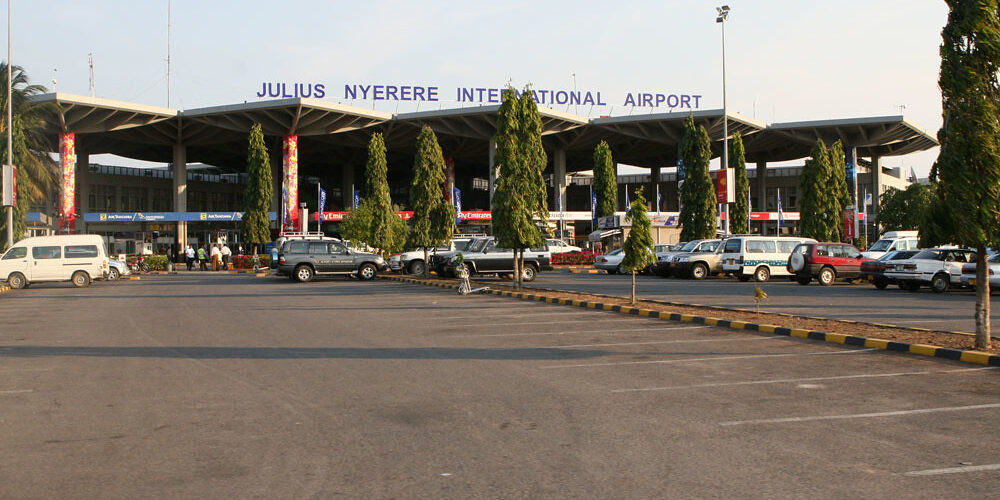
Most travelers fly into Tanzania through Kilimanjaro International Airport or Julius Nyerere International Airport in Dar es Salaam, depending on their itinerary. From there, they are either transferred by road or continue with internal flights to safari regions.

If your itinerary includes bush flights, schedules are confirmed and tickets are issued. These flights are an essential part of many Tanzania safaris because they connect remote parks quickly and efficiently.

At this stage, you also receive detailed travel information such as luggage restrictions, safari briefing notes, and practical advice for traveling in remote wilderness environments.

Step Eight: Arrival in Tanzania and Safari Start

When you arrive in Tanzania, your safari experience officially begins. You are typically met by a representative or guide who assists with transfers and ensures a smooth transition into your itinerary.

Depending on your schedule, your safari may begin immediately or after a short stay in Arusha or another gateway town. Some itineraries include direct transfer to national parks, while others start with a gradual transition into wildlife areas.

This is the moment where planning becomes reality and the safari experience begins to unfold in real time.

Step Nine: Life on Safari in the Field

Once inside the parks, your daily safari routine begins. Most days are structured around early morning and afternoon game drives when wildlife is most active. The middle of the day is often spent resting at your lodge or camp.

Your guide plays a central role in shaping your experience. They interpret animal behavior, track movements, and adjust routes based on real-time wildlife activity. Their knowledge is one of the most valuable aspects of the entire safari.

If you are on a private safari, you have flexibility to extend game drives or change plans based on sightings. If you are on a group safari, you follow a shared schedule with other travelers.

This is where the difference between planning and execution becomes very visible.

Step Ten: Completing the Safari and Departure

At the end of your safari, you are transferred back to your departure point or airport depending on your itinerary. Some travelers continue to Zanzibar for a beach extension, while others return directly home after their final game drives.

This final stage marks the completion of the safari journey, where all planning, logistics, and experiences come together into a single travel memory.

Why Understanding the Booking Process Matters

Booking a Tanzania safari is a structured and multi-stage process that goes far beyond simple travel reservation. It involves understanding your travel goals, selecting the right season, designing a tailored itinerary, reviewing cost structures, and coordinating logistics across remote wilderness environments.

When each step is handled properly, the result is a seamless safari experience that matches your expectations and maximizes wildlife encounters. A well-planned safari is not just a trip to Tanzania. It is a carefully designed journey through one of the most important wildlife ecosystems on Earth, where every stage of the booking process contributes directly to the quality of the final experience.

Private vs Group Tanzania Safari

Private vs Group Tanzania Safari

Private vs Group Tanzania Safari: Which Is Worth the Price Difference?

Introduction: The Real Question Behind Safari Pricing in Tanzania

When people start planning a safari in Tanzania, one of the first real decisions they face is whether to book a private safari or join a group safari. On the surface, the difference looks simple. Group safaris are cheaper and private safaris are more expensive. But that explanation is incomplete and often misleading.

The real question is not just about cost. It is about how you want to experience Tanzania’s wildlife, landscapes, and time in the bush. Both private and group safaris go to the same national parks, including Serengeti National Park, Ngorongoro Crater, and Tarangire National Park. Both see the same lions, elephants, giraffes, zebras, and if you are lucky, the Great Migration. The difference is in structure, comfort, flexibility, and control.

Understanding whether the price difference is worth it requires looking deeper into how each safari type actually works in real life, not just how it appears in brochures.

What a Group Safari in Tanzania Really Feels Like

A group safari in Tanzania is a shared experience where you travel in one safari vehicle with other tourists, usually between six and seven people, and follow a fixed itinerary. Everything is pre-planned before the trip starts. The route, timing, game drives, and accommodation are already set, and everyone in the group follows the same daily schedule.

This structure exists mainly because it reduces cost. A safari vehicle, fuel, guide, and logistics have fixed expenses regardless of how many people are in the vehicle. By sharing those costs among multiple travelers, the price per person becomes much lower. In 2026, group safaris in Tanzania typically range between 150 and 300 USD per person per day depending on accommodation level, season, and park combination.

This makes group safaris very attractive for budget travelers, solo travelers, students, or anyone who wants to experience Tanzania’s wildlife without paying premium rates. It also creates a social environment where you meet other travelers from different parts of the world, which some people enjoy as part of the experience.

However, the structure also comes with limitations that many travelers only fully understand once they are on safari. Because you are sharing the vehicle and guide with others, decisions are made collectively. If the group decides to leave a wildlife sighting, the vehicle moves on even if you personally want to stay longer. If the group prefers a different pace, everyone follows that pace.

Over time, this can feel restrictive for travelers who want more control over their experience or who are deeply interested in photography or wildlife behavior.

What a Private Safari in Tanzania Really Means

A private safari is a completely different structure. Instead of sharing the vehicle and guide with strangers, you have exclusive use of both. The safari is built around you, your schedule, your interests, and your travel style.

This means you are not following a fixed group itinerary. You decide when to start your day, how long to stay in the park, which sightings to prioritize, and how flexible your schedule should be. If you find a lion pride early in the morning and want to spend an hour observing them, you can do that. If you want to skip a stop or adjust your route based on migration movement, you can change plans instantly.

In 2026, private safaris in Tanzania typically range from around 250 to 2,500 USD per person per day depending on accommodation level, season, and level of exclusivity. Mid-range private safaris are the most common, especially for couples, families, and photographers who want more control over their experience.

The key advantage of a private safari is not luxury alone. It is flexibility. The entire experience adapts to you instead of you adapting to a group.

Why Private Safaris Cost More Than Group Safaris

The price difference between private and group safaris is not because private safaris use better parks or better wildlife areas. Both safari types go to the same destinations and see the same animals. The difference is how operational costs are distributed.

A safari vehicle, guide, fuel, and daily logistics cost a fixed amount regardless of how many people are in the vehicle. In a group safari, these costs are divided among several travelers, which reduces the price per person. In a private safari, the same costs are covered by one booking or a small group such as a couple or family.

This is the main reason private safaris appear more expensive. You are paying for exclusivity and personal space rather than a different wildlife experience.

For example, a couple on a private safari will pay significantly more per person than individuals in a group safari. But a family of four or five sharing a private safari will find the cost difference much smaller because they are already sharing the private vehicle among themselves.

In simple terms, group safaris are cost-efficient, while private safaris are experience-efficient.

The Real Experience Difference Between Private and Group Safaris

The most important difference between private and group safaris is not money but experience control.

In a group safari, the day follows a structured rhythm. Everyone agrees on departure times, stop durations, and movement between locations. This works well for travelers who enjoy social interaction and do not mind compromise. It also creates a shared experience where everyone sees the same moments together, which can be enjoyable for some travelers.

However, it also limits spontaneity. Wildlife in Tanzania does not follow schedules. Animals move, hunt, rest, and interact based on natural behavior. Sometimes the most memorable safari moments happen when you are able to stay longer at a specific location or change direction quickly based on new sightings.

This is where private safaris create a very different experience. You are not waiting for group consensus. You are responding directly to what is happening in the environment. This can significantly improve wildlife encounters, especially in areas like the Serengeti where timing plays a major role in migration and predator activity.

Over several days, this flexibility often leads to a more immersive and personalized safari experience.

Comfort, Privacy, and Emotional Experience

Another important difference is emotional comfort. Group safaris involve sharing space, conversations, and decisions with strangers. For many travelers this is enjoyable and adds a social dimension to the journey. For others it can feel distracting, especially during long game drives.

Private safaris remove this layer entirely. You travel with only your partner, family, or chosen group. This creates more privacy, more personal space, and a quieter experience in the bush.

This difference becomes especially important on longer safaris where you spend many hours each day in the vehicle. Having control over silence, conversation, and pacing can significantly change how relaxed or connected you feel during the trip.

Wildlife Viewing Quality and Time at Sightings

Both safari types see the same wildlife, but the time spent at sightings often differs.

In group safaris, time at sightings is usually shared and limited by group agreement. If one person wants to leave, the group often moves on. This can reduce the time spent observing complex animal behavior such as hunting, mating, or interaction between predators and prey.

In private safaris, you can stay as long as you want. This is especially valuable for photographers, wildlife enthusiasts, and travelers who want deeper understanding rather than quick viewing stops.

In places like Serengeti National Park, where animal behavior can change within minutes, this flexibility often leads to more meaningful wildlife encounters.

So Is the Price Difference Worth It?

The answer depends on what you value most in travel.

If your priority is cost savings and you are comfortable sharing experiences with other travelers, a group safari offers excellent value. You will still see incredible wildlife, visit top national parks, and experience Tanzania’s landscapes at a lower cost.

If your priority is flexibility, privacy, and control over your experience, a private safari is worth the higher price. You are not just paying for exclusivity. You are paying for freedom of movement, personalized timing, and a more tailored experience in the bush.

For many travelers, the decision also changes with experience. First-time safari visitors often choose group safaris, while returning visitors tend to move toward private safaris once they understand how much difference flexibility can make.

The Real Difference in One Idea

Private and group safaris in Tanzania are not different in destination or wildlife. They are different in experience design.

Group safaris offer affordability and shared adventure. Private safaris offer control and personalization. Neither is wrong, and neither is universally better. The right choice depends on whether you value saving money or shaping your own safari experience.

In the end, the real question is not “which is cheaper,” but “how do you want to experience Tanzania’s wilderness.”

Tanzania Safari Costs Explained

Tanzania Safari Costs Explained

Tanzania Safari Costs Explained: Park Fees, Conservation Levies and What You’re Actually Paying For in 2026

Introduction: Why Tanzania Safari Prices Are Higher Than Expected

A Tanzania safari often looks expensive at first glance, especially when compared to other holiday destinations. But the real reason behind the cost is not luxury branding or inflated pricing. It is the structure of how safaris operate in one of the most protected and wildlife-rich countries in the world.

Tanzania is home to globally important ecosystems such as the Serengeti National Park, Ngorongoro Conservation Area, and Tarangire National Park. These areas are not developed like typical tourist destinations. They are carefully managed conservation landscapes where tourism is intentionally limited to protect wildlife, reduce environmental pressure, and maintain natural behavior patterns of animals.

This means that every safari price is built from multiple layers including government park fees, conservation levies, accommodation logistics, guiding services, transport costs, and aviation operations. Once you understand these layers, the cost of a safari becomes far more logical and transparent.

Park Fees: The Core of Every Tanzania Safari Cost

Park fees are one of the most important components of any Tanzania safari budget. These are mandatory charges required for entry into national parks and conservation areas, and they apply to every visitor regardless of the level of accommodation or safari style.

In 2026, most major parks such as Serengeti National Park, Tarangire National Park, and Lake Manyara National Park charge approximately 70 to 100 USD per person per day for international visitors. The Ngorongoro Conservation Area often costs more due to additional crater access fees and strict conservation regulations.

These fees are not profit-driven. They are directly reinvested into wildlife conservation and park management. This includes funding for anti-poaching units, ranger patrols, road maintenance within parks, wildlife research programs, and ecosystem protection initiatives.

When you pay park fees, you are directly contributing to the survival of iconic wildlife species including elephants, lions, leopards, rhinos, and the annual Great Wildebeest Migration. Without this funding model, these ecosystems would not be able to function at their current level of protection.

Conservation Levies: Supporting Wildlife and Local Communities

In addition to park entry fees, many safari itineraries include conservation levies or concession fees. These are applied in specific areas where tourism is managed under controlled access agreements, especially in private conservancies and community-managed lands near major parks.

Conservation levies serve two key purposes. First, they support wildlife protection by limiting the number of vehicles and visitors in sensitive areas. This helps reduce environmental pressure and ensures a higher-quality safari experience with fewer crowds.

Second, they directly benefit local communities living near wildlife areas. Revenue from these levies is often used to fund schools, healthcare facilities, employment programs, and community conservation projects. This creates a direct link between tourism and local development.

In many parts of the Serengeti ecosystem, conservation levies are essential for maintaining harmony between wildlife protection and human settlement areas. They ensure that tourism benefits are shared beyond national parks and reach the communities who coexist with wildlife.

Accommodation Costs: Why Safari Lodges Are So Expensive

Accommodation is usually the largest visible cost in a Tanzania safari package, but safari lodges and tented camps operate under very different conditions compared to standard hotels.

Most luxury safari properties are located in remote wilderness areas where there is no public electricity, water supply, or infrastructure. Everything must be self-generated and self-maintained. Electricity is typically produced through solar systems or generators, water is transported or carefully sourced and filtered, and all supplies must be delivered from major towns such as Arusha or Dar es Salaam.

In 2026, luxury safari accommodation in Tanzania generally ranges from 500 USD to over 2,000 USD per person per night depending on location, exclusivity, and season. Camps inside high-demand areas like the central Serengeti or Ngorongoro Crater rim are more expensive due to strict construction regulations and limited availability.

What you are paying for is not just a bed or a room. You are paying for an entire operational system that includes remote logistics, environmental compliance, wildlife protection measures, trained staff housing, and continuous maintenance in extremely challenging environments.

Safari Guides and Vehicles: The Heart of the Experience

A safari experience is only as good as its guide. Professional safari guides in Tanzania are highly trained experts in wildlife behavior, ecology, tracking, and safety. Many spend years learning animal movements, understanding migration patterns, and interpreting ecosystem behavior in real time.

A skilled guide can transform a safari from simple game viewing into a deeply educational and immersive experience. They know where animals are likely to be, how they behave, and how to position vehicles for optimal viewing and photography without disturbing wildlife.

Safari vehicles also represent a significant part of the cost structure. These are specially modified 4×4 Land Cruisers designed for rough terrain, long distances, and open viewing. They are constantly exposed to dust, heat, and off-road conditions, requiring frequent maintenance and replacement.

When a safari includes a private vehicle, the cost covers fuel, maintenance, insurance, and full-time availability of a dedicated driver-guide throughout the trip.

Internal Flights: Connecting Tanzania’s Remote Safari Regions

Tanzania is a large country, and its major safari destinations are spread across vast distances. To make travel efficient and comfortable, most luxury safaris use internal bush flights between parks.

These small aircraft flights connect key safari hubs such as Arusha, Serengeti, and Ngorongoro airstrips. They significantly reduce travel time and allow guests to spend more time in wildlife areas instead of long road journeys.

However, these flights are expensive to operate. Costs include aircraft maintenance, fuel, pilot operations, landing fees, and logistics in remote airstrips. In many luxury safari packages, these flights are included, but they still represent a major portion of the total safari price.

Private charter flights, often used in ultra-luxury safaris, increase costs further but provide complete flexibility and exclusivity.

Food, Staffing, and Remote Operations

Another major factor in safari pricing is the operational structure behind the scenes. Luxury safari camps require a large team of staff relative to the number of guests they serve.

This includes chefs, guides, housekeepers, waitstaff, mechanics, security personnel, and camp managers. Each guest experience is supported by a full hospitality team operating in remote wilderness environments.

Food costs are also higher than in urban settings because ingredients must be transported long distances and stored under controlled conditions. Despite this, luxury camps often provide high-end dining experiences with fresh ingredients, multi-course meals, and personalized menus.

All of these operational costs are integrated into the safari price, even though they are not always visible to travelers.

Seasonal Pricing: Why Safari Costs Change During the Year

Safari prices in Tanzania are not fixed and change depending on seasonality. The most expensive periods are during peak wildlife viewing seasons, especially when the Great Migration is active in the Serengeti.

During these peak months, demand for accommodation increases significantly, particularly in areas where river crossings occur. Limited availability in these prime locations leads to higher pricing across all luxury camps.

Shoulder seasons provide better value while still offering excellent wildlife viewing conditions. Low seasons, often during rainy periods, offer the lowest prices but may involve weather-related travel limitations in some regions.

Understanding seasonal pricing is one of the most effective ways to manage safari budgets without reducing the quality of the experience.

What You Are Really Paying for in a Tanzania Safari

A Tanzania safari price is not a single service cost. It is a combination of conservation funding, community support, accommodation operations, guiding expertise, transport logistics, and aviation infrastructure.

Park fees support wildlife protection and national park management. Conservation levies support local communities and ecosystem balance. Accommodation costs reflect remote operations in wilderness environments. Guiding and vehicle costs ensure expert interpretation and mobility in the field. Internal flights connect distant ecosystems efficiently.

Together, these elements create a fully integrated safari system that supports both tourism and conservation.

The Real Value Behind Tanzania Safari Costs

Tanzania safari costs may seem high initially, but once broken down, they reflect a carefully structured system designed to protect wildlife while delivering world-class travel experiences.

Every component of the price contributes to something meaningful. From protecting endangered species and supporting local communities to maintaining remote infrastructure and funding expert guides, the cost of a safari is directly tied to the sustainability of one of the world’s most important natural ecosystems.

A Tanzania safari is not just a luxury experience. It is an investment in conservation, local livelihoods, and the long-term survival of Africa’s most iconic wildlife landscapes.

How Much Does a Luxury Tanzania Safari Cost?

How Much Does a Luxury Tanzania Safari Cost?

How Much Does a Luxury Tanzania Safari Cost? A Realistic 2026 Breakdown

Why Luxury Safaris in Tanzania Are Among the Most Expensive in Africa

A luxury Tanzania safari in 2026 is not simply a holiday product; it is a highly engineered wilderness experience built on scarcity, exclusivity, and complex logistics. The pricing reflects far more than accommodation. It incorporates access to some of the most protected and wildlife-rich ecosystems in the world, including the Serengeti National Park, the Ngorongoro Conservation Area, Tarangire National Park, and several privately managed conservancies that border these iconic landscapes.

Unlike conventional travel where accommodation and transport dominate costs in predictable ways, safari pricing is shaped by multiple overlapping systems. These include strict conservation regulations, limited bed capacity in prime wildlife zones, seasonal migration patterns, aviation dependency, and the operational cost of running full-service camps in remote environments where infrastructure is minimal or entirely self-supported.

In 2026, Tanzania remains one of Africa’s most premium safari destinations because it offers both extraordinary wildlife density and highly controlled tourism development. This combination ensures that experiences remain intimate and immersive, but it also means costs scale significantly with exclusivity. Understanding what a luxury safari truly costs requires breaking it down not as a single figure but as a layered experience that varies by comfort level, season, geography, and logistical design.

Understanding the Structure of Luxury Safari Pricing in Tanzania

Luxury safari pricing in Tanzania is fundamentally based on a per-person per-day model. This structure exists because nearly every component of the safari experience is delivered as a bundled service. Accommodation is only one element. Meals, guiding, park fees, internal flights, vehicle use, and even logistics for fuel and supplies in remote regions are integrated into the overall daily rate.

This means that rather than paying separately for hotels, tours, and transport, travelers pay a single daily rate that reflects the full ecosystem of services. The higher the level of exclusivity, the more individualized each of these components becomes, which directly increases cost.

At the lower end of luxury safaris, services are shared among small groups, which distributes operational costs. At the ultra-luxury level, nearly every element becomes private, including guide, vehicle, schedule, dining arrangements, and in some cases even aircraft. This shift from shared systems to fully private systems is one of the primary drivers of price escalation.

Entry-Level Luxury Safaris and Their Real Cost Range

The entry point for a genuine luxury safari in Tanzania in 2026 typically begins at approximately seven hundred to nine hundred US dollars per person per day. This category represents what the industry often describes as high-end comfort rather than full exclusivity.

At this level, accommodation is usually in well-designed tented camps or boutique lodges located within or near major national parks. These camps still offer en-suite bathrooms, quality bedding, full-board dining, and professionally guided game drives. However, operational efficiency is prioritized over exclusivity, meaning guests may share safari vehicles or guides with other travelers depending on the lodge structure.

These safaris are ideal for travelers seeking comfort, safety, and high-quality wildlife experiences without entering the upper tiers of private luxury travel. They still provide excellent access to key wildlife regions, particularly the Serengeti ecosystem and Ngorongoro Crater, but they do so within a more standardized operational framework.

Even at this level, costs are influenced heavily by park fees, fuel logistics for game drives, and the challenge of maintaining high-quality service in remote environments where supplies must be transported regularly from major towns such as Arusha.

Mid-Tier Luxury Safaris and the Most Common High-End Experience

The most common category for luxury safaris in Tanzania falls between one thousand and one thousand eight hundred US dollars per person per day. This range represents a significant step up in exclusivity, comfort, and personalization.

In this category, camps and lodges are typically located in premium wildlife zones such as central Serengeti, northern Serengeti near migration corridors, and private conservancies that offer limited vehicle density. These locations are strategically chosen to maximize wildlife encounters while minimizing tourist congestion.

Guests at this level usually benefit from private or semi-private safari vehicles, meaning game drives are more flexible and tailored to individual interests. Guides in this category are often highly experienced professionals with deep knowledge of animal behavior, migration tracking, and ecosystem dynamics.

Fly-in transfers are also common in this tier, particularly between major safari regions. Instead of long overland journeys, guests travel via small aircraft connecting airstrips inside national parks. This not only saves time but also enhances the overall safari experience by providing aerial views of Tanzania’s landscapes.

Accommodation in this category is significantly more refined. Tented suites often include expansive interiors, private decks overlooking plains or rivers, outdoor showers, and carefully curated design elements that blend comfort with wilderness immersion. Camps are intentionally small, often hosting fewer than twenty guests, which enhances exclusivity and service quality.

Ultra-Luxury Safaris and Fully Private Wilderness Experiences

At the highest level of safari travel in Tanzania, pricing typically begins around two thousand US dollars per person per day and can exceed three thousand US dollars depending on customization and exclusivity.

Ultra-luxury safaris are designed for complete personalization. Every aspect of the itinerary is tailored, including flight schedules, lodge selection, guiding teams, and even dining preferences. Guests often travel via private charter aircraft, allowing direct access to remote airstrips deep within wildlife regions.

Accommodation in this category represents some of the most exclusive properties in Africa. These camps are often architecturally sophisticated, designed with minimal environmental impact while maximizing comfort and privacy. Guest numbers are extremely limited, sometimes fewer than ten suites in total, ensuring that each visitor experiences a near-private wilderness environment.

Service levels are highly individualized. Private chefs, dedicated safari vehicles, and expert guides accompany guests throughout their journey. Game drives are not fixed but instead adapt entirely to wildlife movement patterns and guest interests, creating a highly fluid and responsive safari experience.

This level of travel is less about standardized packages and more about bespoke wilderness immersion, where cost reflects exclusivity, privacy, and logistical precision.

The Role of Seasonality in Safari Pricing

Seasonality is one of the most important factors influencing safari cost in Tanzania. The country’s wildlife movements, particularly the Great Migration, create natural demand cycles that significantly affect pricing.

During peak migration periods in the Serengeti, especially when river crossings occur in northern regions, accommodation demand rises sharply. Limited lodge capacity combined with high international interest leads to premium pricing across nearly all luxury categories. Even entry-level luxury camps may increase rates due to occupancy pressure.

Shoulder seasons provide a more balanced pricing structure. Wildlife viewing remains strong, but visitor density is lower, and availability is higher. These periods often offer the best value for travelers seeking luxury experiences without peak-season pricing pressures.

Low seasons, typically associated with rainfall, offer the lowest rates. However, they require careful planning since weather conditions can affect accessibility, road conditions, and wildlife distribution patterns.

Geographic Factors That Influence Safari Costs

Tanzania’s safari pricing is also heavily influenced by geography. Different regions within the country carry different operational costs based on accessibility, infrastructure, and wildlife density.

The Serengeti is generally the most expensive region due to its global reputation, migration importance, and limited accommodation density in prime areas. Ngorongoro Crater is also high-cost due to strict conservation controls and limited lodging on the crater rim.

Tarangire and Lake Manyara regions can offer relatively lower pricing, although luxury lodges in these areas still maintain premium rates due to their design standards and exclusivity. Private conservancies surrounding major parks often command higher prices due to controlled access and lower vehicle density.

Remote southern and western safari circuits can also vary significantly in cost depending on accessibility and flight requirements, as many of these areas rely entirely on aviation logistics.

Transportation, Flights, and Logistical Costs

Transportation is one of the most significant hidden cost drivers in luxury safaris. Unlike conventional travel, where transport is often secondary, safari logistics are central to the entire experience.

Most luxury safaris rely on a combination of ground transfers and bush flights. These flights are operated by small aircraft that connect key safari regions and reduce travel times that would otherwise take many hours by road.

While these flights greatly enhance comfort and efficiency, they also add substantial cost due to fuel requirements, maintenance, landing fees, and the complexity of operating in remote airstrips. Private charter flights increase this cost further but provide unmatched flexibility.

Ground transport, typically in specialized 4×4 safari vehicles, is also a significant cost factor. These vehicles are designed for rugged terrain and require continuous maintenance, especially when operating daily in harsh off-road conditions.

Realistic Total Cost for a Full Luxury Safari Itinerary

When all components are combined, a realistic luxury safari in Tanzania in 2026 for a seven-day itinerary typically ranges between seven thousand and fifteen thousand US dollars per person for mid-to-upper luxury experiences.

For ultra-luxury or fully private itineraries, the same duration can range from fifteen thousand to thirty thousand US dollars per person depending on exclusivity, lodge selection, and aviation requirements.

Longer safaris that combine multiple ecosystems, such as Serengeti, Ngorongoro, and remote southern parks, can extend beyond these ranges due to cumulative logistics and accommodation costs.

Why Luxury Safaris in Tanzania Have Such Wide Price Variations

The cost of a luxury Tanzania safari is not fixed because the experience itself is not standardized. Every safari is a combination of location, season, accommodation level, guiding quality, and transport logistics. This creates a wide pricing spectrum that reflects degrees of exclusivity rather than simple product tiers.

At its core, Tanzania offers one of the most flexible luxury safari systems in the world. Travelers can move from high-end comfort experiences to fully private wilderness journeys simply by adjusting logistical choices and accommodation selection. This flexibility is what makes Tanzania both accessible at the luxury level and exceptional at the ultra-luxury level, with pricing that accurately reflects the depth and exclusivity of each experience.