The Best Family Safari Lodges in Tanzania

The Best Family Safari Lodges in Tanzania

The Best Family Safari Lodges in Tanzania: Child Policies, Space and What to Look For

A family safari in Tanzania is one of the most rewarding ways to experience Africa, but it only works smoothly when accommodation is chosen with precision. Unlike a beach holiday or city break, safari travel operates under wildlife conditions, long distances, and strict safety rules. That means the “best lodge” is not simply the most luxurious—it is the one that fits children, space requirements, movement patterns, and daily rhythm.

In destinations such as the Serengeti National Park and the Ngorongoro Crater, family suitability varies significantly between properties. Some lodges are built specifically with children in mind. Others are designed for adult luxury and only loosely accommodate families.

Understanding that difference is what determines whether your safari feels effortless or exhausting.

What Actually Defines a Family-Friendly Safari Lodge

Not all “family-friendly” labels mean the same thing in safari environments. A properly designed family lodge must meet several operational criteria.

The first is child policy clarity. Some lodges accept children of all ages, while others impose minimum age restrictions—often 5, 6, or 8 years. These restrictions are especially common in unfenced camps where wildlife can move freely through the property. This is not about exclusivity; it is about safety management in open ecosystems.

The second is spatial design. Families need more than standard rooms with an extra bed. The best lodges provide family suites, interconnecting rooms, or private villas that allow parents and children to share space comfortably while maintaining privacy.

The third factor is activity flexibility. Children do not operate on the same rhythm as adults. Lodges that succeed with families offer shorter game drives, flexible meal times, and downtime options such as swimming pools or nature walks around safe zones.

Finally, there is operational safety layout. In many safari environments, especially in remote bush areas, children cannot move independently between tents or walk unaccompanied after dark. A good family lodge structures movement to avoid risk while maintaining comfort.

Four Seasons Safari Lodge Serengeti – The Most Complete Family Base

The most balanced luxury option for families in Tanzania is the Four Seasons Safari Lodge Serengeti.

This lodge is located in central Serengeti, an area known for consistent wildlife density year-round. Its position near a permanent waterhole allows for direct wildlife viewing from the lodge itself, which is particularly valuable for families who may not want to spend the entire day on game drives.

The lodge is designed with scale and structure in mind. It offers large family suites, a swimming pool, and multiple dining areas that allow flexibility for different schedules. This matters more than it may seem—mealtimes and rest periods often define the success of a family safari.

Another advantage is inclusivity. The lodge accepts children of all ages, which removes one of the most common booking restrictions in safari travel. Combined with strong guiding and reliable infrastructure, this makes it one of the most dependable family safari bases in East Africa.

Ngorongoro Serena Safari Lodge – Best Rim Location for Short Game Drives

In the highlands, the Ngorongoro Serena Safari Lodge is one of the most practical choices for families.

Its key advantage is geography. The lodge sits directly on the rim of the Ngorongoro Crater, which means game drives into the crater floor are short and efficient. This significantly reduces time spent in vehicles—a major benefit for younger children.

The crater itself functions as a natural wildlife enclosure, meaning sightings are highly predictable compared to more open ecosystems. This increases the likelihood of seeing large animals in a shorter time window, which helps maintain engagement levels for children.

The lodge layout is structured and stable, with a predictable rhythm that suits families adjusting to safari life. It is not the most modern or flashy option, but it is operationally efficient, which is often more important for family travel.

Serengeti Serena Safari Lodge – Reliable Mid-Range Family Option

The Serengeti Serena Safari Lodge offers a strong balance between affordability, comfort, and wildlife access.

Located in central Serengeti, it benefits from consistent wildlife movement throughout the year. It is not positioned in a private concession, but it sits in a high-density wildlife zone, which ensures regular sightings.

For families, the lodge provides standard family rooms, a swimming pool, and a structured environment that is easier to navigate than mobile tented camps or remote bush properties.

It is particularly suitable for first-time safari families who want reliable game viewing without the complexity or higher cost of ultra-luxury lodges.

Tarangire Treetops – Best Adventure-Oriented Lodge for Children

The Tarangire Treetops by Elewana offers a very different family experience.

Instead of traditional lodge architecture, it uses elevated treehouse-style rooms built around large baobab trees. This creates a strong sense of adventure, which is particularly engaging for children.

Located in the quieter Tarangire National Park, the lodge benefits from lower vehicle density and shorter game drives compared to Serengeti. This makes the daily experience more relaxed and manageable for families.

The design itself becomes part of the experience. For many children, staying in elevated rooms feels more like exploration than accommodation, which increases engagement with the safari environment.

Tarangire Safari Lodge – Best Value Family Option

The Tarangire Safari Lodge is a practical, mid-range option that works well for families seeking simplicity and accessibility.

It offers family tents, a swimming pool, and a straightforward operational setup. It is not designed for ultra-luxury travel, but it performs well in terms of wildlife access and ease of logistics.

For families doing their first safari, especially with budget considerations, this lodge provides a functional and comfortable introduction to Tanzania’s wildlife regions.

Understanding Child Policies in Tanzania Safaris

Child policies vary significantly depending on the type of lodge.

Mobile tented camps and remote bush properties often enforce stricter age limits due to safety concerns in unfenced environments. These camps may require children to be above a certain age and to remain under constant supervision.

Permanent lodges are generally more flexible, especially those located in structured environments like central Serengeti or crater rim areas.

Across all safari properties, one rule remains consistent: children cannot move freely at night or unaccompanied due to wildlife presence. This is a standard safety protocol, not a restriction imposed by luxury level.

What Families Should Prioritize When Choosing a Lodge

Successful family safaris are built around three practical priorities rather than luxury branding.

The first is distance efficiency. Shorter travel times between lodge and wildlife areas reduce fatigue and improve overall experience quality.

The second is flexibility of schedule. Children require adaptable routines, not rigid itineraries.

The third is downtime infrastructure, such as pools, open spaces, and comfortable common areas where families can rest between game drives.

Equally important is guide quality. Experienced family safari guides adjust pacing, shorten or extend drives based on attention span, and prioritize engagement over strict schedules.

The best family safari lodges in Tanzania are not defined by prestige or price. They are defined by how effectively they balance safety, space, flexibility, and wildlife access.

Properties like the Four Seasons Safari Lodge Serengeti and Ngorongoro Serena Safari Lodge provide structure and reliability. Tarangire lodges add adventure and variety. Serengeti mid-range properties offer a balanced middle ground.

The correct choice is not about finding the most famous lodge. It is about selecting the one that matches your family’s rhythm, patience level, and comfort needs in a wildlife environment where conditions are dynamic, not controlled.
Mobile Tented Camps in Tanzania

Mobile Tented Camps in Tanzania

Mobile Tented Camps in Tanzania: What They Are and Why Serious Safari Travellers Prefer Them

Mobile tented camps are one of the most important but misunderstood parts of a Tanzanian safari. Many travellers assume “mobile” means basic or temporary in a negative sense. In reality, these camps represent a highly strategic way of positioning yourself inside wildlife movement patterns, especially in the Serengeti National Park ecosystem.

Unlike permanent lodges, mobile camps move seasonally to follow wildlife concentrations. This is not about convenience—it is about being in the right place at the right time during the Great Migration cycle.

What a Mobile Tented Camp Actually Is

A mobile tented camp is a fully functional safari camp built using lightweight, removable structures. It is designed to be assembled, operated for a specific season, and then relocated as wildlife patterns shift.

Despite the term “mobile,” these are not basic setups. High-end mobile camps include proper beds, en-suite bathrooms, hot bucket showers, private dining, and dedicated guiding teams.

The key difference is not comfort—it is adaptability.

Permanent lodges are fixed in one ecological zone. Mobile camps follow wildlife movement across different regions of the Serengeti system.

Why Mobility Matters in the Serengeti Ecosystem

The Great Migration is not static. It moves in a circular pattern driven by rainfall and grazing conditions across the Serengeti-Mara ecosystem.

Because of this, wildlife density shifts dramatically throughout the year:

  • Calving season concentrates in the southern plains
  • Rutting and movement dominate central regions
  • River crossings occur in the north

A fixed lodge can only experience one part of this cycle well. A mobile camp can position itself directly within it.

This is the fundamental advantage.

How Mobile Camps Track the Migration

Mobile camps are repositioned based on seasonal wildlife intelligence and historical movement patterns.

Operators typically shift camps between key regions:

  • Southern plains during calving season
  • Central Serengeti during transitional movement
  • Northern Serengeti during river crossing season

This allows guests to remain within close driving distance of active wildlife rather than traveling long distances from a fixed base.

The result is more time in the field and less time in transit.

Experience Inside a Mobile Tented Camp

At the luxury level, mobile camps are far more refined than most people expect.

A typical high-end setup includes:

  • Spacious canvas tents with proper beds
  • En-suite bathrooms with flush or eco-toilet systems
  • Hot water bucket showers
  • Private verandas
  • Dedicated dining tents with personalized service

The design philosophy is simple: maintain comfort while maximizing environmental immersion.

What changes compared to lodges is not luxury level—it is sensory exposure.

Why Serious Safari Travellers Prefer Mobile Camps

Experienced safari travellers often prioritize mobile camps over permanent lodges for one key reason: positioning accuracy.

In wildlife tourism, proximity to movement zones is everything. A mobile camp can sit within hours of active herds, while fixed lodges may require long daily drives to reach the same areas.

This has several practical advantages:

  • Better early morning and late evening access to wildlife
  • Higher probability of witnessing rare events like river crossings
  • Reduced travel time and increased time on sightings
  • More flexibility in daily game drive planning

For photographers and repeat safari visitors, this is often decisive.

The Trade-Off: Comfort vs Immersion

Mobile camps are not about maximum infrastructure. They are about optimal positioning.

Compared to large permanent lodges, they usually have:

  • Fewer facilities
  • Smaller guest capacity
  • Less architectural permanence

In exchange, they offer:

  • Closer wildlife proximity
  • Lower guest density
  • More flexible guiding strategies
  • Stronger sense of immersion

This is why they are often described as the “purest” safari experience.

Who Should Choose a Mobile Tented Camp

Mobile camps are best suited for travellers who prioritize experience over infrastructure.

They are ideal for:

  • Returning safari travellers
  • Wildlife photographers
  • Migration-focused itineraries
  • Guests who want fewer crowds and more exclusivity

They are less suitable for travellers who prioritize hotel-style amenities, large pools, or extensive resort facilities.

Mobile Camps and the Great Migration Advantage

The biggest strength of mobile camps becomes clear during the Great Migration.

Because they move with the herds, they can position guests near:

  • Southern calving grounds
  • Central Serengeti predator zones
  • Northern river crossing points

This reduces uncertainty. Instead of hoping wildlife comes near your lodge, you are placed near where wildlife already is.

This is particularly valuable during river crossing season, when timing is unpredictable and proximity is critical.

The Real Definition of “Luxury” in Mobile Camps

Luxury in mobile camps is not defined by architecture. It is defined by access and exclusivity.

In this context, luxury means:

  • Being one of very few camps in a specific wildlife zone
  • Having immediate access to active migration corridors
  • Experiencing wildlife without large tourist density
  • Receiving highly personalized guiding due to small camp size

This is a different interpretation of luxury compared to resort-style lodges.

Mobile tented camps in Tanzania represent a strategic approach to safari design rather than a downgrade in comfort.

They succeed because they solve a fundamental problem in wildlife tourism: distance from the action.

Permanent lodges offer stability. Mobile camps offer positioning. For travellers focused on the Great Migration or serious wildlife observation, positioning often matters more than anything else.

In the end, mobile camps are not about where you stay. They are about where the wildlife is—and ensuring you are already there when it matters most.

Tanzania Honeymoon Safari

Tanzania Honeymoon Safari

Tanzania Honeymoon Safari: The Best Lodges and Experiences for Couples in 2026

A honeymoon safari in Tanzania is not just a trip—it is a sequence of environments designed to create privacy, emotion, and contrast. The difference between a good honeymoon and an exceptional one comes down to how well you combine locations, lodge style, and timing.

Tanzania offers three core elements that define a top-tier honeymoon: the wildlife intensity of the Serengeti National Park, the dramatic landscapes of the Ngorongoro Crater, and the coastal isolation of Zanzibar. The most effective itineraries layer these environments to create progression—from adventure to intimacy to complete relaxation.

What Actually Makes a Safari “Honeymoon-Level”

Not every luxury lodge is suitable for a honeymoon. The criteria are specific.

Privacy is the first requirement. You want fewer rooms, more space between units, and minimal vehicle density on game drives.

Atmosphere is the second. Design, lighting, and layout matter more than size. The lodge should feel personal, not like a hotel.

Location is the third. Being close to wildlife reduces time spent driving and increases meaningful shared moments.

Finally, flexibility matters. Private dining, sundowners in remote locations, and tailored activities turn a standard safari into a honeymoon experience.

The Best Serengeti Lodges for Honeymoon Couples

Singita Sasakwa Lodge – Ultimate Privacy and Exclusivity

Singita Sasakwa sits in the private Grumeti Reserve, adjacent to the Serengeti. This is one of the most exclusive safari environments in Africa.

The lodge is designed like a private estate, with standalone cottages, private pools, and uninterrupted views across the plains. Guest numbers are intentionally low, which means fewer vehicles during wildlife sightings and a more controlled experience.

For honeymooners, the key advantage is space. You are not sharing the environment with large numbers of other guests. Everything feels private and deliberate.

Lamai Serengeti – Intimate Design with Strong Migration Access

Lamai Serengeti is smaller, quieter, and more integrated into the landscape. It is positioned in the northern Serengeti, making it ideal during river crossing season.

The lodge blends into the rocks, creating a natural, understated aesthetic. This is not about grand luxury—it is about atmosphere and seclusion.

For couples who want a more authentic and less structured experience, Lamai delivers strongly.

Namiri Plains Camp – Remote and Predator-Focused

Namiri Plains is located in a less crowded section of the Serengeti, known for its cheetah population.

The remoteness creates a quieter safari with fewer vehicles and more private sightings. The camp itself is refined but not oversized, which helps maintain intimacy.

For honeymooners, this translates into uninterrupted time together in a very open, wild environment.

Sitting directly on the crater rim, it provides sweeping views into the caldera below.

The design is bold and theatrical, which creates a strong contrast to the minimalism of Serengeti camps. For honeymooners, this adds variety to the overall journey.

It is not the most private lodge, but it delivers visual impact and atmosphere at a very high level.

Entamanu Ngorongoro – Quiet, Remote, and More Personal

Entamanu offers a completely different Ngorongoro experience. It is smaller, more remote, and far less commercial.

The setting feels wilder and less developed, which appeals to couples who want a quieter environment. Views extend both into the crater and outward toward the surrounding landscape.

This is the stronger option for intimacy.

Zanzibar: The Essential Honeymoon Finish

After the intensity of safari, Zanzibar provides the final phase—rest and privacy.

Zuri Zanzibar – Modern Luxury with Strong Privacy

Zuri Zanzibar offers a mix of villas and bungalows with a focus on space and design. It is located on one of the best beaches in Zanzibar, with consistent swimming conditions.

For honeymooners, the combination of private accommodation and beachfront access makes it a reliable choice.

Xanadu Villas & Retreat – Maximum Seclusion

Xanadu is built around private villas rather than shared spaces. Each unit is designed for complete isolation, with private pools and personalized service.

This is one of the strongest options for couples who want to end their trip in total privacy.

The Most Important Experiences for Couples

Accommodation alone does not define a honeymoon. The experiences layered around it are what make it memorable.

Private game drives allow you to control pacing and avoid crowds. Sundowners in remote locations create quiet, uninterrupted moments. Bush dinners add a sense of occasion without unnecessary formality.

In the Serengeti, a hot air balloon safari is one of the most effective honeymoon experiences. It combines scale, silence, and perspective in a way that standard game drives cannot.

In Zanzibar, dhow cruises at sunset and private beach dinners provide a natural transition from safari intensity to coastal relaxation.

Timing Your Honeymoon in 2026

Timing affects both experience quality and lodge availability.

From January to March, the southern Serengeti offers calving season, with high predator activity and fewer crowds.

From June to October, the northern Serengeti becomes dominant due to river crossings, but this is also peak season with higher demand.

April and May are quieter months with fewer visitors, but some lodges close due to rains.

For honeymooners, the best balance often comes in late January to March or June to early July, depending on whether you prioritize intimacy or migration drama.

How to Structure the Perfect Honeymoon Safari

The strongest itineraries follow a simple structure.

Start in the Serengeti for wildlife intensity and immersion. Move to Ngorongoro for landscape contrast and dramatic scenery. Finish in Zanzibar for rest and privacy.

This progression creates emotional pacing. You begin with activity and discovery, transition into reflection, and end with relaxation.

A Tanzania honeymoon safari is not defined by how luxurious your lodge is. It is defined by how well your itinerary creates space, privacy, and meaningful shared moments.

The best lodges—whether in the Serengeti, Ngorongoro, or Zanzibar—are simply tools to achieve that.

If the positioning is right, the timing is correct, and the experience is designed with intention, Tanzania delivers one of the most complete honeymoon journeys available anywhere in the world.

Ngorongoro Crater Lodges

Ngorongoro Crater Lodges Compared

Ngorongoro Crater Lodges Compared: Which Property Offers the Best Crater Views?

Choosing a lodge in the Ngorongoro Crater is not a typical accommodation decision—it is a viewpoint decision. Where you stay directly determines what you see when you wake up. The difference between lodges comes down to three technical factors: rim position, elevation, and viewing angle.

There are two clear categories. Rim lodges sit directly on the edge of the Ngorongoro Crater and offer uninterrupted views into the caldera. Highland lodges, usually located in Karatu, offer comfort and space but no crater views.

If your priority is scenery, only rim lodges are relevant.

Ngorongoro Crater Lodge – The Most Dramatic Views Overall

This is the benchmark for crater views. The lodge sits directly on the rim with a steep downward angle into the crater floor. That vertical perspective is what makes it visually stronger than most alternatives.

From your room, the crater does not stretch out in front of you—it drops away beneath you. This creates a far more dramatic and immersive visual experience, especially at sunrise and sunset when light hits the crater walls.

There is, however, variation within the lodge. The North and South sections consistently deliver clear, open views, while Tree Camp can have partially filtered views due to vegetation.

If your goal is maximum visual impact, this property sets the standard.

Ngorongoro Serena Safari Lodge – The Most Consistent Panoramic Views

Ngorongoro Serena also sits on the crater rim but offers a different type of visual experience.

Its biggest strength is consistency. Most rooms are oriented toward the crater, meaning you are very unlikely to end up without a view. The perspective here is wider and more horizontal, giving you a sweeping panorama across the crater floor.

Compared to Crater Lodge, the angle is less steep, so the view feels broader rather than dramatic. However, for many travellers, this consistency is more valuable than intensity.

If your priority is guaranteed crater-facing rooms with wide, open scenery, this is one of the safest choices.

Entamanu Ngorongoro – The Most Natural and Expansive Perspective

Entamanu sits on a quieter, less developed section of the crater rim. Its defining feature is not just the view into the crater, but the overall sense of space.

From this location, you can look into the crater on one side and outward toward the greater ecosystem on the other. This creates a broader environmental perspective that goes beyond the crater itself.

The experience here feels less built-up and more natural. There are fewer neighbouring lodges, less visual clutter, and a stronger sense of isolation.

The trade-off is distance. It is slightly further from the main descent road into the crater, which can add time to game drives.

This lodge is best suited to travellers who value atmosphere and landscape context as much as the crater view itself.

The Manor at Ngorongoro – Not a Crater View Lodge

The Manor is often included in Ngorongoro comparisons, but it operates in a completely different category.

It is located in the Karatu highlands rather than on the crater rim. As a result, it does not offer crater views and requires a longer drive to reach the crater floor.

What it does provide is estate-style luxury, space, and a more relaxed environment. This makes it suitable for travellers prioritizing comfort and lifestyle over direct scenery.

If crater views are your priority, this property should not be considered.

What Actually Defines the Best Crater View

Across all properties, three technical elements determine view quality.

Rim placement is the most important. Only lodges on the edge of the crater provide direct visual access.

Viewing angle is the second factor. Steeper angles create more dramatic, almost aerial perspectives, while flatter angles create broader panoramas.

Obstruction is the third factor. Trees, lodge layout, and room positioning can partially block views, even in top-tier properties.

Understanding these three variables is more important than comparing brand names or price points.

Final Verdict: Which Lodge Offers the Best Views

If your definition of “best” is the most visually dramatic and iconic crater experience, Ngorongoro Crater Lodge stands at the top due to its steep rim position and direct downward views.

If your priority is consistency and guaranteed views from nearly every room, Ngorongoro Serena Safari Lodge is the most reliable option.

If you want a more natural, less developed setting with a broader landscape perspective, Entamanu Ngorongoro offers the most unique experience.

If you are not staying on the rim, you are not getting crater views. That is the fundamental rule.

In the Ngorongoro Crater, the difference between a good lodge and the best one is measured in meters from the rim and the angle of your view.

Luxury matters, but positioning matters more. The closer and more directly you face the crater, the stronger your experience will be.

The Best Lodges in the Northern Serengeti for River Crossing Season

The Best Lodges in the Northern Serengeti for River Crossing Season

The Best Lodges in the Northern Serengeti for River Crossing Season

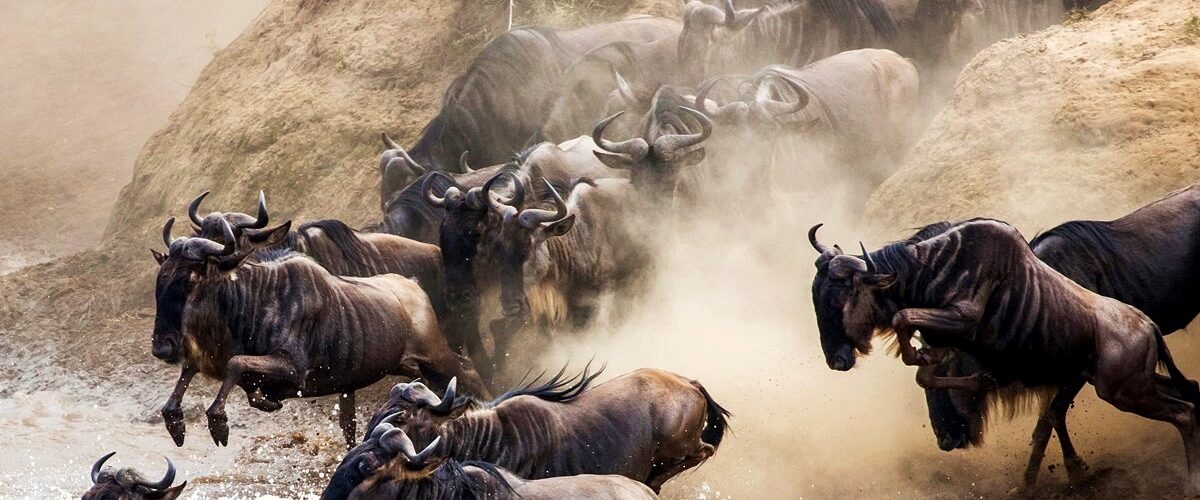
The northern sector of the Serengeti National Park is where the Great Migration reaches its most dramatic phase. Between roughly July and October, vast herds of wildebeest and zebra gather along the Mara River, hesitating, regrouping, and eventually launching into chaotic crossings filled with pressure, instinct, and survival.

This is the period most travellers aim for, but it is also the most misunderstood. Not every lodge in the northern Serengeti gives you equal access to river crossings. In fact, positioning relative to key crossing points is far more important than the lodge itself.

The best lodges in this region are defined by one factor: how quickly they can get you to active crossing zones when herds begin to move. River crossings are unpredictable. Being 20 minutes closer can be the difference between witnessing the event or missing it entirely.

Why Northern Serengeti Positioning Is Everything

The northern Serengeti is not a uniform landscape. The Mara River winds through different sections, and crossings tend to occur at specific points such as Kogatende and Lamai.

Lodges positioned near these areas have a significant advantage. They reduce drive times, allow multiple return attempts in a single day, and give guides better chances to track herd movement in real time.

Because crossings can happen suddenly, often after hours of waiting, proximity is critical. Lodges located further away may still offer good wildlife viewing, but they are less reliable for catching the actual crossing moment.

Sayari Camp – Best Overall Position for Consistent River Access

Sayari Camp is widely regarded as one of the strongest-positioned camps in the northern Serengeti. Located close to the Mara River in the Kogatende region, it offers fast access to multiple crossing points.

What sets Sayari apart is not just proximity, but flexibility. Guides here can respond quickly to herd movement, reposition efficiently, and return to crossing sites multiple times throughout the day.

The camp itself is high-end but not overly large, which keeps the experience intimate. It balances strong guiding, good infrastructure, and excellent location—making it one of the most reliable options during peak migration months.

Serengeti Bushtops – Luxury with Private Concession Advantage

Serengeti Bushtops operates in a private concession near the Mara River, which gives it a unique advantage over many camps inside the main park.

Because of its concession status, it offers more flexibility in activities, including off-road driving in certain areas. This can make a significant difference when tracking herds approaching crossing points.

The lodge itself leans heavily into luxury, with large tented suites, private decks, and a more resort-style feel compared to smaller camps. It is ideal for travellers who want both high-end comfort and strong migration positioning.

Lamai Serengeti – Strategic Elevation Near Prime Crossings

Lamai Serengeti is positioned near some of the most active crossing points in the northern Serengeti, particularly those that link directly toward the Kenyan border and the Masai Mara National Reserve.

Its elevated position offers wide views across the landscape, which can be useful for tracking herd movement patterns. Guides often use this visibility to anticipate where crossings are likely to occur.

The camp is relatively small and blends into the environment, creating a more understated luxury experience. It is particularly appealing to travellers who prioritize guiding quality and positioning over large-scale facilities.

Nomad Serengeti Safari Camp – Best Mobile Option for Following the Herds

For travellers who want maximum proximity to the migration, mobile camps like Nomad Serengeti Safari Camp offer a different approach.

Instead of staying fixed, this camp relocates seasonally to remain close to active herd movement. During river crossing season, it positions itself within reach of key Mara River areas.

This flexibility often allows it to be closer to actual migration corridors than permanent lodges. The trade-off is a more simplified structure compared to fixed luxury lodges, but the wildlife access can be exceptional.

For serious safari travellers, photographers, and those prioritizing positioning above all else, mobile camps are often the most effective choice.

Olakira Migration Camp – Balanced Luxury and Mobility

Olakira Migration Camp combines elements of both fixed and mobile camps. It relocates between southern and northern Serengeti depending on the migration cycle.

During river crossing season, it is positioned in the northern Serengeti within reach of major crossing zones. This gives it strong alignment with herd movement while maintaining a comfortable tented setup.

The camp is known for its guiding quality and well-designed tents, offering a balance between immersion and comfort.

What Makes These Lodges “The Best” for River Crossings

The common factor across all top northern Serengeti lodges is not branding or luxury level. It is proximity to the Mara River and the ability to respond quickly to movement.

The best lodges:

  • Sit near active crossing points
  • Minimize drive time to the river
  • Allow flexible game drive timing
  • Have experienced guides tracking herd behavior

Without these elements, even a high-end lodge can struggle to deliver consistent crossing sightings.

The Reality of River Crossings

It is important to understand that no lodge can guarantee a river crossing. The migration is unpredictable. Herds may gather for hours or days before crossing, or move suddenly when conditions align.

What the best lodges do is maximize your probability. They position you close enough to respond when it happens.

This is why booking early and choosing the correct location is critical. Northern Serengeti camps with strong river access are limited and often fully booked well in advance of peak season.

Final Insight

The best lodges in the northern Serengeti National Park for river crossing season are not defined by how luxurious they are, but by how well they are positioned relative to the Mara River.

Camps like Sayari Camp, Lamai Serengeti, and mobile options like Nomad Serengeti Safari Camp consistently stand out because they reduce distance between you and the action.

In the northern Serengeti, success is measured in minutes, not miles. The closer you are to the crossing points, the higher your chances of witnessing one of the most powerful wildlife events on Earth.

Four Seasons Serengeti vs Singita Grumeti

Four Seasons Serengeti vs Singita Grumeti

Four Seasons Serengeti vs Singita Grumeti: Tanzania’s Two Trophy Lodges Compared

At the very top end of Tanzania’s safari market, two names consistently dominate the conversation: the Four Seasons Safari Lodge Serengeti and the Singita properties within the Grumeti Reserve, most notably Singita Sasakwa Lodge. Both represent the highest tier of luxury safari experiences, but they are fundamentally different in how they deliver that luxury.

This is not a simple comparison of amenities or price points. It is a comparison of philosophy, positioning, and experience design. One operates inside a national park with consistent wildlife density and hotel-level infrastructure. The other operates in a private concession with extreme exclusivity and controlled access.

Understanding that difference is what determines which one is right for your safari.

Location Strategy: Public Park vs Private Concession

The Four Seasons Safari Lodge Serengeti is located in the central Serengeti, one of the most wildlife-rich and stable regions in the entire ecosystem. This area, often referred to as the Seronera Valley, is known for its resident predator populations and year-round game viewing.

Because it sits within the Serengeti National Park, the Four Seasons operates in a shared environment. Game drives follow park regulations, and sightings can sometimes involve multiple vehicles, especially during peak travel periods.

Singita’s Grumeti properties, including Singita Sasakwa Lodge, operate inside a private concession adjacent to the Serengeti. The Grumeti Reserve is not part of the public park system. It is privately managed, with strict limits on guest numbers and vehicle density.

This difference is critical.

In Grumeti, you get controlled access, fewer vehicles, and a more exclusive wildlife experience. In central Serengeti, you get open access to one of the most productive wildlife zones in Africa.

Wildlife Experience: Consistency vs Exclusivity

The Four Seasons Serengeti is built around consistency. Its location ensures reliable wildlife sightings throughout the year, including lions, elephants, and large herbivore populations. The lodge overlooks a waterhole, which creates continuous wildlife activity visible even without leaving the property.

This makes it one of the most dependable safari bases in Tanzania, especially for travellers who want guaranteed wildlife exposure regardless of migration timing.

Singita Grumeti, on the other hand, is built around exclusivity and seasonal excellence. During migration periods, particularly between June and August, large herds move through the Grumeti ecosystem, creating exceptional wildlife density.

Outside migration months, wildlife is still present, but the experience becomes more about space, privacy, and high-quality guiding rather than constant high-density sightings.

In simple terms, Four Seasons offers reliability. Singita offers rarity.

Luxury Style: Resort vs Private Estate

The Four Seasons Safari Lodge Serengeti operates like a high-end safari resort. It has multiple dining areas, a spa, a large infinity pool, and extensive shared facilities. The scale is larger, and the experience is structured.

Rooms are modern, spacious, and designed to international luxury standards. The atmosphere is polished and predictable, which appeals to travellers who want a seamless, hotel-like experience in the wilderness.

Singita Sasakwa Lodge feels completely different. It is designed as a private estate rather than a resort. Suites are standalone villas with private pools, expansive views, and highly personalized service.

The atmosphere is quieter, more refined, and less structured. Instead of shared spaces, the focus is on private experiences, tailored dining, and individualized guiding.

This is not just a difference in design. It is a difference in how the entire safari is delivered.

Privacy and Guest Density

One of the most defining differences between these two properties is guest density.

The Four Seasons Serengeti is a larger property with more rooms. While it maintains high service standards, it operates at a scale that naturally includes more guests.

Singita Grumeti operates at the opposite extreme. Guest numbers are intentionally kept low, and the size of the reserve ensures that wildlife encounters are rarely crowded.

This difference extends beyond the lodge itself and into the field.

In the Serengeti National Park, sightings can attract multiple vehicles. In Grumeti, vehicle numbers are tightly controlled, often resulting in private or near-private wildlife encounters.

For travellers who prioritize solitude and exclusivity, this distinction is significant.

Guiding and Safari Flexibility

Guiding quality is high at both properties, but the operating environments create different levels of flexibility.

At the Four Seasons Serengeti, game drives follow national park regulations. This means no off-road driving in most areas and structured safari timings.

In the Grumeti Reserve, Singita has far greater flexibility. Off-road driving is permitted, allowing guides to position vehicles more precisely during sightings. Walking safaris and other activities are also more easily integrated.

This creates a more dynamic and tailored safari experience.

The Great Migration Factor

Both properties interact with the Great Migration, but in different ways.

The Four Seasons Serengeti benefits from its central location, where herds pass through during transitional phases, particularly between April and June and again in November.

Singita Grumeti becomes highly relevant during the western corridor phase of the migration, typically between June and August, when herds move through the Grumeti region.

Neither property is positioned for the Mara River crossings, which occur further north. However, both can deliver strong migration experiences when timing aligns.

The key difference is that Four Seasons offers migration as part of a broader wildlife experience, while Singita offers a more exclusive, seasonal migration encounter within a private setting.

Pricing and Value Interpretation

Both properties sit at the very top of the pricing spectrum in Tanzania.

However, what you are paying for differs.

At the Four Seasons Serengeti, you are paying for infrastructure, consistency, and a full-service luxury resort experience in the middle of a national park.

At Singita Grumeti, you are paying for exclusivity, private land access, low guest density, and highly personalized service.

Value, therefore, depends on what you prioritize.

If you value facilities and predictability, Four Seasons delivers strongly.

If you value privacy and exclusivity, Singita justifies its premium.

Who Should Choose Four Seasons Serengeti

The Four Seasons Safari Lodge Serengeti is best suited for travellers who want a reliable, comfortable, and structured safari experience.

It works particularly well for first-time safari visitors, families, and those who want a combination of wildlife viewing and resort-level amenities.

Its central location ensures consistent wildlife activity, making it a low-risk option in terms of sightings.

Who Should Choose Singita Grumeti

Singita Sasakwa Lodge and the wider Singita Grumeti ecosystem are best suited for travellers who prioritize exclusivity, privacy, and a highly refined safari experience.

It is ideal for repeat safari travellers, honeymooners, and those looking for a quieter, more controlled environment with fewer vehicles and more personalized guiding.

The experience here is less about scale and more about precision.

Comparing the Four Seasons Serengeti and Singita Grumeti is not about identifying a single winner. They represent two different interpretations of luxury within the same ecosystem.

Four Seasons delivers consistency, accessibility, and a full-service safari resort experience inside the Serengeti National Park.

Singita Grumeti delivers exclusivity, privacy, and a highly controlled safari environment within a private concession.

If your priority is comfort and reliability, Four Seasons is the stronger choice.

If your priority is exclusivity and space, Singita Grumeti stands at the top of the market.

The right decision depends on how you want to experience the Serengeti, not just where you stay.

Serengeti Lodge vs Tented Camp

Serengeti Lodge vs Tented Camp

Serengeti Lodge vs Tented Camp: Which Is the Right Choice for a Luxury Safari?

Choosing between a lodge and a tented camp in the Serengeti National Park is one of the most important decisions you will make when planning a luxury safari. It is also one of the most misunderstood. Many travellers assume this is a simple comparison of comfort levels, with lodges being “luxury” and tented camps being “basic.” That assumption is outdated.

At the high end of the safari market in 2026, both lodges and tented camps deliver luxury. The real difference is not quality. It is experience design. One option separates you from the wilderness in a controlled environment. The other places you inside it while maintaining comfort. Understanding that distinction is what determines whether your safari feels immersive, relaxed, intense, or balanced.

The correct choice is not universal. It depends on your expectations, your tolerance for exposure to the natural environment, and how you want to engage with the rhythm of the African bush.

What Defines a Safari Lodge in the Serengeti

A safari lodge is a permanent structure, usually built with stone, timber, or other solid materials designed to withstand long-term environmental conditions. These properties function in many ways like remote luxury hotels placed strategically within wildlife areas.

Inside a lodge, you experience insulation from the elements. Temperatures are more stable, wind and wildlife sounds are reduced, and the overall atmosphere is controlled. Rooms are often larger, with fixed plumbing systems, consistent electricity, and expansive indoor spaces.

Lodges also tend to include a wider range of facilities. You will often find infinity pools overlooking waterholes, spas, fitness areas, multiple dining spaces, and structured lounge environments. The design prioritizes comfort, convenience, and predictability.

This makes lodges particularly appealing to travellers who want to combine wildlife experiences with a high degree of physical comfort. After long game drives, returning to a stable, quiet environment can be an important part of the overall safari rhythm.

What Defines a Luxury Tented Camp

A tented camp is structurally different, but not inferior. Even at the highest luxury level, the defining feature remains the canvas construction. This is not about rough camping. It is about proximity to the environment.

Inside a luxury tented camp, you will still find king-size beds, en-suite bathrooms, hot water, and carefully designed interiors. Many camps include private decks, outdoor showers, and high-end furnishings. The comfort level can match or even exceed some lodges.

What changes is the sensory experience.

Canvas walls do not isolate sound in the same way solid walls do. At night, you hear lions calling across the plains, hyenas moving nearby, wind passing through grass, and insects creating a continuous background rhythm. During the day, the environment feels immediate and present rather than distant.

This is what defines the tented camp experience. You are not observing the wilderness from a protected space. You are living within it.

The Core Difference: Controlled Comfort vs Environmental Immersion

At a technical level, both lodges and tented camps provide luxury. At a psychological level, they deliver completely different experiences.

A lodge creates a boundary between you and the environment. It offers control, quiet, and a sense of separation from the unpredictability of the bush. This is ideal for travellers who want to observe wildlife without feeling fully exposed to it.

A tented camp removes that boundary. It introduces controlled exposure. You remain safe and comfortable, but the environment is no longer distant. It becomes part of your daily and nightly experience.

This difference is not about better or worse. It is about how close you want to feel to the ecosystem around you.

Wildlife Access: Why Location Matters More Than Structure

One of the most critical misunderstandings in safari planning is the assumption that tented camps always provide better wildlife access than lodges.

This is not structurally true.

Wildlife access is determined by geographic positioning and timing, not accommodation type. A lodge in the correct migration zone during peak movement will provide exceptional sightings. A tented camp in the wrong location at the wrong time will not.

However, tented camps often have a positioning advantage. Because they are less permanent, they can be placed in more remote or ecologically sensitive areas. Some are even mobile, relocating throughout the year to follow the Great Migration.

This flexibility allows them to remain closer to wildlife movement corridors, especially during critical periods such as river crossings or calving season.

That said, there are also lodges in excellent positions, particularly in central Serengeti regions where wildlife is present year-round.

The key point is this: location overrides accommodation type every time.

Comfort and Infrastructure: Where Lodges Still Lead

While the gap in room-level luxury has largely disappeared, lodges still maintain an advantage in overall infrastructure.

Because they are permanent, lodges can support larger shared spaces, more complex facilities, and a broader range of services. This includes spa treatments, extensive wine selections, larger dining operations, and more elaborate architectural design.

For travellers who view the safari as both a wildlife experience and a luxury retreat, this added infrastructure can significantly enhance the trip.

Tented camps, by design, remain smaller and more focused. Their luxury is delivered through intimacy and experience rather than scale.

Privacy and Guest Experience

Tented camps tend to have fewer units, often between six and twelve tents. This naturally creates a more private and exclusive atmosphere. Fewer guests mean fewer vehicles on game drives and a more personalized guiding experience.

Lodges, especially larger ones, may host more guests. While high-end lodges still manage vehicle numbers carefully, the overall atmosphere can feel more social and less secluded.

This difference directly affects how your safari feels. A smaller camp often feels quieter and more connected to the environment, while a lodge can feel more structured and community-oriented.

Safety Perception and Reality

From an operational standpoint, both lodges and tented camps follow strict safety protocols. Guests are escorted at night, staff are trained in wildlife behavior, and camp layouts are designed with safety in mind.

The difference lies in perception.

Solid walls create a psychological sense of protection. Canvas walls feel more exposed, even though the safety standards are equally controlled.

For some travellers, that sense of exposure is part of the appeal. For others, especially first-time safari visitors, it can be a source of discomfort.

Understanding your own comfort threshold is important when making this decision.

Cost Structure at the Luxury Level

At entry-level safari pricing, tented camps can sometimes be more affordable due to lower construction costs. At the luxury level, this distinction disappears completely.

Pricing in high-end safari experiences is driven by location, exclusivity, guiding quality, and access to wildlife, not by whether the structure is a lodge or a tent.

In fact, some of the most expensive safari experiences in East Africa are luxury tented camps positioned directly along migration routes or in private concessions.

This reinforces the core principle that value is determined by positioning, not structure.

Who Should Choose a Safari Lodge

A lodge is the right choice if your priority is comfort, stability, and a more controlled environment. It is particularly well suited to travellers who want a balance between wildlife exploration and relaxation.

This includes first-time safari visitors, families, and those who prefer quieter sleeping conditions and more extensive facilities.

Lodges provide a softer introduction to the safari experience without reducing the quality of wildlife encounters, as long as they are correctly positioned.

Who Should Choose a Tented Camp

A tented camp is the right choice if your priority is immersion, atmosphere, and a deeper connection to the environment.

It is ideal for travellers who want to feel part of the landscape, hear the sounds of the bush at night, and stay in locations that are often closer to active wildlife zones.

Photographers, repeat safari travellers, and those specifically following the Great Migration often prefer tented camps because of their proximity and intimacy.

The Most Effective Strategy: Combining Both

The most effective luxury safari itinerary does not force a choice between lodge and tented camp. It combines both.

A common approach is to start in a lodge in central Serengeti for consistent wildlife viewing and comfort, then move to a tented or mobile camp in northern or southern regions depending on migration timing.

This creates a layered experience. You gain stability, comfort, and broad wildlife exposure from the lodge, while the tented camp provides immersion and proximity during peak migration phases.

This strategy reduces risk and maximizes overall safari quality.

There is no single correct choice between a lodge and a tented camp in the Serengeti National Park.

It is both, combined strategically based on timing and location.

In the end, the defining factor of a successful safari is not the material of your walls. It is whether you are positioned correctly within the movement of wildlife. That is what transforms a trip into a true Great Migration experience.

The Best Luxury Safari Lodges in Tanzania in 2026

The Best Luxury Safari Lodges in Tanzania in 2026

The Best Luxury Safari Lodges in Tanzania in 2026

Tanzania is one of the few destinations in the world where luxury accommodation is not separated from wilderness—it is embedded inside it. The best safari lodges are not defined only by architecture or service standards, but by something far more important: their position within dynamic wildlife systems like the Great Migration inside the Serengeti National Park and the wider safari circuit that includes the Ngorongoro Highlands, Tarangire, and Ruaha.

In 2026, the top luxury safari lodges in Tanzania can be broadly understood through three core criteria: location within wildlife movement routes, exclusivity of the experience, and consistency of guiding quality. Unlike conventional hotels, a lodge’s value changes depending on whether it is positioned near active migration corridors or resident wildlife zones at a given time of year.

This guide focuses on the lodges that consistently deliver strong wildlife access, high-end comfort, and reliable safari positioning across seasons.

Singita Sasakwa Lodge – Classic High-End Luxury with Wide-Open Views

Set within the private Grumeti concession bordering the western Serengeti, Singita Sasakwa Lodge is one of the most refined safari properties in East Africa. It sits on elevated ground overlooking vast plains that form part of the migration corridor when herds move through this region between June and August.

The experience here is defined by space and elevation. The lodge architecture follows an Edwardian-style manor design, with expansive suites, private pools, and uninterrupted views across the savannah. Wildlife is not confined to distant sightings; it moves across the reserve in visible, natural patterns, especially during migration months.

What makes Sasakwa particularly strong is exclusivity. The private concession limits vehicle numbers significantly, meaning sightings are rarely crowded. This creates a more controlled and intimate safari experience compared to public park areas.

Asilia Sayari Camp – Prime Northern Serengeti Position for River Crossings

Sayari Camp is one of the most strategically positioned camps in the northern Serengeti, particularly during the peak migration window from July to October. It is located near the Mara River system, where the most dramatic wildebeest crossings take place.

This positioning is the defining strength of Sayari. Guests are within close range of unpredictable river crossings, which can occur suddenly depending on herd pressure and weather conditions. Being close to the river reduces response time, which is critical during this phase of the migration.

The camp itself is small and intimate, with a strong focus on guiding quality and field-based safari experience rather than resort-style amenities. It is widely regarded as one of the most reliable options for travellers prioritizing migration access over architectural luxury.

Four Seasons Safari Lodge Serengeti – Year-Round Comfort in Central Serengeti

Located in the central Serengeti region of the Serengeti National Park, the Four Seasons Safari Lodge Serengeti offers one of the most consistent year-round safari experiences. Unlike seasonal camps that move with the migration, this lodge benefits from a permanent position in one of the most wildlife-rich areas of the ecosystem.

The central Serengeti is known for resident predator populations, especially lions and leopards, which remain active throughout the year. During migration periods, herds also pass through this region, particularly between April and June and again during return movement in November.

The lodge combines modern luxury with strong safari access, including infinity pools overlooking waterholes where elephants frequently gather. It is particularly suitable for travellers who want high comfort without relying entirely on seasonal migration timing.

Singita Sabora Tented Camp – Immersive Migration Positioning in Western Serengeti

Singita Sabora Tented Camp is located within the same private Grumeti ecosystem as Sasakwa, but offers a more immersive tented experience closer to ground level wildlife movement.

The camp is particularly effective during migration months when herds move through western Serengeti corridors. Its positioning allows guests to experience both resident wildlife and seasonal migration movement without the higher vehicle density found in public areas.

The design of Sabora blends vintage safari aesthetics with modern comfort, creating a more traditional tented safari feel while still maintaining high-end service standards. It is especially suited for travellers who want proximity to migration routes without sacrificing comfort.

Mwiba Lodge – Exclusive Southern Serengeti Wilderness Experience

Mwiba Lodge is located in a private concession bordering the southern Serengeti and the Ngorongoro ecosystem. This positioning gives it access to both resident wildlife and the calving migration phase between December and March.

The southern Serengeti is one of the most important regions in the entire migration cycle because it hosts the calving season, when hundreds of thousands of wildebeest give birth in a short period. This attracts intense predator activity, including lions, cheetahs, and hyenas.

Mwiba Lodge is known for its exclusivity and remoteness. It offers very limited guest numbers and focuses on private guiding, walking safaris, and off-road access, which is not permitted in many public areas of the Serengeti.

Namiri Plains – Big Cat Specialist Camp in Eastern Serengeti

Namiri Plains is located in the eastern Serengeti, an area that was historically closed to tourism for many years and is now known for its high density of big cats. It is particularly strong for cheetah and lion sightings.

While not always directly on the migration route, Namiri Plains becomes highly relevant when herds pass through central-eastern corridors. Even outside migration periods, the resident predator population makes it one of the most consistent wildlife regions in the Serengeti system.

The camp is designed for intimacy and conservation-focused safari experiences, with small guest numbers and minimal vehicle congestion.

Ngorongoro Crater Lodge – Iconic Luxury on a Natural Wonder

Although not inside the Serengeti itself, Ngorongoro Crater Lodge is a critical part of any luxury safari circuit in Tanzania. It sits on the rim of the Ngorongoro Crater, a collapsed volcanic caldera that contains one of the highest densities of wildlife in Africa.

The crater offers year-round game viewing due to its self-contained ecosystem. Unlike migratory systems, wildlife here remains relatively stable, including elephants, lions, buffalo, and rhinos.

The lodge is known for its highly stylized design and dramatic crater views. It is often used as a transitional stop between Tarangire, Serengeti, and northern safari circuits.

Lemala Nanyukie Lodge – Central Serengeti Balance of Comfort and Access

Lemala Nanyukie Lodge is positioned in central Serengeti, making it a strong all-season option. Its location allows access to both resident wildlife and migration movement when herds pass through the central corridor.

The lodge is designed around modern tented luxury, combining comfort with proximity to key wildlife areas. It is particularly effective for travellers who want a balanced safari experience without depending on precise migration timing.

Central Serengeti positioning also makes it a reliable base during transitional migration months when herds are spread across multiple regions.

The Real Meaning of “Best” in 2026

There is no single best luxury safari lodge in Tanzania for 2026 because “best” depends entirely on timing and wildlife positioning.

The most important shift in thinking is this: in Tanzania, luxury is not only about comfort. It is about being in the right place at the right time within a moving ecosystem.

That alignment is what defines the true best safari lodges in 2026.

Which Serengeti Camp Gives You the Best Great Migration Access?

Which Serengeti Camp is Best for Great Migration?

Which Serengeti Camp Gives You the Best Great Migration Access? Positioning Explained

Choosing the “best” Serengeti camp for the Great Migration is one of the most misunderstood parts of safari planning. Many travellers assume there is a single top-rated lodge or luxury camp that guarantees wildlife sightings year-round. In reality, that idea does not apply to the migration at all.

The Great Migration is not stationary. It is a constantly moving ecological system of over a million wildebeest, supported by zebras and gazelles, shifting across the plains of the Serengeti National Park and into the Masai Mara National Reserve in response to rainfall and grazing conditions. Because of this movement, camp performance is entirely dependent on timing and positioning rather than brand, luxury level, or price.

A camp that delivers exceptional sightings in one month may be completely quiet a few months later. This is why experienced safari planners do not talk about “best camps” in isolation. They talk about zones, seasons, and positioning.

Understanding this shift in thinking is the key to planning a successful Great Migration safari.

Why Camp Positioning Matters More Than Camp Luxury

One of the most common mistakes travellers make is assuming that luxury automatically equals better wildlife viewing. While comfort matters for the overall safari experience, it has very little influence on whether you actually see the migration.

The real determining factor is location relative to the herds at a specific time of year. Safari camps inside the Serengeti are strategically placed in different regions to align with expected wildlife movement patterns. These placements are based on decades of ecological observation, not convenience.

Because the migration is seasonal and fluid, no single camp stays in the “best position” all year. Instead, each zone becomes important during a specific phase of the cycle. This means a mid-range camp perfectly positioned in the right region will often outperform a luxury camp that is geographically out of sync with the herds.

Understanding this principle is essential before comparing camps.

Northern Serengeti: The River Crossing Stronghold

The northern Serengeti is the most famous migration region because it hosts the dramatic Mara River crossings between roughly July and October. This area forms the final barrier before the herds enter the Masai Mara National Reserve, and it is where some of the most intense wildlife scenes in Africa occur.

Camps in this region are typically positioned around key crossing points such as Kogatende and Lamai. These locations are not random. They are selected specifically because they are close to river sections where wildebeest gather in large numbers before attempting to cross.

The challenge in this zone is unpredictability. The herds may gather for days before crossing or move rapidly depending on pressure from predators and weather conditions. Camps located close to the river significantly reduce travel time, allowing guests to respond quickly when movement begins.

Mobile camps are particularly important here. These camps relocate seasonally to stay near active crossing points. Their mobility gives them a major advantage in maintaining proximity to the migration during peak months. However, because they are small and seasonal, they often book out long in advance.

The northern Serengeti represents the highest concentration of demand in the entire migration system. Availability here is extremely limited, especially for camps directly overlooking or within short driving distance of the Mara River.

Central Serengeti: The Reliable Wildlife Corridor

The central Serengeti, particularly the Seronera Valley, is the most stable wildlife region in the entire ecosystem. Unlike the northern or southern zones, it is not defined by a single dramatic seasonal event. Instead, it functions as a permanent wildlife hub throughout the year.

This region plays a critical role in the migration cycle because it acts as a transition corridor. Between April and June, large sections of the herds pass through central Serengeti as they move north. In November, the return migration also flows through this area as animals head back to southern plains.

Even when the migration is elsewhere, central Serengeti maintains strong resident wildlife populations. Lions, leopards, elephants, and buffalo remain active year-round, making it one of the most consistently rewarding safari regions in Africa.

Camps in this area are less dependent on precise timing. While they may not offer the drama of river crossings or calving season concentrations, they provide reliable game viewing across multiple species regardless of migration position.

For travellers who prioritize consistency over peak spectacle, central Serengeti offers the most balanced experience.

Southern Serengeti: The Calving Season Epicenter

The southern plains of the Serengeti are transformed between December and March into one of the most productive wildlife breeding grounds in the world. This is where the calving season takes place, and where the majority of wildebeest births occur within a short window of time.

This region is defined by short grass plains that provide nutrient-rich grazing after seasonal rains. It is here that hundreds of thousands of calves are born almost simultaneously, creating a sudden explosion of life across the landscape.

This concentration of newborns attracts intense predator activity. Lions, cheetahs, hyenas, and jackals closely follow the herds, resulting in frequent and often dramatic hunting interactions.

Camps in this zone are often positioned around areas like Ndutu, which sits between the southern Serengeti and the Ngorongoro ecosystem. This transitional geography allows access to both open plains and wooded areas, increasing wildlife diversity.

Many camps here are seasonal, operating only during the calving months. They are placed specifically to maximize proximity to birthing herds and predator zones. This makes the southern Serengeti one of the most strategically important regions for early-year migration safaris.

The advantage of this zone is intensity. Wildlife encounters are frequent, dense, and highly active over a relatively short period.

Mobile Camps: Following the Migration in Real Time

Mobile camps represent the most direct way to align accommodation with the migration itself. Instead of remaining fixed in one location, these camps move between regions depending on herd movement.

Typically, mobile camps operate in the southern Serengeti during calving season and then relocate to the northern Serengeti during river crossing season. This allows them to maintain close proximity to the herds throughout the year.

Because they are designed for mobility rather than permanence, they are often smaller and more limited in capacity than fixed lodges. However, their positioning advantage is significant. They are frequently closer to actual wildlife movement corridors than permanent camps, especially during peak migration phases.

For travellers whose primary goal is proximity to the migration rather than fixed luxury infrastructure, mobile camps often represent the most effective option.

The Hidden Rule of Serengeti Camp Selection

The most important rule in Great Migration planning is simple but often overlooked: timing defines value more than luxury.

A perfectly located camp during the right migration phase will outperform a more expensive camp that is out of position. This is because wildlife density is not evenly distributed across the Serengeti. It concentrates heavily in specific regions at specific times.

For example, a camp in northern Serengeti during July to October can provide direct access to river crossings. The same camp in February may be far from any significant migration activity. Meanwhile, a southern Serengeti camp during calving season can offer extraordinary predator interactions that are not present elsewhere.

This shifting value system is what makes Serengeti safari planning unique. Camp selection is not static. It is dynamic and must follow ecological movement patterns.

So Which Serengeti Camp Actually Gives the Best Access?

There is no single camp that remains the best throughout the year. Instead, the answer depends entirely on the stage of the migration you are targeting.

Mobile camps offer the closest alignment with the migration as it shifts, making them highly effective for travellers who want proximity over permanence.

The key insight is that “best access” is not a fixed property of a camp. It is a temporary alignment between location and wildlife movement.

The Great Migration is not a static attraction. It is a moving system shaped by rainfall, grass growth, and survival pressure. The camps inside the Serengeti National Park are positioned to track this movement, but their effectiveness changes throughout the year.

The real skill in safari planning is not finding a universally “best” camp. It is understanding where the herds will be during your travel dates and choosing a camp that sits directly in that zone of movement.

In the end, the most important factor is not how luxurious your camp is, but how correctly it is positioned within the migration cycle. That alignment is what turns a safari from a general wildlife trip into a true Great Migration experience.

Great Migration vs Kenya’s Masai Mara

Great Migration vs Kenya’s Masai Mara

Great Migration vs Kenya’s Masai Mara: Do You Need to Cross the Border to See the Best of It?

The Great Migration is often presented as if you must choose between two separate experiences: Tanzania’s Serengeti or Kenya’s Masai Mara. In reality, that framing is misleading. The migration is one continuous ecological system moving across an international boundary that wildlife does not recognize. What changes is not the migration itself, but where you are positioned within it at a given time.

The real question is not which is “better,” but whether you need to cross the border between the Serengeti National Park and the Masai Mara National Reserve to experience the most dramatic parts of the migration. The answer depends entirely on timing, expectations, and what you define as “the best” experience.

The Serengeti–Masai Mara System Is One Ecosystem, Not Two Separate Safaris

The first key point to understand is that the migration is a single circular movement across a shared ecosystem. The wildebeest, zebras, and gazelles move freely between southern, central, and northern Serengeti before crossing into the Masai Mara when conditions push them north.

The border between Tanzania and Kenya is a political line, not a biological one. The animals follow rainfall and grazing patterns, not national boundaries. This means that both the Serengeti and Masai Mara are different sections of the same annual journey, not competing safari destinations.

Because of this, comparing them as entirely separate experiences is less useful than understanding what each region contributes to the migration at different times of year.

What the Serengeti Offers in the Migration Cycle

The Serengeti forms the largest and most consistent portion of the migration route. It is where the cycle begins and ends, and where the herds spend the majority of the year.

In the southern plains of the Serengeti National Park, between December and March, the calving season takes place. This is when hundreds of thousands of wildebeest give birth in a relatively short window. The result is one of the most intense predator-prey environments in Africa, with lions, cheetahs, and hyenas closely following the herds.

From April through June, the herds move through central and western Serengeti. This stage is more spread out and less dramatic in concentrated action, but it represents the core movement phase of the migration as the animals follow fresh grazing northward.

By July to October, the northern Serengeti becomes the critical staging ground before crossing into Kenya. This is where river crossings begin, particularly at the Mara River. However, many travellers do not realize that some of the most dramatic crossings actually occur on the Tanzanian side before the animals even enter the Masai Mara.

The Serengeti therefore offers the widest range of migration phases across the entire year, from birth to movement to crossing.

What the Masai Mara Offers in the Migration Cycle

The Masai Mara National Reserve represents a smaller but highly concentrated extension of the same ecosystem.

When the herds enter the Masai Mara between roughly July and October, they find open grasslands that support dense grazing and high predator activity. Because the area is more compact than the Serengeti, wildlife density often appears higher, and sightings can feel more concentrated.

This is also where some of the most iconic river crossings occur along the Mara River. The drama of crocodile encounters, steep riverbanks, and large herd pressure makes this one of the most photographed wildlife events in the world.

However, it is important to understand that the Masai Mara represents only a short phase of the full migration cycle. The herds spend fewer months here compared to their time in Tanzania, and their presence is highly seasonal and concentrated.

Do You Need to Cross the Border to See the Best of the Migration?

The answer depends on what you define as “best.”

If your definition of the best experience is witnessing river crossings in a high-density, open savannah environment with relatively easy wildlife viewing, then the Masai Mara during peak season delivers one of the most intense safari experiences in Africa.

However, if your definition of the best experience includes variety, different migration phases, and a longer window of wildlife activity, then the Serengeti offers a more complete picture of the migration cycle.

Crossing the border is not necessary to see the migration at its peak. Both sides experience peak moments, but at different times and in different forms.

In fact, many of the most experienced safari travellers do not choose one over the other. Instead, they position themselves based on timing, following the herds either north into Kenya or staying in Tanzania depending on where the migration is concentrated at that moment.

Timing Matters More Than Location

One of the biggest misconceptions in migration planning is that location alone determines the quality of your safari. In reality, timing is far more important.

Being in the Masai Mara at the wrong time will feel quiet and uneventful. Being in the Serengeti at the wrong time will produce the same result. Conversely, being in either location at the right moment can deliver extraordinary wildlife encounters.

From July to October, both regions can deliver river crossings, although the concentration and frequency may differ depending on rainfall and herd movement patterns. From December to March, the southern Serengeti becomes the global center of calving activity, while the Masai Mara has little migration presence.

This means the “better” destination changes throughout the year.

The Real Advantage of Tanzania

Tanzania’s advantage is scale. The Serengeti National Park offers a vast and diverse landscape where the migration can be tracked across multiple months and regions.

Travellers can experience calving, movement phases, and early river crossings within one country without needing to cross borders. This makes Tanzania particularly strong for longer safari itineraries and for those who want to follow the migration as a progression rather than a single event.

It also provides more flexibility in terms of avoiding peak crowding in one concentrated area.

The Real Advantage of Kenya

Kenya’s advantage is concentration. The Masai Mara National Reserve offers a compact, high-density wildlife environment where sightings are often more immediate and visually intense during peak migration months.

Because the area is smaller, the chances of encountering large herds and predator interactions in a shorter period can be very high. This makes it particularly attractive for shorter safaris or first-time visitors who want maximum action in minimal time.

Final Answer: Is Crossing the Border Necessary?

You do not need to cross the border to experience the Great Migration at its best. Both Tanzania and Kenya offer peak wildlife moments, but they occur at different times and in different forms.

If you want a broader, more complete migration journey across multiple phases, the Serengeti provides the full cycle experience. If you want concentrated drama during river crossings in a shorter, high-intensity safari window, the Masai Mara delivers that impact.

The most important factor is not the country you choose, but the timing of your visit. The migration rewards alignment with nature, not geography alone.