Tanzania Safari for a Week
 Tanzania Travel Advice
Tanzania Safari for a Week: The Smartest 7-Day Itinerary for a First-Time Visitor
A 7-day safari in Tanzania can be excellent, but only if it is structured realistically. The biggest mistake first-time visitors make is trying to “see everything” in one week. That usually leads to rushed transfers, shallow game viewing, and too little time in the Serengeti ecosystem where most of the wildlife action actually happens.
A smart 7-day itinerary is not about quantity of parks. It is about time inside ecosystems that actually deliver wildlife value. The most logical and efficient route for a first-time visitor is the northern circuit, built around the Serengeti National Park and the Ngorongoro Crater, with one additional introductory park depending on arrival timing.
This is how a correct, well-balanced 7-day safari should look.
Day 1: Arrival in Tanzania and Rest in Arusha
You arrive via Kilimanjaro International Airport and transfer to Arusha, the safari hub of northern Tanzania. This is not a safari day.
The purpose of Day 1 is simple: recovery and preparation. Long-haul flights affect energy levels, and safari days start early and run long. A proper overnight rest improves your entire experience for the week ahead.
No game drives are scheduled. Any attempt to start immediately usually reduces overall safari quality.
Day 2: Tarangire National Park – First Real Game Drive
Your safari begins in Tarangire National Park.
Tarangire is a strong opening park because it is less crowded than other northern destinations and offers high wildlife density in a compact area. It is especially known for large elephant herds, baobab landscapes, and seasonal wildlife concentrations around the Tarangire River.
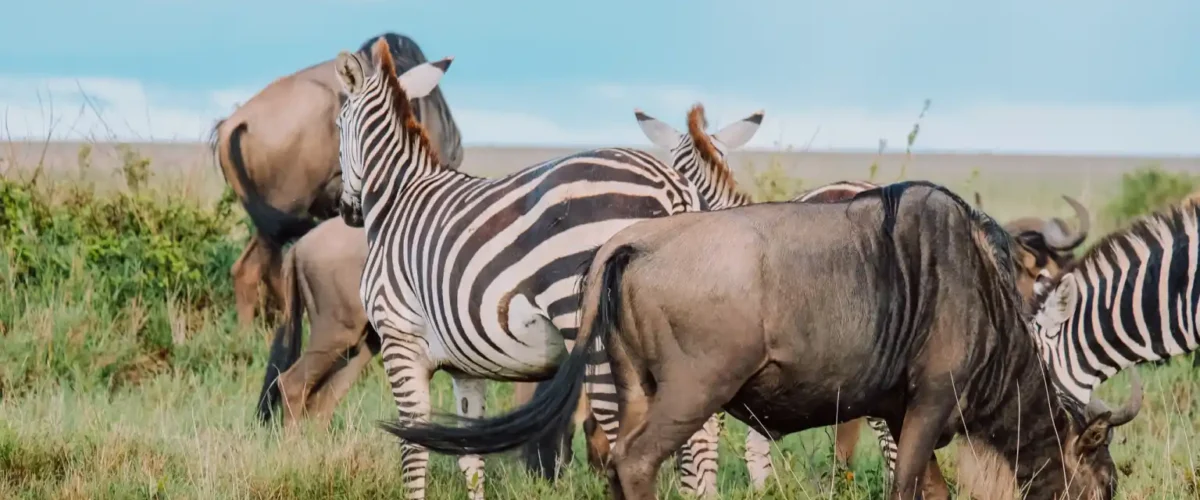
This first game drive is about easing into safari rhythm. You will typically see elephants, giraffes, zebras, and various antelope species, along with early predator sightings if conditions are right.
Tarangire also helps reduce pressure later in the itinerary by providing a full wildlife introduction without overwhelming vehicle traffic.
Day 3: Drive to Ngorongoro Highlands
Day 3 is a transition day toward the Ngorongoro Conservation Area.
This is not a full safari day but a necessary movement day. The drive passes through changing landscapes—open plains, farmland edges, and highland forests.
You overnight near the crater rim or in nearby highland lodges. The purpose is positioning for an early descent into the crater the following morning.
Day 4: Ngorongoro Crater – High-Density Wildlife Experience
Day 4 is dedicated to the Ngorongoro Crater.
This is one of the most concentrated wildlife environments in Africa. The crater floor functions like a natural enclosure, which keeps large populations of animals in a relatively small area.
Here you have a strong chance of seeing lions, buffalo, hippos, zebras, and elephants within a single game drive. It is also one of the best places in Tanzania to see the black rhinoceros, which is not reliably found in most other northern parks.
Game drives are structured and time-controlled, but extremely productive due to wildlife density.
After the crater visit, you either return to the rim or begin travel toward the Serengeti depending on logistics and lodge positioning.
Day 5: Entering the Serengeti – First Full Plains Experience
Day 5 is your entry into the Serengeti ecosystem.
The Serengeti is not a single environment but a vast system of plains, river valleys, and seasonal migration zones. This is where scale changes completely compared to earlier parks.
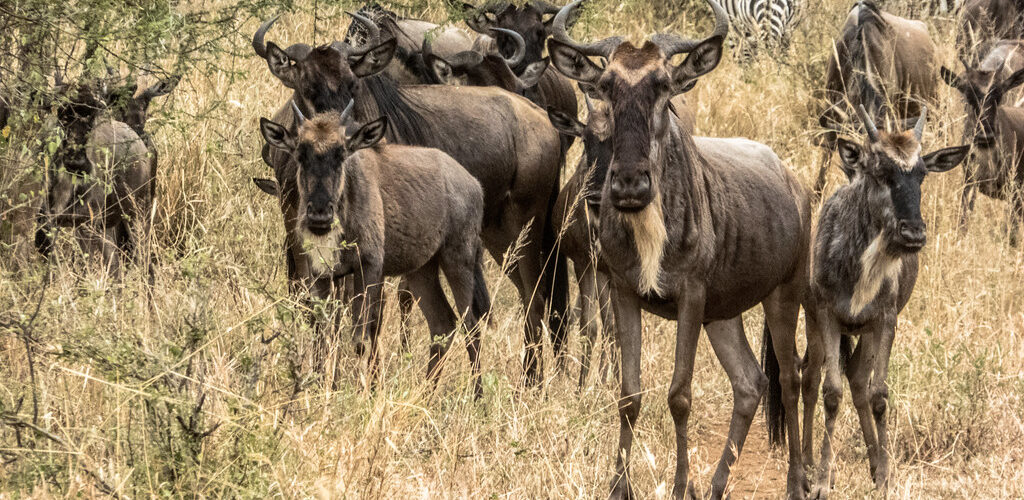
Game drives focus on central regions, which offer year-round wildlife presence. Lions, hyenas, giraffes, and large herbivore herds are commonly seen depending on season.
This is also where you begin to experience long-distance visibility across open plains, which defines the Serengeti safari style.
Day 6: Full Day Serengeti Game Drives
Day 6 is the most important day of the itinerary.
A full day in the Serengeti National Park allows your guide to track movement patterns and respond to real-time wildlife activity rather than fixed routes.
Depending on season, this day can include:
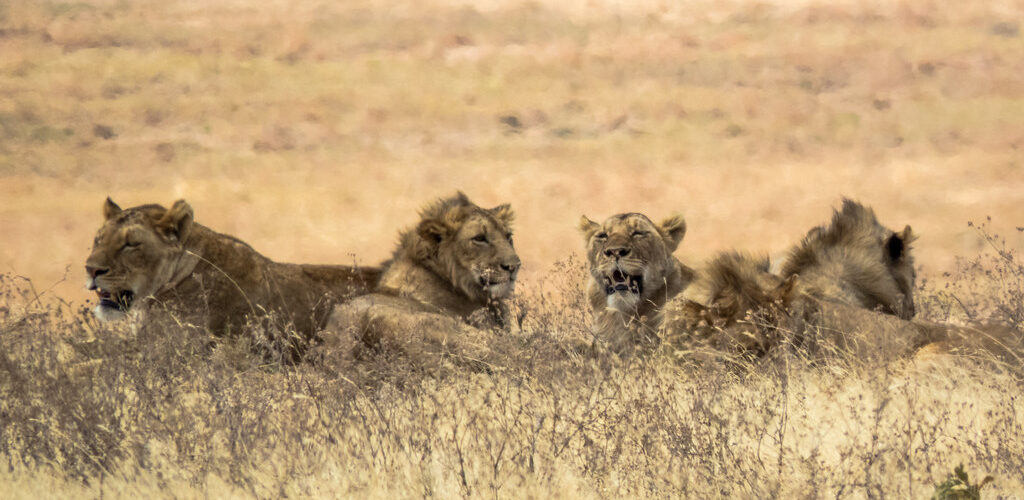
- Predator encounters involving lions or cheetahs
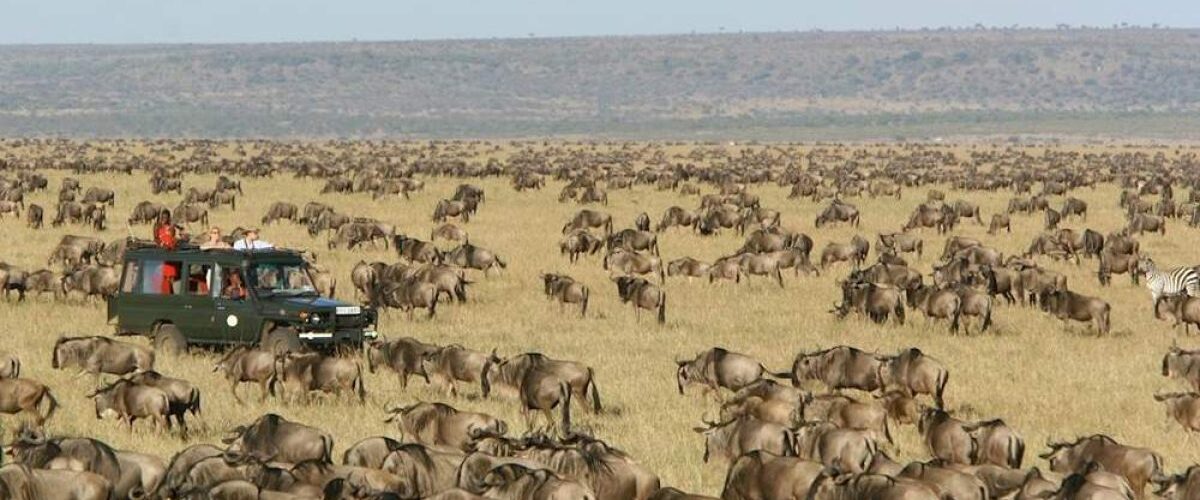
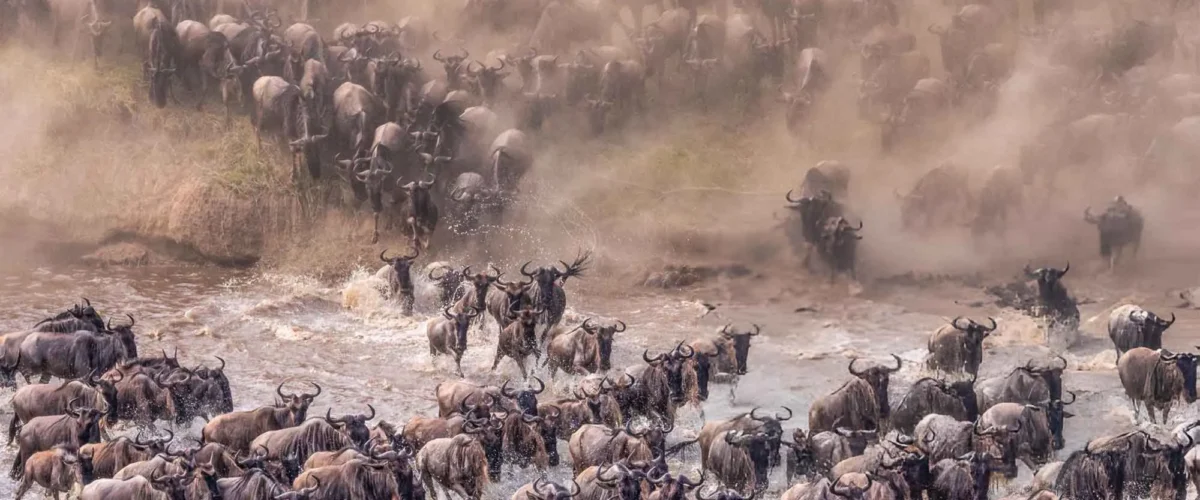
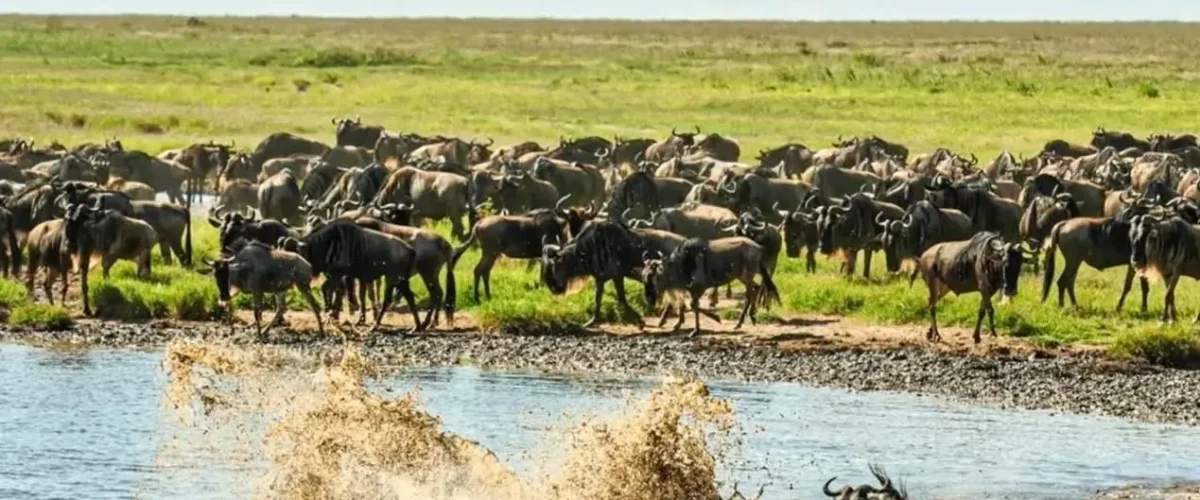
- Herd movements across open plains
- Leopard sightings in riverine or rocky zones
- Extended observation of wildlife behaviour
This is where safari depth increases. Wildlife viewing is no longer about single sightings but about understanding patterns and behaviour over time.
Spending a full uninterrupted day in the Serengeti is what makes a 7-day safari feel complete rather than rushed.
Day 7: Final Morning Safari and Departure
The final day begins with an early morning game drive in the Serengeti.
Morning hours are one of the most active periods for predators, making this a high-value final session. It is often the best chance to see hunting behaviour or early movement activity.
After the game drive, you transfer to an airstrip for your flight back to Arusha or Kilimanjaro International Airport, depending on your onward travel plans.
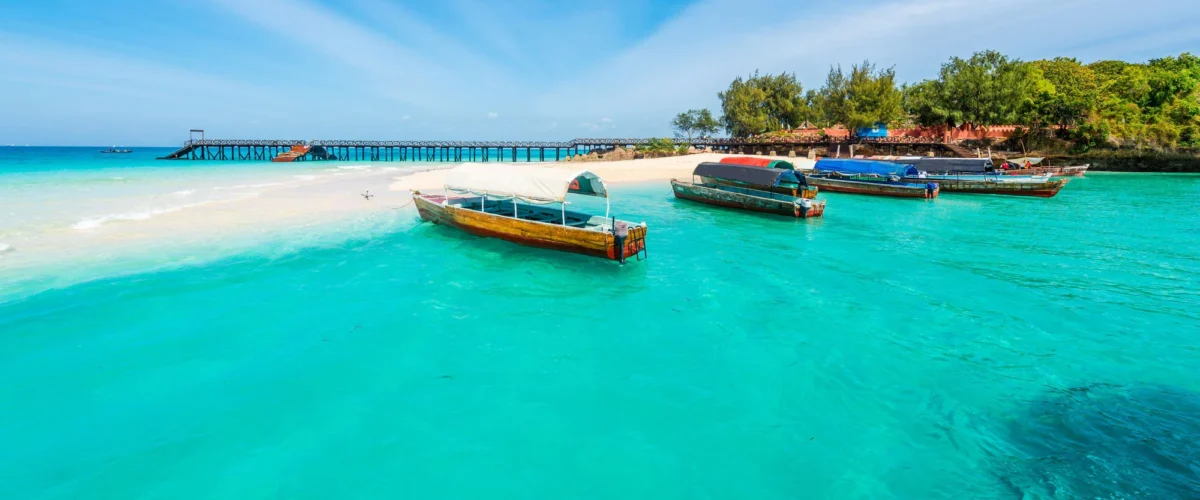
If extending your trip, this is also where travellers typically connect to Zanzibar.
Why This 7-Day Itinerary Works
This structure works because it respects how safari ecosystems actually function.
It avoids excessive movement and focuses on three key environments: Tarangire for introduction, Ngorongoro for density, and the Serengeti for scale and behaviour.
Most importantly, it allocates enough time in the Serengeti, which is essential for meaningful wildlife encounters. Without this, a safari feels incomplete regardless of how many parks are visited.
The Core Mistakes This Itinerary Avoids
Many first-time travellers make the mistake of adding too many destinations into a 7-day trip. This reduces time in each park and turns safaris into travel-heavy experiences rather than wildlife-focused ones.
Another common mistake is underestimating the Serengeti. It is large enough that a single short visit does not reflect its ecological diversity.
This itinerary avoids both issues by prioritizing time in key ecosystems instead of constant relocation.
Insight
A well-designed 7-day Tanzania safari is not about how many places you can fit in. It is about how effectively you move through ecosystems that build on each other.
Tarangire introduces wildlife rhythm. Ngorongoro concentrates it. The Serengeti expands it into a large-scale natural system.
When structured correctly, one week is enough to deliver a complete safari experience—not a rushed overview, but a logically sequenced journey through some of Africa’s most important wildlife landscapes.