Stone Town, Zanzibar: Is It Worth Including in Your Tanzania Safari Itinerary?
Including Stone Town in a Tanzania safari itinerary is one of those planning decisions that looks simple but actually changes the entire shape of your trip. It is not just a destination choice. It is a choice about pacing, culture, and how you want your safari experience to end or begin.
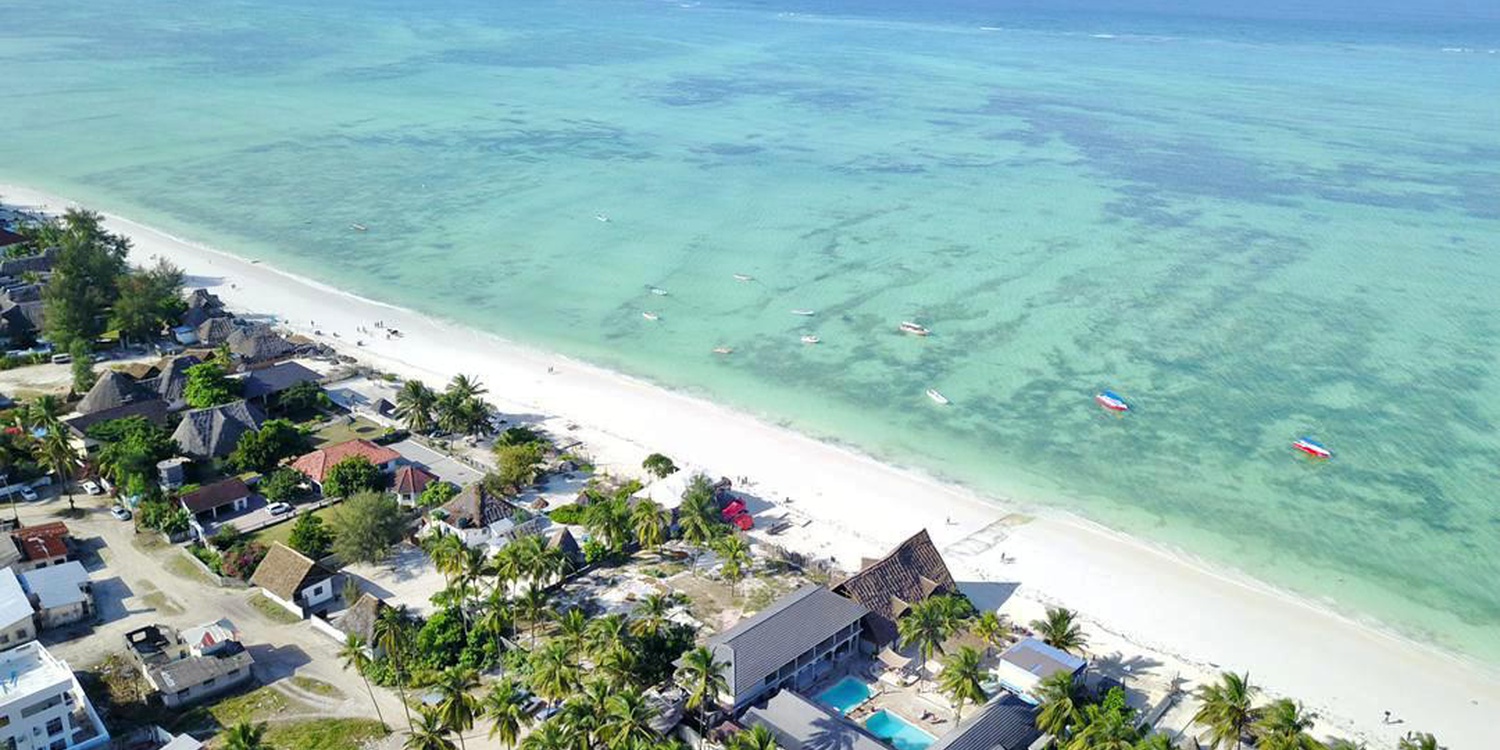
Most travellers combine wildlife in the Serengeti National Park and the crater ecosystem of the Ngorongoro Crater with a beach extension in Zanzibar. Stone Town sits between those two phases as a cultural and historical layer. Whether it belongs in your itinerary depends on how you define value after safari travel: relaxation, culture, or simplicity.
To answer the question properly, you need to understand what Stone Town actually is, how it feels after safari travel, and what role it plays in the wider Tanzania journey.
What Stone Town Actually Is (Beyond the Tourist Description)
Stone Town is the historic core of Zanzibar City and a UNESCO World Heritage Site. It is not a resort area, and it is not designed for beach leisure. Instead, it is a dense, lived-in coastal town shaped by centuries of trade across the Indian Ocean.
Architecturally, it is a mix of coral-stone buildings, carved wooden doors, narrow alleyways, rooftop terraces, and waterfront markets. Culturally, it reflects a blend of Swahili, Arab, Persian, Indian, and European influences. This layering is not decorative—it is the result of Zanzibar’s long history as a trading hub.
Unlike beach resorts elsewhere in Zanzibar, Stone Town is urban, active, and continuously moving. People live, work, trade, pray, and commute through the same narrow streets that visitors explore.
This is important because it immediately separates Stone Town from the typical “Zanzibar beach extension” experience.
Why Stone Town Feels So Different After a Safari
A safari in Tanzania is built around space and nature. In places like the Serengeti, you are surrounded by open landscapes, long sightlines, and wildlife-driven movement. Even when busy, the environment feels expansive.
Stone Town is the opposite. It is compact, vertical, and densely populated. Instead of horizons, you get walls and alleys. Instead of wildlife silence, you get human activity layered across markets, mosques, traffic, and conversations.
This contrast is not subtle. It is one of the sharpest environmental shifts you can experience in East Africa.
After safari travel, most people are mentally tuned to open space, slow observation, and natural rhythm. Stone Town introduces stimulation again—sound, navigation decisions, cultural interpretation, and movement through tight spaces.
That shift is either refreshing or overwhelming depending on what you want from the end of your trip.
The Real Value of Stone Town in a Safari Itinerary
Stone Town is not about luxury. It is about context.
A safari shows you ecosystems and wildlife behaviour. Zanzibar beaches offer rest and reset. Stone Town explains the human history behind the region you are travelling through.
If you remove Stone Town from your itinerary, your understanding of Zanzibar becomes mostly coastal and resort-based. If you include it, you gain insight into why Zanzibar exists as a cultural crossroads in the first place.
This matters because Zanzibar is not just a beach destination. It is historically one of the most important trading points in the western Indian Ocean.
Stone Town is where that history is still visible in architecture, street life, and coastal culture.
When Stone Town Works Best in an Itinerary
Stone Town works best when it is treated as a transition phase, not a destination phase.
The most effective structure is a short, focused stay that bridges safari and beach. This can happen either at the beginning or end of a trip.
At the beginning, it provides cultural grounding before moving into wildlife travel. At the end, it offers a final layer of exploration before shifting into relaxation mode.
In both cases, the key principle is the same: Stone Town should not dominate the itinerary. It should frame it.
Why Some Travellers Love Stone Town After Safari
For certain travellers, Stone Town adds exactly the right kind of contrast after safari travel.
After days in open landscapes, the density of Stone Town feels stimulating rather than stressful. Walking through narrow alleys, exploring markets, and observing coastal life adds a human dimension that is missing from wildlife-focused travel.
It also introduces cultural depth. You are no longer only observing nature—you are observing how people have lived and traded in this environment for centuries.
For photographers, Stone Town is particularly valuable because it provides entirely different visual material compared to safari landscapes. Light, texture, architecture, and human interaction replace wildlife composition.
Travellers who enjoy layered travel experiences often find that Stone Town completes the story of Tanzania rather than interrupting it.
Why Other Travellers Skip It Completely
Despite its cultural importance, Stone Town is often skipped by safari travellers who prioritize relaxation.
The main reason is pace. After early mornings, long drives, and wildlife tracking in the Serengeti or Ngorongoro Crater, many travellers want Zanzibar to feel slow and restorative from the moment they arrive.
In that context, Stone Town introduces unnecessary complexity. You have to navigate streets, manage movement through a busy environment, and adjust to urban density before reaching a beach resort.
Another factor is accommodation style. While Stone Town has boutique hotels and restored heritage properties, it does not offer the same level of beachfront privacy or resort-style infrastructure found elsewhere in Zanzibar.
For honeymooners or families, this difference can be decisive. Simplicity often outweighs cultural interest at the end of a long safari.
The Emotional Structure of the Journey
The Tanzania safari and Zanzibar combination already follows a clear emotional curve: intensity, transition, and recovery.
Safari represents intensity. You are active, alert, and constantly engaged with wildlife movement. Zanzibar represents recovery. You slow down, rest, and reset.
Stone Town sits between those two phases and introduces a third layer: interpretation.
It does not increase intensity like safari, and it does not reduce it like the beach. Instead, it changes the type of engagement entirely. You move from observing nature to interpreting culture.
That is why it does not always fit neatly into itineraries that are designed purely for relaxation.
Duration Matters More Than Inclusion
One of the most common mistakes is treating Stone Town as a full destination rather than a short experience layer.
If included for too long, it can feel dense or tiring after safari travel. If included briefly, it becomes highly valuable.
In most well-balanced itineraries, Stone Town is not measured in “how many nights should I spend here long-term,” but in whether it adds meaning without disrupting flow.
The difference between one night and three nights is not just time—it is energy. One night acts as a cultural window. Multiple nights begin to shift the trip away from relaxation and toward urban exploration.
How Stone Town Fits Different Types of Travellers
The value of Stone Town changes depending on travel style.
For honeymooners, it is often optional. Many prefer to move directly from safari to a private beach resort to maintain intimacy and simplicity.
For families, it can be logistically demanding and is often skipped in favour of easier beach transitions.
For first-time safari travellers, it depends on balance. If the focus is wildlife, Stone Town may feel secondary. If the focus is a complete East Africa experience, it becomes more relevant.
The Best Way to Combine Stone Town With Safari and Beach
When Stone Town is included, it works best as part of a three-phase structure.
Safari comes first, typically in regions like Serengeti or Ngorongoro. Stone Town follows as a brief cultural transition. Zanzibar beach resorts complete the journey with rest and recovery.
This structure works because each phase has a clear role. Safari creates intensity. Stone Town adds context. Zanzibar provides closure.
If Stone Town is removed, the itinerary becomes simpler but also less layered. If it is extended too long, it can disrupt the rhythm of relaxation.
Insight
Stone Town is not essential for every Tanzania safari itinerary, but it is meaningful in the right context.
It is not a place of rest, and it is not a replacement for Zanzibar’s beaches. It is a cultural bridge that connects wildlife travel with coastal life and explains the human history behind the region you are moving through.
For travellers who want a simple safari-to-beach experience, it can be skipped without regret. For those who want a more complete understanding of Zanzibar and its historical identity, it adds significant depth.
Ultimately, Stone Town is not about luxury, comfort, or relaxation. It is about perspective. And whether it is worth including depends on whether you want your journey to be only experiential—or also contextual.
Start Planning Your Next Trip To Africa
If you can picture yourself in one—or several—of these exceptional retreats, the next move is simple. We design fully tailored African safaris that bring these experiences together seamlessly, from private gorilla encounters to luxury lodges in the heart of the wild.
Every detail is carefully planned, so your journey feels effortless from start to finish. Reach out in whichever way suits you best, and let’s begin crafting your safari.
Start Planning