How to Book a Tanzania Safari: From First Enquiry to Wheels-Down in the Serengeti
Introduction: Understanding the Real Safari Booking Process
Booking a Tanzania safari is not a simple travel purchase where you click and confirm. It is a structured planning journey that involves multiple decisions, coordination with safari operators, seasonal wildlife patterns, park logistics, accommodation availability, and sometimes even aviation scheduling. This is what makes safaris fundamentally different from typical holidays.
Tanzania is not a controlled resort destination. It is a vast natural ecosystem made up of protected national parks and conservation areas where wildlife moves freely and infrastructure is intentionally limited to preserve nature. Because of this, every safari itinerary must be carefully designed to match both your expectations and the realities of the environment.
From the moment you send your first enquiry to the moment your aircraft touches down in the Serengeti, every stage of the process shapes the quality of your experience. Understanding this journey in detail helps you avoid poor planning decisions, unnecessary costs, and missed wildlife opportunities.
Step One: Defining Your Safari Vision and Expectations
The first stage in booking a Tanzania safari is not about price or logistics. It is about understanding what kind of experience you actually want. This step is often underestimated, yet it determines everything that follows.
Some travelers are motivated by seeing the Great Wildebeest Migration in the Serengeti. Others are focused on photography, luxury accommodation, cultural experiences, or simply exploring Africa’s wilderness for the first time. Each of these goals leads to a completely different safari design.
At this stage, you also need to decide how you want to travel. A private safari offers full flexibility, personalized timing, and exclusive use of a vehicle and guide. A group safari offers a more affordable structure where you share the vehicle and follow a fixed schedule with other travelers. This single decision influences cost, comfort level, pacing, and even the quality of wildlife encounters.
When your expectations are clear from the beginning, safari planners can design an itinerary that fits your needs instead of offering a generic package.
Step Two: Choosing the Right Time to Travel to Tanzania
Timing is one of the most important factors in safari planning because wildlife movement in Tanzania is seasonal and predictable. The country’s ecosystems are shaped by rainfall patterns, which influence where animals move, feed, and give birth throughout the year.
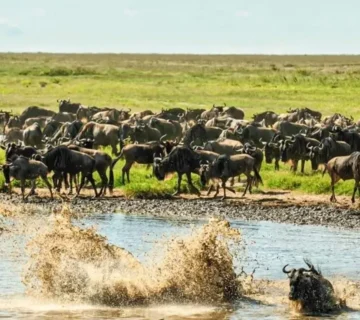
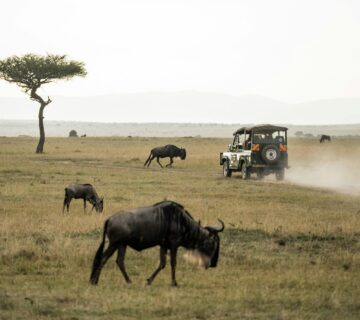
The Serengeti ecosystem is the most famous example. Between December and March, large herds of wildebeest and zebras gather in the southern plains for calving season. This period offers intense predator activity as lions, cheetahs, and hyenas follow the herds. Between June and October, the migration shifts toward the northern Serengeti where dramatic river crossings can take place.
Other parks also follow seasonal behavior patterns. Tarangire National Park is especially rewarding during the dry season when large elephant herds gather around the Tarangire River. Ngorongoro Crater offers consistent wildlife viewing year-round because its enclosed ecosystem supports a dense population of animals.
Choosing the right season is not just about weather conditions. It directly affects what wildlife experiences you will have and how active the ecosystem will be during your visit.
Step Three: Sending Your Safari Enquiry and Initial Planning
Once you have defined your travel goals and preferred timing, the next step is to contact a safari operator. This is where your safari begins to take shape in a practical sense.
A proper enquiry should include your travel dates, number of travelers, preferred level of comfort, and overall budget range. It is also helpful to include your interests, such as photography, luxury lodges, cultural interaction, or extended time in specific parks.
Based on this information, the safari operator begins designing a preliminary itinerary. This is not yet a confirmed booking but a detailed proposal showing how your safari could look. It includes suggested parks, number of nights in each location, accommodation options, and transport methods such as road transfers or internal flights.
At this stage, operators also begin checking availability, especially for high-demand areas like the central Serengeti or Ngorongoro Crater rim, where lodges can fill up months in advance.
Step Four: Understanding Your Safari Itinerary and Cost Structure
The safari itinerary is the backbone of your entire journey. It is usually structured in a day-by-day format showing where you will be staying, how you will travel between destinations, and what activities are included.
However, just as important as the itinerary is the cost breakdown behind it. Safari pricing in Tanzania is not a single flat figure. It is made up of several components that work together to create the final price.
Park fees are a major part of the cost and are charged per person per day by the government. These fees support conservation, anti-poaching efforts, and park maintenance. Accommodation costs vary depending on location and level of luxury, with remote camps inside the Serengeti or Ngorongoro typically costing more due to logistics and exclusivity.
Transport costs also play a major role, especially when internal flights are included. These flights connect distant safari regions and save time but add significant value and cost to the itinerary. Guiding services, vehicle use, fuel, and logistics are also included in the overall structure.
Understanding this breakdown helps you see that safari pricing is not arbitrary. It is directly tied to real operational and conservation expenses.
Step Five: Refining the Safari and Making Adjustments
After reviewing your itinerary and cost breakdown, you usually enter a refinement stage. This is where adjustments are made to better match your budget or preferences.
Some travelers may choose to upgrade accommodation in certain locations while reducing costs in others. Others may adjust the number of nights in each park or include or remove internal flights depending on their travel priorities.
This stage is important because it ensures your safari is balanced between experience quality and financial comfort. A well-designed safari is not always the most expensive one, but the one that best matches your expectations and travel style.
Step Six: Confirming Your Safari Booking
Once the itinerary is finalized, the next step is confirmation. This typically involves paying a deposit to secure accommodation, transport, and guiding services.
Confirmation is important because many safari camps operate with limited capacity, especially in high-demand locations such as the Serengeti. Early booking ensures that you secure the best locations and avoid last-minute availability issues.
After confirmation, your safari is officially reserved, and all major components are locked in. At this point, only minor adjustments are usually possible depending on availability.
Step Seven: Preparing for Departure and Travel Logistics
After booking confirmation, the focus shifts to preparation. This includes international flight arrangements, visa requirements, packing preparation, and understanding health recommendations.
Most travelers fly into Tanzania through Kilimanjaro International Airport or Julius Nyerere International Airport in Dar es Salaam, depending on their itinerary. From there, they are either transferred by road or continue with internal flights to safari regions.
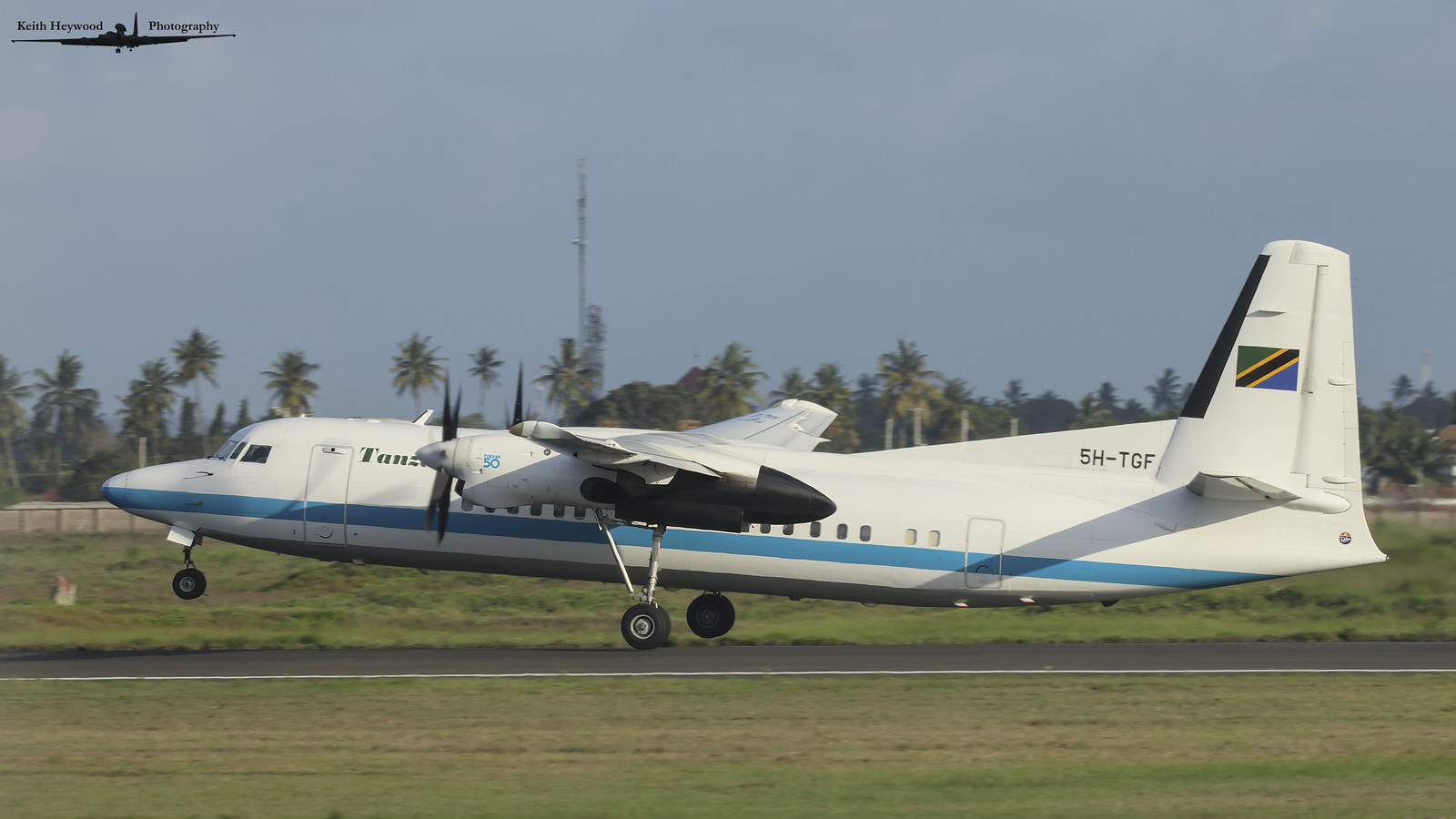
If your itinerary includes bush flights, schedules are confirmed and tickets are issued. These flights are an essential part of many Tanzania safaris because they connect remote parks quickly and efficiently.
At this stage, you also receive detailed travel information such as luggage restrictions, safari briefing notes, and practical advice for traveling in remote wilderness environments.
Step Eight: Arrival in Tanzania and Safari Start
When you arrive in Tanzania, your safari experience officially begins. You are typically met by a representative or guide who assists with transfers and ensures a smooth transition into your itinerary.
Depending on your schedule, your safari may begin immediately or after a short stay in Arusha or another gateway town. Some itineraries include direct transfer to national parks, while others start with a gradual transition into wildlife areas.
This is the moment where planning becomes reality and the safari experience begins to unfold in real time.
Step Nine: Life on Safari in the Field
Once inside the parks, your daily safari routine begins. Most days are structured around early morning and afternoon game drives when wildlife is most active. The middle of the day is often spent resting at your lodge or camp.
Your guide plays a central role in shaping your experience. They interpret animal behavior, track movements, and adjust routes based on real-time wildlife activity. Their knowledge is one of the most valuable aspects of the entire safari.
If you are on a private safari, you have flexibility to extend game drives or change plans based on sightings. If you are on a group safari, you follow a shared schedule with other travelers.
This is where the difference between planning and execution becomes very visible.
Step Ten: Completing the Safari and Departure
At the end of your safari, you are transferred back to your departure point or airport depending on your itinerary. Some travelers continue to Zanzibar for a beach extension, while others return directly home after their final game drives.
This final stage marks the completion of the safari journey, where all planning, logistics, and experiences come together into a single travel memory.
Why Understanding the Booking Process Matters
Booking a Tanzania safari is a structured and multi-stage process that goes far beyond simple travel reservation. It involves understanding your travel goals, selecting the right season, designing a tailored itinerary, reviewing cost structures, and coordinating logistics across remote wilderness environments.
When each step is handled properly, the result is a seamless safari experience that matches your expectations and maximizes wildlife encounters. A well-planned safari is not just a trip to Tanzania. It is a carefully designed journey through one of the most important wildlife ecosystems on Earth, where every stage of the booking process contributes directly to the quality of the final experience.
Start Planning Your Next Trip To Africa
If you can picture yourself in one—or several—of these exceptional retreats, the next move is simple. We design fully tailored African safaris that bring these experiences together seamlessly, from private gorilla encounters to luxury lodges in the heart of the wild.
Every detail is carefully planned, so your journey feels effortless from start to finish. Reach out in whichever way suits you best, and let’s begin crafting your safari.
Start Planning