Tanzania in July and August: Peak Season, Peak Prices and Whether It’s Worth It
July and August are widely regarded as the “headline” safari months in Tanzania. This is when most travellers imagine Africa: dry golden plains, large herds on the move, and high drama across open landscapes in the Serengeti National Park.
It is also the most expensive and most crowded period of the year.
So the real question is not whether it is good. It is whether it is worth the cost, the crowds, and the logistical pressure that come with it.
What Actually Happens in July and August
July and August sit in the core dry season. Rainfall is minimal, vegetation is thin, and wildlife concentrates around permanent water sources.
This concentration effect is what creates the classic safari conditions Tanzania is famous for.
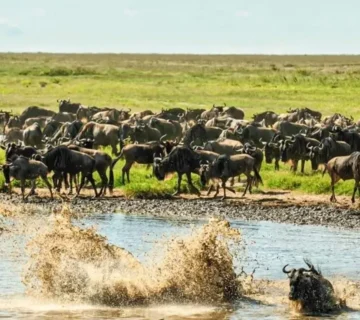
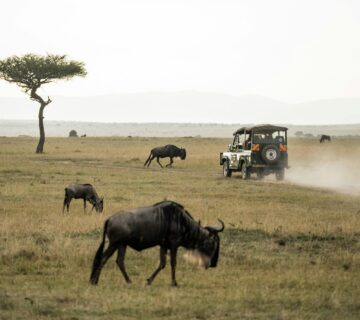
During this period, large wildebeest herds are often positioned in the northern Serengeti ecosystem, depending on rainfall patterns and movement timing. This is the stage where migration dynamics become highly visible, especially around river systems.
Predators also adjust their behaviour accordingly, following herd movement and exploiting predictable crossings and bottlenecks.
The Serengeti Becomes a Stage of Movement
In the Serengeti National Park, July and August are defined less by stillness and more by movement.
This is the period when large-scale migration behaviour is most visible to visitors. Herds stretch across landscapes, sometimes forming continuous lines of movement over vast distances.
Depending on timing and location, this can include dramatic river crossings, though these events are not guaranteed on any specific day. They are driven by ecological pressure, not schedules.
Even without crossings, the scale of movement alone is often enough to define the experience.
Wildlife Density at Its Highest
One of the main advantages of July and August is predictability of sightings.
Because water sources are limited, wildlife is concentrated in more defined areas. This increases encounter frequency and reduces search time during game drives.
You are more likely to see:
large herbivore aggregations
consistent predator presence
high visibility across open terrain
repeat sightings of active hunting zones
This density is what makes the season feel “easy” in safari terms. Wildlife is not hidden or widely dispersed.
The Downside: Crowds and Pressure on the Experience
The same concentration that improves wildlife visibility also attracts large numbers of visitors.
July and August are peak tourism months in northern Tanzania. This creates noticeable pressure at popular viewing areas, especially where migration activity is expected.
You may encounter:
multiple vehicles at sightings
longer waiting times for positioning
limited exclusivity at high-demand locations
increased lodge occupancy and reduced flexibility
The experience is still strong, but it is less private and less fluid than other seasons.
Peak Pricing Reality
Accommodation and safari pricing are at their highest during this period.
Lodges and camps operate at premium rates due to demand. Availability becomes limited well in advance, particularly in high-end properties positioned near key migration corridors.
This is not a period for last-minute planning. It is a structured booking season where early reservation directly affects both cost and quality of placement.
Weather Conditions: Reliable but Unforgiving
Weather in July and August is generally stable. Dry conditions dominate, and rainfall is rare.
This creates excellent visibility and comfortable safari conditions during the day.
However, dryness also means dust levels can increase, especially in heavily trafficked areas. This can affect photography clarity during certain game drives.
Despite this, overall conditions remain among the most predictable of the year.
Is This the Best Time for the Migration?
It depends on what you define as “best.”
If your priority is maximum chance of witnessing large-scale migration movement and potential river crossings, July and August are strong contenders.
However, these events are not guaranteed on demand. They depend on herd positioning, rainfall patterns, and river conditions that shift annually.
This is important: the migration is not a scheduled performance. It is a dynamic system.
The Experience Style: High Energy, High Structure
Safaris in July and August are structured and high-energy.
Game drives often follow established movement patterns, and guides operate within known migration zones. This increases efficiency but reduces unpredictability.
The experience is less about exploration and more about positioning within known ecological corridors.
Who This Season Is Best For
July and August are best suited for travellers who want:
high probability wildlife encounters
large-scale herd movement visibility
classic dry-season safari conditions
structured, predictable game drives
strong migration-focused itineraries
It is especially suitable for first-time safari travellers who want the most iconic version of Tanzania’s wildlife experience.
When It May Not Be Worth It
This period may not be ideal if you prioritise:
privacy and low tourist density
flexibility in lodge selection
lower pricing and better value
slower, more atmospheric game viewing
In that case, shoulder months or green season periods often deliver a more balanced experience.
Insight
July and August represent the most visually iconic safari season in Tanzania, but also the most commercially intense.
Inside the Serengeti National Park, this is when wildlife density, tourism pressure, and pricing all peak at the same time.
The experience is strong, reliable, and often spectacular—but it comes with trade-offs that are important to understand.
Whether it is worth it depends on your priorities. If you want maximum classic safari imagery and migration probability, it is one of the best windows of the year. If you want space, value, and flexibility, it may not be the optimal choice.
The strength of this season is not subtle. It is concentrated, predictable, and high-impact.
Start Planning Your Next Trip To Africa
If you can picture yourself in one—or several—of these exceptional retreats, the next move is simple. We design fully tailored African safaris that bring these experiences together seamlessly, from private gorilla encounters to luxury lodges in the heart of the wild.
Every detail is carefully planned, so your journey feels effortless from start to finish. Reach out in whichever way suits you best, and let’s begin crafting your safari.
Start Planning