Tanzania Safari Packing List: What to Actually Bring for the Serengeti and the Crater
Packing for a Tanzania safari is less about volume and more about precision. You are not packing for a city trip or a beach holiday. You are packing for long game drives, variable weather, dust, early mornings, and remote environments inside places like the Serengeti National Park and the Ngorongoro Crater.
The biggest mistake travellers make is overpacking the wrong items and underpacking the essentials that actually affect comfort in the bush.
A safari is function-first. Everything you bring should improve visibility, mobility, comfort, or protection from environmental conditions.
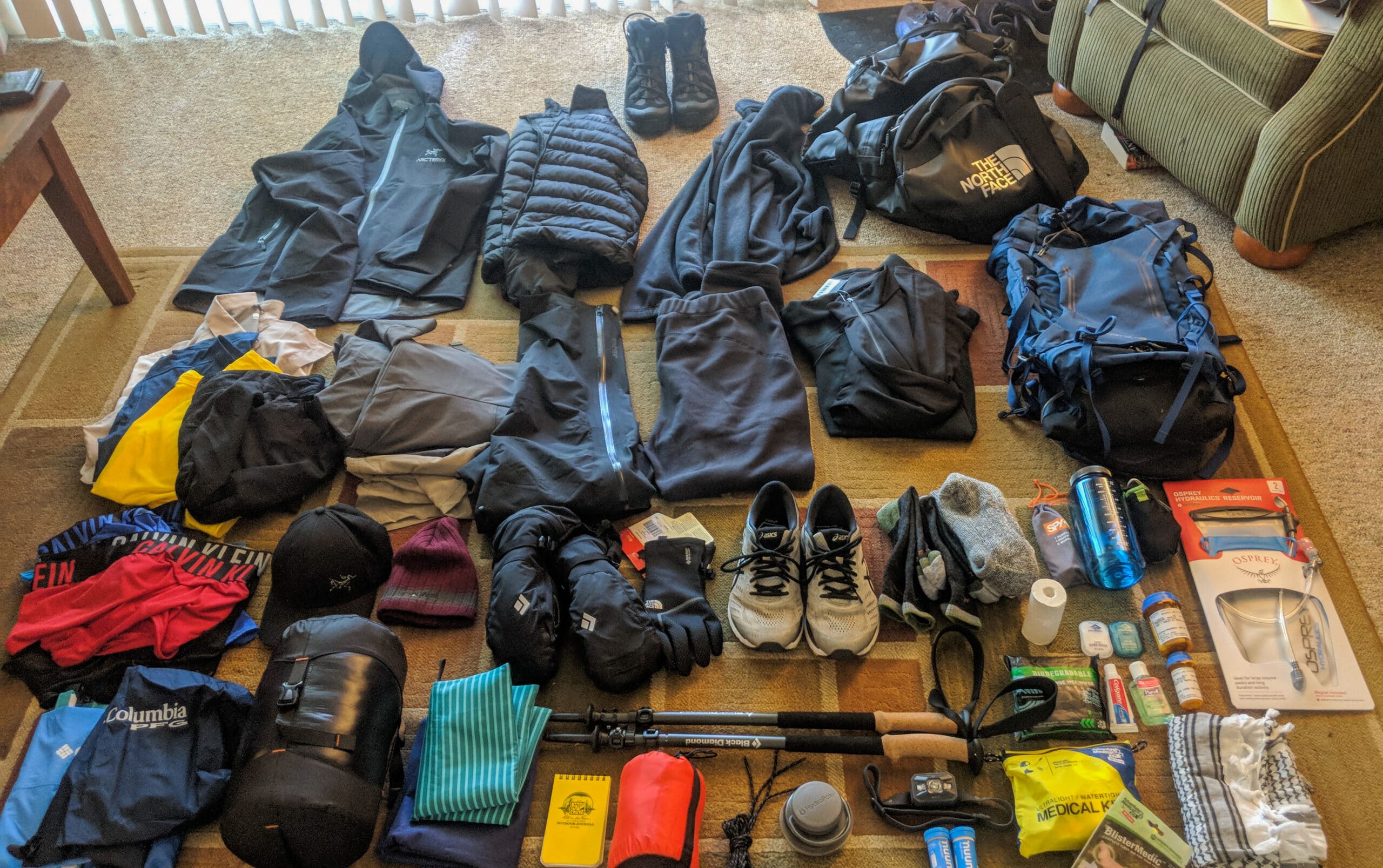
Clothing: Keep It Simple, Functional, and Neutral
Safari clothing is not about fashion. It is about temperature control, dust management, and blending into the environment.
Neutral colours like khaki, olive, beige, and light brown work best. They reduce heat absorption and avoid attracting unnecessary attention from insects.
Lightweight long-sleeve shirts are more useful than short sleeves because they protect from sun exposure and dust during long drives. Trousers are preferable to shorts for the same reason.
Even in warm months, early mornings in the Serengeti can feel cold due to altitude and wind exposure. Layering is essential, not optional.
A light jacket or fleece becomes important for sunrise game drives and evening returns to camp.
Footwear: Practical Over Stylish
Most of your safari time is spent inside a vehicle, not walking. That means heavy hiking boots are unnecessary unless you are doing specific walking safaris.
Comfortable closed shoes or lightweight trekking shoes are enough for general safari use. Camp environments may include uneven ground, so stability matters more than design.
Sandals can be useful in camp, but not during game drives.
Sun Protection: Non-Negotiable in Open Plains
The sun in Tanzania is direct and intense, especially in open ecosystems like the Serengeti plains.
A wide-brim hat or cap is essential. Sunglasses with UV protection are equally important, particularly during long midday drives where glare from dry grass or dust can be strong.
Sunscreen should be high SPF and applied consistently, not just at the start of the day. Reflection from open landscapes increases exposure more than many travellers expect.
Binoculars: The Most Underrated Safari Tool
Binoculars are often treated as optional, but in reality they are one of the most important safari tools you can bring.
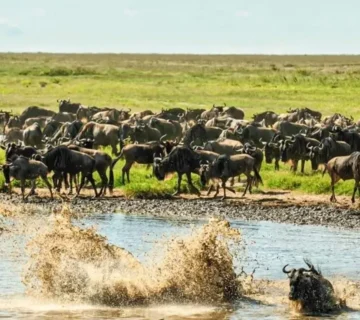
Wildlife is not always close. In vast landscapes like the Serengeti, animals may be hundreds of metres away, especially predators resting or scanning territory.
Good binoculars transform distant shapes into meaningful sightings. They also help you understand behaviour rather than just presence.
Camera Gear: Match Your Interest Level
You do not need professional photography equipment to enjoy a safari, but if you are interested in capturing wildlife seriously, zoom capability matters more than anything else.
A mid-range zoom lens is more useful than multiple small lenses because most sightings happen at variable distances.
Dust protection is critical. The safari environment is dry, and fine dust enters equipment easily, especially during movement between game drive areas.
Even smartphone cameras can perform well in the Serengeti ecosystem if lighting conditions are right, especially during early morning and late afternoon.
Health and Personal Essentials
A basic medical kit is important but should be lightweight.
Include:
basic pain relief medication
antiseptic wipes
plasters or small wound care items
any personal prescription medication
If you are visiting malaria-risk regions, preventive medication may be recommended depending on travel advice at the time of your trip.
Hand sanitiser is useful because safari environments are remote and facilities are limited during game drives.
Bags and Luggage: Soft and Flexible Only
Soft-sided luggage is strongly preferred for safari travel.
This is especially important for bush flights into airstrips across the Serengeti system, where small aircraft have strict weight and space limitations.
Hard-shell suitcases are difficult to fit and may be restricted on certain internal flights.
A small daypack is also useful for game drives, allowing you to carry essentials like water, camera gear, sunscreen, and binoculars.
Water and Hydration
Staying hydrated is more important than many travellers expect.
Game drives can last several hours, often under direct sun. Most safari vehicles provide drinking water, but carrying your own bottle ensures consistent hydration.
Dehydration affects concentration, comfort, and overall enjoyment of long wildlife viewing sessions.
What You Do NOT Need to Overpack
Many travellers bring items they never use.
You do not need:
formal clothing
excessive shoes
large electronics
heavy books or entertainment items
bright or patterned clothing
Safari life is repetitive in movement but rich in observation. You will not need complex wardrobes or urban-style items.
Weather Reality: One Trip, Multiple Conditions
One of the key challenges in packing for Tanzania is variability.
Even within a single trip covering the Serengeti National Park and surrounding regions, conditions can shift between warm afternoons, cool mornings, dust, and occasional rain depending on season.
This is why layering is more important than heavy clothing. You need flexibility, not volume.
Insight
A good Tanzania safari packing list is not about bringing more. It is about bringing correctly.
Inside ecosystems like the Serengeti and Ngorongoro Crater, comfort is determined by practical decisions: clothing that handles dust and sun, footwear that supports movement, binoculars that extend your vision, and a travel setup that works with small aircraft and remote lodges.
The best-prepared travellers are not the ones with the most luggage. They are the ones who can adapt easily to changing light, temperature, and terrain without thinking about what they forgot.
If you pack correctly, your attention stays where it should be—on the wildlife, not your belongings.
Start Planning Your Next Trip To Africa
If you can picture yourself in one—or several—of these exceptional retreats, the next move is simple. We design fully tailored African safaris that bring these experiences together seamlessly, from private gorilla encounters to luxury lodges in the heart of the wild.
Every detail is carefully planned, so your journey feels effortless from start to finish. Reach out in whichever way suits you best, and let’s begin crafting your safari.
Start Planning