Best Time to Visit Tanzania for a Safari: A Month-by-Month Guide for 2026
There is no single “perfect month” for a Tanzania safari. What exists instead is a year-round wildlife cycle shaped by rainfall, migration movement, and predator behaviour. The experience in the Serengeti National Park changes dramatically depending on when you travel—sometimes it is about massive herds, sometimes about calving drama, and sometimes about quiet, low-tourist wilderness.
Choosing the right month is really about choosing the type of safari experience you want.
January
January is part of the southern Serengeti ecosystem phase. Wildlife is concentrated on short grass plains as conditions become ideal for grazing. This is the beginning of one of the most important ecological cycles of the year. Predator activity is increasing, especially lions and hyenas, as herbivores gather in large numbers. It is a strong month for active game viewing with good visibility and green landscapes.
February
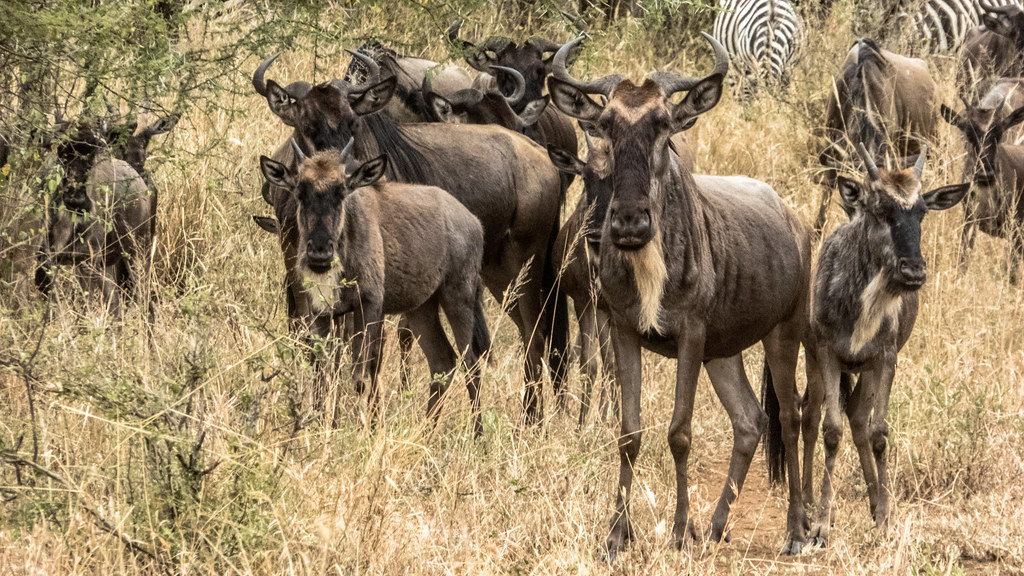
February is one of the most important wildlife months in Tanzania. This is peak calving season in the southern Serengeti. Thousands of wildebeest calves are born within a short period, creating one of the highest predator-prey interaction zones in Africa. The result is constant wildlife activity: hunting, movement, and survival behaviour across open plains. This is not a migration crossing month—it is a birth and predation month.
March
March is a transition period. Calving activity slows, and rainfall patterns begin shifting the ecosystem. Vegetation becomes denser, and wildlife starts to spread more widely. Game viewing is still strong but slightly less concentrated compared to February.
April
April is part of the long rainy season and one of the quietest safari months. The landscape becomes fully green, and wildlife disperses due to widespread water availability. This is a low-tourist period, meaning fewer vehicles and more solitude, but sightings are less predictable due to natural dispersion. It is ideal for travellers who prioritise atmosphere over density.
May
May continues the green season but starts transitioning toward drier conditions. Rainfall decreases gradually, and wildlife begins to regroup. Vegetation remains lush, creating excellent photographic conditions with dramatic skies and rich landscapes. It is a value-friendly month with improving game structure.
June
June marks the beginning of the dry season. Wildlife starts concentrating around permanent water sources, improving visibility significantly. In the Serengeti system, early migration movement begins shifting depending on rainfall patterns. This is one of the most balanced safari months—good weather, improving visibility, and moderate crowd levels.
July
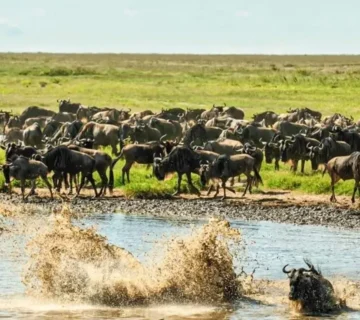
July is a peak safari month in northern Tanzania. Wildlife density increases in northern Serengeti regions as migration herds move through key corridors. This is when river-crossing behaviour may begin depending on exact herd timing and location. It is one of the most dramatic months, but also one of the busiest.
August
August continues peak dry-season conditions. Wildlife viewing is extremely reliable, with large herds and strong predator presence across key areas. This is one of the best months for classic safari scenes—high visibility, active predators, and stable weather. It is also one of the most crowded months in popular safari zones.
September
September remains within the dry season but begins to stabilise slightly in terms of visitor pressure. Wildlife is still highly concentrated, and viewing conditions are excellent. It is one of the most consistent months of the year for predictable game drives across the northern circuit.
October
October is a transition month. Wildlife begins to spread out gradually as early rainfall patterns begin to return. Game viewing remains strong, but the intensity of dry-season concentration starts to reduce. It is a quieter, more flexible safari month.
November
November marks the beginning of the short rains and the return of green-season conditions. The landscape quickly turns lush, and wildlife disperses more widely. Tourist numbers drop, creating a quieter safari atmosphere with strong photographic potential due to fresh vegetation and dramatic skies. It is also part of the migration movement cycle toward southern plains.
December
December is part of the early green season. Conditions are warm with occasional rainfall, and landscapes are visually rich. Wildlife begins concentrating again in southern Serengeti areas, setting the stage for the upcoming calving season. It is a balanced month with good sightings and fewer crowds compared to peak dry season.
Insight
The most important truth about Tanzania safaris is that timing shapes everything.
The Serengeti National Park is not static—it is a moving ecosystem where wildlife shifts across regions in response to rain and grazing pressure.
There is no bad month, only different safari outcomes: early year months focus on calving and predator action, mid-year months focus on migration density and dry-season visibility, and late-year months focus on green landscapes and quieter travel.
A good safari is not about finding the “best month.” It is about matching your travel dates with the specific wildlife experience you want to see.
Start Planning Your Next Trip To Africa
If you can picture yourself in one—or several—of these exceptional retreats, the next move is simple. We design fully tailored African safaris that bring these experiences together seamlessly, from private gorilla encounters to luxury lodges in the heart of the wild.
Every detail is carefully planned, so your journey feels effortless from start to finish. Reach out in whichever way suits you best, and let’s begin crafting your safari.
Start Planning