
Bwindi Impenetrable vs Mgahinga

Bwindi Impenetrable vs Mgahinga: Which Gorilla Park Is Right for You?
Choosing between Bwindi Impenetrable National Park and Mgahinga Gorilla National Park is less about picking a “better” destination and more about aligning the experience with your travel style, fitness level, and expectations. Both parks protect endangered mountain gorillas and offer the same regulated trekking encounter, yet the environments, logistics, and overall safari atmosphere differ in ways that meaningfully shape your journey of Bwindi Impenetrable vs Mgahinga
Understanding the Character of Each Park
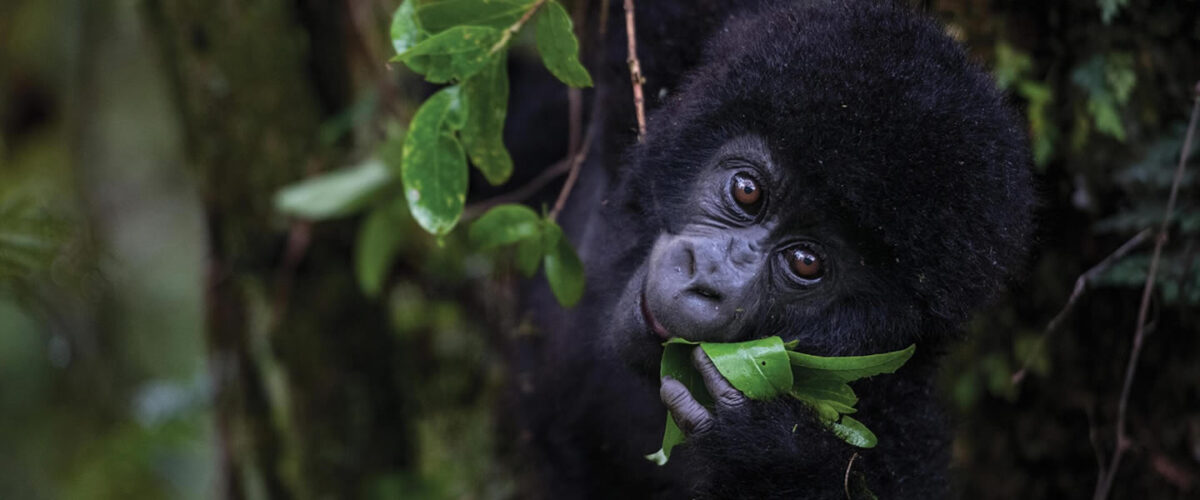
Bwindi is expansive, ancient, and biologically dense. It is one of Africa’s oldest rainforests, a thick tangle of vegetation spread across steep hills and deep valleys in southwestern Uganda. Trekking here feels immersive and sometimes unpredictable, with guides cutting through foliage and navigating terrain that can shift from muddy slopes to narrow forest paths. The forest canopy is heavy, often filtering light into a misty green glow that enhances the sense of wilderness. This is the setting many travelers imagine when they think of a “true jungle expedition.”
Mgahinga, by contrast, is compact and dramatically scenic. It sits within the Virunga volcanic range, sharing an ecosystem with Rwanda and the Democratic Republic of Congo. The landscape is defined by volcanic cones, bamboo forests, and open slopes that provide clearer lines of sight. Trekking here tends to feel more structured and visually expansive. Instead of dense jungle immersion, you experience a blend of forest and mountain scenery, with sweeping views that can make the journey as memorable as the gorilla encounter itself.
Gorilla Trekking Experience and Availability
Bwindi offers a level of flexibility that Mgahinga cannot match. It hosts the majority of Uganda’s habituated gorilla families, spread across multiple sectors such as Buhoma, Ruhija, Rushaga, and Nkuringo. This distribution increases your chances of securing permits even during peak seasons and allows operators to match trekkers with groups based on fitness levels. Some gorilla families are known to stay closer to starting points, while others require longer, more demanding hikes.
Mgahinga has only one habituated gorilla family, which makes the experience more exclusive but also less flexible. Permit availability is limited, and if that single group crosses into neighboring countries, trekking schedules may shift. However, when conditions align, the experience feels intimate and less crowded, often with fewer trekking groups moving through the forest at the same time.
Trek Difficulty and Physical Demands
Bwindi is generally more physically demanding. The terrain is irregular, the vegetation is thick, and trekking duration can vary widely depending on where the gorillas nested the previous night. It is not uncommon for treks to last several hours, with steep ascents and descents that require stamina and patience. For travelers seeking a physically engaging adventure, Bwindi delivers a sense of accomplishment alongside the wildlife encounter.
Mgahinga tends to be more predictable in terms of trekking effort. While it still requires a reasonable level of fitness, the terrain is often more open and less obstructed. The bamboo zones and volcanic slopes allow for steadier movement, and the experience can feel less strenuous overall. This makes Mgahinga appealing to travelers who want a rewarding trek without the intensity often associated with Bwindi.
Scenery and Photographic Opportunities
Bwindi’s dense forest creates a dramatic, almost cinematic environment, but it can also limit visibility and light. Photographers may find themselves working through foliage and adjusting to low-light conditions beneath the canopy. The reward is a raw, atmospheric setting that emphasizes the wild nature of the encounter.
Mgahinga offers clearer sightlines and brighter conditions, especially in the bamboo forests and higher elevations. The backdrop of volcanic peaks adds a striking visual element that enhances photography. If capturing clean, well-lit images of gorillas and landscapes is a priority, Mgahinga often provides an advantage.
Accessibility and Travel Logistics
Reaching Bwindi can involve longer travel times, particularly depending on which sector you choose. Some areas are accessible by road from Kampala or Entebbe, while others may require domestic flights followed by transfers. The diversity of entry points means planning must be precise, but it also allows for tailored itineraries that combine Bwindi with other destinations.
Mgahinga is typically accessed through the town of Kisoro, which can be reached by road or air. Its proximity to Rwanda makes it a convenient option for travelers entering East Africa via Kigali. This cross-border accessibility can simplify logistics, especially for those combining gorilla trekking with experiences in neighboring countries.
Additional Activities Beyond Gorillas
Bwindi offers more than just gorilla trekking. It is a hotspot for birdwatching, with hundreds of species recorded, and it supports cultural encounters with the Batwa community, who have deep historical ties to the forest. The park’s size and ecological diversity create opportunities for extended exploration.
Mgahinga complements gorilla trekking with unique activities such as golden monkey tracking and volcano hiking. Climbing peaks like Mount Sabyinyo or Mount Gahinga introduces a different dimension to the safari, blending primate encounters with high-altitude adventure. The Batwa cultural experience is also available here, often presented in a more intimate setting.
Atmosphere and Visitor Experience
Bwindi can feel busier, especially in popular sectors, simply because it accommodates more visitors and trekking groups. That said, its scale disperses activity, and many areas still feel remote and untouched. The variety of lodges and communities around the park contributes to a vibrant tourism ecosystem.
Mgahinga is quieter and more contained. The smaller number of visitors creates a sense of exclusivity and calm. If your priority is solitude and a slower pace, Mgahinga aligns well with that preference.
Making the Right Choice
Bwindi is the stronger option if you value flexibility, higher chances of securing permits, and a deeply immersive rainforest experience. It suits travelers who are comfortable with physical challenges and want a broader range of trekking and accommodation options.
Mgahinga is ideal if you prioritize scenery, a quieter environment, and a more predictable trekking experience. It works particularly well for travelers combining Uganda with Rwanda or those interested in adding volcano hikes and golden monkey tracking to their itinerary.
Final Perspective
Both parks deliver the same fundamental privilege: standing a few meters away from a family of mountain gorillas in their natural habitat. The difference lies in how you get there and what surrounds that moment. Bwindi emphasizes raw wilderness and variety, while Mgahinga offers clarity, calm, and dramatic landscapes. The right choice is the one that aligns with how you want to experience that journey, not just the destination itself.
 Where to Find the Best Luxury Safari Lodges