Tanzania Safari and Kilimanjaro

Tanzania Safari and Kilimanjaro

Tanzania Safari and Kilimanjaro: Can You Realistically Do Both in One Trip?

Yes—you can realistically combine a Tanzania safari with a Kilimanjaro climb in one trip. But the more accurate answer is that it depends entirely on time, fitness level, and how you structure the itinerary. This is not a casual combination. It is one of the most physically and logistically demanding travel pairings in East Africa.

Both experiences are world-class, but they operate on completely different rhythms. A safari in the Serengeti National Park is about wildlife observation, early morning game drives, and long but comfortable days. Climbing Mount Kilimanjaro is a multi-day high-altitude trek that pushes physical endurance and acclimatisation limits.

The key question is not whether it is possible. It is whether it is well-planned.

The Core Reality: Time Is the Limiting Factor

A proper safari in northern Tanzania typically requires at least 5 to 7 days to feel complete. A Kilimanjaro climb takes a minimum of 6 days on shorter routes, and more commonly 7 to 9 days for safer acclimatisation profiles.

When you combine both, you are realistically looking at a minimum of 10 to 14 days, not including international travel.

This is where most itineraries fail—not because the combination is impossible, but because it is rushed.

Why the Combination Works Logistically

The good news is that Tanzania is one of the few countries where this combination is structurally feasible.

Both experiences are based in the northern tourism corridor:
Kilimanjaro climbs start near Moshi
safaris begin in Arusha and extend into the Serengeti ecosystem

This means there is no need for long inter-country transfers. The entire journey can be built around one regional hub.

Arusha acts as the central staging point for both activities.

Typical Order of Travel: Safari or Kilimanjaro First?

There are two main sequencing options, and each has a different impact.

Option 1: Safari First, Kilimanjaro Second

This is the most commonly recommended structure.

You begin with a safari in parks such as Tarangire, Ngorongoro, and the Serengeti, then move into the climb.

The advantage is psychological and physical:
safaris are less physically demanding, allowing recovery from international travel
wildlife experiences act as a gradual transition into the trip
you end with a major physical achievement

However, there is one drawback: fatigue from safari days can slightly affect early climbing stages if rest is not managed properly.

Option 2: Kilimanjaro First, Safari Second

This structure flips the experience.

You begin with the climb, then recover on safari afterward.

The advantage here is recovery:
after descending Kilimanjaro, a safari feels relaxed and restorative
you are not carrying fatigue into high-altitude trekking

However, the challenge is that climbing first requires immediate physical performance after international arrival, which some travellers find difficult.

Physical Reality of Climbing Kilimanjaro

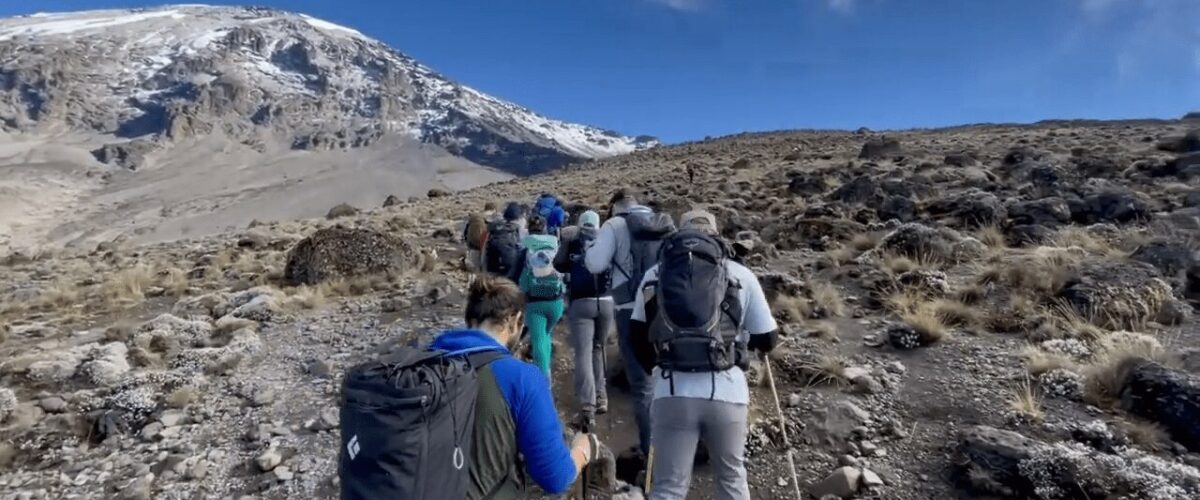
Mount Kilimanjaro is not a technical climb, but it is a high-altitude endurance trek.

Success depends on:
gradual acclimatisation
consistent walking pace
proper hydration
altitude response management

Most routes involve multiple days of ascending through distinct ecological zones before reaching Uhuru Peak.

The biggest challenge is not distance—it is altitude adaptation.

Safari Reality: A Different Kind of Intensity

A safari in the Serengeti National Park is physically easier but still structured around early mornings and long observation periods.

Typical safari days include:
pre-dawn starts for predator activity
long vehicle-based game drives
extended time in open terrain conditions
sun exposure and dust environments

While not physically exhausting in the same way as climbing, safaris still require energy management, especially over multiple days.

Minimum Recommended Duration for Both

If you want to combine both properly, the minimum realistic structure looks like this:

6–9 days for Kilimanjaro depending on route
4–6 days for safari depending on parks included
plus 1–2 buffer days for arrival, rest, and transitions

This brings the total to approximately 11–16 days for a balanced experience.

Anything shorter begins to compromise either the climb, the safari, or both.

Who This Combination Is Best For

This combined itinerary is best suited for:
physically fit travellers with endurance capability
first-time visitors who want both iconic experiences in one trip
adventure-focused travellers prioritising achievement and wildlife
people with sufficient time flexibility

It is less suitable for:
travellers on short holidays under 10 days
people who prefer relaxed, single-focus travel
travellers sensitive to altitude or physical exertion

The Key Trade-Off

The main trade-off is intensity versus depth.

Combining both means:
you experience two of Tanzania’s biggest highlights in one trip
but you reduce flexibility and downtime between experiences

It is not a slow travel itinerary. It is a high-density experience structure.

Why Arusha Is Critical to the Plan

Arusha is the logistical bridge between both experiences.

It connects:
Kilimanjaro trekking routes
northern safari circuits
domestic flight networks

Without Arusha, combining both activities would be significantly more complex.

Insight

Yes, you can realistically combine a Tanzania safari and Kilimanjaro climb in one trip, and many travellers do. But it only works well when time is sufficient and the itinerary is structured with discipline.

The northern safari circuit in and around the Serengeti National Park provides wildlife immersion, while Kilimanjaro delivers a high-altitude physical challenge. Together, they form one of Africa’s most complete adventure combinations—but only when allowed enough time to be done properly.

The real decision is not “can it be done,” but “can it be done without rushing either experience.”
Why Tanzania’s Southern Parks Receive Only 5% of Visitors

Why Tanzania’s Southern Parks Receive Only 5% of Visitors

Why Tanzania’s Southern Parks Receive Only 5% of Visitors: The Case for Ruaha and Selous

Tanzania’s safari industry is heavily dominated by the northern circuit. Most travellers head straight to the Serengeti ecosystem, Ngorongoro Crater, and surrounding parks, leaving the southern regions dramatically under-visited by comparison.

In fact, the southern safari circuit receives only a small fraction of total tourist traffic—estimated at around 5% of visitors. Yet this region contains some of the largest, wildest, and most ecologically intact protected areas in Africa, including Nyerere National Park (formerly Selous Game Reserve) and Ruaha National Park.

The imbalance is not because the south is inferior. It is because safari development, accessibility, and marketing have historically concentrated around the north.

Understanding this gap explains why the southern circuit remains one of Africa’s most authentic wilderness experiences.

The Northern Circuit Effect

The dominance of the northern circuit is the single biggest reason for the southern region’s low visitor numbers.

The north offers:
high-density wildlife viewing
iconic landscapes like the Serengeti plains
established lodge networks
shorter internal logistics between parks
well-developed safari infrastructure

This makes it easier for first-time travellers to design simple, predictable itineraries.

In contrast, the southern circuit requires more time, more internal flight planning, and a greater willingness to travel into remote wilderness zones.

Accessibility: The Core Structural Barrier

The southern parks are not difficult to reach, but they are less direct.

Most travellers heading to Ruaha or Nyerere must use domestic flights from Dar es Salaam or other regional hubs rather than direct international-to-park routing.

This adds an additional layer of planning compared to northern parks that connect more seamlessly through Kilimanjaro International Airport and Arusha.

Even though bush flights are efficient, the perception of “extra step” travel discourages many first-time visitors.

The Scale Difference: Wilderness Without Crowds

One of the defining characteristics of the southern circuit is scale.

Ruaha National Park is Tanzania’s largest national park, covering vast, remote landscapes with low visitor density. Similarly, Nyerere National Park is one of the largest protected wilderness areas in Africa.

These parks are not designed for high-volume tourism. They are designed for low-density, high-immersion safari experiences.

This means:
fewer vehicles at sightings
long uninterrupted wildlife encounters
larger territories per animal group
less infrastructure intrusion

The experience is fundamentally different from the busier northern parks.

Wildlife Density vs Wilderness Experience

The northern circuit is known for concentrated wildlife visibility, especially in ecosystems like the Serengeti.

The southern circuit is known for spread-out, behaviour-focused wildlife encounters.

In Ruaha, for example, lion prides are large and territorial, but sightings are less clustered around predictable routes. In Nyerere, river-based ecosystems create different movement patterns influenced by water systems rather than open plains migration.

This difference is often misunderstood as “less wildlife,” when in reality it is simply less concentrated viewing.

Infrastructure and Lodge Distribution

Another reason for lower visitor numbers is the distribution of accommodation.

The northern circuit has a high density of lodges, camps, and luxury properties across multiple price ranges.

The southern circuit has fewer properties, often more widely spaced and designed for longer stays.

This creates a psychological barrier for travellers who prefer more frequent lodge options or shorter hop itineraries.

However, for those who do visit, the limited density often translates into more exclusive safari experiences.

The Serengeti Contrast Effect

The global fame of the Serengeti National Park plays a major role in drawing attention away from southern parks.

The Serengeti is one of the most marketed safari destinations in the world, particularly due to the Great Migration and its high visibility in media and documentaries.

As a result, many travellers design itineraries around the north by default, often without considering alternatives.

This creates a strong “first-choice bias” toward northern Tanzania.

Why the South Is Still Wild

One of the strongest arguments for the southern circuit is its ecological integrity.

Because visitor numbers are lower, these ecosystems retain a stronger sense of untouched wilderness. This includes:
larger predator territories
less road density
fewer vehicle encounters per sighting
stronger natural behavioural patterns

In places like Ruaha, you often experience long periods without seeing other safari vehicles, which is increasingly rare in more popular parks.

The Trade-Off: Comfort vs Immersion

The northern circuit prioritises convenience and structured safari flow.

The southern circuit prioritises immersion and raw wilderness exposure.

Neither is better universally. They simply serve different travel styles.

Northern Tanzania is ideal for first-time safari travellers seeking iconic experiences.

Southern Tanzania is better suited for returning travellers or those prioritising exclusivity and depth over predictability.

Why the Southern Circuit Is Growing Slowly

Interest in southern parks is increasing, but gradually.

The main constraints remain:
flight connectivity perception
limited marketing compared to the north
longer minimum stay requirements for meaningful itineraries

However, high-end safari operators are increasingly positioning Ruaha and Nyerere as premium alternatives to crowded northern routes.

Insight

The reason Tanzania’s southern parks receive only a small fraction of visitors is not because they lack wildlife or quality. It is because safari tourism has historically developed around accessibility, familiarity, and marketing concentration in the north.

Inside ecosystems like Ruaha National Park and Nyerere National Park, the experience is defined less by density and more by scale, solitude, and ecological immersion.

While the north delivers iconic safari imagery, the south delivers space and exclusivity.

The imbalance in visitor numbers reflects perception and logistics more than wilderness value. For travellers willing to go beyond the default route, the southern circuit offers one of the most authentic safari experiences left in Africa.

Tanzania’s Anti Poaching Progress

Tanzania’s Anti-Poaching Progress

Tanzania’s Anti-Poaching Progress: How the Country Is Winning the War on Wildlife Crime

Tanzania has one of the most ambitious wildlife protection systems in Africa, and its anti-poaching progress over the past decade is not based on a single strategy, but on a layered enforcement and conservation model that combines ranger deployment, technology, legal reform, and tourism funding.

In major ecosystems like the Serengeti National Park, this system is not theoretical. It is operational on a daily basis, shaping how wildlife is monitored and protected across vast, remote landscapes.

The phrase “winning the war on wildlife crime” is not absolute, but it reflects a measurable shift: poaching pressure has reduced in many key areas compared to previous decades due to sustained enforcement and coordinated conservation investment.

The Scale of the Challenge

Wildlife crime in Tanzania has historically been driven by illegal hunting, particularly targeting elephants and other high-value species.

The challenge is structural:
large, remote ecosystems
porous borders in some regions
high demand for illegal wildlife products
limited historical enforcement capacity across vast territories

Protecting ecosystems like the Serengeti requires constant surveillance across thousands of square kilometres, which is logistically complex and expensive.

The Ranger Network: The Foundation of Protection

The backbone of Tanzania’s anti-poaching system is its ranger force.

Rangers operate in national parks, conservation areas, and buffer zones, conducting:
routine patrols
anti-poaching sweeps
wildlife monitoring
intelligence-based operations

These teams are often deployed in difficult terrain for extended periods, particularly in remote sections of the Serengeti ecosystem where human access is limited but wildlife movement is constant.

Without this ground presence, enforcement would not be possible at scale.

Intelligence-Led Anti-Poaching Operations

One of the most important improvements in recent years has been the shift from reactive enforcement to intelligence-led operations.

Instead of simply responding to incidents, anti-poaching units now rely on:
community reporting networks
informant systems in high-risk zones
data tracking of illegal activity patterns
coordinated response units

This approach allows enforcement teams to target poaching networks more effectively rather than relying solely on random patrol coverage.

Technology and Surveillance Expansion

Technology has become a key force multiplier in conservation enforcement.

Tanzania now uses a combination of:
aerial surveillance in large ecosystems
GPS tracking of wildlife movements
real-time communication systems between ranger units
data mapping for identifying risk zones

In large landscapes like the Serengeti, aerial observation is particularly important because ground coverage alone is not sufficient to monitor all areas effectively.

The Role of Tourism in Anti-Poaching Funding

Tourism is not separate from conservation enforcement—it directly funds it.

Park fees and tourism revenue contribute to:
ranger salaries and deployment
vehicle fleets and fuel costs
surveillance systems and infrastructure
training and operational logistics

This creates a feedback loop where increased tourism strengthens conservation capacity.

Inside the Serengeti National Park, this funding model is especially important due to the park’s size and ecological significance.

Legal Enforcement and Wildlife Crime Penalties

Tanzania has strengthened its legal framework for wildlife crime, with stricter penalties and improved enforcement mechanisms.

This includes:
harsher sentencing for poaching offences
improved prosecution systems
specialised wildlife crime courts in some cases
cross-border cooperation on trafficking networks

The goal is not only to prevent poaching in the field but also to dismantle the networks that drive it.

Community Involvement in Conservation

A key factor in anti-poaching progress is the involvement of local communities living near wildlife areas.

When communities benefit from conservation through employment or tourism-linked revenue, incentives shift away from illegal hunting.

This is particularly relevant in areas bordering major ecosystems, where human-wildlife interaction is constant.

Community reporting systems also play a role in identifying suspicious activity early.

Air and Ground Integration

Modern anti-poaching strategy relies on combining aerial and ground operations.

Aircraft are used to:
monitor remote regions
track large-scale wildlife movement patterns
identify potential illegal activity zones

Ground teams then respond based on this intelligence.

This integrated approach is especially important in vast ecosystems like the Serengeti, where distance alone makes ground-only enforcement inefficient.

Measurable Progress, Not Absolute Victory

It is important to be precise: Tanzania has made significant progress in reducing poaching pressure in key wildlife areas, but wildlife crime has not been completely eliminated.

The situation is better than in previous decades, but still requires constant enforcement, funding, and international cooperation.

Conservation is not a finished outcome. It is an ongoing operational system.

Remaining Challenges

Despite progress, several challenges remain:
large geographic scale of protected areas
resource demands for continuous ranger deployment
border-related trafficking risks in some regions
economic pressures in surrounding communities

These factors mean enforcement must remain adaptive rather than static.

Why the Serengeti Is Central to Conservation Success

The Serengeti ecosystem is both a conservation priority and a symbolic benchmark for Tanzania’s anti-poaching success.

Inside the Serengeti National Park, stable wildlife populations and consistent monitoring systems reflect the effectiveness of long-term investment in protection.

Because of its global importance, the Serengeti receives sustained attention from conservation authorities, tourism revenue systems, and research organisations.

Insight

Tanzania’s anti-poaching progress is not the result of a single policy or intervention. It is the outcome of a multi-layered system combining ranger enforcement, intelligence networks, legal reform, technology, community participation, and tourism funding.

Inside major ecosystems like the Serengeti, this system is active every day, protecting one of the most important wildlife landscapes on Earth.

The reality is balanced: Tanzania is not free from wildlife crime, but it has built one of the more structured and increasingly effective conservation systems in Africa. The “war” is not over, but the capacity to fight it has become significantly stronger and more coordinated than in the past.

The Maasai and Tanzania’s Safari Industry

The Maasai and Tanzania’s Safari Industry

The Maasai and Tanzania’s Safari Industry: Understanding the Cultural Relationship

The relationship between the Maasai people and Tanzania’s safari industry is often simplified in marketing images: red shukas, open savannahs, and iconic pastoral scenes near wildlife areas. But the real relationship is more complex, more historical, and far more integrated into how safari landscapes function today.

Inside ecosystems like the Serengeti National Park and the wider northern safari circuit, the Maasai are not just cultural representatives for tourism. They are long-standing land custodians, pastoral communities, and active participants in the evolving conservation and tourism model.

Understanding this relationship requires separating cultural symbolism from lived reality.

Who the Maasai Are in the Tanzanian Context

The Maasai are a semi-nomadic pastoralist community primarily living in northern Tanzania and southern Kenya. Their traditional lifestyle is centered around cattle herding, seasonal movement, and deep cultural identity tied to land and livestock.

In Tanzania, Maasai communities are concentrated around areas such as:
Ngorongoro highlands
Loliondo and surrounding conservation zones
border regions adjacent to Serengeti ecosystems
Tarangire and other northern landscapes

These are not random settlements. They are historically connected to grazing systems that predate modern tourism infrastructure.

The Overlap Between Maasai Lands and Safari Parks

Many of Tanzania’s most famous safari regions exist alongside or within traditional Maasai grazing landscapes.

This is particularly visible in areas bordering the Serengeti ecosystem and the Ngorongoro Conservation Area, where wildlife and pastoral activity have coexisted for generations.

The key point is that these landscapes were not originally “empty wilderness.” They were inhabited and actively used environments long before they became formal conservation areas.

The Ngorongoro Model: Shared Land Use

One of the most important examples of this relationship is the Ngorongoro Conservation Area, where Maasai pastoralism and wildlife conservation coexist within a regulated framework.

Unlike national parks where human settlement is excluded, Ngorongoro operates as a multiple-use landscape. This means:
wildlife protection is enforced
tourism is regulated
Maasai grazing is permitted under specific conditions

This creates a rare model where conservation and traditional land use exist in the same space, though not without ongoing tension and negotiation.

Maasai Culture in the Safari Economy

Tourism has made Maasai culture globally visible. Many safari itineraries include visits to Maasai villages or cultural interactions as part of the broader experience.

These interactions often involve:
cultural demonstrations
traditional dance and music
explanations of pastoral lifestyles
handicraft displays

From an economic perspective, tourism provides income opportunities for some Maasai communities, particularly in areas adjacent to high-traffic safari routes.

However, this cultural visibility also raises important questions about representation, authenticity, and commercialisation.

Conservation and Conflict: A Complex Balance

The relationship between Maasai communities and conservation authorities is not always smooth.

As protected areas expanded over time, access to traditional grazing lands has been restricted in certain zones. This has created ongoing debates around land rights, resource use, and conservation policy.

At the same time, conservation efforts aim to protect ecosystems like the Serengeti from overuse and fragmentation.

This creates a structural tension between:
traditional pastoral land use
modern wildlife conservation frameworks

Neither side is simple, and both are shaped by historical and ecological pressures.

The Serengeti Context

Inside the Serengeti National Park ecosystem, Maasai presence is more indirect today due to protected park boundaries. However, surrounding buffer zones and adjacent landscapes still reflect long-standing pastoral systems.

Wildlife corridors, migration routes, and grazing landscapes often overlap with areas historically used by Maasai communities, which is why land-use planning in the region remains highly sensitive.

Tourism’s Role in Cultural Representation

The safari industry has played a major role in shaping global perceptions of the Maasai.

Tourism often highlights Maasai identity as part of the broader safari experience, which has both positive and limiting effects:
it provides economic visibility and income opportunities
it can also reduce a complex culture into a simplified visual symbol

This duality is central to understanding modern cultural tourism in Tanzania.

Economic Participation in Tourism

Beyond cultural visits, Maasai communities are increasingly involved in conservation-linked tourism models, especially in community-based conservation areas and conservancies.

In some regions, tourism revenue supports:
community education programs
livestock and land management initiatives
local employment in tourism services
conservation partnerships with nearby protected areas

This creates a more integrated economic relationship between tourism and local communities.

Why the Relationship Matters for Conservation

The presence of pastoral communities around wildlife ecosystems is not separate from conservation—it is part of the system’s long-term stability challenge.

Sustainable conservation in Tanzania depends on balancing:
wildlife protection
livelihood needs
land access rights
tourism revenue distribution

Without this balance, pressure on ecosystems can increase from both human and ecological sides.

The Reality Behind the Safari Experience

When travellers see Maasai communities during a safari, they are not observing a staged cultural element detached from reality. They are seeing a living community operating within one of the most important wildlife landscapes in Africa.

But it is also important to understand that tourism represents only one part of their economic and cultural reality, not the entirety of it.

Insight

The relationship between the Maasai and Tanzania’s safari industry is layered, historical, and still evolving.

Inside landscapes like the Serengeti National Park and surrounding conservation zones, Maasai communities exist at the intersection of tradition, land use change, conservation policy, and tourism economics.

Tourism has amplified their global visibility, created economic opportunities, and also introduced new challenges around representation and land access.

The real understanding is this: the Maasai are not an accessory to the safari industry. They are part of the same landscape system that makes Tanzania’s wildlife ecosystems possible, even as that relationship continues to change over time.

How Tourism Funds Tanzania’s Conservation

How Tourism Funds Tanzania’s Conservation

How Tourism Funds Tanzania’s Conservation: The Economics Behind the Park Fees

Tanzania’s safari industry is often described in romantic terms: vast plains, migrating herds, and untouched wilderness. But behind the experience is a structured economic system where tourism is not just an activity—it is the financial backbone of conservation.

National parks like the Serengeti National Park are not self-sustaining landscapes. They are actively managed ecosystems funded largely through tourism revenue, especially park fees.

Understanding where your money goes changes how you see a safari. You are not just paying for access. You are directly contributing to the survival of the system you are visiting.

The Core Idea: Conservation Must Be Funded

Wildlife conservation at scale is expensive.

Protected areas require:
anti-poaching patrols
ranger salaries
vehicle fleets and fuel
air surveillance in large ecosystems
habitat monitoring and research
infrastructure maintenance (roads, gates, airstrips)

Without funding, these systems collapse quickly. Tourism fees exist to ensure they do not.

Tanzania has one of the most structured conservation funding models in Africa, where visitor fees are reinvested into park operations.

What Park Fees Actually Cover

When you pay entry fees into parks like Serengeti or Ngorongoro, the money does not disappear into a general government pool. It is allocated to specific conservation and operational needs.

A significant portion goes toward:
park ranger deployment and salaries
anti-poaching operations and intelligence systems
wildlife monitoring and ecological research
maintenance of park roads and infrastructure
administration of protected areas

In practical terms, your entry fee helps keep the ecosystem functioning every single day.

The Serengeti as a Funding Model

The Serengeti ecosystem is one of the most expensive landscapes in Africa to manage due to its size and ecological complexity.

Inside the Serengeti National Park, revenue generated from tourism plays a direct role in:
protecting migration corridors
monitoring predator populations
maintaining air and ground patrol systems
supporting scientific research into long-term ecosystem health

Without this funding, large-scale systems like the Great Migration would be far more vulnerable to illegal hunting, habitat pressure, and unmanaged human expansion.

Tourism as a Conservation Tool, Not Just an Industry

In Tanzania, tourism is intentionally designed as a conservation strategy.

Instead of relying solely on external aid or government funding, parks are structured so that:
visitors fund protection
protection preserves wildlife
wildlife attracts more visitors

This creates a self-reinforcing cycle where conservation and tourism are directly linked.

The system only works if tourism remains active and well-managed.

How Revenue Flows Through the System

Park fees are collected at entry points and distributed through national park authorities and conservation bodies.

This funding is then used to maintain operational capacity across multiple parks, not just the one where fees were collected.

This is important because ecosystems are interconnected. The Serengeti does not function in isolation from Ngorongoro or adjacent reserves.

Revenue distribution supports a broader ecological network rather than a single site.

Why Fees Are Higher in Iconic Parks

High-profile parks like Serengeti and Ngorongoro have higher entry fees because their operational demands are significantly greater.

These parks require:
larger ranger networks due to size
more intensive anti-poaching coverage
constant monitoring of high-value wildlife populations
infrastructure capable of supporting heavy tourist traffic

The pricing reflects the cost of maintaining globally significant ecosystems at scale.

The Role of Concessions and Lodges

Beyond park entry fees, tourism also funds conservation through concession agreements with lodges and camps.

Operators who run properties inside or near protected areas pay fees and agreements that contribute to conservation financing.

This means even luxury safari lodges are indirectly part of the funding system that supports wildlife protection.

Anti-Poaching: The Direct Impact of Tourism Money

One of the most critical uses of tourism revenue is anti-poaching enforcement.

This includes:
on-the-ground ranger patrols
surveillance systems across large ecosystems
intelligence networks to prevent illegal hunting
rapid response teams for wildlife protection

Without consistent funding, these systems cannot operate at the scale required for landscapes like the Serengeti.

Why Your Safari Has a Conservation Value

When you visit Tanzania, your presence has an economic impact beyond personal experience.

Every park fee contributes to:
keeping migration corridors protected
maintaining predator-prey balance
supporting endangered species monitoring
funding long-term ecological stability

This is why Tanzania’s tourism model is often described as “conservation through visitation.”

The Balance Between Tourism and Protection

There is an important balance in this system.

Too little tourism means insufficient funding for conservation.
Too much unmanaged tourism can stress ecosystems.

Tanzania’s approach focuses on regulated access—controlling visitor numbers, maintaining strict park rules, and ensuring revenue directly supports protection.

The goal is not maximum tourism. It is sustainable tourism.

Insight

Tourism in Tanzania is not separate from conservation—it is the financial engine that makes it possible.

Inside ecosystems like the Serengeti National Park, park fees directly support ranger operations, anti-poaching systems, ecological research, and infrastructure that keeps the entire system functioning.

What you pay at the gate is not just an entry fee. It is a contribution to the ongoing survival of one of the most important wildlife landscapes on Earth.

In simple terms: every safari visitor is not just observing conservation—they are helping fund it.

Travel Insurance for a Tanzania Safari

Travel Insurance for a Tanzania Safari

Travel Insurance for a Tanzania Safari: What Your Policy Absolutely Must Cover

Travel insurance for a Tanzania safari is not a formality. It is a core part of the trip design, especially because you are travelling into remote ecosystems like the Serengeti National Park where access to advanced medical care depends on evacuation logistics rather than proximity.

The mistake many travellers make is buying generic travel insurance that is designed for city travel, not for remote wildlife environments. A safari requires a more specific level of cover because the risk profile is fundamentally different.

Why Safari Insurance Is Different

A safari is not a typical holiday. You are often:
hours away from major hospitals
moving through remote terrain
travelling by small aircraft between airstrips
operating in environments with limited infrastructure

If something goes wrong medically or logistically, the solution is not a nearby clinic. It is evacuation.

That is why insurance must be built around emergency response capability, not just basic trip protection.

Emergency Medical Coverage: The Most Important Element

The single most important part of your policy is emergency medical cover.

This includes:
treatment for illness or injury during your trip
hospitalisation in Tanzania or evacuation abroad if necessary
medical support in remote safari areas

In safari environments, even minor issues can become serious if not handled quickly due to distance from full medical facilities.

A strong policy ensures you are not limited by location when medical care is required.

Medical Evacuation by Air: Non-Negotiable for Safari Travel

Medical evacuation is one of the most critical components of safari insurance.

If you are in a remote area of the Serengeti ecosystem, ground transport to a major hospital can take too long in emergency situations. Air evacuation is often the only viable option.

This means your policy should include:
emergency air evacuation from remote parks
transfer to a qualified medical facility in Tanzania or abroad if needed
coordination with aviation medical providers

Without this, you are exposed to significant financial and logistical risk.

Coverage for Remote Safari Locations

Standard travel insurance often assumes easy access to medical infrastructure. Safari travel does not.

Inside parks like the Serengeti National Park, your location may be several hours from the nearest advanced care facility.

Your insurance must explicitly cover:
remote area incidents
transport from bush airstrips
coordination with safari operators for emergency extraction

This is where safari-specific planning becomes essential.

Trip Cancellation and Interruption Protection

Safari trips are expensive and heavily scheduled. Lodges, flights, and park permits are often booked months in advance.

Good insurance should cover:
cancellations before departure due to illness or emergencies
trip interruption once travel has started
unused safari nights or services if plans are cut short

This matters because safari itineraries often involve multiple non-refundable components.

Coverage for Internal Flights and Bush Aviation

Many Tanzania safaris rely on small aircraft connecting bush airstrips.

These flights are essential for moving between regions of the Serengeti system, Ngorongoro, and other parks.

Your insurance should include:
coverage for internal flights
delays or cancellations due to weather or operational issues
baggage handling during aviation transfers

Without this, logistical disruptions can become costly.

Lost or Delayed Baggage

Baggage delays are common in multi-leg international and regional travel.

Safari travellers are especially affected because luggage often contains:
specialised clothing
camera equipment
medications
personal essentials for remote travel

Insurance should cover replacement costs and emergency essentials if baggage is delayed or lost during transit.

Activity Coverage: Game Drives and Optional Experiences

Standard safari activities such as game drives are generally considered low-risk, but they must still be included in your policy.

If you plan additional experiences such as walking safaris, balloon flights, or trekking activities, your insurance should explicitly cover them.

Always verify that your policy includes “safari activities” or equivalent wording rather than assuming general coverage applies.

What Most Policies Miss

Many standard travel insurance plans exclude or limit:
remote evacuation costs
small aircraft transport
high-value trip cancellation coverage
adventure or wildlife-related activities

These gaps are where travellers often face problems during claims.

Safari travel requires policies that recognise remote geography as a core risk factor.

Health Considerations and Pre-Existing Conditions

If you have any pre-existing medical conditions, they must be declared.

Insurance providers may:
exclude related claims if not disclosed
require additional premiums for coverage
limit emergency support in certain cases

Honesty in declaration is essential, especially when travelling into remote environments where medical support is not immediately accessible.

Why Evacuation Access Matters More Than Hospital Proximity

In safari regions, including the Serengeti National Park, you are not relying on nearby hospitals.

You are relying on:
guide response systems
airstrip access
aviation coordination
regional medical hubs

Insurance is what connects these systems into a functioning emergency pathway.

Without it, logistical delays can become serious in time-sensitive situations.

 Insight

Travel insurance for a Tanzania safari is not about ticking a box. It is about ensuring access to emergency support in environments where infrastructure is limited by design.

A proper policy must prioritise emergency medical coverage, air evacuation, safari activity inclusion, internal flight protection, and trip interruption support.

Inside remote ecosystems like the Serengeti, the difference between basic insurance and safari-specific insurance is not theoretical—it determines how quickly and effectively you can be assisted in an emergency.

For safari travel in Tanzania, the right insurance is not optional protection. It is part of the operational framework that makes the journey safe, structured, and fully supported from start to finish.

Malaria in Tanzania

Malaria in Tanzania

Malaria in Tanzania: Which Parks Are High Risk and What Do Safari Operators Recommend?

Malaria is one of the most important health considerations when planning a safari in Tanzania, but it is also one of the most misunderstood. Many travellers either overestimate the risk and worry unnecessarily, or underestimate it and arrive unprepared.

The correct understanding sits in the middle: malaria exists in Tanzania, especially in lower-altitude and warmer regions, but the actual risk to safari travellers can be managed effectively with proper precautions.

Inside major safari areas like the Serengeti National Park, Ngorongoro, Tarangire, and Ruaha, malaria risk varies depending on altitude, season, and exact location.

What Malaria Risk Actually Means in Tanzania

Malaria in Tanzania is primarily transmitted by mosquitoes in warmer, lower-altitude environments. This means risk is not uniform across the country.

It is influenced by:
altitude
temperature
rainfall patterns
proximity to water and vegetation
seasonal mosquito activity

Safari areas are not equally affected. Some zones have consistently low risk due to elevation and climate, while others have higher seasonal exposure.

High-Risk Safari Regions

Lower-altitude and warmer ecosystems generally carry higher malaria risk.

This includes areas such as:
Tarangire National Park and surrounding river systems
parts of southern Tanzania safari circuits like Nyerere and Ruaha lowlands
coastal regions including Zanzibar

These areas combine heat, humidity, and water sources, which create favourable mosquito breeding conditions.

Even in these regions, risk is manageable, but it is higher compared to cooler highland zones.

Moderate-Risk Areas

The central Serengeti ecosystem and surrounding plains are generally considered moderate risk zones.

In the Serengeti National Park, risk varies by season. During wetter periods, mosquito activity increases, while in dry months it decreases significantly.

However, because the Serengeti is a large and ecologically diverse system, risk is not uniform across the park.

Low-Risk Areas: High Altitude Advantage

High-altitude regions are where malaria risk drops significantly.

The most important example is the Ngorongoro highlands and crater rim areas. Elevated temperatures are lower, and mosquito populations are reduced compared to lowland regions.

This makes highland lodges and crater rim properties relatively safer from a malaria exposure perspective.

Seasonal Variation: Why Timing Matters

Malaria risk in Tanzania is not constant throughout the year.

During rainy seasons, mosquito populations increase due to standing water and higher humidity. This typically raises exposure risk in both safari and coastal areas.

During dry seasons, mosquito activity decreases significantly, especially in open savannah environments where water sources are limited.

This is why safari timing can indirectly influence malaria exposure levels.

What Safari Operators Actually Recommend

Professional safari operators in Tanzania follow a consistent approach to malaria risk management.

Their recommendations typically include a combination of preventive medication, environmental awareness, and practical in-camp precautions.

The most common recommendation is the use of antimalarial prophylaxis prescribed before travel. This is not optional advice—it is standard medical guidance for travellers entering risk zones.

Operators also emphasize that medication should be combined with behavioural precautions rather than treated as the only protection method.

Accommodation Design and Mosquito Control

Most safari lodges and camps in Tanzania are designed with malaria prevention in mind.

Common features include:
mosquito netting around beds
screened windows or enclosed tent structures
regular insect control measures around camp areas
evening spraying or repellent protocols in some properties

These measures significantly reduce exposure risk inside accommodation spaces.

Personal Protection Measures on Safari

Beyond medication and lodge systems, personal habits play a major role in reducing mosquito exposure.

Safari operators typically recommend:
wearing long sleeves and trousers in the evening
using insect repellent on exposed skin
avoiding outdoor seating during peak mosquito activity hours at dusk and dawn
sleeping under properly used mosquito nets when provided

These steps are simple but effective when consistently followed.

The Realistic Risk Perspective

One of the most important truths is that most safari travellers in Tanzania do not experience malaria during their trips.

However, absence of frequent cases does not mean absence of risk. It means risk is managed through a combination of environment, prevention, and awareness.

Inside ecosystems like the Serengeti National Park, the combination of altitude variation, dry-season travel patterns, and controlled lodge environments significantly reduces practical exposure.

Common Misunderstandings

Many travellers assume malaria is equally dangerous everywhere in Tanzania, which is incorrect.

Others assume safari areas are malaria-free, which is also incorrect.

The reality is more nuanced: risk exists, but it is uneven and controllable.

Another misconception is that mosquito presence equals infection risk. In reality, transmission depends on infected mosquito populations, not just presence of mosquitoes.

Who Needs to Be Most Careful

Certain travellers should take extra care with malaria prevention:
first-time travellers unfamiliar with tropical disease environments
travellers visiting multiple ecosystems in one trip, including coastal regions
families with children, depending on medical guidance
travellers spending time in lowland or humid regions for extended periods

In all cases, medical consultation before travel is strongly recommended.

Insight

Malaria in Tanzania is a real but manageable risk, and it should be approached with balance rather than fear.

Inside safari systems like the Serengeti National Park and surrounding parks, exposure varies by altitude, season, and environment, with many lodges and camps actively designed to reduce risk.

The most reliable approach is simple: use prescribed prevention medication, follow basic protective habits, and understand that risk is environmental, not uniform.

For informed travellers, malaria is not a barrier to safari travel in Tanzania. It is a manageable health factor within a well-established tourism system.

Yellow Fever and Tanzania

Yellow Fever and Tanzania

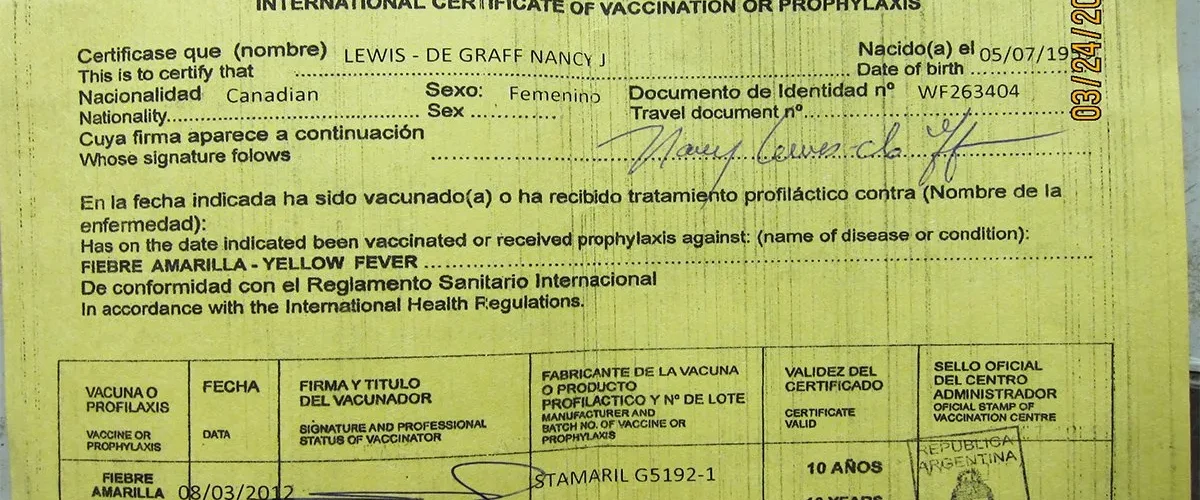
Yellow Fever and Tanzania: Do You Need a Certificate to Enter?

Yellow Fever requirements for Tanzania are straightforward once you understand the logic behind them, but they are also one of the most frequently misunderstood parts of East African travel planning.

The key point is simple: Tanzania does not require Yellow Fever vaccination for every traveller. It only becomes mandatory based on where you are arriving from or transiting through, not your passport nationality.

This distinction matters a lot for safari travellers, especially those combining Tanzania with neighbouring countries or connecting through regional hubs.

Is Yellow Fever a Risk in Tanzania?

Tanzania is not considered a high-risk Yellow Fever transmission country for travellers. In practical travel terms, it is treated as a country with low or no active transmission risk for entry purposes.

Because of this, you are not automatically required to be vaccinated just because you are visiting the Serengeti, Ngorongoro Crater, Zanzibar, or any other tourist destination.

However, Tanzania enforces entry rules to prevent imported cases from higher-risk countries.

When You MUST Show a Yellow Fever Certificate

You are required to present a valid Yellow Fever vaccination certificate if you are arriving from, or have recently travelled through, a country where Yellow Fever transmission is considered a risk.

This applies even if your final destination is Tanzania.

It typically affects travellers who have:
started their journey in a Yellow Fever-risk country
or
transited through such a country before arriving in Tanzania

This is especially relevant for common East African safari routes that combine multiple countries in one trip.

If your itinerary includes regional travel across East Africa or parts of West and Central Africa, you are much more likely to fall under this requirement.

The Transit Rule That Catches Most Travellers

One of the most important but overlooked rules is the transit condition.

If you pass through a Yellow Fever-risk country and remain in transit for more than 12 hours, authorities may treat that as relevant exposure for entry requirements.

This becomes important when using major regional airports for connections, even if you never formally enter the country.

Short airport transits under the threshold usually do not trigger the requirement, but longer layovers may.

When You DO NOT Need the Certificate

You do not need a Yellow Fever vaccination certificate if you are:

Flying directly from non-risk regions such as Europe, North America, most of Asia, or other countries not listed as Yellow Fever endemic
and
You have not transited through a Yellow Fever-risk country in a way that triggers the transit rule

In these cases, travellers are generally cleared without any health documentation checks related to Yellow Fever.

This is the most common situation for first-time safari visitors entering Tanzania directly for a northern circuit itinerary.

What About Safari Itineraries in Tanzania Only?

If your entire trip is within Tanzania, for example:

international arrival → Kilimanjaro International Airport → Serengeti → Ngorongoro → departure

then in most cases, no Yellow Fever certificate is required, provided your flight route does not include risk countries.

This makes purely Tanzanian safari itineraries the simplest scenario from a health documentation perspective.

Zanzibar and Coastal Extensions

Zanzibar follows the same national health entry rules.

If you arrive in Zanzibar directly from mainland Tanzania, no additional Yellow Fever documentation is required.

However, if your route into Zanzibar includes travel from or through a Yellow Fever-risk country, the same certificate requirement applies.

Zanzibar does not operate a separate system—it follows Tanzania’s national regulations.

What Happens If You Don’t Have It When Required

If your travel route requires a certificate and you do not present one, several outcomes are possible depending on the immigration or health officer at the entry point.

You may be:
delayed at immigration for further checks
required to get vaccinated upon arrival in some controlled situations
or, in strict cases, refused entry until compliance is met

While enforcement can vary, relying on discretion is not a safe strategy because final decisions are made at the point of entry.

Why Tanzania Has This Rule

The rule exists for preventive health control rather than because Yellow Fever is widespread inside the country.

Tanzania sits in a region where Yellow Fever exists in neighbouring countries. The certificate requirement is therefore designed to prevent imported cases from entering and spreading.

This is why the rule is based on travel history, not nationality or destination alone.

Practical Reality at Airports

In real-world travel conditions, enforcement is generally consistent but not identical at every arrival scenario.

Travellers arriving directly from non-risk countries usually pass through without being asked for a certificate.

Travellers arriving from regional African routes are more likely to be checked closely, especially if their travel history includes known risk zones.

This is why most travel planners recommend carrying the certificate if there is any uncertainty in your route.

Verdict

You do not automatically need a Yellow Fever vaccination certificate to enter Tanzania.

You only need it if your journey includes a Yellow Fever-risk country or a qualifying transit through one.

For most direct safari travellers entering Tanzania for the Serengeti National Park circuit or coastal destinations like Zanzibar, the requirement does not apply.

However, for multi-country East African safaris or complex flight itineraries, it becomes an essential document and should not be ignored.

The correct approach is not to guess, but to evaluate your exact flight route from start to finish. That determines everything.

Is Tanzania Safe for Tourists in 2026?

Is Tanzania Safe for Tourists in 2026?

Is Tanzania Safe for Tourists in 2026? An Honest Assessment

Tanzania is one of Africa’s most popular safari destinations, home to iconic places like the Serengeti National Park, Ngorongoro Crater, and Zanzibar. It attracts over a million international visitors every year, most of whom experience trouble-free trips.

But “safe” is not a simple yes-or-no answer. The honest assessment is that Tanzania is generally safe for tourists in 2026, especially in safari and beach zones, but it does require basic travel awareness in cities and public spaces.

The Short Answer

For safari travellers and beach holiday visitors, Tanzania is considered safe when using normal precautions and reputable tour operators. Tourism infrastructure is well developed, and national parks operate under controlled systems where crime is extremely rare.

However, in urban areas like Dar es Salaam and parts of Arusha, petty crime and opportunistic theft do exist, which means awareness matters more than fear.

In short: safaris are very safe, cities require standard caution.

Safety in Safari Areas

Inside protected ecosystems such as the Serengeti and Ngorongoro, your environment is structured, guided, and professionally managed.

Once you are inside parks like the Serengeti National Park, safety is primarily about wildlife rules rather than human threats. You are always with trained guides, and movements are controlled.

Crime in safari environments is extremely rare because access is limited and tourism is highly regulated.

The real safety considerations here are:
following guide instructions
staying inside vehicles during game drives
respecting wildlife distances
managing sun exposure and dehydration

In practice, safari safety incidents are very uncommon when standard rules are followed.

City and Travel Hubs: Where Caution Applies

Outside the parks, the situation is different.

In cities like Dar es Salaam and Arusha, petty crime such as pickpocketing or bag snatching can occur, especially in crowded or poorly lit areas. These are not unique to Tanzania, but they are present in most developing urban centres.

Official travel advisories also highlight the need for increased caution in public areas and during night movement due to opportunistic crime risks.

The key point is not to avoid cities entirely, but to behave sensibly:
use trusted taxis or hotel transfers
avoid walking alone at night
keep valuables discreet

Regional Stability and Tourism Safety

Tanzania remains politically stable compared to many other parts of the region. Tourism is one of the country’s most important economic sectors, contributing significantly to employment and national income.

This has led to strong investment in tourism protection systems, especially in major safari routes and coastal destinations.

Well-established tourism zones such as northern safari circuits and Zanzibar operate with consistent visitor monitoring and established safety protocols.

Health and Environmental Safety

Health is an important part of “safety” in Tanzania.

Malaria is present in many regions, so preventive medication is commonly recommended depending on your travel plan. Tap water is not considered safe for drinking, and bottled or filtered water is standard in lodges and camps.

In safari environments, sun exposure and dehydration are more common issues than security concerns.

Medical facilities are more advanced in major cities, while remote safari areas rely on evacuation procedures if needed, which is why travel insurance with medical cover is essential.

Zanzibar and Coastal Safety

Zanzibar is generally considered safe for tourists and is one of East Africa’s most visited beach destinations.

However, petty theft and beach vendor pressure can occur in busy tourist zones, so normal caution applies. Most resorts operate in secure environments, and organised excursions are very safe when booked through trusted operators.

Terrorism and Border Considerations

Some travel advisories mention risks in specific border regions, particularly near Mozambique. These areas are far from standard tourist routes and are not part of typical safari itineraries.

Most travellers never come close to these zones, as safari circuits and beach destinations are located in stable tourism regions.

Who Should Be Most Aware

Tanzania is not a high-risk destination for tourists, but certain groups should be more mindful:
solo travellers in cities at night
first-time travellers unfamiliar with African urban environments
travellers carrying visible valuables in public spaces

For safari-only travellers, the experience is generally very controlled and low-risk.

The Real Risk vs Perception Gap

A major misunderstanding comes from online travel advisories, which often group entire countries into single safety levels.

While advisories may recommend caution due to crime in certain areas, they also confirm that tourist zones like national parks and safari circuits remain operational and widely visited without major issues.

This creates a gap between perception and actual travel experience on the ground.

Verdict

Tanzania in 2026 is safe for tourists, especially for safari and beach travel, when standard precautions are followed.

Inside the Serengeti National Park and other protected wildlife areas, safety is highly structured and professionally managed. In cities, awareness and basic caution are enough to avoid most risks.

The reality is simple: Tanzania is not a risk-free destination, but it is a well-established, stable, and heavily visited safari country where millions of travellers visit safely every year.

If you understand the difference between safari environments and urban environments, Tanzania is not just safe—it is one of Africa’s most rewarding travel experiences.

Tanzania Visa on Arrival vs eVisa

Tanzania Visa on Arrival vs eVisa

Tanzania Visa on Arrival vs eVisa: Which to Get and How to Apply in 2026

If you are planning a safari in Tanzania, your visa choice is not a small detail—it directly affects your arrival experience at airports like Kilimanjaro International Airport or Julius Nyerere International Airport. Both the Visa on Arrival and the eVisa are valid entry options, but they create very different travel experiences in terms of speed, predictability, and stress at immigration.

The honest answer is simple: both work, but one is more reliable for planned safari travel.

What is the Tanzania eVisa?

The eVisa is an online travel authorization you apply for before you travel. You submit your passport details, upload documents, pay online, and receive approval by email before departure.

It is designed to remove uncertainty from arrival. Once approved, you arrive in Tanzania with your visa already confirmed, and immigration simply verifies and stamps your entry.

For most safari travellers heading into the Serengeti National Park ecosystem, this is the most structured option.

What is the Visa on Arrival?

The Visa on Arrival is issued directly at Tanzanian entry points when you land.

You fill out forms at the airport, queue at immigration, pay in USD cash, and receive the visa on the spot.

It is legal, widely used, and still fully operational at major entry points like Kilimanjaro and Dar es Salaam.

However, it depends entirely on airport conditions at the time you arrive.

Key Differences Between eVisa and Visa on Arrival

The core differences are not about eligibility—they are about predictability.

The eVisa gives you certainty before travel. The Visa on Arrival gives you flexibility at the cost of time and potential delays.

In practice, this is what changes:

With eVisa, you clear immigration faster and avoid uncertainty at the airport. With Visa on Arrival, you may face queues, document checks, and payment processing before entry is granted.

Processing and Timing

The eVisa is processed before you travel, typically within a few days to around a week depending on volume.

Visa on Arrival is processed at the airport in real time. That means your “processing time” is the queue in front of immigration, which can range from quick to over an hour depending on flight arrivals and season.

This difference matters most after long international flights, when energy levels are low and delays feel longer.

Payment Differences

The eVisa is paid online in advance using card or approved payment methods.

Visa on Arrival requires payment at the airport, usually in USD cash.

This creates a practical issue: travellers must carry correct currency and sometimes face pressure at arrival if payment systems or ATM access are limited.

Reliability and Risk Factor

This is where the real difference becomes clear.

The eVisa reduces uncertainty because approval is granted before you travel. You are not depending on airport systems or queue conditions.

Visa on Arrival is still legitimate, but it introduces variability. During peak safari months, immigration queues can become long and processing slower due to high passenger volume.

This is why many travel operators strongly recommend the eVisa for planned safaris.

When Visa on Arrival Still Makes Sense

Visa on Arrival is useful in specific situations:

If you are traveling last minute without time for eVisa processing
If you are comfortable with airport procedures and queues
If your itinerary is flexible and not tightly scheduled

It is still a valid option and widely used by travellers entering Tanzania without pre-approval.

When eVisa Is the Better Choice

The eVisa is the stronger option for most safari travellers, especially if your itinerary includes time-sensitive transfers into the Serengeti system.

It is ideal when:
you are flying into Tanzania for a fixed safari itinerary
you want faster airport clearance
you are connecting directly to domestic bush flights
you want to avoid immigration uncertainty after long-haul travel

It is particularly useful for first-time safari travellers who are unfamiliar with East African airport processes.

Airport Experience Difference

At major entry points like Kilimanjaro, the difference becomes very visible.

With an eVisa, you move directly to verification and stamping.

With Visa on Arrival, you must first complete paperwork, join the visa queue, process payment, and then proceed to immigration.

Both lead to the same outcome, but the experience is different in terms of time, comfort, and stress level.

The Most Important Practical Reality

Both visa types are valid. Both are accepted.

The real decision is not about legality—it is about control.

The eVisa gives you control before departure. The Visa on Arrival gives you control at arrival.

In safari planning, control before arrival usually translates into a smoother itinerary once you enter Tanzania.

Insight

For most travellers heading into Tanzania’s northern safari circuit and the Serengeti National Park ecosystem, the eVisa is the more efficient and predictable choice.

Visa on Arrival still works and remains available at major entry points, but it introduces variability at the exact moment you are least prepared for it—after a long international flight.

So the honest conclusion is this: both options are valid, but the eVisa is the more structured, safer, and smoother way to enter Tanzania in 2026, especially if your trip is built around a fixed safari itinerary.