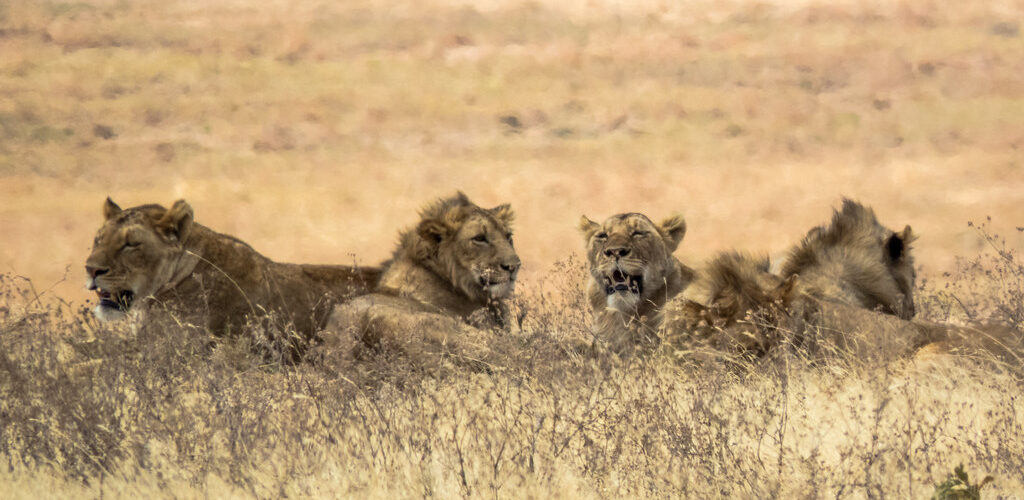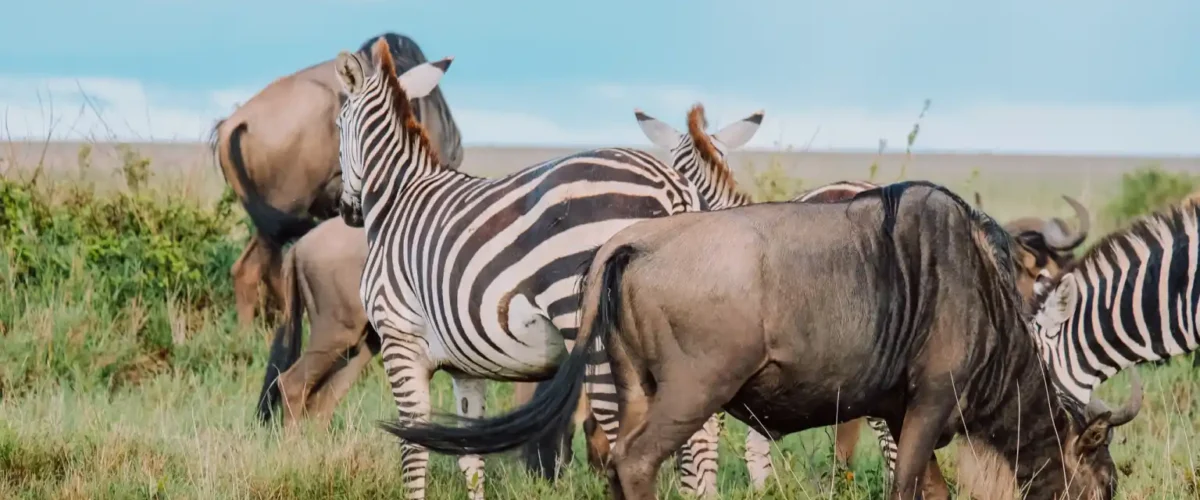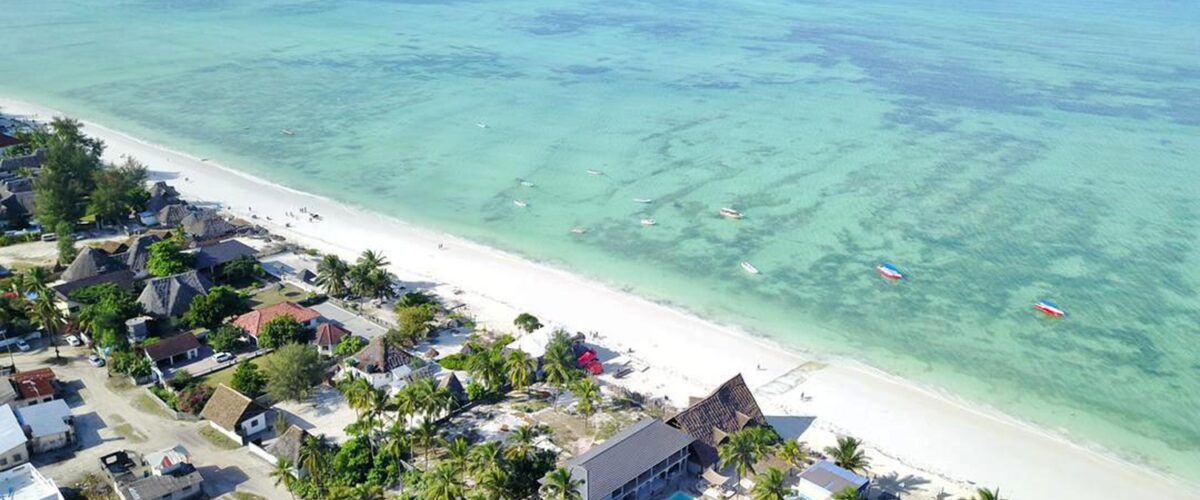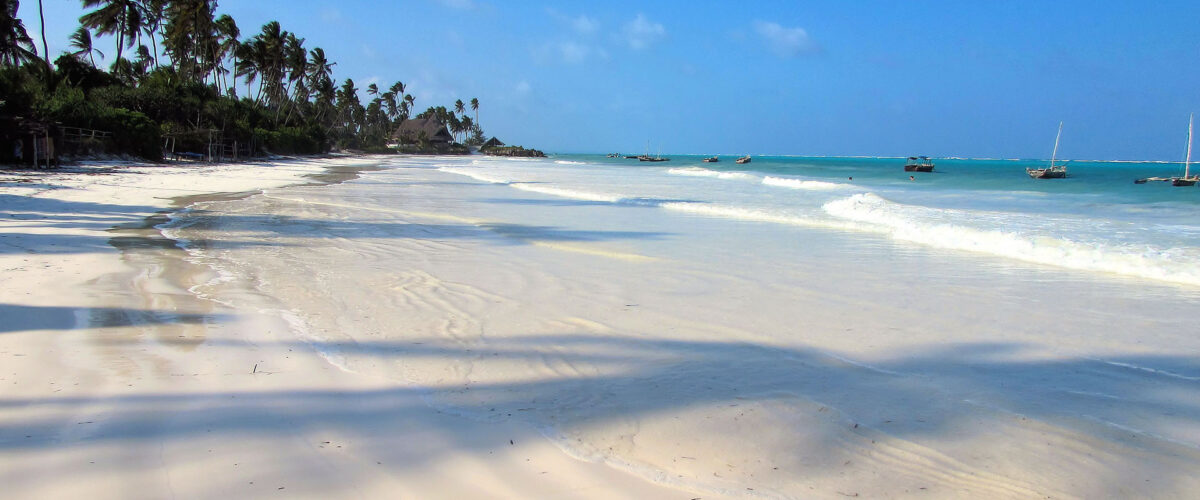
A first Tanzania safari is not just about where you go—it is about how you structure time,

First-Time Tanzania Safari

First-Time Tanzania Safari: The Planning Mistakes Most Travellers Make

Planning a first safari in Tanzania looks simple on the surface—pick a park, book a lodge, fly in, and go game driving. In reality, small planning decisions have a major impact on what you actually experience in the field.

Most first-time travellers don’t ruin their safari—but they limit it without realizing it. The difference between an average trip and an exceptional one usually comes down to a few avoidable mistakes in routing, timing, expectations, and logistics.

Here are the most common planning errors and how to avoid them.

Treating Tanzania as One Uniform Safari Experience

One of the biggest mistakes is assuming all safari regions in Tanzania are similar.

In reality, the experience changes dramatically between ecosystems like the Serengeti National Park, the Ngorongoro Crater, and southern parks such as Ruaha or Nyerere.

The Serengeti is vast and open, built around migration systems and predator-prey interactions across plains. Ngorongoro is a compact, high-density crater with concentrated wildlife. Southern parks are remote, low-traffic wilderness areas with fewer vehicles and a slower rhythm.

When travellers treat all parks as interchangeable, they often end up with repetitive experiences instead of complementary ones.

Overpacking Too Many Parks Into Too Few Days

Another common mistake is trying to “see everything” in a short itinerary.

First-time visitors often combine too many destinations into a 5–7 day trip, which results in constant movement and very little time actually in the field.

Safari is not a checklist activity. Wildlife viewing depends on time, patience, and repeated exposure to the same ecosystem.

Short stays force travellers into rushed game drives and increase time spent in transit rather than in wildlife areas.

A better approach is fewer parks, longer stays, and deeper exploration within each region.

Misunderstanding Distances and Travel Time

On a map, Tanzania looks compact. In reality, travel times between parks are significant.

Driving from Arusha to the Serengeti, or between multiple northern parks, can take many hours depending on route and conditions. Even short-seeming distances can involve full-day transfers.

First-time travellers often underestimate this and end up with itineraries that are physically exhausting and logistically tight.

Understanding that safari travel is slow by nature helps set realistic expectations and improves overall experience quality.

Ignoring Seasonal Wildlife Movement

Wildlife in Tanzania is not static. It moves.

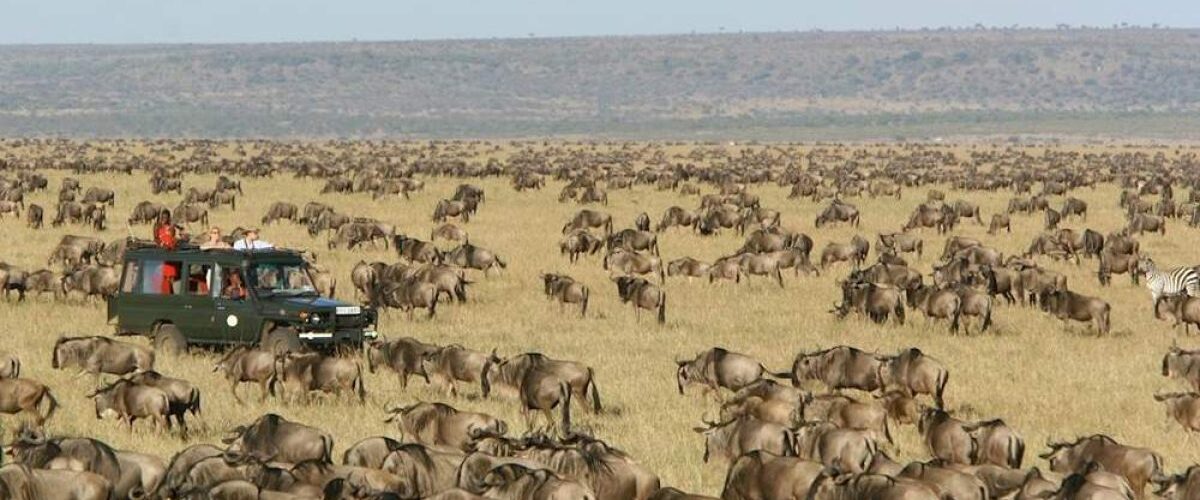
The Great Migration, in particular, shifts across the Serengeti ecosystem throughout the year. Choosing the wrong timing can mean missing major wildlife concentrations.

For example, planning a northern Serengeti itinerary expecting dense herds or river crossings at the wrong time of year can lead to disappointment.

Seasonality also affects vegetation density, predator visibility, and road conditions. First-time travellers who ignore this often misalign their expectations with reality.

Focusing Only on the Big Five

Many first-time safari plans are built around the idea of “checking off” the Big Five.

While seeing species like lions, elephants, and buffalo is highly likely in most northern circuits, focusing solely on this list can lead to a shallow understanding of the ecosystem.

Tanzania offers far more than the Big Five, including cheetahs, wild dogs, migration dynamics, birdlife, and complex predator interactions.

Over-fixation on checklist viewing often results in missed opportunities for more interesting behavioural sightings.

Choosing the Wrong Type of Accommodation

Accommodation selection has a major impact on safari quality, yet it is often treated as secondary.

Location matters more than luxury level. A well-placed camp inside or near key wildlife zones will outperform a more luxurious lodge located far from activity areas.

Some travellers choose accommodation based purely on comfort or price, without considering positioning within the ecosystem. This can result in long daily transfers to reach game drive areas.

In contrast, strategically located camps reduce travel time and increase time in wildlife zones.

Underestimating the Value of Time in Each Park

Wildlife viewing improves with time, not speed.

Spending two nights in a location often means only one full day of game drives, which is not enough to understand animal movement patterns.

Wildlife sightings are unpredictable. Staying longer in one area significantly increases the probability of seeing rare or interesting behaviour.

First-time travellers often move too quickly, missing the depth that comes from repeated exposure to the same environment.

Expecting Constant Action

Another major misconception is expecting continuous wildlife action throughout the day.

Safari is a rhythm-based experience. There are periods of high activity and long stretches of observation, movement, or waiting.

Animals do not perform on demand. They follow natural behavioural cycles influenced by temperature, hunting patterns, and social structure.

Travellers who expect constant sightings often feel disappointed, even when overall wildlife density is high.

Overlooking Southern Tanzania Entirely

Most first-time itineraries focus exclusively on the northern circuit and ignore southern parks such as Ruaha and Nyerere.

While the north is excellent for classic safari experiences, the south offers a completely different dynamic: fewer vehicles, larger wilderness areas, and more remote-feeling game drives.

By excluding the south entirely, travellers miss the opportunity to experience Tanzania’s quieter and more exclusive ecosystems.

Even a short addition of southern parks can significantly change the character of a trip.

Not Aligning Expectations With Safari Style

Tanzania offers different safari styles, but first-time travellers often assume there is only one standard experience.

Some safaris are fast-paced and highlight-driven. Others are slow, immersive, and focused on behaviour and ecology.

Without clarifying expectations early, travellers may end up on an itinerary that does not match their preferred travel style.

Understanding whether you want intensity, exclusivity, comfort, or exploration is essential before building the route.

Insight

A first Tanzania safari is not just about where you go—it is about how you structure time, space, and movement across ecosystems.

The most common mistakes are not dramatic errors, but subtle planning decisions that reduce depth: too many parks, too little time, poor seasonal alignment, and unrealistic expectations about wildlife behaviour.

A well-designed itinerary does the opposite. It slows the experience down, matches timing with ecosystems, and allows each region—whether it is the Serengeti plains or Ngorongoro crater floor—to be experienced properly.

When these factors are aligned, a first safari in Tanzania becomes not just a trip, but a coherent and memorable wildlife journey.
Northern Circuit vs Southern Circuit in Tanzania

Northern Circuit vs Southern Circuit in Tanzania

Northern Circuit vs Southern Circuit in Tanzania: Which Safari Route Is Right for You?

Tanzania offers two fundamentally different safari experiences, and choosing between them is one of the most important decisions in planning your trip. The northern circuit is famous, structured, and wildlife-dense. The southern circuit is remote, expansive, and far less visited. Both deliver exceptional safaris, but they cater to very different travel styles.

Understanding the contrast between the two will determine not just what animals you see, but how your safari actually feels.

The Northern Circuit: Classic, Iconic, and High-Density Wildlife

The northern circuit is the most established safari route in Tanzania. It typically includes the Serengeti National Park, the Ngorongoro Crater, and often additional parks such as Tarangire and Lake Manyara.

This region is designed for classic safari experiences. It is where most first-time visitors go because it offers reliable wildlife viewing, well-developed infrastructure, and a high concentration of iconic species.

The Serengeti is the centrepiece of this circuit. It supports large populations of lions, cheetahs, elephants, and other plains game, along with the world-famous Great Migration. Wildlife density is high, and sightings are frequent, especially in central and southern plains.

Ngorongoro adds another layer by offering one of the highest wildlife densities in Africa within a confined volcanic crater. This makes it one of the most reliable places to see the Big Five in a short period of time.

The northern circuit is also highly structured logistically. Distances between parks are relatively manageable, accommodation options are extensive, and safari routes are well established.

However, this popularity comes with trade-offs. Certain areas can become busy, especially during peak migration periods or around high-demand viewpoints. Vehicle density at sightings is generally higher than in southern Tanzania.

The Southern Circuit: Remote, Wild, and Low-Traffic

The southern circuit is defined by scale and isolation. It includes major parks such as Nyerere National Park and Ruaha National Park.

Unlike the northern circuit, this region is not built around high visitor volume. Instead, it offers vast wilderness areas with very low tourist density. You are more likely to spend long stretches of game drive without seeing another vehicle.

Ruaha is one of Africa’s largest national parks, characterised by rugged terrain, baobab-studded landscapes, and a strong predator presence. Lion populations are particularly notable, and wild dogs are among the most significant in East Africa.

Nyerere, formerly part of the Selous ecosystem, is equally expansive but defined by river systems and floodplains. Boat safaris on the Rufiji River add an entirely different dimension to wildlife viewing, alongside traditional game drives.

The southern circuit feels more exploratory and less structured. Distances are larger, infrastructure is more limited, and safari rhythms are slower.

The reward is space. You are not sharing sightings with multiple vehicles, and wildlife encounters often feel more private and uninterrupted.

Wildlife Density vs Wilderness Experience

One of the key differences between the two circuits is how wildlife is distributed.

The northern circuit offers higher visible wildlife density. In places like the Serengeti and Ngorongoro, animals are easier to locate due to ecosystem concentration and established safari routes. This makes it ideal for travellers who want frequent sightings and predictable game viewing.

The southern circuit, by contrast, spreads wildlife across larger territories. You may not see animals as frequently, but when you do, the experience often feels more immersive because of the absence of crowds.

In simple terms, the north delivers quantity and consistency, while the south delivers space and exclusivity.

Predator Viewing: Serengeti vs Ruaha and Nyerere

Predator dynamics differ significantly between the two regions.

In the Serengeti, predator viewing is highly reliable. Lions are frequently encountered, cheetahs are relatively common in open plains, and leopards are present in wooded areas. The ecosystem supports high predator visibility due to prey abundance.

In the southern circuit, predator encounters are less concentrated but often more exclusive. Ruaha, in particular, is known for strong lion populations and one of the most significant wild dog populations in Africa. Nyerere also supports diverse predator species, but sightings are more spread out due to the size of the ecosystem.

The difference is not presence, but accessibility. In the north, predators are easier to find. In the south, they feel more remote.

Landscape and Atmosphere Differences

The northern circuit is visually iconic. The Serengeti’s open plains, acacia woodlands, and seasonal migrations create classic safari imagery. Ngorongoro adds dramatic volcanic scenery and enclosed crater landscapes.

The southern circuit feels more rugged and less curated. Ruaha is characterised by baobab forests, rocky escarpments, and dry riverbeds. Nyerere combines river systems, floodplains, and woodland mosaics.

This difference affects the overall atmosphere of the safari. The north feels cinematic and familiar. The south feels raw and less predictable.

Accessibility and Logistics

The northern circuit is significantly easier to access. Flights connect efficiently to Kilimanjaro International Airport and Arusha, and road transfers between parks are well established.

The southern circuit requires more planning. Access is primarily by domestic flights into airstrips near Ruaha and Nyerere. Distances between camps are larger, and itineraries are less flexible.

This does not make the south difficult, but it does make it less convenient for short itineraries.

Crowds and Safari Privacy

Crowd levels are one of the most noticeable differences.

The northern circuit, particularly the Serengeti during peak season, can have multiple vehicles at popular sightings. Ngorongoro Crater also concentrates visitors due to its limited size.

In contrast, the southern circuit offers significantly more privacy. In both Ruaha and Nyerere, it is common to experience game drives without encountering other safari vehicles for long periods.

For travellers prioritising exclusivity, this difference is often decisive.

Cost Differences Between North and South

Costs vary depending on accommodation style and season, but the southern circuit is often perceived as more premium due to remoteness.

The northern circuit offers a wider range of pricing, from mid-range to ultra-luxury, due to its developed infrastructure and high volume of lodges.

The southern circuit has fewer properties overall, and many are positioned in remote, low-density areas, which can increase operational costs.

However, value depends on perspective. The north offers efficiency and accessibility. The south offers exclusivity and space.

Who Should Choose the Northern Circuit

The northern circuit is best suited for travellers who want:
Reliable and frequent wildlife sightings
The Great Migration experience
Efficient travel routes between parks
A classic first-time safari experience

It is particularly strong for first-time visitors to Africa who want a structured and high-density safari.

Who Should Choose the Southern Circuit

The southern circuit is ideal for travellers who want:
Fewer tourists and greater privacy
Remote and immersive wilderness experiences
More time in less crowded ecosystems
A slower and more exploratory safari style

It is especially appealing to repeat safari travellers or those seeking a more exclusive atmosphere.

Insight

The choice between northern and southern Tanzania is not about which is better—it is about which experience you want.

The northern circuit delivers iconic wildlife moments, high-density sightings, and structured safari routes. The southern circuit delivers space, solitude, and a more immersive wilderness feel.

In many cases, the most balanced safaris combine both. The north provides the highlights, while the south provides the depth.

Understanding this distinction ensures your safari is not just about where you go, but about how you experience Tanzania as a whole.

How to Plan a Tanzania Safari Without Seeing Another Tourist

How to Plan a Tanzania Safari Without Seeing Another Tourist

How to Plan a Tanzania Safari Without Seeing Another Tourist: The Exclusive Circuit

A Tanzania safari does not have to mean queues of vehicles at sightings, crowded viewpoints, or competing for space around wildlife. While the northern circuit is famous and well-developed, it also concentrates most of the traffic. If your goal is privacy, space, and a more exclusive wilderness experience, you need to think differently about routing, timing, and park selection.

The key is not avoiding Tanzania—it is choosing the right parts of Tanzania.

The most effective strategy is combining remote parks like Ruaha National Park and Nyerere National Park with carefully timed visits to more popular ecosystems such as the Serengeti National Park during lower-density periods or less-visited sectors.

This is what creates a true “exclusive circuit.”

Understanding Why Crowds Form in Tanzania Safaris

Most safari congestion in Tanzania is not random. It is concentrated in a few predictable areas.

The northern circuit attracts the majority of travellers because it offers classic safari icons in a compact route: Serengeti, Ngorongoro Crater, and nearby parks. This combination is logistically efficient, which is exactly why it becomes busy.

Within these areas, crowds tend to form around:

  • High-density predator sightings
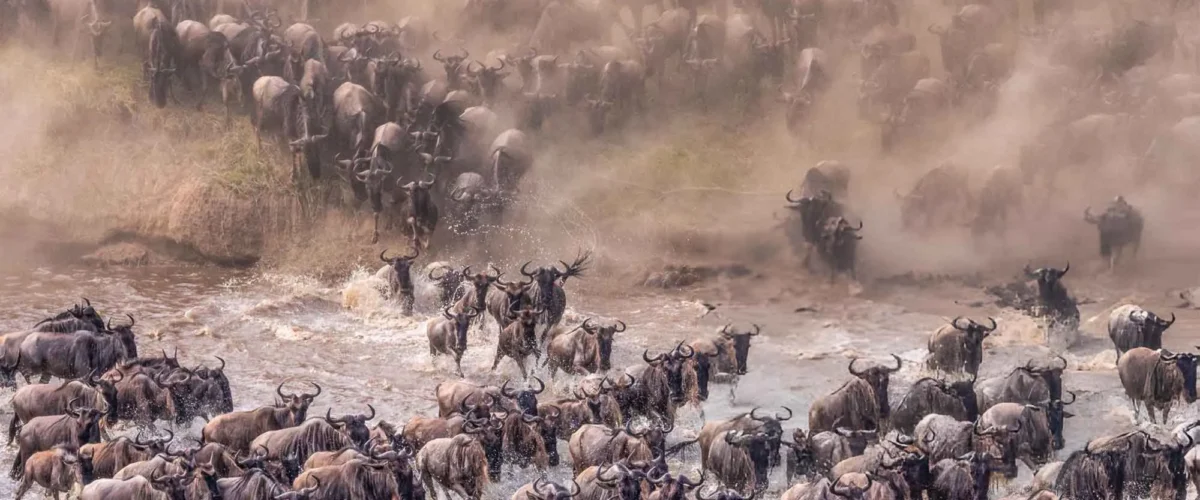
  • Migration river crossings
  • Crater floor game loops in Ngorongoro

The issue is not the country itself, but overlapping visitor patterns in the same locations at the same time.

Avoiding this requires shifting both geography and timing.

The First Principle: Go South or West for Space

If exclusivity is your priority, the biggest decision is moving away from the northern circuit entirely or reducing time spent there.

Southern Tanzania offers a completely different safari environment. Parks like Ruaha and Nyerere are vast, remote, and significantly less visited. In these ecosystems, you can drive for long periods without encountering another safari vehicle.

In Ruaha National Park, the landscape is rugged and expansive, with wildlife spread across large territories. The result is a safari experience defined by space rather than density.

In Nyerere National Park, river systems and floodplains create a different kind of isolation. Boat safaris and game drives often take place without seeing other visitors for hours or even days.

These two parks form the backbone of a low-crowd safari circuit.

The Second Principle: Avoid Peak Migration Pressure Points

The Serengeti is not always crowded—but certain zones and seasons are heavily visited.

The most congested periods typically occur around river crossings in the northern Serengeti and during peak migration movement windows when large numbers of operators converge in the same locations.

If you still want to include the Serengeti in an exclusive itinerary, the strategy is simple: avoid peak crossing zones or choose less-visited sectors.

The central Serengeti can offer a more balanced experience, especially outside peak migration pressure. While still popular, it is large enough to distribute vehicles more effectively than narrow river crossing corridors.

The Third Principle: Time Your Safari Away From Peak Season

Seasonality plays a major role in crowd levels.

The dry season, especially mid-year months, tends to attract the highest number of visitors because wildlife visibility is at its peak and migration events are most predictable.

The green season, by contrast, offers a naturally quieter experience. Fewer travellers, lower lodge occupancy, and more dispersed wildlife all contribute to reduced congestion.

Travel during shoulder or green periods does not reduce wildlife quality—it changes the experience to one of space and solitude.

The Fourth Principle: Choose Private or Low-Density Concessions

Within and around major parks, private concessions and low-density areas can dramatically change your safari experience.

These areas limit the number of vehicles allowed and often provide more flexible guiding rules. The result is more time at sightings and fewer interruptions from other vehicles.

While Tanzania has fewer private concession-style areas compared to countries like Kenya, certain regions and lodges still offer semi-exclusive access models, especially in southern circuits and remote parts of the Serengeti ecosystem.

The Fifth Principle: Stay Longer in Fewer Places

A major mistake that creates unnecessary exposure to other tourists is trying to cover too much ground in too little time.

Short stays force travellers into the same high-density areas at the same times as everyone else. Longer stays allow guides to move away from pressure zones and explore quieter regions.

For example, instead of one or two nights in multiple parks, a more exclusive itinerary might include:

  • Several nights in Ruaha or Nyerere
  • Extended time in a single Serengeti sector
  • Reduced movement between lodges

This approach reduces overlap with peak vehicle clusters.

The Serengeti Reality: Exclusivity Exists, But Not Everywhere

The Serengeti National Park cannot be described as “empty,” but it is often misunderstood.

It is vast enough that exclusivity is possible, but only if you avoid predictable bottlenecks. Certain areas, especially near major migration events or central lodge hubs, will always have more vehicles.

However, in less-visited corners or during lower-density periods, it is entirely possible to experience long stretches of game drives with minimal or no other vehicles in sight.

The difference is not the park—it is where and when inside the park you are located.

Ngorongoro: High Density, Low Flexibility

The Ngorongoro Crater is one of the most wildlife-rich areas in Africa, but it is not compatible with a low-tourist safari strategy.

The crater floor is small, and all vehicles follow similar loops. This naturally creates concentration around key sightings.

If exclusivity is a priority, Ngorongoro is the least flexible part of the northern circuit and should either be visited briefly or replaced with more remote ecosystems.

The Ideal “Exclusive Circuit” Structure

A well-designed low-crowd itinerary typically shifts the geographic balance of the country.

Instead of focusing on the northern triangle alone, the structure prioritizes:
Southern parks for isolation and space
Selective northern exposure for iconic wildlife
Longer stays in fewer locations
Strategic seasonal timing

This combination creates a safari that feels private without sacrificing wildlife quality.

What True Exclusivity Actually Feels Like

An exclusive safari in Tanzania is not about luxury lodges alone. It is about environmental silence.

It means:

  • Not sharing sightings with multiple vehicles
  • Spending extended time alone with wildlife
  • Driving for long periods without encountering other safari traffic
  • Experiencing natural soundscapes without engine noise

This is most consistently achieved in southern Tanzania, not in heavily visited northern circuits.

 Insight

Avoiding tourist crowds in Tanzania is not about avoiding the country—it is about understanding its structure.

The northern circuit offers density, predictability, and iconic experiences, but it also concentrates visitors. The southern and western regions offer space, privacy, and slower safari rhythms.

The most exclusive safaris are not the ones that try to see everything. They are the ones that choose where not to go just as carefully as where to go.

When planned correctly, Tanzania can shift from a high-traffic safari destination into one of Africa’s most private and immersive wilderness experiences.

Tanzania and Rwanda Combined Safari

Tanzania and Rwanda Combined Safari

Tanzania and Rwanda Combined Safari: Serengeti and Gorillas in One Trip

A combined safari through Tanzania and Rwanda is one of East Africa’s most powerful wildlife itineraries because it connects two completely different ecosystems in a single journey. On one side, you have the vast open plains of the Serengeti National Park, defined by endless savannah, predator action, and the Great Migration. On the other side, you have the misty volcanic forests of the Volcanoes National Park, home to mountain gorillas living in dense, steep jungle.

This is not a standard safari loop. It is a two-biome experience: open savannah predators versus forest primates. The contrast is exactly what makes it exceptional.

Why This Combination Works So Well

Tanzania and Rwanda are geographically close enough to connect efficiently by air, yet ecologically completely different. This means you are not repeating safari experiences—you are expanding them.

In Tanzania, especially in the Serengeti, the focus is on large-scale wildlife dynamics: lions hunting in open plains, cheetahs sprinting across grasslands, and massive herbivore migrations shaping the landscape.

In Rwanda, the experience becomes intimate and physical. Instead of viewing animals from a vehicle, you trek on foot through dense forest to spend time with habituated gorilla families.

The combination works because it balances scale with intimacy.

Tanzania Segment: The Serengeti Experience

The Tanzania portion typically revolves around the Serengeti ecosystem, often combined with the Ngorongoro Conservation Area and sometimes Tarangire.

The highlight is the Serengeti itself, where wildlife density and predator interaction are among the highest in Africa. Depending on the season, you may witness the Great Migration or resident predator dynamics.

Game drives in the Serengeti are structured around long viewing sessions across open terrain. Visibility is excellent, and sightings often involve multiple species interacting within the same landscape.

This part of the trip sets the tone: wide horizons, continuous wildlife movement, and large-scale ecological patterns.

Rwanda Segment: Gorilla Trekking in Volcanoes National Park

The Rwanda portion is centred on gorilla trekking in Volcanoes National Park, one of the few places on Earth where mountain gorillas can be seen in the wild.

Unlike Tanzania, this experience is not vehicle-based. It involves guided hiking through steep, forested volcanic slopes in search of a specific gorilla family.

Once located, you spend a strictly limited amount of time observing them at close range.

The experience is physically demanding but deeply immersive. The focus shifts from watching wildlife at a distance to sharing space with them in dense forest habitat.

This contrast is what makes the combination so powerful.

How the Logistics Work Between Tanzania and Rwanda

The most practical way to connect the two countries is by air.

Most itineraries begin in Tanzania, typically flying into the northern circuit via Kilimanjaro International Airport or Arusha, followed by safari time in the Serengeti.

After completing the Tanzania safari, travellers fly to Kigali in Rwanda, which is the main entry point for gorilla trekking.

From Kigali, Volcanoes National Park is approximately a two to three-hour drive, making it one of the most accessible gorilla trekking destinations in Africa.

This routing avoids unnecessary backtracking and keeps travel efficient.

Why Starting in Tanzania Makes More Sense

Most well-designed itineraries start in Tanzania for a simple reason: safari fatigue and experience progression.

The Serengeti involves long game drives, early mornings, and high-volume wildlife viewing. It is visually intense and physically light but logistically expansive.

Gorilla trekking, by contrast, is physically demanding but emotionally focused and shorter in duration.

By starting in Tanzania, you experience the high-energy, high-volume wildlife phase first. Then you transition into the slower, more intimate forest experience in Rwanda.

This creates a natural narrative flow.

Timing the Serengeti and Gorilla Trekking

Timing plays an important role in how smooth the combination feels.

The Serengeti experience varies depending on migration movement, particularly in regions like northern and southern plains. However, resident wildlife ensures year-round safari quality even outside peak migration periods.

Gorilla trekking in Rwanda is available year-round, but weather conditions affect hiking difficulty. Drier months generally make trekking easier, while wetter months increase forest density and trail difficulty.

Because both destinations operate year-round, the combination is flexible. It is less about strict seasonal alignment and more about personal preference.

What Makes This Combination Unique

What sets this itinerary apart is the ecological contrast.

In Tanzania, you are observing predators and prey in open systems where visibility extends for kilometres. You watch behaviour unfold across landscapes.

In Rwanda, visibility drops to meters rather than kilometres. The experience becomes about presence rather than distance.

This shift changes the psychological experience of safari travel. You move from observation to immersion.

Few travel routes in Africa offer such a clear transition between ecosystems.

Travel Flow and Itinerary Structure

A typical combined itinerary is structured in two phases.

The first phase is Tanzania, usually 5 to 8 days depending on whether the itinerary includes multiple parks or focuses solely on the Serengeti.

The second phase is Rwanda, usually 2 to 4 days centred around arrival in Kigali and gorilla trekking in Volcanoes National Park.

This structure ensures that the more logistically complex safari portion is completed first, followed by the shorter, focused trekking experience.

Who This Safari Is Best For

This combination is best suited for travellers who want more than a standard safari.

It appeals to those who value:

  • High diversity of wildlife experiences
  • Both vehicle-based and on-foot encounters
  • A deeper ecological contrast between ecosystems

It is particularly strong for repeat safari travellers who have already experienced East African savannahs and want something more varied.

Physical and Practical Considerations

The Tanzania portion is physically light but time-intensive, involving early morning and full-day game drives.

The Rwanda portion is physically demanding due to altitude and hiking conditions. Gorilla trekking requires a moderate to high level of fitness, depending on the location of the assigned gorilla family.

Permits for gorilla trekking are limited and must be secured in advance, making planning essential.

Cost and Value Perspective

This combination sits in a higher budget category due to the inclusion of gorilla trekking permits and multi-country flights.

However, the value comes from diversity rather than repetition. Instead of extending a single safari style, you are combining two of Africa’s most iconic wildlife experiences in one itinerary.

Insight

A Tanzania and Rwanda combined safari is not simply about seeing more wildlife. It is about experiencing two fundamentally different ways of encountering nature.

In the Serengeti, you observe scale, movement, and predator dynamics across vast landscapes. In Volcanoes National Park, you experience proximity, silence, and direct presence with mountain gorillas.

When structured correctly, the transition between these two environments feels intentional and seamless.

The result is a journey that moves from open plains to volcanic forests, from distance to intimacy, and from observation to immersion—creating one of the most complete wildlife experiences available in Africa.

Tanzania and Kenya Combined Safari

Tanzania and Kenya Combined Safari

Tanzania and Kenya Combined Safari: The Ultimate East Africa Itinerary

A combined safari through Tanzania and Kenya is widely considered the most complete wildlife journey in Africa. It connects two of the continent’s most iconic ecosystems: the vast plains of the Serengeti National Park and the equally famous savannahs of the Maasai Mara National Reserve. When structured correctly, this itinerary is not just about seeing animals in two countries—it is about following the same ecological system across a political border and experiencing it in different stages.

This is where the real value lies. You are not switching destinations. You are following a continuous wildlife migration corridor across East Africa.

Why Combine Tanzania and Kenya in One Safari

The main reason travellers choose a combined itinerary is simple: variation within the same ecosystem.

The Serengeti and Maasai Mara are essentially one connected system. Wildlife does not recognize borders. The Great Migration moves between these two regions depending on rainfall and seasonal patterns.

By combining both countries, you get:

  • Different perspectives of the same migration cycle
  • Variation in landscape density and terrain
  • Different safari styles and conservancy models
  • A more complete understanding of predator-prey dynamics

In Tanzania, you experience scale. In Kenya, you often experience concentration.

The Core Route Structure (How the Journey Actually Works)

A well-designed combined safari is not random travel between parks. It follows a logical movement pattern based on geography and wildlife timing.

Most itineraries begin in northern Tanzania because it offers the widest range of safari environments in a relatively structured circuit.

Travellers typically move through the Serengeti, sometimes including the Ngorongoro highlands, before crossing into Kenya’s Maasai Mara via the northern border.

From there, the safari can either end in Nairobi or continue into other Kenyan parks such as Amboseli or Lake Naivasha, depending on duration.

The structure is important because it follows wildlife movement rather than administrative boundaries.

Tanzania Phase: Scale, Diversity, and Migration Foundation

The Tanzania segment is usually the longer and more expansive part of the journey.

In the Serengeti, you experience vast open plains where wildlife is spread across large territories. This is where the Great Migration forms its massive herds, especially during calving and movement phases.

The ecosystem here is less compressed, meaning sightings often require more exploration. You are not just watching animals—you are tracking patterns across distance.

The Ngorongoro Crater adds a contrasting experience. Instead of open plains, you enter a contained volcanic caldera where wildlife density is extremely high. It is one of the few places in Africa where you can see a large variety of species within a short driving radius.

Together, these areas create a foundation for the safari experience: scale followed by concentration.

Crossing Into Kenya: The Shift in Safari Style

Once you move into Kenya and enter the Maasai Mara National Reserve, the experience changes subtly but noticeably.

The landscape becomes more rolling and compact compared to the vast openness of the Serengeti. Wildlife sightings often feel closer and more frequent due to the terrain and vegetation patterns.

Another important difference is safari structure. Kenya has a strong network of private conservancies surrounding the main reserve. These conservancies often limit vehicle numbers, allow off-road driving in designated areas, and offer more flexible safari rules compared to national reserves.

This creates a more controlled and intimate safari experience.

The Great Migration Across Two Countries

The most powerful reason to combine Tanzania and Kenya is the Great Migration.

This is not a single event but a continuous movement of wildebeest, zebras, and gazelles across the Serengeti-Mara ecosystem.

In Tanzania, you often witness:

  • Calving season in the southern plains
  • Large herd movement across central Serengeti
  • River crossings in northern regions depending on timing

In Kenya, the focus shifts to:

  • Mara River crossings (when herds enter or exit the Mara)
  • Predator action in concentrated areas
  • Herd staging and grazing in open plains

By combining both countries, you increase your chances of seeing different phases of the same migration cycle rather than relying on one location.

Ideal Duration for a Combined Safari

A combined itinerary requires more time than a single-country safari because you are crossing borders and covering multiple ecosystems.

Short versions tend to feel rushed and may limit the depth of experience. Medium and longer itineraries allow the ecosystem transitions to feel natural rather than compressed.

The key principle is not just how many days you travel, but whether each region is given enough time to develop its own rhythm.

Tanzania typically requires more time due to distances between parks. Kenya often feels more compact due to shorter travel distances between key safari areas.

Accommodation Differences Between Tanzania and Kenya

Accommodation style also changes between the two countries.

In Tanzania, especially in the Serengeti, mobile tented camps are common during migration seasons. These camps move with wildlife patterns, offering direct access to migration zones.

Permanent luxury lodges are also available in areas like Ngorongoro and central Serengeti, offering more structured comfort.

In Kenya, luxury safari lodges and conservancy-based camps are more dominant. These properties often focus on exclusivity, fewer vehicles, and controlled safari experiences.

The result is a subtle difference in atmosphere: Tanzania feels more expansive and exploratory, while Kenya often feels more curated and refined.

Border Logistics and Flight Connections

A combined safari usually involves either road crossing at the Isebania border or short regional flights between key safari hubs.

Flights are commonly used to move between Serengeti airstrips and Maasai Mara airstrips, reducing travel time and avoiding long overland border procedures.

This air-link system is what makes the combined itinerary practical despite covering two countries.

Who This Itinerary Is Best For

A Tanzania-Kenya combined safari is best suited for travellers who want depth rather than simplicity.

It works particularly well for:

  • First-time Africa travellers who want a “complete” safari experience
  • Repeat safari travellers seeking variation in ecosystems and styles
  • Photographers following migration patterns
  • Honeymooners wanting a long, immersive journey

It is less suitable for very short trips or travellers who prefer a single-base safari without movement.

Common Mistakes in Planning a Combined Safari

One of the most common mistakes is trying to fit too many destinations into too few days. This results in excessive travel time and reduced wildlife immersion.

Another mistake is ignoring migration timing. The Serengeti and Maasai Mara do not offer the same wildlife density at all times of year in all areas. Without timing alignment, expectations may not match reality.

A third issue is over-prioritizing luxury logistics while underestimating travel distances. Even short flights still require transfers, timing buffers, and coordination.

Why This Combination Is Considered the “Ultimate” East Africa Safari

The Tanzania and Kenya combination is considered the most complete safari circuit because it offers ecological continuity with geographical variation.

You are not switching ecosystems entirely. You are following one of the largest terrestrial migrations on Earth across two landscapes shaped differently by geography, rainfall, and conservation models.

In Tanzania, you experience scale and movement. In Kenya, you experience proximity and intensity.

Together, they form a single connected wildlife narrative.

 Insight

A Tanzania and Kenya combined safari is not simply a longer itinerary. It is a layered wildlife journey that follows the natural rhythm of the Great Migration across the Serengeti and Maasai Mara ecosystem.

When planned correctly, it delivers something that single-country safaris cannot: a full-circle understanding of East Africa’s most important wildlife system.

The key to success is not just combining countries, but sequencing them properly so that each region builds on the last rather than competing with it.

Stone Town Zanzibar

Stone Town, Zanzibar

Stone Town, Zanzibar: Is It Worth Including in Your Tanzania Safari Itinerary?

Including Stone Town in a Tanzania safari itinerary is one of those planning decisions that looks simple but actually changes the entire shape of your trip. It is not just a destination choice. It is a choice about pacing, culture, and how you want your safari experience to end or begin.

Most travellers combine wildlife in the Serengeti National Park and the crater ecosystem of the Ngorongoro Crater with a beach extension in Zanzibar. Stone Town sits between those two phases as a cultural and historical layer. Whether it belongs in your itinerary depends on how you define value after safari travel: relaxation, culture, or simplicity.

To answer the question properly, you need to understand what Stone Town actually is, how it feels after safari travel, and what role it plays in the wider Tanzania journey.

What Stone Town Actually Is (Beyond the Tourist Description)

Stone Town is the historic core of Zanzibar City and a UNESCO World Heritage Site. It is not a resort area, and it is not designed for beach leisure. Instead, it is a dense, lived-in coastal town shaped by centuries of trade across the Indian Ocean.

Architecturally, it is a mix of coral-stone buildings, carved wooden doors, narrow alleyways, rooftop terraces, and waterfront markets. Culturally, it reflects a blend of Swahili, Arab, Persian, Indian, and European influences. This layering is not decorative—it is the result of Zanzibar’s long history as a trading hub.

Unlike beach resorts elsewhere in Zanzibar, Stone Town is urban, active, and continuously moving. People live, work, trade, pray, and commute through the same narrow streets that visitors explore.

This is important because it immediately separates Stone Town from the typical “Zanzibar beach extension” experience.

Why Stone Town Feels So Different After a Safari

A safari in Tanzania is built around space and nature. In places like the Serengeti, you are surrounded by open landscapes, long sightlines, and wildlife-driven movement. Even when busy, the environment feels expansive.

Stone Town is the opposite. It is compact, vertical, and densely populated. Instead of horizons, you get walls and alleys. Instead of wildlife silence, you get human activity layered across markets, mosques, traffic, and conversations.

This contrast is not subtle. It is one of the sharpest environmental shifts you can experience in East Africa.

After safari travel, most people are mentally tuned to open space, slow observation, and natural rhythm. Stone Town introduces stimulation again—sound, navigation decisions, cultural interpretation, and movement through tight spaces.

That shift is either refreshing or overwhelming depending on what you want from the end of your trip.

The Real Value of Stone Town in a Safari Itinerary

Stone Town is not about luxury. It is about context.

A safari shows you ecosystems and wildlife behaviour. Zanzibar beaches offer rest and reset. Stone Town explains the human history behind the region you are travelling through.

If you remove Stone Town from your itinerary, your understanding of Zanzibar becomes mostly coastal and resort-based. If you include it, you gain insight into why Zanzibar exists as a cultural crossroads in the first place.

This matters because Zanzibar is not just a beach destination. It is historically one of the most important trading points in the western Indian Ocean.

Stone Town is where that history is still visible in architecture, street life, and coastal culture.

When Stone Town Works Best in an Itinerary

Stone Town works best when it is treated as a transition phase, not a destination phase.

The most effective structure is a short, focused stay that bridges safari and beach. This can happen either at the beginning or end of a trip.

At the beginning, it provides cultural grounding before moving into wildlife travel. At the end, it offers a final layer of exploration before shifting into relaxation mode.

In both cases, the key principle is the same: Stone Town should not dominate the itinerary. It should frame it.

Why Some Travellers Love Stone Town After Safari

For certain travellers, Stone Town adds exactly the right kind of contrast after safari travel.

After days in open landscapes, the density of Stone Town feels stimulating rather than stressful. Walking through narrow alleys, exploring markets, and observing coastal life adds a human dimension that is missing from wildlife-focused travel.

It also introduces cultural depth. You are no longer only observing nature—you are observing how people have lived and traded in this environment for centuries.

For photographers, Stone Town is particularly valuable because it provides entirely different visual material compared to safari landscapes. Light, texture, architecture, and human interaction replace wildlife composition.

Travellers who enjoy layered travel experiences often find that Stone Town completes the story of Tanzania rather than interrupting it.

Why Other Travellers Skip It Completely

Despite its cultural importance, Stone Town is often skipped by safari travellers who prioritize relaxation.

The main reason is pace. After early mornings, long drives, and wildlife tracking in the Serengeti or Ngorongoro Crater, many travellers want Zanzibar to feel slow and restorative from the moment they arrive.

In that context, Stone Town introduces unnecessary complexity. You have to navigate streets, manage movement through a busy environment, and adjust to urban density before reaching a beach resort.

Another factor is accommodation style. While Stone Town has boutique hotels and restored heritage properties, it does not offer the same level of beachfront privacy or resort-style infrastructure found elsewhere in Zanzibar.

For honeymooners or families, this difference can be decisive. Simplicity often outweighs cultural interest at the end of a long safari.

The Emotional Structure of the Journey

The Tanzania safari and Zanzibar combination already follows a clear emotional curve: intensity, transition, and recovery.

Safari represents intensity. You are active, alert, and constantly engaged with wildlife movement. Zanzibar represents recovery. You slow down, rest, and reset.

Stone Town sits between those two phases and introduces a third layer: interpretation.

It does not increase intensity like safari, and it does not reduce it like the beach. Instead, it changes the type of engagement entirely. You move from observing nature to interpreting culture.

That is why it does not always fit neatly into itineraries that are designed purely for relaxation.

Duration Matters More Than Inclusion

One of the most common mistakes is treating Stone Town as a full destination rather than a short experience layer.

If included for too long, it can feel dense or tiring after safari travel. If included briefly, it becomes highly valuable.

In most well-balanced itineraries, Stone Town is not measured in “how many nights should I spend here long-term,” but in whether it adds meaning without disrupting flow.

The difference between one night and three nights is not just time—it is energy. One night acts as a cultural window. Multiple nights begin to shift the trip away from relaxation and toward urban exploration.

How Stone Town Fits Different Types of Travellers

The value of Stone Town changes depending on travel style.

For honeymooners, it is often optional. Many prefer to move directly from safari to a private beach resort to maintain intimacy and simplicity.

For families, it can be logistically demanding and is often skipped in favour of easier beach transitions.

For first-time safari travellers, it depends on balance. If the focus is wildlife, Stone Town may feel secondary. If the focus is a complete East Africa experience, it becomes more relevant.

The Best Way to Combine Stone Town With Safari and Beach

When Stone Town is included, it works best as part of a three-phase structure.

Safari comes first, typically in regions like Serengeti or Ngorongoro. Stone Town follows as a brief cultural transition. Zanzibar beach resorts complete the journey with rest and recovery.

This structure works because each phase has a clear role. Safari creates intensity. Stone Town adds context. Zanzibar provides closure.

If Stone Town is removed, the itinerary becomes simpler but also less layered. If it is extended too long, it can disrupt the rhythm of relaxation.

Insight

Stone Town is not essential for every Tanzania safari itinerary, but it is meaningful in the right context.

It is not a place of rest, and it is not a replacement for Zanzibar’s beaches. It is a cultural bridge that connects wildlife travel with coastal life and explains the human history behind the region you are moving through.

For travellers who want a simple safari-to-beach experience, it can be skipped without regret. For those who want a more complete understanding of Zanzibar and its historical identity, it adds significant depth.

Ultimately, Stone Town is not about luxury, comfort, or relaxation. It is about perspective. And whether it is worth including depends on whether you want your journey to be only experiential—or also contextual.

The Best Luxury Resorts in Zanzibar to Book After Your Safari

The Best Luxury Resorts in Zanzibar to Book After Your Safari

The Best Luxury Resorts in Zanzibar to Book After Your Safari

A stay in Zanzibar is the natural ending point of a safari in Tanzania. After days of early mornings, long game drives, and wildlife intensity in places like the Serengeti National Park and the Ngorongoro Crater, Zanzibar resets the entire rhythm of travel. The focus shifts from movement to stillness, from tracking wildlife to simply being in one place.

But not all luxury resorts in Zanzibar offer the same experience. Some are designed for privacy and honeymoon-level seclusion, others for full-service comfort, and a few for design-driven coastal living. Choosing the right one depends on how you want your safari journey to end.

Below is a clear, experience-based breakdown of the best luxury resorts worth booking after safari travel.

Zanzibar White Sand Luxury Villas & Spa – Best Overall Ultra-Luxury Privacy Resort

4.6Hotel

This is one of the most complete luxury beach experiences in Zanzibar, especially for travellers coming off a safari.

The defining feature here is privacy. The resort is built around standalone villas with private pools, surrounded by landscaped gardens and wide beachfront space. Unlike larger resorts, the layout is intentionally low-density, which creates a quiet and controlled environment.

What makes it particularly strong after safari travel is the pacing. Everything slows down here in a structured way. You are not pushed into activities or schedules, which is important after the intensity of safari days.

It also works well for couples and honeymooners because it balances service with isolation. You feel looked after, but not crowded.

Zuri Zanzibar – Best Modern Design Resort with Strong Beach Access

4.6Resort hotel

Zuri Zanzibar represents a more contemporary style of luxury. Instead of traditional coastal design, it focuses on modern architecture, open spaces, and landscaped gardens.

One of its biggest advantages is its beach. Unlike many parts of Zanzibar where tides heavily affect swimming, this location offers more consistent water access, which improves the overall beach experience.

After safari travel, Zuri works well for people who want energy without chaos. There is a social atmosphere, but it is still controlled and refined. You are not isolated, but you are also not overwhelmed.

It is particularly suitable for travellers who want a stylish finish to their safari rather than a purely secluded retreat.

Baraza Resort and Spa Zanzibar – Best Traditional Luxury with Strong Cultural Design

4.7Resort hotel

Baraza is one of the most distinctive luxury resorts on the island because it is built around Swahili-inspired architecture and interior design.

The experience here feels more atmospheric than minimal. Villas are large, richly decorated, and designed with a strong sense of place. It is not modern minimalism—it is expressive, detailed, and layered.

After safari travel, Baraza works well because it creates contrast. The Serengeti and Ngorongoro are about raw nature. Baraza is about cultural refinement and coastal heritage.

It also offers strong service structure and all-inclusive convenience, which helps travellers fully disconnect after safari logistics.

The Residence Zanzibar – Best for Space and Villa Living

4.6Hotel

The Residence Zanzibar is designed around space rather than density. Villas are spread across a large coastal estate, giving a sense of separation that is ideal after days in safari camps or lodges.

Each villa typically includes private outdoor space and a pool, which makes it feel more like a private home than a resort room.

This matters after safari travel because many travellers are mentally ready for quiet rather than shared spaces. The Residence delivers that without requiring extreme exclusivity pricing.

It also works well for families or longer stays because the layout supports slower pacing without feeling repetitive.

Melia Zanzibar – Best Full-Service Luxury Resort with Strong Structure

4.7Hotel

Melia Zanzibar is one of the most structured luxury resorts on the island. It is large, well-organised, and built for convenience.

After safari travel, this kind of structure can actually be beneficial. You no longer need to think about logistics, meals, or activity planning. Everything is centralised.

It is especially useful for families or travellers who prefer predictable service standards after a more variable safari experience.

While it is less private than villa-style resorts, it compensates with efficiency and range of facilities.

Riu Palace Zanzibar – Best All-Inclusive Beach-Focused Option

4.5Hotel

Riu Palace Zanzibar is a strong option for travellers who want a completely simplified beach experience after safari travel.

Its main advantage is predictability. Meals, drinks, and beach access are all structured, which removes decision fatigue after days in the bush.

Located in the Nungwi area, it also benefits from some of the more stable swimming conditions on the island.

It is not the most private luxury option, but it is one of the most straightforward ways to end a safari without logistical effort.

Essque Zalu Zanzibar – Best Boutique Coastal Resort Experience

4.4Hotel

Essque Zalu offers a smaller, more boutique-style luxury experience compared to large resorts.

Its architecture is open and contemporary, and it sits close to a lively coastal area, which gives guests optional access to local restaurants and activity hubs while still staying in a resort environment.

After safari travel, this works well for travellers who do not want isolation but also do not want large-scale resort density.

It creates a middle ground between privacy and access.

How to Choose the Right Zanzibar Resort After Safari

The best choice depends on what your safari experience looked like and what kind of ending you want.

If your safari was shorter or more relaxed, structured resorts like Melia or Riu may feel more than sufficient.

If you want design, atmosphere, and a more curated coastal experience, Zuri and Baraza sit in the middle, balancing style with comfort.

Insight

Zanzibar is not just a beach destination after safari travel. It is the closing phase of the entire East Africa journey.

The safari builds intensity through wildlife, movement, and early mornings. Zanzibar resolves that intensity through stillness, space, and coastal rhythm.

The best luxury resort is therefore not the one with the highest rating, but the one that best matches your need for either privacy, structure, design, or simplicity after the bush.

When chosen correctly, Zanzibar does not feel like a separate holiday. It feels like the natural completion of the safari experience itself.

How Many Days in Zanzibar After a Tanzania Safari?

How Many Days in Zanzibar After a Tanzania Safari?

How Many Days in Zanzibar After a Tanzania Safari? Honest Advice on the Ideal Split

Deciding how long to stay in Zanzibar after a safari in Tanzania is one of those planning choices that looks simple on paper but has a major impact on how the entire trip feels. The reason is not just comfort or budget. It is about travel rhythm—how you transition from high-intensity wildlife movement in places like the Serengeti National Park and the Ngorongoro Crater into a completely different environment built around stillness, heat, tides, and rest.

The honest answer is that there is no single “correct” number of nights. However, there is a correct logic. And once you understand that logic, the ideal duration becomes very clear.

The Real Purpose of Zanzibar After Safari Travel

Most travellers misunderstand the role of Zanzibar in a Tanzania itinerary. They treat it as an extra destination, a bonus beach extension, or simply a place to relax if time allows. In reality, Zanzibar functions as a recovery phase in a structured journey, not an independent holiday.

A safari is emotionally and physically active. Even in luxury lodges, your day begins early, involves long movement through terrain, and requires continuous observation. You are constantly making decisions: where to go, what to follow, how long to stay with a sighting. This creates a form of low-level cognitive fatigue that builds over multiple days.

Zanzibar removes that entirely. There is no tracking, no movement strategy, no unpredictability in the same sense. The environment is static and rhythmic. The ocean replaces wildlife movement. Time slows down rather than accelerates.

This contrast is what makes the combination work so well, but it also means you need enough time in Zanzibar for the transition to actually complete.

Why Most People Underestimate Zanzibar Time

The most common mistake is assuming that two or three nights in Zanzibar is “enough” simply because the beach is relaxing. In practice, the first full day in Zanzibar is rarely a full holiday day. It is a transition day.

After flying from safari regions such as the Serengeti, your body is still in travel mode. You are adjusting to heat, humidity, slower service pacing, and a completely different sensory environment. Even if you arrive at a high-end resort, your first 24 hours are typically spent decompressing rather than fully enjoying the beach.

This means shorter Zanzibar stays often feel compressed. You arrive, you adjust, you enjoy one full day, and then you are already preparing to leave.

That is why duration matters more than most travellers expect.

The Minimum Functional Stay: What 2 to 3 Nights Actually Feels Like

A two to three night stay in Zanzibar is the minimum viable extension after safari travel. It works in very specific circumstances, particularly when the total itinerary is short or when safari is the primary focus of the trip.

In this format, Zanzibar functions almost like a buffer zone between safari and international departure. You get one full beach day, sometimes two, depending on arrival timing.

The experience is still enjoyable, but it does not fully shift your mental state out of safari mode. You remain in transition for most of the stay. For travellers who prioritize wildlife over beaches, this can be acceptable. For those expecting a full coastal reset, it often feels too brief.

This duration is best described as functional rather than immersive. It completes the itinerary but does not elevate it.

The Balanced Experience: Why 4 to 5 Nights Works Best

When you extend Zanzibar to four or five nights, the structure of the experience changes significantly. This is the point where the beach phase becomes a true counterbalance to the safari rather than a short extension.

By the second day, you are fully adjusted. The pace of life slows in a meaningful way. You are no longer mentally tracking logistics or safari timing. The environment starts to feel normal rather than new.

The middle portion of the stay becomes the core experience. This is where you actually engage with Zanzibar properly, whether that means staying at the beach, exploring coastal villages, or simply spending uninterrupted time at your lodge or villa.

By the final day, you begin to mentally prepare for departure, but without feeling rushed. There is still space in the experience.

This is why four to five nights is widely considered the most balanced structure for most travellers combining safari and beach in Tanzania. It allows the safari experience to settle while giving Zanzibar enough time to become a destination in its own right rather than a transitional stop.

The Extended Stay: 6 to 7 Nights and Beyond

Once you move beyond five nights in Zanzibar, the nature of the trip changes again. It stops being a recovery phase and starts becoming a beach-focused holiday with a safari component at the beginning.

This format is particularly common for honeymooners or repeat safari travellers who have already experienced major wildlife regions such as the Serengeti multiple times. In these cases, Zanzibar becomes the dominant emotional environment of the trip.

The advantage of a longer stay is clear. You fully disconnect from safari rhythm. Days become unstructured. You are no longer thinking in terms of activities or movement. Instead, the experience is defined by rest, private time, and coastal living.

However, there is also a subtle trade-off. The further you extend Zanzibar, the more the contrast with safari begins to fade. The sharp emotional shift from bush to beach becomes softer. For some travellers, that contrast is the entire point of the itinerary.

How Your Safari Affects the Ideal Zanzibar Duration

The correct Zanzibar duration is not only determined by preference. It is also shaped by what happens before you arrive.

A safari that includes multiple regions such as Serengeti plus Ngorongoro Crater creates a higher level of sensory and logistical intensity. You are dealing with different ecosystems, multiple lodges, and changing wildlife dynamics. In this case, a longer Zanzibar stay is usually more satisfying because recovery needs are higher.

If your safari is shorter or focused on a single region, your transition into relaxation is faster, and a shorter Zanzibar stay may feel sufficient.

Timing also plays a role. During peak migration periods in the Serengeti, safaris tend to be more intense and emotionally charged, which again increases the value of a longer beach phase afterward.

The Psychological Structure of the Journey

The Tanzania safari and Zanzibar combination works because it follows a natural psychological curve. The safari phase builds engagement, attention, and emotional intensity. Zanzibar resolves that intensity through stillness and simplicity.

If the Zanzibar phase is too short, the curve feels incomplete. You are still mentally in safari mode when the trip ends. If it is too long, the contrast weakens and the journey becomes less structured.

The goal is not just relaxation. It is resolution.

Accommodation Style Also Changes Duration Perception

Where you stay in Zanzibar directly influences how long you should stay.

High-service resorts with multiple dining options, structured activities, and large facilities make shorter stays feel more complete because there is more to do in a compressed time frame. Boutique villas and private retreats, on the other hand, make longer stays feel more natural because the experience is already slow-paced and self-directed.

This means two travellers with the same number of nights can experience Zanzibar very differently depending on accommodation style.

A Practical Planning Logic That Actually Works

In real-world safari planning, the most reliable structure is not rigid but proportional. Zanzibar should scale with safari intensity rather than being fixed independently.

Short safaris pair well with shorter beach stays. Longer, multi-region safaris require more recovery time. Honeymoons and high-end itineraries tend to extend Zanzibar because the emphasis shifts from activity to shared time and rest.

This proportional approach is more accurate than any fixed rule.

 Insight

The Tanzania safari and Zanzibar combination works because it is built on controlled contrast. The safari phase in regions like the Serengeti and Ngorongoro creates intensity, movement, and sensory engagement. Zanzibar provides the opposite: stillness, simplicity, and recovery.

The ideal number of nights in Zanzibar is therefore not arbitrary. It is the amount of time required to complete that transition properly.

For most travellers, four to five nights is the point where everything aligns. It is long enough to fully decompress from safari travel, but not so long that the experience becomes repetitive or disconnected from the journey that came before it.

Ultimately, the right answer is not just about days. It is about whether your itinerary feels complete when you leave.

Tanzania Safari and Zanzibar Beach

Tanzania Safari and Zanzibar Beach

Tanzania Safari and Zanzibar Beach: The Classic East Africa Combination Explained

The combination of a wildlife safari in Tanzania and a beach stay in Zanzibar is one of the most established long-haul travel itineraries in Africa. It works because it is not just two destinations—it is two completely different environments placed in sequence to create contrast: high-intensity wildlife viewing followed by low-intensity coastal relaxation.

In practical terms, this pairing links the safari ecosystems of the Serengeti National Park and the crater landscapes of the Ngorongoro Crater with the Indian Ocean coastline of Zanzibar. The result is a structured journey that moves from movement and tracking to stillness and recovery.

Why This Combination Works So Well

The strength of this itinerary lies in psychological pacing.

A safari is visually and emotionally intense. You are tracking wildlife, interpreting movement patterns, and spending long hours in changing terrain. Even in luxury settings, the experience is active and alert.

Zanzibar does the opposite. It removes urgency. There are no game drives, no tracking decisions, and no movement-based planning. The focus shifts to rest, water, and time.

This contrast is what makes the combination effective rather than repetitive. It prevents fatigue and creates a clear ending phase to the journey.

The Safari Component: What Usually Happens First

Most itineraries begin with northern Tanzania because it offers the strongest wildlife density and variety.

The Serengeti provides large-scale wildlife movement, especially during migration periods. Depending on timing, travellers may see calving in the south, river crossings in the north, or predator action in central regions.

The Ngorongoro Crater adds a different dimension. It is a contained ecosystem where wildlife sightings are highly concentrated, often within a shorter driving distance. This makes it a strong contrast to the open plains of the Serengeti.

Together, these two areas create a complete safari arc: open movement followed by compressed density.

The Transition Phase: From Bush to Coast

The transition from safari to Zanzibar is not just a change of location—it is a change of rhythm.

Most travellers fly from northern Tanzania directly to Zanzibar, usually via Arusha or Kilimanjaro. This transition is short, but the psychological shift is significant.

You move from early mornings, dust, and game drive schedules to a fixed environment shaped by tides, beaches, and resort routines.

This transition phase is intentional. It allows the body and mind to decompress after several days of active wildlife viewing.

Zanzibar: The Recovery and Completion Phase

Once in Zanzibar, the entire structure of travel changes.

Days are no longer driven by wildlife movement but by personal preference. Activities shift toward ocean-based experiences such as dhow sailing, snorkelling, or simply staying at the beach.

The coastline offers a different kind of luxury—less about exploration and more about recovery.

This is where the safari experience settles. The intensity of the bush is replaced by stillness, and the focus shifts from observation to relaxation.

Choosing the Right Safari Before Zanzibar

The quality of the Zanzibar experience is directly influenced by the safari that comes before it.

A strong safari phase typically includes at least one major wildlife region such as the Serengeti, combined with a secondary contrast area like Ngorongoro or Tarangire.

The key is not just seeing wildlife, but experiencing variation in landscape and density. Without that contrast, Zanzibar becomes just another beach stop rather than a completion phase.

Timing also matters. During migration months, the Serengeti adds high-intensity wildlife moments that make the transition to Zanzibar feel more meaningful.

Where to Stay in Zanzibar (Experience Logic, Not Just Luxury)

Zanzibar accommodation choices are generally divided into two styles.

The first is resort-based stays, where the focus is on facilities, pools, dining, and structured beach access. These are suitable for travellers who want predictable comfort and full-service environments.

The second is villa-style or boutique stays, where privacy is prioritized over scale. These are often preferred by couples or travellers who want a quieter, more isolated coastal experience.

The key difference is not quality—it is social density versus privacy.

Why This Combination Is Considered the “Classic” Route

The Tanzania–Zanzibar itinerary has become a standard for several reasons.

First, it is logistically efficient. Internal flight connections between safari regions and Zanzibar are well established.

Second, it balances two extremes of travel experience: active wildlife immersion and passive coastal relaxation.

Third, it appeals to a wide range of travellers—from honeymooners to families to first-time safari visitors—because it does not require choosing between adventure and rest.

Finally, it creates a natural narrative structure: arrival, exploration, climax, and resolution.

Common Mistakes in Planning This Combination

One of the most common planning mistakes is treating Zanzibar as an optional add-on rather than an integrated phase of the trip.

When too little time is allocated to the safari, the experience feels incomplete. When too little time is allocated to Zanzibar, the journey feels rushed.

Another mistake is mismatching lodge quality with expectations. High-end safari lodges paired with low-quality beach accommodation (or vice versa) can create imbalance in perceived value.

Timing is also often underestimated. Seasonal wildlife movement in the Serengeti can dramatically affect safari quality, which in turn affects the overall trip experience.

Ideal Duration Structure

While itineraries vary, a balanced structure typically follows this logic:

Several nights in northern Tanzania for wildlife immersion, followed by a transition through a crater or secondary park, and then a final beach phase in Zanzibar.

The key principle is not equal time distribution, but progressive slowing down of the travel experience.

 Insight

The Tanzania safari and Zanzibar beach combination works because it is built on contrast, not repetition.

The safari phase in the Serengeti and Ngorongoro Crater delivers intensity, movement, and unpredictability. Zanzibar delivers stillness, stability, and recovery.

Together, they form a complete travel cycle rather than two separate holidays.

When planned correctly, this is not just a popular itinerary—it is one of the most balanced long-distance travel structures available anywhere in the world.

The Best Family Safari Lodges in Tanzania

The Best Family Safari Lodges in Tanzania

The Best Family Safari Lodges in Tanzania: Child Policies, Space and What to Look For

A family safari in Tanzania is one of the most rewarding ways to experience Africa, but it only works smoothly when accommodation is chosen with precision. Unlike a beach holiday or city break, safari travel operates under wildlife conditions, long distances, and strict safety rules. That means the “best lodge” is not simply the most luxurious—it is the one that fits children, space requirements, movement patterns, and daily rhythm.

In destinations such as the Serengeti National Park and the Ngorongoro Crater, family suitability varies significantly between properties. Some lodges are built specifically with children in mind. Others are designed for adult luxury and only loosely accommodate families.

Understanding that difference is what determines whether your safari feels effortless or exhausting.

What Actually Defines a Family-Friendly Safari Lodge

Not all “family-friendly” labels mean the same thing in safari environments. A properly designed family lodge must meet several operational criteria.

The first is child policy clarity. Some lodges accept children of all ages, while others impose minimum age restrictions—often 5, 6, or 8 years. These restrictions are especially common in unfenced camps where wildlife can move freely through the property. This is not about exclusivity; it is about safety management in open ecosystems.

The second is spatial design. Families need more than standard rooms with an extra bed. The best lodges provide family suites, interconnecting rooms, or private villas that allow parents and children to share space comfortably while maintaining privacy.

The third factor is activity flexibility. Children do not operate on the same rhythm as adults. Lodges that succeed with families offer shorter game drives, flexible meal times, and downtime options such as swimming pools or nature walks around safe zones.

Finally, there is operational safety layout. In many safari environments, especially in remote bush areas, children cannot move independently between tents or walk unaccompanied after dark. A good family lodge structures movement to avoid risk while maintaining comfort.

Four Seasons Safari Lodge Serengeti – The Most Complete Family Base

The most balanced luxury option for families in Tanzania is the Four Seasons Safari Lodge Serengeti.

This lodge is located in central Serengeti, an area known for consistent wildlife density year-round. Its position near a permanent waterhole allows for direct wildlife viewing from the lodge itself, which is particularly valuable for families who may not want to spend the entire day on game drives.

The lodge is designed with scale and structure in mind. It offers large family suites, a swimming pool, and multiple dining areas that allow flexibility for different schedules. This matters more than it may seem—mealtimes and rest periods often define the success of a family safari.

Another advantage is inclusivity. The lodge accepts children of all ages, which removes one of the most common booking restrictions in safari travel. Combined with strong guiding and reliable infrastructure, this makes it one of the most dependable family safari bases in East Africa.

Ngorongoro Serena Safari Lodge – Best Rim Location for Short Game Drives

In the highlands, the Ngorongoro Serena Safari Lodge is one of the most practical choices for families.

Its key advantage is geography. The lodge sits directly on the rim of the Ngorongoro Crater, which means game drives into the crater floor are short and efficient. This significantly reduces time spent in vehicles—a major benefit for younger children.

The crater itself functions as a natural wildlife enclosure, meaning sightings are highly predictable compared to more open ecosystems. This increases the likelihood of seeing large animals in a shorter time window, which helps maintain engagement levels for children.

The lodge layout is structured and stable, with a predictable rhythm that suits families adjusting to safari life. It is not the most modern or flashy option, but it is operationally efficient, which is often more important for family travel.

Serengeti Serena Safari Lodge – Reliable Mid-Range Family Option

The Serengeti Serena Safari Lodge offers a strong balance between affordability, comfort, and wildlife access.

Located in central Serengeti, it benefits from consistent wildlife movement throughout the year. It is not positioned in a private concession, but it sits in a high-density wildlife zone, which ensures regular sightings.

For families, the lodge provides standard family rooms, a swimming pool, and a structured environment that is easier to navigate than mobile tented camps or remote bush properties.

It is particularly suitable for first-time safari families who want reliable game viewing without the complexity or higher cost of ultra-luxury lodges.

Tarangire Treetops – Best Adventure-Oriented Lodge for Children

The Tarangire Treetops by Elewana offers a very different family experience.

Instead of traditional lodge architecture, it uses elevated treehouse-style rooms built around large baobab trees. This creates a strong sense of adventure, which is particularly engaging for children.

Located in the quieter Tarangire National Park, the lodge benefits from lower vehicle density and shorter game drives compared to Serengeti. This makes the daily experience more relaxed and manageable for families.

The design itself becomes part of the experience. For many children, staying in elevated rooms feels more like exploration than accommodation, which increases engagement with the safari environment.

Tarangire Safari Lodge – Best Value Family Option

The Tarangire Safari Lodge is a practical, mid-range option that works well for families seeking simplicity and accessibility.

It offers family tents, a swimming pool, and a straightforward operational setup. It is not designed for ultra-luxury travel, but it performs well in terms of wildlife access and ease of logistics.

For families doing their first safari, especially with budget considerations, this lodge provides a functional and comfortable introduction to Tanzania’s wildlife regions.

Understanding Child Policies in Tanzania Safaris

Child policies vary significantly depending on the type of lodge.

Mobile tented camps and remote bush properties often enforce stricter age limits due to safety concerns in unfenced environments. These camps may require children to be above a certain age and to remain under constant supervision.

Permanent lodges are generally more flexible, especially those located in structured environments like central Serengeti or crater rim areas.

Across all safari properties, one rule remains consistent: children cannot move freely at night or unaccompanied due to wildlife presence. This is a standard safety protocol, not a restriction imposed by luxury level.

What Families Should Prioritize When Choosing a Lodge

Successful family safaris are built around three practical priorities rather than luxury branding.

The first is distance efficiency. Shorter travel times between lodge and wildlife areas reduce fatigue and improve overall experience quality.

The second is flexibility of schedule. Children require adaptable routines, not rigid itineraries.

The third is downtime infrastructure, such as pools, open spaces, and comfortable common areas where families can rest between game drives.

Equally important is guide quality. Experienced family safari guides adjust pacing, shorten or extend drives based on attention span, and prioritize engagement over strict schedules.

The best family safari lodges in Tanzania are not defined by prestige or price. They are defined by how effectively they balance safety, space, flexibility, and wildlife access.

Properties like the Four Seasons Safari Lodge Serengeti and Ngorongoro Serena Safari Lodge provide structure and reliability. Tarangire lodges add adventure and variety. Serengeti mid-range properties offer a balanced middle ground.

The correct choice is not about finding the most famous lodge. It is about selecting the one that matches your family’s rhythm, patience level, and comfort needs in a wildlife environment where conditions are dynamic, not controlled.