Flying into Entebbe

Flying into Entebbe

Flying into Entebbe: Which International Airlines Serve Uganda and How to Connect

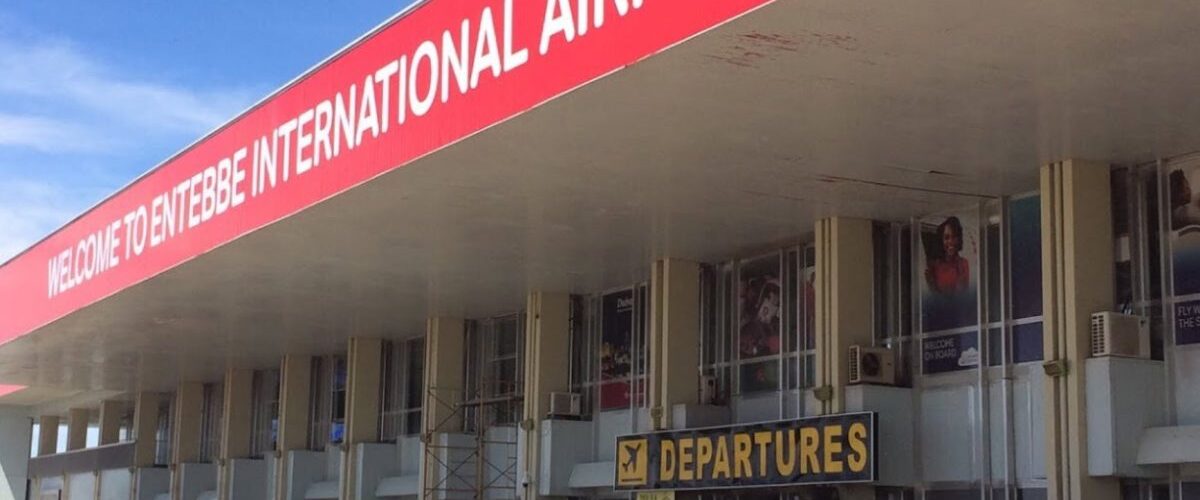
Flying into Entebbe is the most common entry point for anyone heading on safari in Uganda, whether the plan is gorilla trekking in Bwindi Impenetrable National Park, chimpanzee tracking in Kibale National Park, or a full circuit across the country’s national parks. The arrival airport, Entebbe International Airport, functions as the main aviation gateway for both regional East African connectivity and long-haul international routes from Europe, the Middle East, and Asia.

Understanding which airlines actually serve Entebbe and how onward connections work is not just a travel detail—it directly affects arrival timing, safari coordination, and even cost efficiency for multi-park itineraries.

Entebbe as a Regional Aviation Hub

The Role of Entebbe in East African Air Networks

Entebbe International Airport operates as Uganda’s primary international gateway and one of the most connected airports in East Africa, with over 20+ airlines and dozens of direct destinations across Africa, the Middle East, and Europe. The airport supports both full-service carriers and regional operators, creating a hybrid hub model that connects long-haul inbound travel with short regional safari hops.

Its strategic importance comes from its positioning between Kenya, Rwanda, Tanzania, and the wider Great Lakes region, making it a common entry point for multi-country safari circuits.

Connection Logic for Safari Travelers

Most safari itineraries do not end in Entebbe—they begin there. From the airport, travelers typically connect onward by domestic flights, road transfers, or charter aviation into western Uganda safari zones. This makes airline selection and arrival timing critical for minimizing overnight layovers or missed transfers.

Major International Airlines Flying into Entebbe

Middle Eastern and Global Long-Haul Carriers

Entebbe is well connected to global hubs through major international airlines operating from the Middle East and Europe.

Key long-haul carriers include:

  • Emirates (via Dubai)
  • Qatar Airways (via Doha)
  • flydubai (via Dubai)
  • Turkish Airlines (via Istanbul)

These airlines provide some of the most efficient global access routes into Uganda, particularly for travelers coming from Asia, Europe, and North America via hub connections.

For example, Dubai–Entebbe flights operate regularly with a flight time of just over six hours, making it one of the most efficient long-haul entry corridors into East Africa .

European Gateway Airlines

European connectivity into Entebbe is primarily concentrated through hub-based carriers:

  • KLM (via Amsterdam)
  • Brussels Airlines (via Brussels)
  • Turkish Airlines (via Istanbul, with strong European feeder network)

These airlines are particularly important for safari travelers connecting from multiple European cities, as they offer synchronized arrivals aligned with regional Africa departures.

East African Regional Airlines Serving Entebbe

Kenya Airways and Nairobi Hub Connectivity

One of the most important regional connections is between Entebbe and Nairobi, operated frequently by Kenya Airways and Uganda Airlines.

This route functions as the backbone of East African aviation connectivity, with multiple daily flights linking Entebbe to Nairobi’s Jomo Kenyatta International Airport, which is a major transfer hub for safari circuits across Kenya and Tanzania .

RwandAir and Kigali Connectivity

RwandAir provides strong regional connectivity through Kigali, offering quick one-hour flights between Rwanda and Uganda. This route is widely used for combined gorilla trekking itineraries across Uganda and Rwanda.

Other carriers such as Ethiopian Airlines and EgyptAir also operate regional connections through Addis Ababa and Cairo hubs, expanding access from Africa, Europe, and Asia.

Uganda Airlines as the National Carrier

Uganda Airlines plays a central role in both domestic and regional connectivity. It operates routes linking Entebbe to key East African cities including Nairobi, Kigali, Juba, and Kinshasa, and also supports domestic flights to safari airstrips within Uganda.

Domestic Flight Connections from Entebbe

Safari Airstrips and Western Uganda Access

From Entebbe, travelers can connect via domestic aviation to remote safari airstrips closer to national parks. These include routes operated by regional carriers such as Aerolink Uganda.

Common domestic connections include:

  • Bwindi region airstrips (Kihihi, Kisoro)
  • Murchison Falls access points (Pakuba)
  • Kibale-linked Western Uganda air corridors via nearby regional airstrips

These flights significantly reduce road travel time, especially for high-end safari itineraries.

Why Domestic Flights Matter for Safari Efficiency

Uganda’s terrain makes long road transfers between parks time-intensive. Domestic aviation allows travelers to compress multi-day road journeys into short flights, improving comfort and maximizing time in wildlife zones.

Connecting from Entebbe to Safari Destinations

Road Transfers to Kampala and Western Uganda

The most common first connection after landing is the road transfer from Entebbe to Kampala, which typically takes between 45 minutes and 1.5 hours depending on traffic.

From Kampala, travelers continue westward toward safari hubs such as Bwindi, Kibale, and Queen Elizabeth National Park.

Airport Pickup Logistics

Most safari operators and lodges coordinate direct airport pickups from Entebbe, eliminating the need for independent transport arrangements. This is especially important for late-night arrivals when direct transfers to Kampala or western Uganda are required.

Flight Timing Strategy for Safari Optimization

Arrival Window Planning

Flight arrival time into Entebbe directly impacts safari flow. Early morning or midday arrivals are ideal because they allow same-day transfers to Kampala or even domestic flight connections.

Late-night arrivals often require overnight stays near Entebbe before continuing the safari route the next morning.

Minimizing Layover Risk in Africa Hubs

Since most international routes into Uganda connect through hubs like Doha, Dubai, Istanbul, Nairobi, or Addis Ababa, layover timing must be carefully managed to avoid missed regional connections.

Multi-Airline Safari Routing Logic

Europe–East Africa Combination Routes

A common routing structure for Uganda safaris involves:

  • Europe → Istanbul / Amsterdam / Brussels
  • Connection → Entebbe International Airport
  • Transfer → Kampala or direct domestic flight onward

This multi-leg system allows flexibility in pricing and scheduling but requires coordination between carriers.

Middle East Hub Efficiency Model

Middle Eastern hubs like Dubai and Doha offer some of the fastest and most reliable connections into Uganda, often preferred for long-haul travelers due to consistent schedules and short layover durations.

Practical Arrival Flow at Entebbe Airport

Immigration and Entry Processing

Entebbe International Airport is structured for international arrivals with standard immigration, visa processing, and baggage handling systems. Processing time varies depending on arrival wave density but is generally efficient for East African standards.

Ground Transport Integration

Once outside the airport, travelers have multiple options including hotel pickups, safari operator transfers, and private vehicle arrangements toward Kampala or directly to western Uganda routes.

Why Airline Choice Impacts Safari Experience

Connection Reliability vs Cost Optimization

Full-service airlines like KLM, Qatar Airways, and Turkish Airlines provide higher schedule reliability and better baggage handling continuity, which is critical for multi-leg safari travel.

Lower-cost routing options may reduce airfare but increase connection risk, especially when transferring into regional African carriers.

Timing Alignment with Safari Itineraries

Safari itineraries are often fixed around gorilla trekking permits and park schedules. Flight delays or poorly timed arrivals can disrupt trekking sequences, making airline selection a structural part of safari planning rather than a simple transport decision.

Field Reality of Flying into Uganda

Flying into Entebbe is not just an arrival—it is the first operational step in a larger safari system. The airport acts as a transition node between global aviation networks and Uganda’s ground-based wildlife circuits.

From long-haul carriers connecting through Dubai, Doha, or Istanbul to regional flights linking Nairobi, Kigali, and Addis Ababa, every route into Entebbe feeds into a structured movement system that distributes travelers into forest, savannah, and primate ecosystems across the country.

Understanding how these airlines connect is what allows safari itineraries to function smoothly from the moment the aircraft lands on Ugandan soil.
Community Lodges Near Bwindi

Community Lodges Near Bwindi

Community Lodges Near Bwindi: When Staying Local Makes the Most Impact

Community lodges near Bwindi represent one of the most underexplained yet operationally significant accommodation choices in Uganda’s gorilla trekking ecosystem. In the context of Bwindi Impenetrable National Park, these lodges are not simply budget or alternative stays—they function as locally integrated hospitality systems that directly influence conservation funding, community livelihoods, and even trekking logistics.

Unlike high-end forest lodges that prioritize exclusivity or luxury positioning, community-based accommodation is structurally designed around local ownership models, cultural integration, and distributed tourism benefit systems. Understanding when staying local makes the most impact requires breaking down how these lodges operate within the broader gorilla tourism economy and how they affect both visitor experience and regional development.

What Defines a Community Lodge in the Bwindi Region

Local Ownership and Revenue Circulation

Community lodges are typically owned or co-managed by local communities living around Bwindi forest sectors. Revenue generated from accommodation directly supports households, schools, healthcare access, and conservation-related projects.

This model creates a closed-loop tourism system where visitor spending remains within the immediate region rather than being fully absorbed by external hotel chains or distant operators.

Integration With Conservation Ecosystems

Many community lodges are linked to conservation initiatives surrounding gorilla habitats. This includes partnerships with park authorities, ranger programs, and local guides who are often recruited directly from nearby villages.

This integration ensures that tourism becomes a protective economic incentive for forest preservation rather than an external extractive activity.

Location Strategy: Why Proximity Matters More Than Luxury Grade

Sector-Based Access to Gorilla Trekking Points

Community lodges are often positioned near key trekking sectors such as Buhoma, Rushaga, Nkuringo, and Ruhija. This placement is critical because gorilla trekking in Bwindi is sector-dependent.

Staying in a community lodge close to your assigned trekking sector reduces morning transfer time and improves energy efficiency before entering steep forest terrain.

Reduced Transit Fatigue Before Trekking

Unlike distant urban lodges or high-end properties located far from park gates, community lodges minimize early morning travel distances. This directly affects trekking performance, especially in altitude-heavy zones where physical energy management is essential.

Cultural Integration as a Core Experience Layer

Direct Interaction With Local Communities

One of the defining characteristics of community lodges is direct cultural proximity. Guests are often hosted by individuals from nearby villages, allowing for informal interaction, storytelling, and cultural exchange.

This is not staged entertainment—it is lived community engagement embedded within daily operations.

Local Employment Structures

Staffing in community lodges is predominantly local. This includes guides, cooks, housekeeping teams, and administrative staff. The result is a tourism model where skills development remains within the region.

Over time, this strengthens local expertise in hospitality and wildlife interpretation.

Financial Impact of Staying in Community Lodges

Tourism Revenue Retention in Local Economies

When travelers choose community lodges, a higher percentage of accommodation revenue remains within the immediate Bwindi region. This supports household income diversification and reduces economic leakage to external tourism hubs.

Direct Support to Conservation Incentives

Community-based tourism creates financial motivation for forest protection. When local communities benefit directly from tourism, the economic value of conserving gorilla habitats increases.

This reduces pressure on land conversion and supports long-term ecosystem stability.

Accommodation Experience: What Guests Actually Encounter

Simpler Infrastructure With Functional Comfort

Community lodges typically offer comfortable but less architecturally complex accommodations compared to luxury forest lodges. Rooms are designed for practicality, cleanliness, and basic comfort rather than high-end luxury aesthetics.

However, this simplicity is often balanced by strong location advantage and personal hosting quality.

Proximity to Daily Community Life

Unlike isolated safari lodges, community accommodations are often situated near active villages. Guests may observe daily life patterns such as farming, local markets, and community movement systems.

This creates a dual experience of wildlife tourism and cultural immersion.

Connection to Gorilla Trekking Logistics

Efficient Access to Park Gate Systems

Many community lodges near Bwindi are strategically located close to park entry points. This reduces transfer time to briefing centers where gorilla trekking begins.

In sectors like Rushaga and Buhoma, proximity can significantly improve morning coordination and reduce pre-trek fatigue.

Guide Network Integration

Local guides associated with community lodges often have deep familiarity with Bwindi trekking routes, gorilla family movement patterns, and seasonal terrain changes.

This knowledge contributes directly to trekking efficiency and encounter quality.

Environmental and Conservation Contributions

Reduced Environmental Footprint Model

Community lodges generally operate with lower environmental impact compared to large-scale luxury developments. Their infrastructure footprint is smaller, and resource usage is often more localized.

This aligns closely with conservation goals within Bwindi Impenetrable Forest ecosystems.

Support for Human–Wildlife Coexistence

By generating income from tourism, community lodges reduce dependency on extractive land use practices such as logging or agricultural expansion into forest buffer zones.

This supports long-term coexistence between human populations and gorilla habitats.

Comparative Position Within Bwindi Accommodation Spectrum

Community Lodges vs Luxury Forest Lodges

Luxury lodges inside or near Bwindi focus on immersion, exclusivity, and high-end service systems. Community lodges focus on accessibility, cultural integration, and direct economic impact.

Both exist within the same ecosystem but serve different traveler priorities.

Community Lodges vs Mid-Range Safari Lodges

Mid-range lodges typically offer standardized comfort levels with moderate proximity to trekking sectors. Community lodges often match or exceed them in location advantage but differ in infrastructure sophistication.

Seasonal Experience Variation in Community Lodges

Rainy Season Dynamics

During wet periods in Bwindi, community lodge access roads may become more challenging due to muddy terrain conditions. However, proximity to trekking sectors still provides logistical advantages compared to distant urban lodges.

The forest itself becomes denser, and community life continues uninterrupted despite weather variation.

Dry Season Stability

During drier months, access routes improve significantly, making community lodge stays smoother in terms of transport reliability and trekking coordination.

This period often provides the best balance between accessibility and cultural interaction.

Guest Profile Suitability for Community Lodges

High-Value Experience Seekers Beyond Luxury Metrics

Community lodges are best suited for travelers who prioritize cultural depth, conservation impact, and location efficiency over architectural luxury.

Budget-Conscious Gorilla Trekking Travelers

They also serve as strategic options for travelers seeking to reduce overall safari costs while maintaining close proximity to trekking sectors.

Ethical Tourism Focused Visitors

Visitors who prioritize sustainable travel practices often choose community lodges to ensure their spending directly supports local populations.

Operational Realities of Staying in Community Lodges

Simpler Service Systems

Service structures are often more personal and less standardized compared to large safari chains. This creates variability but also stronger interpersonal hospitality experiences.

Limited but Functional Amenities

Amenities are designed to meet core safari needs rather than luxury expansion. The focus remains on comfort, cleanliness, and trekking readiness.

Strong Local Knowledge Advantage

One of the strongest operational advantages is local expertise embedded within staff and guides. This enhances trekking coordination and cultural interpretation.

Field Reality: How Community Lodges Shape the Bwindi Experience

Staying in a community lodge near Bwindi fundamentally changes the structure of a gorilla trekking experience. Instead of a purely transactional safari stay, the experience becomes integrated into a living local ecosystem where tourism, conservation, and community life overlap.

In Bwindi Impenetrable National Park, where terrain difficulty, altitude variation, and trekking logistics already define the experience, community lodges introduce an additional dimension: direct participation in the regional socio-economic system that supports gorilla conservation itself.

This makes the choice of staying local not just a budget or proximity decision, but a structural alignment with how tourism sustains the forest ecosystem.

Logde

The Best Lodges for a Uganda Gorilla and Chimpanzee

The Best Lodges for a Uganda Gorilla and Chimpanzee Combination Safari

A Uganda gorilla and chimpanzee combination safari is one of the most logistically sensitive wildlife itineraries in East Africa because it links two distinct primate ecosystems that operate under completely different terrain, accessibility, and trekking dynamics. The success of this journey is not determined only by permits or guide quality, but heavily by lodge placement across forest systems such as Bwindi Impenetrable National Park and Kibale National Park.

Unlike savannah safaris where lodges mainly function as comfort bases, here they function as operational positioning points. The wrong lodge adds unnecessary driving hours, increases fatigue before trekking, and reduces time spent inside primate habitats. The right lodge compresses logistics, improves early morning readiness, and enhances overall trekking efficiency.

Understanding the Two-Ecosystem Logic Behind the Safari

Bwindi: Vertical, Dense, and Physically Demanding Terrain

Bwindi Impenetrable Forest is a steep montane rainforest system where altitude variation defines every movement. Gorilla trekking here involves continuous elevation gain and loss, dense vegetation corridors, and unpredictable footpaths shaped by rainfall and animal movement.

Because of this structure, lodge positioning near the correct trekking sector is critical. A lodge near the wrong sector can add 1–3 hours of unnecessary driving before even starting the trek.

Kibale: Horizontal, Open, and Fast-Tracking Forest System

Kibale National Park operates differently. Chimpanzee tracking is more fluid, faster to initiate, and generally begins from a centralized briefing point at Kanyanchu. The forest is less steep, with wider tracking corridors and higher visibility.

This creates a more predictable morning routine, but lodge distance still directly affects arrival timing and group allocation priority.

Strategic Lodge Positioning in Bwindi Gorilla Trekking Zones

Sector-Based Accommodation Mapping

Bwindi is divided into trekking sectors, and lodge selection must match these sectors precisely:

  • Buhoma sector (north)
  • Ruhija sector (central-east)
  • Rushaga sector (south)
  • Nkuringo sector (south-west ridge zone)

Each sector operates independently in terms of briefing points and gorilla family allocation. Staying in the correct sector reduces morning transfer time and improves trekking energy efficiency.

Forest-Edge Immersion Lodges

Forest-edge lodges positioned near Bwindi boundaries provide the highest level of trekking efficiency. Guests often wake within immediate proximity of briefing centers or short transfer routes.

These lodges prioritize immersion over separation. The forest is not something you travel to—it is something you are already inside of upon waking.

Mid-Sector Access Lodges

These are strategically positioned 10–30 minutes from trekking gates. They offer a balance between comfort infrastructure and logistical efficiency.

They are particularly effective for combination safari itineraries because they reduce fatigue without sacrificing service quality.

Kibale Lodge Strategy for Chimpanzee Tracking

Kanyanchu Access Priority

Chimpanzee tracking in Kibale National Park is centralized around Kanyanchu Visitor Centre. Lodge proximity to this point directly affects:

  • Tracking group assignment timing
  • Morning briefing punctuality
  • Overall start efficiency

Lodges within a short drive radius offer a clear operational advantage during peak visitor periods.

Fort Portal Corridor Lodges

The Fort Portal region functions as a transitional accommodation zone between Bwindi and Kibale. Lodges here are not inside the forest but provide strategic access to Kibale while maintaining urban-adjacent comfort infrastructure.

This corridor is commonly used in combination safaris to break long inter-park transfers.

High-Value Gorilla-Chimpanzee Safari Lodge Categories

Immersive Forest Lodges

These lodges are positioned within or directly adjacent to Bwindi’s forest ecosystem. They prioritize sensory immersion—forest soundscapes, mist exposure, and immediate trekking access.

They are ideal for travellers who prioritize experience intensity over logistical buffering.

Sector-Aligned Luxury Lodges

These properties are positioned specifically to match gorilla trekking sectors. Their value lies in precision alignment rather than architectural luxury alone.

They reduce morning travel uncertainty and improve energy efficiency before trekking begins.

Transitional Safari Lodges

These are located along the Bwindi–Kibale travel corridor and function as logistical bridges. They are especially useful in multi-day itineraries where both primate ecosystems are visited consecutively.

Combination Safari Flow and Lodge Sequencing Strategy

Recommended Directional Flow

Most itineraries follow this sequence:

  1. Chimpanzee tracking in Kibale
  2. Transfer through western Uganda corridor
  3. Gorilla trekking in Bwindi

This sequence is designed around physical demand progression—starting with easier forest movement and ending with steep mountain trekking.

Lodge Role in Reducing Transfer Fatigue

Strategic lodge placement reduces long road segments that can exceed several hours between ecosystems. Poor sequencing increases fatigue and reduces trekking efficiency on gorilla trekking days.

Terrain Impact on Lodge Selection Decisions

Bwindi Altitude Stress Factor

Bwindi’s altitude ranges from low valleys to high ridge zones above 2,000 meters. This creates oxygen variation, steep climbing segments, and high physical load during trekking.

Lodges closer to higher-altitude sectors reduce morning ascent strain.

Kibale Movement Intensity Profile

Chimpanzee tracking involves horizontal movement across forest floors with variable group relocation patterns. While less physically steep, it requires sustained walking endurance.

Lodge proximity reduces pre-trekking fatigue accumulation.

Seasonal Influence on Lodge Performance

Rainy Season Logistics Pressure

During wet periods, road conditions in western Uganda can become slower, especially along Bwindi–Kibale routes. This increases the importance of lodge proximity to trekking gates.

Forest lodges become more valuable due to reduced reliance on long transfers.

Dry Season Operational Stability

Dry months improve road access and transfer speed, but lodge proximity still remains critical for early morning briefing punctuality and optimal group assignment.

Wildlife and Environmental Integration Around Lodges

Forest Soundscapes as Continuous Background

Both Bwindi and Kibale ecosystems produce continuous wildlife sound environments. Lodges in these regions are embedded within active ecological sound systems, including primates, birds, and insect cycles.

Non-Trekking Biodiversity Exposure

Even outside trekking hours, lodges offer exposure to forest biodiversity, especially birdlife and small primates near forest edges. This reinforces the immersive nature of combination safaris.

Decision Framework for Selecting the Best Lodges

Proximity as the Primary Optimization Variable

The most important factor is distance to trekking briefing points. Lodges that minimize morning travel consistently outperform higher-end but distant properties.

Ecosystem Alignment Accuracy

Bwindi lodges must match specific trekking sectors, while Kibale lodges must align with Kanyanchu access flow. Misalignment increases logistical inefficiency.

Experience vs Efficiency Balance

Travellers must balance immersion-focused forest lodges with efficiency-focused sector lodges depending on physical endurance and itinerary length.

Field Reality of Combination Safari Lodging

A Uganda gorilla and chimpanzee combination safari is not a single-lodge experience—it is a coordinated movement system across two primate ecosystems with different terrain mechanics.

Lodges function as operational anchors that determine timing, energy expenditure, and trekking success probability. The most effective safari designs are those where accommodation placement reduces friction between forest systems rather than adding unnecessary transition complexity.

Staying at the River Station on the Kazinga Channel

Staying at the River Station on the Kazinga Channel

Staying at the River Station on the Kazinga Channel: What to Know Before You Book

Staying at the River Station on the Kazinga Channel is one of those safari decisions that looks like a simple accommodation choice on paper but becomes a full ecosystem experience once you understand what the location actually controls. In the context of Queen Elizabeth National Park, this stay is not just about the room category or comfort level—it is about being positioned directly along one of East Africa’s most active freshwater wildlife corridors: the Kazinga Channel.

The Kazinga Channel itself is a 32-kilometre natural waterway linking Lake Edward and Lake George, and it concentrates some of the highest densities of hippos and water-dependent wildlife in Uganda. A stay at River Station places you within direct sensory range of this system, meaning your safari experience is shaped continuously by water, animal movement, and shoreline activity rather than scheduled excursions alone.

Understanding what to know before booking requires breaking down how location, wildlife density, logistics, seasonal variation, and lodge design interact in a way that fundamentally changes the rhythm of a safari stay.

Location Intelligence: Why the Kazinga Channel Changes Everything

Water as the Primary Safari Axis

Most safari lodges in Uganda operate from land-based positioning where wildlife viewing requires travel into national park sectors. River Station reverses this logic by placing water at the centre of the experience.

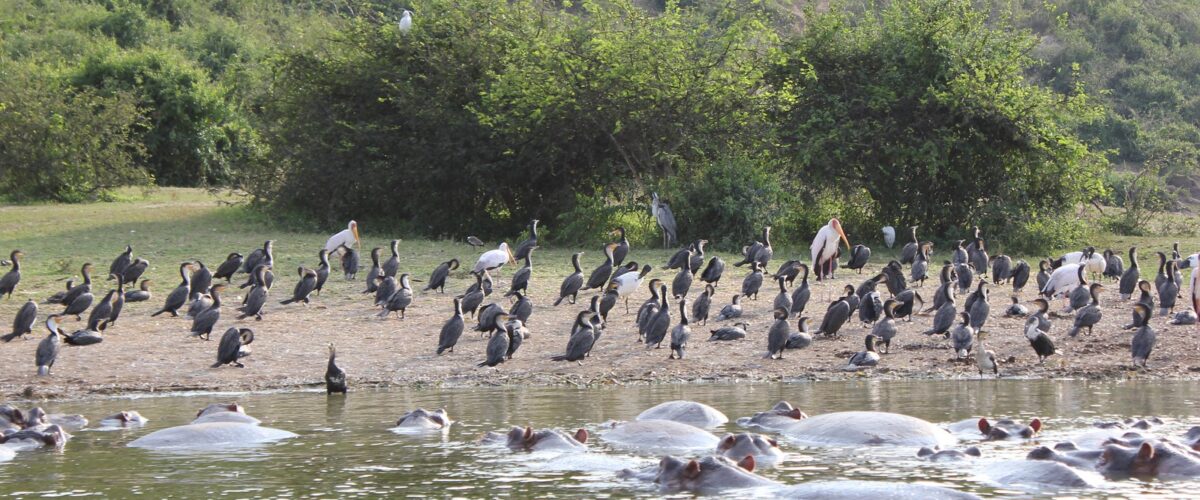
The Kazinga Channel functions as a permanent wildlife highway. Hippos remain submerged in large pods during the day, crocodiles occupy shallow edges, and elephants regularly move down to drink and bathe during heat cycles. This creates continuous movement along the waterline rather than intermittent sightings.

Proximity Advantage Inside Queen Elizabeth Ecosystem

Being positioned within the broader Queen Elizabeth system means access is not limited to river activity alone. The lodge sits within reach of savannah plains, crater lake regions, and predator territories that define the park’s ecological diversity.

However, unlike inland lodges, the channel itself becomes the primary wildlife anchor point, meaning even without game drives, wildlife interaction remains high-density and constant.

Wildlife Density Reality: What You Actually See From the Lodge

Hippo Aggregation Systems

The Kazinga Channel is widely recognized for extreme hippo population density, with groups clustering in tightly packed pods across shallow river segments. From River Station, these groups are not distant viewing subjects—they are part of the immediate riverscape.

At night and early morning, hippo vocalizations become part of the ambient environment, shaping the acoustic identity of the stay.

Elephant Shoreline Behavior

Elephants are one of the most visually impactful species along the channel. During dry periods, herds move down to the water in predictable cycles, often crossing open shoreline areas in full daylight.

This creates high-probability viewing windows directly from the lodge perimeter or during short boat transfers.

Bird Population Intensity

The channel supports one of Uganda’s most concentrated aquatic bird ecosystems. Species such as African fish eagles, pelicans, herons, and kingfishers are present in continuous activity cycles due to fish abundance and stable water levels.

Bird activity is not seasonal spectacle here—it is a constant ecological layer.

Accommodation Structure: How River Station Is Built Around Water

Elevated Design Logic

Accommodation units are typically designed with elevation and water-facing orientation in mind. This ensures that even during peak wildlife activity, guests maintain visual access to the channel system.

The architecture prioritizes open sightlines over enclosure, meaning rooms are positioned to maximize environmental exposure rather than isolate from it.

Tented Luxury Integration

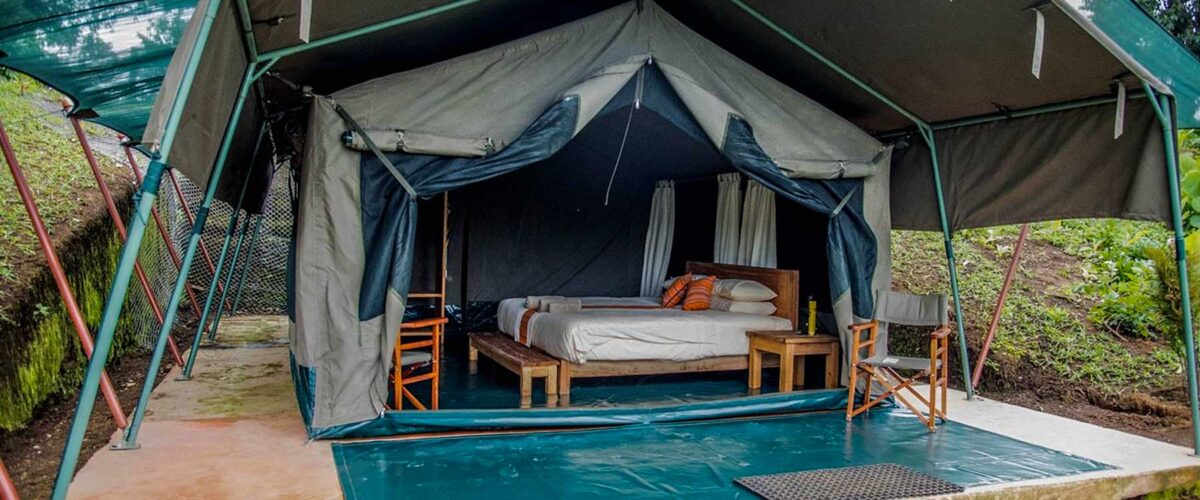
River Station follows a luxury tented camp model with permanent structural reinforcement. This includes proper flooring, en-suite bathroom systems, and weather-resistant canvas architecture designed for long-term comfort in humid river environments.

Unlike standard lodges, the structure is intentionally semi-permeable to sound and atmosphere, allowing the channel environment to remain present even inside private spaces.

Arrival and Access: The Water-Based Entry System

Boat-Linked Entry Flow

One of the defining logistical features of River Station is that access often includes boat transfer segments across or along parts of the Kazinga Channel system.

This means your safari experience begins on water rather than land, immediately introducing you to hippo zones, bird corridors, and shoreline elephant pathways.

Reduced Road Dependency

Compared to inland accommodations, River Station reduces reliance on long road transfers within Queen Elizabeth National Park sectors. This minimizes travel fatigue and increases time spent in active wildlife zones.

Safari Integration: How Game Drives Work From the Lodge

Dual-Zone Wildlife Access

Staying at River Station provides access to both aquatic and savannah ecosystems. Game drives still operate into Queen Elizabeth National Park’s inland areas, where lions, leopards, buffalo, and antelope species dominate.

However, the contrast between river-based density and savannah-based distribution becomes a key part of the experience.

Early Morning and Late Afternoon Movement Advantage

Because the lodge is already positioned within a high-activity corridor, early morning departures into game drive zones are faster and more efficient. This improves chances of reaching predator movement zones during peak activity periods.

Seasonal Variability at River Station

Dry Season: Peak Water Compression Effect

During dry periods, wildlife concentrates heavily around the Kazinga Channel. This increases predictability of elephant and hippo encounters and intensifies shoreline activity.

The river becomes a magnet for large mammals, making visual density extremely high.

Wet Season: Expansion of Movement Networks

During rainy periods, surrounding ecosystems expand and wildlife disperses into inland feeding zones. While channel activity remains strong, sightings become more distributed rather than concentrated.

This creates a more exploratory but less predictable viewing pattern.

Sensory Environment: What Guests Often Underestimate

Continuous Natural Soundscape

Unlike inland lodges where silence dominates, River Station operates within a constant natural sound environment. This includes hippo vocalizations, bird calls, insect activity, and water movement.

This soundscape does not stop at night—it simply shifts in intensity and composition.

Nighttime River Dynamics

At night, the Kazinga Channel becomes acoustically dominant. Hippo movement increases in audible range, crocodile activity intensifies near banks, and bird activity transitions into nocturnal species cycles.

Wildlife Viewing From Camp: Beyond Game Drives

Direct Shoreline Observation

One of the strongest advantages of River Station is the ability to observe wildlife directly from lodge boundaries. This includes elephants approaching water edges, hippos surfacing in nearby pods, and birdlife feeding in shallow zones.

Boat-Based Wildlife Proximity

Boat excursions along the Kazinga Channel allow for close-range observation of large mammals at water level, offering a perspective that differs significantly from land-based game drives.

Operational Realities Before Booking

Water-Level Dependency and Movement Timing

Because the lodge is water-integrated, certain movement patterns and access routes depend on channel conditions and seasonal water levels. This requires coordination for transfers and excursions.

Wildlife Is Not Controlled or Scheduled

Despite high density, wildlife movement is entirely natural. There are no guaranteed sighting times or fixed animal locations. The strength of the experience lies in constant ecological presence rather than predictability.

Comparative Position Within Queen Elizabeth Safari Circuit

River Station vs Inland Lodges

Inland lodges prioritize savannah game drives as the primary wildlife interface, while River Station prioritizes continuous water-based interaction as a baseline experience.

This creates two fundamentally different safari styles within the same national park system.

Strategic Value of Water Corridor Positioning

Positioning along the Kazinga Channel means guests are embedded in one of Uganda’s most active ecological arteries rather than peripheral viewing zones.

Field-Level Interpretation of the Experience

A stay at River Station is defined by continuous ecological proximity rather than scheduled wildlife encounters. The Kazinga Channel does not operate on safari timing—it operates on biological cycles of feeding, movement, and territorial interaction.

Hippos maintain constant aquatic presence, elephants move according to environmental pressure, and birdlife cycles through uninterrupted feeding networks. The lodge sits directly within this system, meaning the boundary between accommodation and ecosystem is deliberately minimal.

What a guest receives is not a structured safari experience layered onto a hotel stay, but a direct positioning inside a functioning river-based wildlife network where observation is constant, variable, and fully dictated by natural movement systems rather than human scheduling.

Tented Camp vs Fixed Lodge in Uganda

Tented Camp vs Fixed Lodge in Uganda

Tented Camp vs Fixed Lodge in Uganda: Which Is the Better Luxury Choice?

Uganda tented camp vs lodge luxury is not a simple accommodation comparison. It is a strategic decision that shapes how you experience landscapes, wildlife proximity, comfort levels, and even emotional immersion during a safari. In Uganda, especially within ecosystems such as Queen Elizabeth National Park, Murchison Falls National Park, and forest-edge zones around Bwindi Impenetrable National Park, the difference between a tented camp and a fixed lodge is not cosmetic—it is experiential, environmental, and operational.

Luxury in Uganda does not follow a single definition. Instead, it splits into two distinct philosophies: structured permanence versus adaptive immersion. Understanding this distinction is what determines whether your safari feels like a controlled retreat or an integrated wilderness experience.

Structural Design Philosophy: How Each Accommodation Type Exists in the Wild

Fixed Lodge Architecture and Stability Logic

Fixed lodges are permanent structures built with concrete, wood, and stone foundations. They are designed for long-term durability and consistent guest comfort regardless of environmental changes.

In Uganda safari contexts, fixed lodges prioritize insulation, predictable room layouts, and standardized amenities. They are engineered to minimize environmental influence, meaning external conditions such as wind, rain, or wildlife proximity are filtered rather than directly experienced.

This creates a controlled luxury environment where comfort is stable and unaffected by seasonal variation.

Tented Camp Architecture and Adaptive Integration

Tented camps operate on a fundamentally different principle. They are semi-permanent or mobile structures built with canvas, lightweight framing, and modular design systems.

Rather than resisting the environment, tented camps integrate with it. Temperature changes, forest sounds, and weather patterns are more directly perceptible inside the accommodation space.

This creates a high level of sensory immersion, where the boundary between interior comfort and external wilderness becomes intentionally thin.

Location Dynamics and Wildlife Proximity Advantage

Fixed Lodges and Strategic Positioning

Fixed lodges are often positioned for panoramic views, logistical access, or long-term infrastructure stability. They may be located near park entrances, elevated ridges, or designated tourism zones.

While this ensures convenience and safety, it often places a buffer between guests and direct wildlife proximity.

Tented Camps and Hyper-Local Placement

Tented camps are frequently positioned closer to active wildlife corridors or within deeper sections of safari ecosystems. In places like Queen Elizabeth National Park, this can mean proximity to grazing routes or water-adjacent zones.

The result is increased auditory and sometimes visual wildlife presence near accommodation areas, especially at night or early morning.

Comfort Systems: Controlled Luxury vs Environmental Luxury

Fixed Lodge Comfort Engineering

Fixed lodges offer full structural insulation. This includes sealed rooms, reinforced walls, consistent temperature control, and fully enclosed bathrooms.

The comfort experience is engineered to remain unchanged regardless of external weather conditions. This is particularly valuable during heavy rainfall periods or colder nights in higher-altitude regions.

Tented Camp Comfort Adaptation

Luxury tented camps maintain high-end comfort but with environmental responsiveness. Beds, en-suite bathrooms, and lounge areas are integrated into canvas-based structures that respond slightly to external temperature and sound.

Comfort is not reduced, but it is more context-sensitive. Night temperatures, forest humidity, and ambient wildlife sounds become part of the accommodation experience.

Sensory Experience: Insulated Stay vs Immersive Stay

Sound Environment in Fixed Lodges

Fixed lodges significantly reduce environmental sound intrusion. Wildlife calls, wind, and rain are often softened or fully blocked by structural materials.

This creates a quieter, more predictable sleep environment that prioritizes rest over ecological immersion.

Sound Environment in Tented Camps

Tented camps preserve a high level of natural sound transmission. In forest or savannah settings, this can include distant animal calls, insect cycles, wind movement, and rainfall patterns.

This auditory integration is one of the defining features of tented camp luxury and is often cited as a key reason guests choose this option.

Seasonal Performance Differences in Uganda Safari Context

Rainy Season Behavior of Fixed Lodges

During heavy rains, fixed lodges maintain operational stability with minimal disruption. Roads, interiors, and access routes remain unaffected by external weather conditions.

This makes them highly reliable during wet safari periods when mobility can be unpredictable.

Rainy Season Behavior of Tented Camps

Tented camps remain operational during rainy seasons but become more atmospherically intense. Rainfall becomes more audible and visually present, and ground conditions around the camp can become softer or more variable.

However, modern luxury tented camps are designed with elevated platforms and reinforced waterproof systems to maintain comfort standards.

Dry Season Behavior Across Both

During dry seasons, both accommodation types perform optimally. Fixed lodges offer maximum comfort efficiency, while tented camps maximize visibility of surrounding landscapes and wildlife activity.

Wildlife Interaction Potential from Accommodation Base

Fixed Lodge Wildlife Buffering

Fixed lodges often maintain defined boundaries between guest areas and wildlife zones. This reduces direct wildlife encounters within accommodation spaces but enhances controlled viewing experiences from designated platforms.

Tented Camp Wildlife Integration

Tented camps, depending on location, may experience closer proximity to wildlife movement corridors. In savannah ecosystems, this can include nocturnal animal movement near camp perimeters.

This does not increase risk but enhances perception of wilderness continuity.

Privacy, Exclusivity, and Guest Density

Fixed Lodge Guest Flow Structure

Fixed lodges typically accommodate higher guest volumes with structured dining areas, shared lounges, and defined communal spaces.

This creates a more social safari environment with predictable service patterns.

Tented Camp Spatial Distribution

Tented camps often operate with lower room density and greater spacing between units. This increases privacy and reduces visual or auditory overlap between guests.

The result is a more isolated and exclusive experience within the same ecosystem.

Mobility and Safari Logistics Integration

Fixed Lodge Accessibility Advantage

Fixed lodges generally offer easier access to park gates, road networks, and safari departure points. This reduces logistical friction for game drives and transfers.

Tented Camp Location Flexibility

Tented camps are often placed deeper within ecosystems, which can slightly increase transfer complexity but reduce travel time to wildlife zones once inside the park.

Psychological Framing of Luxury Experience

Fixed Lodge Predictability Psychology

Fixed lodges create a psychological sense of stability. Guests know exactly what to expect in terms of comfort, structure, and environmental control.

This is particularly appealing for travellers prioritizing relaxation and certainty.

Tented Camp Immersion Psychology

Tented camps create a psychological sense of proximity to nature. The reduced separation between interior and exterior environments enhances perception of wilderness immersion.

This often results in a more emotionally engaging safari memory profile.

Cost Positioning in Uganda Luxury Safari Market

Fixed Lodge Pricing Logic

Fixed lodges often price based on infrastructure investment, service standardization, and long-term operational stability.

Tented Camp Pricing Logic

Luxury tented camps price based on exclusivity, location proximity, and experiential immersion rather than structural permanence.

In many cases, both categories overlap in pricing tiers, but value perception differs significantly based on guest priorities.

Field Reality Comparison in Uganda Safari Ecosystems

Queen Elizabeth National Park Context

In Queen Elizabeth National Park, fixed lodges provide panoramic savannah stability, while tented camps offer closer ecological integration with wildlife movement corridors.

Murchison Falls National Park Context

In Murchison Falls National Park, fixed lodges enhance river-view stability and comfort, while tented camps increase proximity to riverine wildlife dynamics and nocturnal environmental soundscapes.

Bwindi Impenetrable Forest Context

In Bwindi Impenetrable National Park, fixed lodges provide structural comfort in steep terrain zones, while tented camps emphasize forest immersion and proximity to trekking preparation zones.

Decision Logic: Choosing Between Tented Camp and Fixed Lodge

Uganda tented camp vs lodge luxury ultimately depends on how a traveller defines “luxury” in a safari context. If luxury is interpreted as insulation, predictability, and structured comfort, fixed lodges align more closely with that definition.

If luxury is interpreted as immersion, proximity to wilderness systems, and sensory integration with the environment, tented camps offer a more aligned experience.

Both models operate at high-end levels in Uganda’s safari ecosystem, but they represent two fundamentally different interpretations of what it means to stay inside a functioning African wilderness environment.

Inside Gorilla Forest Lodge

Inside Gorilla Forest Lodge

Inside Gorilla Forest Lodge: What a Night Inside Bwindi Really Costs and Delivers

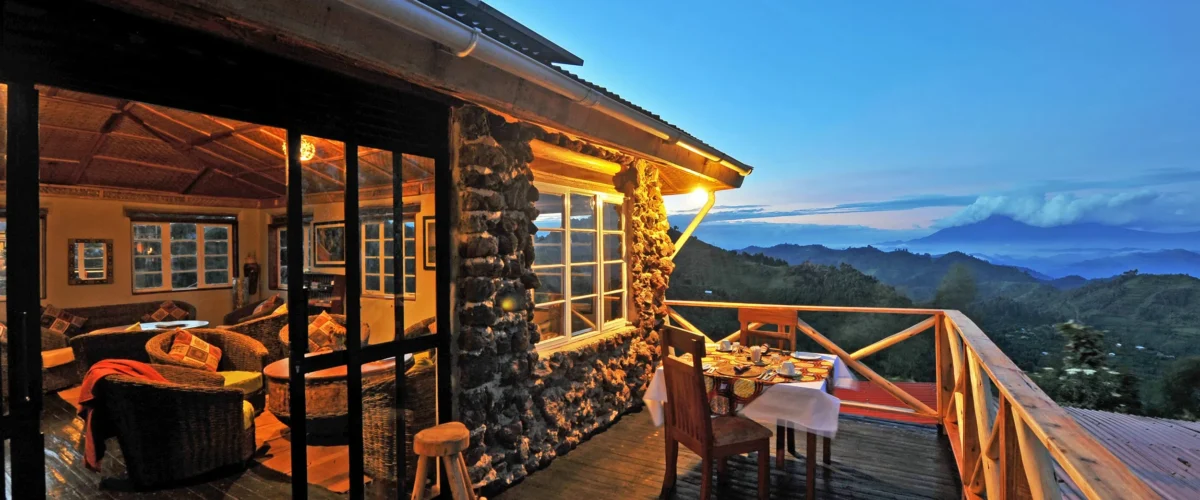
Gorilla Forest Lodge Bwindi review searches are usually driven by a simple intent: understanding whether staying inside the forest perimeter of Bwindi Impenetrable National Park is actually worth the price, and what a night in one of Uganda’s most exclusive rainforest lodges truly delivers in practice. Unlike standard accommodation listings that focus on amenities and ratings, this is a field-based breakdown of what the experience actually feels like, how the lodge functions within a gorilla trekking ecosystem, and why its location changes the entire structure of a safari day.

Gorilla Forest Lodge is not just accommodation. It is a logistical advantage, an ecological immersion point, and a proximity-based safari system that reshapes how gorilla trekking operates on both emotional and operational levels.

Location Advantage Inside Bwindi Impenetrable National Park

Direct Access to Gorilla Trekking Zones

One of the defining features of Gorilla Forest Lodge is its placement inside Bwindi Impenetrable Forest itself, within the sector commonly used for trekking gorilla families assigned from the Buhoma region. This proximity eliminates long transfer times that external lodges typically require.

Instead of early morning road transfers through rough forest-edge terrain, guests begin their gorilla trekking day already inside the ecosystem. This changes the pacing of the entire experience and reduces physical and logistical fatigue before the trek even begins.

Immersive Forest Integration

Unlike lodges located outside park boundaries, Gorilla Forest Lodge is fully integrated into the rainforest environment. This means wildlife interaction is not limited to game drives or trekking hours. Forest sounds, bird activity, and occasional primate movement become part of the lodge environment itself.

The result is a continuous ecological exposure rather than a scheduled safari encounter.

Room Structure and Forest Living Conditions

Cabin Design and Spatial Layout

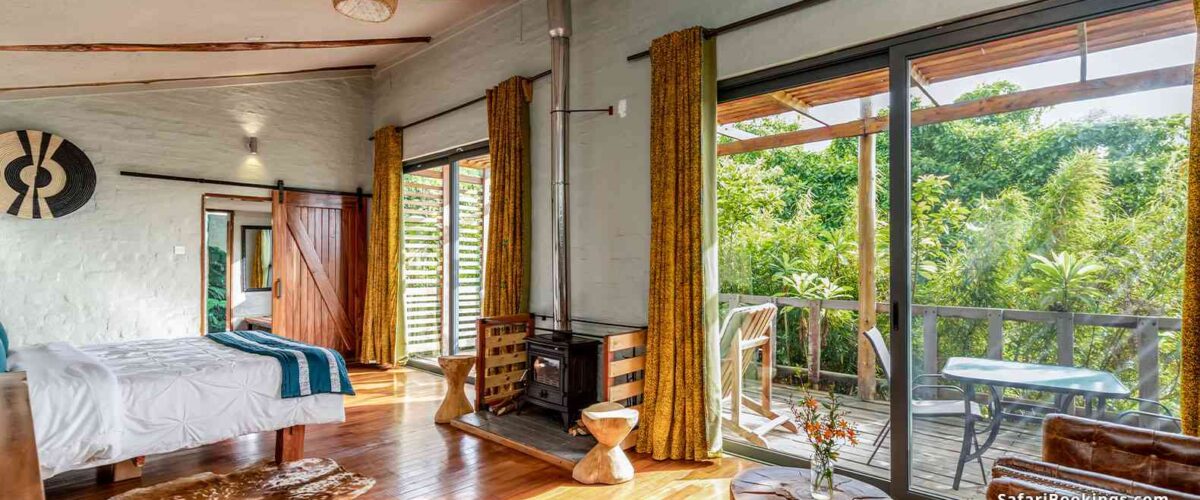
Accommodation units are designed as individual forest cottages, positioned within dense vegetation to maintain privacy and immersion. Each unit is spaced to reduce noise overlap and maximize forest exposure.

Interiors balance comfort with natural integration, using wood-based architecture and large viewing openings that connect directly to the surrounding forest environment.

Night-Time Forest Environment

A night inside Gorilla Forest Lodge is defined less by artificial quietness and more by natural sound layering. The forest does not become silent at night; instead, it shifts into a different acoustic system involving insects, distant primate calls, and wind movement through dense canopy layers.

This is a critical distinction in Gorilla Forest Lodge Bwindi review assessments because it directly affects sleep experience and psychological immersion.

Cost Structure and Value Interpretation

Pricing Reality of High-Proximity Gorilla Lodges

Gorilla Forest Lodge operates within the high-end safari segment, where pricing reflects location exclusivity rather than just luxury infrastructure. A single night typically includes accommodation, meals, and service access, but the primary value is spatial: being inside the gorilla trekking ecosystem.

Compared to external lodges that require transport logistics, the cost differential is partly offset by reduced movement time and increased trekking efficiency.

Value Beyond Room Features

The real value of Gorilla Forest Lodge is not in room size or décor but in access efficiency. Being inside Bwindi Impenetrable National Park reduces uncertainty in gorilla trekking schedules, especially in variable weather or road conditions.

This logistical advantage becomes more important during rainy trekking conditions, where external transfers can become slow or unpredictable.

Gorilla Trekking Experience from the Lodge

Morning Trekking Flow Without Transit Delay

One of the most important experiential differences is the elimination of early morning road travel. Guests wake up already within the forest zone, allowing trekking preparation to begin without external transport coordination.

This creates a calmer physiological start to the trekking day, reducing fatigue before the hike even begins.

Faster Response to Trekking Briefings

Because guests are already near briefing points, coordination with Uganda Wildlife Authority ranger teams becomes more direct and time-efficient. This improves group synchronization and reduces delays often associated with external lodge pickups.

Wildlife Interaction Beyond Gorilla Trekking

Forest Species Visibility Around the Lodge

Due to its location inside Bwindi, Gorilla Forest Lodge occasionally experiences non-trekking wildlife encounters around its perimeter. These include forest birds, monkeys, and occasional duiker movement through nearby vegetation zones.

While not guaranteed, this adds an additional layer of ecological exposure beyond scheduled gorilla trekking hours.

Continuous Ecosystem Soundscape

Unlike urban-style luxury lodges, the environment here is defined by uninterrupted forest sound cycles. This includes insect activity, bird calls, and distant primate vocalizations depending on group movement patterns.

Service Structure and Operational Style

Staff Integration with Forest Environment

Staff operations are designed to function within forest constraints rather than standard hospitality layouts. Movement between guest areas is adapted to terrain, weather, and ecological sensitivity.

This creates a service rhythm that is slower but more contextually aligned with rainforest conditions.

Meal Service and Lodge Timing

Meal schedules are aligned with trekking routines rather than rigid hotel-style timing. Early breakfasts are common to support gorilla trekking departures, and evening meals are structured around return times from the forest.

Seasonal Experience Differences at Gorilla Forest Lodge

Rainy Season Stay Conditions

During wetter months in Bwindi Impenetrable Forest, lodge surroundings become highly saturated with moisture. This increases forest density, sound intensity, and atmospheric immersion.

Movement around the lodge may involve wet terrain conditions, but this also enhances ecological authenticity.

Dry Season Stay Conditions

In drier trekking periods, accessibility improves, and walking paths around the lodge become more stable. Forest visibility increases slightly, making surrounding landscapes more visually open.

However, the core rainforest identity remains unchanged due to Bwindi’s permanent humidity system.

Psychological Experience of Staying Inside the Forest

Isolation from External Infrastructure

One of the defining psychological elements of Gorilla Forest Lodge Bwindi review experiences is the sense of isolation from external infrastructure. Once inside the lodge, guests are fully embedded within a protected ecological zone.

This creates a distinct mental separation from urban or town-based accommodation experiences.

Immersion vs Comfort Balance

The lodge operates at the intersection of comfort and ecological immersion. While luxury elements are present, they are intentionally not dominant over the forest experience.

The environment remains the primary sensory input throughout the stay.

Comparative Advantage Over External Bwindi Lodges

Reduced Travel Complexity

External lodges often require 30 minutes to several hours of road travel before reaching trekking briefing points. Gorilla Forest Lodge eliminates this entirely.

This reduction in movement complexity is one of its strongest functional advantages.

Consistency in Trekking Scheduling

Being inside the park perimeter reduces dependency on road conditions, which can be affected by rainfall, mud, or seasonal erosion patterns. This improves consistency in gorilla trekking timing.

Operational Limitations and Realistic Expectations

No Artificial Wildlife Guarantees

Despite its location advantage, gorilla sightings are never guaranteed by any lodge. Gorilla movement is entirely natural and tracked daily by ranger teams.

The lodge improves access efficiency, not wildlife control.

Weather Dependency Still Applies

Rainfall still affects trekking difficulty regardless of lodge location. While transit issues are reduced, forest conditions remain subject to natural weather cycles.

Field-Level Interpretation of Value

Gorilla Forest Lodge Bwindi review assessments ultimately come down to one central factor: whether proximity to gorilla trekking zones inside Bwindi Impenetrable National Park justifies premium pricing in exchange for logistical efficiency and ecological immersion.

The lodge does not compete on standard hospitality metrics alone. Its value is defined by how it integrates accommodation directly into a functioning rainforest ecosystem where gorilla trekking begins not after a journey, but immediately upon waking inside the forest system itself.

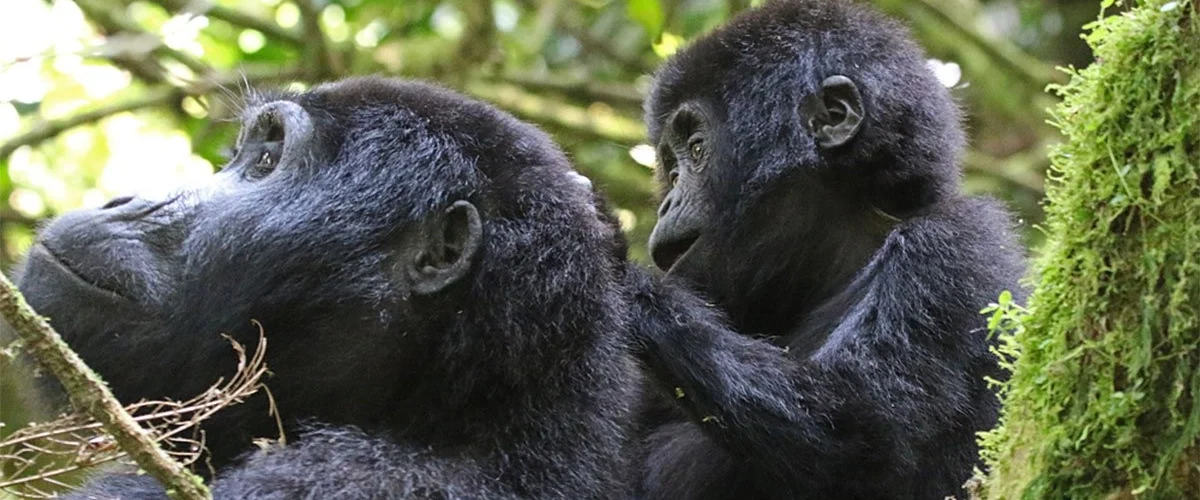
When Do Uganda's Baby Gorillas Appear? A Seasonal Guide for Wildlife Watchers Uganda gorilla baby season is one of the most misunderstood and frequently misrepresented topics in primate tourism planning, largely because most wildlife resources simplify gorilla reproduction into a generic, year round occurrence without explaining timing patterns, ecological influences, or observational probabilities  In reality, mountain gorilla births in Uganda do not follow a strict seasonal cycle, but their visibility, observation likelihood, and behavioural context are strongly influenced by environmental conditions across ecosystems such as Bwindi Impenetrable National Park and Mgahinga Gorilla National Park  Understanding when Uganda’s baby gorillas appear requires separating biological reproduction cycles from tourism visibility cycles  Births occur throughout the year, but what visitors experience in the forest is shaped by gorilla group movement, trekking conditions, vegetation density, and infant developmental stages  Gorilla Birth Patterns and Why There Is No Fixed Season Continuous Reproduction Cycle in Mountain Gorillas Mountain gorillas do not follow a seasonal breeding calendar  Female gorillas can give birth at any time of the year depending on reproductive readiness, social stability, and group dynamics  This results in a continuous but staggered birth distribution across gorilla populations  In Uganda gorilla baby season discussions, this is the most critical correction: there is no synchronized birth period like some savannah herbivores or migratory bird species  Long Gestation and Low Birth Frequency Mountain gorillas have a long gestation period of approximately eight and a half months, and females typically give birth once every four to six years  This slow reproductive rate means that baby gorillas are always present somewhere in the population, but never concentrated into a visible seasonal cluster  This biological structure ensures population stability but limits predictability for “baby viewing seasons ” Why Visitors Perceive Seasonal Baby Gorilla Patterns Visibility Bias During Dry Trekking Conditions Although births are year round, visitors often report seeing more baby gorillas during certain months  This is not due to increased births but improved visibility conditions during trekking  During drier trekking periods in Bwindi Impenetrable Forest, vegetation is slightly less dense, trails are more accessible, and tracking time is reduced  This increases the likelihood of reaching gorilla groups during active social periods where infants are more visible  Behavioural Activity Windows Baby gorillas are most observable during feeding, resting, and play phases  These activities are influenced by weather conditions and group movement patterns rather than birth timing  In ecosystems like Bwindi Impenetrable National Park, gorilla groups often adjust feeding intensity based on rainfall cycles, which indirectly affects how often infants are seen interacting  Infant Gorilla Development Stages and Visibility Newborn Stage (0–3 Months) Newborn gorillas remain in constant physical contact with their mothers  During this stage, visibility is limited because infants are typically carried and shielded within dense fur or maternal positioning  This stage is the least likely for tourists to observe clearly, especially in dense forest conditions  Early Exploration Stage (3–9 Months) At this stage, infants begin to separate briefly from their mothers and explore nearby vegetation or group members  This is when most “baby gorilla sightings” occur during trekking experiences  Play behaviour begins to emerge, including short climbing attempts and interaction with juveniles  Juvenile Transition Stage (9 Months–3 Years) Juvenile gorillas become highly active, engaging in play, imitation, and social exploration  This is the most visually engaging stage for visitors because movement is frequent and behaviour is expressive  In Uganda gorilla baby season observations, this stage is often mistaken for “peak baby season” due to high visibility, even though it is unrelated to birth timing  Seasonal Trekking Conditions and Baby Gorilla Sightings Rainy Season Trekking Context During wetter months in Bwindi Impenetrable National Park, trekking conditions become more physically demanding due to mud, reduced trail stability, and dense vegetation  However, gorilla groups often feed more actively during or after rainfall, which can increase infant interaction visibility within groups once they are located  The challenge is not absence of baby gorillas but reduced tracking efficiency and slower access to groups  Dry Season Trekking Context During drier periods, trekking efficiency improves significantly  Trails are more stable, search times are often shorter, and visibility within forest clearings improves  This increases the probability of observing gorilla families during calm behavioural phases such as feeding or resting, where infants are more likely to be visible  Social Structure Influence on Infant Visibility Silverback Positioning and Infant Protection The silverback plays a protective role in regulating group movement and infant safety  In stable groups, infants are often kept within central positions during movement phases, reducing visibility during trekking  However, during resting or feeding phases, infants may spread out slightly, increasing observation opportunities  Maternal Behavioural Strategies Mother gorillas regulate infant exposure based on perceived environmental safety  In more open or stable conditions, infants may be more visible and socially active  In denser or more alert environments, they remain closely attached  This behavioural adjustment affects how often visitors perceive “baby gorilla activity ” Gorilla Group Dynamics and Infant Interaction Role of Juveniles in Baby Socialisation Juvenile gorillas play a key role in infant development  They initiate play interactions, which are among the most visually dynamic behaviours observed during trekking  These interactions include climbing assistance, mock wrestling, and shared feeding exploration  Alloparenting Behaviour In gorilla societies, non maternal care (alloparenting) is common  Adult females and even some juveniles may interact with infants in protective or playful ways  This increases the range of infant visibility across group members, making sightings more dynamic and distributed  Habitat Influence on Baby Gorilla Observation Bwindi Impenetrable Forest Density Effects In Bwindi Impenetrable Forest, vegetation density directly influences visibility  Thick undergrowth can obscure infants even when they are present within a few meters  However, forest openings, feeding clearings, and ridge line rest areas significantly improve observation chances  Mgahinga Forest Elevation Variation In Mgahinga Gorilla National Park, elevation gradients create slightly different vegetation structures, which can affect how often infants are visible during trekking  Higher bamboo zones often provide clearer sightlines compared to lower dense forest sections  Tracking Logistics and Baby Gorilla Encounter Probability Search Time and Encounter Duration The probability of seeing baby gorillas is strongly influenced by how quickly a gorilla group is located  Shorter search times often result in longer observation windows, increasing infant interaction visibility  Conversely, longer tracking times may reduce stationary observation duration, limiting detailed behavioural viewing  Group Location Stability Some gorilla groups remain in more predictable zones depending on seasonal feeding patterns  These stable locations indirectly improve infant observation frequency for trekking groups assigned to those families  Misconceptions About Uganda Gorilla Baby Season Misinterpretation of Seasonal Birth Cycles One of the most common misconceptions is that Uganda gorilla baby season occurs at a specific time of year  This is incorrect biologically, as reproduction is not seasonally synchronized  Confusion Between Visibility and Birth Rate Many travellers confuse increased visibility of juveniles during dry trekking conditions with actual increases in birth frequency  In reality, birth rates remain constant year round  Overemphasis on Tourism Seasonality Models Standard safari season charts focus on weather and accessibility, not biological reproduction cycles  This creates misleading assumptions about “best baby gorilla viewing months ” Field Reality of Observing Baby Gorillas in Uganda Behaviour Driven Observation, Not Calendar Based Prediction Baby gorilla sightings are determined by behavioural conditions rather than seasonal timing  Feeding patterns, resting cycles, and group movement all influence visibility more than calendar months  Unpredictability as a Core Feature Even under ideal trekking conditions, infant visibility cannot be guaranteed  Gorillas decide movement and positioning based on internal group dynamics rather than tourist expectations  Role of Guide Interpretation Experienced guides significantly influence observation success by interpreting gorilla movement patterns, predicting resting zones, and identifying likely infant activity areas  Uganda Gorilla Baby Season as an Experience System Uganda gorilla baby season is not a biological event tied to specific months but a perception shaped by trekking conditions, group behaviour, and environmental visibility  Baby gorillas are present throughout the year across Uganda’s mountain gorilla populations, but their visibility depends on how forest conditions, altitude, and group dynamics align during each trek  In ecosystems like Bwindi Impenetrable National Park, the experience of seeing baby gorillas is less about timing and more about interaction with a continuously active and socially complex primate system operating within a dense and dynamic rainforest environment

When Do Uganda’s Baby Gorillas Appear?

When Do Uganda’s Baby Gorillas Appear? A Seasonal Guide for Wildlife Watchers

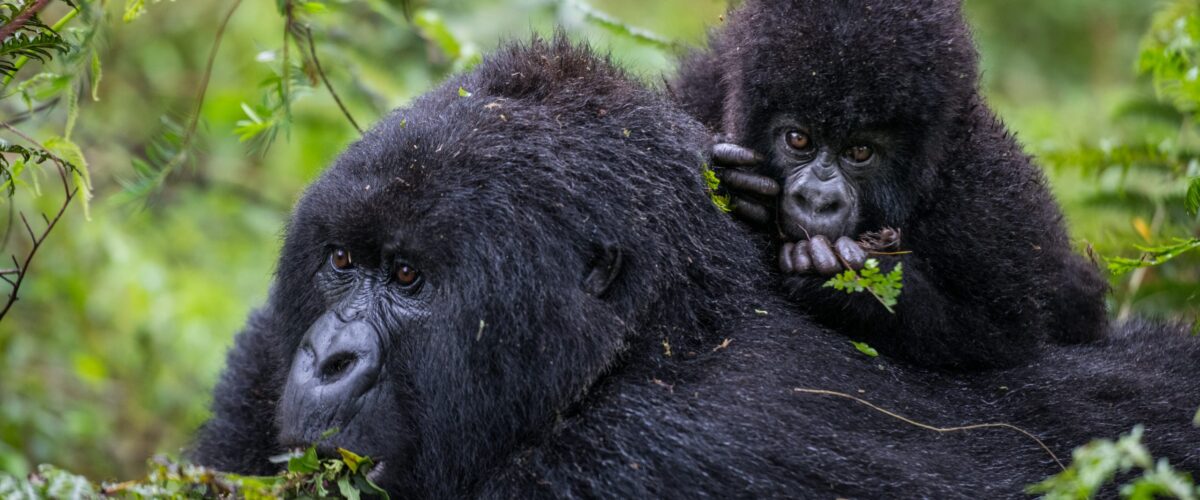
Uganda gorilla baby season is one of the most misunderstood and frequently misrepresented topics in primate tourism planning, largely because most wildlife resources simplify gorilla reproduction into a generic, year-round occurrence without explaining timing patterns, ecological influences, or observational probabilities. In reality, mountain gorilla births in Uganda do not follow a strict seasonal cycle, but their visibility, observation likelihood, and behavioural context are strongly influenced by environmental conditions across ecosystems such as Bwindi Impenetrable National Park and Mgahinga Gorilla National Park.

Understanding when Uganda’s baby gorillas appear requires separating biological reproduction cycles from tourism visibility cycles. Births occur throughout the year, but what visitors experience in the forest is shaped by gorilla group movement, trekking conditions, vegetation density, and infant developmental stages.

Gorilla Birth Patterns and Why There Is No Fixed Season

Continuous Reproduction Cycle in Mountain Gorillas

Mountain gorillas do not follow a seasonal breeding calendar. Female gorillas can give birth at any time of the year depending on reproductive readiness, social stability, and group dynamics. This results in a continuous but staggered birth distribution across gorilla populations.

In Uganda gorilla baby season discussions, this is the most critical correction: there is no synchronized birth period like some savannah herbivores or migratory bird species.

Long Gestation and Low Birth Frequency

Mountain gorillas have a long gestation period of approximately eight and a half months, and females typically give birth once every four to six years. This slow reproductive rate means that baby gorillas are always present somewhere in the population, but never concentrated into a visible seasonal cluster.

This biological structure ensures population stability but limits predictability for “baby viewing seasons.”

Why Visitors Perceive Seasonal Baby Gorilla Patterns

Visibility Bias During Dry Trekking Conditions

Although births are year-round, visitors often report seeing more baby gorillas during certain months. This is not due to increased births but improved visibility conditions during trekking.

During drier trekking periods in Bwindi Impenetrable Forest, vegetation is slightly less dense, trails are more accessible, and tracking time is reduced. This increases the likelihood of reaching gorilla groups during active social periods where infants are more visible.

Behavioural Activity Windows

Baby gorillas are most observable during feeding, resting, and play phases. These activities are influenced by weather conditions and group movement patterns rather than birth timing.

In ecosystems like Bwindi Impenetrable National Park, gorilla groups often adjust feeding intensity based on rainfall cycles, which indirectly affects how often infants are seen interacting.

Infant Gorilla Development Stages and Visibility

Newborn Stage (0–3 Months)

Newborn gorillas remain in constant physical contact with their mothers. During this stage, visibility is limited because infants are typically carried and shielded within dense fur or maternal positioning.

This stage is the least likely for tourists to observe clearly, especially in dense forest conditions.

Early Exploration Stage (3–9 Months)

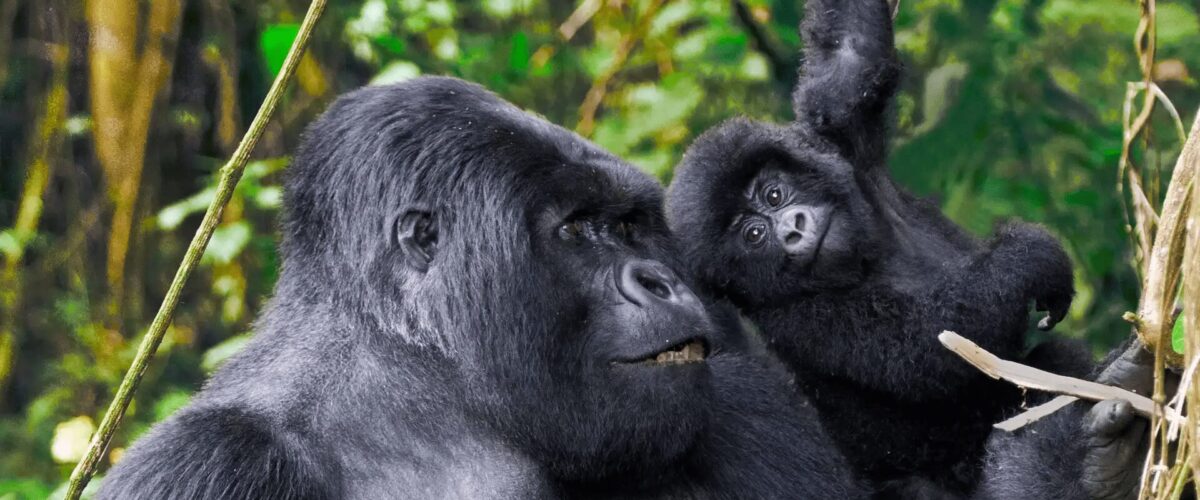
At this stage, infants begin to separate briefly from their mothers and explore nearby vegetation or group members. This is when most “baby gorilla sightings” occur during trekking experiences.

Play behaviour begins to emerge, including short climbing attempts and interaction with juveniles.

Juvenile Transition Stage (9 Months–3 Years)

Juvenile gorillas become highly active, engaging in play, imitation, and social exploration. This is the most visually engaging stage for visitors because movement is frequent and behaviour is expressive.

In Uganda gorilla baby season observations, this stage is often mistaken for “peak baby season” due to high visibility, even though it is unrelated to birth timing.

Seasonal Trekking Conditions and Baby Gorilla Sightings

Rainy Season Trekking Context

During wetter months in Bwindi Impenetrable National Park, trekking conditions become more physically demanding due to mud, reduced trail stability, and dense vegetation.

However, gorilla groups often feed more actively during or after rainfall, which can increase infant interaction visibility within groups once they are located.

The challenge is not absence of baby gorillas but reduced tracking efficiency and slower access to groups.

Dry Season Trekking Context

During drier periods, trekking efficiency improves significantly. Trails are more stable, search times are often shorter, and visibility within forest clearings improves.

This increases the probability of observing gorilla families during calm behavioural phases such as feeding or resting, where infants are more likely to be visible.

Social Structure Influence on Infant Visibility

Silverback Positioning and Infant Protection

The silverback plays a protective role in regulating group movement and infant safety. In stable groups, infants are often kept within central positions during movement phases, reducing visibility during trekking.

However, during resting or feeding phases, infants may spread out slightly, increasing observation opportunities.

Maternal Behavioural Strategies

Mother gorillas regulate infant exposure based on perceived environmental safety. In more open or stable conditions, infants may be more visible and socially active. In denser or more alert environments, they remain closely attached.

This behavioural adjustment affects how often visitors perceive “baby gorilla activity.”

Gorilla Group Dynamics and Infant Interaction

Role of Juveniles in Baby Socialisation

Juvenile gorillas play a key role in infant development. They initiate play interactions, which are among the most visually dynamic behaviours observed during trekking.

These interactions include climbing assistance, mock wrestling, and shared feeding exploration.

Alloparenting Behaviour

In gorilla societies, non-maternal care (alloparenting) is common. Adult females and even some juveniles may interact with infants in protective or playful ways.

This increases the range of infant visibility across group members, making sightings more dynamic and distributed.

Habitat Influence on Baby Gorilla Observation

Bwindi Impenetrable Forest Density Effects

In Bwindi Impenetrable Forest, vegetation density directly influences visibility. Thick undergrowth can obscure infants even when they are present within a few meters.

However, forest openings, feeding clearings, and ridge-line rest areas significantly improve observation chances.

Mgahinga Forest Elevation Variation

In Mgahinga Gorilla National Park, elevation gradients create slightly different vegetation structures, which can affect how often infants are visible during trekking.

Higher bamboo zones often provide clearer sightlines compared to lower dense forest sections.

Tracking Logistics and Baby Gorilla Encounter Probability

Search Time and Encounter Duration

The probability of seeing baby gorillas is strongly influenced by how quickly a gorilla group is located. Shorter search times often result in longer observation windows, increasing infant interaction visibility.

Conversely, longer tracking times may reduce stationary observation duration, limiting detailed behavioural viewing.

Group Location Stability

Some gorilla groups remain in more predictable zones depending on seasonal feeding patterns. These stable locations indirectly improve infant observation frequency for trekking groups assigned to those families.

Misconceptions About Uganda Gorilla Baby Season

Misinterpretation of Seasonal Birth Cycles

One of the most common misconceptions is that Uganda gorilla baby season occurs at a specific time of year. This is incorrect biologically, as reproduction is not seasonally synchronized.

Confusion Between Visibility and Birth Rate

Many travellers confuse increased visibility of juveniles during dry trekking conditions with actual increases in birth frequency. In reality, birth rates remain constant year-round.

Overemphasis on Tourism Seasonality Models

Standard safari season charts focus on weather and accessibility, not biological reproduction cycles. This creates misleading assumptions about “best baby gorilla viewing months.”

Field Reality of Observing Baby Gorillas in Uganda

Behaviour-Driven Observation, Not Calendar-Based Prediction

Baby gorilla sightings are determined by behavioural conditions rather than seasonal timing. Feeding patterns, resting cycles, and group movement all influence visibility more than calendar months.

Unpredictability as a Core Feature

Even under ideal trekking conditions, infant visibility cannot be guaranteed. Gorillas decide movement and positioning based on internal group dynamics rather than tourist expectations.

Role of Guide Interpretation

Experienced guides significantly influence observation success by interpreting gorilla movement patterns, predicting resting zones, and identifying likely infant activity areas.

Uganda Gorilla Baby Season as an Experience System

Uganda gorilla baby season is not a biological event tied to specific months but a perception shaped by trekking conditions, group behaviour, and environmental visibility. Baby gorillas are present throughout the year across Uganda’s mountain gorilla populations, but their visibility depends on how forest conditions, altitude, and group dynamics align during each trek.

In ecosystems like Bwindi Impenetrable National Park, the experience of seeing baby gorillas is less about timing and more about interaction with a continuously active and socially complex primate system operating within a dense and dynamic rainforest environment.

Bwindi Trekking Conditions by Season

Bwindi Trekking Conditions by Season

Bwindi Trekking Conditions by Season: Mud, Altitude and What to Prepare For

Bwindi trekking conditions rainy dry season is one of the most practical yet underexplained topics for travellers planning a gorilla safari in Uganda. Most travel pages describe gorilla trekking as a “once-in-a-lifetime experience” without breaking down what physically changes on the ground depending on season. In reality, trekking conditions in Bwindi Impenetrable National Park are shaped by mud levels, altitude gradients, forest density, rainfall patterns, and trail stability rather than simple “good or bad season” labels.

Understanding these conditions is not optional preparation; it directly determines pacing, comfort, energy use, and even how you experience the gorilla encounter itself. Bwindi is not a flat, predictable hiking environment. It is a steep, humid, layered rainforest system where every season changes how the forest behaves underfoot.

Bwindi Trekking Terrain Structure and Why It Matters

Steep Elevation as the Core Challenge

Bwindi Impenetrable Forest sits on a rugged mountainous system with elevation ranging roughly from 1,160 to over 2,600 meters. This means every trek involves continuous altitude variation, not just horizontal walking.

The terrain is defined by steep ridges, narrow valleys, and dense vegetation corridors. Unlike open savannah safaris in parks such as Queen Elizabeth National Park, movement here is vertical as much as it is horizontal.

Altitude affects breathing efficiency, muscle fatigue, and pacing. Even experienced hikers feel the cumulative effect of repeated ascents and descents during gorilla tracking.

Forest Density and Restricted Movement Lines

Bwindi is classified as an impenetrable forest for a reason. Vegetation is thick, layered, and constantly regenerating. Trails are narrow and often cut through tangled undergrowth, bamboo zones, and slippery leaf litter sections.

This density changes dramatically between rainy and dry seasons, affecting visibility, footing stability, and guide navigation efficiency.

Rainy Season Bwindi Trekking Conditions

Mud Saturation and Trail Instability

During rainy seasons, Bwindi trekking conditions become significantly more challenging due to saturated soil. Trails turn into mixed surfaces of clay, leaf sludge, and exposed roots.

This creates three key effects:

Foot placement becomes less predictable, requiring slower, more deliberate movement.
Energy expenditure increases due to reduced traction.
Stopping and restarting movement becomes physically demanding on steep sections.

Even short distances can feel longer because progress is interrupted by slipping risk and careful footing adjustments.

Vegetation Overgrowth and Reduced Trail Definition

Rain accelerates vegetation growth along trekking routes. This can partially obscure trail edges, making path definition less visually clear.

In some sections, hikers rely heavily on guide clearing rather than visible footpaths. This increases dependence on trekking staff and slows overall group movement pace.

Rainfall Impact on Trekking Flow

Rain in Bwindi is often intermittent rather than continuous, but when it occurs during a trek, it changes surface conditions rapidly. A dry trail can become slippery within minutes.

However, rainfall also has a stabilizing ecological effect. Gorillas tend to feed actively during or after rain, which can reduce search time in some cases.

Atmospheric Conditions in Wet Season

Rainy conditions create mist, low cloud cover, and high humidity. This reduces long-distance visibility but enhances immersion within the forest environment.

The forest feels quieter, denser, and more enclosed, which changes the psychological experience of trekking significantly.

Dry Season Bwindi Trekking Conditions

Improved Traction and Stable Footing

During drier months, trails in Bwindi become more compact and stable. Mud levels reduce significantly, especially on frequently used trekking paths.

This results in:

Faster movement between tracking points
Reduced slipping risk on steep slopes
More predictable foot placement across root and rock surfaces

However, dry does not mean flat or easy. The forest terrain remains steep and uneven regardless of season.

Reduced Vegetation Resistance

Dry conditions slightly reduce undergrowth density along trails. This improves visibility of terrain edges and makes directional movement easier to follow.

Guides can also maintain clearer trail routes, which improves overall trekking efficiency.

Higher Physical Exposure

While dry conditions improve mobility, they also increase physical exposure. Sunlight penetrates more open canopy gaps, and humidity levels can feel more concentrated during midday trekking.

This creates a different kind of physical strain compared to rainy season mud resistance.

Altitude Effects on Bwindi Trekking Experience

Oxygen Adaptation and Fatigue Levels

Bwindi’s altitude means oxygen levels are lower than lowland environments. This affects stamina even for fit travellers.

During steep ascents, breathing becomes more laboured, and pacing naturally slows. This is normal and expected, not a sign of poor fitness.

Muscle Load Distribution on Slopes

Because Bwindi trekking involves continuous elevation change, muscle fatigue accumulates differently than on flat hiking trails. Quadriceps, calves, and lower back muscles are heavily engaged throughout the trek.

Descending sections can be just as demanding as ascending due to braking force on slippery or uneven terrain.

Altitude Variation Between Tracking Zones

Different gorilla families occupy different elevation zones. Some groups are located in lower, more humid valleys, while others range into higher bamboo or montane forest zones.

This means trekking difficulty varies not just by season but by gorilla group location on the day of tracking.

Seasonal Comparison of Bwindi Trekking Conditions

Rainy Season Tactical Reality

Rainy season trekking in Bwindi Impenetrable National Park is defined by high ecological intensity and high physical resistance. Conditions include:

Deep mud sections
Slippery root networks
Rapid weather changes
Dense vegetation corridors

However, it also includes:

High forest productivity
Active gorilla feeding behaviour
Dramatic atmospheric visibility (mist and fog layering)

Dry Season Tactical Reality

Dry season trekking is defined by improved mobility but continued altitude challenge. Conditions include:

Stable ground traction
Reduced mud interference
Clearer trail visibility
Faster tracking movement

However:

Steep gradients remain unchanged
Heat exposure can increase mid-day fatigue
Forest density is still significant despite seasonal reduction

What Most Travelers Misjudge About Bwindi Conditions

Misunderstanding “Difficulty Levels”

A common misconception is that dry season equals easy trekking and rainy season equals extreme trekking. In reality, Bwindi difficulty is structural, not seasonal.

Altitude, slope gradient, and forest density are constant variables. Season only modifies surface conditions and movement efficiency.

Underestimating Micro-Climate Variability

Bwindi contains multiple micro-climates within short distances. One valley can be dry while the next ridge is wet and muddy.

This means trekkers often experience mixed conditions within a single journey, regardless of overall season.

Overfocusing on Weather Instead of Terrain

Weather is only one layer of trekking difficulty. Terrain structure and elevation change have a far greater impact on physical demand than rainfall alone.

Preparation Requirements Based on Bwindi Trekking Conditions

Footwear and Traction Strategy

Footwear choice is critical due to variable terrain. High-grip hiking boots with ankle support are essential for both rainy and dry seasons.

In wet conditions, traction stability becomes more important than comfort. In dry conditions, breathability and support balance become more relevant.

Physical Conditioning Expectations

Preparation should focus on endurance walking, incline training, and sustained cardio capacity rather than short bursts of fitness.

Bwindi trekking is a sustained effort activity, not a short hike.

Load Management and Energy Control

Carrying lightweight gear improves performance significantly due to continuous elevation changes. Energy conservation becomes important during long tracking durations.

Weather Layering Logic

Layering is necessary due to rapid micro-climate changes. Even in dry season, sudden rain showers or mist exposure can occur without warning.

Trekking Flow Dynamics Inside Bwindi Forest

Group Pacing and Guide Control

Trekking speed is controlled by guide interpretation of terrain and tracking signals. Movement is not fixed; it adapts to gorilla location updates and terrain conditions.

Stop-Start Movement Pattern

Bwindi trekking often follows a stop-start rhythm rather than continuous hiking. This is due to gorilla tracking pauses, terrain evaluation, and environmental reading.

Search Phase vs Encounter Phase

Trekking consists of two distinct phases: search phase and encounter phase. Conditions during search phase are heavily influenced by terrain and season, while encounter phase becomes stationary and observational.

Tactical Understanding of Bwindi Conditions

Bwindi trekking conditions rainy dry season should not be viewed as a binary system of easy versus hard. Instead, it is a shifting field environment where mud levels, altitude strain, vegetation density, and micro-climate variation interact continuously.

The forest does not simplify itself for visitors. It remains structurally complex year-round, with seasonal changes only adjusting how that complexity is experienced on foot rather than removing it.

Uganda in December

Uganda in December

Uganda in December: Why the Short Dry Window Is Africa’s Best-Kept Secret

Uganda safari December is one of the most underestimated safari periods in East Africa, largely because it sits between two more widely promoted travel windows and is often simplified as a “shoulder month.” That label misses the real ecological and experiential value of this short dry window. December in Uganda is not just a transitional phase; it is a strategically important moment in the country’s wildlife calendar where landscapes, animal behaviour, and travel conditions align in a way that is both accessible and visually rewarding.

Across key safari ecosystems such as Queen Elizabeth National Park, Murchison Falls National Park, and the forested gorilla habitats of Bwindi Impenetrable National Park, December creates a rare ecological balance. It is a period shaped by post-rain recovery, stabilizing weather systems, and gradual wildlife redistribution. Understanding Uganda safari December requires looking beyond simple weather summaries and into how ecosystems respond after rainfall cycles.

Climatic Transition Shaping Uganda Safari December Conditions

Post-Rain Stabilization Phase

December follows Uganda’s short rainy season, which means most landscapes have recently received significant rainfall. As the rains begin to recede, ecosystems enter a stabilization phase where vegetation remains lush but starts to settle into more predictable growth patterns.

This creates a unique safari environment where visibility improves gradually without the harsh dryness of peak dry seasons. Grasslands remain green but begin to thin in open areas, especially in savannah regions like Queen Elizabeth National Park. This balance is one of the defining features of Uganda safari December conditions.

Reduced Rainfall Without Full Dryness

Unlike fully dry months, December does not eliminate rainfall completely. Instead, it reduces intensity and frequency. This means safari days often include clear mornings, occasional light showers, and stable afternoon conditions.

This variability supports diverse wildlife behaviour, as animals are not yet forced into extreme water-source dependency but also are not fully dispersed across wet-season ranges.

Temperature Moderation and Field Comfort

Daytime temperatures in December remain warm but manageable, while early mornings and evenings are cooler. This moderation creates comfortable game drive conditions and improves overall safari endurance for travellers engaging in full-day wildlife tracking experiences.

Wildlife Distribution During Uganda Safari December

Early Re-Concentration of Herbivores

One of the most important ecological shifts during Uganda safari December is the early-stage re-concentration of herbivores. As post-rain water distribution begins to stabilize, animals slowly start adjusting their movement patterns toward more reliable grazing zones.

In ecosystems such as Queen Elizabeth National Park, Uganda kob, buffalo, and elephant populations begin subtle shifts toward open plains and permanent water sources. However, unlike peak dry season, this concentration is still developing, which creates a more natural distribution pattern.

Predator Behaviour in Transitional Landscapes

Predators such as lions and leopards adjust their hunting strategies during this period. Instead of relying on tightly clustered prey populations, they operate across wider territories, tracking emerging movement corridors.

In Murchison Falls National Park, this results in dynamic predator visibility patterns where sightings are influenced by both opportunity and landscape openness rather than fixed concentration zones.

Elephant Mobility Across Mixed Habitats

Elephants are particularly responsive to December conditions. They move between forested zones, riverbanks, and savannah areas depending on food availability and moisture levels.

This creates varied viewing opportunities across multiple habitats within a single safari route, especially along the Nile corridor in Murchison Falls National Park.

Savannah Experience During Uganda Safari December

Balanced Vegetation Structure

December offers a balanced vegetation structure that is neither too dense nor fully exposed. This intermediate stage is critical for safari quality because it allows for both wildlife concealment and visibility.

Animals are easier to spot than in peak wet season, but still behave naturally without the extreme clustering seen in dry months.

Game Drive Accessibility and Route Expansion

Road conditions in December are generally stable due to reduced rainfall intensity. This improves access to remote safari sectors, especially in Queen Elizabeth National Park where crater lake regions and southern plains become more reachable.

Game drives become more flexible, allowing for extended exploration without major weather disruptions.

Multi-Zone Wildlife Observation

One of the key advantages of Uganda safari December is the ability to observe wildlife across multiple ecological zones within a single game drive. Savannah plains, wetlands, and bush transitions are all active simultaneously, offering diverse sightings within short distances.

Gorilla Trekking Dynamics in December

Forest Stability and Trekking Efficiency

In forest systems such as Bwindi Impenetrable Forest, December provides relatively stable trekking conditions. Trails are less saturated compared to peak rainy months, improving mobility while maintaining natural forest humidity.

This creates a physically balanced trekking experience where accessibility is improved without losing ecological authenticity.

Feeding Behaviour in Gorilla Groups

Mountain gorillas remain non-migratory, but their feeding patterns are influenced by vegetation cycles. In December, plant regeneration following rains supports active feeding behaviour, keeping groups relatively stable in known tracking zones.

This improves trekking predictability while still allowing for natural variation in group movement.

Atmospheric Forest Conditions

December forest environments often feature a combination of light mist, filtered sunlight, and residual moisture. This creates layered visibility conditions that enhance depth perception during trekking and improve photographic composition opportunities.

Birdlife and Biodiversity Activity in December

Mixed Seasonal Bird Populations

Uganda safari December overlaps with periods where both resident and migratory bird species are present. This creates a high diversity of birdlife across wetlands, savannahs, and forest edges.

In Queen Elizabeth National Park, wetland areas become particularly active with aquatic bird species, while open plains support raptor visibility.

Breeding and Feeding Intensification

Following the rains, insect populations remain elevated, supporting increased feeding activity among insectivorous bird species. Many birds also enter breeding cycles during this period, increasing territorial displays and vocal activity.

Wetland Ecosystem Productivity

Wetlands retain high water levels from recent rains, supporting complex ecological interactions between fish, birds, and amphibian species. This enhances biodiversity visibility for travellers focusing on ecological observation.

Landscape and Photographic Value of Uganda Safari December

Green Transition Landscapes

December landscapes are defined by a transition from wet-season lushness to early dry-season structure. This creates visually rich environments where green vegetation dominates but begins to open up for wildlife visibility.

In Queen Elizabeth National Park, this results in contrasting visual layers between grasslands, water bodies, and distant hills.

Atmospheric Light Quality

Lighting conditions in December are particularly favourable for photography due to a combination of cloud diffusion and intermittent sunlight. This reduces harsh shadows while maintaining colour depth.

Early morning conditions often include soft mist, especially in forested regions like Bwindi, creating strong atmospheric composition opportunities.

Reduced Dust Compared to Peak Dry Season

Unlike peak dry months, December still retains moderate ground moisture. This reduces dust interference during photography, resulting in clearer long-range wildlife shots.

Tourism Flow and Safari Experience Dynamics

Lower Crowd Density Advantage

December is often overlooked in safari planning, which results in lower tourist density across major parks. This enhances exclusivity during game drives and reduces vehicle congestion at wildlife sightings.

Lodge Availability and Service Quality

Accommodation availability is generally higher than peak dry season periods, allowing access to premium lodges without high booking pressure. This often results in more personalized service experiences.

Flexible Safari Planning

Tour operators have greater flexibility in December due to lower peak demand. This allows for more adaptive itinerary design, including spontaneous route changes based on wildlife movement.

Ecological Significance of December in Uganda

Post-Rain Recovery Ecosystem Phase

December represents a recovery phase in Uganda’s ecological cycle. Vegetation regrowth stabilizes, water systems refill, and wildlife distribution begins transitioning toward dry-season patterns.

This creates a biologically active but balanced ecosystem state.

Early Dry Season Formation

December acts as the beginning of dry-season formation without reaching full ecological pressure. This intermediate state is what makes Uganda safari December structurally unique compared to both wet and peak dry seasons.

Energy Distribution Across Species

Wildlife energy expenditure becomes more balanced during this period. Animals are not forced into extreme migration or water dependency, allowing for more natural behavioural expression.

Field Reality of Uganda Safari December

Predictability Without Rigidity

December offers a mix of predictability and natural variation. Weather conditions are relatively stable, but wildlife behaviour remains dynamic due to post-rain ecological adjustments.

Tracking Complexity and Guide Expertise

Wildlife tracking during December requires interpretive skill rather than simple location following. Guides must read environmental cues such as fresh tracks, feeding signs, and vegetation movement.

Multi-Habitat Safari Integration

One of the strongest aspects of Uganda safari December is the ability to combine forest, savannah, and wetland ecosystems within a single trip, offering a multi-layered safari experience across the country’s diverse landscapes.

Is It Worth Visiting Uganda in the Rainy Season For Safaris?

Is It Worth Visiting Uganda in the Rainy Season For Safaris?

Is It Worth Visiting Uganda in the Rainy Season? An Honest Assessment

Uganda rainy season safari worth it is a question that comes up frequently among travelers planning wildlife trips to East Africa, especially when comparing Uganda’s wet months against the more commonly promoted dry season windows. Many standard travel platforms simply label the rainy season as “less favorable,” but this classification is overly simplified and often misleading. It does not account for ecological richness, behavioral changes in wildlife, lower tourist pressure, or the unique photographic and experiential advantages that come with rainfall periods.

In Uganda, the rainy season is not a uniform experience. It varies across regions such as Bwindi Impenetrable National Park, Queen Elizabeth National Park, and Murchison Falls National Park. These ecosystems respond differently to rainfall, and that difference directly shapes safari quality, accessibility, and wildlife behaviour.

Understanding whether Uganda rainy season safari worth it requires moving beyond weather labels and analyzing ecological systems, tourism dynamics, and field realities.

Rainy Season Structure in Uganda and What It Actually Means

Seasonal Pattern Instead of Constant Rain

Uganda does not experience a single continuous rainy period. Instead, it follows a bimodal rainfall pattern, typically with long rains and short rains depending on region and elevation. This means rainfall is intermittent rather than constant, with dry intervals often occurring between heavy downpours.

In practical safari terms, this creates alternating conditions of lush landscapes, muddy tracks, clear skies, and dramatic atmospheric shifts within the same trip.

Landscape Transformation During Rainfall

One of the most immediate effects of the rainy season is vegetation regeneration. Grasslands become dense and green, forests expand visually due to canopy saturation, and water bodies refill across ecosystems.

In places like Queen Elizabeth National Park, the savannah transforms into a rich green expanse that changes both visibility and animal movement patterns. While this can reduce long-distance spotting, it significantly enhances biodiversity visibility and ecosystem vibrancy.

Wildlife Behaviour During Uganda’s Rainy Season

Dispersed Animal Movement

During rainy months, water becomes widely available across the landscape. This reduces the need for wildlife to congregate around fixed water sources.

As a result, animals spread out across larger areas, making sightings less predictable compared to dry season concentration patterns.

However, this dispersion also means wildlife is engaging in more natural, less pressure-driven behaviour. Feeding is more distributed, and movement is less constrained by survival clustering.

Increased Feeding Opportunities

Rain stimulates vegetation growth, which directly increases food availability for herbivores. Grazers such as Uganda kob, buffalo, and various antelope species benefit significantly from this abundance.

In Murchison Falls National Park, this period supports active feeding cycles across multiple zones, although animals may not gather in large visible herds as frequently as in dry months.

Predator Adaptation to Wider Ranges

Predators such as lions and leopards adjust their hunting strategies during the rainy season. Because prey is more dispersed, hunting becomes more opportunistic rather than concentration-based.

This can make predator sightings less frequent but often more natural and less predictable in behaviour patterns.

Gorilla Trekking in the Rainy Season

Trekking Conditions in Forest Ecosystems

In forest destinations like Bwindi Impenetrable Forest, rainfall is a permanent ecological feature regardless of seasonality. However, during heavier rainy months, trails become more slippery, and trekking requires more physical effort.

Despite this, gorilla trekking success rates remain high throughout the year because mountain gorillas do not migrate based on seasonal weather patterns.

Vegetation Density and Gorilla Visibility

Rain increases forest density, which can slightly reduce visibility during encounters. However, it also enhances gorilla feeding activity, as plant growth is at its peak.

This often results in more active group behaviour, including feeding, grooming, and movement interactions within shorter viewing distances.

Emotional and Atmospheric Experience

One of the most overlooked aspects of Uganda rainy season safari worth it discussions is the emotional atmosphere of forest trekking during rain. Mist, fog, and dripping canopy layers create a deeply immersive environment that many travellers find more authentic and atmospheric than dry conditions.

Birding and Biodiversity Advantages

Peak Bird Activity Periods

Rainy seasons in Uganda coincide with some of the most productive birding conditions. Migratory species are often present, and resident birds display heightened breeding and territorial behaviours.

Wetland areas in Queen Elizabeth National Park and surrounding crater lakes become particularly active ecosystems for birdwatching.

Insect and Plant Biodiversity Expansion

Rainfall triggers insect population increases, which supports higher trophic activity across ecosystems. This, in turn, attracts insectivorous birds and small mammals, creating layered biodiversity interactions that are less visible during dry seasons.

Landscape and Photography Advantages

Dramatic Atmospheric Conditions

Rainy season safari conditions produce some of the most visually dynamic landscapes in Uganda. Cloud formations, mist-covered hills, and saturated vegetation create high-contrast photographic environments.

In regions such as Bwindi Impenetrable National Park, mist often settles in valleys, producing cinematic forest scenes that are not present during dry months.

Color Saturation and Natural Contrast

Vegetation during rainy seasons is more vibrant, with deeper greens and enhanced tonal contrast. This improves wide-angle landscape photography and environmental storytelling visuals.

However, lighting conditions can be more variable due to cloud cover, requiring adaptability in shooting techniques.

Accessibility and Travel Conditions

Road Conditions and Mobility

One of the main challenges during the rainy season is road accessibility, particularly in remote safari regions. Dirt roads may become muddy or temporarily difficult to navigate.

In national parks like Murchison Falls, game drive routes may require more careful planning, and travel times between locations can increase.

Lodge and Tourism Density

Rainy seasons typically attract fewer tourists, which results in lower lodge occupancy and quieter safari experiences. This can enhance exclusivity and reduce crowding at key wildlife observation points.

Cost and Tourism Value Dynamics

Lower Season Pricing Structure

Many safari operators and lodges offer reduced rates during rainy months due to lower demand. This makes Uganda rainy season safari worth it from a cost-efficiency perspective for budget-conscious travellers.

Increased Availability of Premium Lodges

Luxury accommodations that may be fully booked during peak dry season often have availability during rainy months, allowing access to higher-end safari experiences at reduced rates.

Ecosystem Health and Natural Cycles

Regeneration Phase of Ecosystems

Rainy seasons represent regeneration cycles in Uganda’s ecosystems. Soil moisture increases, plant life expands, and ecological productivity rises significantly.

This period is essential for long-term ecosystem sustainability and directly influences wildlife population health.

Water Cycle Replenishment

Rivers, wetlands, and lakes are replenished during rainy months, ensuring water availability throughout the year. This is particularly important for maintaining dry season ecological balance.

Comparing Rainy Season vs Dry Season Reality

Visibility vs Authenticity Trade-off

Dry seasons offer higher visibility of large mammals due to concentrated wildlife movement. Rainy seasons offer richer ecological authenticity, with more natural behaviour patterns and less predictable movement.

Tourist Density Differences

Dry seasons are busier, with more safari vehicles in key areas. Rainy seasons provide quieter, more private wildlife encounters, especially in parks like Queen Elizabeth National Park.

Behavioural Differences in Wildlife

Dry season wildlife behaviour is often shaped by survival clustering around water sources. Rainy season behaviour is more dispersed and feeding-driven, reflecting natural ecological abundance rather than scarcity pressure.

Field Reality of Rainy Season Safaris in Uganda

Unpredictability as a Core Feature

Rainy season safaris are inherently less predictable. Weather conditions, road access, and animal movement can shift rapidly.

However, this unpredictability is also what creates unique and unrepeatable safari moments.

Guide Expertise Becomes More Important

During rainy months, experienced guides play a critical role in tracking wildlife, adjusting routes, and interpreting environmental signals. Their knowledge becomes more valuable than in dry season conditions where animal clustering is more obvious.

Emotional Depth of Safari Experience

Many travellers report that rainy season safaris feel more immersive and emotionally engaging due to atmospheric conditions, reduced crowds, and heightened ecological activity.

Practical Interpretation of Whether It Is Worth It

Uganda rainy season safari worth it depends on what type of safari experience is being prioritized. If the goal is maximum animal concentration and easier visibility, dry season conditions may be more suitable. If the goal is ecological richness, photographic atmosphere, lower crowds, and cost efficiency, rainy season conditions offer significant advantages.

In ecosystems like Bwindi Impenetrable Forest and Queen Elizabeth National Park, rainy season conditions are not a downgrade but a different ecological expression of the same landscape.

The value of the experience is determined less by rainfall itself and more by how that rainfall reshapes wildlife behaviour, landscape structure, and human interaction with the environment.