Is It Worth Visiting Uganda in the Rainy Season? An Honest Assessment
Uganda rainy season safari worth it is a question that comes up frequently among travelers planning wildlife trips to East Africa, especially when comparing Uganda’s wet months against the more commonly promoted dry season windows. Many standard travel platforms simply label the rainy season as “less favorable,” but this classification is overly simplified and often misleading. It does not account for ecological richness, behavioral changes in wildlife, lower tourist pressure, or the unique photographic and experiential advantages that come with rainfall periods.
In Uganda, the rainy season is not a uniform experience. It varies across regions such as Bwindi Impenetrable National Park, Queen Elizabeth National Park, and Murchison Falls National Park. These ecosystems respond differently to rainfall, and that difference directly shapes safari quality, accessibility, and wildlife behaviour.
Understanding whether Uganda rainy season safari worth it requires moving beyond weather labels and analyzing ecological systems, tourism dynamics, and field realities.
Rainy Season Structure in Uganda and What It Actually Means
Seasonal Pattern Instead of Constant Rain
Uganda does not experience a single continuous rainy period. Instead, it follows a bimodal rainfall pattern, typically with long rains and short rains depending on region and elevation. This means rainfall is intermittent rather than constant, with dry intervals often occurring between heavy downpours.
In practical safari terms, this creates alternating conditions of lush landscapes, muddy tracks, clear skies, and dramatic atmospheric shifts within the same trip.
Landscape Transformation During Rainfall
One of the most immediate effects of the rainy season is vegetation regeneration. Grasslands become dense and green, forests expand visually due to canopy saturation, and water bodies refill across ecosystems.
In places like Queen Elizabeth National Park, the savannah transforms into a rich green expanse that changes both visibility and animal movement patterns. While this can reduce long-distance spotting, it significantly enhances biodiversity visibility and ecosystem vibrancy.
Wildlife Behaviour During Uganda’s Rainy Season
Dispersed Animal Movement
During rainy months, water becomes widely available across the landscape. This reduces the need for wildlife to congregate around fixed water sources.
As a result, animals spread out across larger areas, making sightings less predictable compared to dry season concentration patterns.
However, this dispersion also means wildlife is engaging in more natural, less pressure-driven behaviour. Feeding is more distributed, and movement is less constrained by survival clustering.
Increased Feeding Opportunities
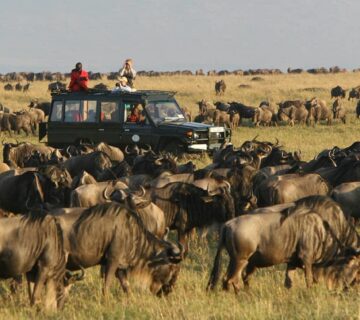
Rain stimulates vegetation growth, which directly increases food availability for herbivores. Grazers such as Uganda kob, buffalo, and various antelope species benefit significantly from this abundance.
In Murchison Falls National Park, this period supports active feeding cycles across multiple zones, although animals may not gather in large visible herds as frequently as in dry months.
Predator Adaptation to Wider Ranges
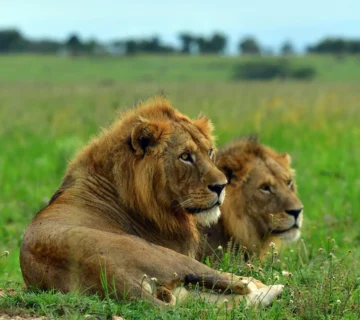
Predators such as lions and leopards adjust their hunting strategies during the rainy season. Because prey is more dispersed, hunting becomes more opportunistic rather than concentration-based.
This can make predator sightings less frequent but often more natural and less predictable in behaviour patterns.
Gorilla Trekking in the Rainy Season
Trekking Conditions in Forest Ecosystems
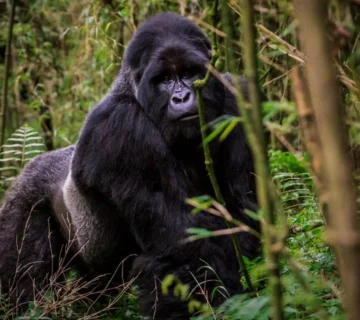
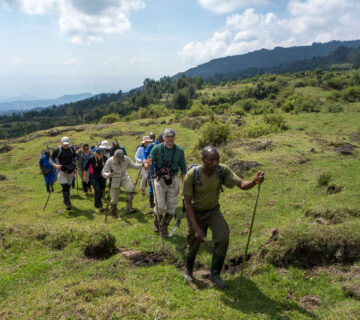
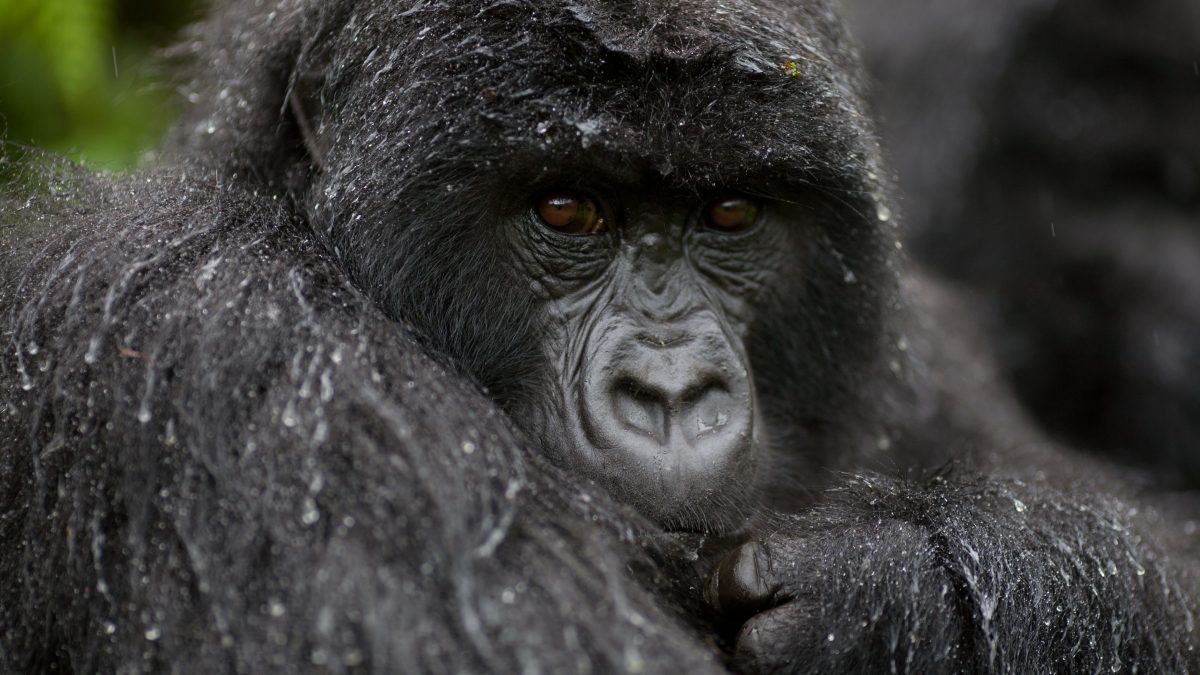
In forest destinations like Bwindi Impenetrable Forest, rainfall is a permanent ecological feature regardless of seasonality. However, during heavier rainy months, trails become more slippery, and trekking requires more physical effort.
Despite this, gorilla trekking success rates remain high throughout the year because mountain gorillas do not migrate based on seasonal weather patterns.
Vegetation Density and Gorilla Visibility
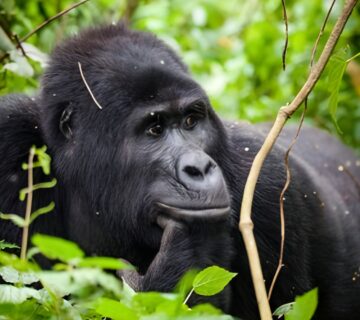
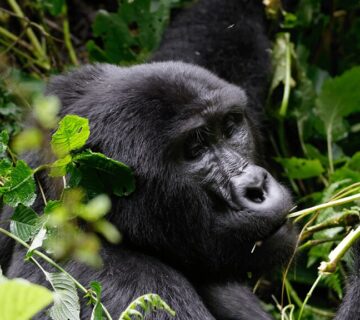
Rain increases forest density, which can slightly reduce visibility during encounters. However, it also enhances gorilla feeding activity, as plant growth is at its peak.
This often results in more active group behaviour, including feeding, grooming, and movement interactions within shorter viewing distances.
Emotional and Atmospheric Experience
One of the most overlooked aspects of Uganda rainy season safari worth it discussions is the emotional atmosphere of forest trekking during rain. Mist, fog, and dripping canopy layers create a deeply immersive environment that many travellers find more authentic and atmospheric than dry conditions.
Birding and Biodiversity Advantages
Peak Bird Activity Periods
Rainy seasons in Uganda coincide with some of the most productive birding conditions. Migratory species are often present, and resident birds display heightened breeding and territorial behaviours.
Wetland areas in Queen Elizabeth National Park and surrounding crater lakes become particularly active ecosystems for birdwatching.
Insect and Plant Biodiversity Expansion
Rainfall triggers insect population increases, which supports higher trophic activity across ecosystems. This, in turn, attracts insectivorous birds and small mammals, creating layered biodiversity interactions that are less visible during dry seasons.
Landscape and Photography Advantages
Dramatic Atmospheric Conditions
Rainy season safari conditions produce some of the most visually dynamic landscapes in Uganda. Cloud formations, mist-covered hills, and saturated vegetation create high-contrast photographic environments.
In regions such as Bwindi Impenetrable National Park, mist often settles in valleys, producing cinematic forest scenes that are not present during dry months.
Color Saturation and Natural Contrast
Vegetation during rainy seasons is more vibrant, with deeper greens and enhanced tonal contrast. This improves wide-angle landscape photography and environmental storytelling visuals.
However, lighting conditions can be more variable due to cloud cover, requiring adaptability in shooting techniques.
Accessibility and Travel Conditions
Road Conditions and Mobility
One of the main challenges during the rainy season is road accessibility, particularly in remote safari regions. Dirt roads may become muddy or temporarily difficult to navigate.
In national parks like Murchison Falls, game drive routes may require more careful planning, and travel times between locations can increase.
Lodge and Tourism Density
Rainy seasons typically attract fewer tourists, which results in lower lodge occupancy and quieter safari experiences. This can enhance exclusivity and reduce crowding at key wildlife observation points.
Cost and Tourism Value Dynamics
Lower Season Pricing Structure
Many safari operators and lodges offer reduced rates during rainy months due to lower demand. This makes Uganda rainy season safari worth it from a cost-efficiency perspective for budget-conscious travellers.
Increased Availability of Premium Lodges
Luxury accommodations that may be fully booked during peak dry season often have availability during rainy months, allowing access to higher-end safari experiences at reduced rates.
Ecosystem Health and Natural Cycles
Regeneration Phase of Ecosystems
Rainy seasons represent regeneration cycles in Uganda’s ecosystems. Soil moisture increases, plant life expands, and ecological productivity rises significantly.
This period is essential for long-term ecosystem sustainability and directly influences wildlife population health.
Water Cycle Replenishment
Rivers, wetlands, and lakes are replenished during rainy months, ensuring water availability throughout the year. This is particularly important for maintaining dry season ecological balance.
Comparing Rainy Season vs Dry Season Reality
Visibility vs Authenticity Trade-off
Dry seasons offer higher visibility of large mammals due to concentrated wildlife movement. Rainy seasons offer richer ecological authenticity, with more natural behaviour patterns and less predictable movement.
Tourist Density Differences
Dry seasons are busier, with more safari vehicles in key areas. Rainy seasons provide quieter, more private wildlife encounters, especially in parks like Queen Elizabeth National Park.
Behavioural Differences in Wildlife
Dry season wildlife behaviour is often shaped by survival clustering around water sources. Rainy season behaviour is more dispersed and feeding-driven, reflecting natural ecological abundance rather than scarcity pressure.
Field Reality of Rainy Season Safaris in Uganda
Unpredictability as a Core Feature
Rainy season safaris are inherently less predictable. Weather conditions, road access, and animal movement can shift rapidly.
However, this unpredictability is also what creates unique and unrepeatable safari moments.
Guide Expertise Becomes More Important
During rainy months, experienced guides play a critical role in tracking wildlife, adjusting routes, and interpreting environmental signals. Their knowledge becomes more valuable than in dry season conditions where animal clustering is more obvious.
Emotional Depth of Safari Experience
Many travellers report that rainy season safaris feel more immersive and emotionally engaging due to atmospheric conditions, reduced crowds, and heightened ecological activity.
Practical Interpretation of Whether It Is Worth It
Uganda rainy season safari worth it depends on what type of safari experience is being prioritized. If the goal is maximum animal concentration and easier visibility, dry season conditions may be more suitable. If the goal is ecological richness, photographic atmosphere, lower crowds, and cost efficiency, rainy season conditions offer significant advantages.
In ecosystems like Bwindi Impenetrable Forest and Queen Elizabeth National Park, rainy season conditions are not a downgrade but a different ecological expression of the same landscape.
The value of the experience is determined less by rainfall itself and more by how that rainfall reshapes wildlife behaviour, landscape structure, and human interaction with the environment.
Start Planning Your Next Trip To Africa
If you can picture yourself in one—or several—of these exceptional retreats, the next move is simple. We design fully tailored African safaris that bring these experiences together seamlessly, from private gorilla encounters to luxury lodges in the heart of the wild.
Every detail is carefully planned, so your journey feels effortless from start to finish. Reach out in whichever way suits you best, and let’s begin crafting your safari.
Start Planning