Uganda’s Dry Season Explained: What June to August Really Looks Like on Safari
Uganda dry season safari June August is often described in simple travel terms as “good weather for wildlife viewing,” but that explanation is incomplete. The dry season in Uganda is not just a climatic phase; it is a full ecological shift that directly changes animal movement, vegetation density, predator-prey interaction, and even the quality of safari photography and tracking success.
In regions such as Murchison Falls National Park, Queen Elizabeth National Park, and the forest ecosystems of Bwindi Impenetrable National Park, June to August creates conditions that reshape how wildlife behaves and how safari experiences unfold. Understanding this period requires moving beyond a calendar-based overview and focusing on environmental logic, because a calendar widget cannot explain why conditions matter on the ground.
Dry Season Climate Structure in Uganda Safari Regions
Rainfall Reduction and Environmental Drying
During June to August, most safari regions in Uganda experience significantly reduced rainfall. This is part of the country’s broader bimodal climate system, but this specific dry window is especially important for tourism and wildlife movement.
Reduced rainfall does not mean complete dryness. Instead, it produces a landscape where water sources become limited, vegetation thins in open savannah ecosystems, and visibility improves across national parks.
In savannah parks like Queen Elizabeth and Murchison Falls, grasses begin to shorten and yellow, exposing ground movement patterns of animals that would otherwise be hidden during wetter months.
Temperature Stability and Safari Comfort
Temperatures during this period remain relatively stable, with warm daytime conditions and cooler mornings and evenings. This stability is important because it reduces animal concealment behaviour caused by heat stress or heavy rain.
For safari travellers, this means more predictable game drive conditions and improved comfort during long field sessions.
Why the Dry Season Matters Beyond Weather
Water Scarcity as the Primary Behaviour Driver
The most important ecological factor during Uganda dry season safari June August is not temperature or sunshine—it is water distribution.
As surface water becomes limited, animals are forced to cluster around remaining water sources. This creates predictable wildlife congregation points in parks such as Murchison Falls National Park.
Lakes, riverbanks, and permanent waterholes become focal points for herbivores, which in turn attract predators. This cascading effect dramatically increases wildlife visibility.
Vegetation Density and Visibility Change
As rainfall decreases, vegetation becomes less dense in many savannah zones. This improves long-distance visibility for safari drives.
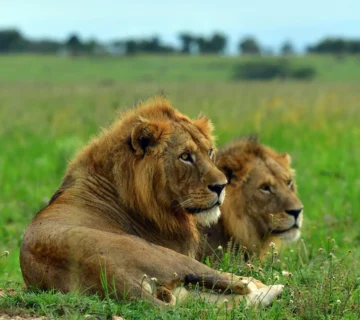
In practical terms, this means that animals that are usually hidden in tall grass during wet seasons become more visible. Lions, elephants, buffalo, and antelopes can be observed at greater distances and with clearer photographic conditions.
Wildlife Movement Patterns During June to August
Herbivore Concentration Dynamics
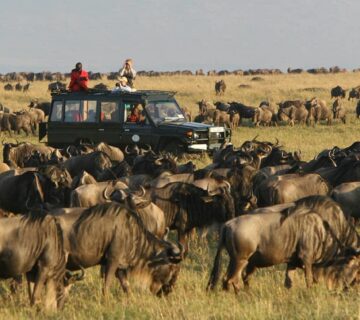
Herbivores such as Uganda kob, buffalo, and various antelope species begin to concentrate around reliable water sources. This concentration is not random; it is a survival response to environmental pressure.
In Queen Elizabeth National Park, this clustering effect often results in large mixed herds forming in open plains and near crater lakes.
The predictability of these movement patterns is one of the key reasons Uganda dry season safari June August is considered peak wildlife viewing time.
Predator Response and Hunting Efficiency
Predators respond directly to herbivore concentration. Lions, leopards, and hyenas increase their presence around water-adjacent zones because hunting success rates improve when prey density is higher.
In Queen Elizabeth National Park, especially within the Ishasha sector, tree-climbing lions become easier to observe due to reduced vegetation cover and predictable prey movement routes.
The Savannah Ecosystem Experience in Dry Season
Open Landscapes and Tracking Advantages
Dry season transforms Uganda’s savannah parks into more open landscapes. Tracks, dung, and movement signs remain visible longer due to dry soil conditions.
This makes wildlife tracking more efficient for guides, as animal movement can be interpreted through physical environmental evidence.
Light Quality and Photography Conditions
The dry season produces some of the best natural lighting conditions for safari photography. Clear skies reduce atmospheric haze, allowing for sharper long-distance shots and more defined wildlife silhouettes.
Golden-hour lighting becomes particularly strong during early morning and late afternoon game drives.
Forest Safari Conditions During Dry Season
Bwindi Impenetrable Forest Trekking Stability
In forest ecosystems such as Bwindi Impenetrable National Park, dry season conditions have a different impact compared to savannah parks.
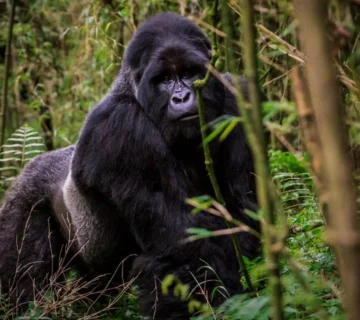
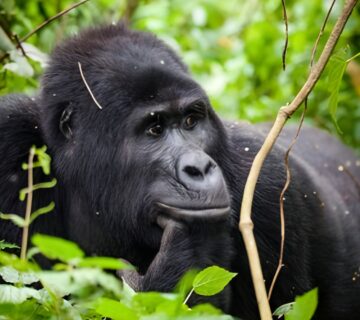
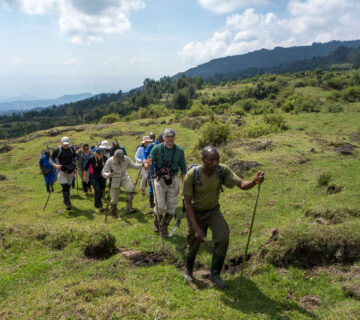
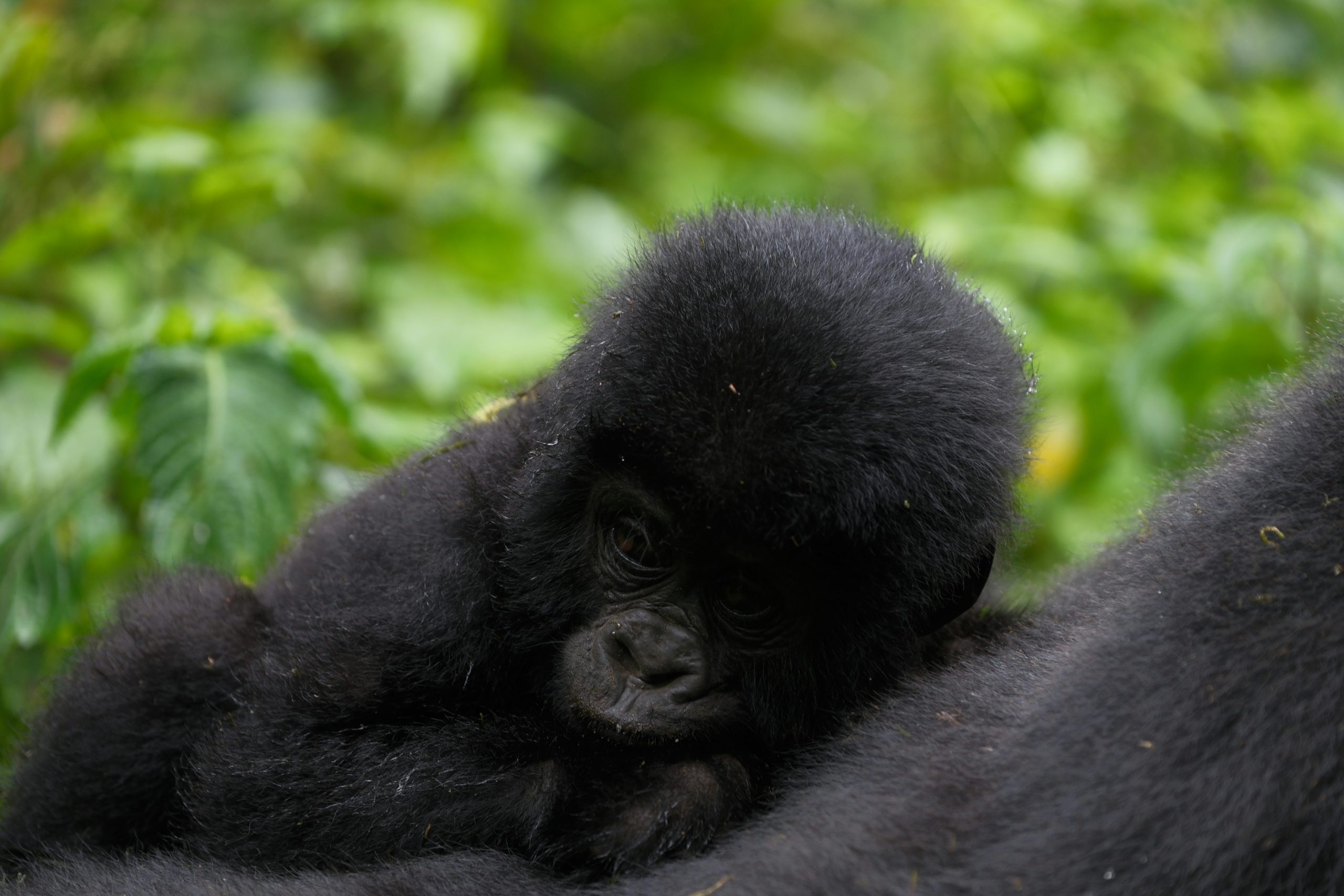
Gorilla trekking becomes more stable in terms of terrain accessibility. Trails are less muddy, and movement through dense vegetation becomes easier and faster.
However, the forest remains humid and dense regardless of season, meaning visibility is still limited compared to open savannah environments.
Gorilla Movement Patterns
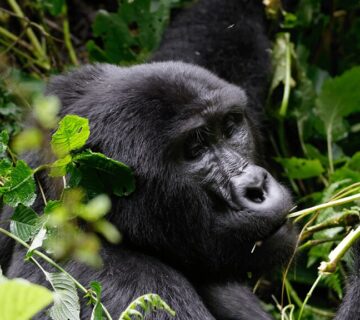
Mountain gorillas do not migrate seasonally in the same way savannah animals do. However, their feeding patterns may shift slightly based on plant availability influenced by rainfall cycles.
During dry months, gorilla trekking success remains high, but group movement may be slightly more predictable due to stable feeding zones.
Hydrological Changes and Safari Hotspots
River Systems as Wildlife Anchors
River systems such as the Nile in Murchison Falls National Park become central ecological anchors during the dry season. Animals depend heavily on permanent water bodies.
The Victoria Nile corridor becomes a concentrated wildlife zone, with elephants, hippos, crocodiles, and antelope species frequently observed along the banks.
Permanent Water Points as Strategic Viewing Areas
Artificial and natural water points become strategic safari observation zones. Wildlife traffic increases significantly in these areas, making them high-probability viewing locations for safari operators.
Human Safari Experience During June to August
Game Drive Efficiency
Uganda dry season safari June August improves game drive efficiency due to reduced road mud, better visibility, and higher wildlife density in accessible zones.
This allows for longer and more productive tracking sessions without frequent interruptions caused by weather conditions.
Boat Safari Enhancement
Boat safaris, particularly in Murchison Falls National Park, benefit from stable water levels and increased animal presence along riverbanks.
Hippo pods, crocodile basking zones, and elephant river crossings become more frequently observable.
Trekking Conditions Beyond Gorillas
Chimpanzee trekking in forest reserves also benefits from dry conditions, as forest trails become less slippery and more navigable.
Ecological Intelligence Behind Dry Season Behaviour
Survival-Based Aggregation
The dry season is fundamentally a survival-driven phase for wildlife. Aggregation around water is not preference-based but necessity-driven.
This creates a temporary restructuring of ecological space where competition increases but visibility also improves.
Energy Conservation Strategies
Animals adjust their movement to conserve energy during dry months. Reduced vegetation means longer travel distances between feeding and drinking points.
This behavioural adaptation is key to understanding safari dynamics during June to August.
Predator-Prey Spatial Compression
As space becomes more concentrated around water sources, predator-prey interactions become more frequent and more observable. This compression effect is one of the defining characteristics of Uganda dry season safari June August.
Regional Safari Differences During Dry Season
Northern Savannah Systems
In northern regions like Murchison Falls, dry season effects are more pronounced due to stronger savannah characteristics and clearer vegetation shifts.
Wildlife concentration is higher and game drive predictability increases significantly.
Western Rift Valley Ecosystems
In western Uganda, particularly Queen Elizabeth National Park, the combination of savannah, wetland, and forest systems creates a mixed ecological response to dry conditions.
This results in diverse wildlife encounters within relatively short distances.
Forest Edge Zones
Forest edges become transitional zones where savannah species and forest species indirectly interact through shared environmental boundaries.
What a Calendar Cannot Explain About Dry Season
A calendar simply marks June to August as a dry season window, but it does not explain ecological causality.
It does not show why animals cluster around water, why predators increase visibility, or why vegetation change affects tracking success.
Uganda dry season safari June August is not defined by dates alone but by ecological pressure systems that shape behaviour across entire ecosystems.
Understanding this distinction is critical for interpreting safari experiences accurately, especially in complex environments like Uganda’s national parks.
Start Planning Your Next Trip To Africa
If you can picture yourself in one—or several—of these exceptional retreats, the next move is simple. We design fully tailored African safaris that bring these experiences together seamlessly, from private gorilla encounters to luxury lodges in the heart of the wild.
Every detail is carefully planned, so your journey feels effortless from start to finish. Reach out in whichever way suits you best, and let’s begin crafting your safari.
Start Planning