The Best Lodges for a Uganda Gorilla and Chimpanzee Combination Safari
A Uganda gorilla and chimpanzee combination safari is one of the most logistically sensitive wildlife itineraries in East Africa because it links two distinct primate ecosystems that operate under completely different terrain, accessibility, and trekking dynamics. The success of this journey is not determined only by permits or guide quality, but heavily by lodge placement across forest systems such as Bwindi Impenetrable National Park and Kibale National Park.
Unlike savannah safaris where lodges mainly function as comfort bases, here they function as operational positioning points. The wrong lodge adds unnecessary driving hours, increases fatigue before trekking, and reduces time spent inside primate habitats. The right lodge compresses logistics, improves early morning readiness, and enhances overall trekking efficiency.
Understanding the Two-Ecosystem Logic Behind the Safari
Bwindi: Vertical, Dense, and Physically Demanding Terrain
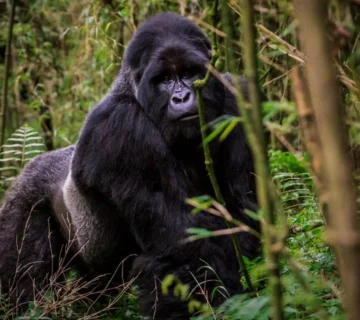
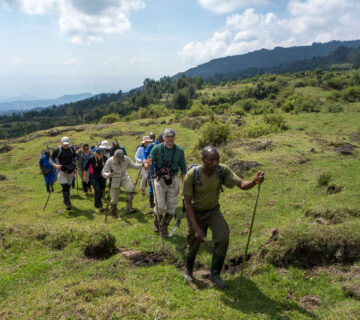
Bwindi Impenetrable Forest is a steep montane rainforest system where altitude variation defines every movement. Gorilla trekking here involves continuous elevation gain and loss, dense vegetation corridors, and unpredictable footpaths shaped by rainfall and animal movement.
Because of this structure, lodge positioning near the correct trekking sector is critical. A lodge near the wrong sector can add 1–3 hours of unnecessary driving before even starting the trek.
Kibale: Horizontal, Open, and Fast-Tracking Forest System
Kibale National Park operates differently. Chimpanzee tracking is more fluid, faster to initiate, and generally begins from a centralized briefing point at Kanyanchu. The forest is less steep, with wider tracking corridors and higher visibility.
This creates a more predictable morning routine, but lodge distance still directly affects arrival timing and group allocation priority.
Strategic Lodge Positioning in Bwindi Gorilla Trekking Zones
Sector-Based Accommodation Mapping
Bwindi is divided into trekking sectors, and lodge selection must match these sectors precisely:
- Buhoma sector (north)
- Ruhija sector (central-east)
- Rushaga sector (south)
- Nkuringo sector (south-west ridge zone)
Each sector operates independently in terms of briefing points and gorilla family allocation. Staying in the correct sector reduces morning transfer time and improves trekking energy efficiency.
Forest-Edge Immersion Lodges
Forest-edge lodges positioned near Bwindi boundaries provide the highest level of trekking efficiency. Guests often wake within immediate proximity of briefing centers or short transfer routes.
These lodges prioritize immersion over separation. The forest is not something you travel to—it is something you are already inside of upon waking.
Mid-Sector Access Lodges
These are strategically positioned 10–30 minutes from trekking gates. They offer a balance between comfort infrastructure and logistical efficiency.
They are particularly effective for combination safari itineraries because they reduce fatigue without sacrificing service quality.
Kibale Lodge Strategy for Chimpanzee Tracking
Kanyanchu Access Priority
Chimpanzee tracking in Kibale National Park is centralized around Kanyanchu Visitor Centre. Lodge proximity to this point directly affects:
- Tracking group assignment timing
- Morning briefing punctuality
- Overall start efficiency
Lodges within a short drive radius offer a clear operational advantage during peak visitor periods.
Fort Portal Corridor Lodges
The Fort Portal region functions as a transitional accommodation zone between Bwindi and Kibale. Lodges here are not inside the forest but provide strategic access to Kibale while maintaining urban-adjacent comfort infrastructure.
This corridor is commonly used in combination safaris to break long inter-park transfers.
High-Value Gorilla-Chimpanzee Safari Lodge Categories
Immersive Forest Lodges
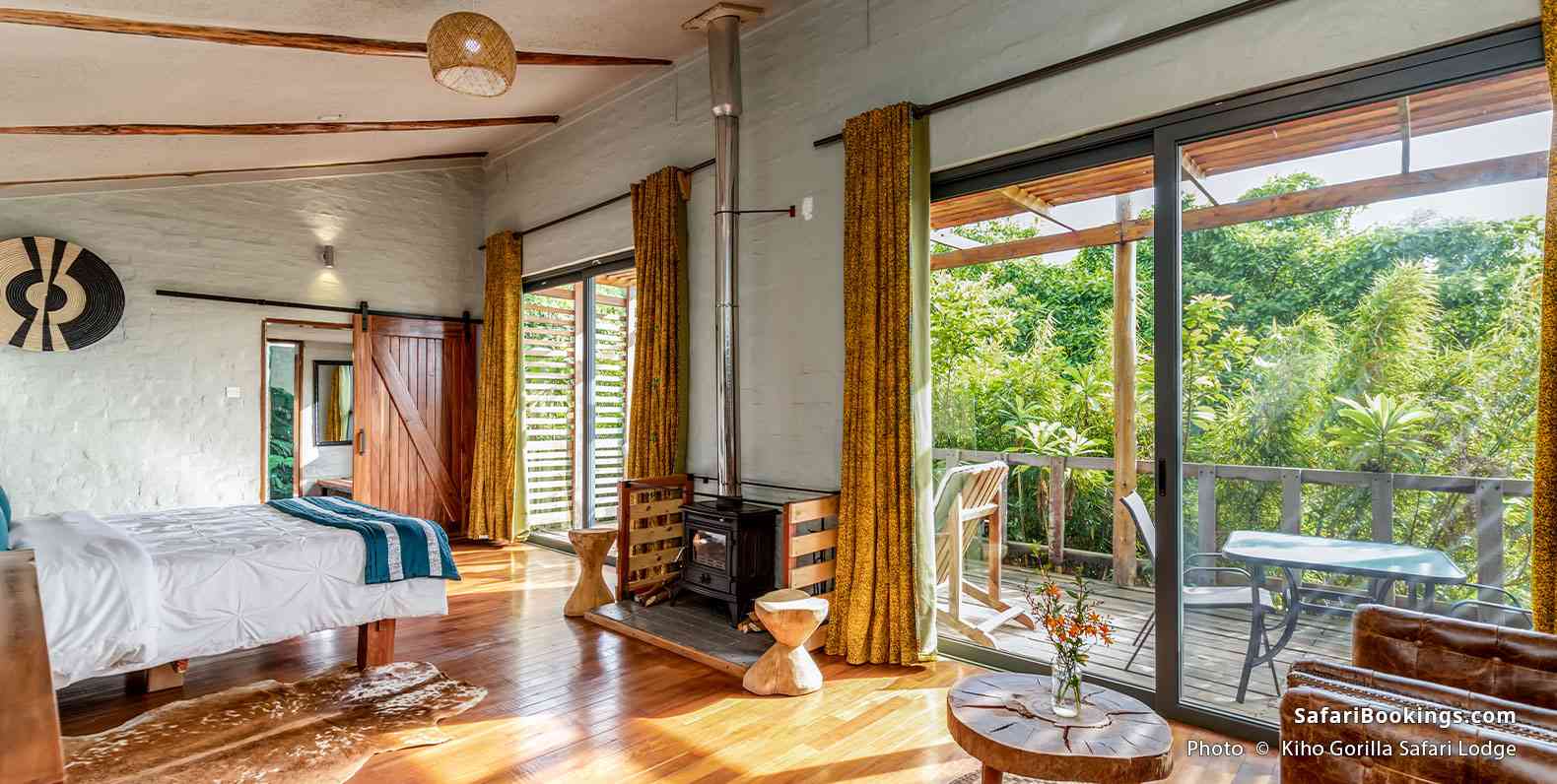
These lodges are positioned within or directly adjacent to Bwindi’s forest ecosystem. They prioritize sensory immersion—forest soundscapes, mist exposure, and immediate trekking access.
They are ideal for travellers who prioritize experience intensity over logistical buffering.
Sector-Aligned Luxury Lodges
These properties are positioned specifically to match gorilla trekking sectors. Their value lies in precision alignment rather than architectural luxury alone.
They reduce morning travel uncertainty and improve energy efficiency before trekking begins.
Transitional Safari Lodges
These are located along the Bwindi–Kibale travel corridor and function as logistical bridges. They are especially useful in multi-day itineraries where both primate ecosystems are visited consecutively.
Combination Safari Flow and Lodge Sequencing Strategy
Recommended Directional Flow
Most itineraries follow this sequence:
- Chimpanzee tracking in Kibale
- Transfer through western Uganda corridor
- Gorilla trekking in Bwindi
This sequence is designed around physical demand progression—starting with easier forest movement and ending with steep mountain trekking.
Lodge Role in Reducing Transfer Fatigue
Strategic lodge placement reduces long road segments that can exceed several hours between ecosystems. Poor sequencing increases fatigue and reduces trekking efficiency on gorilla trekking days.
Terrain Impact on Lodge Selection Decisions
Bwindi Altitude Stress Factor
Bwindi’s altitude ranges from low valleys to high ridge zones above 2,000 meters. This creates oxygen variation, steep climbing segments, and high physical load during trekking.
Lodges closer to higher-altitude sectors reduce morning ascent strain.
Kibale Movement Intensity Profile
Chimpanzee tracking involves horizontal movement across forest floors with variable group relocation patterns. While less physically steep, it requires sustained walking endurance.
Lodge proximity reduces pre-trekking fatigue accumulation.
Seasonal Influence on Lodge Performance
Rainy Season Logistics Pressure
During wet periods, road conditions in western Uganda can become slower, especially along Bwindi–Kibale routes. This increases the importance of lodge proximity to trekking gates.
Forest lodges become more valuable due to reduced reliance on long transfers.
Dry Season Operational Stability
Dry months improve road access and transfer speed, but lodge proximity still remains critical for early morning briefing punctuality and optimal group assignment.
Wildlife and Environmental Integration Around Lodges
Forest Soundscapes as Continuous Background
Both Bwindi and Kibale ecosystems produce continuous wildlife sound environments. Lodges in these regions are embedded within active ecological sound systems, including primates, birds, and insect cycles.
Non-Trekking Biodiversity Exposure
Even outside trekking hours, lodges offer exposure to forest biodiversity, especially birdlife and small primates near forest edges. This reinforces the immersive nature of combination safaris.
Decision Framework for Selecting the Best Lodges
Proximity as the Primary Optimization Variable
The most important factor is distance to trekking briefing points. Lodges that minimize morning travel consistently outperform higher-end but distant properties.
Ecosystem Alignment Accuracy
Bwindi lodges must match specific trekking sectors, while Kibale lodges must align with Kanyanchu access flow. Misalignment increases logistical inefficiency.
Experience vs Efficiency Balance
Travellers must balance immersion-focused forest lodges with efficiency-focused sector lodges depending on physical endurance and itinerary length.
Field Reality of Combination Safari Lodging
A Uganda gorilla and chimpanzee combination safari is not a single-lodge experience—it is a coordinated movement system across two primate ecosystems with different terrain mechanics.
Lodges function as operational anchors that determine timing, energy expenditure, and trekking success probability. The most effective safari designs are those where accommodation placement reduces friction between forest systems rather than adding unnecessary transition complexity.
Start Planning Your Next Trip To Africa
If you can picture yourself in one—or several—of these exceptional retreats, the next move is simple. We design fully tailored African safaris that bring these experiences together seamlessly, from private gorilla encounters to luxury lodges in the heart of the wild.
Every detail is carefully planned, so your journey feels effortless from start to finish. Reach out in whichever way suits you best, and let’s begin crafting your safari.
Start Planning