Community Lodges Near Bwindi: When Staying Local Makes the Most Impact
Community lodges near Bwindi represent one of the most underexplained yet operationally significant accommodation choices in Uganda’s gorilla trekking ecosystem. In the context of Bwindi Impenetrable National Park, these lodges are not simply budget or alternative stays—they function as locally integrated hospitality systems that directly influence conservation funding, community livelihoods, and even trekking logistics.
Unlike high-end forest lodges that prioritize exclusivity or luxury positioning, community-based accommodation is structurally designed around local ownership models, cultural integration, and distributed tourism benefit systems. Understanding when staying local makes the most impact requires breaking down how these lodges operate within the broader gorilla tourism economy and how they affect both visitor experience and regional development.
What Defines a Community Lodge in the Bwindi Region
Local Ownership and Revenue Circulation
Community lodges are typically owned or co-managed by local communities living around Bwindi forest sectors. Revenue generated from accommodation directly supports households, schools, healthcare access, and conservation-related projects.
This model creates a closed-loop tourism system where visitor spending remains within the immediate region rather than being fully absorbed by external hotel chains or distant operators.
Integration With Conservation Ecosystems
Many community lodges are linked to conservation initiatives surrounding gorilla habitats. This includes partnerships with park authorities, ranger programs, and local guides who are often recruited directly from nearby villages.
This integration ensures that tourism becomes a protective economic incentive for forest preservation rather than an external extractive activity.
Location Strategy: Why Proximity Matters More Than Luxury Grade
Sector-Based Access to Gorilla Trekking Points
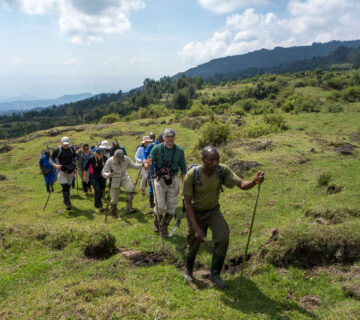
Community lodges are often positioned near key trekking sectors such as Buhoma, Rushaga, Nkuringo, and Ruhija. This placement is critical because gorilla trekking in Bwindi is sector-dependent.
Staying in a community lodge close to your assigned trekking sector reduces morning transfer time and improves energy efficiency before entering steep forest terrain.
Reduced Transit Fatigue Before Trekking
Unlike distant urban lodges or high-end properties located far from park gates, community lodges minimize early morning travel distances. This directly affects trekking performance, especially in altitude-heavy zones where physical energy management is essential.
Cultural Integration as a Core Experience Layer
Direct Interaction With Local Communities
One of the defining characteristics of community lodges is direct cultural proximity. Guests are often hosted by individuals from nearby villages, allowing for informal interaction, storytelling, and cultural exchange.
This is not staged entertainment—it is lived community engagement embedded within daily operations.
Local Employment Structures
Staffing in community lodges is predominantly local. This includes guides, cooks, housekeeping teams, and administrative staff. The result is a tourism model where skills development remains within the region.
Over time, this strengthens local expertise in hospitality and wildlife interpretation.
Financial Impact of Staying in Community Lodges
Tourism Revenue Retention in Local Economies
When travelers choose community lodges, a higher percentage of accommodation revenue remains within the immediate Bwindi region. This supports household income diversification and reduces economic leakage to external tourism hubs.
Direct Support to Conservation Incentives
Community-based tourism creates financial motivation for forest protection. When local communities benefit directly from tourism, the economic value of conserving gorilla habitats increases.
This reduces pressure on land conversion and supports long-term ecosystem stability.
Accommodation Experience: What Guests Actually Encounter
Simpler Infrastructure With Functional Comfort
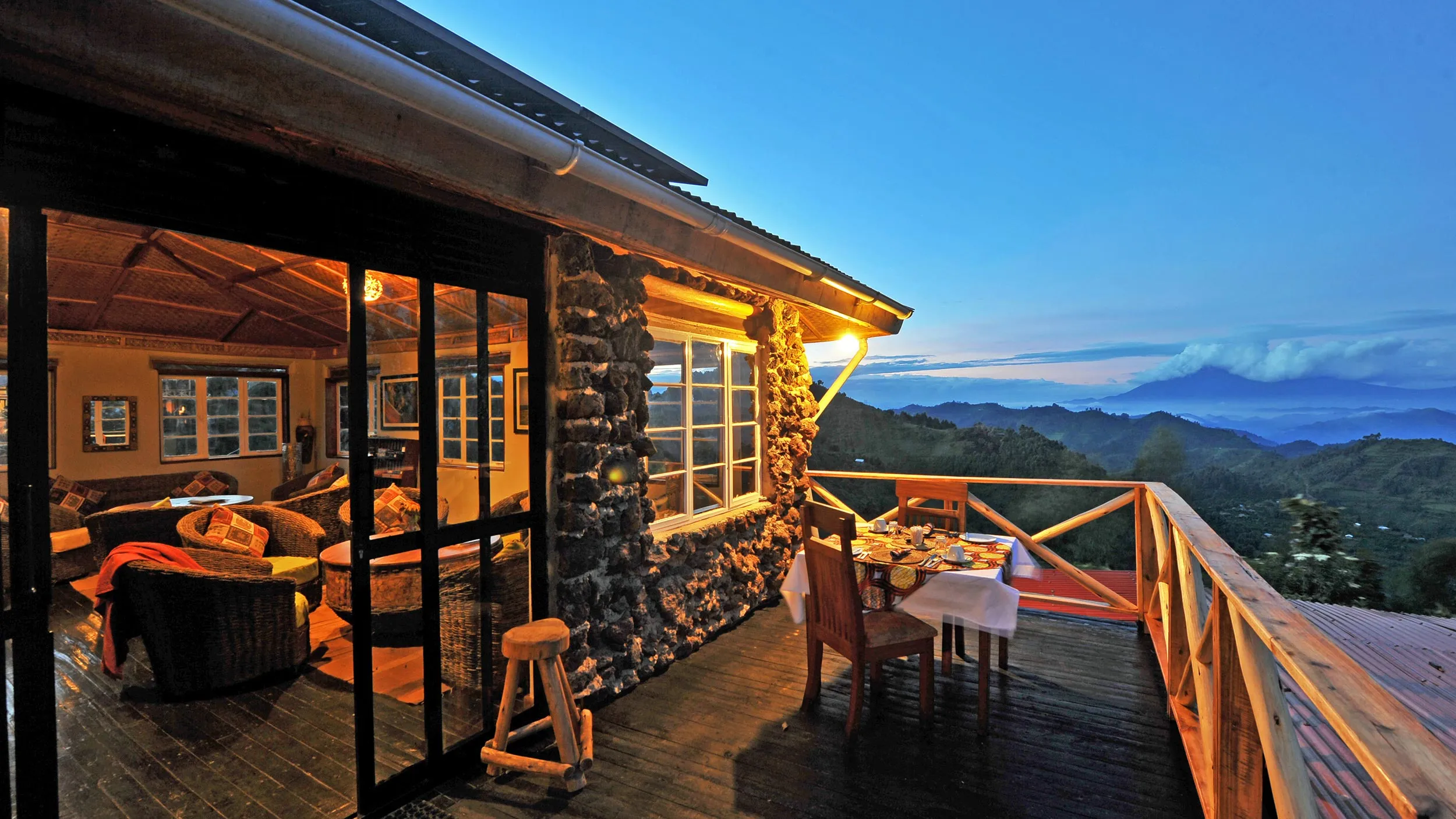
Community lodges typically offer comfortable but less architecturally complex accommodations compared to luxury forest lodges. Rooms are designed for practicality, cleanliness, and basic comfort rather than high-end luxury aesthetics.
However, this simplicity is often balanced by strong location advantage and personal hosting quality.
Proximity to Daily Community Life
Unlike isolated safari lodges, community accommodations are often situated near active villages. Guests may observe daily life patterns such as farming, local markets, and community movement systems.
This creates a dual experience of wildlife tourism and cultural immersion.
Connection to Gorilla Trekking Logistics
Efficient Access to Park Gate Systems
Many community lodges near Bwindi are strategically located close to park entry points. This reduces transfer time to briefing centers where gorilla trekking begins.
In sectors like Rushaga and Buhoma, proximity can significantly improve morning coordination and reduce pre-trek fatigue.
Guide Network Integration
Local guides associated with community lodges often have deep familiarity with Bwindi trekking routes, gorilla family movement patterns, and seasonal terrain changes.
This knowledge contributes directly to trekking efficiency and encounter quality.
Environmental and Conservation Contributions
Reduced Environmental Footprint Model
Community lodges generally operate with lower environmental impact compared to large-scale luxury developments. Their infrastructure footprint is smaller, and resource usage is often more localized.
This aligns closely with conservation goals within Bwindi Impenetrable Forest ecosystems.
Support for Human–Wildlife Coexistence
By generating income from tourism, community lodges reduce dependency on extractive land use practices such as logging or agricultural expansion into forest buffer zones.
This supports long-term coexistence between human populations and gorilla habitats.
Comparative Position Within Bwindi Accommodation Spectrum
Community Lodges vs Luxury Forest Lodges
Luxury lodges inside or near Bwindi focus on immersion, exclusivity, and high-end service systems. Community lodges focus on accessibility, cultural integration, and direct economic impact.
Both exist within the same ecosystem but serve different traveler priorities.
Community Lodges vs Mid-Range Safari Lodges
Mid-range lodges typically offer standardized comfort levels with moderate proximity to trekking sectors. Community lodges often match or exceed them in location advantage but differ in infrastructure sophistication.
Seasonal Experience Variation in Community Lodges
Rainy Season Dynamics
During wet periods in Bwindi, community lodge access roads may become more challenging due to muddy terrain conditions. However, proximity to trekking sectors still provides logistical advantages compared to distant urban lodges.
The forest itself becomes denser, and community life continues uninterrupted despite weather variation.
Dry Season Stability
During drier months, access routes improve significantly, making community lodge stays smoother in terms of transport reliability and trekking coordination.
This period often provides the best balance between accessibility and cultural interaction.
Guest Profile Suitability for Community Lodges
High-Value Experience Seekers Beyond Luxury Metrics
Community lodges are best suited for travelers who prioritize cultural depth, conservation impact, and location efficiency over architectural luxury.
Budget-Conscious Gorilla Trekking Travelers
They also serve as strategic options for travelers seeking to reduce overall safari costs while maintaining close proximity to trekking sectors.
Ethical Tourism Focused Visitors
Visitors who prioritize sustainable travel practices often choose community lodges to ensure their spending directly supports local populations.
Operational Realities of Staying in Community Lodges
Simpler Service Systems
Service structures are often more personal and less standardized compared to large safari chains. This creates variability but also stronger interpersonal hospitality experiences.
Limited but Functional Amenities
Amenities are designed to meet core safari needs rather than luxury expansion. The focus remains on comfort, cleanliness, and trekking readiness.
Strong Local Knowledge Advantage
One of the strongest operational advantages is local expertise embedded within staff and guides. This enhances trekking coordination and cultural interpretation.
Field Reality: How Community Lodges Shape the Bwindi Experience
Staying in a community lodge near Bwindi fundamentally changes the structure of a gorilla trekking experience. Instead of a purely transactional safari stay, the experience becomes integrated into a living local ecosystem where tourism, conservation, and community life overlap.
In Bwindi Impenetrable National Park, where terrain difficulty, altitude variation, and trekking logistics already define the experience, community lodges introduce an additional dimension: direct participation in the regional socio-economic system that supports gorilla conservation itself.
This makes the choice of staying local not just a budget or proximity decision, but a structural alignment with how tourism sustains the forest ecosystem.
Start Planning Your Next Trip To Africa
If you can picture yourself in one—or several—of these exceptional retreats, the next move is simple. We design fully tailored African safaris that bring these experiences together seamlessly, from private gorilla encounters to luxury lodges in the heart of the wild.
Every detail is carefully planned, so your journey feels effortless from start to finish. Reach out in whichever way suits you best, and let’s begin crafting your safari.
Start Planning