Uganda’s Dry Season Explained: What June to August Really Looks Like on Safari

Uganda’s Dry Season : What June to August Really Looks Like

Uganda’s Dry Season Explained: What June to August Really Looks Like on Safari

Uganda dry season safari June August is often described in simple travel terms as “good weather for wildlife viewing,” but that explanation is incomplete. The dry season in Uganda is not just a climatic phase; it is a full ecological shift that directly changes animal movement, vegetation density, predator-prey interaction, and even the quality of safari photography and tracking success.

In regions such as Murchison Falls National Park, Queen Elizabeth National Park, and the forest ecosystems of Bwindi Impenetrable National Park, June to August creates conditions that reshape how wildlife behaves and how safari experiences unfold. Understanding this period requires moving beyond a calendar-based overview and focusing on environmental logic, because a calendar widget cannot explain why conditions matter on the ground.

Dry Season Climate Structure in Uganda Safari Regions

Rainfall Reduction and Environmental Drying

During June to August, most safari regions in Uganda experience significantly reduced rainfall. This is part of the country’s broader bimodal climate system, but this specific dry window is especially important for tourism and wildlife movement.

Reduced rainfall does not mean complete dryness. Instead, it produces a landscape where water sources become limited, vegetation thins in open savannah ecosystems, and visibility improves across national parks.

In savannah parks like Queen Elizabeth and Murchison Falls, grasses begin to shorten and yellow, exposing ground movement patterns of animals that would otherwise be hidden during wetter months.

Temperature Stability and Safari Comfort

Temperatures during this period remain relatively stable, with warm daytime conditions and cooler mornings and evenings. This stability is important because it reduces animal concealment behaviour caused by heat stress or heavy rain.

For safari travellers, this means more predictable game drive conditions and improved comfort during long field sessions.

Why the Dry Season Matters Beyond Weather

Water Scarcity as the Primary Behaviour Driver

The most important ecological factor during Uganda dry season safari June August is not temperature or sunshine—it is water distribution.

As surface water becomes limited, animals are forced to cluster around remaining water sources. This creates predictable wildlife congregation points in parks such as Murchison Falls National Park.

Lakes, riverbanks, and permanent waterholes become focal points for herbivores, which in turn attract predators. This cascading effect dramatically increases wildlife visibility.

Vegetation Density and Visibility Change

As rainfall decreases, vegetation becomes less dense in many savannah zones. This improves long-distance visibility for safari drives.

In practical terms, this means that animals that are usually hidden in tall grass during wet seasons become more visible. Lions, elephants, buffalo, and antelopes can be observed at greater distances and with clearer photographic conditions.

Wildlife Movement Patterns During June to August

Herbivore Concentration Dynamics

Herbivores such as Uganda kob, buffalo, and various antelope species begin to concentrate around reliable water sources. This concentration is not random; it is a survival response to environmental pressure.

In Queen Elizabeth National Park, this clustering effect often results in large mixed herds forming in open plains and near crater lakes.

The predictability of these movement patterns is one of the key reasons Uganda dry season safari June August is considered peak wildlife viewing time.

Predator Response and Hunting Efficiency

Predators respond directly to herbivore concentration. Lions, leopards, and hyenas increase their presence around water-adjacent zones because hunting success rates improve when prey density is higher.

In Queen Elizabeth National Park, especially within the Ishasha sector, tree-climbing lions become easier to observe due to reduced vegetation cover and predictable prey movement routes.

The Savannah Ecosystem Experience in Dry Season

Open Landscapes and Tracking Advantages

Dry season transforms Uganda’s savannah parks into more open landscapes. Tracks, dung, and movement signs remain visible longer due to dry soil conditions.

This makes wildlife tracking more efficient for guides, as animal movement can be interpreted through physical environmental evidence.

Light Quality and Photography Conditions

The dry season produces some of the best natural lighting conditions for safari photography. Clear skies reduce atmospheric haze, allowing for sharper long-distance shots and more defined wildlife silhouettes.

Golden-hour lighting becomes particularly strong during early morning and late afternoon game drives.

Forest Safari Conditions During Dry Season

Bwindi Impenetrable Forest Trekking Stability

In forest ecosystems such as Bwindi Impenetrable National Park, dry season conditions have a different impact compared to savannah parks.

Gorilla trekking becomes more stable in terms of terrain accessibility. Trails are less muddy, and movement through dense vegetation becomes easier and faster.

However, the forest remains humid and dense regardless of season, meaning visibility is still limited compared to open savannah environments.

Gorilla Movement Patterns

Mountain gorillas do not migrate seasonally in the same way savannah animals do. However, their feeding patterns may shift slightly based on plant availability influenced by rainfall cycles.

During dry months, gorilla trekking success remains high, but group movement may be slightly more predictable due to stable feeding zones.

Hydrological Changes and Safari Hotspots

River Systems as Wildlife Anchors

River systems such as the Nile in Murchison Falls National Park become central ecological anchors during the dry season. Animals depend heavily on permanent water bodies.

The Victoria Nile corridor becomes a concentrated wildlife zone, with elephants, hippos, crocodiles, and antelope species frequently observed along the banks.

Permanent Water Points as Strategic Viewing Areas

Artificial and natural water points become strategic safari observation zones. Wildlife traffic increases significantly in these areas, making them high-probability viewing locations for safari operators.

Human Safari Experience During June to August

Game Drive Efficiency

Uganda dry season safari June August improves game drive efficiency due to reduced road mud, better visibility, and higher wildlife density in accessible zones.

This allows for longer and more productive tracking sessions without frequent interruptions caused by weather conditions.

Boat Safari Enhancement

Boat safaris, particularly in Murchison Falls National Park, benefit from stable water levels and increased animal presence along riverbanks.

Hippo pods, crocodile basking zones, and elephant river crossings become more frequently observable.

Trekking Conditions Beyond Gorillas

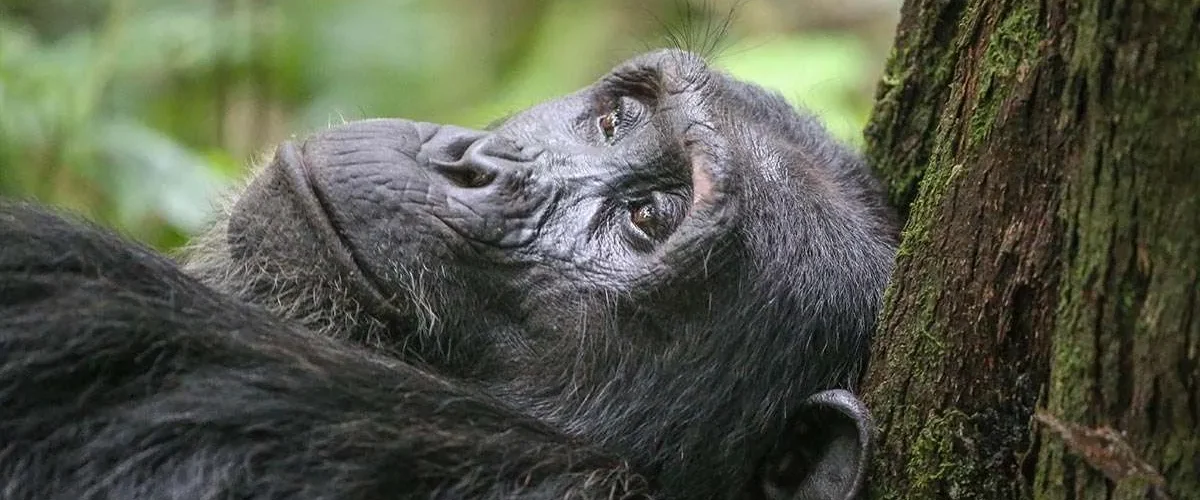
Chimpanzee trekking in forest reserves also benefits from dry conditions, as forest trails become less slippery and more navigable.

Ecological Intelligence Behind Dry Season Behaviour

Survival-Based Aggregation

The dry season is fundamentally a survival-driven phase for wildlife. Aggregation around water is not preference-based but necessity-driven.

This creates a temporary restructuring of ecological space where competition increases but visibility also improves.

Energy Conservation Strategies

Animals adjust their movement to conserve energy during dry months. Reduced vegetation means longer travel distances between feeding and drinking points.

This behavioural adaptation is key to understanding safari dynamics during June to August.

Predator-Prey Spatial Compression

As space becomes more concentrated around water sources, predator-prey interactions become more frequent and more observable. This compression effect is one of the defining characteristics of Uganda dry season safari June August.

Regional Safari Differences During Dry Season

Northern Savannah Systems

In northern regions like Murchison Falls, dry season effects are more pronounced due to stronger savannah characteristics and clearer vegetation shifts.

Wildlife concentration is higher and game drive predictability increases significantly.

Western Rift Valley Ecosystems

In western Uganda, particularly Queen Elizabeth National Park, the combination of savannah, wetland, and forest systems creates a mixed ecological response to dry conditions.

This results in diverse wildlife encounters within relatively short distances.

Forest Edge Zones

Forest edges become transitional zones where savannah species and forest species indirectly interact through shared environmental boundaries.

What a Calendar Cannot Explain About Dry Season

A calendar simply marks June to August as a dry season window, but it does not explain ecological causality.

It does not show why animals cluster around water, why predators increase visibility, or why vegetation change affects tracking success.

Uganda dry season safari June August is not defined by dates alone but by ecological pressure systems that shape behaviour across entire ecosystems.

Understanding this distinction is critical for interpreting safari experiences accurately, especially in complex environments like Uganda’s national parks.
Mountain Gorilla Behaviour in Uganda

Mountain Gorilla Behaviour in Uganda

Mountain Gorilla Behaviour: Understanding What You’re Watching in the Forest

Mountain Gorilla Behaviour in Uganda

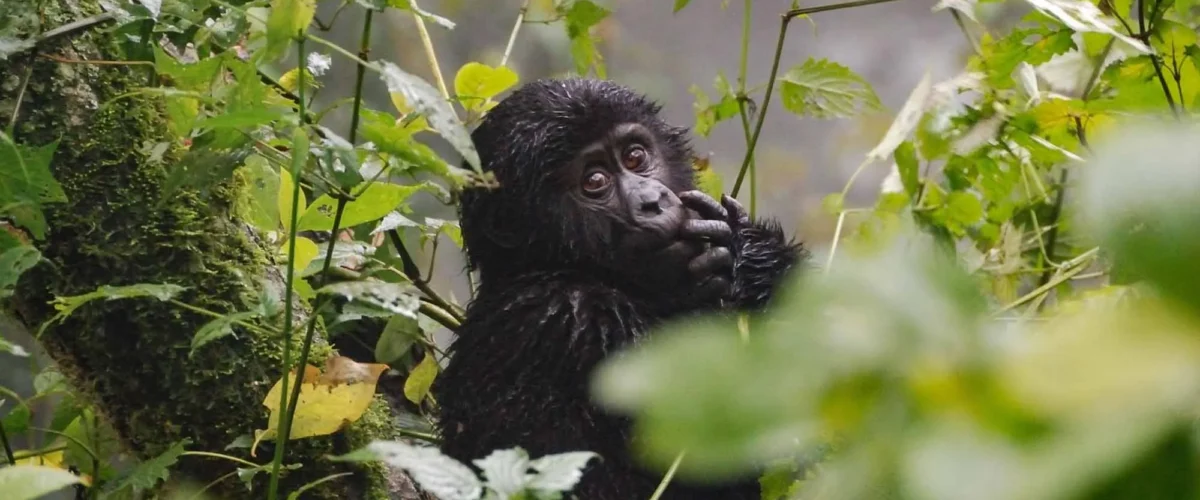
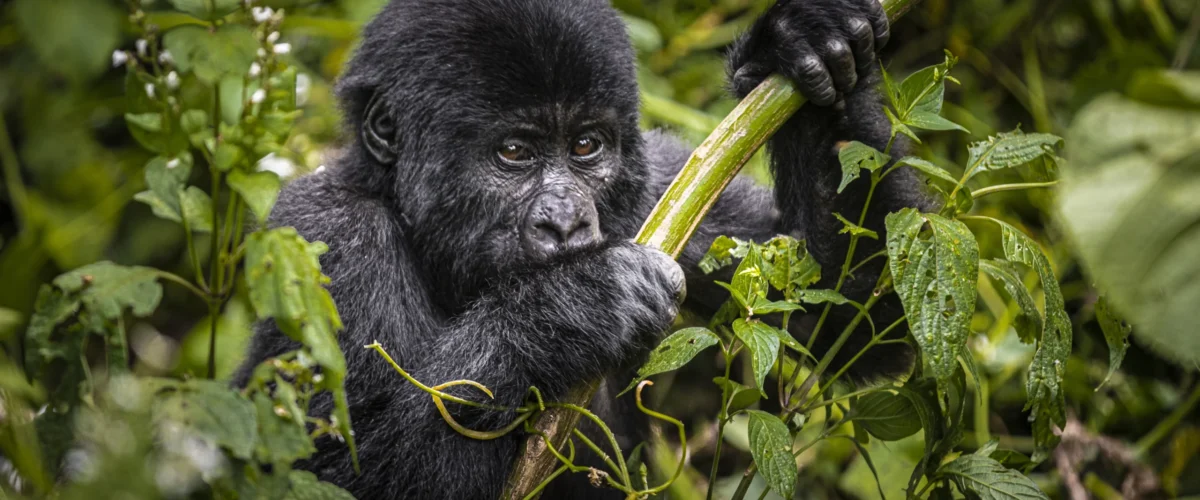
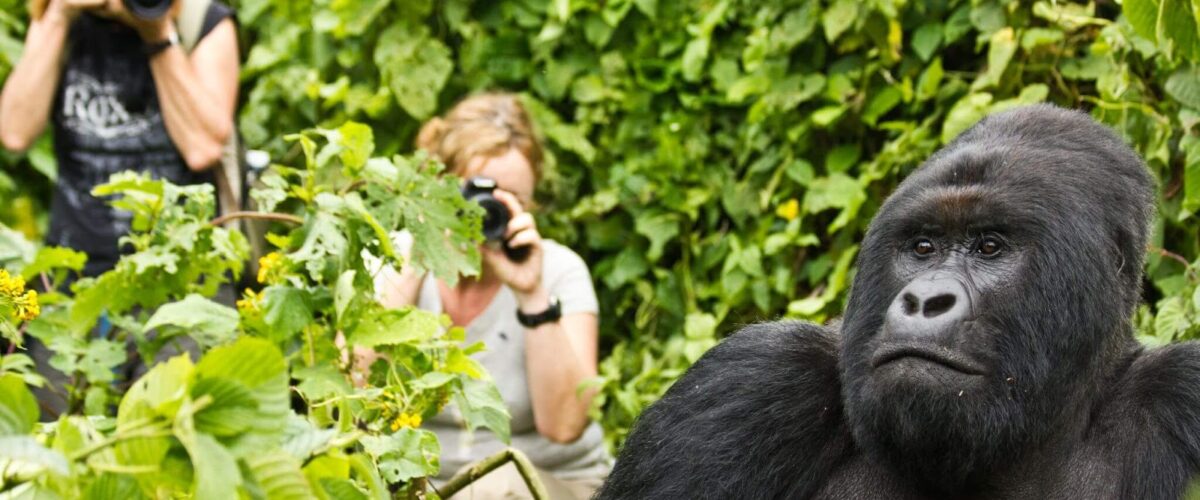
Tracking mountain gorillas in Bwindi Impenetrable National Park or Mgahinga Gorilla National Park is often described as a life-changing wildlife encounter, but what most visitors don’t realize is that the real magic lies not just in seeing the gorillas, but in understanding their behaviour. Observing a gorilla family without context is impressive; understanding what each movement, sound, and interaction means transforms the experience into something far more profound.

Mountain gorilla behaviour in Uganda reflects a complex social system, deep emotional intelligence, and subtle communication patterns that are easy to miss if you’re not trained to recognize them. Unlike the quick, dramatic predator-prey moments seen on safari in savannah ecosystems, gorilla encounters unfold slowly. The forest becomes a stage of quiet signals, relationships, and routines that reveal themselves only to those paying close attention.

This guide adds the depth that typical experience pages cannot provide. Instead of just telling you that you will “spend one hour with gorillas,” it equips you to interpret what you are actually witnessing during that hour.

The Structure of a Gorilla Family

At the center of mountain gorilla behaviour is the family unit, also known as a troop or group. Each group is led by a dominant male called a silverback, named for the distinctive silver hair that develops across his back as he matures.

The silverback is more than just a leader. He is the decision-maker, protector, and emotional anchor of the group. Every movement of the family, from where they feed to where they nest for the night, is influenced by him. When you observe a gorilla group in Uganda, you are watching a structured society, not a random collection of animals.

Within the group, you will typically see several females, their infants, and juveniles. Younger males, known as blackbacks, may also be present. Each individual has a role, and their interactions follow a social hierarchy that is surprisingly stable.

Understanding this structure helps you interpret what might otherwise seem like casual behaviour. For example, when a female stays close to the silverback, it often reflects trust and social bonding. When juveniles move freely between adults, it signals a sense of safety within the group.

Communication: The Language of Gorillas

Mountain gorillas communicate through a mix of vocalizations, body language, and facial expressions. Much of this communication is subtle, which is why first-time visitors often miss it entirely.

Soft grunts are among the most common sounds you will hear. These are reassurance calls, used to maintain group cohesion. When gorillas are feeding close together and you hear low, rhythmic grunts, it indicates contentment and calm.

More intense vocalizations, such as barks or roars, are rare but significant. These usually signal alarm or a display of dominance. However, one of the most misunderstood behaviours is chest beating. While it may look aggressive, chest beating is often a form of communication used to assert presence rather than initiate conflict.

Eye contact is another critical element. Direct staring can be interpreted as a challenge in gorilla society. This is why guides often instruct visitors to avoid prolonged eye contact. In the context of mountain gorilla behaviour in Uganda, this simple action can influence how gorillas perceive your presence.

Feeding Behaviour and Daily Routine

A large portion of a gorilla’s day is dedicated to feeding. Mountain gorillas are primarily herbivorous, consuming leaves, stems, shoots, and occasionally fruit. In the dense forests of Bwindi Impenetrable National Park, food is abundant, allowing gorillas to maintain relatively stable home ranges.

Feeding is not just about nutrition; it is also a social activity. Gorillas often feed in close proximity, and this is when you will observe some of their most relaxed interactions. Mothers feed while keeping a watchful eye on their infants, juveniles snack while playing, and the silverback feeds with a calm authority that reflects his status.

The daily routine typically follows a predictable pattern. Gorillas begin their day feeding, take a rest period around midday, and then resume feeding before constructing nests in the evening. Each gorilla builds its own nest, usually on the ground, using vegetation. Observing nest-building behaviour, if you are lucky enough to see it, offers insight into their intelligence and adaptability.

Social Bonds and Grooming

Grooming is a key component of mountain gorilla behaviour. While it may not be as frequent as in some primate species, it plays an important role in reinforcing social bonds.

When you see one gorilla carefully picking through the fur of another, it is not just about hygiene. It is a sign of trust and cooperation. Grooming often occurs between closely bonded individuals, such as mothers and offspring or long-associated group members.

Infants are central to the social life of the group. They attract attention from multiple members, not just their mothers. Watching how different gorillas interact with infants can reveal the emotional depth of the group. Some adults are more tolerant and playful, while others maintain a more reserved demeanor.

Play Behaviour: The Energy of Youth

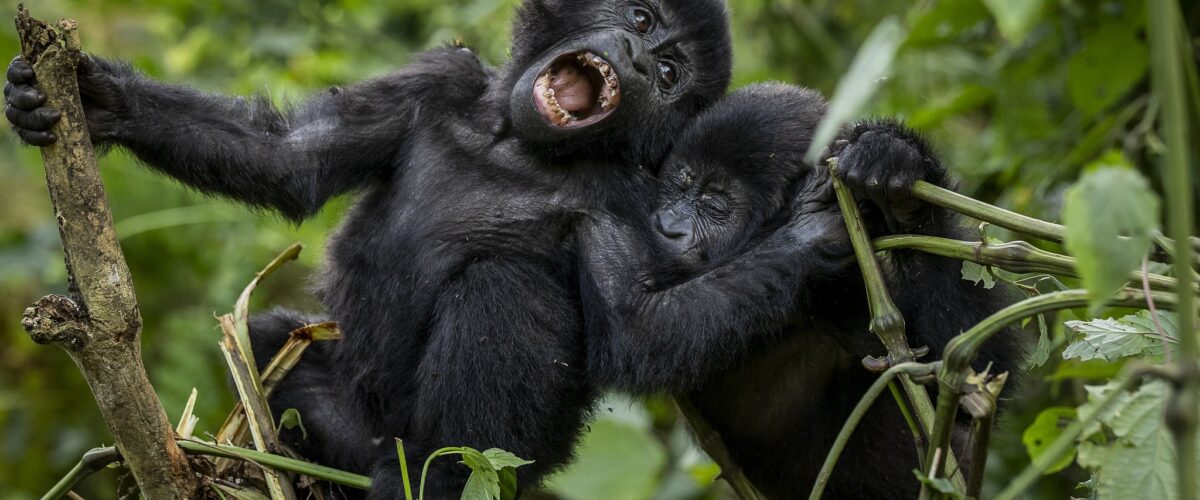
Juvenile gorillas bring energy and unpredictability to the group. Their play behaviour is one of the most engaging aspects of any gorilla trekking experience in Uganda.

Young gorillas wrestle, chase each other, climb vegetation, and test their strength in harmless mock battles. While this may appear chaotic, it serves an important developmental purpose. Through play, juveniles learn social boundaries, build physical strength, and practice behaviours they will need as adults.

Even the silverback occasionally tolerates or lightly engages with playful juveniles, demonstrating a softer side of his otherwise dominant role. Observing these interactions adds nuance to your understanding of mountain gorilla behaviour in Uganda, showing that these animals are not only powerful but also deeply social and emotionally complex.

Dominance, Protection, and the Role of the Silverback

The silverback’s behaviour is one of the most closely watched aspects during a gorilla trek. His reactions often set the tone for the entire encounter.

When relaxed, a silverback may sit quietly, feed, or observe his group with minimal movement. However, if he perceives a threat, his behaviour can change rapidly. Displays such as chest beating, ground slapping, or short charges are designed to intimidate rather than harm.

In Uganda’s gorilla trekking environments, these displays are rare but possible. It is important to understand that they are part of natural behaviour, not an indication that something has gone wrong. Guides are trained to interpret these signals and manage the situation accordingly.

Protection extends beyond external threats. The silverback also maintains internal order within the group, intervening in conflicts and ensuring stability. His presence is the foundation of the group’s cohesion.

Maternal Behaviour and Infant Care

Mother-infant relationships are at the heart of gorilla society. Female gorillas are highly attentive mothers, carrying their infants, nursing them, and protecting them during the early stages of life.

Infants are completely dependent on their mothers for the first few months. As they grow, they begin to explore their surroundings but remain within close reach. Watching an infant take its first tentative steps or attempt to climb is a powerful reminder of the parallels between gorillas and humans.

Other members of the group often show interest in infants, but the mother maintains primary control. Her behaviour reflects a balance between allowing social interaction and ensuring safety.

How Habitat Shapes Behaviour

Mountain gorilla behaviour in Uganda is closely linked to the forest environment. The dense vegetation of Bwindi Impenetrable National Park and the volcanic slopes of Mgahinga Gorilla National Park influence how gorillas move, feed, and interact.

In thicker forest areas, visibility is limited, which makes vocal communication more important. Gorillas rely on sound to maintain contact, especially when spread out during feeding. The terrain also affects movement patterns, with gorillas navigating steep slopes and dense undergrowth with remarkable ease.

Seasonal changes can influence food availability, which in turn affects ranging behaviour. However, compared to many other wildlife species, mountain gorillas have relatively stable habitats, allowing for consistent observation patterns.

What Tourists Often Miss

Most visitors focus on the obvious: the size of the silverback, the cuteness of the infants, or the rarity of the experience. While these are valid impressions, they only scratch the surface.

What is often missed are the small interactions. A brief glance between two gorillas, a subtle shift in posture, or a quiet vocal exchange can carry significant meaning. These moments are easy to overlook but are essential to understanding mountain gorilla behaviour in Uganda.

Another commonly missed aspect is the rhythm of the group. Gorillas move and act with a certain flow, transitioning between feeding, resting, and interacting in a way that reflects a balanced social system. Observing this rhythm requires patience and attention.

Enhancing Your Gorilla Trekking Experience

Understanding behaviour changes how you experience gorilla trekking. Instead of simply taking photos, you begin to anticipate actions, recognize relationships, and interpret signals.

Listening becomes as important as watching. Positioning yourself to observe different individuals within the group adds depth to your perspective. Following the guide’s cues allows you to stay aligned with the group’s movements and behaviour.

In Uganda, where gorilla trekking is carefully managed to minimize impact, this level of awareness also supports responsible tourism. Respecting the gorillas’ space and behaviour ensures that these encounters remain sustainable.

Seeing Beyond the Surface

Mountain gorilla behaviour in Uganda offers a window into a world that is both familiar and profoundly different. These animals share traits that resonate with human experiences—family bonds, communication, emotion—yet they exist within a natural system that operates on its own terms.

By understanding what you are watching in the forest, you move beyond being a spectator. You become an informed observer, capable of appreciating the complexity of each moment. This is what transforms a gorilla trek from a checklist experience into a meaningful encounter.

In the end, the forest is not just a place where gorillas live. It is a place where their behaviour tells a story—one that reveals itself fully only to those who know how to read it.

Is It Worth Visiting Uganda in the Rainy Season?

Is It Worth Visiting Uganda in the Rainy Season?

Is It Worth Visiting Uganda in the Rainy Season? An Honest Assessment

Reframing the “Bad Season” Idea

The rainy season in Uganda is often misunderstood as a time when safari experiences become unreliable, uncomfortable, or even disappointing. That perception comes largely from travelers who compare it to dry-season safaris in classic savannah destinations and assume that rain automatically reduces wildlife quality and travel value.

In reality, Uganda does not shut down during the rainy months. In fact, ecosystems remain fully active, gorilla trekking continues without interruption, and many of the country’s most iconic experiences are still accessible. The real question is not whether you can travel during the rainy season, but how the experience changes and whether those changes align with your expectations.

In destinations such as Bwindi Impenetrable National Park and Queen Elizabeth National Park, the rainy season transforms the landscape, the logistics, and the overall rhythm of a safari in ways that are both challenging and rewarding.

Uganda’s Rainy Season Structure

Uganda experiences two primary rainy periods. The long rains typically run from March through May, while the shorter rains occur around October and November. These seasons are influenced by equatorial weather systems rather than temperature shifts, meaning rainfall is more about frequency and intensity than continuous downpours.

Rain usually arrives in bursts rather than all-day storms. A typical day might begin with clear skies, shift to heavy rain in the afternoon, and return to calmer conditions later in the evening. This cycle is important because it means that travel plans are rarely completely disrupted, even during wetter months.

The environment remains green and biologically active throughout the year, but rainfall intensity changes accessibility and comfort levels.

Landscape Transformation: The Green Season Effect

One of the most immediate changes during the rainy season is the transformation of Uganda’s landscapes. The term “green season” is often used by safari operators to describe this period, and it is not marketing exaggeration.

Vegetation becomes noticeably denser and more vibrant. Forested areas such as Bwindi become deeper in tone, with thick undergrowth and constant moisture on leaves and branches. In savannah ecosystems, grasses grow taller and more lush, creating a more dramatic visual contrast between land and sky.

In Queen Elizabeth National Park, for example, the landscape becomes almost cinematic after rainfall, with reflective surfaces, mist over water channels, and intense green tones dominating the horizon.

However, this beauty comes with a trade-off. Denser vegetation can reduce long-distance visibility for wildlife viewing, especially in open plains areas where animals are partially hidden by tall grass.

Gorilla Trekking in Wet Conditions

Gorilla trekking remains fully operational throughout the rainy season in Bwindi Impenetrable National Park, and in many ways, the experience becomes more physically demanding rather than less enjoyable.

The forest floor becomes softer and more slippery, particularly on steep slopes. Trails that are manageable in dry conditions can become muddy and require more careful footing. This increases the importance of proper hiking boots, walking sticks, and the use of porters for stability and support.

Despite these challenges, gorilla sightings remain just as reliable. Habituated gorilla families do not move seasonally in a way that affects visibility. They continue their normal feeding and social behaviors regardless of rainfall.

What changes is the effort required to reach them. Trekking times can feel longer due to slower movement through wet terrain, but once the gorillas are located, the viewing experience itself is not diminished.

In fact, some visitors find that the misty rainforest atmosphere enhances the emotional impact of the encounter. The forest feels more immersive, and the soundscape becomes richer due to rainfall and wildlife activity.

Wildlife Behavior During Rainy Months

In savannah parks such as Murchison Falls National Park, rainfall influences animal distribution more than behavior.

During wet periods, water becomes widely available across the landscape. This reduces the need for animals to concentrate around permanent water sources. As a result, wildlife tends to spread out more evenly, which can make sightings less predictable compared to dry-season conditions.

Predators such as lions and leopards continue to hunt, but prey movement patterns are less centralized. This means game drives may require more patience and longer scanning of areas rather than quick concentrations of animals around rivers or waterholes.

At the same time, birdlife becomes significantly more active. Migratory species are present, breeding activity increases, and the overall diversity of bird species improves. For birdwatchers, this is one of the strongest advantages of traveling during the rainy season.

Road Conditions and Travel Logistics

One of the most practical differences during the rainy season is road performance. Uganda’s safari circuits include a mix of paved highways and unpaved rural roads. The latter are most affected by rainfall.

Dirt roads can become muddy, slippery, and slower to navigate after heavy rain. This does not make travel impossible, but it does require more time and patience. Transfers between parks may take longer than during dry months.

However, major tourism routes remain operational, and experienced drivers adapt routes based on conditions. In many cases, delays are manageable rather than disruptive.

In forested regions like Bwindi, access roads are generally maintained for tourism traffic, but steep sections can become more challenging during prolonged rain.

Crowds, Availability, and Travel Atmosphere

One of the most noticeable benefits of the rainy season is reduced tourist density. Uganda does not experience mass tourism even in peak periods, but during low season, the difference is still significant.

In gorilla trekking sectors of Bwindi Impenetrable National Park, permit availability tends to be more flexible, and trekking groups feel smaller and less congested.

Lodges operate at lower occupancy levels, which creates a quieter and more personal atmosphere. Staff often have more time to engage with guests, and shared spaces feel less busy.

This reduced pressure contributes to a more relaxed travel experience, particularly for visitors who prefer solitude over structured peak-season activity.

Cost Advantages and Value Perception

Rainy season travel is often associated with lower overall costs, especially in accommodation and safari packages. While gorilla permits remain fixed in price, lodges frequently adjust rates during low demand periods.

This creates an opportunity for travelers to access higher-end properties at reduced prices compared to peak dry-season rates.

From a value perspective, this can significantly improve the quality-to-cost ratio of a safari, especially for longer itineraries or multi-park circuits involving destinations like Queen Elizabeth National Park.

Photography and Visual Conditions

Photographers often find the rainy season visually compelling for several reasons.

Rain enhances color saturation across landscapes, making greens richer and earth tones deeper. After rainfall, skies often clear with dramatic cloud formations, creating strong contrast in images.

In forest environments, mist and moisture contribute to atmospheric depth, which is particularly effective in Bwindi’s dense vegetation zones.

However, lighting conditions can be more variable, and rain can limit shooting windows. This requires flexibility and patience when planning photography sessions.

Challenges Travelers Must Accept

Despite its advantages, the rainy season does introduce real challenges that cannot be ignored.

Physical conditions during trekking become more demanding due to mud and slippery slopes. Travel times between destinations may increase. Weather can occasionally disrupt planned activities, especially during heavy afternoon rainfall.

Comfort levels may also be slightly reduced for travelers who prefer consistently dry and predictable conditions.

These challenges are not deal-breakers for most experienced safari travelers, but they do require realistic expectations and appropriate preparation.

Who Benefits Most from Rainy Season Travel

The rainy season tends to suit travelers who prioritize experience over convenience. This includes photographers seeking dramatic scenery, repeat safari visitors looking for a different perspective, and budget-conscious travelers who want better value for accommodation.

It also appeals to those who prefer quieter tourism environments and are less sensitive to weather variability.

In contrast, travelers seeking highly predictable logistics, minimal physical effort, and guaranteed dry conditions may find the experience less comfortable compared to peak dry-season travel.

Ecosystem Perspective: Why the Rain Matters

From an ecological standpoint, the rainy season is not a disruption but a critical part of Uganda’s natural cycle. It supports forest regeneration, sustains river systems, and triggers breeding and feeding behaviors across multiple species.

In areas like Bwindi Impenetrable National Park, rainfall maintains the humidity required for rainforest stability. Without it, the ecosystem would not sustain the same level of biodiversity that makes gorilla trekking possible.

The green density that defines Uganda’s landscapes during this period is a direct result of seasonal rainfall patterns rather than an incidental effect.

Operational Reliability of Safaris

Despite weather variability, Uganda’s safari infrastructure remains operational year-round. Parks do not close during rainy months, and guides are experienced in adapting itineraries to conditions.

Gorilla trekking, game drives, and boat safaris continue with minimal interruption, although timing adjustments may occur to avoid peak rainfall periods within the day.

This operational resilience is a key reason why rainy season travel remains viable rather than discouraged.

Uganda’s Dry Season Explained

Uganda’s Dry Season Explained

Uganda’s Dry Season Explained: What June to August Really Looks Like on Safari

The Myth vs the Reality

When people hear “dry season” in Uganda, they often imagine endless sunshine, dusty plains, and predictable safari conditions. The reality is more nuanced. Uganda’s June to August period is indeed the most reliable window for travel, but it is not a desert-like dry spell. Instead, it is a transitional phase defined by reduced rainfall, improved accessibility, and subtle environmental changes rather than extreme dryness.

Understanding what this season actually looks and feels like is critical for planning a safari that meets expectations. Whether you are heading to Bwindi Impenetrable National Park for gorilla trekking or exploring savannah parks like Queen Elizabeth National Park, the dry season shapes everything from wildlife visibility to travel logistics.

Climate Overview: “Dry” Doesn’t Mean Rain-Free

Uganda sits on the equator, which means its climate is governed more by rainfall patterns than temperature extremes. During June to August, rainfall decreases significantly compared to the long rains of March to May, but it does not disappear entirely.

You should expect:
Intermittent showers, especially in forested regions
Cooler mornings and evenings
Comfortable daytime temperatures rather than intense heat

In places like Bwindi, light rain can still occur even during the dry season because of the dense rainforest environment. However, these showers are usually short and less disruptive than in wetter months.

Road and Travel Conditions: The Biggest Advantage

One of the most important benefits of the dry season is improved road conditions. Many safari routes in Uganda are on dirt or murram roads, which can become muddy and difficult during heavy rains.

From June to August:
Roads are firmer and easier to navigate
Travel times are more predictable
Remote areas become more accessible

This is particularly important when moving between destinations such as Murchison Falls National Park and Queen Elizabeth National Park, where long drives are part of the itinerary.

Better road conditions reduce fatigue and allow for smoother logistics across multi-day safaris.

Gorilla Trekking Conditions: Easier, Not Easy

In Bwindi Impenetrable National Park, the dry season is considered the best time for gorilla trekking, but expectations need to be realistic.

Trails are:
Less muddy
Less slippery
More stable underfoot

However, Bwindi remains a steep, dense rainforest. Even in the dry season, trekking is physically demanding. The difference is that conditions are more manageable rather than effortless.

Visibility can also improve slightly as vegetation is less weighed down by rain, making it easier to observe gorillas once located.

Wildlife Viewing in Savannah Parks

In Uganda’s savannah parks, the dry season has a noticeable impact on wildlife behavior and visibility.

As water sources become more limited, animals concentrate around rivers, lakes, and permanent water points. This increases the likelihood of sightings during game drives.

In Queen Elizabeth National Park, this can mean more consistent encounters with elephants, buffalo, and antelope near water channels. Predators such as lions are also easier to locate as they follow prey movements.

In Murchison Falls National Park, the Nile becomes a focal point for wildlife, making boat safaris particularly rewarding during this period.

Vegetation and Landscape Changes

The dry season subtly transforms Uganda’s landscapes.

Grass in savannah areas becomes shorter and less dense, improving visibility during game drives. This makes it easier to spot animals that might otherwise be hidden in thick vegetation.

In forested areas, the change is less dramatic. Bwindi remains lush and green year-round, but reduced rainfall means less dripping vegetation and clearer movement paths.

The overall effect is not a dramatic change in scenery but a gradual shift toward more open and navigable environments.

Crowds and Tourism Patterns

June to August is peak tourism season in Uganda. This is driven by favorable weather conditions and international holiday schedules.

You can expect:
Higher demand for gorilla permits
More visitors in popular parks
Greater competition for accommodation

However, Uganda does not experience the same level of overcrowding as some other African destinations. Even during peak season, it is still possible to have relatively quiet and exclusive experiences, especially in less-visited sectors.

Early booking becomes essential during this period to secure preferred dates and locations.

Cost Implications

Because of increased demand, prices during the dry season are generally higher.

Accommodation rates often peak, especially in high-end lodges. Gorilla permits remain fixed in price, but their availability becomes more limited.

Travelers should plan budgets accordingly and book in advance to avoid last-minute price increases or limited options.

Daily Safari Experience: What It Feels Like

A typical day during the dry season starts with cool, misty mornings. As the sun rises, temperatures become warm but rarely extreme.

Game drives are comfortable, with clear visibility and minimal weather disruption. Evenings cool down quickly, especially in higher altitude areas.

In Bwindi, mornings can feel crisp, and the forest often holds moisture from overnight dew, but trekking conditions remain stable.

The overall experience is one of balance—neither too wet nor too hot, making it ideal for extended outdoor activity.

Photography Conditions

The dry season offers favorable conditions for photography.

Clearer skies provide consistent lighting
Reduced haze improves visibility
Shorter grass enhances wildlife visibility

In forest environments, less rain means fewer obstructions from dripping foliage, although light conditions remain challenging due to dense canopy cover.

Limitations of the Dry Season

While the dry season is often considered ideal, it is not without limitations.

Crowds can reduce the sense of exclusivity in some areas
Accommodation availability may be limited
Costs are generally higher

Additionally, wildlife viewing, while improved, is not guaranteed. Uganda’s ecosystems remain dynamic, and animal movement is influenced by many factors beyond rainfall.

Who Should Travel During June to August

This period is best suited for first-time visitors, those combining multiple parks, and travelers prioritizing ease of logistics.

It is also ideal for gorilla trekking, as conditions are more manageable compared to wetter months.

Photographers and wildlife enthusiasts benefit from improved visibility and predictable travel conditions.

Final Perspective: What “Dry Season” Really Means

The dry season in Uganda is not about extreme dryness. It is about balance. Reduced rainfall creates better travel conditions, improved wildlife visibility, and more predictable logistics without fundamentally changing the country’s lush character.

In destinations like Bwindi Impenetrable National Park and Queen Elizabeth National Park, this translates into a smoother, more accessible safari experience.

Understanding this nuance allows you to plan more effectively and avoid unrealistic expectations. June to August is not perfect, but it is the most consistently reliable window for experiencing Uganda at its best.

Mountain Gorilla Behaviour

Mountain Gorilla Behaviour

Mountain Gorilla Behaviour: Understanding What You’re Watching in the Forest

A gorilla trek in Bwindi Impenetrable National Park is often described as a visual experience—standing a few meters away from one of the world’s most powerful primates. But what separates a casual encounter from a truly meaningful one is not what you see, but what you understand.

Mountain gorillas are highly social, intelligent, and behaviorally complex. Every movement, vocalization, and interaction you observe in the forest has context. What may look like random activity is actually part of a structured social system governed by hierarchy, communication, and survival strategy.

This guide breaks down the core behaviors you are likely to witness during a trek and explains what they actually mean in real time.

The Social Structure: A Family Built Around a Leader

Mountain gorillas live in cohesive family groups typically led by a dominant adult male known as a silverback. This individual is the central decision-maker and protector of the group.

Around him are adult females, juveniles, and infants. In some cases, there may be subordinate males, but the dominant silverback maintains authority over movement, feeding locations, and conflict resolution.

When you observe a gorilla group, you are not looking at individuals acting independently. You are watching a coordinated social unit where each member has a role and position.

Feeding Behaviour: Constant Movement with Purpose

One of the most common activities you will see is feeding. Mountain gorillas spend a large portion of their day eating leaves, stems, shoots, bark, and occasionally fruit.

This feeding is not random grazing. It is selective and efficient. Gorillas move steadily through the forest, choosing specific plants and discarding others. This movement pattern often defines the direction of the group.

If you notice the group slowly advancing while feeding, you are witnessing a coordinated foraging strategy. The silverback typically determines when the group moves to a new feeding area.

Grooming: Social Bonds in Action

Grooming is a key social behavior, particularly among females and younger gorillas. It serves both hygienic and social functions.

When you see one gorilla picking through the fur of another, it is not just cleaning. It is reinforcing relationships, reducing tension, and strengthening group cohesion.

Grooming interactions are often calm and prolonged, providing insight into alliances within the group.

Play Behaviour: Learning Through Interaction

Juvenile gorillas are highly playful, and this is one of the most engaging aspects of a trek.

You may see young gorillas chasing each other, climbing trees, rolling on the ground, or mock fighting. These activities are not random bursts of energy. They are essential for physical development, coordination, and social learning.

Through play, juveniles practice skills they will need as adults, including strength, balance, and social interaction.

Maternal Behaviour: Protection and Teaching

Female gorillas are highly attentive mothers. Infants are almost always in close contact with their mothers, either being carried or staying within immediate reach.

You may observe nursing, grooming, or gentle correction when an infant strays too far. These interactions are critical for survival, as young gorillas rely entirely on their mothers for protection and learning.

Maternal behavior is calm but vigilant, ensuring that infants remain safe within the group structure.

The Role of the Silverback: More Than Just Strength

The silverback is often the most visually striking member of the group, but his role extends far beyond physical dominance.

He monitors the group constantly, even when appearing relaxed. His position is usually strategic, allowing him to observe both the group and the surrounding environment.

When the group feeds, rests, or moves, the silverback is the stabilizing force. He intervenes in conflicts, directs movement, and responds to threats.

Understanding his behavior is key to interpreting the overall dynamics of the group.

Communication: Subtle but Constant

Mountain gorillas communicate through a combination of vocalizations, body language, and facial expressions.

You may hear low grunts during feeding. These are contact calls that maintain group cohesion. Soft vocalizations indicate calm and reassurance.

Louder sounds, such as barks or roars, signal alertness or agitation. These are less common but important indicators of changing conditions.

Body language is equally significant. Posture, movement, and eye direction all convey information. A relaxed gorilla moves slowly and maintains loose posture, while a tense gorilla becomes more rigid and focused.

Displays of Dominance: Controlled, Not Chaotic

One of the most dramatic behaviors you may witness is a dominance display, often performed by the silverback.

This can include chest beating, charging movements, and loud vocalizations. While it appears aggressive, it is usually a controlled display intended to assert authority or deter perceived threats.

In most cases, these displays do not lead to physical conflict. They are communication tools designed to maintain order without unnecessary risk.

Understanding this helps reduce fear and allows you to interpret the behavior correctly.

Movement Patterns: Why Gorillas Don’t Stay Still

Gorillas are not stationary animals. Even during your one-hour encounter, the group may move several times.

This movement is typically driven by feeding needs. As they consume vegetation in one area, they gradually shift to another.

Rangers guide visitors to reposition safely as the group moves. This is a normal part of the experience and reflects the natural rhythm of gorilla life.

Signs of Relaxation vs Tension

Recognizing the difference between relaxed and tense behavior is important.

Relaxed gorillas feed, groom, and move slowly. Their posture is loose, and their vocalizations are soft.

Tension is indicated by sudden stillness, focused attention, louder vocalizations, or abrupt movement. These signals suggest that the gorillas are assessing a potential threat.

Rangers monitor these signs closely and adjust visitor positioning if necessary.

Human Presence: How Gorillas Perceive You

Habituated gorillas are accustomed to human presence, but this does not mean they ignore you completely.

They are aware of your presence at all times. The difference is that they have learned to tolerate humans as non-threatening.

Your behavior plays a role in maintaining this tolerance. Calm, quiet, and predictable actions help keep the interaction stable.

Sudden movement or loud noise can disrupt this balance and trigger defensive responses.

Infants and Curiosity

Young gorillas are often the most curious members of the group. They may approach closer than adults, sometimes within a few meters.

While this can feel like a unique moment, it is important not to react or attempt interaction. Rangers will guide you on how to remain still and non-threatening.

These interactions highlight the intelligence and curiosity of gorillas, but they must be managed carefully.

The One-Hour Window: A Snapshot of a Larger Life

The one hour you spend with gorillas is only a small segment of their daily routine. What you observe is a snapshot, influenced by time of day, weather, and group dynamics.

Some visits may be highly active, with movement and play. Others may be quieter, with resting and feeding.

Both are equally authentic and valuable. Understanding behavior allows you to appreciate the experience regardless of activity level.

Reading the Forest

Watching mountain gorillas in Bwindi Impenetrable National Park is not just about proximity. It is about interpretation.

Every action you see—feeding, grooming, playing, displaying—is part of a structured system shaped by evolution and social complexity.

When you understand what you are watching, the experience shifts from observation to insight. You begin to see patterns, relationships, and meaning in every movement.

This deeper awareness transforms a gorilla trek from a visual encounter into an intellectual and emotional connection with one of the most remarkable species on Earth.

The Porter Question

The Porter Question

The Porter Question: Should You Hire a Porter for Your Bwindi Trek?

Gorilla trekking in Bwindi Impenetrable National Park is often framed as a physical challenge followed by an extraordinary wildlife encounter. What many first-time visitors underestimate is how much the success of that day depends on seemingly small choices made before entering the forest. One of the most important of these is whether or not to hire a porter.

At first glance, it can feel optional—something only needed for older travelers or those carrying heavy gear. In reality, hiring a porter is one of the most practical, efficient, and impactful decisions you can make for your trek. It affects your physical performance, your safety, your overall experience, and even local livelihoods.

The real question is not simply “should you hire one,” but rather “what do you gain if you do, and what do you risk if you don’t?”

Understanding the Role of a Porter

A porter in Bwindi is not just someone who carries your bag. Their role is far more functional and integrated into the trekking experience.

They assist with balance on steep slopes, provide physical support in slippery or uneven sections, and help manage fatigue by taking the weight off your shoulders. In dense forest terrain where footing is unpredictable, this kind of support becomes critical very quickly.

Porters also understand the terrain intimately. Many of them are from nearby communities and have spent years navigating the same forest conditions you are encountering for the first time.

In short, they are both logistical support and a safety asset.

The Terrain Reality: Why Porters Matter More Than You Expect

Bwindi is not a maintained hiking park. There are no clear trails in the conventional sense. Paths are often created on the day by rangers using machetes to cut through vegetation. The ground can be muddy, roots can be exposed, and slopes can be steep and continuous.

Even physically fit travelers often find the terrain more demanding than expected. The difficulty is not just about endurance; it is about balance, footing, and sustained effort in unpredictable conditions.

A porter reduces this burden significantly. By carrying your daypack and stabilizing you during difficult sections, they allow you to conserve energy for the most important part of the experience—the time spent with the gorillas.

Physical Benefits: Energy, Balance and Endurance

Hiring a porter directly affects your physical performance during the trek.

First, it reduces load. Even a small backpack becomes noticeable after several hours of climbing and descending. Removing that weight improves stamina and reduces fatigue.

Second, it improves balance. Many sections of the trek involve navigating slippery slopes or uneven ground. A porter can hold your arm, guide your steps, and prevent falls.

Third, it allows for better pacing. Instead of struggling to keep up or needing frequent rest, you can maintain a steady rhythm that aligns with the group.

These factors combine to make the trek more manageable and significantly less stressful.

Psychological Benefits: Confidence and Focus

Beyond physical support, porters provide psychological reassurance.

Knowing that someone is there to assist you reduces anxiety, especially if you are unsure about your fitness level or concerned about the terrain. This confidence allows you to focus on the experience rather than worrying about slipping, falling, or becoming exhausted.

It also changes how you experience the forest. Instead of constantly watching your footing, you can look up, observe the environment, and engage more fully with the moment.

Safety Considerations

Safety is one of the strongest arguments in favor of hiring a porter.

Slips and minor falls are not uncommon in Bwindi, especially during wet conditions. A porter reduces this risk by providing stability and guidance.

In more challenging sections, they can help you navigate obstacles that might otherwise be difficult or unsafe to attempt alone.

While rangers lead the group and ensure overall safety, porters provide one-on-one support that is not otherwise available.

Who Should Definitely Hire a Porter

There are certain categories of travelers for whom hiring a porter should be considered essential rather than optional.

First-time trekkers often underestimate the difficulty of the terrain and benefit greatly from additional support. Older travelers or those with reduced mobility also gain significant advantage from having assistance.

Anyone carrying camera equipment, extra gear, or medical supplies should strongly consider hiring a porter to avoid fatigue.

Even physically fit individuals often find that the added support enhances their experience enough to justify the cost.

The Cost vs Value Analysis

The cost of hiring a porter is relatively low compared to the overall cost of a gorilla safari. When you consider the price of permits, accommodation, and transport, the porter fee represents a small percentage of total expenditure.

In return, you gain improved comfort, reduced fatigue, enhanced safety, and a more enjoyable experience.

From a cost-benefit perspective, it is one of the highest-value additions you can make to your trek.

Social and Economic Impact

Hiring a porter is not only a personal benefit; it also has a direct impact on local communities.

Many porters are former poachers or individuals who previously depended on forest resources for survival. Tourism provides them with an alternative source of income and integrates them into conservation efforts.

By hiring a porter, you are contributing to local livelihoods and supporting the broader conservation model that protects mountain gorillas.

This adds an ethical dimension to the decision that goes beyond personal convenience.

Common Misconceptions

One of the most common misconceptions is that hiring a porter is a sign of weakness. In reality, it is a strategic decision that enhances performance and safety.

Another misconception is that porters only carry bags. As discussed, their role includes physical assistance, guidance, and support throughout the trek.

Some travelers also assume they can decide on the day whether to hire one. While this is sometimes possible, availability is not guaranteed, especially during busy periods.

When You Might Not Need a Porter

There are situations where a porter may be less necessary.

Highly experienced hikers with strong fitness levels and minimal gear may choose to trek without one. Travelers assigned to shorter, easier routes may also feel comfortable without additional support.

However, even in these cases, the benefits of hiring a porter often outweigh the cost.

A Practical Recommendation

When evaluating whether to hire a porter for your trek in Bwindi Impenetrable National Park, the most practical conclusion is clear.

A porter is not a luxury. They are a functional part of the trekking system that improves safety, comfort, and overall experience.

For most travelers, the question is not whether you can manage without a porter, but whether you want to take on unnecessary strain in one of the most physically demanding wildlife environments in Africa.

Choosing to hire a porter allows you to focus on what truly matters: the rare and powerful experience of encountering mountain gorillas in the wild, without distraction, fatigue, or avoidable risk.

Gorilla Trekking with a Physical Limitation

Gorilla Trekking with a Physical Limitation

Gorilla Trekking with a Physical Limitation: What Uganda’s Parks Will (and Won’t) Accommodate

Gorilla trekking in Bwindi Impenetrable National Park is one of the most rewarding wildlife experiences in the world, but it is also physically demanding by design. The terrain is steep, the forest is dense, and the trails are not engineered for accessibility in the conventional sense. This immediately raises a critical question for many travelers: can you still do a gorilla trek if you have a physical limitation?

The answer is nuanced. Uganda’s parks and rangers make significant effort to accommodate visitors with mobility challenges, injuries, or reduced fitness. However, there are clear limits to what can realistically be adapted in a remote rainforest environment. Understanding both sides—the support available and the constraints you must accept—is essential before committing to the experience.

The Reality of Bwindi’s Terrain

Bwindi is not a park with paved trails or structured walkways. It is a high-altitude, montane rainforest with rugged topography. Treks involve navigating steep slopes, muddy paths, thick vegetation, and uneven ground. There are no fixed routes; paths are created dynamically by rangers depending on where the gorillas are located that day.

This means that accessibility is not built into the landscape. Any accommodation for physical limitations relies on human support rather than infrastructure.

Even in the “easier” sectors, conditions can change quickly depending on weather and gorilla movement. A trek that starts gently can become physically demanding within minutes.

What Uganda’s Parks Will Accommodate

Despite the challenging environment, Uganda has developed practical and effective ways to assist visitors with physical limitations.

Allocation to Easier Gorilla Families

One of the most important accommodations is the assignment of gorilla families based on your physical ability. During the morning briefing, rangers assess fitness levels and allocate groups accordingly.

Visitors with limitations are typically assigned to gorilla families located closer to the starting point or in less steep terrain. While this cannot be guaranteed, it significantly increases the likelihood of a shorter and more manageable trek.

Use of Porters

Porters are a critical part of the trekking system. They are not only there to carry bags but also to provide physical assistance on difficult terrain.

They help with balance, offer support on steep sections, and reduce fatigue by carrying gear. For anyone with limited strength, joint issues, or mild mobility challenges, hiring a porter is not optional—it is essential.

The Gorilla Sedan Chair (Stretcher Service)

For visitors with more serious mobility limitations, Uganda offers a specialized service often referred to as the “gorilla sedan chair.” This is a stretcher-like seat carried by a team of porters.

This option allows individuals who cannot walk long distances or handle steep terrain to still participate in gorilla trekking. The team carries you through the forest, including uphill and downhill sections, until you reach the gorillas.

It is physically demanding for the porters and comes at an additional cost, but it is one of the most effective accessibility solutions available in any wildlife destination.

Flexible Trekking Pace

Rangers adjust the pace of the trek based on the group’s ability. There is no pressure to move quickly, and frequent stops are allowed.

This flexibility is particularly important for individuals with reduced stamina or medical conditions that require steady pacing.

Ranger Support and Safety Management

Rangers are trained to manage diverse groups, including those with physical limitations. They monitor conditions closely and can modify the route or approach strategy where possible.

Their primary focus is safety, both for visitors and gorillas, and they are experienced in handling a wide range of situations.

What Uganda’s Parks Will Not Accommodate

While there are significant support systems in place, there are clear limitations that cannot be overcome.

No Guaranteed Short Treks

Even with careful allocation, there is no absolute guarantee of a short or easy trek. Gorilla families move constantly, and their location on a given day determines the trekking distance.

A group assigned as “closer” may still require hours of walking if the gorillas have moved overnight.

No Wheelchair-Accessible Trails

There are no wheelchair-accessible paths in Bwindi. The terrain makes this impossible without fundamentally altering the environment, which would conflict with conservation goals.

Visitors who rely entirely on wheelchairs must use the sedan chair service if they wish to participate.

No Controlled Terrain Conditions

Weather plays a major role in trekking conditions. Rain can make trails extremely slippery, and steep sections can become more challenging.

These environmental factors cannot be controlled or modified, and all visitors must be prepared to deal with natural conditions.

Limited Medical Infrastructure in the Forest

While rangers carry basic first aid equipment, there are no advanced medical facilities inside the forest. Emergency evacuation is possible but not immediate.

Visitors with serious medical conditions must carefully assess risk before participating.

No Deviation from Core Rules

Regardless of physical limitation, all visitors must follow the same rules around gorilla interaction. This includes maintaining distance, avoiding sudden movement, and adhering to time limits.

There are no exceptions to these rules, as they are critical for conservation and safety.

Who Can Realistically Do Gorilla Trekking

Many people assume that gorilla trekking is only for highly fit individuals, but this is not entirely accurate.

Travelers with moderate fitness, older visitors, and those with manageable physical conditions can successfully complete a trek with proper support.

Even individuals with significant mobility challenges can participate through the sedan chair system.

However, honesty about your physical condition is essential. Overestimating your ability can lead to a difficult and potentially unsafe experience.

Conditions That Require Extra Consideration

Certain conditions require careful planning and consultation before booking a trek.

Knee problems, for example, can make steep descents particularly challenging. Asthma may be affected by altitude and exertion. Cardiovascular conditions require assessment due to the physical demands of trekking.

In all cases, discussing your condition with a medical professional and informing your tour operator in advance is critical.

Choosing the Right Sector

Not all sectors of Bwindi are equal in terms of difficulty. Some areas, such as Buhoma, are generally considered more accessible due to relatively moderate terrain.

Others, such as Nkuringo, are known for steep and demanding trails.

Selecting the right sector can significantly influence your experience and should be part of your planning process.

Mental Preparation and Expectations

Physical preparation is only part of the equation. Mental readiness is equally important.

Gorilla trekking is unpredictable. You may face unexpected challenges, changes in terrain, or longer-than-expected hikes.

Approaching the experience with flexibility and realistic expectations helps ensure that you can adapt and enjoy the journey, even if it becomes more demanding than anticipated.

The Role of Planning and Communication

The success of a trek with physical limitations depends heavily on communication.

You must inform your tour operator about your condition in advance. This allows them to request appropriate gorilla family allocation, arrange porters or sedan chairs, and plan logistics accordingly.

Last-minute disclosure limits the ability to provide effective support.

Possibility with Boundaries

Gorilla trekking in Bwindi Impenetrable National Park is not fully accessible in the conventional sense, but it is more inclusive than many people expect.

Uganda’s parks have developed practical solutions that allow a wide range of visitors to participate, from those with minor limitations to those requiring full assistance.

However, these accommodations operate within the constraints of a wild, mountainous rainforest. There are limits that cannot be removed without compromising the environment itself.

The key is understanding both what is possible and what is not. With the right preparation, honest assessment, and proper support, many travelers with physical limitations can still experience the extraordinary moment of standing face-to-face with mountain gorillas in the wild.

What Actually Happens on a Gorilla Trek

What Actually Happens on a Gorilla Trek

What Actually Happens on a Gorilla Trek: A Minute-by-Minute Breakdown

A gorilla trek in Bwindi Impenetrable National Park is often described as a single magical hour with mountain gorillas. What is less understood is everything that happens before and after that hour. The experience is not a simple walk into the forest. It is a structured, ranger-led operation that begins early in the morning and unfolds step by step through briefing, tracking, navigation, and controlled interaction.

This breakdown walks through a typical trekking day in real time, explaining what actually happens on the ground, how decisions are made, and what you should expect at each stage.

06:00–07:00: Wake-Up and Preparation

Your day starts early. Most lodges near Bwindi are located within reasonable distance of the park headquarters, but travel time still needs to be factored in.

You wake before sunrise, prepare your trekking gear, and have a quick breakfast. At this stage, preparation is critical. You dress for a full day in the forest, not just the one hour with gorillas. This includes long sleeves, waterproof layers, hiking boots, gloves, and essentials like water and snacks.

By around 07:00, you begin transferring to the park headquarters for the briefing.

07:30–08:00: Arrival and Registration

At the park headquarters, you check in with your permit. This is where all trekkers gather, often in small groups based on sector and assigned gorilla families.

Your presence is confirmed, and you are grouped with other visitors who will trek to the same gorilla family. Each group is limited to a maximum of eight people.

At this point, guides and rangers begin organizing logistics for the day.

08:00–08:30: Pre-Trek Briefing

The briefing is one of the most important parts of the day. Rangers explain the rules of gorilla trekking, safety protocols, and expected behavior in the forest.

You are instructed on:
Maintaining a safe distance from gorillas
Avoiding direct eye contact
Staying quiet and controlled in movement
What to do in case of a charge

Rangers also assess group fitness levels. Based on this, they may assign groups to gorilla families located at varying distances from the starting point. Easier treks are often given to older or less physically fit participants.

This is also the moment where you can hire porters. Porters carry bags, assist on difficult terrain, and significantly reduce physical strain during the trek.

08:30–09:00: Drive to Trailhead

After the briefing, you are transported closer to the trailhead. Depending on the location of the assigned gorilla family, this drive can take anywhere from a few minutes to over an hour.

During this time, trackers who went ahead earlier in the morning are already locating the gorilla group. They communicate with rangers via radio to guide your trekking route.

09:00–??: The Trek Begins

There is no fixed duration for this phase. It is the most unpredictable part of the entire experience.

You begin trekking through farmland at the edge of the forest before entering the dense vegetation of Bwindi. The terrain varies immediately. You may encounter steep slopes, muddy paths, thick undergrowth, and uneven ground.

Rangers lead the way, often using machetes to clear paths where necessary. The pace is steady but adapted to the group’s ability.

As you move deeper into the forest, trackers provide updates on the gorilla group’s location. This determines your direction and pace.

The trek can take anywhere from 1 hour to 6 hours depending on how far the gorillas have moved.

Mid-Trek: Tracking and Adjustment

As you get closer to the gorillas, the pace often slows. Rangers listen for vocalizations, observe broken vegetation, and follow fresh signs such as dung or footprints.

Communication between trackers and guides becomes more frequent. You may stop several times while the team confirms the exact position of the gorilla group.

This phase requires patience. It is not a direct walk but a process of tracking a moving target in dense forest.

 The Last 10–15 Minutes

When the gorillas are located, you are asked to leave certain items behind, such as walking sticks or large bags. Only essential gear is carried forward.

At this point, your group is briefed again on behavior. Silence becomes critical. Movements must be slow and controlled.

The final approach is done carefully, often crouched or moving through tight vegetation. This is the moment where anticipation builds, as you transition from tracking to direct observation.

The One Hour: Gorilla Encounter (00:00–60:00)

Once you reach the gorillas, the official one-hour countdown begins.

This hour is strictly timed and monitored by rangers. It is not extended under any circumstances.

During this time, you observe the gorilla family as they go about their daily activities. You may see feeding, grooming, resting, playing, or movement through the forest.

The experience is dynamic. Gorillas may move, requiring you to adjust your position. Rangers guide you to maintain safe distance while ensuring visibility.

The silverback often remains aware of your presence, occasionally watching the group or repositioning himself.

Juveniles may play nearby, while mothers care for infants. Each moment is different, and no two encounters are identical.

Photography is allowed, but flash is prohibited. Rangers help position visitors for clear viewing while maintaining safety protocols.

Behavioral Monitoring During the Encounter

Throughout the hour, rangers continuously monitor gorilla behavior. If signs of stress or agitation appear, the group may be repositioned or, in rare cases, asked to withdraw slightly.

This ensures that the interaction remains non-intrusive and safe for both gorillas and visitors.

60:00: End of Encounter

At exactly one hour, rangers signal the end of the visit. Even if the interaction feels brief, the timing is strictly enforced.

You begin a controlled withdrawal from the gorilla group, moving slowly and quietly to avoid disturbance.

Post-Encounter Trek: Return Journey

After leaving the gorillas, you begin the trek back. This can take anywhere from one to several hours depending on your location.

The return journey often feels easier psychologically, but physically it can still be demanding, especially if terrain is steep or conditions are muddy.

Porters play a key role here, assisting with balance and carrying gear.

Early to Mid-Afternoon: Exit and Debrief

Once you exit the forest, you return to the starting point or park headquarters. Here, you receive a trekking certificate as a record of your experience.

Guides may provide additional insights about the gorilla family you visited, including names, history, and group dynamics.

Late Afternoon: Return to Lodge

You return to your lodge, usually in the late afternoon. This is a time for rest, reflection, and recovery after a physically demanding but highly rewarding day.

What the Timeline Really Means

A gorilla trek in Bwindi Impenetrable National Park is not defined by the one hour with gorillas alone. It is a full-day expedition that combines physical effort, tracking skill, and controlled wildlife interaction.

The “minute-by-minute” structure is not rigid but adaptive. Rangers respond to terrain, gorilla movement, and group ability in real time.

Understanding this timeline helps set realistic expectations. The experience is not staged or predictable. It is dynamic, immersive, and shaped by the natural behavior of wild mountain gorillas.

That unpredictability is exactly what makes it one of the most authentic wildlife encounters in the world.

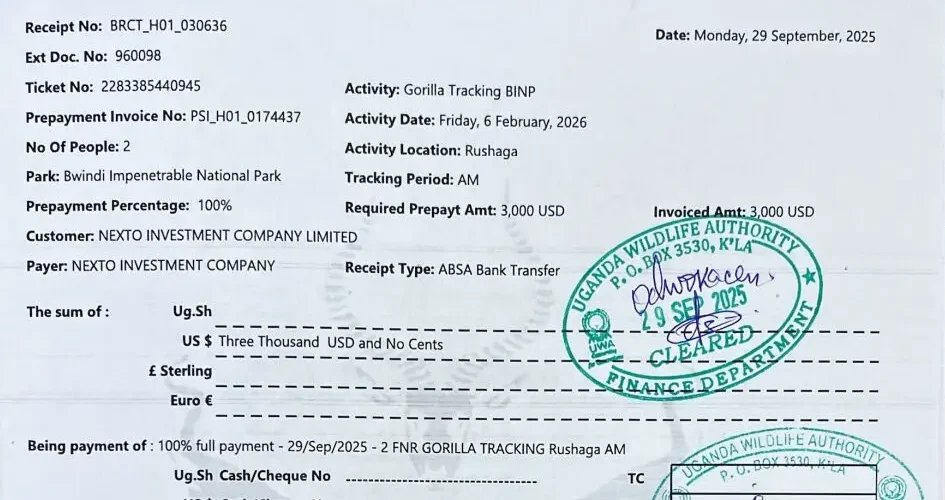
Gorilla Safari Permit Official Documents 945x500

How Far in Advance Should You Book a Uganda Gorilla Permit?

How Far in Advance Should You Book a Uganda Gorilla Permit?

Why Timing Matters More Than You Think

Planning a gorilla trekking safari in Bwindi Impenetrable National Park is not like planning a typical wildlife trip. You are not simply choosing dates and showing up at a park gate. Instead, the entire experience revolves around one critical element: the gorilla permit. This single document determines when you trek, where you trek, and often how the rest of your itinerary is structured.

Because mountain gorilla tourism is tightly regulated for conservation reasons, permits are limited and highly controlled. That scarcity creates demand, and demand creates competition. As a result, understanding how far in advance to book is not just helpful—it is essential if you want a smooth, well-organized safari without compromises.

The difference between booking early and booking late can determine whether you get your preferred sector, your ideal travel dates, or even a permit at all.

Understanding Gorilla Permits in Uganda

A gorilla permit in Uganda grants you access to spend one hour with a habituated gorilla family in Bwindi. This hour is strictly enforced and is part of a broader conservation strategy designed to minimize human impact on these endangered primates.

Only a limited number of permits are issued per day, distributed across the four trekking sectors: Buhoma, Ruhija, Rushaga, and Nkuringo. Each sector has a fixed number of habituated gorilla families, and each family can only be visited by a small group of trekkers per day.

This means availability is finite and cannot be expanded to meet demand. Once permits are sold out for a specific date and sector, there is no alternative except choosing another date or location.

The Ideal Booking Window Explained

The most reliable strategy is to book as early as possible. However, the exact timing depends on the season in which you plan to travel.

For peak travel seasons, which typically include June to September and December to February, you should aim to secure your permit at least six to twelve months in advance. These periods coincide with dry weather conditions, making trekking easier and attracting a higher number of international visitors.

For shoulder seasons such as March to May and October to November, booking three to six months in advance is generally sufficient. While demand is lower, permits can still sell out, especially for popular sectors.

In the low season, particularly during the heaviest rains, it is sometimes possible to secure permits with shorter notice. However, relying on last-minute availability introduces risk and limits your choices significantly.

Why Peak Season Requires Early Planning

Peak season in Uganda aligns with global travel patterns and favorable trekking conditions. Trails are drier, vegetation is slightly less dense, and overall accessibility improves. These factors make it the most desirable time for gorilla trekking.

Because of this, permits for peak months are often among the first to sell out. Travelers from Europe, North America, and other long-haul markets tend to book well in advance, sometimes securing permits nearly a year ahead.

If you delay booking during peak season, you may face several challenges. You might not find availability in your preferred sector, forcing you to adjust your itinerary. You may also need to shift your travel dates or accept less convenient accommodation options.

In some cases, you may not find permits at all for your intended travel window.

Shoulder Season: A Balance Between Flexibility and Risk

The shoulder seasons offer a more balanced approach. Rainfall increases slightly, but trekking remains very manageable, and the forest becomes lush and vibrant.

During these periods, demand is lower than peak season but still significant. Booking three to six months in advance typically provides enough flexibility to choose your preferred dates and sector without major compromise.

However, it is important not to assume unlimited availability. Popular lodges and specific gorilla families can still be in demand, and last-minute planning may limit your options.

Low Season: Opportunity with Trade-Offs

The low season, particularly during the heaviest rains, presents the greatest opportunity for last-minute bookings. Permits are less likely to sell out, and some lodges offer discounted rates.

However, this flexibility comes with trade-offs. Trekking conditions can be more challenging due to muddy trails and thicker vegetation. Travel logistics may also be affected by weather conditions.

Additionally, while permits may be available, your choice of sector and accommodation may still be limited if you wait too long.

The Critical Mistake Most Travelers Make

One of the most common mistakes is booking flights and accommodation before securing a gorilla permit. This approach can create significant complications.

Because permits are date-specific and sector-specific, they should always be the first element you confirm. Once your permit is secured, you can then align your flights, transfers, and lodging accordingly.

If you reverse this process, you risk building an itinerary around dates that may not have permit availability. This can lead to costly changes or, in some cases, cancellation of the gorilla trekking component altogether.

Sector Availability and Its Impact on Booking

Each sector of Bwindi has a different number of habituated gorilla families, which directly affects permit availability.

Rushaga, in the southern part of the park, has the highest number of families and therefore the greatest availability. Buhoma, while popular and accessible, has fewer permits and tends to sell out faster.

Nkuringo and Ruhija offer more limited availability but provide unique trekking experiences. If you have a strong preference for a specific sector, early booking becomes even more important.

Waiting too long may mean you are assigned to a sector that does not match your expectations in terms of terrain, accessibility, or accommodation style.

Group Size and Permit Limits

Each gorilla family can only be visited by a maximum of eight trekkers per day. This restriction ensures minimal disturbance and maintains the natural behavior of the gorillas.

Because of this, even a small increase in demand can quickly lead to sold-out dates. Unlike other tourism experiences, there is no option to add extra slots or increase capacity.

This strict limit reinforces the need for early booking, especially if you are traveling as part of a group that requires multiple permits on the same day.

Booking Through Tour Operators vs Direct Purchase

Permits can be secured through the Uganda Wildlife Authority or through licensed tour operators. For most international travelers, using a tour operator is the more practical option.

Operators can check real-time availability, hold permits temporarily, and coordinate logistics such as transport and accommodation. They also provide guidance on selecting the best sector based on your preferences and fitness level.

However, even when working with an operator, the timing of your request still matters. Delaying your decision reduces the chances of securing ideal dates.

Flexibility as a Strategic Advantage

If your travel dates are flexible, you have a significant advantage. Flexibility allows you to choose from available permits rather than competing for specific dates.

Travelers with fixed schedules, such as those tied to work leave or school holidays, should prioritize early booking even more strongly.

Flexibility can also help you take advantage of availability in different sectors, potentially enhancing your overall experience.

Combining Gorilla Trekking with Other Safaris

Many travelers combine gorilla trekking with other destinations such as Queen Elizabeth National Park or Murchison Falls National Park. In these cases, the gorilla permit becomes the anchor of the itinerary.

You plan the rest of your safari around the date and location of your trek. This makes early booking even more important, as it affects the entire structure of your trip.If you want a stress-free and well-organized gorilla safari in Bwindi Impenetrable National Park, the safest approach is simple. Book your permit as early as possible, ideally six to twelve months in advance for peak season and at least three to six months for other periods.

This approach ensures that you have full control over your travel dates, sector choice, and overall itinerary. It also allows you to secure the best accommodation and plan your journey with confidence.

Gorilla trekking is not just another activity. It is a once-in-a-lifetime wildlife encounter that depends entirely on limited access and careful conservation management.

Because of this, timing is everything. Booking early is not just a recommendation. It is the foundation of a successful gorilla safari.

When you secure your permit in advance, you are not just reserving a spot. You are guaranteeing access to one of the most extraordinary wildlife experiences on Earth, deep within the forests of Bwindi.

Gorilla Habituation vs Gorilla Trekking

Gorilla Habituation vs Gorilla Trekking

Gorilla Habituation vs Gorilla Trekking: Which Experience Is Worth the Extra Cost?

Two Ways to Meet Mountain Gorillas

In Bwindi Impenetrable National Park, visitors can encounter mountain gorillas through two distinct experiences: standard gorilla trekking and the more intensive gorilla habituation experience. Both offer access to one of the rarest primates on Earth, but they differ significantly in structure, duration, level of interaction, and overall value.

The question is not simply which is better, but which delivers the best return on investment depending on your expectations, budget, and interest in wildlife behavior. The cost difference is substantial, and understanding what you actually gain from habituation is critical before making a decision.

What Is Gorilla Trekking?

Gorilla trekking is the standard and most widely booked experience. It involves hiking through the forest with a professional guide and ranger team to locate a fully habituated gorilla family. Once the group is found, visitors are allowed exactly one hour in their presence.

This hour is strictly regulated. You observe the gorillas as they feed, move, groom, and interact naturally, but you do so under clear rules designed to minimize disturbance. The encounter is controlled, predictable, and highly successful, with very high chances of seeing gorillas.

The trekking portion can vary in difficulty depending on the location of the gorilla family. Some treks may last a few hours, while others can take most of the day. However, the time with the gorillas themselves is fixed.

For most travelers, this one-hour encounter is powerful, memorable, and sufficient. It delivers the core experience of being close to wild mountain gorillas in their natural habitat.

What Is Gorilla Habituation?

Gorilla habituation is a more specialized experience available in the southern sectors of Bwindi, particularly Rushaga. It involves joining a team of researchers, trackers, and rangers as they work with a semi-habituated gorilla group.

Unlike fully habituated groups used for trekking, these gorillas are still in the process of becoming accustomed to human presence. As a result, the experience is longer, more immersive, and less predictable.

Visitors can spend up to four hours with the gorillas, observing not only their behavior but also the process of habituation itself. This includes tracking the group from early morning, observing how researchers approach and interact with them, and witnessing more raw and unfiltered behavior.

This extended time is the main justification for the higher cost.

Cost Comparison and Value Analysis

The price difference between trekking and habituation is significant. Gorilla trekking permits are already among the most expensive wildlife experiences in Africa, but habituation permits cost considerably more.

The key question is whether the additional hours and deeper experience justify that extra expense.

From a purely time-based perspective, habituation offers four times longer interaction with gorillas. However, value is not just about duration. It is about quality of experience, depth of observation, and personal interest in wildlife behavior.

For a casual traveler, the one-hour trekking experience often delivers everything needed. For a serious wildlife enthusiast, photographer, or researcher-minded traveler, habituation can provide a much richer and more detailed encounter.

Experience Depth: Surface vs Immersion

Gorilla trekking is structured for accessibility. It is designed to give visitors a reliable, safe, and emotionally powerful encounter within a limited timeframe. The gorillas are already comfortable with human presence, which allows for relaxed observation.

Gorilla habituation, by contrast, is less polished. The gorillas may be more cautious, movement may be less predictable, and the interaction feels more like fieldwork than tourism.

This difference creates two distinct types of experience. Trekking is about witnessing. Habituation is about understanding.

During habituation, you observe how gorillas react to human presence, how researchers build trust, and how behavior changes over time. This adds a scientific and educational layer that is absent in standard trekking.

Photography Opportunities

For photographers, habituation offers a clear advantage. The extended time allows for better positioning, more varied lighting conditions, and the opportunity to capture a wider range of behaviors.

In trekking, the one-hour limit can feel restrictive, especially if the gorillas are moving or visibility is challenging. In habituation, you have time to wait, adjust, and observe different angles and interactions.

However, habituation also comes with challenges. Because the gorillas are less accustomed to humans, they may move more frequently or stay deeper in vegetation, which can make photography more demanding.

Physical Demands and Trekking Conditions

Both experiences require trekking through dense forest, but habituation is generally more physically demanding.

Habituation begins earlier in the day and often involves longer tracking periods before locating the gorilla group. Because these gorillas are not fully habituated, they may be harder to find and may move more unpredictably.

Trekking, while still physically demanding, is more structured. Rangers track habituated groups daily, making it easier to locate them within a predictable timeframe.

Travelers with limited fitness may find trekking more manageable, while habituation requires greater endurance and flexibility.

Group Size and Exclusivity

Another important difference is group size. Gorilla trekking groups typically consist of up to eight visitors per gorilla family. Habituation groups are smaller, usually limited to four visitors.

This smaller group size creates a more intimate experience. There is less crowding, more space for observation, and greater opportunity for personal engagement with guides and researchers.

For travelers seeking exclusivity, habituation clearly offers a more private and focused encounter.

Behavioral Differences in Gorillas

The behavior of gorillas in each experience also differs.

In trekking, the gorillas are fully habituated and largely indifferent to human presence. This allows for calm, predictable observation.

In habituation, the gorillas are still adjusting. They may display curiosity, caution, or occasional tension. This creates a more dynamic and authentic interaction, but also one that requires patience and understanding.

For some visitors, this unpredictability is exciting and rewarding. For others, it may feel less comfortable compared to the stability of trekking.

Educational and Research Value

Gorilla habituation has a strong educational component. Visitors gain insight into conservation work, research methods, and the challenges of integrating wild animals into tourism systems.

You observe how trackers follow signs, how researchers interpret behavior, and how gradual exposure builds trust between humans and gorillas.

This makes habituation particularly valuable for those interested in conservation, wildlife biology, or long-term ecological studies.

Time Investment and Itinerary Impact

Habituation requires a greater time commitment. It typically involves a full day in the forest, starting early and ending later than standard trekking.

This can affect travel itineraries, especially for visitors with limited time. Trekking is easier to integrate into shorter trips, while habituation may require additional days and logistical planning.

Who Should Choose Gorilla Trekking

Gorilla trekking is ideal for first-time visitors, general wildlife enthusiasts, and travelers who want a powerful but time-efficient experience. It provides a high success rate, manageable physical demand, and a structured encounter that delivers strong emotional impact.

For most tourists, trekking offers excellent value and remains one of the best wildlife experiences in Africa.

Who Should Choose Gorilla Habituation

Gorilla habituation is best suited for experienced travelers, photographers, conservation enthusiasts, and those seeking a deeper, more immersive encounter.

It is particularly valuable for individuals who want to understand gorilla behavior beyond surface observation and are willing to invest both time and money for that depth.

Is It Worth the Extra Cost?

Whether gorilla habituation is worth the extra cost depends entirely on what you are looking for.

If your goal is to see mountain gorillas, spend meaningful time observing them, and experience one of the world’s most iconic wildlife encounters, gorilla trekking is more than sufficient.

If your goal is to go beyond observation, to spend extended time in the forest, to witness raw behavior, and to understand the process of habituation itself, then the additional cost of gorilla habituation can be justified.

In the end, both experiences in Bwindi Impenetrable National Park offer something extraordinary. The difference is not in quality, but in depth.