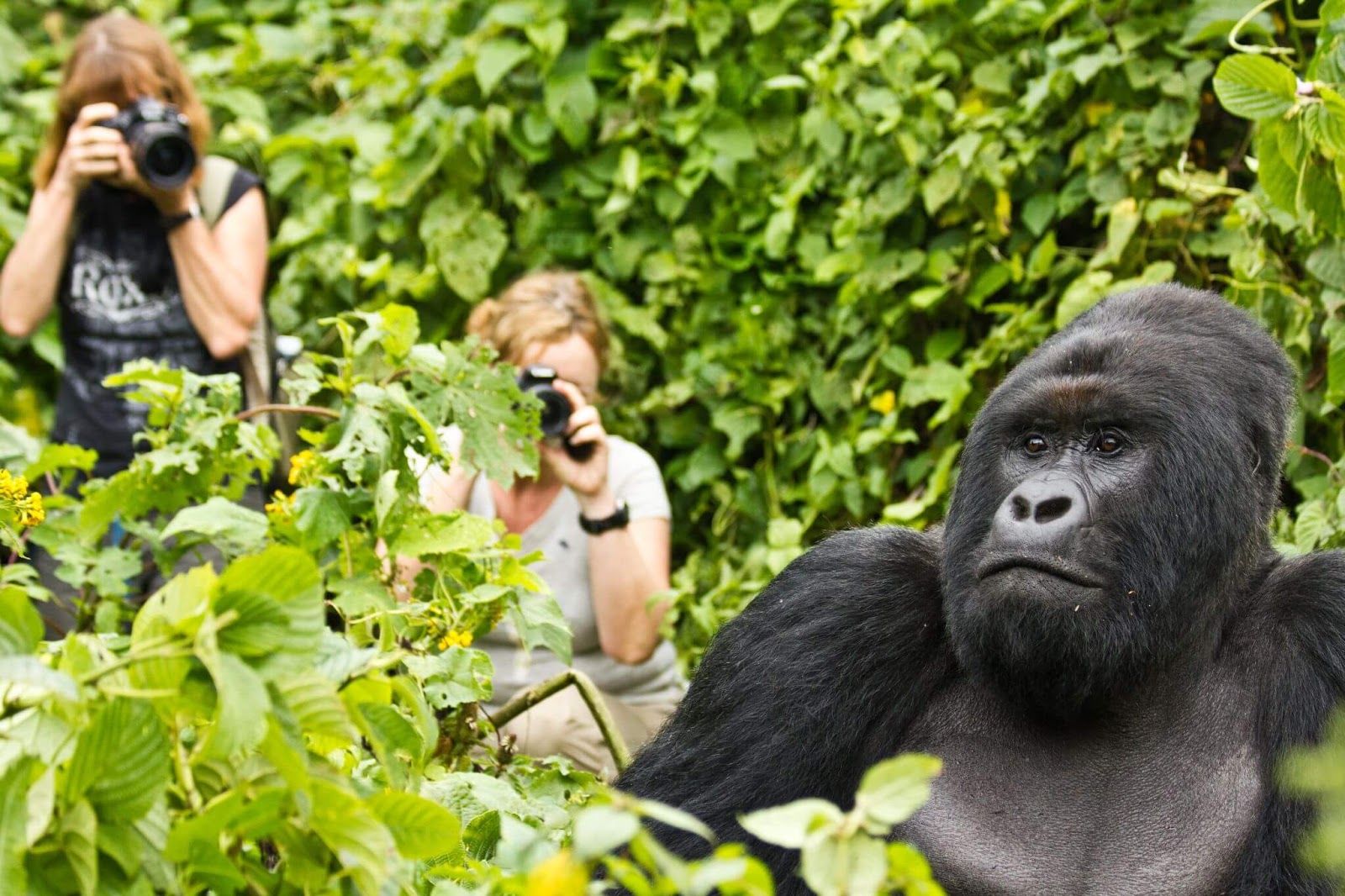
The Porter Question: Should You Hire a Porter for Your Bwindi Trek?
Gorilla trekking in Bwindi Impenetrable National Park is often framed as a physical challenge followed by an extraordinary wildlife encounter. What many first-time visitors underestimate is how much the success of that day depends on seemingly small choices made before entering the forest. One of the most important of these is whether or not to hire a porter.
At first glance, it can feel optional—something only needed for older travelers or those carrying heavy gear. In reality, hiring a porter is one of the most practical, efficient, and impactful decisions you can make for your trek. It affects your physical performance, your safety, your overall experience, and even local livelihoods.
The real question is not simply “should you hire one,” but rather “what do you gain if you do, and what do you risk if you don’t?”
Understanding the Role of a Porter
A porter in Bwindi is not just someone who carries your bag. Their role is far more functional and integrated into the trekking experience.
They assist with balance on steep slopes, provide physical support in slippery or uneven sections, and help manage fatigue by taking the weight off your shoulders. In dense forest terrain where footing is unpredictable, this kind of support becomes critical very quickly.
Porters also understand the terrain intimately. Many of them are from nearby communities and have spent years navigating the same forest conditions you are encountering for the first time.
In short, they are both logistical support and a safety asset.
The Terrain Reality: Why Porters Matter More Than You Expect
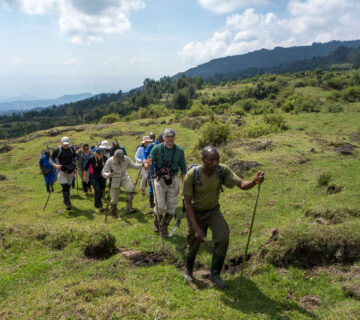
Bwindi is not a maintained hiking park. There are no clear trails in the conventional sense. Paths are often created on the day by rangers using machetes to cut through vegetation. The ground can be muddy, roots can be exposed, and slopes can be steep and continuous.
Even physically fit travelers often find the terrain more demanding than expected. The difficulty is not just about endurance; it is about balance, footing, and sustained effort in unpredictable conditions.
A porter reduces this burden significantly. By carrying your daypack and stabilizing you during difficult sections, they allow you to conserve energy for the most important part of the experience—the time spent with the gorillas.
Physical Benefits: Energy, Balance and Endurance
Hiring a porter directly affects your physical performance during the trek.
First, it reduces load. Even a small backpack becomes noticeable after several hours of climbing and descending. Removing that weight improves stamina and reduces fatigue.
Second, it improves balance. Many sections of the trek involve navigating slippery slopes or uneven ground. A porter can hold your arm, guide your steps, and prevent falls.
Third, it allows for better pacing. Instead of struggling to keep up or needing frequent rest, you can maintain a steady rhythm that aligns with the group.
These factors combine to make the trek more manageable and significantly less stressful.
Psychological Benefits: Confidence and Focus
Beyond physical support, porters provide psychological reassurance.
Knowing that someone is there to assist you reduces anxiety, especially if you are unsure about your fitness level or concerned about the terrain. This confidence allows you to focus on the experience rather than worrying about slipping, falling, or becoming exhausted.
It also changes how you experience the forest. Instead of constantly watching your footing, you can look up, observe the environment, and engage more fully with the moment.
Safety Considerations
Safety is one of the strongest arguments in favor of hiring a porter.
Slips and minor falls are not uncommon in Bwindi, especially during wet conditions. A porter reduces this risk by providing stability and guidance.
In more challenging sections, they can help you navigate obstacles that might otherwise be difficult or unsafe to attempt alone.
While rangers lead the group and ensure overall safety, porters provide one-on-one support that is not otherwise available.
Who Should Definitely Hire a Porter
There are certain categories of travelers for whom hiring a porter should be considered essential rather than optional.
First-time trekkers often underestimate the difficulty of the terrain and benefit greatly from additional support. Older travelers or those with reduced mobility also gain significant advantage from having assistance.
Anyone carrying camera equipment, extra gear, or medical supplies should strongly consider hiring a porter to avoid fatigue.
Even physically fit individuals often find that the added support enhances their experience enough to justify the cost.
The Cost vs Value Analysis
The cost of hiring a porter is relatively low compared to the overall cost of a gorilla safari. When you consider the price of permits, accommodation, and transport, the porter fee represents a small percentage of total expenditure.
In return, you gain improved comfort, reduced fatigue, enhanced safety, and a more enjoyable experience.
From a cost-benefit perspective, it is one of the highest-value additions you can make to your trek.
Social and Economic Impact
Hiring a porter is not only a personal benefit; it also has a direct impact on local communities.
Many porters are former poachers or individuals who previously depended on forest resources for survival. Tourism provides them with an alternative source of income and integrates them into conservation efforts.
By hiring a porter, you are contributing to local livelihoods and supporting the broader conservation model that protects mountain gorillas.
This adds an ethical dimension to the decision that goes beyond personal convenience.
Common Misconceptions
One of the most common misconceptions is that hiring a porter is a sign of weakness. In reality, it is a strategic decision that enhances performance and safety.
Another misconception is that porters only carry bags. As discussed, their role includes physical assistance, guidance, and support throughout the trek.
Some travelers also assume they can decide on the day whether to hire one. While this is sometimes possible, availability is not guaranteed, especially during busy periods.
When You Might Not Need a Porter
There are situations where a porter may be less necessary.
Highly experienced hikers with strong fitness levels and minimal gear may choose to trek without one. Travelers assigned to shorter, easier routes may also feel comfortable without additional support.
However, even in these cases, the benefits of hiring a porter often outweigh the cost.
A Practical Recommendation
When evaluating whether to hire a porter for your trek in Bwindi Impenetrable National Park, the most practical conclusion is clear.
A porter is not a luxury. They are a functional part of the trekking system that improves safety, comfort, and overall experience.
For most travelers, the question is not whether you can manage without a porter, but whether you want to take on unnecessary strain in one of the most physically demanding wildlife environments in Africa.
Choosing to hire a porter allows you to focus on what truly matters: the rare and powerful experience of encountering mountain gorillas in the wild, without distraction, fatigue, or avoidable risk.
Start Planning Your Next Trip To Africa
If you can picture yourself in one—or several—of these exceptional retreats, the next move is simple. We design fully tailored African safaris that bring these experiences together seamlessly, from private gorilla encounters to luxury lodges in the heart of the wild.
Every detail is carefully planned, so your journey feels effortless from start to finish. Reach out in whichever way suits you best, and let’s begin crafting your safari.
Start Planning