Gorilla Habituation vs Gorilla Trekking: Which Experience Is Worth the Extra Cost?
Two Ways to Meet Mountain Gorillas
In Bwindi Impenetrable National Park, visitors can encounter mountain gorillas through two distinct experiences: standard gorilla trekking and the more intensive gorilla habituation experience. Both offer access to one of the rarest primates on Earth, but they differ significantly in structure, duration, level of interaction, and overall value.
The question is not simply which is better, but which delivers the best return on investment depending on your expectations, budget, and interest in wildlife behavior. The cost difference is substantial, and understanding what you actually gain from habituation is critical before making a decision.
What Is Gorilla Trekking?
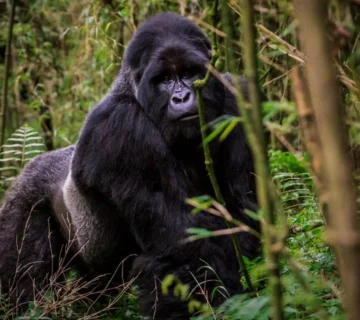
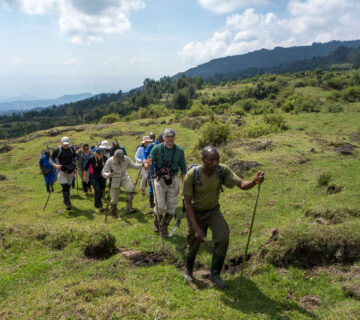
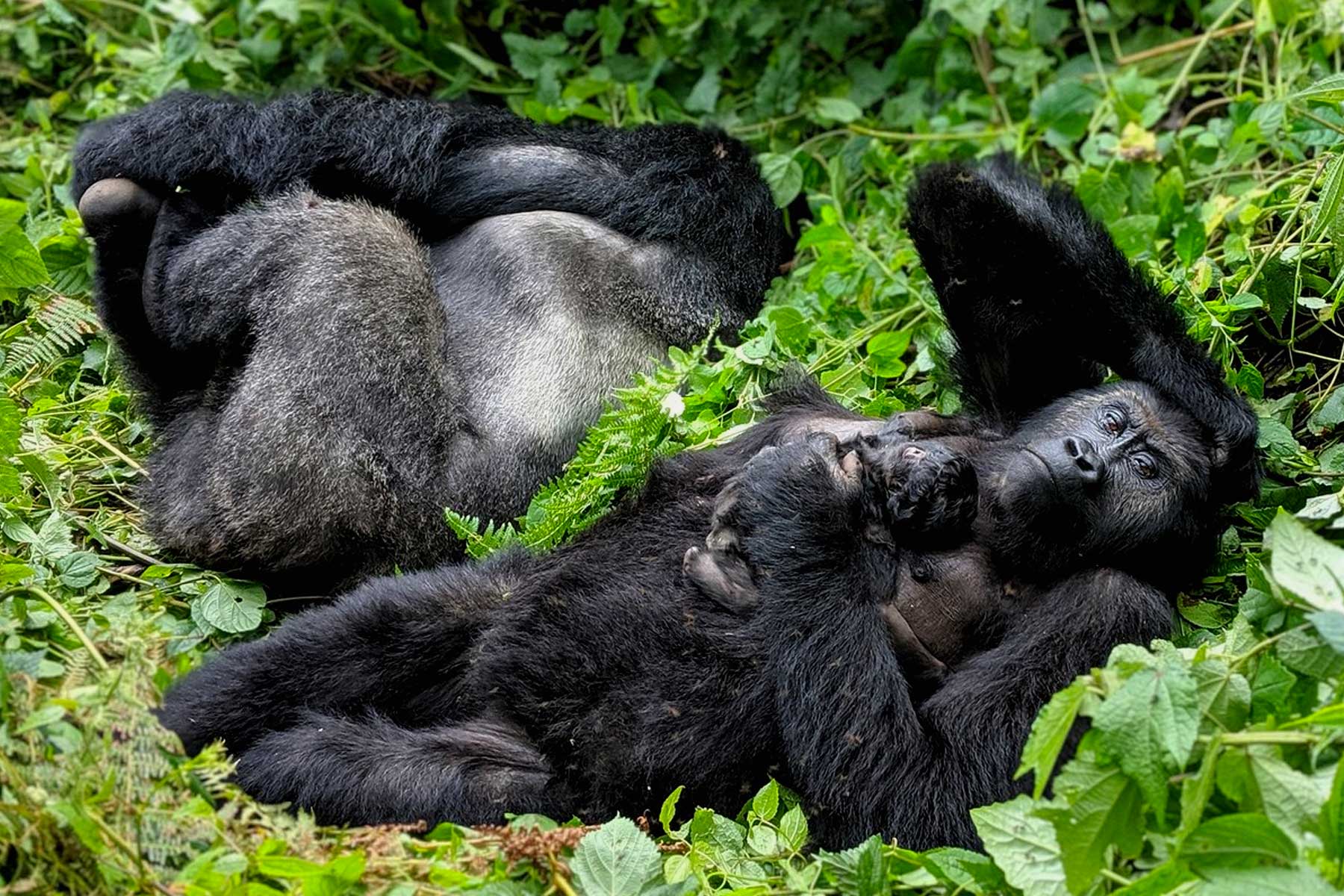
Gorilla trekking is the standard and most widely booked experience. It involves hiking through the forest with a professional guide and ranger team to locate a fully habituated gorilla family. Once the group is found, visitors are allowed exactly one hour in their presence.
This hour is strictly regulated. You observe the gorillas as they feed, move, groom, and interact naturally, but you do so under clear rules designed to minimize disturbance. The encounter is controlled, predictable, and highly successful, with very high chances of seeing gorillas.
The trekking portion can vary in difficulty depending on the location of the gorilla family. Some treks may last a few hours, while others can take most of the day. However, the time with the gorillas themselves is fixed.
For most travelers, this one-hour encounter is powerful, memorable, and sufficient. It delivers the core experience of being close to wild mountain gorillas in their natural habitat.
What Is Gorilla Habituation?
Gorilla habituation is a more specialized experience available in the southern sectors of Bwindi, particularly Rushaga. It involves joining a team of researchers, trackers, and rangers as they work with a semi-habituated gorilla group.
Unlike fully habituated groups used for trekking, these gorillas are still in the process of becoming accustomed to human presence. As a result, the experience is longer, more immersive, and less predictable.
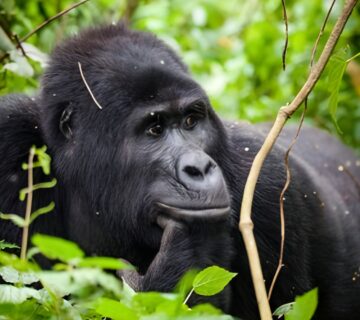
Visitors can spend up to four hours with the gorillas, observing not only their behavior but also the process of habituation itself. This includes tracking the group from early morning, observing how researchers approach and interact with them, and witnessing more raw and unfiltered behavior.
This extended time is the main justification for the higher cost.
Cost Comparison and Value Analysis
The price difference between trekking and habituation is significant. Gorilla trekking permits are already among the most expensive wildlife experiences in Africa, but habituation permits cost considerably more.
The key question is whether the additional hours and deeper experience justify that extra expense.
From a purely time-based perspective, habituation offers four times longer interaction with gorillas. However, value is not just about duration. It is about quality of experience, depth of observation, and personal interest in wildlife behavior.
For a casual traveler, the one-hour trekking experience often delivers everything needed. For a serious wildlife enthusiast, photographer, or researcher-minded traveler, habituation can provide a much richer and more detailed encounter.
Experience Depth: Surface vs Immersion
Gorilla trekking is structured for accessibility. It is designed to give visitors a reliable, safe, and emotionally powerful encounter within a limited timeframe. The gorillas are already comfortable with human presence, which allows for relaxed observation.
Gorilla habituation, by contrast, is less polished. The gorillas may be more cautious, movement may be less predictable, and the interaction feels more like fieldwork than tourism.
This difference creates two distinct types of experience. Trekking is about witnessing. Habituation is about understanding.
During habituation, you observe how gorillas react to human presence, how researchers build trust, and how behavior changes over time. This adds a scientific and educational layer that is absent in standard trekking.
Photography Opportunities
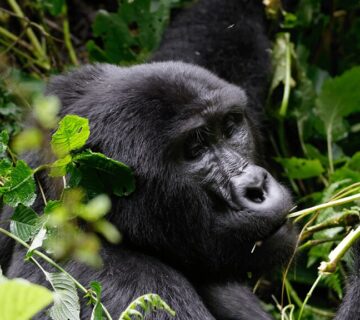
For photographers, habituation offers a clear advantage. The extended time allows for better positioning, more varied lighting conditions, and the opportunity to capture a wider range of behaviors.
In trekking, the one-hour limit can feel restrictive, especially if the gorillas are moving or visibility is challenging. In habituation, you have time to wait, adjust, and observe different angles and interactions.
However, habituation also comes with challenges. Because the gorillas are less accustomed to humans, they may move more frequently or stay deeper in vegetation, which can make photography more demanding.
Physical Demands and Trekking Conditions
Both experiences require trekking through dense forest, but habituation is generally more physically demanding.
Habituation begins earlier in the day and often involves longer tracking periods before locating the gorilla group. Because these gorillas are not fully habituated, they may be harder to find and may move more unpredictably.
Trekking, while still physically demanding, is more structured. Rangers track habituated groups daily, making it easier to locate them within a predictable timeframe.
Travelers with limited fitness may find trekking more manageable, while habituation requires greater endurance and flexibility.
Group Size and Exclusivity
Another important difference is group size. Gorilla trekking groups typically consist of up to eight visitors per gorilla family. Habituation groups are smaller, usually limited to four visitors.
This smaller group size creates a more intimate experience. There is less crowding, more space for observation, and greater opportunity for personal engagement with guides and researchers.
For travelers seeking exclusivity, habituation clearly offers a more private and focused encounter.
Behavioral Differences in Gorillas
The behavior of gorillas in each experience also differs.
In trekking, the gorillas are fully habituated and largely indifferent to human presence. This allows for calm, predictable observation.
In habituation, the gorillas are still adjusting. They may display curiosity, caution, or occasional tension. This creates a more dynamic and authentic interaction, but also one that requires patience and understanding.
For some visitors, this unpredictability is exciting and rewarding. For others, it may feel less comfortable compared to the stability of trekking.
Educational and Research Value
Gorilla habituation has a strong educational component. Visitors gain insight into conservation work, research methods, and the challenges of integrating wild animals into tourism systems.
You observe how trackers follow signs, how researchers interpret behavior, and how gradual exposure builds trust between humans and gorillas.
This makes habituation particularly valuable for those interested in conservation, wildlife biology, or long-term ecological studies.
Time Investment and Itinerary Impact
Habituation requires a greater time commitment. It typically involves a full day in the forest, starting early and ending later than standard trekking.
This can affect travel itineraries, especially for visitors with limited time. Trekking is easier to integrate into shorter trips, while habituation may require additional days and logistical planning.
Who Should Choose Gorilla Trekking
Gorilla trekking is ideal for first-time visitors, general wildlife enthusiasts, and travelers who want a powerful but time-efficient experience. It provides a high success rate, manageable physical demand, and a structured encounter that delivers strong emotional impact.
For most tourists, trekking offers excellent value and remains one of the best wildlife experiences in Africa.
Who Should Choose Gorilla Habituation
Gorilla habituation is best suited for experienced travelers, photographers, conservation enthusiasts, and those seeking a deeper, more immersive encounter.
It is particularly valuable for individuals who want to understand gorilla behavior beyond surface observation and are willing to invest both time and money for that depth.
Is It Worth the Extra Cost?
Whether gorilla habituation is worth the extra cost depends entirely on what you are looking for.
If your goal is to see mountain gorillas, spend meaningful time observing them, and experience one of the world’s most iconic wildlife encounters, gorilla trekking is more than sufficient.
If your goal is to go beyond observation, to spend extended time in the forest, to witness raw behavior, and to understand the process of habituation itself, then the additional cost of gorilla habituation can be justified.
In the end, both experiences in Bwindi Impenetrable National Park offer something extraordinary. The difference is not in quality, but in depth.
Start Planning Your Next Trip To Africa
If you can picture yourself in one—or several—of these exceptional retreats, the next move is simple. We design fully tailored African safaris that bring these experiences together seamlessly, from private gorilla encounters to luxury lodges in the heart of the wild.
Every detail is carefully planned, so your journey feels effortless from start to finish. Reach out in whichever way suits you best, and let’s begin crafting your safari.
Start Planning