Best Time to Visit Kenya for a Safari

Best Time to Visit Kenya for a Safari: A Month-by-Month Guide for 2026
Kenya is a year-round safari destination, but the quality of wildlife viewing, landscapes, and overall experience changes significantly depending on the month. Unlike many travel destinations, Kenya’s safari calendar is driven less by temperature and more by rainfall patterns and animal movement, especially in ecosystems like the Masai Mara National Reserve.
Understanding these seasonal shifts is essential for planning a safari in 2026 because timing directly affects predator activity, herd movement, road conditions, and even photography quality.
This guide breaks down Kenya’s safari seasons month by month so you can align your travel plans with the kind of experience you want.
January to February: Dry season intensity and big cat visibility
The early part of the year is one of the strongest periods for general wildlife viewing across Kenya.
Conditions are typically dry, vegetation is thinner, and animals concentrate around water sources. This makes sightings easier and more predictable.
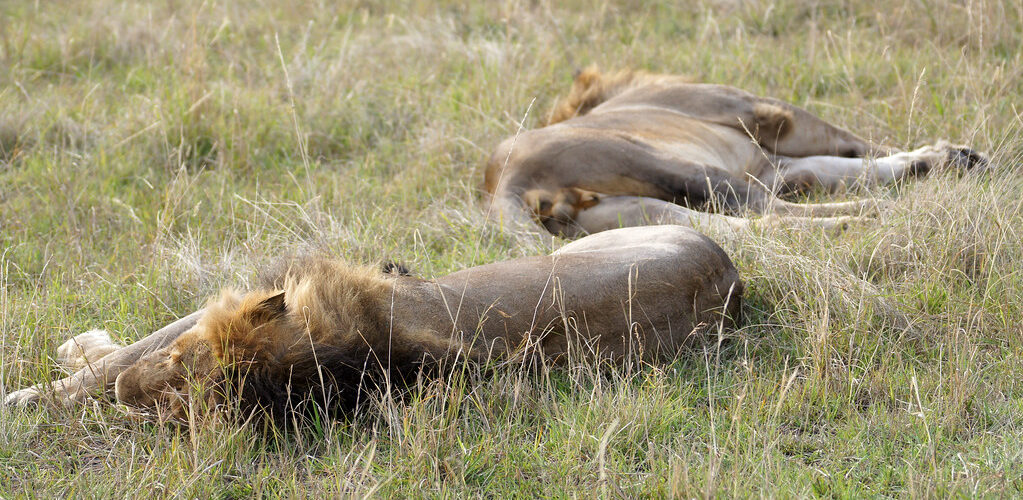
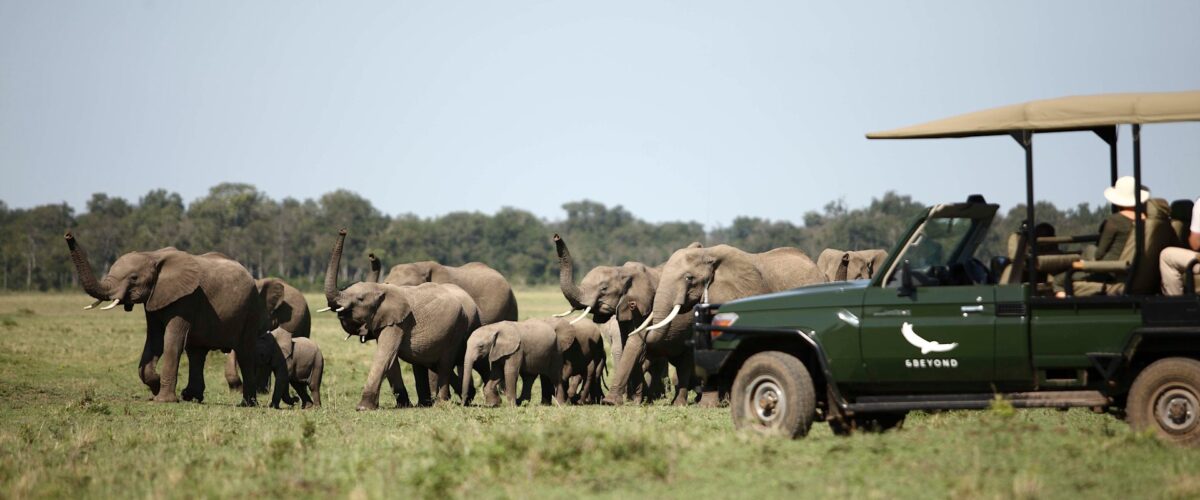
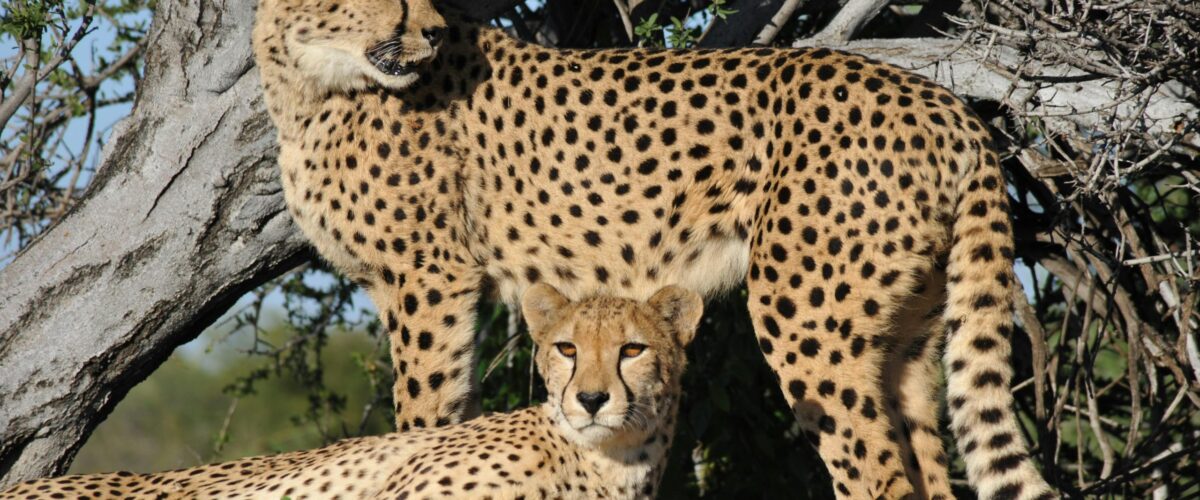
In the Masai Mara and surrounding conservancies, predator activity remains strong, and big cat sightings are common. Elephants and large herbivores are also highly visible due to limited water dispersion.
This is also a key period for calving in some southern Serengeti areas, which can indirectly influence movement patterns in cross-border ecosystems.
For photographers, this season offers clear skies and strong light conditions.
March: transitional weather and quieter safari conditions
March marks the beginning of a transitional period as rains start to build in parts of Kenya.
Wildlife is still present in good numbers, but vegetation begins to thicken, making sightings slightly more challenging compared to peak dry months.
This is often considered a shoulder season, which means fewer tourists and more relaxed safari conditions.
Game viewing is still rewarding, but it requires slightly more tracking effort.
April to May: long rains and low tourist density
April and May represent Kenya’s long rainy season.
This is the quietest period for safari tourism. Some camps reduce operations or close temporarily in certain regions due to road conditions.
Wildlife is still present, but the landscape becomes lush and green, and animals are more dispersed.
While this is not a peak game-viewing period, it offers strong advantages for travellers seeking privacy, lower rates, and dramatic scenery.
Photographers often appreciate the green landscapes and atmospheric skies.
June: transition into peak safari season
June marks the end of the long rains and the beginning of improved safari conditions.
Vegetation starts to thin, roads become more accessible, and wildlife begins to concentrate again.
This is the prelude to peak season in Kenya, especially in the Masai Mara ecosystem.
It is also when early movement of migratory herds begins to approach the Kenyan border, depending on rainfall patterns.
June is a strong “transition month” with improving wildlife visibility and fewer crowds than peak season.
July to October: peak safari season and the Great Migration
This is widely considered the best time to visit Kenya for a safari.
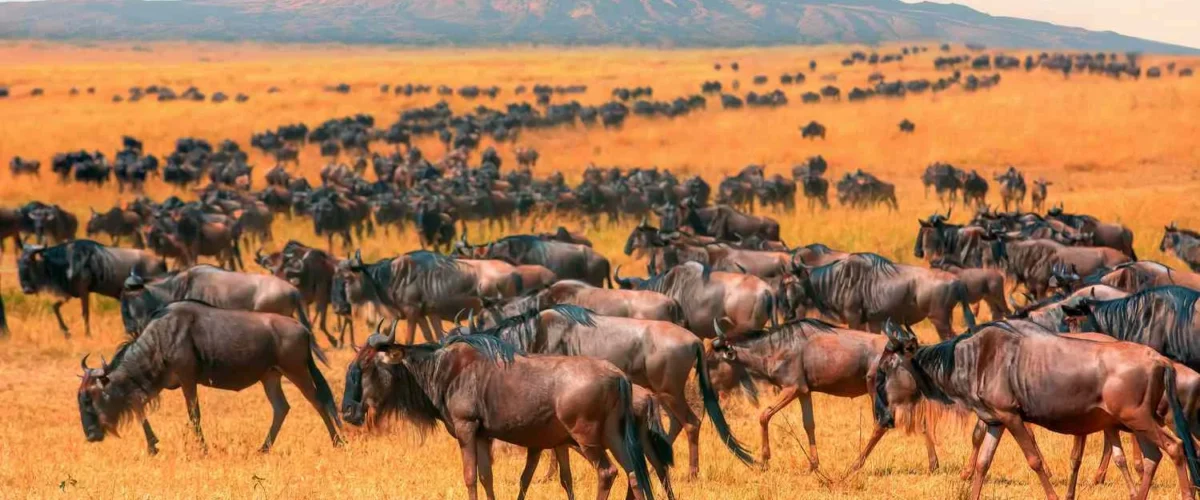
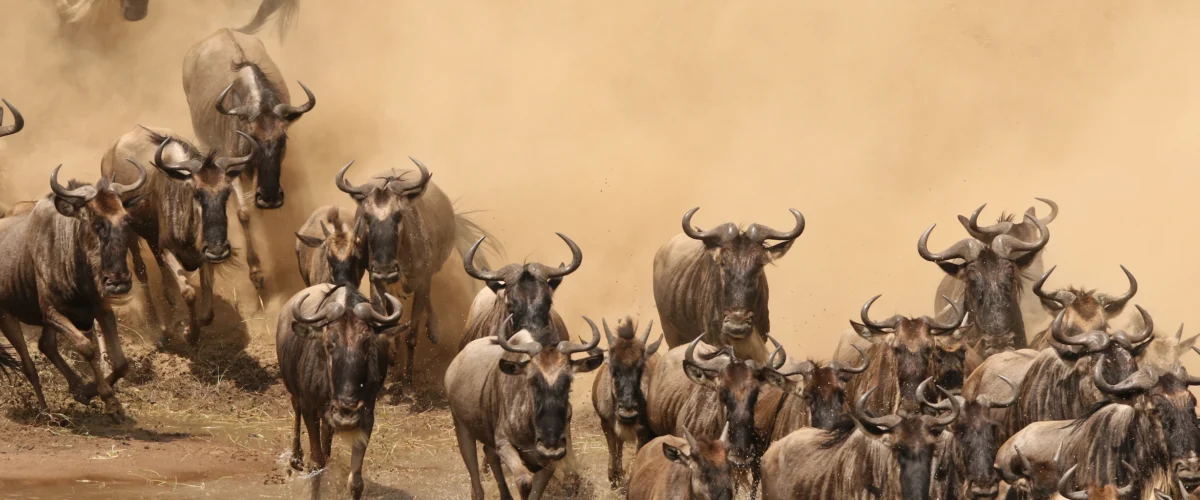
From July onward, the Masai Mara becomes the focal point of one of the most dramatic wildlife events on the planet: the Great Migration.
Millions of wildebeest and zebra move into Kenya from the Serengeti ecosystem, creating high-density wildlife concentrations.
River crossings, particularly at the Mara River, are the most iconic moments of this season. Predator activity also intensifies due to increased prey availability.
The Masai Mara National Reserve is at its most dynamic during this period, with constant wildlife movement and high-action encounters.
However, this is also the busiest time of year, with higher demand for accommodation and flights.
August: peak river crossing activity
August is often considered the height of migration season in the Masai Mara.
River crossings become more frequent, although they remain unpredictable. Large herds gather near water points, creating intense wildlife scenes.
This is one of the most sought-after months for safari photography due to dramatic predator-prey interactions.
Camps in prime locations often book out well in advance during this period.
September: stable wildlife viewing and high density
September continues the peak season conditions, but with slightly more stability compared to August.
Herds are still present in large numbers, and predator interactions remain frequent.
The landscape is still dry, which improves visibility and game drive efficiency.
This is one of the most consistent months for general safari quality, combining strong wildlife density with slightly less intensity than peak crossing periods.
October: migration exit and transition phase
By October, the migration begins to shift back toward the Serengeti.
Wildlife is still abundant in the Masai Mara, but herd density gradually decreases.
This creates a transitional safari experience where predator activity remains strong but large migration events become less frequent.
October is often considered a “balanced” safari month with good visibility and slightly reduced crowds.
November: short rains and renewed landscapes
November marks the beginning of the short rains.
The landscape begins to green again, and wildlife disperses more widely due to improved water availability.
While game viewing is still possible, it is less predictable compared to dry season months.
However, this period offers strong photographic contrast with dramatic skies and lush scenery.
Tourist numbers also decrease, making it a quieter safari period.
December: festive season and mixed conditions
December is a popular travel month due to holidays, but safari conditions are mixed.
Early December can still offer good wildlife viewing, especially in drier areas. As the month progresses, rainfall patterns become more variable.
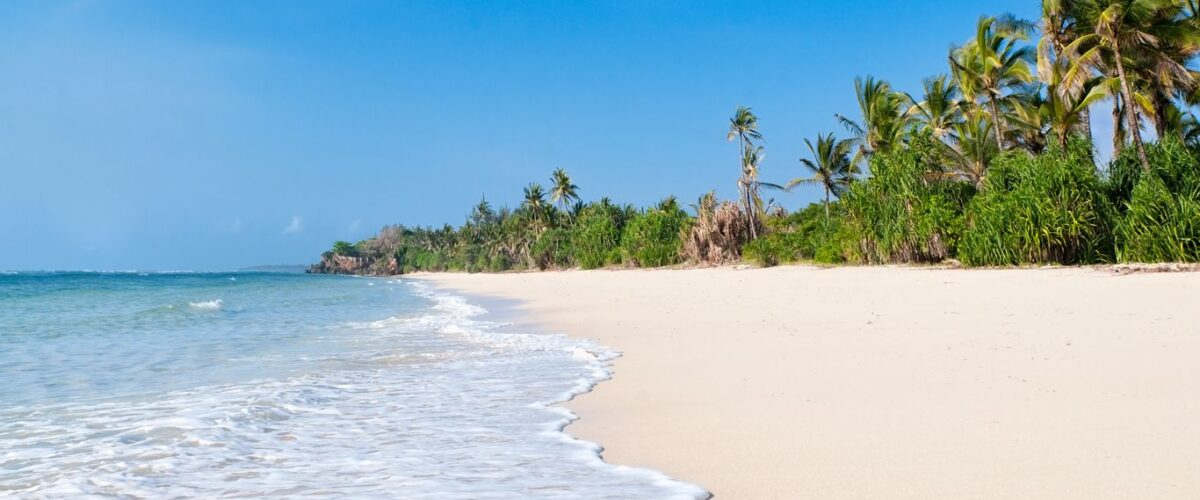
Despite this, many travellers combine safari with coastal extensions during this period, creating a dual experience of wildlife and beach travel.
Availability can be limited due to high demand, especially in premium camps.
Regional differences in timing across Kenya
While the Masai Mara dominates seasonal discussion, other regions in Kenya behave differently.
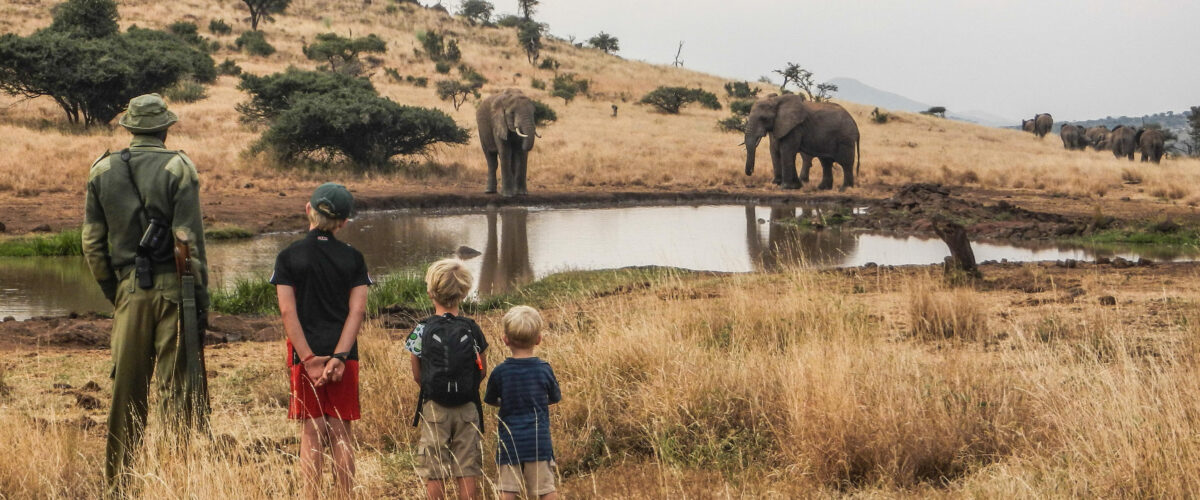
Amboseli, for example, offers strong elephant viewing year-round, with slightly better visibility during dry months.
Laikipia and Samburu are less dependent on migration cycles and offer more consistent wildlife viewing across the year, making them strong alternatives during off-peak Mara months.
This regional variation allows Kenya to function as a year-round safari destination despite seasonal fluctuations.
How seasonality affects safari style
Seasonality does not just affect wildlife—it also changes safari style.
Dry months concentrate animals around water sources, creating high-density viewing conditions.
Wet months spread wildlife across larger areas, requiring more tracking and patience.
Peak migration months create high-intensity, high-action safari conditions, especially in the Masai Mara.
Understanding this helps match expectations with actual travel conditions.
Choosing the best month based on travel goals
The “best” time to visit Kenya depends entirely on what you want from the safari.
For dramatic wildlife action and migration scenes, July to October is ideal.
For fewer crowds and lower pricing, March, November, and early June offer better value.
For photography-focused trips, January to February and July to October provide strong lighting and wildlife density.
For green landscapes and quiet travel, the rainy seasons offer a different but rewarding experience.
Why timing matters more than destination choice
In Kenya safari planning, timing often has more impact than location alone.
The same park can feel completely different depending on rainfall, migration movement, and seasonal wildlife behavior.
A well-timed safari in a single region can outperform a poorly timed itinerary that tries to cover too much ground.
This is why experienced safari planning always starts with seasonality, not just destination selection.