Northern Kenya vs the Masai Mara: The Case for Laikipia, Samburu and the Lesser-Known North
When most travellers think of a Kenya safari, the image that comes to mind is almost always the same: golden plains, dramatic river crossings, and predator action in the Masai Mara. The Mara has become the global reference point for safari travel, especially during the Great Migration. But Kenya’s northern frontier tells a very different story—one defined not by density, but by rarity, conservation innovation, and wide-open wilderness.
In 2026, Northern Kenya is no longer a “secondary” safari option. Regions like Laikipia, Samburu, and surrounding conservancies are now central to high-end, low-impact safari design. Understanding the difference between the Masai Mara and the north is essential for building a more complete and intelligent Kenya itinerary.
Why the Masai Mara dominates safari perception
The Masai Mara National Reserve is the most famous safari destination in Kenya for one clear reason: wildlife density.
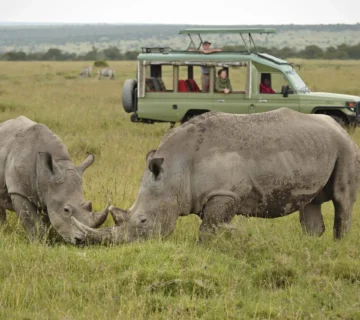
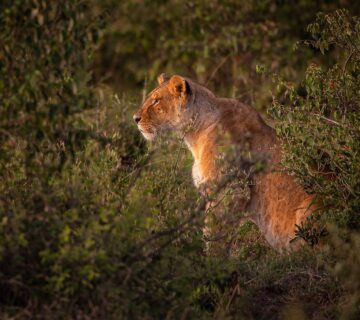
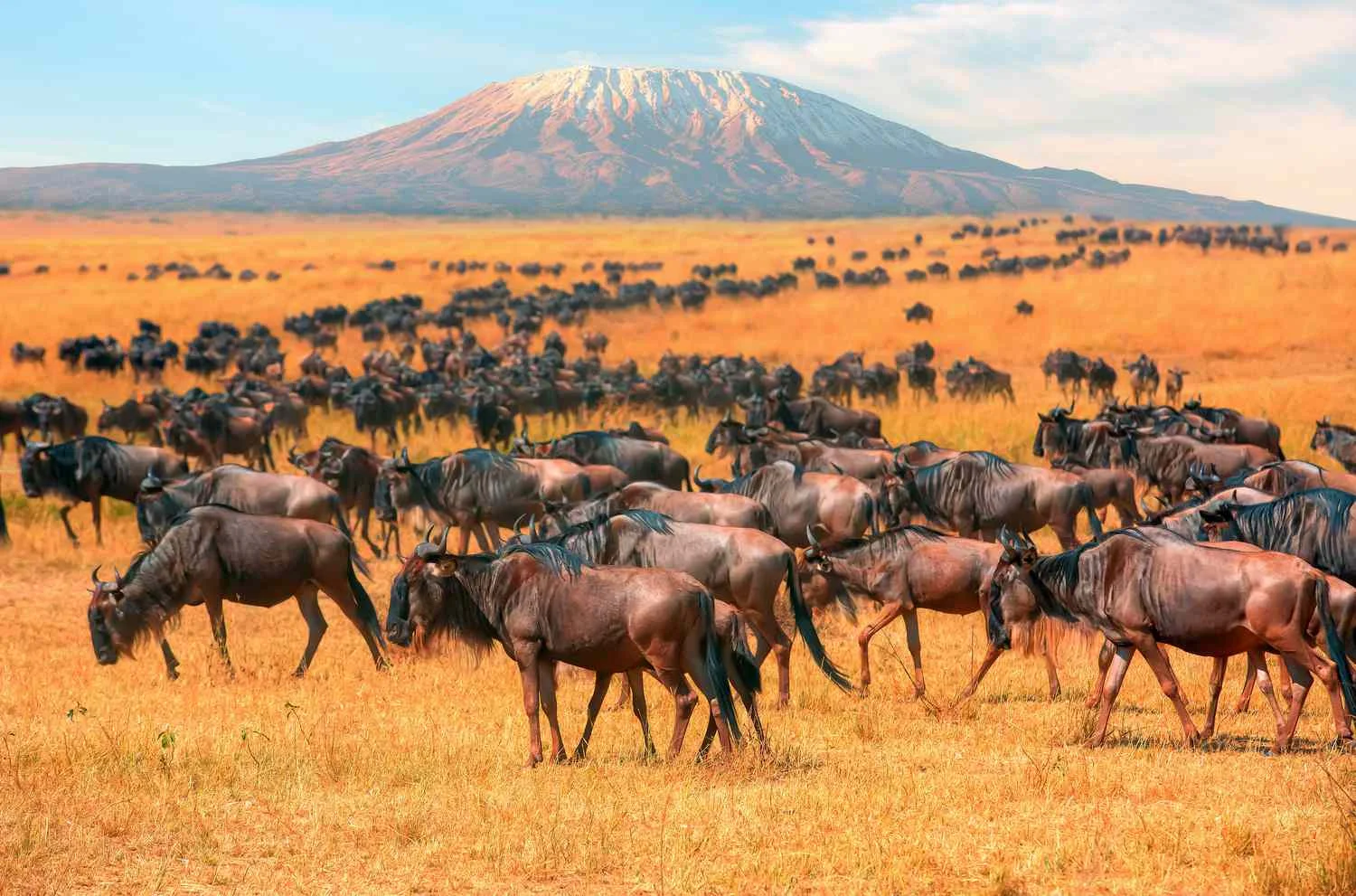
Here, animals are highly concentrated across open savannah, making sightings frequent and predictable. Lions, cheetahs, elephants, buffalo, giraffes, and countless herbivores are commonly encountered within a single game drive.
During peak migration months, the Mara becomes even more dramatic as wildebeest and zebra cross into Kenya from the Serengeti ecosystem. This creates high-intensity wildlife scenes that define the classic safari image.
The Mara is structured around immediacy. You do not need to search for wildlife for long—it is already present in most directions.
The northern shift: why Laikipia changes the safari equation
Laikipia represents a completely different safari philosophy.
Unlike the Mara, wildlife here is more dispersed and conservation-led rather than migration-driven. The landscape is a mix of private conservancies, ranchlands, and protected ecosystems that prioritize low-density tourism.
The result is a safari experience built around exclusivity rather than volume.
In Laikipia, you are less likely to see large herds every few minutes, but you gain something else: space, privacy, and rare species encounters that are not common in southern Kenya.
What makes Laikipia structurally different
Laikipia is not a national park in the traditional sense. It is a network of private and community conservancies that have collectively created one of Africa’s most successful conservation models.
This structure allows for flexible safari activities such as walking safaris, night drives, and off-road tracking in many areas—experiences that are often restricted in national reserves.
Luxury camps in Laikipia are typically small, highly exclusive, and deeply integrated into conservation programs. The focus is less on spectacle and more on ecological interaction.
Samburu: the northern safari character
Further north lies the Samburu ecosystem, anchored by the Samburu National Reserve.
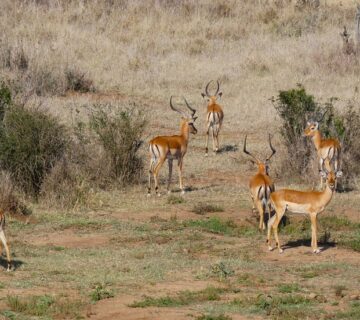
This region introduces a completely different wildlife profile compared to the Masai Mara. While elephants and predators are still present, the standout feature is the presence of northern specialty species known as the Samburu Special Five: Grevy’s zebra, reticulated giraffe, Beisa oryx, Somali ostrich, and gerenuk.
These species are adapted to arid and semi-arid environments, making Samburu ecologically distinct from southern Kenya.
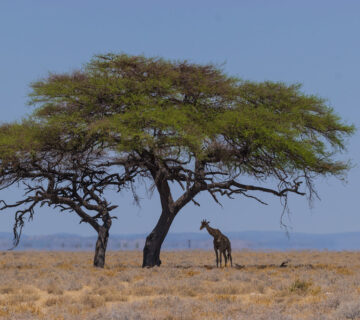
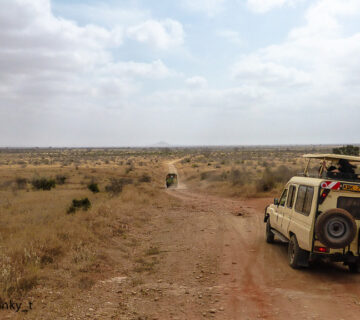
The landscape is also more rugged, with dry riverbeds, volcanic hills, and acacia-dominated terrain replacing the open grasslands of the Mara.
Wildlife density versus wildlife rarity
The core difference between the Mara and northern Kenya is not simply geography—it is ecological structure.
The Masai Mara is defined by density. Wildlife is concentrated, interactions are frequent, and predator-prey dynamics are highly visible.
Northern Kenya is defined by rarity. Wildlife is more spread out, sightings require patience, and certain species exist only in this region.
This creates two fundamentally different safari philosophies: one based on abundance, the other based on uniqueness.
Conservation-driven safari design in the north
One of the most important developments in Northern Kenya is its conservation model.
In Laikipia and parts of Samburu, tourism revenue is directly tied to land conservation and community engagement. Many conservancies are managed in partnership with local communities and private landowners.
This means safari tourism here is not just observational—it is participatory in conservation economics.
The result is lower visitor density, stricter ecological management, and a stronger emphasis on sustainability.
Accommodation differences between north and south
Accommodation in the Masai Mara is often designed around access to wildlife hotspots. Camps are positioned near river systems, migration corridors, and predator territories.
In contrast, northern Kenya lodges and camps are often designed around landscape immersion and privacy.
Properties in Laikipia, for example, tend to be smaller, more architectural, and more integrated into conservation landscapes. The emphasis is on exclusivity rather than proximity to migration events.
This difference directly shapes the tone of the safari experience.
Game drive experience: structured versus exploratory
Game drives in the Masai Mara are highly productive and often structured around predictable wildlife movement.
In Northern Kenya, game drives are more exploratory. Guides often track specific species, follow ecological patterns, and respond to less predictable wildlife movement.
This makes guiding quality particularly important in the north, where interpretation and tracking skills often matter more than sheer animal density.
The experience becomes more about discovery than repetition.
Landscape contrast: open plains versus rugged wilderness
The Masai Mara is characterized by open savannah with wide visibility and relatively uniform terrain.
Northern Kenya introduces more varied landscapes. Laikipia features rolling hills, escarpments, and private ranch ecosystems. Samburu adds semi-arid river systems and volcanic formations.
This variation creates a more visually diverse safari experience, even if wildlife encounters are less frequent.
Who the Masai Mara is best suited for
The Masai Mara is ideal for first-time safari travellers who want reliable wildlife viewing and high chances of seeing predators in action.
It is also well suited for photographers who want consistent access to large animal concentrations and dramatic interactions.
The Mara delivers intensity, predictability, and high-impact moments in a relatively short time.
Who Northern Kenya is best suited for
Northern Kenya is better suited for repeat safari travellers or those seeking exclusivity and ecological depth.
It appeals to travellers who want fewer vehicles, more privacy, and a more conservation-focused experience.
It is also ideal for those interested in rare species and landscapes that differ significantly from the standard safari image.
Seasonal considerations between regions
The Masai Mara is highly seasonal due to the Great Migration, which peaks between July and October.
Northern Kenya is more stable year-round, with less dependence on large migratory events.
This makes the north a more consistent option outside peak safari months, while the Mara dominates during migration season.
Combining both regions in one itinerary
Increasingly, high-end itineraries combine both the Masai Mara and Northern Kenya.
A typical structure might begin in the Mara for high-density wildlife viewing, followed by Laikipia for conservation-focused experiences, and optionally Samburu for northern species.
This combination creates a layered safari that moves from intensity to rarity to ecological depth.
Why Northern Kenya is gaining importance in 2026
In 2026, safari travel is shifting toward sustainability and low-impact experiences. Northern Kenya aligns strongly with this trend.
Its conservancy model reduces pressure on ecosystems while increasing community benefits and biodiversity protection.
At the same time, it offers a more exclusive and less crowded alternative to the increasingly busy Masai Mara during peak seasons.
The core difference in one idea
If the Masai Mara is about abundance, Northern Kenya is about distinction.
One delivers quantity and immediacy. The other delivers rarity and depth.
Together, they represent two complementary sides of Kenya’s safari identity.
Start Planning Your Next Trip To Africa
If you can picture yourself in one—or several—of these exceptional retreats, the next move is simple. We design fully tailored African safaris that bring these experiences together seamlessly, from private gorilla encounters to luxury lodges in the heart of the wild.
Every detail is carefully planned, so your journey feels effortless from start to finish. Reach out in whichever way suits you best, and let’s begin crafting your safari.
Start Planning