Cottar’s 1920s Camp

Cottar’s 1920s Camp

Cottar’s 1920s Camp: Is Kenya’s Most Historic Safari Camp Worth the Premium?

Cottar’s 1920s Safari Camp sits in a very specific category within the Masai Mara luxury ecosystem: it is not competing on modern architectural innovation or ultra-branded hospitality, but on heritage depth, conservancy exclusivity, guiding lineage, and a deliberately nostalgic interpretation of safari history. Located in the private Olderkesi Conservancy bordering the southeastern edge of the Masai Mara ecosystem, it represents one of the few remaining camps that still builds its entire identity around the “golden era” safari aesthetic while simultaneously operating as a high-end conservation-driven lodge.

The key question around its premium pricing is not whether it is luxurious—because it clearly is—but whether that luxury is meaningfully different from newer, more modern conservancy camps in the region that often offer similar wildlife access at comparable or lower cost structures. To answer that properly, it is necessary to break down what you are actually paying for when booking Cottar’s in 2026: heritage immersion, ecological exclusivity, guiding pedigree, and experiential programming that goes beyond standard game drives.

The historical identity: safari as a curated time capsule

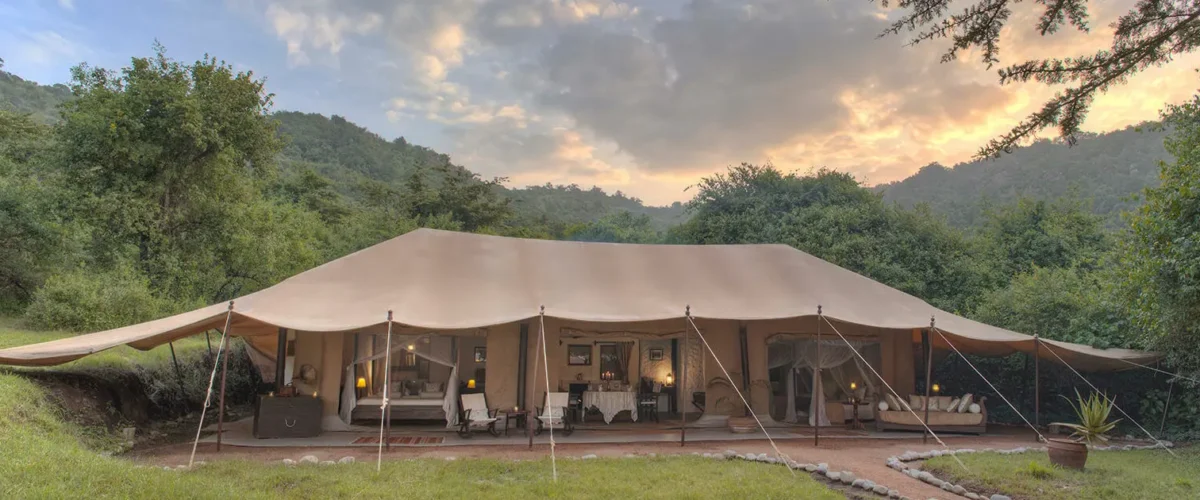
Cottar’s 1920s Safari Camp is built on a concept that very few camps attempt at this level of commitment: full immersion into early 20th-century safari aesthetics. The camp’s design language intentionally references expedition-era travel, with canvas tents, antique furnishings, leather trunks, brass details, and sepia-toned visual storytelling integrated into every public and private space.

This is not a superficial theme applied to a modern lodge. It is a fully developed narrative environment where guests are placed into a reconstructed version of historical safari life, albeit with modern comfort standards. According to long-form reviews and historical descriptions of the property, this design approach is meant to evoke “a forgotten era of African exploration” rather than contemporary safari minimalism .

That distinction matters because it defines the emotional experience. Where newer luxury camps emphasize sleekness, architectural blending, and modern restraint, Cottar’s leans into atmosphere, storytelling, and tactile nostalgia. The premium here is partly intellectual and psychological: you are paying for immersion into a curated historical narrative layered over a functioning conservancy lodge.

Location advantage: private conservancy access vs crowded reserve dynamics

Cottar’s is positioned within the Olderkesi Conservancy, a privately managed wildlife area that borders the southeastern section of the Masai Mara National Reserve. This positioning creates one of its strongest value propositions: controlled access wildlife viewing with reduced vehicle density.

Private conservancies in the Mara ecosystem operate under strict limits on tourism density and allow more flexible safari activity structures compared to the main reserve. This includes walking safaris, night drives, and off-road tracking in designated zones. Cottar’s benefits from this system, offering a more fluid and less congested safari experience compared to reserve-based camps.

Guest reviews and conservation documentation consistently highlight the low-density nature of this conservancy experience, noting that wildlife encounters often occur without the multi-vehicle congestion common in the national reserve during peak season .

However, there is a nuance here. While conservancy wildlife experiences are often more exclusive, they can sometimes be less concentrated in terms of mass migration visibility compared to river-heavy zones of the Mara Triangle. This means the experience is less about spectacle density and more about controlled, extended wildlife interaction.

Wildlife experience: depth over spectacle

Cottar’s safari model is intentionally designed around engagement rather than rapid-fire sightings. Instead of focusing purely on ticking off species lists, the guiding philosophy emphasizes ecological interpretation, behavioral tracking, and conservation education.

This includes a wider range of structured experiences than most luxury camps in the Mara ecosystem. These can involve predator research discussions, community-led conservation visits, walking safaris with Maasai guides, and ecological interpretation activities that extend beyond standard game drives .

In practical terms, this means guests spend more time understanding why wildlife behaves in certain ways rather than simply moving between sightings. For example, instead of quickly leaving after a predator sighting, guides often remain for extended observation periods to document interaction patterns, hunting behavior, or territorial movement.

This approach appeals strongly to repeat safari travelers or photographers, but it may feel slower for first-time visitors expecting constant high-intensity action.

Guiding pedigree: one of the strongest assets in the Mara system

One of the most consistently praised elements of Cottar’s is its guiding lineage. The camp is family-owned and has been operating across generations, which creates continuity in ecological knowledge and guiding methodology.

Guides at Cottar’s are often described as deeply embedded in the ecosystem, with strong interpretive skills that go beyond basic wildlife identification. This includes understanding predator lineage, territorial mapping, seasonal movement prediction, and historical ecological change across the conservancy landscape.

This level of guiding is one of the core reasons the camp justifies its premium positioning. In the Masai Mara, guiding quality often has a greater impact on safari satisfaction than room category or dining quality, and Cottar’s consistently ranks high in this dimension.

Accommodation and comfort: classic luxury, not modern minimalism

The accommodation at Cottar’s is deliberately styled to reflect expedition-era luxury rather than contemporary boutique design. Suites are large, canvas-based, and decorated with period antiques and handcrafted furnishings.

Comfort levels are high, but the aesthetic is intentionally non-modern. This can be polarizing depending on traveler expectations. Guests seeking glass-walled infinity suites, ultra-modern architecture, or minimalist luxury design will likely find other camps in the Mara ecosystem more aligned with their preferences.

However, the trade-off is atmosphere. The sensory experience at Cottar’s is built around warmth, texture, and narrative immersion rather than architectural spectacle.

Experiential programming: where the premium becomes more visible

A key differentiator that supports the premium pricing is the depth of non-game-drive experiences available at the camp. These go beyond typical safari add-ons and are integrated into the broader conservation and community framework of the Olderkesi Conservancy.

Activities can include conservation talks, wildlife rehabilitation exposure, Maasai cultural engagement, foraging experiences, ecological walks, and sustainability-focused bush learning sessions. This creates a multi-layered safari experience where guests are not only observing wildlife but also interacting with conservation systems and local communities in structured formats.

This type of programming is increasingly rare in high-end safari camps, many of which focus almost exclusively on game drives and lodge-based relaxation.

The premium question: what you are actually paying for

Cottar’s pricing sits at the upper end of Masai Mara luxury camps, and the justification for this premium is not based on physical opulence alone. Instead, it is distributed across four main value layers.

The first is exclusivity of land access within a private conservancy that significantly reduces tourism congestion. The second is guiding quality and interpretive depth, which consistently ranks among the strongest in the region. The third is heritage immersion, which creates a distinctive experiential identity that no modern lodge replicates convincingly. The fourth is conservation integration, where a portion of operational structure is tied directly to ecological and community initiatives.

What you are not paying for is modern architectural innovation or large-scale resort infrastructure. This is an important distinction because it shapes expectations significantly.

Competitive positioning within the Masai Mara luxury ecosystem

In comparison to newer ultra-luxury conservancy camps in the Mara system, Cottar’s occupies a more narrative-driven niche. Many newer properties emphasize architectural modernity, ultra-low guest density, or highly stylized minimalism.

Cottar’s instead emphasizes continuity, heritage, and interpretive depth. It is closer in philosophy to classic expedition camps than to contemporary luxury safari lodges.

This makes it particularly strong for travelers who value storytelling, conservation history, and guiding depth over design minimalism or architectural novelty.

Positioning insight

The value of Cottar’s 1920s Safari Camp is not universal. It is highly dependent on traveler intent. For guests seeking modern luxury aesthetics or high-frequency wildlife spectacle, other conservancy camps in the Masai Mara may deliver better alignment with expectations.

However, for travelers who prioritize historical immersion, interpretive guiding, controlled conservancy access, and a safari experience that feels intentionally narrative rather than purely observational, Cottar’s remains one of the most distinctive and justified premium options in Kenya’s luxury safari landscape.
Singita Mara River Tented Camp vs and Beyond Bateleur

Singita Mara River Tented Camp vs andBeyond Bateleur

Singita Mara River Tented Camp vs andBeyond Bateleur: Kenya’s Two Trophy Camps Compared

The comparison between Singita Mara River Tented Camp and andBeyond Bateleur Camp sits at the highest tier of Kenyan safari discourse because both properties are not simply luxury accommodations but strategic ecological access points into the Masai Mara system. These are camps that attract experienced safari travelers who are no longer evaluating comfort in isolation, but instead assessing how design, geography, guiding philosophy, and conservation frameworks combine to shape wildlife immersion.

Although both camps are classified as ultra-luxury, they represent two very different interpretations of what “trophy safari” means in 2026. One is anchored in riverine intensity and conservation-controlled exclusivity, while the other is rooted in escarpment-edge romance and broader ecosystem access. Understanding this distinction is essential for selecting between them, especially during high-demand migration seasons when expectations for wildlife encounters are at their peak.

Singita Mara River Tented Camp: precision immersion in a river-driven ecosystem

Singita Mara River Tented Camp is positioned in the northern reaches of the greater Serengeti–Mara ecosystem, within a landscape defined by the Mara River and its seasonal crossing points. This location is not incidental; it is the defining feature of the camp’s entire safari identity.

The Mara River is one of the most important ecological structures in East Africa because it acts as both a barrier and a convergence zone for migrating herds. During the Great Migration, vast numbers of wildebeest and zebra must cross this river, creating one of the most concentrated predator-prey interaction zones on the continent. Singita’s positioning allows guests to experience this phenomenon at close range, often with minimal displacement between camp and viewing areas.

The camp itself is designed around ecological subtlety. Suites are positioned to reduce visual and physical disruption to the river corridor, and the architectural language emphasizes natural materials, muted tones, and open spatial flow. The objective is not to dominate the environment but to disappear into it.

Game drives at Singita are highly controlled in both number and pacing. The guiding philosophy prioritizes extended observation over rapid movement between sightings. This results in longer, more detailed encounters, particularly during migration peaks when river crossings and predator ambushes can be studied in real time.

Outside peak migration periods, the camp transitions into a quieter ecological rhythm. Wildlife is still present, but encounters become more dispersed and interpretive, focusing on behavior rather than spectacle.

andBeyond Bateleur Camp: escarpment luxury with multi-zone ecological access

andBeyond Bateleur Camp occupies a dramatically different ecological and experiential position. Situated at the base of the Oloololo Escarpment, it sits at a transition point where highland forest meets open savannah and the broader Mara Triangle ecosystem.

This escarpment-edge positioning is critical because it allows access to multiple ecological systems within a relatively short driving radius. Guests can move from riverine forest zones to open plains and into predator-dense grasslands within a single game drive circuit, creating a broader ecological sampling experience compared to river-specific camps.

The camp design draws heavily on early safari aesthetics, with canvas tents, leather furnishings, and vintage expedition styling. This creates a strong narrative layer that evokes the historical origins of East African safari travel. The experience is deliberately atmospheric, emphasizing romance, nostalgia, and landscape scale.

Game drives at Bateleur typically span both the Mara Triangle and adjacent areas, depending on wildlife movement. This flexibility allows guides to respond dynamically to ecological conditions, although it also means that sightings are distributed across a wider area rather than concentrated in a single corridor like the river system at Singita.

Ecological contrast: river corridor intensity versus landscape diversity

The fundamental difference between these two camps lies in ecological structure.

Singita Mara River Tented Camp is anchored in a river corridor system. This means wildlife activity is highly concentrated around water access points, especially during migration months. Predator-prey interactions are intensified here because the river forces predictable movement patterns in migrating herds. This creates high-density viewing opportunities in relatively small spatial zones.

andBeyond Bateleur Camp operates within a landscape transition system. Rather than focusing on a single ecological bottleneck, it accesses multiple habitats across the escarpment and Mara Triangle. This produces a more distributed wildlife experience, where sightings are less predictable in location but broader in ecological variety.

In practical safari terms, Singita offers depth in a narrow ecological corridor, while Bateleur offers breadth across multiple interconnected habitats.

Architectural philosophy and spatial psychology

The architectural identity of Singita Mara River Tented Camp is grounded in restraint. The camp is designed to minimize visual interference with the surrounding ecosystem. Interiors are subdued, with natural textures and a palette that reflects riverine tones. The spatial experience is quiet, controlled, and immersive in a way that reinforces proximity to wildlife corridors.

This creates a psychological effect of ecological closeness. Guests feel embedded in the river system even when inside their suites, with constant sensory reminders of wildlife presence nearby.

In contrast, Bateleur Camp embraces a more expressive architectural language. Its design references historical safari expeditions, with richly detailed interiors, polished wood, leather accents, and curated vintage elements. The spatial experience is layered and atmospheric, creating a sense of narrative immersion rather than ecological subtlety.

Where Singita dissolves into the environment, Bateleur frames it as a story.

Wildlife viewing structure and guiding methodology

At Singita Mara River Tented Camp, guiding is highly specialized and behavior-focused. The presence of the Mara River means that wildlife encounters often revolve around migration crossings, predator stalking sequences, and riverine dynamics involving crocodiles and large herbivore herds.

Guides often remain stationary for extended periods, allowing guests to observe unfolding ecological interactions in real time. This creates a slower but deeper form of safari engagement, particularly valuable for photographers and behavioral ecologists.

At andBeyond Bateleur Camp, guiding is more geographically dynamic. Game drives traverse multiple zones, including riverine forest, open plains, and escarpment edges. This allows for higher species diversity in a single outing, although sightings may be shorter in duration compared to Singita’s river-focused encounters.

The guiding style here balances storytelling, landscape interpretation, and wildlife tracking across a broader ecological canvas.

Exclusivity, privacy, and guest density dynamics

Singita Mara River Tented Camp achieves exclusivity primarily through ecological control and strict guest limitation. Vehicle density is tightly managed, and the river corridor positioning naturally restricts crowding due to controlled access protocols.

This creates a highly private safari experience even during peak migration periods, where wildlife density is high but human interference is minimized through operational design.

andBeyond Bateleur Camp achieves exclusivity through camp segmentation and spatial distribution across two intimate camp zones. However, its proximity to the Mara Triangle means that during peak wildlife events, external vehicle presence can occasionally increase, particularly around popular sightings.

The result is a subtle but important distinction: Singita feels more insulated and controlled, while Bateleur feels more integrated into the broader safari ecosystem.

Seasonal performance and migration responsiveness

Singita Mara River Tented Camp is highly season-sensitive. Its peak performance aligns directly with migration river crossings. During these periods, it becomes one of the most strategically positioned wildlife viewing locations in East Africa. Outside migration months, the experience shifts toward quieter, more interpretive safaris with lower wildlife density but higher exclusivity.

andBeyond Bateleur Camp is less dependent on migration timing. Its multi-zone access allows for consistent wildlife viewing throughout the year. While migration enhances the experience, it is not the sole driver of safari quality, making it more stable across seasons.

Core philosophical divergence

The contrast between these two camps ultimately reflects two different philosophies of luxury safari design in the Masai Mara.

Singita Mara River Tented Camp represents a model of controlled ecological immersion, where luxury is defined by restraint, exclusivity, and deep integration into a high-intensity river system.

andBeyond Bateleur Camp represents a model of romantic expedition luxury, where value is derived from narrative design, landscape diversity, and access to multiple ecological zones within a single safari framework.

One prioritizes depth within a concentrated ecological corridor, while the other prioritizes breadth across a varied landscape system.

The Best Luxury Safari Camps in the Masai Mara for 2026

The Best Luxury Safari Camps in the Masai Mara for 2026

The Best Luxury Safari Camps in the Masai Mara for 2026

The Masai Mara continues to sit at the top of Africa’s luxury safari hierarchy because it combines unusually dense wildlife populations, predictable big cat territories, and a well-developed private conservancy system that allows high-end camps to operate at a level of exclusivity that is increasingly rare across the continent. In 2026, the definition of “luxury” in this landscape is no longer limited to plush interiors or gourmet dining. Instead, it is shaped by access control, ecological stewardship, guide specialization, and how seamlessly a camp integrates into migration dynamics and predator territories.

Luxury safari camps in the Masai Mara operate within three distinct ecological and operational frameworks: the main national reserve, private conservancies bordering the reserve, and hybrid concession-edge zones that allow movement between both systems. Each framework produces a very different safari rhythm, and understanding this distinction is essential when evaluating the top-tier camps.

What defines a luxury safari camp in the Masai Mara in 2026

Luxury safari in the Masai Mara has shifted significantly over the past decade. The emphasis has moved away from scale and toward exclusivity of access. Camps now compete less on architectural spectacle and more on how deeply they can immerse guests into undisturbed wildlife behavior.

Private conservancy integration is now one of the most critical markers of true luxury. Conservancies such as Olare Motorogi, Mara North, and Naboisho regulate vehicle numbers and allow off-road driving, which directly influences the quality of wildlife encounters. This structure creates quieter ecosystems where predators behave more naturally, and sightings last longer without disruption.

Another defining factor is guide authority. In high-end camps, guides are no longer just drivers; they function as field naturalists, tracking predator behavior, interpreting migration movement, and reading subtle ecological signals. This interpretive layer is what separates a standard safari from a luxury one.

Finally, spatial design has evolved. Camps are now deliberately low-density, often with fewer than twenty tents or suites, ensuring that the landscape feels uninterrupted. This design philosophy prioritizes silence, visibility, and ecological blending rather than architectural dominance.

Angama Mara: Elevated cinematic immersion over the Rift Valley

Angama Mara is positioned on the edge of the Oloololo Escarpment, overlooking the entire Mara Triangle. Its defining feature is elevation, which fundamentally changes how guests experience the ecosystem below. Rather than being embedded inside the savannah, the camp offers a suspended vantage point where wildlife movement unfolds like a living panorama.

The suites are designed with full glass fronts, allowing uninterrupted views across one of Africa’s most photographed landscapes. This positioning creates a visual separation between guest and ecosystem that paradoxically enhances immersion. At sunrise, the entire plains below begin to animate with movement—herds of wildebeest, giraffe silhouettes, and predator tracking lines become visible at scale.

Angama Mara operates across both the Mara Triangle and adjacent conservancies, allowing flexible game drive routing depending on wildlife movement patterns. This adaptability is particularly important during migration season when river crossings shift unpredictably across different sections of the ecosystem.

The experience here is heavily shaped by spatial storytelling. Guests are not simply observing wildlife; they are reading a vast ecological canvas from above before descending into it for closer encounters.

Mahali Mzuri: Contemporary luxury inside a high-density predator zone

Mahali Mzuri sits within Olare Motorogi Conservancy, one of the most wildlife-dense private ecosystems bordering the Masai Mara National Reserve. This location places it at the intersection of migration spillover routes and resident predator territories, creating consistently high encounter rates with lions, cheetahs, and leopards.

The camp’s design language is distinctly modern. Instead of replicating historical safari aesthetics, it adopts a contemporary architectural approach with open-plan interiors, glass integration, and sculptural tented structures that blend into the landscape while maintaining a modern identity.

The conservancy model is central to the guest experience. Vehicle numbers are strictly controlled, and off-road driving is permitted, which allows guides to follow predators through complex hunting sequences rather than observing them only from fixed tracks. This flexibility creates longer, more natural wildlife interactions, especially during predator-prey dynamics.

Mahali Mzuri is particularly strong during migration shoulder periods when wildlife disperses across conservancies before entering the main reserve. This makes it one of the most reliable year-round high-end safari bases in the region.

Mara Plains Camp: ultra-exclusive conservation-focused immersion

Mara Plains Camp operates at the highest level of exclusivity within Olare Motorogi Conservancy. It is deliberately small in scale, with a guest model designed around maximum ecological discretion and minimal human footprint.

The camp’s design is understated, focusing on tactile materials, subdued lighting, and open spatial flow that avoids visual intrusion into the surrounding savannah. This restraint is intentional, reinforcing the idea that the landscape—not the accommodation—is the central feature.

The guiding system here is one of the most advanced in the Masai Mara. Because of conservancy permissions, guides can follow wildlife off-road and spend extended periods tracking behavior patterns. This leads to highly detailed encounters, particularly with big cats that frequent the conservancy’s open grassland systems.

Mara Plains Camp also has a strong conservation linkage, with operations tied directly to wildlife protection initiatives. This includes anti-poaching surveillance support and habitat preservation programs that stabilize predator populations within the conservancy boundaries.

Cottar’s 1920s Safari Camp: heritage narrative with ecological depth

Cottar’s 1920s Safari Camp occupies a unique position in the luxury safari landscape because it combines historical safari aesthetics with modern conservation frameworks. Located in a private conservancy bordering the southeastern Mara, it operates within a relatively undisturbed ecological zone that supports both resident wildlife and seasonal migration movement.

The camp’s design intentionally evokes early 20th-century expedition travel. Canvas tents, antique furnishings, and period-inspired detailing create a narrative continuity with the origins of safari tourism. However, beneath this aesthetic layer is a strong conservation architecture that includes land restoration projects and community partnerships with Maasai landowners.

One of the key advantages of Cottar’s is its operational flexibility. Guests can participate in walking safaris, night drives, and extended off-road tracking, which expands the interpretive range of the safari experience beyond standard daytime game drives. This allows for a more layered understanding of ecological systems, particularly predator-prey interactions across different time cycles.

The camp also accommodates multi-generational travel without sacrificing exclusivity, making it one of the more versatile high-end options in the region.

Governors’ Il Moran Camp: classic riverine luxury inside migration corridors

Governors’ Il Moran Camp is located along a prime stretch of the Mara River within the Musiara sector of the national reserve. This positioning places it directly within one of the most reliable wildlife corridors in East Africa, particularly during the Great Migration river crossings.

The camp operates under a traditional safari structure with canvas tents, wooden interiors, and direct riverfront access. The sensory experience is defined by constant proximity to wildlife activity, including hippos, crocodiles, and migratory herds moving through the river system.

Because it is located inside the national reserve, game drives follow regulated routes, which limits off-road flexibility but ensures consistent access to high-density wildlife zones. This creates a more structured safari rhythm compared to conservancy-based camps, but with extremely high reliability in terms of sightings.

Il Moran is particularly effective during peak migration periods when the Musiara sector becomes one of the most active predator-prey interaction zones in the entire Mara ecosystem.

andBeyond Bateleur Camp: escarpment-edge romance and ecological transition zones

andBeyond Bateleur Camp is positioned at the base of the Oloololo Escarpment, where forested slopes transition into open savannah. This ecological edge zone creates a diverse wildlife corridor that supports elephants, giraffes, and predators moving between habitat layers.

The camp design reflects a vintage safari aesthetic, with polished wood interiors, leather detailing, and canvas structures that reference early expedition-era travel. However, the experience is highly refined, with structured guiding systems and carefully curated safari routes across both the Mara Triangle and surrounding conservancies.

The escarpment positioning creates a unique biodiversity overlap, where forest and savannah species intersect. This increases ecological variety within relatively short game drive distances, making it particularly suitable for travelers seeking diversity rather than single-species focus.

Sanctuary Olonana: riverine wellness-driven safari experience

Sanctuary Olonana is located along a private section of the Mara River, where glass-fronted suites overlook continuous riverine activity. The architectural approach emphasizes transparency and flow, with interiors designed to maintain constant visual connection with the ecosystem.

The camp integrates wellness-oriented programming into the safari structure, including spa treatments, restorative downtime, and slower-paced game drives. This creates a different rhythm compared to high-intensity tracking camps, focusing more on balance between exploration and recovery.

Wildlife access remains strong due to river adjacency, especially during migration crossings when herds pass through nearby sections of the river system. The guiding structure balances comfort with interpretive depth, making it suitable for travelers seeking both relaxation and ecological engagement.

JW Marriott Masai Mara Lodge: structured luxury with global hospitality standards

JW Marriott Masai Mara Lodge represents a more standardized luxury model within the Mara ecosystem. It integrates international hotel infrastructure into a safari environment, offering consistent service frameworks, larger suites, and resort-style amenities.

Unlike conservancy-based camps, this lodge operates with a broader guest capacity, which creates a more structured experience. Game drives are professionally managed and focus on efficiency and accessibility rather than deep tracking immersion.

The advantage of this model lies in predictability. Guests can expect consistent comfort standards, reliable logistics, and familiar hospitality structures, which makes it particularly suitable for travelers transitioning into safari travel for the first time.

Wildlife access remains strong due to strategic positioning within the broader Mara ecosystem, but the experience is less adaptive compared to smaller conservancy camps.

Structural differences shaping luxury safari selection in 2026

Luxury safari selection in the Masai Mara increasingly depends on how travelers prioritize ecological immersion versus hospitality structure. Conservancy camps such as Mara Plains Camp and Mahali Mzuri offer deeper wildlife flexibility and lower visitor density, which results in more fluid and extended wildlife encounters.

River-based camps inside the national reserve, including Governors’ Il Moran Camp and Sanctuary Olonana, provide highly predictable wildlife access but operate within more structured movement frameworks. Escarpment and edge-zone camps like Angama Mara and andBeyond Bateleur Camp introduce large-scale landscape interpretation and ecological transition diversity.

Across all categories, the most significant evolution in 2026 is the increasing importance of conservation-linked exclusivity, where luxury is defined less by physical infrastructure and more by how lightly human presence integrates into one of Africa’s most complex predator-prey ecosystems.

Private Conservancy vs National Reserve in Kenya

Private Conservancy vs National Reserve in Kenya

Private Conservancy vs National Reserve in Kenya: Why the Price Difference Is Justified

In Kenya’s safari ecosystem, one of the most common points of confusion for travelers is why staying inside the Masai Mara National Reserve feels significantly cheaper than staying in the surrounding private conservancies such as Naboisho, Mara North, or Olare Motorogi. On paper, both areas sit within the same broader ecosystem and offer access to similar wildlife, including the migration that flows through Masai Mara National Reserve.

Yet in practice, conservancy safaris often cost substantially more. The difference is not arbitrary pricing or branding—it is rooted in land economics, visitor control, experience design, and conservation funding structures that fundamentally change how safari operates on the ground.

Understanding this gap requires looking at how each system functions, not just what you see during a game drive.

The Two Systems Operate on Completely Different Models

The National Reserve Model

The Masai Mara National Reserve is a government-managed protected area open to a wide range of operators and visitors. It functions as a public-access wildlife zone where multiple safari companies operate under shared regulations.

Because access is broadly open, accommodation options inside and around the reserve vary widely in price, from budget camps to high-end lodges. Visitor numbers are not tightly capped, especially during peak migration season.

This structure prioritizes accessibility and large-scale tourism participation.

The Conservancy Model

Private conservancies such as Naboisho Conservancy, Ol Kinyei Conservancy, and Mara North Conservancy operate under long-term lease agreements with Maasai landowners.

Tourism operators pay for exclusive access rights to relatively small land parcels, and in return they must adhere to strict limits on the number of camps, beds, and vehicles allowed in each conservancy.

This creates a low-density tourism model where exclusivity is not a marketing feature—it is a legal requirement.

Land Cost Structure Drives the Price Difference

Lease Payments to Local Communities

In conservancies, a significant portion of safari revenue is directed to Maasai landowners through monthly lease payments.

This is not optional or indirect. It is built into the operating model.

The more exclusive the conservancy, the higher the per-guest contribution required to sustain the system. This is one of the core reasons conservancy-based safaris cost more than reserve-based stays.

Limited Bed Numbers Increase Value per Guest

Because conservancies strictly control the number of safari beds, operators cannot scale volume to reduce costs.

Instead, each guest effectively subsidizes conservation, land lease payments, and low-impact infrastructure.

This naturally raises per-night pricing compared to the more open-access national reserve model.

Experience Design: Density Versus Exclusivity

What You Pay for in the National Reserve

Inside the national reserve, you are primarily paying for access to one of the most wildlife-rich ecosystems in Africa.

You get:

High predator density
Migration access during peak season
Large savannah landscapes
Multiple accommodation price tiers

However, you also share this space with a higher number of safari vehicles, especially around river crossing points and high-activity zones.

The experience is high-energy and visually dramatic, but not always private.

What You Pay for in Conservancies

In conservancies, pricing reflects controlled exclusivity.

You are paying for:

Strict vehicle limits per area
Fewer camps and guests per square kilometer
Extended time at wildlife sightings
Greater flexibility in safari activities

This includes experiences not allowed in the national reserve, such as walking safaris, night drives, and off-road tracking in areas like Naboisho Conservancy.

The value here is not just wildlife—it is uninterrupted access to it.

Wildlife Experience: Same Ecosystem, Different Pressure Levels

Shared Wildlife Population

Both systems sit within the same broader ecosystem, meaning animals move freely between conservancies and the national reserve.

You will see similar species in both areas, including lions, elephants, giraffes, cheetahs, and migrating herds during the Great Migration.

Behavioral Differences Due to Human Pressure

The key difference is how wildlife behaves under different levels of human presence.

In the national reserve, higher vehicle density can influence how long animals remain at sightings.

In conservancies, lower pressure allows for more natural behavior, including longer resting periods for predators and less disturbance during hunts.

This subtle difference is one of the reasons conservancies are often preferred by professional wildlife photographers and researchers.

Activity Flexibility: A Major Value Divider

Restrictions in the National Reserve

Inside the reserve, safari activities are relatively standardized:

Day game drives are the primary activity
Off-road driving is restricted
Night drives are not permitted
Walking safaris are not allowed

This creates a more regulated safari structure focused on daytime wildlife viewing.

Expanded Activities in Conservancies

Conservancies operate under more flexible tourism rules, allowing:

Night game drives to observe nocturnal predators
Walking safaris guided by Maasai trackers
Off-road driving to follow wildlife movement
Longer, less restricted viewing time at sightings

This expanded activity range significantly increases operational complexity, which is reflected in pricing.

Crowd Control: The Most Underestimated Cost Factor

National Reserve Congestion During Peak Season

During migration season, especially between July and October, the Masai Mara National Reserve can experience high vehicle density at key locations.

River crossings often attract multiple safari vehicles, sometimes creating tightly packed viewing zones.

This does not reduce wildlife quality, but it does reduce exclusivity.

Conservancy Vehicle Limits

Conservancies enforce strict vehicle caps per sighting area.

This means you are far more likely to experience:

Solitary sightings
Small group viewing (often just your vehicle)
Long uninterrupted observation periods

This level of control is one of the most expensive elements to maintain in safari tourism.

Infrastructure and Operational Costs

Higher Guide-to-Guest Ratios

Conservancy camps often operate with lower guest volumes but higher service ratios.

This means more guides per guest, more personalized tracking, and more flexible scheduling.

Low-Impact Infrastructure Requirements

Because conservancies are designed to minimize environmental impact, camps must operate within stricter ecological guidelines.

This includes:

Limited building density
Sustainable waste management systems
Controlled vehicle movement protocols

All of these increase operational costs compared to larger, less restricted areas.

Conservation Value Built Into Pricing

Direct Community Benefit Model

A significant portion of conservancy pricing directly supports Maasai landowners through lease payments.

This creates a financial system where wildlife conservation is economically competitive with livestock grazing or land conversion.

Incentivizing Wildlife Protection

Because income depends on maintaining healthy wildlife populations, communities have a direct incentive to protect animals and habitats.

This is fundamentally different from general park entry fee models where benefits are more centralized.

Why the Price Difference Is Actually Structural, Not Artificial

The higher cost of conservancy safaris is not based on luxury branding alone. It is the result of a structural model that includes:

Land lease payments to local communities
Strict visitor and vehicle caps
Lower guest density per square kilometer
Expanded safari activity options
Higher guide and service ratios
Conservation-linked revenue distribution

In contrast, the national reserve spreads access across a larger public system with fewer per-guest exclusivity controls.

Choosing Between the Two

In practical safari planning, the decision between conservancy and national reserve is not a simple upgrade path.

The national reserve offers access to one of the most iconic wildlife systems in the world, particularly for migration viewing and large-scale predator interactions.

Conservancies offer a quieter, more controlled, and more flexible version of the same ecosystem, where experience depth and privacy take priority over density and spectacle.

The price difference reflects this shift in design philosophy. One system is built for shared access to a world-famous ecosystem. The other is built for controlled immersion within it.

Masai Mara in Low Season

Masai Mara in Low Season

Masai Mara in Low Season: Is Kenya Worth Visiting Outside the Migration Window?

The Masai Mara is globally synonymous with the Great Migration, especially the dramatic river crossings that peak between July and October in the Masai Mara National Reserve. This is the period most travelers picture when they think of Kenya: dense herds, predator chases, and crowded riverbanks filled with anticipation.

But the real question for many safari planners is not just what happens during peak season, but whether the Mara still holds value when the migration has moved south into Serengeti National Park.

The short answer is yes—the Masai Mara remains a highly rewarding safari destination in the low season. The longer, more honest answer is that the experience changes in structure, rhythm, and atmosphere rather than intensity of wildlife presence.

Understanding those differences is what determines whether a low-season safari is a smart choice or a compromise.

What “Low Season” Actually Means in the Masai Mara

November to June Breakdown

Low season in the Masai Mara is not a single uniform period. It includes several ecological phases that feel quite different on the ground.

November to December marks the short rains period and the return of migration herds moving back south.
January to March is a quieter green season with scattered wildlife and lush landscapes.
April to May is the long rainy season, with fewer tourists and softer travel conditions.
June is a transitional month as dry season begins and wildlife starts concentrating again.

Each of these phases offers a different version of the safari experience.

Migration Absence Does Not Mean Wildlife Absence

One of the biggest misconceptions is that “no migration” equals “no wildlife.”

In reality, the Masai Mara remains a permanent ecosystem. Resident populations of lions, elephants, giraffes, buffalo, cheetahs, and leopards stay in the area year-round.

What changes is density and movement concentration, not the presence of wildlife itself.

The Green Season Experience (January to March)

Landscape Transformation

During the green season, the Mara transforms into a lush, open landscape with tall grasses, flowering vegetation, and dramatic skies.

This is the most visually vibrant period of the year. Photographers often prefer it because of soft light conditions and fewer dust-related visibility issues.

Predator Behavior in Open Grasslands

With migration herds absent, predators rely more on resident prey populations.

Lions and cheetahs adjust hunting strategies to smaller, more dispersed targets. Sightings are still frequent but less predictable in terms of large-scale action.

Lower Tourist Pressure

This is one of the biggest advantages of low season travel.

Fewer safari vehicles mean more time at sightings, less crowding at popular areas, and a more relaxed driving experience.

For many travelers, this creates a more personal connection with the landscape.

The Rainy Season Reality (April to May)

Heavy Rainfall and Its Effects

The long rains bring significant changes to safari logistics. Roads can become muddy, some areas become less accessible, and wildlife disperses more widely due to abundant water and vegetation.

However, this does not shut down safari activity.

Wildlife Distribution Changes

Animals spread out across the ecosystem rather than clustering around limited water sources.

This makes sightings more effort-dependent, often requiring longer drives and more tracking.

Dramatic Atmosphere and Photography Conditions

Despite challenges, the rainy season produces some of the most atmospheric landscapes in the Mara.

Storm systems, green plains, and dramatic lighting conditions create a completely different visual identity compared to dry season safaris.

The Transitional Dry Season (June)

Wildlife Re-Concentration Begins

By June, rainfall decreases and vegetation begins to thin. Wildlife starts moving back toward predictable grazing areas.

This is the beginning of pre-migration buildup.

Increasing Predator-Prey Interaction

As animals concentrate, predator sightings become more frequent again.

Lions, in particular, begin re-establishing hunting patterns that will intensify in the coming migration months.

Wildlife Experience Outside Migration Season

Resident Big Cats Remain Active

The Masai Mara has a strong resident predator population year-round.

Lions remain territorial and visible in many parts of the ecosystem. Leopards and cheetahs continue to operate within established ranges, although their movements become more dispersed without migration herds.

Elephant and Buffalo Stability

Elephants and buffalo herds remain consistent throughout the year.

These species are less dependent on migration cycles and provide reliable sightings regardless of season.

Birdlife Peaks in Low Season

Low season is actually one of the best times for birding in the Mara ecosystem.

Migratory bird species arrive, and breeding activity increases, creating high diversity and color across the landscape.

Safari Atmosphere in Low Season

Silence Versus Spectacle

Without migration crowds and high-density vehicle activity, the Mara feels quieter and more spacious.

This silence is often underestimated. It changes how you experience wildlife, making encounters feel more natural and less staged.

Time With Wildlife Increases

Because there are fewer vehicles competing for sightings, guides often spend longer at individual encounters.

This allows for deeper behavioral observation rather than quick viewing stops.

Lodge Experience Becomes More Personal

Many luxury camps operate at lower occupancy during low season.

This often translates into more personalized service, flexible scheduling, and quieter camp environments.

Advantages of Visiting in Low Season

Lower Costs and Better Availability

Low season often comes with reduced rates on accommodation and more flexibility in booking luxury lodges.

High-end camps that are fully booked during migration season may have availability at short notice.

Fewer Safari Vehicles

One of the most noticeable improvements is reduced crowding at sightings.

You are more likely to experience wildlife encounters without multiple vehicles present.

Greener, More Photogenic Landscapes

The Mara’s appearance changes dramatically after rains.

Green plains, dramatic cloud formations, and softer light conditions create a different photographic atmosphere.

Limitations of Low Season Travel

Reduced Predictability of Wildlife Action

Without migration herds, predator-prey interactions are less concentrated and harder to anticipate.

Sightings still occur but require more tracking effort.

Weather Variability

Rain can affect road conditions and travel times.

Some remote areas may become less accessible depending on rainfall intensity.

Lower “Dramatic Density”

You will not see large-scale river crossings or mass herd movements during low season.

The experience shifts from spectacle to immersion.

Who Should Visit the Masai Mara in Low Season

Travelers Seeking Privacy and Space

Low season is ideal for those who prefer quieter safari conditions with fewer vehicles and more time at sightings.

Photographers Focused on Landscape and Mood

The green season offers some of the most visually striking conditions for photography due to lighting, cloud formations, and vegetation.

Repeat Safari Travelers

Those who have already experienced migration season often return in low season to see a completely different ecological version of the Mara.

When Low Season Is Not Ideal

If your primary goal is to witness river crossings or large-scale migration movement, low season will not deliver that experience.

Those specific events are tied to seasonal herd movement patterns that occur later in the year.

Masai Mara Outside Migration Season

In practical safari terms, the Masai Mara in low season is not a reduced version of itself—it is a different ecosystem expression.

Instead of high-density spectacle, you get ecological balance, quieter observation, and more space to understand resident wildlife behavior without seasonal crowd pressure.

The landscape becomes more intimate, less chaotic, and more interpretive.

For many experienced safari travelers, this version of the Mara is not a downgrade but an evolution of how the ecosystem is experienced—less about witnessing an event and more about understanding a living environment.

The Mara Conservancies Explained

The Mara Conservancies Explained

The Mara Conservancies Explained: Naboisho, Ol Kinyei, Mara North and What Makes Them Different

The conservancy system around the Masai Mara is one of the most important shifts in modern African safari design. While most travelers are familiar with the iconic Masai Mara National Reserve, fewer fully understand the private community-managed landscapes that surround it. These include Naboisho Conservancy, Ol Kinyei Conservancy, and Mara North Conservancy, each offering a different version of the safari experience built on land leasing, strict visitor limits, and close collaboration with Maasai landowners.

Together, these conservancies form a buffer zone that protects wildlife movement corridors while delivering some of the most exclusive safari experiences in East Africa. But despite being geographically close, each conservancy has its own ecological character, guiding style, and safari rhythm.

Understanding the differences is essential if you want to choose the right luxury safari experience in the Mara ecosystem.

What a Mara Conservancy Actually Is

Community Land Leasing Model

A conservancy in the Mara ecosystem is not a national park. It is privately leased Maasai community land that is temporarily set aside for wildlife conservation and tourism.

Local landowners collectively agree to limit livestock grazing and human settlement in exchange for monthly lease payments from safari operators. This system creates a financial incentive to protect wildlife while ensuring that communities directly benefit from tourism.

Unlike the open-access model of the main reserve, conservancies operate under strict visitor caps. This is what fundamentally changes the safari experience.

Low-Density Tourism Principle

Each conservancy restricts the number of safari camps and vehicles allowed at any time.

This means:

Fewer vehicles at sightings
Controlled camp density
Reduced environmental pressure
More predictable wildlife behavior

The result is a safari environment that feels quieter, more private, and less congested than the main reserve.

Naboisho Conservancy: Predator Density and Big Cat Focus

Overview of the Landscape

Naboisho Conservancy lies to the east of the main Masai Mara Reserve and is known for its rolling plains, open grasslands, and strong predator populations.

It is one of the largest conservancies in the ecosystem and supports a relatively high concentration of wildlife compared to its low visitor density.

Lion Population Strength

Naboisho is particularly famous for its lion population. The density of prides in this conservancy is among the highest in the Mara ecosystem.

Because of limited vehicle pressure, lion behavior here is often more natural and less disturbed, allowing for longer observation of hunting, mating, and cub-rearing behavior.

Cheetah and Leopard Encounters

The open terrain also supports strong cheetah visibility. Unlike busier areas of the reserve where sightings can be crowded, cheetah encounters in Naboisho often feel more exclusive and uninterrupted.

Leopards are present but more elusive, typically found in denser bush areas.

Safari Experience Style

Safaris in Naboisho tend to feel expansive yet intimate. You are likely to spend extended time with a single sighting without interference from multiple vehicles.

Guides often have more flexibility to track wildlife quietly due to conservancy rules.

Ol Kinyei Conservancy: Wilderness and Walking Safari Focus

Landscape Character

Ol Kinyei Conservancy is one of the most remote-feeling conservancies in the Mara ecosystem. It is characterized by open plains, scattered acacia woodland, and very low human infrastructure density.

It was one of the first conservancies established in the region and is often associated with pioneering community-based conservation models.

Walking Safaris and Immersion

Ol Kinyei is especially known for walking safaris. Unlike the main reserve, where walking is restricted, this conservancy allows guided on-foot exploration with trained Maasai guides.

Walking safaris here are not about chasing large wildlife but about understanding the landscape itself—tracks, vegetation patterns, insects, birds, and ecosystem interactions at ground level.

Low Traffic, High Silence

Vehicle density in Ol Kinyei is extremely low. This creates long stretches of silence during game drives, where the soundscape is dominated by wind, birds, and distant animal calls rather than engine noise.

For many travelers, this is the closest experience to “pure wilderness” in the entire Mara system.

Wildlife Experience

Wildlife is present but more dispersed. You may encounter elephants, giraffes, and predators, but the experience is less about high-density sightings and more about natural movement across undisturbed terrain.

Mara North Conservancy: Balanced Luxury and Classic Safari Action

Overview of the Ecosystem

Mara North Conservancy is one of the most well-developed conservancies in the region, located northwest of the main reserve.

It combines strong wildlife density with a higher concentration of luxury camps compared to other conservancies.

Predator and Prey Interaction

Mara North has a balanced ecosystem with consistent sightings of lions, elephants, buffalo, and plains game.

Because it borders the main reserve, wildlife movement between the two areas is fluid, meaning migration-related species also pass through during peak season.

Luxury Camp Concentration

This conservancy hosts some of the most established luxury safari camps in the Mara ecosystem.

However, even with higher-end development, strict vehicle limits maintain a controlled safari environment.

Safari Experience Style

Mara North offers a middle ground between the intensity of the main reserve and the exclusivity of smaller conservancies.

You get strong wildlife density, relatively predictable sightings, and still enjoy controlled crowd levels.

Key Differences Between the Conservancies

Land Use and Geography

Naboisho focuses on predator-rich plains with strong lion populations.
Ol Kinyei emphasizes remote wilderness and walking safaris.
Mara North offers a balanced mix of wildlife density and luxury infrastructure.

Each conservancy is physically connected to the broader Masai Mara ecosystem, but their internal management creates distinct safari identities.

Vehicle Density and Privacy

Ol Kinyei has the lowest vehicle density, making it the most secluded.
Naboisho maintains low density but higher predator visibility.
Mara North allows slightly more activity but still far below the main reserve.

This directly affects how long you spend alone at sightings.

Safari Activity Range

Only conservancies allow walking safaris and night drives. This expands the safari experience beyond daytime game drives.

The main reserve does not permit these activities, which limits experiential diversity.

Why Conservancies Matter for Modern Safari Design

Reducing Environmental Pressure

The conservancy model limits over-tourism by controlling bed numbers and vehicle access.

This reduces stress on wildlife and helps maintain natural behavioral patterns.

Direct Community Benefit

A significant portion of conservancy income goes directly to Maasai landowners.

This creates a strong financial incentive to protect wildlife rather than convert land for agriculture or settlement.

Better Wildlife Behavior Observation

Lower vehicle pressure means animals behave more naturally.

You are more likely to observe hunting sequences, mating behavior, and territorial interactions without disruption.

How Conservancies Compare to the Main Reserve

Masai Mara National Reserve Experience

The main reserve offers high-density wildlife viewing and migration spectacle, especially during river crossing season.

However, it also experiences higher vehicle concentration and less control over visitor numbers.

Conservancy Experience

Conservancies prioritize exclusivity, privacy, and activity flexibility.

They are not designed for mass migration viewing but for deeper, more controlled safari immersion.

Choosing the Right Conservancy Experience

Choose Naboisho If You Want

Strong predator encounters
Big cat-focused safari experience
Open plains with high wildlife density

Choose Ol Kinyei If You Want

Walking safaris and quiet immersion
Minimal vehicle presence
A deeply natural, low-impact safari

Choose Mara North If You Want

Balanced luxury and wildlife density
Established high-end camps
Reliable sightings with controlled crowds

Mara Conservancy System

In practical safari terms, the conservancies represent a shift away from traditional mass-access safari tourism toward controlled ecological access systems.

They are not simply “private versions” of the Masai Mara—they are a different model of conservation entirely, where land use, tourism, and community benefit are directly linked.

For travelers, this means the choice is not only about wildlife. It is about the style of interaction with that wildlife—whether you want density and spectacle, or privacy and depth.

Masai Mara National Reserve vs Mara Conservancies

Masai Mara National Reserve vs Mara Conservancies

Masai Mara National Reserve vs Mara Conservancies: Which Is the Better Luxury Safari?

The Masai Mara ecosystem in Kenya is often spoken about as a single destination, but in reality it is two very different safari worlds operating side by side. On one hand you have the iconic Masai Mara National Reserve, a public protected area known for classic Big Five game viewing and Great Migration drama. On the other hand, you have a ring of private community-run conservancies such as Naboisho, Olare Motorogi, Mara North, and Ol Kinyei that surround the reserve and operate under a very different philosophy of exclusivity and low-impact tourism.

Both offer luxury safari experiences, but the style, privacy level, wildlife interaction, and overall atmosphere can feel fundamentally different. Choosing between them is less about “better or worse” and more about what kind of luxury safari experience you actually want on the ground.

Understanding the Two Safari Models

The Masai Mara National Reserve Experience

The Masai Mara National Reserve is a government-managed wildlife area open to both overnight safari guests and day visitors. It is large, highly productive, and famous for hosting the dramatic river crossings of the Great Migration along the Mara River system.

Because it is a public reserve, it allows a higher number of safari vehicles and lodges compared to the surrounding conservancies. This creates a more dynamic but sometimes busier safari environment, especially during peak migration months.

Luxury lodges inside or near the reserve often position themselves strategically for access to migration routes and major predator zones. The experience here is built around iconic wildlife moments, wide savannah landscapes, and high-density animal sightings.

The Mara Conservancies Model

The conservancies are privately leased community lands on the edges of the reserve, managed jointly by Maasai landowners and safari operators. These include well-known areas like Olare Motorogi Conservancy, Mara North Conservancy, and Naboisho Conservancy.

These conservancies operate under strict visitor limits, controlling the number of camps and vehicles allowed per area. This creates a low-density safari environment where exclusivity is central to the experience.

Unlike the reserve, conservancies often allow off-road driving, night game drives, and walking safaris, which are not permitted inside the main reserve. This changes not just how you see wildlife, but how deeply you interact with the ecosystem.

Luxury Experience: Privacy Versus Iconic Access

Luxury in the National Reserve

Luxury in the Masai Mara National Reserve is defined by location and proximity to major wildlife action. High-end lodges here focus on comfort, service quality, and access to migration corridors.

You are more likely to experience dramatic wildlife density and large-scale animal movements, especially during peak season between July and October. However, you will also share key sightings with more safari vehicles, particularly around river crossing points.

The luxury here is about being close to world-famous safari moments, even if you are not alone when they happen.

Luxury in the Conservancies

Luxury in the conservancies is defined by exclusivity, privacy, and control over your safari experience.

Because vehicle numbers are strictly limited, sightings often feel more intimate and less crowded. You may spend long periods observing lions, cheetahs, or elephants without interruption from other vehicles.

Many high-end camps in conservancies operate with a more personalized guiding approach, allowing guests to follow wildlife more flexibly and spend extended time at sightings.

In simple terms, conservancy luxury is about space and privacy, not just comfort.

Wildlife Viewing: Density Versus Depth

Wildlife in the National Reserve

The reserve offers high wildlife density and frequent big-game encounters. During migration season, it becomes one of the most active wildlife zones in Africa.

You are more likely to see large herds, predator action, and river crossings within shorter driving distances.

However, because of the open access model, popular sightings can attract multiple vehicles, which may affect the sense of exclusivity.

Wildlife in the Conservancies

The conservancies offer slightly lower overall herd density compared to the core reserve during migration peaks, but they compensate with deeper, more uninterrupted viewing experiences.

For example, in areas like Naboisho Conservancy, predator density is high and sightings often unfold without competition from large numbers of vehicles.

Naboisho Conservancy is particularly known for strong big cat populations, including lions, leopards, and cheetahs, often seen in more natural, undisturbed behavior patterns.

Activities and Safari Freedom

What You Can Do in the National Reserve

Inside the reserve, activities are more regulated. Game drives dominate the experience, and off-road driving is generally restricted.

Night drives and walking safaris are not permitted, which limits the range of safari styles available.

This creates a more traditional safari structure focused on daytime game viewing.

What You Can Do in the Conservancies

Conservancies offer significantly more flexibility. You can experience:

Night game drives that reveal nocturnal predators and hyena activity
Walking safaris guided by Maasai trackers
Off-road driving to follow wildlife movement more closely
More flexible timing for extended sightings

This flexibility is one of the biggest reasons luxury travelers often prefer conservancies.

Crowds and Safari Atmosphere

The Reserve Environment

The Masai Mara National Reserve can feel busy during peak migration season. Vehicles often gather around river crossings and major predator sightings.

This does not diminish wildlife quality, but it does change the atmosphere into something more social and shared.

For some travelers, this energy is part of the experience. For others, it reduces the sense of wilderness immersion.

The Conservancy Environment

Conservancies are designed specifically to avoid crowding. Strict vehicle limits ensure that sightings remain quiet and uncrowded.

You are more likely to have exclusive access to wildlife encounters, sometimes with only your guide and a handful of vehicles in the area.

This creates a more private, almost cinematic safari experience.

Accommodation Style and Luxury Level

Lodges in the National Reserve

Luxury lodges in or near the reserve tend to focus on comfort, classic safari design, and proximity to major wildlife zones.

Many offer high-end amenities, but their core value is access to the migration ecosystem rather than exclusivity.

Conservancy Camps

Luxury camps in conservancies often emphasize design, space, and integration into the landscape.

Because they operate in smaller numbers, they often provide a more personalized hospitality experience, including private guiding and tailored safari pacing.

Many of the most exclusive safari camps in Kenya are located in conservancies rather than inside the reserve itself.

Conservation and Community Impact

The Reserve Model

The reserve is a government-managed conservation area that supports large-scale tourism and national park revenue systems.

It plays a central role in protecting the migration ecosystem but operates under broader public access rules.

The Conservancy Model

Conservancies are built on direct partnerships with Maasai landowners, where land is leased for conservation-based tourism.

This model reduces overgrazing, protects wildlife corridors, and provides direct income to local communities.

It is widely regarded as one of the most effective community conservation systems in Africa, balancing tourism with land stewardship.

So Which Is Better for a Luxury Safari?

Choose the National Reserve If You Want

Classic migration scenes and river crossings
High wildlife density in a large public ecosystem
A more traditional safari structure
Direct access to iconic Maasai Mara landscapes

Choose the Conservancies If You Want

Maximum exclusivity and privacy
Fewer vehicles and quieter sightings
Night drives, walking safaris, and off-road flexibility
A more personalized luxury safari experience

Field Reality of the Decision

In real safari planning, the strongest luxury experiences in the Masai Mara ecosystem are increasingly found in conservancies, not because the reserve lacks wildlife, but because the conservancy model controls access, reduces pressure, and enhances intimacy with nature.

However, the reserve remains unmatched for large-scale migration drama and river crossing density, which still defines the global image of the Masai Mara.

The most informed luxury travelers often combine both: using conservancies for privacy and depth, and the reserve for high-intensity migration moments when timing is right.

How Far in Advance Do You Need to Book a Masai Mara Safari?

How Far in Advance Do You Need to Book a Masai Mara Safari?

How Far in Advance Do You Need to Book a Masai Mara Safari? An Honest Answer

A safari in Masai Mara National Reserve is not something you casually “pick last minute” during migration season and expect to get the best experience. It is one of the most capacity-sensitive wildlife destinations in Africa, especially during the Great Migration months when demand spikes, the best camps fill early, and riverfront locations are often secured long before most travelers even start planning.

The honest answer is simple but uncomfortable for many first-time safari planners: the earlier you book, the better your experience, especially if you are targeting the migration window between July and October.

But the real nuance lies in how early is necessary depending on your travel season, budget level, and lodge expectations.

Why Masai Mara Requires Early Booking

Limited Space in High-Value Wildlife Zones

The Masai Mara is not an unlimited landscape when it comes to accommodation. Even though the ecosystem is large, the most desirable safari experiences happen in very specific zones near the Mara River corridors and prime predator territories.

The highest-demand camps in these areas are small by design, often with limited tents or rooms to preserve exclusivity and minimize environmental impact. Once these fill, availability does not magically expand—it simply disappears for those dates.

During peak migration season, this scarcity becomes even more pronounced because everyone is trying to be in the same few high-activity areas at the same time.

Migration Season Compresses Demand Into a Short Window

The Great Migration in Kenya typically peaks between July and October, when millions of wildebeest and zebras concentrate in the Masai Mara ecosystem.

This is the most competitive booking period of the year. Research and operator experience consistently show that peak camps can fill 12 to 18 months in advance, especially those positioned near river crossing points where sightings are most likely to occur.

This is not marketing exaggeration. It reflects real capacity limits and predictable seasonal demand.

Real Booking Timelines Based on Safari Type

12 to 18 Months in Advance: Peak Migration and Luxury Camps

If your goal is a high-end safari during July, August, or September, especially near river crossing zones, you are in the longest booking cycle category.

At this level, you are competing for:

Prime riverfront tented camps
Boutique luxury lodges with very limited rooms
Private conservancy properties bordering the main reserve

These properties are often reserved by repeat travelers, photographers, and long-planned international trips.

At this stage, booking is not about convenience—it is about securing availability at all.

9 to 12 Months in Advance: Strong Availability Window

This is the most realistic “sweet spot” for many travelers who want good options without extreme advance planning.

At this stage, you can still access:

Quality mid-range safari lodges
Some migration-viewing camps (though not always front-row river positions)
Better flight and itinerary flexibility

This is the timeframe most experienced safari operators consider the “safe planning zone” for a well-structured Masai Mara trip.

It is still early planning, but not overly restrictive.

6 to 9 Months in Advance: Still Possible, But Choices Narrow

At this stage, availability becomes noticeably more limited, especially for peak months.

You may still find good options, but:

Prime locations are often already gone
Prices may increase due to reduced availability
Itineraries may require flexibility on dates or camp selection

This is where planning becomes reactive rather than strategic.

3 to 6 Months in Advance: Shoulder Season Territory

Booking within this window works best if you are traveling outside peak migration months or are flexible with experience type.

You are more likely to find availability during:

January to March (green season with fewer crowds)
November to early December (transition periods)

These periods still offer strong wildlife viewing but without migration-level pressure.

Less Than 3 Months: Last-Minute Reality

It is still possible to go on safari, but expectations must shift.

You are likely to encounter:

Limited lodge availability
Less optimal locations within the reserve
Higher prices for remaining rooms
Reduced flexibility in itinerary design

Last-minute safaris in Masai Mara are rarely about “best experience optimization” and more about “whatever is still open.”

Why Early Booking Changes the Quality of Your Safari

Location Determines Experience More Than Luxury Level

One of the biggest misunderstandings about Masai Mara safaris is that luxury equals experience quality. In reality, location relative to wildlife movement is often more important than how expensive the lodge is.

A well-located mid-range camp near active migration corridors can outperform a luxury lodge far from animal movement.

Early booking gives you access to better positioning, especially near river systems where migration drama unfolds.

Better Camps Also Mean Better Guides and Logistics

High-demand camps are not just about rooms. They often come with:

More experienced guiding teams
Better vehicle positioning strategies
Stronger wildlife tracking systems

These operational advantages matter during unpredictable events like river crossings, where timing and positioning determine what you actually see.

Flexibility in Itinerary Design

Early planners have the advantage of shaping their safari rather than adapting to leftovers.

This includes:

Choosing exact travel dates within peak windows
Combining Masai Mara with other ecosystems in Kenya or Tanzania
Securing internal flights at better times and rates

The Migration Factor: Why Everyone Books at the Same Time

July to October Is a Global Demand Spike

During migration season, the Masai Mara becomes one of the most visited wildlife destinations in Africa.

This is not just regional demand—it is global. Photographers, filmmakers, researchers, and safari travelers all concentrate their trips within the same narrow seasonal window.

This creates predictable annual pressure on availability.

River Crossing Camps Sell Out First

Properties near key crossing points along the Mara River are the first to disappear.

This is because they offer:

Direct access to migration action zones
Short driving distances to key viewing points
Higher probability of witnessing dramatic crossings

Once these camps are full, there is no substitute location with the same consistency of experience.

What Happens If You Book Late

Late booking does not mean you cannot go on safari, but it does reshape the experience in subtle ways:

You may stay farther from core migration corridors
You may spend more time driving to reach wildlife action
You may share key viewing points with more vehicles
You may pay premium rates for remaining availability

In other words, the safari still happens—but the efficiency of experience drops.

Honest Planning Recommendation for 2026

If you are planning a Masai Mara safari in 2026, the safest planning strategy is:

For migration season (July–October), start planning 12–18 months ahead
For strong availability and flexibility, aim for 9–12 months ahead
For shoulder season travel, 3–6 months may still work

Anything shorter than that becomes a compromise between timing, location, and budget.

Masai Mara Booking

In real safari operations, booking timelines are less about theory and more about capacity economics. The Masai Mara does not scale during peak season. Roads, camps, and wildlife zones remain fixed, while global demand increases every year.

This is why early planning is not just recommended—it is what separates a well-positioned migration safari from a logistical compromise.

The travelers who understand this early consistently end up in better locations, with better wildlife access, and more time actually observing behavior rather than chasing availability.

Great Migration in Kenya 2026

Great Migration in Kenya 2026

Great Migration in Kenya 2026: When the Wildebeest Cross the Mara River and How to Time Your Visit

The Great Migration in Kenya is one of those safari experiences that people often imagine as a single dramatic moment—thousands of wildebeest plunging into the crocodile-filled waters of the Mara River. In reality, within Masai Mara National Reserve, it is a seasonal buildup of tension, movement, waiting, and sudden bursts of chaos that unfold across months rather than minutes.

For 2026, the timing expectations remain consistent with long-term migration patterns, but the exact river crossing moments will still depend on rainfall, herd movement, and river conditions. There is no fixed calendar for crossings, which is why understanding when to be there matters more than trying to predict the exact day.

The migration itself is part of a larger ecosystem cycle shared with Serengeti National Park, meaning Kenya hosts only a specific phase of a much longer journey.

The Migration Arrival Window in Kenya

Late July: First Entry Into the Mara Ecosystem

By late July, the first large herds begin arriving in the northern sections of the Masai Mara after moving from the northern Serengeti.

This arrival is not a single wave but a gradual filtering process. Small groups cross first, often testing river conditions and grazing availability. These early movements set the stage for the larger herds that follow.

At this stage, the landscape begins to feel increasingly alive, but crossings are still inconsistent.

August: Peak Herd Concentration and Rising Tension

August is typically the most reliable month for witnessing large-scale migration activity in Kenya.

By this time, most of the wildebeest and accompanying zebras are concentrated within the Masai Mara ecosystem. Grass availability, predator pressure, and herd density all reach a point where movement becomes constant and unpredictable.

This is also when riverbanks become highly active staging areas, especially along the Mara River system. Large groups gather, hesitate, retreat, and regroup repeatedly before attempting crossings.

This is the phase where patience becomes essential. Wildlife activity is high, but the actual crossing moments remain unpredictable.

September: Continued Crossings and Fragmented Herds

September often delivers some of the most consistent crossing opportunities, but the herds begin to fragment into smaller groups.

Some animals remain in Kenya while others begin drifting back toward Tanzania depending on grazing conditions.

This fragmentation changes the viewing experience. Instead of massive single herds, you start seeing multiple smaller groups spread across different zones of the Masai Mara.

The Mara River Crossing Experience

Why the River Becomes the Focal Point

The Mara River is the most dangerous and decisive obstacle in the entire migration route. Its currents, steep banks, and resident crocodile populations create a natural bottleneck that forces thousands of animals into concentrated crossing points.

This is where instinct overrides caution. Wildebeest gather in large numbers along the banks, often for hours or even days, waiting for a moment that feels “right” to the herd.

The Unpredictability Factor

One of the most misunderstood aspects of river crossings is timing. There is no schedule, no guarantee, and no fixed sequence.

Crossings can happen suddenly after long periods of waiting, or not at all during certain days even in peak season. Weather, herd pressure, and internal group dynamics all influence the decision.

This unpredictability is what creates both frustration and excitement during migration safaris.

What Actually Happens During a Crossing

When a crossing begins, it is fast, chaotic, and visually intense.

Animals surge toward the water in waves. Some hesitate at the edge, others push forward, and within seconds the river becomes a high-energy zone of movement and noise.

Below the surface, crocodiles wait for opportunity. On the banks, predators such as lions and hyenas position themselves for weakened or separated individuals.

The entire sequence may last minutes, but the buildup can last much longer.

Best Time to Visit Kenya for the Migration in 2026

July to Early August: Arrival and Early Crossings

This period is best for travelers who want fewer crowds and earlier-stage migration movement. Crossings may occur but are not yet at peak frequency.

Mid-August to September: Peak River Crossing Season

This is the most sought-after window. Herd density is highest, crossings are more frequent, and predator interactions are intense.

This is also the busiest period in the Masai Mara, meaning more vehicles at key observation points.

Late September to October: Transition Phase

By late September, movement becomes less concentrated. Some herds remain, while others begin returning south toward Tanzania.

This period offers a balance between wildlife viewing and slightly reduced crowd levels.

Kenya Versus Other Migration Zones

Relationship With the Serengeti System

The Kenyan phase of the migration cannot be separated from its Tanzanian counterpart in Serengeti National Park. The herds originate in Tanzania, pass through Kenya, and eventually return south.

Kenya represents the most compressed and dramatic phase of the cycle, while Tanzania provides broader ecological continuity across longer timeframes.

Why Kenya Feels More Intense

The Masai Mara is smaller in size compared to the Serengeti, which means wildlife is more concentrated.

This concentration creates higher visibility, more frequent predator encounters, and tighter viewing zones.

It also means more safari vehicles are present during peak season.

Predator Dynamics During Migration Season

Lions and Territory Pressure

Lion prides within the Masai Mara benefit significantly from migration abundance.

With prey concentrated in predictable areas, hunting success rates increase, and pride interactions become more visible.

Crocodiles and River Control Zones

Nile crocodiles play a central role in shaping crossing behavior. They are not active participants in movement, but they define the risk structure of the river itself.

Their presence is one of the main reasons crossings remain such high-stakes events.

Hyenas and Scavenging Networks

Hyenas often operate at the edges of both riverbanks and grazing zones, taking advantage of injured or separated individuals.

Their adaptability makes them highly successful during migration peaks.

Safari Experience and Viewing Reality

Waiting Versus Movement

Migration safaris in Kenya are often defined by waiting.

Travelers may spend long periods positioned near riverbanks or crossing zones, observing tension build without immediate action.

When movement happens, it is rapid and unpredictable.

Vehicle Concentration at Crossing Points

Because crossings are highly sought-after events, multiple safari vehicles often gather at known river locations.

This can create dense viewing clusters, especially during peak August periods.

The Emotional Nature of the Experience

Unlike standard game drives, migration viewing is emotionally charged. The unpredictability, tension, and survival stakes create a different psychological experience for many travelers.

Practical Timing Strategy for 2026

If the goal is to maximize chances of seeing river crossings in Masai Mara National Reserve in 2026, the most consistent window remains mid-August through September, with late July providing early movement opportunities and October offering transitional sightings as herds begin shifting south.

However, even within these windows, success depends on staying near active river zones and allowing flexibility in daily game drive planning.

No single day guarantees a crossing, but longer stays significantly increase the probability of witnessing one or more events.

Kenya Migration Season

In real safari conditions, the Great Migration in Kenya is less about a single dramatic moment and more about extended environmental pressure unfolding over weeks.

The wildebeest are constantly moving, pausing, testing, retreating, and advancing. River crossings are the visible climax of this process, but they represent only a small fraction of the overall migration behavior happening across the landscape.

What defines a successful migration safari in Kenya is not just witnessing a crossing, but understanding the rhythm behind it—the buildup, the hesitation, the movement, and the ecological forces that shape every decision made by the herds.

Kenya vs Tanzania for the Great Migration

Kenya vs Tanzania for the Great Migration

Kenya vs Tanzania for the Great Migration: Which Side of the Border Should You Be On?

The Great Migration is not a single “event” you book into a calendar slot—it is a living, moving ecosystem cycle that stretches across the plains of Serengeti National Park and Masai Mara National Reserve. More than a million wildebeest, joined by zebras and gazelles, move in a constant loop driven by rainfall, fresh grass growth, predator pressure, and survival instincts that have been repeated for thousands of years.

So when travelers ask whether Kenya or Tanzania is “better,” they are usually asking the wrong question. The real question is not about borders. It is about timing, behavior, density, and the kind of safari experience you actually want to feel on the ground.

The same migration looks completely different depending on where you stand and what month you visit.

The Migration Is One Ecosystem, Not Two Destinations

A Circular Journey That Ignores Borders

The herds do not recognize national boundaries. Their movement forms a clockwise loop through the Serengeti–Mara ecosystem.

Calving happens in the southern Serengeti plains in Tanzania, where nutrient-rich grasses support newborn survival. From there, herds drift west and north through the central and western Serengeti before crossing into Kenya’s Masai Mara when conditions peak around the Mara River. After grazing the northern plains, they eventually move back south into Tanzania as the rains return.

This means both countries are essential pieces of the same ecological story. The difference is not what happens—it is when it happens.

Why Timing Overrides Geography

A traveler in Tanzania at the right time can witness thousands of calves being born within days. A traveler in Kenya at the right time can see river crossings where crocodiles and strong currents create life-or-death tension.

Neither experience is “better.” They are simply different chapters of the same movement.

Tanzania: The Land of Scale, Birth, and Continuous Motion

The Southern Serengeti Calving Grounds

Between January and March, the southern plains of Serengeti National Park and the adjacent Ndutu region transform into one of the most biologically intense wildlife zones on Earth.

The grass here is short, nutrient-rich, and spread across wide open plains. This allows pregnant wildebeest to give birth in relative safety, where visibility is high and predators are easier to detect.

What makes this period extraordinary is not just the number of births, but the synchronization. Within a few weeks, hundreds of thousands of calves are born, overwhelming predator capacity and improving survival odds through sheer numbers.

Predator Pressure at Its Peak

This abundance of vulnerable newborns attracts a full range of predators.

Lions adjust their hunting patterns to follow nursery herds. Hyenas patrol the edges of calving zones. Cheetahs take advantage of open terrain for high-speed chases.

Unlike dramatic single moments such as river crossings, this is a continuous process of survival unfolding hour by hour across the landscape.

The Experience of Space and Movement

Tanzania’s Serengeti is vast. Even during peak migration periods, animals are spread across enormous distances.

This creates a safari style that feels expansive rather than concentrated. Game drives involve movement across landscapes rather than waiting at a single hotspot.

For many travelers, this sense of scale is what defines the Tanzania experience—it feels like watching a continent-sized ecosystem breathe and shift in real time.

Kenya: The Stage of Drama and High-Intensity Encounters

The Masai Mara and the River Bottleneck

From around July to October, herds begin to concentrate in Masai Mara National Reserve as they follow fresh grazing and approach the critical crossing points of the Mara River.

This is where the migration becomes visually dramatic.

The river acts as both barrier and gateway. Wildebeest gather on the banks in large numbers, hesitating for hours or even days before attempting crossings. The tension is not scripted—it builds naturally from fear, instinct, and uncertainty.

River Crossings: Chaos and Survival

When crossings happen, they are fast, unpredictable, and chaotic.

Animals plunge into fast-moving water while crocodiles wait below the surface. Some make it across safely, others do not. The energy is intense, loud, and emotionally charged.

However, what many first-time visitors do not realize is that crossings are not scheduled events. You can wait for hours or days without seeing one, depending on herd movement and river conditions.

This unpredictability is part of both the excitement and frustration of the Kenya experience.

High Wildlife Density in a Compact Area

The Masai Mara is smaller than the Serengeti, which means animals are more concentrated.

This increases the likelihood of multiple predator sightings in a short period of time. Lions, cheetahs, and hyenas are frequently encountered due to dense prey availability.

Game drives feel faster-paced and more “event-driven,” with frequent sightings across shorter distances.

The Reality of Vehicle Density

Because of its global popularity during migration season, the Masai Mara can experience significant vehicle congestion at river crossing points.

This does not diminish the wildlife experience, but it changes its atmosphere. Instead of solitude, you often share sightings with multiple vehicles positioned around key action zones.

Kenya vs Tanzania: Experience Differences That Actually Matter

Scale Versus Concentration

Tanzania delivers scale. You are moving through vast landscapes where wildlife is spread across horizons.

Kenya delivers concentration. You are positioned in smaller zones where wildlife density is high and action is frequent.

Continuous Behavior Versus Peak Moments

Tanzania is about continuous ecological behavior—calving, grazing, migration movement, and predator tracking over extended periods.

Kenya is about peak moments—river crossings, ambushes, and short bursts of high-intensity action.

Movement Versus Waiting

In Tanzania, safaris are often mobile, following herds across large areas.

In Kenya, safaris often involve waiting at strategic points like river crossings for events to unfold.

Timing Is Everything: When Each Country Wins

January to March: Tanzania Dominates

This is calving season in the southern Serengeti. If your goal is newborn wildlife, predator interactions, and continuous herd density, Tanzania is unmatched during this period.

June to July: Transition Phase

Herds move through central and western Serengeti. This is a transitional phase where movement dominates over spectacle.

July to October: Kenya Peak Drama

This is the famous Mara River crossing season in Masai Mara National Reserve. If you want dramatic tension and unpredictable crossings, Kenya becomes the focal point.

November to December: Return South

Herds begin moving back into Tanzania as rains shift southward, reactivating grazing areas.

Safari Logistics and Travel Experience

Tanzania: Broader and Slower-Built Safaris

Tanzania safaris often involve longer itineraries covering multiple ecosystems, including crater regions like Ngorongoro Conservation Area.

Travel distances are longer, but ecological diversity is higher.

Kenya: Shorter and More Focused Itineraries

Kenya safaris are often shorter, with a strong focus on the Masai Mara.

This makes them easier to integrate into limited travel windows.

Accessibility and Comfort

Kenya generally offers slightly easier logistics for quick access to migration viewing.

Tanzania requires more travel time but offers broader landscape immersion.

Crowd Dynamics and Viewing Atmosphere

Tanzania: Open Space Viewing

Even during peak migration periods, the Serengeti’s size allows for dispersed viewing.

You often have more space to observe animals without crowding.

Kenya: High-Intensity Viewing Zones

River crossings can attract many vehicles, creating concentrated viewing clusters.

This adds excitement but reduces exclusivity at key moments.

What Most Travelers Don’t Realize

The biggest misconception is that Kenya and Tanzania are competing for “best migration experience.”

In reality, they are complementary ecosystems hosting different phases of the same movement.

A traveler choosing between them is not choosing better wildlife—they are choosing which behavioral narrative they want to experience.

Tanzania offers the long, unfolding story of life, survival, and movement across vast plains.

Kenya offers concentrated moments of tension where survival decisions happen in seconds at river edges.

Both are valid. Both are extraordinary. The real decision is not about geography—it is about rhythm.