Kenya Safari in 5 7 or 10 Days

Kenya Safari in 5, 7 or 10 Days

Kenya Safari in 5, 7 or 10 Days: What You Can Realistically See in Each Timeframe

Planning a Kenya safari is not just about choosing destinations. It is about matching your available time with what is realistically achievable on the ground. Distances, flight schedules, wildlife patterns, and camp locations all influence how much you can actually experience without turning your safari into a rushed sequence of transfers.

In 2026, luxury safaris in Kenya are built around efficiency and quality of time in the field. The key principle is simple: fewer locations with more time in each almost always deliver a better experience than trying to cover too much ground.

Understanding what you can realistically see in 5, 7, or 10 days allows you to design an itinerary that maximizes wildlife viewing while maintaining a comfortable pace.

Understanding travel time in Kenya safari planning

Before comparing timeframes, it is important to understand how travel works within Kenya.

Most luxury safaris rely on internal flights rather than road transfers. Flights connect Nairobi with key safari regions such as the Masai Mara, Laikipia, and Amboseli. While these flights are efficient, they still take time when you factor in transfers, boarding, and potential stops.

A typical transfer day can consume half a day of travel. This is why overloading an itinerary with too many locations reduces time spent on actual game drives.

Time on safari is measured not just in days, but in full game drive sessions, which occur in the early morning and late afternoon. Maximizing these sessions is what defines a successful itinerary.

What a 5-day Kenya safari realistically looks like

A 5-day safari is best approached with focus and restraint. Trying to include multiple regions in this timeframe often leads to excessive travel and limited wildlife viewing.

The most effective 5-day itinerary concentrates on a single ecosystem, typically the Masai Mara National Reserve or a surrounding conservancy.

In this structure, you would typically spend four nights in one camp. This allows for multiple full days of game drives without interruption.

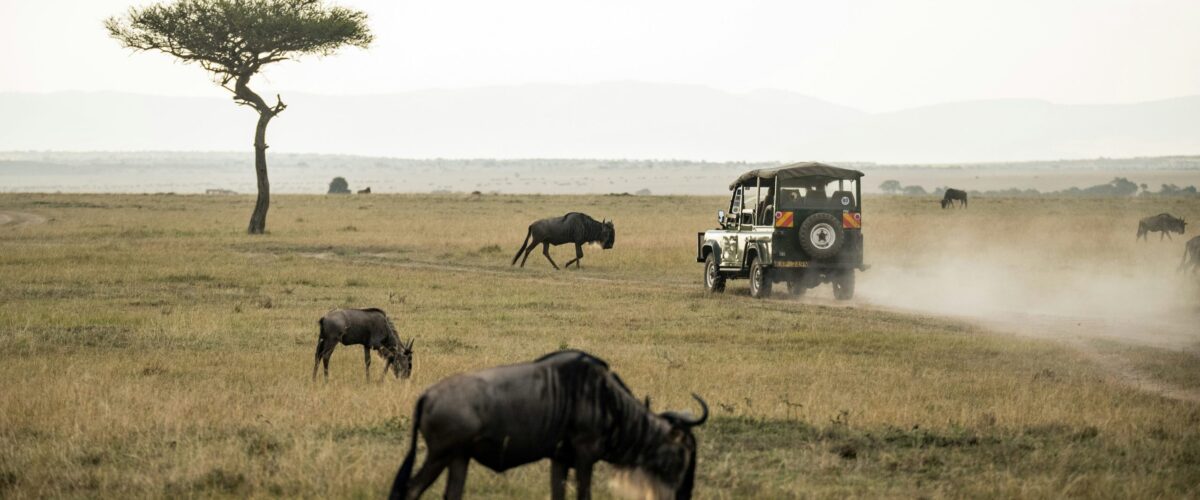
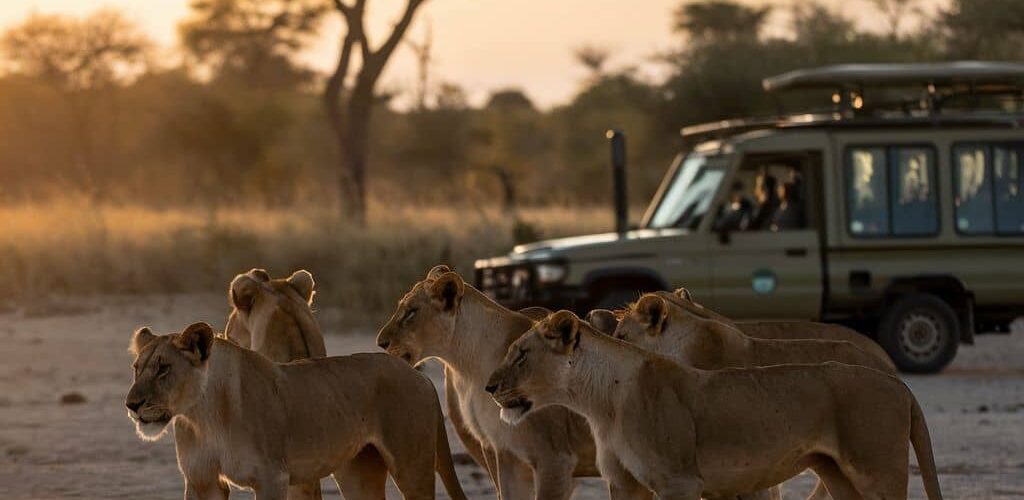
With this amount of time, you can realistically expect to see a wide range of wildlife, including big cats, elephants, giraffes, and large herbivore herds. Predator sightings are common in well-located areas, especially in the Mara ecosystem.

However, a 5-day safari limits diversity of landscapes. You will experience one primary ecosystem rather than multiple regions. This is not a disadvantage if the goal is strong wildlife viewing, but it does mean sacrificing variety.

For travellers visiting Kenya for the first time, a focused 5-day safari in a high-quality location often delivers a better experience than attempting to combine multiple areas.

Wildlife expectations in a 5-day safari

Within five days, the goal is depth rather than breadth. You are likely to encounter multiple species repeatedly, allowing for better observation of behavior rather than simply checking off sightings.

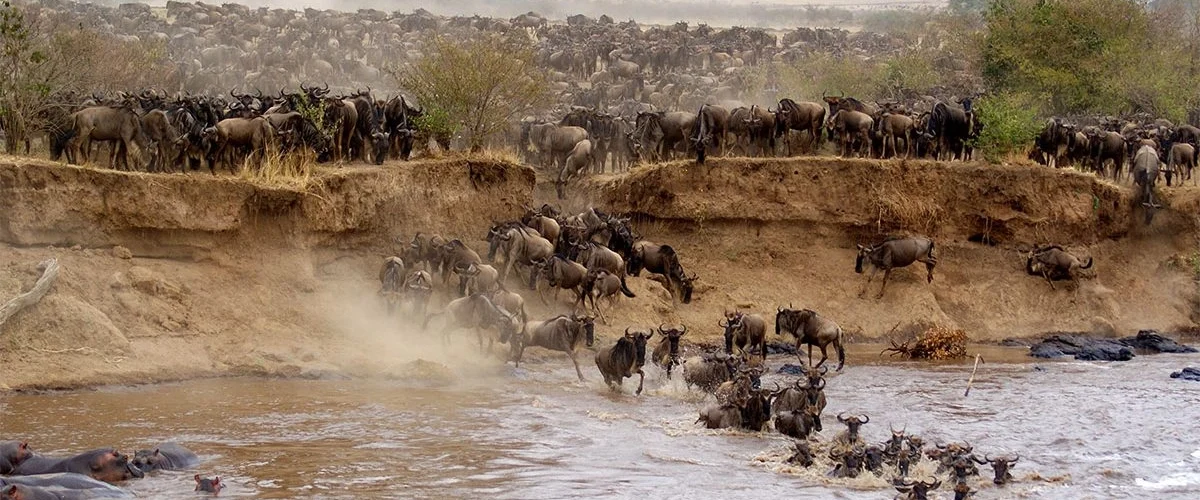
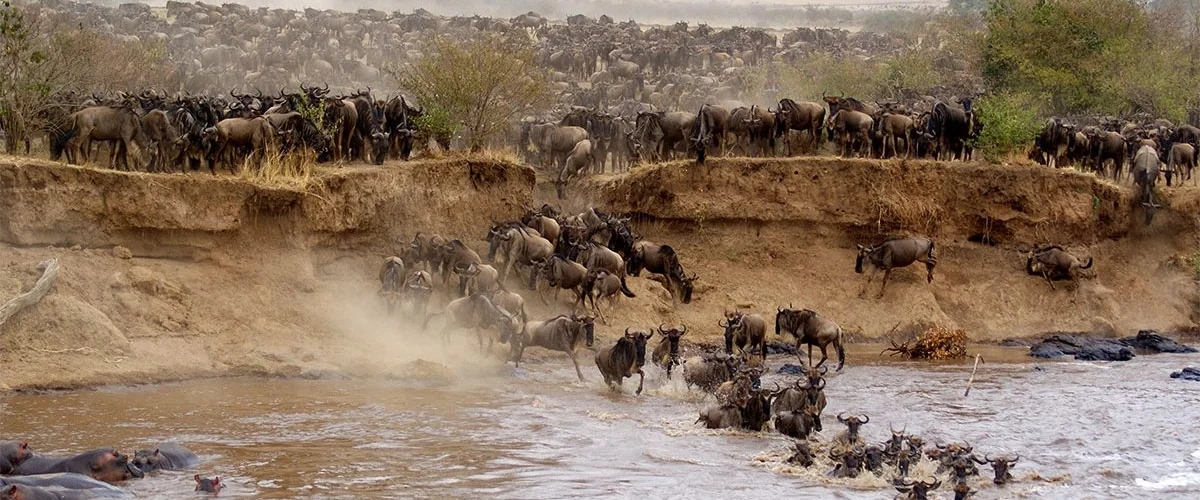
If timed during the Great Migration, you may witness large herd movements and potentially river crossings, depending on location and timing.

In conservancies, the experience becomes more private, with fewer vehicles and longer sightings. This can significantly enhance the quality of wildlife encounters within a short timeframe.

What a 7-day Kenya safari allows you to do

A 7-day safari introduces flexibility and the ability to combine regions without rushing.

The most effective structure for a 7-day itinerary is to split time between two locations. A common approach is combining the Masai Mara with Laikipia or another complementary ecosystem.

This allows you to experience different landscapes, wildlife densities, and safari styles within one trip.

For example, the Mara offers high-density wildlife viewing, while Laikipia provides a quieter, conservation-focused experience with different species and activities.

With seven days, you typically spend three to four nights in each location. This provides enough time to settle into each camp and enjoy multiple game drives.

Wildlife expectations in a 7-day safari

A 7-day safari significantly increases the range of wildlife and environments you experience.

In addition to the classic plains game and predators of the Mara, you may encounter species more commonly found in Laikipia, such as Grevy’s zebra, reticulated giraffe, and other region-specific wildlife.

The variation in landscapes also enhances the experience. Moving between regions introduces different terrain, vegetation, and ecological dynamics.

This timeframe balances depth and diversity, making it one of the most popular choices for luxury travellers.

What a 10-day Kenya safari makes possible

A 10-day safari allows for a more comprehensive exploration of Kenya’s safari regions.

With this amount of time, you can comfortably include three locations without compromising the pace of the experience. A typical structure might include the Masai Mara, Laikipia, and Amboseli or another complementary region.

Each location can be allocated three to four nights, ensuring that travel does not dominate the itinerary.

This structure provides a well-rounded safari experience, combining high-density wildlife viewing, conservation-focused environments, and iconic landscapes such as views of Mount Kilimanjaro in Amboseli.

Wildlife expectations in a 10-day safari

A 10-day safari offers the highest level of diversity.

You are likely to encounter a broad range of species across different ecosystems, including large elephant herds in Amboseli, predator-rich plains in the Mara, and unique northern species in Laikipia.

The extended timeframe also increases the likelihood of witnessing rare or specific wildlife behaviors, as you have more time in the field.

For photographers and experienced safari travellers, this duration provides the flexibility needed to wait for optimal conditions and sightings.

The trade-off between variety and depth

One of the key decisions in safari planning is balancing variety with depth.

Shorter safaris prioritize depth by focusing on one location. Longer safaris introduce variety but must be structured carefully to avoid excessive travel.

In many cases, adding more locations does not necessarily improve the experience. The quality of wildlife viewing often depends on time spent in each area rather than the number of areas visited.

This is why even 10-day itineraries are typically limited to three locations.

Conservancies versus national parks in time planning

Where you stay also affects how much you can see within a given timeframe.

Staying in conservancies often reduces travel time between sightings because of lower vehicle density and flexible driving rules. This allows for more efficient use of game drive time.

Staying inside national parks may involve more structured routes and higher vehicle presence, which can affect the pace of wildlife viewing.

These differences become more noticeable in shorter itineraries where time efficiency is critical.

How travel style affects what you can see

Private safaris allow greater flexibility in timing and movement, which can increase the number of sightings within a limited timeframe.

Shared safaris may follow fixed schedules, reducing flexibility but lowering cost.

Fly-in safaris maximize time in the field by reducing travel time, while road safaris may limit the number of game drives available within the same number of days.

For luxury travellers, fly-in itineraries are generally preferred because they optimize both comfort and efficiency.

Choosing the right timeframe for your safari

Selecting between 5, 7, and 10 days depends on your priorities.

Five days is ideal for focused wildlife viewing in a single high-quality location.

Seven days provides a balanced experience with both depth and variety across two regions.

Ten days allows for a comprehensive safari covering multiple ecosystems without rushing.

The decision is not about choosing the longest trip possible, but about selecting a timeframe that aligns with your expectations and travel style.

How realistic expectations improve the safari experience

Understanding what can realistically be achieved within each timeframe prevents overplanning and disappointment.

A well-structured safari prioritizes quality of experience over quantity of locations. It ensures that time is spent observing wildlife rather than moving between destinations.

By aligning your itinerary with realistic expectations, you create a safari that feels immersive, relaxed, and rewarding from start to finish.
How to Book a Kenya Safari

How to Book a Kenya Safari

How to Book a Kenya Safari: From First Enquiry to Landing at the Mara Airstrip

Booking a Kenya safari in 2026 is not a simple transaction. It is a structured process that moves from idea to execution through multiple stages, each influencing the quality, cost, and overall success of the trip. For luxury travellers, the difference between an average safari and a seamless one often comes down to how well this process is handled from the very first enquiry.

Understanding how a safari is built step by step allows you to make informed decisions, avoid common planning mistakes, and ensure that every element—from camp selection to internal flights—aligns with your expectations.

Stage one: defining your safari objective

Every successful safari begins with clarity. Before contacting any operator, you need to define what kind of experience you want. This goes beyond choosing a destination. It includes understanding your travel style, pace, and priorities.

Some travellers prioritize the Great Migration and want to be positioned near river crossings. Others focus on exclusivity and prefer private conservancies with low vehicle density. Families may prioritize flexibility and child-friendly camps, while photographers often focus on guiding quality and vehicle positioning.

The more precise your objective, the easier it becomes to design a safari that matches your expectations.

Stage two: choosing where in Kenya to go

Kenya is not a single safari destination. It is a collection of regions, each offering a different experience.

The Masai Mara is the most famous and provides high-density wildlife viewing. Surrounding conservancies offer more exclusive and controlled safari environments. Laikipia introduces a quieter, conservation-focused experience with diverse activities. Coastal extensions, often added at the end of a safari, provide relaxation after time in the bush.

Most luxury itineraries combine two regions to balance intensity and variety. The structure you choose at this stage will shape the entire booking process.

Stage three: selecting the right camps

Camp selection is one of the most critical decisions in the booking process. It affects not only comfort but also wildlife access, privacy, and daily safari rhythm.

In the Masai Mara ecosystem, options range from camps inside the Masai Mara National Reserve to highly exclusive conservancy properties.

Examples of luxury camps include Angama Mara, known for its elevated views and design-driven experience, and Mara Plains Camp, which focuses on exclusivity and strong guiding.

Choosing the right camp is not just about price. It is about aligning location, guiding style, and atmosphere with your expectations.

Stage four: working with a safari planner or operator

Once you have a clear idea of your destination and preferred camps, the next step is working with a safari planner or operator.

At this stage, you will typically submit an enquiry outlining your travel dates, number of guests, preferred regions, and budget range. The operator then builds a proposed itinerary based on availability and logistics.

This is where expertise matters. A strong operator does more than book camps. They optimize routing, minimize travel time, and ensure that your itinerary flows logically from one location to the next.

Multiple revisions are common during this phase. Adjustments may include changing camps, altering travel dates, or refining the balance between regions.

Stage five: understanding availability and provisional holds

Luxury safari camps in Kenya operate with limited capacity, which means availability can change quickly.

Once an itinerary is proposed, the operator will place provisional holds on selected camps. These holds secure space for a short period while you review the itinerary and make decisions.

It is important to move efficiently at this stage. Delays can result in losing availability, especially during peak season when demand is high.

If changes are needed, the operator may need to rework the itinerary based on alternative camps or dates.

Stage six: confirming the booking and payment structure

After finalizing your itinerary, the next step is confirmation.

Most safari bookings require a deposit, typically around 20 to 30 percent of the total cost. The remaining balance is usually due several weeks before travel.

Payment schedules vary depending on the operator and camps involved, but the structure is generally consistent across the industry.

At this stage, your booking becomes secured, and camps and flights are confirmed.

Stage seven: booking internal flights and logistics

Internal flights are a key part of a luxury Kenya safari. They connect Nairobi to remote regions such as the Masai Mara and Laikipia, reducing travel time and improving overall comfort.

Flights to Mara airstrips are typically scheduled services using small aircraft. These flights operate on fixed routes and may include multiple stops depending on passenger distribution.

For high-end itineraries, private charter flights may be arranged. These offer greater flexibility but come at a higher cost.

Once flights are confirmed, your arrival and departure logistics are fully mapped out.

Stage eight: pre-travel preparation

With the booking confirmed, attention shifts to preparation.

Travellers receive detailed pre-departure information covering packing guidelines, baggage restrictions, and travel requirements. Small aircraft used for safari flights often have strict luggage limits, typically requiring soft-sided bags.

Health considerations, including vaccinations and travel insurance, are also addressed at this stage. While requirements vary, preparation ensures a smooth journey.

Communication with your operator continues during this phase to finalize any remaining details.

Stage nine: arrival in Kenya and transfer to the bush

Most international travellers arrive in Nairobi, which serves as the main gateway for safaris in Kenya.

Depending on your itinerary, you may stay overnight in Nairobi or connect directly to a domestic flight. Transfers between the international airport and domestic terminals are arranged by your operator.

Domestic flights to the Masai Mara typically take around one hour. These flights offer aerial views of Kenya’s landscapes and mark the transition from urban arrival to wilderness experience.

Stage ten: landing at the Mara airstrip

The final stage of the booking journey is arrival at a bush airstrip in the Masai Mara.

Airstrips are simple and often located in open landscapes. Upon landing, guests are met by camp guides who transfer them to their lodge or camp.

This transfer is usually the beginning of the safari experience itself, with wildlife sightings often occurring on the way to camp.

From this point, the planning process transitions into the lived safari experience, where logistics become invisible and the focus shifts entirely to wildlife and environment.

Why the booking process matters

Each stage of booking a Kenya safari plays a role in shaping the final experience. Small decisions made early—such as camp location or travel timing—can have a significant impact on wildlife access and overall satisfaction.

Luxury safaris are complex to organize because they involve multiple moving parts, from conservation areas to aviation logistics. A well-managed booking process ensures that these elements align seamlessly.

Understanding the process allows travellers to engage more effectively, ask better questions, and ultimately design a safari that meets their expectations.

What separates a smooth safari from a complicated one

The difference between a smooth safari and a stressful one is rarely about the destination. It is about planning precision.

Clear communication, timely decisions, and experienced operators ensure that availability is secured, logistics are optimized, and expectations are met.

When the process is handled correctly, the transition from first enquiry to landing in the Mara feels effortless, even though it is built on a highly structured system behind the scenes.

Is Kenya Worth the Cost vs Tanzania for a Safari?

Is Kenya Worth the Cost vs Tanzania for a Safari?

Is Kenya Worth the Cost vs Tanzania for a Safari? An Honest Comparison

Comparing Kenya and Tanzania for a safari in 2026 is not simply about price. It is about understanding how each country structures its safari model, how that structure affects your daily experience, and whether the added cost in Kenya translates into measurable value. Both destinations offer exceptional wildlife, iconic landscapes, and world-class guiding, but they operate on different philosophies that directly influence cost, exclusivity, and flexibility.

For luxury travellers, the real question is not which destination is cheaper, but whether Kenya’s higher pricing in certain areas delivers a better safari experience relative to Tanzania’s broader, often more cost-efficient model.

The core difference between Kenya and Tanzania safari models

Kenya and Tanzania share the same greater ecosystem in many areas, particularly across the Serengeti-Mara region. Wildlife moves freely across borders, and species diversity is comparable. The difference lies in how tourism is managed.

Kenya operates a mixed model built around national reserves and private conservancies. Conservancies limit guest numbers, restrict vehicle density, and allow flexible activities such as off-road driving and night safaris. This creates a controlled and exclusive safari environment.

Tanzania operates primarily through national parks and large conservation areas. These are more expansive and less segmented, with fewer private conservancy-style systems. Tourism is more centralized, and regulations are stricter in terms of activities.

This structural difference is the foundation of the cost gap between the two countries.

Cost comparison: Kenya vs Tanzania in 2026

In 2026, Kenya is generally more expensive at the high end of the market, particularly in conservancy areas such as the Masai Mara ecosystem. Luxury safaris in Kenya often range between 1,000 and 3,000 USD per person per night, with ultra-luxury experiences exceeding that range.

Tanzania offers a wider pricing spectrum. Mid-range and upper-mid luxury safaris are often more affordable than their Kenyan equivalents, particularly in the Serengeti and Ngorongoro regions. High-end lodges in Tanzania can still reach premium pricing, but the overall market offers more flexibility at lower price points.

The key difference is where the money goes. In Kenya, a significant portion of the cost is tied to conservancy fees and exclusivity. In Tanzania, pricing is often driven by park fees and accommodation, with fewer layers of exclusivity costs.

Wildlife experience: density versus scale

Kenya is known for high-density wildlife viewing, especially in the Masai Mara National Reserve and surrounding conservancies. Sightings are frequent, and the landscape allows for relatively short distances between wildlife encounters.

Tanzania, particularly in the Serengeti National Park, offers a different experience. The ecosystem is larger, and wildlife is more dispersed. This creates a sense of scale that is unmatched, but it can also mean longer game drives between sightings depending on the season.

The difference is not about which country has better wildlife. It is about how that wildlife is experienced. Kenya delivers intensity and frequency, while Tanzania delivers vastness and continuity.

The Great Migration: Mara vs Serengeti

Both countries share the Great Migration, but they present it differently.

In Kenya, the migration is concentrated in the Masai Mara during peak months. River crossings along the Mara River are dramatic and accessible, making them one of the most sought-after safari experiences.

In Tanzania, the migration is spread across the Serengeti throughout the year. This allows for a longer viewing window, including calving season in the southern Serengeti and herd movements across central and northern regions.

Kenya offers high-impact, concentrated migration experiences. Tanzania offers a more continuous, evolving migration journey.

Exclusivity and crowd management

This is where Kenya often justifies its higher cost.

Conservancies in Kenya strictly limit guest numbers and vehicle access. This creates a low-density environment where sightings are quieter and more controlled. For luxury travellers, this significantly enhances the experience.

In Tanzania, national parks can feel less controlled in terms of vehicle management, especially in high-demand areas. While the vastness of the Serengeti reduces the feeling of crowding in many regions, popular areas can still attract multiple vehicles.

Kenya’s conservancy model is designed for exclusivity. Tanzania’s model prioritizes scale and accessibility.

Safari activities and flexibility

Activity options differ significantly between the two countries.

Kenya’s conservancies allow off-road driving, night game drives, and walking safaris. This flexibility enables guides to adapt to wildlife movement and create more varied experiences.

In Tanzania, activities are generally restricted to daytime game drives within national parks. Off-road driving is limited, and night drives are only permitted in specific areas outside core parks.

This difference affects how dynamic your safari feels. Kenya offers more flexibility, while Tanzania follows a more regulated structure.

Accommodation and style of luxury

Kenya’s luxury camps, particularly in conservancies, emphasize intimacy and exclusivity. Many camps are small, with limited guest capacity and highly personalized service.

Examples include Angama Mara and Mara Plains Camp, which are designed around privacy and premium guiding.

Tanzania offers a broader range of accommodation styles, from mobile camps that follow the migration to large permanent lodges with extensive facilities.

Luxury in Tanzania often leans toward space and variety, while Kenya focuses on exclusivity and control.

Travel logistics and accessibility

Kenya is generally easier to navigate logistically. Nairobi serves as a major hub, with frequent domestic flights to safari destinations such as the Masai Mara and Laikipia.

Tanzania’s logistics can be more complex due to the size of its parks and the distances between regions. Flights are still efficient, but itineraries often involve longer travel times.

For shorter safaris, Kenya’s accessibility can be a significant advantage.

Value perception: where Kenya justifies its cost

Kenya’s higher cost is most evident in conservancies, where fees and exclusivity premiums increase pricing. However, these costs translate into tangible benefits.

Lower vehicle density, flexible activities, and more personalized service create a higher-quality experience for many travellers. The ability to spend extended time at sightings without crowd pressure is one of the most cited advantages.

For travellers who prioritize privacy and control, Kenya often justifies its cost.

Where Tanzania offers stronger value

Tanzania provides strong value for travellers who prioritize scale, variety, and a broader range of price options.

The Serengeti offers one of the largest wildlife ecosystems in the world, and the ability to follow the migration across different regions creates a diverse experience.

For travellers who do not require conservancy-level exclusivity, Tanzania can deliver an exceptional safari at a lower overall cost.

Which destination suits different travellers

Kenya is best suited for travellers who value exclusivity, flexibility, and high-density wildlife viewing. It is particularly strong for repeat safari travellers, photographers, and those seeking a more controlled environment.

Tanzania is ideal for travellers who want vast landscapes, a continuous migration experience, and a wider range of pricing options. It is especially appealing for first-time safari visitors who want to experience scale and diversity.

How to think about the decision in 2026

The choice between Kenya and Tanzania is not about which destination is objectively better. It is about aligning your expectations with the structure of each safari model.

Kenya offers a refined, controlled experience with higher costs driven by exclusivity. Tanzania offers a broader, more expansive experience with greater pricing flexibility.

For many luxury travellers, the ideal solution is not choosing one over the other but combining both. This allows you to experience the intensity and exclusivity of Kenya alongside the scale and diversity of Tanzania.

Kenya Safari Costs Explained

Kenya Safari Costs Explained

Kenya Safari Costs Explained: Conservancy Fees, Park Levies and What You’re Actually Paying For

Kenya safari pricing in 2026 can feel opaque, even for experienced travellers. Many itineraries present a single nightly rate, yet behind that number sits a layered cost structure that includes conservation funding, land access fees, guiding operations, aviation logistics, and high staff-to-guest service models. For luxury travellers, the key is not just knowing how much a safari costs, but understanding what each component represents and why it exists.

The confusion often comes from how costs are bundled. Park fees may be included in one itinerary and excluded in another. Conservancy charges may appear as part of accommodation or as a separate line item. Flights might be embedded in a package or billed independently. Without breaking these components down, it becomes difficult to compare itineraries accurately or assess value.

The foundation of safari pricing in Kenya

At its core, a Kenya safari price is built from four major pillars. These are accommodation, conservation access fees, transport, and guiding operations. Everything else sits on top of these layers.

Accommodation is usually the largest visible cost, but it is only one part of the equation. Conservation fees, particularly in premium areas like the Masai Mara ecosystem, can rival or exceed accommodation costs on a per-day basis. Transport, especially fly-in logistics, adds another substantial layer. Guiding and operational costs ensure that the entire experience runs smoothly in remote environments.

Understanding how these elements combine is essential for interpreting safari pricing correctly.

What park levies actually cover

Park levies are mandatory fees charged for entry into protected areas such as the Masai Mara National Reserve. These fees are set by local authorities and are typically charged per person per day.

In 2026, these levies are among the most significant fixed costs in a safari. They fund essential services such as park management, ranger salaries, anti-poaching operations, infrastructure maintenance, and conservation programs.

For luxury travellers, park fees are often included in the overall package, which can make them less visible. However, they still represent a major portion of the total cost. In high season, daily park fees in the Masai Mara can exceed 200 USD per person, making them one of the largest non-negotiable expenses.

These fees are not optional add-ons. They are the foundation of the conservation system that makes wildlife viewing possible.

Conservancy fees and why they are higher

Conservancy fees are often higher than park levies, and this is where many travellers question pricing. The difference lies in how conservancies are structured.

Conservancies are privately or community-managed lands where tourism is tightly controlled. Landowners lease their land to safari operators, and the fees paid by guests contribute directly to these agreements. This creates a sustainable income model for local communities while preserving wildlife habitat.

Because guest numbers are limited, each visitor carries a higher share of the cost. This is why conservancy fees can exceed those of national parks. However, the benefit is a significantly more exclusive safari experience.

In conservancies, lower vehicle density, flexible safari activities, and improved wildlife access justify the higher cost. You are not just paying for entry—you are paying for controlled access and reduced competition.

Accommodation costs and what they include

Luxury safari accommodation in Kenya is typically priced on an all-inclusive basis. This means the nightly rate often includes meals, drinks, game drives, guiding, and sometimes even laundry services.

What many travellers overlook is that accommodation pricing reflects more than just the physical structure. Camps operate with high staff-to-guest ratios, often exceeding one staff member per guest. This ensures personalized service but increases operational costs.

Remote logistics also play a role. Supplying food, fuel, and equipment to camps located deep in wildlife areas requires consistent transportation and planning. These costs are built into accommodation pricing.

High-end camps in conservancies also factor in land lease costs and exclusivity premiums, which further increase rates.

The role of guiding and safari vehicles

Guiding is one of the most important components of a safari, yet it is rarely broken out as a separate cost. Professional guides in Kenya are highly trained and often have years of field experience.

Their expertise directly impacts the quality of wildlife sightings, interpretation, and overall experience. A skilled guide can turn a simple sighting into a deeper understanding of animal behavior and ecosystem dynamics.

Safari vehicles are also specialized. They are built for off-road conditions, equipped for photography, and maintained to high standards. Fuel and maintenance costs in remote areas are significant and are included in overall pricing.

Private vehicles, often requested by luxury travellers, add an additional cost layer but provide complete flexibility.

Internal flights and aviation logistics

Internal flights are a defining feature of luxury safaris in Kenya. They allow travellers to move between regions quickly, avoiding long and often challenging road transfers.

Flights between Nairobi and key safari areas such as the Masai Mara or Laikipia typically cost several hundred dollars per person each way. These flights operate on small aircraft and are subject to weight limits and logistical constraints.

For ultra-luxury itineraries, private charters may be used. These significantly increase cost but provide maximum flexibility and privacy.

Aviation costs are often one of the largest additional expenses in a safari and must be factored into any realistic budget.

Why safari pricing changes with season

Seasonality is a major driver of safari pricing. Kenya operates on a high, shoulder, and low season model.

High season, particularly during the Great Migration, commands premium rates. Camps increase pricing due to demand, and park fees may also rise during this period.

Shoulder seasons offer a balance between cost and wildlife viewing, while low season provides reduced pricing but comes with variable weather conditions.

For luxury travellers, seasonality is not just about cost. It also influences crowd levels, wildlife distribution, and overall safari atmosphere.

Hidden costs that affect your final budget

Even well-structured safari packages may not include every possible expense. Certain elements are commonly excluded and should be considered when planning.

International flights are almost always separate from safari packages. Premium drinks, spa treatments, and certain experiences may also carry additional charges.

Hot air balloon safaris in the Masai Mara are a common example of a high-cost add-on experience. While not essential, they are often included in luxury itineraries at an additional fee.

Gratuities are another important factor. Tipping is customary and expected in Kenya’s safari industry, particularly for guides and camp staff.

Travel insurance is also essential, especially for high-value trips involving flights and remote locations.

Conservancies versus national parks in cost terms

The cost difference between conservancies and national parks is one of the most important distinctions in safari pricing.

National parks generally offer lower entry fees and more accessible accommodation options. This makes them suitable for travellers seeking strong wildlife viewing without premium pricing.

Conservancies, on the other hand, charge higher fees but provide a more exclusive experience. Lower vehicle density, flexible activities, and controlled access justify the increased cost.

For luxury travellers, conservancies often deliver better overall value despite higher upfront pricing because they significantly enhance the quality of the experience.

What you are actually paying for in a luxury safari

When all components are combined, it becomes clear that a Kenya safari is not a simple product. It is a complex, multi-layered experience that requires coordination across conservation systems, logistics networks, and hospitality operations.

Luxury travellers are paying for access to protected environments, expert guiding, seamless transport, and high levels of service. They are also contributing to conservation funding and community partnerships that sustain the ecosystem.

This perspective is important. Without understanding these layers, safari pricing can appear arbitrary. With context, it becomes clear that each component serves a specific purpose.

Why Kenya’s safari model is structured this way

Kenya’s safari pricing reflects its conservation-first tourism model. Unlike mass tourism destinations, Kenya limits visitor numbers in key areas to protect wildlife and maintain habitat quality.

This model relies on higher per-guest revenue rather than high visitor volume. Conservancies in particular depend on tourism income to fund land leases and community partnerships.

As a result, pricing is designed to support sustainability rather than maximize volume. This ensures that wildlife areas remain protected while still generating economic benefits for local communities.

How to evaluate safari pricing correctly

Evaluating safari pricing requires looking beyond the headline number. The most important factors to consider are location, inclusion of fees, level of exclusivity, and logistical efficiency.

An itinerary that appears cheaper may exclude key components such as park fees or flights, which increases the final cost. A more expensive itinerary may include everything, providing better overall value.

Understanding what is included, where the camps are located, and how the safari is structured is essential for making informed decisions.

How Much Does a Kenya Safari Cost?

How Much Does a Kenya Safari Cost?

How Much Does a Kenya Safari Cost? A Realistic 2026 Breakdown for Luxury Travellers

The cost of a Kenya safari in 2026 varies significantly depending on location, season, accommodation level, and how the itinerary is structured. For luxury travellers, pricing is not just about accommodation rates. It is a combination of park fees, internal flights, guiding quality, exclusivity, and the level of service provided throughout the experience.

A realistic understanding of Kenya safari costs requires looking beyond advertised nightly rates. Many travellers underestimate how quickly expenses accumulate once conservancy fees, charter flights, and premium experiences are included. At the same time, others overestimate costs without understanding how value is structured in the luxury safari market.

In 2026, Kenya positions itself as a high-end safari destination, especially in regions like the Masai Mara conservancies and Laikipia. Pricing reflects this positioning, with strong emphasis on exclusivity, conservation funding, and low-density tourism.

What defines a luxury Kenya safari in 2026

A luxury safari in Kenya is defined less by visible extravagance and more by access and control. It is about how many people share your experience, how flexible your schedule is, and how deeply you engage with wildlife.

High-end safaris typically include private or semi-private guiding, low guest density, premium locations, and seamless logistics. These elements are what drive cost more than physical infrastructure alone.

Luxury camps often operate in private conservancies where guest numbers are limited. This creates a quieter and more controlled safari environment, but it also increases operational costs due to land leases and conservation agreements.

Average daily cost for luxury safaris

For a realistic 2026 estimate, luxury safari pricing in Kenya generally falls within a structured range.

Entry-level luxury safaris typically start around 700 to 1,000 USD per person per night. These camps offer strong comfort and good locations but may operate in busier areas or with less exclusivity.

Mid-range luxury experiences fall between 1,000 and 1,800 USD per person per night. These include high-quality lodges in prime locations, often within conservancies, with excellent guiding and service.

Top-tier luxury safaris range from 1,800 to over 3,500 USD per person per night. These camps offer extreme exclusivity, low guest numbers, premium wildlife access, and highly personalized experiences.

Ultra-luxury properties, particularly in private conservancies, can exceed 4,000 USD per night during peak season, especially when private vehicles and bespoke experiences are included.

Seasonal pricing and how it affects cost

Seasonality plays a major role in safari pricing. Kenya’s high season aligns with the Great Migration, typically from July to October. During this period, prices reach their peak due to demand and the concentration of wildlife activity.

Shoulder seasons, such as January to March, still offer excellent wildlife viewing but at slightly reduced rates. These months are often preferred by experienced travellers who want strong sightings without peak-season congestion.

Low season, usually from April to June, offers the lowest pricing. Some camps close due to rains, but those that remain open provide significant discounts. For luxury travellers, this can be an opportunity to experience high-end camps at reduced rates, although weather conditions must be considered.

Park fees and conservancy charges

Park and conservancy fees are a major component of safari costs and are often overlooked during initial planning.

The Masai Mara National Reserve charges daily entry fees that can exceed 200 USD per person in high season. These fees are mandatory and are added to accommodation costs.

Private conservancies charge their own fees, which can be equal to or higher than reserve fees. These costs support community land leases and conservation programs, which are central to Kenya’s tourism model.

For luxury travellers staying in conservancies, these fees are usually included in package pricing, but they still contribute significantly to the overall cost.

Internal flights and transfers

Transport within Kenya is another key cost factor. Most luxury safaris rely on internal flights rather than long road transfers.

Flights between Nairobi and the Masai Mara typically range from 250 to 500 USD per person each way. Flights to Laikipia or more remote areas can be higher depending on distance and aircraft type.

Private charter flights, which are sometimes used for high-end itineraries, can cost several thousand dollars depending on aircraft size and routing.

These flight costs are essential for reducing travel time and maintaining comfort, but they add substantially to the total safari budget.

Accommodation structure and what you are paying for

Luxury safari accommodation pricing includes more than just a room. Most high-end camps operate on an all-inclusive basis, covering meals, drinks, game drives, and guiding services.

What you are paying for is not just the physical space but the entire operational ecosystem. This includes expert guides, conservation fees, staff-to-guest ratios, and logistical support in remote areas.

Camps in conservancies often charge higher rates because they operate under stricter guest limits, which increases per-guest costs while maintaining exclusivity.

Private guides and vehicles

For luxury travellers, private guiding is often a key part of the experience. While some camps include shared game drives, many offer private vehicles at an additional cost.

Private vehicles can range from 300 to 800 USD per day depending on the camp and location. This allows complete control over safari timing, duration, and focus.

For photographers or families, this cost is often justified because it enhances flexibility and overall experience quality.

Additional experiences and hidden costs

Beyond core safari costs, there are additional experiences that can significantly increase the overall budget.

Hot air balloon safaris in the Masai Mara typically cost between 450 and 600 USD per person. These are often considered premium experiences and are not included in standard packages.

Spa treatments, premium wines, and specialized activities may also carry additional charges depending on the camp.

Gratuities are another important consideration. Tipping is customary in Kenya and can add a few hundred dollars per guest over the course of a safari, depending on service level and duration.

Total cost for a typical luxury safari itinerary

A realistic 7-day luxury safari in Kenya in 2026 can range between 7,000 and 20,000 USD per person depending on camp selection and level of exclusivity.

Entry-level luxury itineraries may fall closer to the lower end of this range, while high-end conservancy-based safaris with premium camps and private services can easily reach or exceed the upper end.

Longer itineraries that combine multiple regions such as the Masai Mara and Laikipia will increase costs due to additional flights and accommodation layers.

How to structure a safari for better value

Value in a luxury safari is not about reducing cost but about maximizing experience quality relative to spend.

Spending more nights in fewer locations often improves overall experience because it reduces travel fatigue and increases time spent in the field.

Combining one ultra-luxury camp with one mid-range luxury camp can also balance cost while maintaining a high-quality experience.

Traveling in shoulder seasons can provide access to premium camps at slightly reduced rates without compromising wildlife viewing.

Why Kenya safaris are expensive in 2026

Kenya’s safari pricing reflects its conservation model. Private conservancies rely on tourism revenue to fund land leases and community partnerships. This ensures wildlife protection but increases operational costs.

Low guest density is another factor. Luxury camps intentionally limit the number of guests, which raises per-person pricing while preserving exclusivity.

High staff-to-guest ratios, expert guiding, and remote logistics also contribute to overall cost. Running a luxury camp in a remote wildlife area requires significant infrastructure and coordination.

What luxury travellers are really paying for

At the highest level, a Kenya safari is not just a holiday. It is a controlled access experience into one of the world’s most important wildlife ecosystems.

Luxury travellers are paying for privacy, space, expert knowledge, and seamless logistics. They are also contributing to conservation and community programs that sustain the ecosystem.

Understanding this shifts the perspective from cost alone to value, which is essential when evaluating safari pricing in Kenya.

Staying in a Mara Conservancy vs Inside the Reserve

Staying in a Mara Conservancy vs Inside the Reserve

Staying in a Mara Conservancy vs Inside the Reserve: Does Location Change Everything?

Choosing where to stay in the Masai Mara is not a small detail in safari planning. It is one of the most influential decisions you will make, because it determines how you experience wildlife, how private your safari feels, how flexible your activities are, and even how relaxed or rushed your days become. The difference between staying inside the reserve and staying in a conservancy is structural, not cosmetic, and in 2026 it defines the gap between a standard safari and a highly refined one.

Many travelers assume that because wildlife moves freely across the region, location does not matter significantly. That assumption is incorrect. While animals do not recognize boundaries, tourism management does, and those management systems directly affect your daily experience in the field.

Understanding the Masai Mara ecosystem as a whole

The Masai Mara is not a single uniform area. It is a larger ecosystem made up of the main reserve and several surrounding conservancies, all connected ecologically but separated administratively.

At the center is the Masai Mara National Reserve, which forms the core of the ecosystem. Surrounding it are privately and community-managed conservancies such as Olare Motorogi, Mara North, Naboisho, and Ol Kinyei. These areas function as buffer zones that extend the habitat for wildlife while controlling tourism impact.

From a wildlife perspective, the ecosystem is continuous. From a visitor perspective, it is divided into two completely different safari systems.

What staying inside the reserve really means

Staying inside the reserve gives you direct access to one of Africa’s most famous wildlife environments. This is where much of the Great Migration unfolds, particularly the dramatic river crossings that attract global attention.

The reserve offers expansive plains, strong predator populations, and a high probability of sightings. Game drives are typically productive, with lions, elephants, cheetahs, and other species encountered regularly.

However, because the reserve is publicly managed, it operates on an open-access model. Multiple camps, guides, and independent vehicles share the same space. During peak periods, especially migration season, this can lead to increased vehicle density around key sightings.

This does not mean the experience is poor, but it does mean that it is shared. You are part of a larger flow of safari activity rather than operating within a controlled environment.

What staying in a conservancy really changes

Staying in a conservancy introduces a completely different safari structure. Conservancies are privately or community-managed areas that operate under strict limits on guest numbers, vehicle access, and lodge density.

This controlled model transforms the safari experience. Instead of competing for space at sightings, you often find yourself with only one or two vehicles present. Guides have more freedom to position vehicles, follow wildlife movements, and spend extended time observing behavior.

The result is not just fewer vehicles, but a fundamentally different atmosphere. The safari becomes quieter, slower, and more immersive.

Conservancies are designed to prioritize quality of experience rather than volume of visitors, and this philosophy is evident in every aspect of the stay.

Vehicle density and its impact on your safari

Vehicle density is one of the most visible differences between the two options, and it has a direct impact on how you experience wildlife.

Inside the reserve, popular sightings can attract multiple vehicles. During high season, it is common to see several vehicles gathered around a single lion pride or river crossing. While guides often coordinate to maintain order, the presence of many vehicles can reduce the sense of exclusivity.

In conservancies, strict rules limit how many vehicles can approach a sighting. This creates a calmer environment where wildlife encounters feel more personal. You are able to observe animals without constant repositioning or competition for viewing space.

This difference also affects the animals themselves. Wildlife in conservancies often appears more relaxed due to reduced disturbance, allowing for more natural behavior.

Safari flexibility and activity range

Another major difference lies in the range of activities available.

Inside the reserve, safari activities are primarily limited to daytime game drives along designated routes. Off-road driving is restricted, and night drives are not permitted. This creates a structured experience that follows established patterns.

In conservancies, the rules are more flexible. Off-road driving is allowed in many areas, which enables guides to follow wildlife more closely and respond dynamically to animal movement. This is particularly valuable during predator sightings, where positioning can make a significant difference.

Night drives are also permitted in conservancies, opening up opportunities to see nocturnal species such as leopards, hyenas, and smaller predators that are rarely active during the day.

Walking safaris add another dimension, allowing guests to explore the ecosystem on foot and gain a deeper understanding of tracks, plants, and smaller wildlife.

These additional activities create a more varied and immersive safari experience.

Wildlife experience: intensity versus depth

The reserve is known for its intensity. During the Great Migration, it offers some of the most dramatic wildlife events in Africa. River crossings, large herd movements, and predator interactions create a sense of constant action.

Conservancies offer a different style of experience. Wildlife is still abundant, but the emphasis is on depth rather than intensity. Sightings are quieter, less crowded, and often longer, allowing for detailed observation of animal behavior.

This distinction is important. Some travelers prefer the high-energy spectacle of the reserve, while others value the slower, more intimate experience of conservancies.

Accommodation differences and overall feel

Accommodation inside the reserve varies widely, from mid-range camps to high-end lodges. The atmosphere tends to be more active, reflecting the higher number of visitors in the area.

Conservancy camps are typically smaller and more exclusive. Many operate with a limited number of tents or suites, ensuring low guest density and personalized service.

Examples of conservancy-based properties include Mara Plains Camp and Mahali Mzuri, both of which emphasize privacy and controlled access to wildlife areas.

Inside the reserve, properties such as Governors’ Camp provide classic safari experiences with strong wildlife access and established infrastructure.

The difference in atmosphere is noticeable from the moment you arrive. Conservancies feel quieter and more secluded, while the reserve feels more dynamic and energetic.

Cost structure and value perception

Staying in a conservancy generally comes at a higher cost. This reflects the expenses associated with land leases, community agreements, and limited guest capacity.

However, the higher price is tied to a different type of value. Guests are paying for exclusivity, reduced vehicle density, and expanded activity options rather than just accommodation.

Staying inside the reserve can offer better value for travelers focused on specific wildlife events or shorter stays. It provides direct access to key areas without the premium associated with conservancy management.

Accessibility and daily logistics

The reserve is relatively easy to access, with multiple airstrips and well-established routes. Many camps are located within short distances of these entry points.

Conservancies may require slightly more coordination, but most high-end camps provide seamless transfers. In practice, the difference in arrival logistics is minimal.

What matters more is how location affects your daily movement during the safari. Conservancies often reduce travel time between camp and sightings because they operate within less congested areas.

Which option suits different travelers

Travelers who prioritize witnessing dramatic migration events often choose the reserve for its proximity to river crossing points and major herd movements.

Those who value privacy, flexibility, and a quieter safari environment tend to choose conservancies. These areas are particularly suited to couples, photographers, and repeat visitors who want a more refined experience.

Families can benefit from conservancies due to flexible schedules and private vehicles, which make it easier to adapt activities to different age groups.

How location shapes the overall safari experience

The choice between the reserve and conservancies ultimately defines the tone of your safari.

The reserve delivers scale, accessibility, and high-impact wildlife encounters. Conservancies deliver control, exclusivity, and deeper engagement with the environment.

Many high-end itineraries now combine both approaches, allowing travelers to experience the energy of the reserve alongside the calm of conservancy landscapes.

What becomes clear is that location does not just influence what you see. It shapes how you experience every moment of your safari, from the pace of your days to the quality of your wildlife encounters.

Mobile Camps vs Fixed Luxury Lodges in Kenya

Mobile Camps vs Fixed Luxury Lodges in Kenya

Mobile Camps vs Fixed Luxury Lodges in Kenya: Which Is the Right Choice for Your Safari?

Choosing between a mobile safari camp and a fixed luxury lodge in Kenya is one of the most important decisions when planning a safari, because it directly shapes how you experience wildlife, comfort, mobility, and immersion. Both options can deliver a high-end safari experience, but they operate on fundamentally different philosophies.

In 2026, Kenya offers some of the best examples of both models. Mobile camps are designed around movement, seasonality, and proximity to wildlife action, while fixed luxury lodges focus on stability, architectural comfort, and year-round consistency. The right choice depends on whether you prioritize mobility and raw wilderness immersion or comfort, predictability, and premium facilities.

Understanding the core difference between mobile camps and fixed lodges

At the simplest level, mobile camps are temporary or semi-permanent safari setups that move based on wildlife patterns, especially in migration areas like the Masai Mara ecosystem. They are designed to bring guests closer to wildlife movement, often changing location depending on the season.

Fixed luxury lodges, on the other hand, are permanent structures built inside or near wildlife areas. They remain in one location throughout the year and offer hotel-style infrastructure, including solid walls, larger communal spaces, and consistent services.

This structural difference influences everything from atmosphere to daily safari rhythm. Mobile camps feel closer to nature, while lodges feel more like refined wilderness hotels.

What a mobile safari camp experience feels like

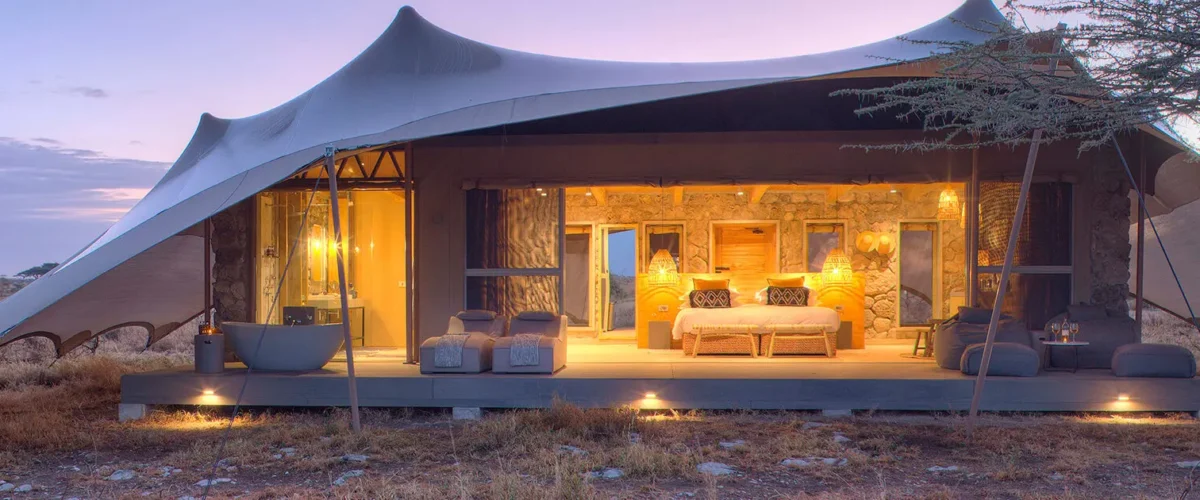
A mobile safari camp is designed to reduce distance between guests and wildlife. Accommodation is usually built using high-quality canvas tents set up on temporary or semi-permanent platforms in remote areas. These camps are often relocated seasonally to follow animal movements or to access quieter wildlife zones.

The experience is highly immersive. Guests often hear wildlife at night, experience minimal artificial noise, and live within landscapes that feel untouched. There is a strong sense of proximity to nature, not just visually but acoustically and emotionally.

Mobile camps are especially popular in migration-focused regions of the Masai Mara because they allow travelers to position themselves close to river crossings or herd movement patterns without relying on long daily drives.

According to safari operators and travel experts, this closeness to wildlife corridors is one of the key advantages of mobile camps, especially for photographers and serious wildlife enthusiasts who want extended time at sightings rather than short visits before returning to lodge areas .

What a fixed luxury lodge experience feels like

Fixed luxury lodges in Kenya are permanent properties built with strong architectural foundations, often using stone, wood, or a combination of natural materials designed to blend into the environment. These lodges typically include spacious suites, restaurants, lounges, swimming pools, and spa facilities.

The experience is more structured and predictable. Guests return each evening to the same room, enjoy consistent dining settings, and benefit from full-time amenities such as electricity, Wi-Fi, and larger communal spaces.

Lodges are particularly suitable for travelers who value comfort, privacy, and convenience after long game drives. They also work well for families or travelers who prefer not to adapt to changing camp conditions during their safari.

While lodges may feel slightly more removed from the immediate wilderness compared to mobile camps, many are still located in prime wildlife areas and offer excellent game viewing opportunities.

Mobile camps: advantages and limitations

Mobile camps offer one of the most immersive safari experiences available in Kenya. The biggest advantage is proximity to wildlife movement. Because these camps can relocate, they are often positioned closer to active animal corridors, reducing travel time to game viewing areas.

They also tend to have lower guest capacity, which creates a more intimate and quiet atmosphere. This makes them particularly appealing for travelers seeking exclusivity and raw nature engagement.

However, mobile camps are not focused on hotel-style luxury. Facilities are more limited compared to lodges. While high-end mobile camps still provide en-suite bathrooms, comfortable beds, and excellent service, they typically do not offer amenities like spas, large pools, or extensive indoor lounges.

Weather can also play a role. Since structures are lighter and more temporary, seasonal conditions may influence comfort levels more than in permanent lodges.

Fixed luxury lodges: advantages and limitations

Fixed luxury lodges offer a more stable and predictable safari experience. Their main strength is comfort. Guests enjoy solid structures, spacious interiors, and a wide range of amenities that make longer stays easier and more relaxed.

They are also less affected by seasonal relocation patterns. This means guests can visit at any time of year and still enjoy a consistent level of service and infrastructure.

Another advantage is variety in services. Many lodges offer wellness facilities, curated dining experiences, and larger social spaces that enhance relaxation between game drives.

The limitation is reduced mobility. Since lodges are fixed, they cannot adjust location based on wildlife movement. This means guests may need to travel further during certain seasons to reach optimal game viewing areas.

Wildlife experience: mobility versus consistency

Mobile camps generally offer a more dynamic wildlife experience because they are placed closer to seasonal movement zones. This reduces the time between camp and wildlife encounters, allowing for longer and more flexible game viewing sessions.

Fixed lodges provide a more stable wildlife experience, with consistent access to established wildlife territories. While sightings are still excellent, guests may experience more structured game drive routes compared to the flexibility of mobile camps.

In conservancy areas and well-positioned lodges, wildlife density remains high year-round, so the difference is often more about flexibility than quality of sightings.

Comfort and lifestyle differences

Comfort is one of the most noticeable differences between the two options.

Mobile camps prioritize simplicity and immersion. They are designed to feel close to nature, with canvas structures, minimal architectural separation from the environment, and a more intimate atmosphere.

Fixed lodges prioritize comfort and infrastructure. Guests benefit from larger rooms, stronger climate control, and more extensive amenities that support relaxation and longer stays.

This difference is not about quality but about lifestyle preference during travel.

Which option is better for families, couples, or photographers

For families, fixed luxury lodges are often more practical because they offer larger rooms, predictable facilities, and child-friendly infrastructure. However, high-end mobile camps can also work well for older children and adventurous families who want a more immersive experience.

For couples, mobile camps offer strong romantic appeal due to their intimacy and closeness to nature, while lodges offer privacy with more comfort and spa-style relaxation options.

For photographers, mobile camps often provide an advantage due to proximity to wildlife corridors and flexibility in positioning during migration seasons. However, lodges located in prime conservancies also deliver excellent photographic opportunities with less logistical movement.

How to choose between mobile camps and luxury lodges

The decision ultimately comes down to travel priorities.

Mobile camps are best suited for travelers who want deeper immersion, seasonal wildlife positioning, and a more authentic bush experience where nature feels immediate and unfiltered.

Fixed luxury lodges are better suited for travelers who value comfort, consistency, and high-end amenities while still enjoying strong wildlife access.

Many high-end safari itineraries in Kenya now combine both, starting with a mobile camp experience for immersion and ending with a luxury lodge for relaxation and comfort balance.

The Best Family Safari Camps in Kenya

The Best Family Safari Camps in Kenya

The Best Family Safari Camps in Kenya: Child Policies, Activities and What to Look For

A family safari in Kenya in 2026 is no longer a niche luxury travel idea. It has become one of the most structured and thoughtfully designed wildlife experiences in Africa. The best camps now focus not only on delivering game viewing but also on building safe, educational, and emotionally engaging environments for children while still maintaining the luxury standards expected by adult travelers.

What defines a successful family safari is not simply the presence of wildlife, but how well a camp balances child safety, flexible scheduling, educational engagement, and parent relaxation within the same ecosystem. Kenya performs strongly in this space because many of its top safari regions are built around private conservancies where vehicle density is low, guiding is highly controlled, and camp layouts are designed for privacy.

The most important decision for any family planning a safari in Kenya is choosing the right region and the right type of camp structure, because child policies vary significantly depending on wildlife risk levels and terrain.

How family safaris in Kenya are designed

Family safaris in Kenya are primarily structured around two environments: national reserves and private conservancies. While national reserves like the Masai Mara offer high-density wildlife viewing, they are often more restrictive for younger children due to safety considerations and vehicle congestion during peak seasons.

Private conservancies offer a more controlled experience. These areas allow off-road driving, night game drives, and flexible scheduling, which makes them significantly more suitable for families. They also tend to have fewer vehicles, which reduces stress for children and allows longer wildlife observation without interruption.

Lodges that perform well for families usually integrate private guiding as standard, meaning families are not required to share game drives with other guests. This flexibility allows parents to adjust safari timing based on children’s energy levels and attention spans.

What to consider when choosing a family safari camp

The first consideration is the child policy. Some luxury safari camps in Kenya accept children of all ages, while others enforce minimum age limits due to wildlife risks or terrain conditions. Understanding this early is essential to avoid restrictions during travel.

The second consideration is accommodation design. Family suites or interconnected tents are important because they allow privacy for adults while keeping children close. Camps without family-friendly layouts often become inconvenient during longer stays.

The third consideration is activity structure. The best family camps do not rely solely on game drives. Instead, they integrate interactive learning, bush education, cultural experiences, and hands-on conservation exposure that keeps children engaged throughout the stay.

The fourth consideration is safety design. Unfenced camps offer immersive wilderness experiences but require stricter supervision, while fenced or controlled camps provide more flexibility for younger children.

The Masai Mara: structured wildlife learning for families

The Masai Mara remains one of the most popular family safari destinations in Kenya due to its predictable wildlife viewing and relatively short driving distances. It is also home to several camps that have developed strong children-focused programs.

Family safaris in the Mara are often designed around short, high-impact game drives that allow children to see wildlife frequently without long periods of travel. This is especially important for younger age groups who may struggle with extended time in vehicles.

Kichwa Tembo Tented Camp: balanced family safari experience

Kichwa Tembo Tented Camp is one of the most established family-friendly safari camps in the Masai Mara region.

The camp is designed with family tents that allow parents and children to stay in close proximity while maintaining privacy. Its location near high-density wildlife zones ensures frequent sightings, which helps maintain engagement for younger travelers.

Children are introduced to wildlife tracking and basic ecology through guided activities that make the safari both educational and entertaining. Parents benefit from structured game drives while children participate in tailored programs.

Mara Intrepids Camp: education-driven safari experience

Mara Intrepids Camp is widely recognized for its strong educational focus for children.

The camp runs structured programs that introduce younger guests to wildlife behavior, tracking techniques, and ecological awareness. These sessions are designed to be interactive rather than lecture-based, ensuring that children remain engaged.

The surrounding environment also supports frequent wildlife encounters, which reinforces the learning experience by allowing children to observe animals in real time.

Saruni Mara: private family safaris with cultural depth

Saruni Mara offers a more private and flexible family safari experience within a conservancy setting.

Families staying here benefit from private vehicles and flexible scheduling, which allows safaris to be adjusted based on children’s comfort and interest levels. The conservancy setting also enables off-road driving and night game drives where appropriate.

A strong cultural component is integrated into the experience, with Maasai-led storytelling and learning sessions that give children a deeper understanding of local communities and conservation practices.

Governors’ Camp: classic river-based family safari

Governors’ Camp is one of the oldest safari camps in the Mara and remains a strong option for families.

Its riverfront location provides consistent wildlife activity directly around the camp, including elephants and hippos. This proximity reduces the need for long game drives, which is ideal for families with younger children.

The camp offers flexible safari arrangements that allow families to control pacing and structure based on daily energy levels.

Laikipia: the most versatile family safari region

Laikipia is often considered the most suitable region in Kenya for active family safaris because it offers a wider range of activities beyond traditional game drives.

Unlike the Masai Mara, Laikipia’s private conservancies allow children to participate in hands-on experiences such as camel trekking, walking safaris in safe zones, and conservation education programs.

This region is particularly valuable for families with older children who can engage in more physically interactive safari experiences.

El Karama Lodge: interactive bush learning for children

El Karama Lodge is one of the most family-focused safari lodges in Kenya.

The lodge is designed around interactive bush education where children participate in wildlife tracking, animal identification, and ecological learning through direct experience rather than passive observation.

The environment is relaxed and safe, allowing children to move freely within designated areas while still engaging deeply with the safari environment.

Lewa Safari Camp: conservation-focused family safari

Lewa Safari Camp is located in one of Kenya’s most important rhino conservation areas.

The camp integrates conservation education into the safari experience, allowing families to learn about wildlife protection programs and ecosystem management.

Children benefit from guided learning activities, controlled wildlife exposure, and structured conservation storytelling that makes the safari both meaningful and educational.

Ol Pejeta Conservancy: wildlife education at scale

Ol Pejeta Conservancy is one of Kenya’s strongest family safari environments because it combines wildlife viewing with structured conservation education.

Families visiting this region are exposed to rhino conservation programs, wildlife sanctuaries, and anti-poaching initiatives that help children understand real-world conservation challenges in an accessible way.

This creates a safari experience that is both emotionally engaging and intellectually informative.

How safety and age policies shape family safaris

Child safety policies vary widely across Kenya’s safari camps. Some luxury lodges restrict younger children due to proximity to predators, while conservancy-based camps are often more flexible.

Unfenced camps require stricter supervision, especially for younger age groups, while controlled environments allow more independence and flexibility. Private vehicles are commonly used for families, ensuring that game drive duration and pacing can be adjusted in real time.

These policies are not limitations but structural design choices aimed at ensuring safety while maintaining safari quality.

What defines the best family safari experience in Kenya

The strongest family safaris in Kenya combine wildlife viewing with structured engagement. Game drives remain central, but they are supported by bush education, cultural experiences, conservation learning, and interactive activities designed specifically for children.

The best camps ensure that children are not passive observers but active participants in the safari journey, which significantly enhances both enjoyment and educational value.

Kenya Honeymoon Safari

Kenya Honeymoon Safari

Kenya Honeymoon Safari: The Best Camps and Experiences for Couples in 2026

A Kenya honeymoon safari in 2026 is no longer just a romantic getaway—it is a fully immersive luxury travel experience built around privacy, wildlife intimacy, and emotionally rich landscapes. Couples are increasingly choosing Kenya because it combines world-class safari destinations with highly exclusive lodges, private conservancies, and carefully curated romantic experiences.

What makes Kenya especially powerful for honeymoon travel is its ability to deliver three completely different safari environments within one itinerary: the dramatic wildlife intensity of the Masai Mara, the private conservancy exclusivity of surrounding reserves, and the quiet seclusion of Laikipia’s private wilderness landscapes.

The result is a honeymoon that feels dynamic yet intimate, adventurous yet deeply personal.

Why Kenya is perfect for honeymoon safaris

Kenya offers one of the most balanced safari ecosystems in Africa. The country’s tourism model is structured around conservation areas and private land partnerships, which allows luxury camps to operate with extremely low guest density.

For couples, this translates into high privacy in safari lodges, personalized game drives, minimal crowd interference during wildlife viewing, and romantic bush experiences in remote settings.

Unlike mass tourism destinations, Kenya’s safari model prioritizes space and exclusivity. This is especially important for honeymoon travelers who want uninterrupted time together in nature.

The Masai Mara: dramatic wildlife and romantic landscapes

The Masai Mara remains the emotional centerpiece of most Kenya honeymoon safaris. It is where couples experience iconic African wildlife moments such as lion prides at sunrise, elephants crossing golden plains, and dramatic predator encounters unfolding across open savannahs.

Luxury camps here are designed to maximize both privacy and visual immersion, ensuring that the landscape becomes part of the experience rather than just a backdrop.

Angama Mara: the most cinematic honeymoon lodge in Kenya

Angama Mara sits on the edge of the Great Rift Valley escarpment and overlooks the Mara Triangle from a dramatic elevated position.

This setting creates one of the most visually striking safari environments in Africa. Suites feature floor-to-ceiling glass openings that allow couples to experience sunrise and sunset over endless savannah directly from their rooms.

Romantic experiences include private picnics overlooking the plains, hot-air balloon safaris at sunrise, and customized private dining setups positioned along the escarpment.

The overall experience is highly cinematic, making it ideal for couples seeking dramatic scenery combined with refined luxury.

Governors’ Il Moran Camp: intimate riverfront escape

Governors’ Il Moran Camp is located along a private stretch of the Mara River within dense riverine forest.

The camp is small and secluded, creating a quiet and highly private environment. Wildlife frequently moves through the surrounding forest, meaning elephants, giraffes, and hippos can often be seen close to camp.

The romantic atmosphere here is subtle and natural. The focus is on stillness, river soundscapes, and continuous wildlife presence rather than architectural spectacle, making it ideal for couples who prefer privacy and quiet immersion.

Sanctuary Olonana: modern luxury on the Mara River

Sanctuary Olonana offers a contemporary honeymoon experience defined by glass-fronted suites positioned directly along the river.

The design is spacious and modern, with private decks that open onto uninterrupted river views. This creates a seamless connection between indoor comfort and outdoor wilderness.

The experience is centered on comfort and relaxation, supported by wellness-focused services such as spa treatments and slow-paced safari scheduling. It is well suited for couples who prefer modern luxury alongside reliable wildlife viewing.

Private conservancies: where honeymoon safaris become exclusive

The conservancies surrounding the Masai Mara are a key component of high-end honeymoon safaris. These private areas reduce vehicle density, allow off-road driving, and create significantly more intimate wildlife encounters.

This structure ensures that couples experience wildlife without crowd pressure, which is particularly important during peak migration periods when the main reserve becomes busier.

Mara Plains Camp: ultra-exclusive safari privacy

Mara Plains Camp is one of the most exclusive safari camps in Africa, located in Olare Motorogi Conservancy.

The camp operates with extremely limited guest numbers and tightly controlled access to wildlife areas. This creates a highly private safari environment where sightings are rarely shared with multiple vehicles.

Game drives are slow and deeply interpretive, focusing on long wildlife observations and behavioral tracking. This makes it particularly appealing for couples seeking exclusivity and depth in their safari experience.

Mahali Mzuri: modern design in a wildlife-rich conservancy

Mahali Mzuri combines contemporary architectural design with consistent wildlife activity.

The suites are open and modern, positioned to overlook predator-rich plains. Wildlife sightings are frequent due to the conservancy’s strong ecological productivity.

The experience balances modern luxury aesthetics with reliable safari action, making it suitable for couples who want both comfort and strong game viewing in a controlled environment.

Laikipia: the quiet luxury honeymoon alternative

Laikipia offers a completely different honeymoon safari experience compared to the Masai Mara. Instead of migration-driven intensity, it focuses on private conservation landscapes, vast open spaces, and extremely low visitor density.

This makes it ideal for couples seeking privacy, slower travel, and deeper connection with nature in exclusive conservancy environments.

Loisaba Tented Camp: open wilderness romance

Loisaba Tented Camp is known for its elevated suites overlooking expansive wilderness landscapes.

The experience is defined by silence, space, and uninterrupted horizon views. Wildlife moves freely across large conservancy areas, creating a calm but continuous sense of wilderness presence.

Activities include camel trekking and walking safaris, adding variety to the safari experience while maintaining a slow and immersive pace.

Segera Retreat: art, privacy, and conservation storytelling

Segera Retreat combines luxury safari accommodation with ecological restoration and contemporary African art.

The property is built on a restored ranch that has been transformed into a conservation landscape. This transformation is central to the guest experience and adds a reflective, educational dimension to the stay.

The atmosphere is quiet and highly private, making it suitable for couples who prefer a slower, more meaningful honeymoon experience.

What makes a Kenya honeymoon safari truly special

The most successful honeymoon safaris in Kenya are defined by three core principles: privacy, pacing, and personalization.

Privacy comes from staying in low-density camps and conservancies where guest numbers are intentionally limited. Pacing refers to spending more time in fewer locations, which allows emotional continuity and relaxation. Personalization is delivered through private game drives, tailored experiences, and flexible safari schedules designed around each couple.

Modern honeymoon travel trends strongly favor slower itineraries because they create deeper emotional connection and reduce travel fatigue.

Ideal honeymoon safari structure in Kenya

A well-designed honeymoon itinerary typically combines the Masai Mara with either a private conservancy or Laikipia, followed by an optional coastal extension.

The Masai Mara provides dramatic wildlife immersion, conservancies add exclusivity and privacy, and Laikipia introduces conservation depth and seclusion. Coastal destinations then provide relaxation and recovery after safari travel.

The most important factor is not how many destinations are included, but how deeply each location is experienced, ensuring a slow, immersive, and emotionally connected journey

Logde

The Best Luxury Lodges in Laikipia

The Best Luxury Lodges in Laikipia: Kenya’s Most Exclusive Safari Region Explained

Laikipia is one of Kenya’s most exclusive safari regions, not because it delivers the highest density of wildlife sightings, but because it offers something far more rare in modern African travel: vast private conservation landscapes with extremely low tourist pressure, highly personalized guiding, and year-round wildlife access across privately managed ecosystems. In 2026, Laikipia has firmly positioned itself as the destination for travelers who want privacy, depth, and conservation-driven luxury rather than mass safari spectacle.

Unlike the Masai Mara or Amboseli, which are shaped by seasonal migration cycles and high-volume game viewing corridors, Laikipia operates on a completely different model. It is a patchwork of private ranches, community conservancies, and protected wildlife areas that function together as a single ecological system. This structure allows luxury lodges in Laikipia to deliver highly controlled safari experiences where vehicle density is low, wildlife encounters feel uninterrupted, and guests often feel as though they have entire landscapes to themselves.

What follows is a structured breakdown of the best luxury lodges in Laikipia and what makes each one significant in Kenya’s high-end safari market.

Angama Lewa: luxury safari inside a premier rhino conservation landscape

Angama Lewa is located within Lewa Wildlife Conservancy, one of the most important rhino conservation areas in Africa. This conservancy is globally recognized for its successful black rhino and Grevy’s zebra protection programs, making it one of the most ecologically significant safari regions in Kenya.

The lodge is positioned to maximize open views across the Laikipia plains with Mount Kenya forming a dramatic backdrop. The design is modern, open, and light-filled, emphasizing landscape immersion rather than enclosed luxury. Large glass fronts and elevated positioning allow guests to experience the conservancy as a continuous visual environment.

Wildlife viewing in Lewa is strongly conservation-oriented. Rhino tracking is one of the core safari experiences, and sightings are often accompanied by interpretive guiding that explains monitoring systems, population trends, and conservation strategies. This creates a safari experience that is both educational and visually engaging.

Angama Lewa is especially suited to travelers who want structured luxury combined with active conservation storytelling and consistent wildlife access in a controlled ecosystem.

Ol Lentille: ultra-private villas in a community conservancy setting

Ol Lentille Conservancy is one of the most exclusive private-use safari experiences in Laikipia. Located on a remote hilltop within a community conservancy, it operates on an extremely low guest density model where villas are often booked exclusively for private groups or families.

The location is defined by elevation. From its hilltop position, the lodge offers panoramic views stretching across Laikipia’s conservancies and into the Samburu landscape. This creates a layered safari environment where guests experience both highland terrain and semi-arid plains within a single visual field.

What makes Ol Lentille distinctive is its strong integration with local communities. The conservancy is co-managed with pastoralist groups, meaning tourism revenue directly supports education, healthcare, and land preservation. This gives the safari experience a strong conservation and community development dimension.

Game drives and activities are highly personalized and flexible. Walking safaris, cultural visits, and private game drives are structured entirely around guest preference, creating one of the most tailored safari experiences in Kenya.

Loisaba Tented Camp: dramatic landscapes and wide-open predator territory

Loisaba Tented Camp is located within the Loisaba Conservancy, a large and visually striking wilderness area known for its rolling escarpments, open plains, and strong predator presence.

The camp is designed with elevated tented suites that open directly toward vast landscapes. This positioning creates uninterrupted views across the conservancy, making the environment feel expansive and cinematic. The architecture is modern but intentionally minimal, ensuring that the landscape remains the dominant visual element.

Loisaba is known for its healthy populations of elephants, lions, cheetahs, and African wild dogs. Because of the size of the conservancy, wildlife moves freely across large territories, which makes game drives feel exploratory rather than predictable.

A unique aspect of Loisaba is the diversity of safari experiences available. In addition to traditional game drives, guests can participate in camel safaris and guided walking experiences. This adds variety to the safari structure and creates a multi-layered engagement with the landscape.

Segera Retreat: art, sustainability, and regenerative safari design

Segera Retreat is one of the most conceptually unique luxury properties in Laikipia because it combines high-end safari accommodation with a large-scale regenerative conservation project.

The property sits on a former cattle ranch that has been transformed into a functioning wildlife conservancy. This restoration process is central to the guest experience, as visitors witness the transition of degraded land into a thriving ecological system.

Segera is also known for its extensive contemporary African art collection. Sculptures, installations, and curated artworks are integrated throughout the property, creating a strong cultural layer that distinguishes it from traditional safari lodges.

Game drives here focus heavily on ecological storytelling. Instead of purely tracking wildlife, guides explain land regeneration processes, species reintroduction efforts, and ecosystem recovery. This makes Segera particularly appealing to travelers interested in conservation impact rather than only wildlife sightings.

Solio Lodge: one of Africa’s most reliable rhino viewing destinations

Solio Lodge is located within Solio Conservancy, one of the most successful rhino breeding sanctuaries in East Africa. The conservancy plays a critical role in protecting both black and white rhino populations, making it one of the most dependable places in Kenya to observe rhinos in a controlled environment.

The lodge is small and intimate, designed to maximize privacy and direct access to surrounding grassland ecosystems. The accommodation consists of private cottages positioned to overlook open plains where rhinos frequently move.

Unlike larger conservancies, Solio offers highly concentrated wildlife viewing, particularly for rhinos. This makes it especially valuable for travelers who prioritize specific species encounters over broader ecosystem diversity.

Game drives are structured, quiet, and conservation-focused, with strict emphasis on ethical wildlife viewing practices and minimal disturbance to animal behavior.

Why Laikipia is different from other safari regions in Kenya

Laikipia operates on a fundamentally different safari model compared to Kenya’s more famous destinations like the Masai Mara. While the Mara is driven by seasonal migration events and high-density predator-prey interactions, Laikipia is defined by stability, privacy, and conservation-managed land use.

The entire region is built on privately owned or community-managed conservancies, which creates extremely low visitor density. This means that safari experiences are rarely crowded, and wildlife encounters often feel uninterrupted and personal.

Another key difference is ecological diversity without seasonal dependency. Wildlife is present year-round, but not concentrated into dramatic migration events. Instead, guests experience continuous but quieter wildlife movement patterns across large private landscapes.

What defines luxury in Laikipia’s safari lodges

Luxury in Laikipia is not defined by large-scale infrastructure or hotel-style amenities. Instead, it is defined by four core factors that consistently shape guest experience across all top lodges.

The first is land exclusivity. Most lodges control large private conservancies, which limits vehicle numbers and ensures low-density safari experiences. The second is conservation integration, where tourism revenue directly supports wildlife protection and habitat restoration programs. The third is guiding depth, where experienced trackers and naturalists provide interpretive, long-form wildlife education. The fourth is privacy, where guest numbers remain intentionally low to preserve exclusivity.

This combination creates a safari environment that is more reflective, quieter, and more conservation-focused than many other African safari regions.

Laikipia in Kenya’s luxury safari landscape

Laikipia occupies a unique position in Kenya’s safari hierarchy. It does not compete with the Masai Mara on spectacle or migration drama. Instead, it offers an alternative model built on exclusivity, conservation depth, and long-form ecological engagement.

For travelers seeking privacy, controlled wildlife access, and a more intellectual safari experience, Laikipia remains one of the most compelling luxury regions in Africa.