Kenya Safari in 5, 7 or 10 Days: What You Can Realistically See in Each Timeframe
Planning a Kenya safari is not just about choosing destinations. It is about matching your available time with what is realistically achievable on the ground. Distances, flight schedules, wildlife patterns, and camp locations all influence how much you can actually experience without turning your safari into a rushed sequence of transfers.
In 2026, luxury safaris in Kenya are built around efficiency and quality of time in the field. The key principle is simple: fewer locations with more time in each almost always deliver a better experience than trying to cover too much ground.
Understanding what you can realistically see in 5, 7, or 10 days allows you to design an itinerary that maximizes wildlife viewing while maintaining a comfortable pace.
Understanding travel time in Kenya safari planning
Before comparing timeframes, it is important to understand how travel works within Kenya.
Most luxury safaris rely on internal flights rather than road transfers. Flights connect Nairobi with key safari regions such as the Masai Mara, Laikipia, and Amboseli. While these flights are efficient, they still take time when you factor in transfers, boarding, and potential stops.
A typical transfer day can consume half a day of travel. This is why overloading an itinerary with too many locations reduces time spent on actual game drives.
Time on safari is measured not just in days, but in full game drive sessions, which occur in the early morning and late afternoon. Maximizing these sessions is what defines a successful itinerary.
What a 5-day Kenya safari realistically looks like
A 5-day safari is best approached with focus and restraint. Trying to include multiple regions in this timeframe often leads to excessive travel and limited wildlife viewing.
The most effective 5-day itinerary concentrates on a single ecosystem, typically the Masai Mara National Reserve or a surrounding conservancy.
In this structure, you would typically spend four nights in one camp. This allows for multiple full days of game drives without interruption.
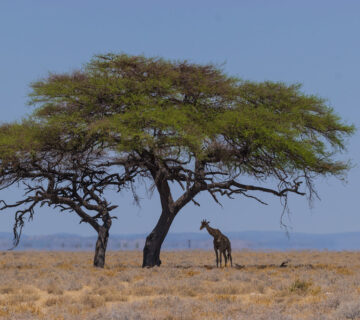
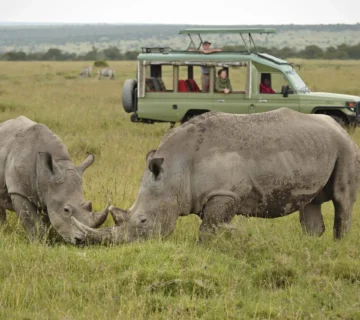
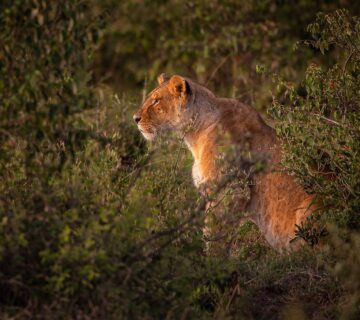
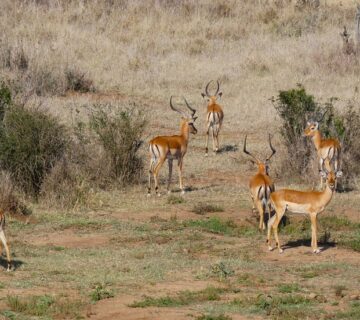
With this amount of time, you can realistically expect to see a wide range of wildlife, including big cats, elephants, giraffes, and large herbivore herds. Predator sightings are common in well-located areas, especially in the Mara ecosystem.
However, a 5-day safari limits diversity of landscapes. You will experience one primary ecosystem rather than multiple regions. This is not a disadvantage if the goal is strong wildlife viewing, but it does mean sacrificing variety.
For travellers visiting Kenya for the first time, a focused 5-day safari in a high-quality location often delivers a better experience than attempting to combine multiple areas.
Wildlife expectations in a 5-day safari
Within five days, the goal is depth rather than breadth. You are likely to encounter multiple species repeatedly, allowing for better observation of behavior rather than simply checking off sightings.
If timed during the Great Migration, you may witness large herd movements and potentially river crossings, depending on location and timing.
In conservancies, the experience becomes more private, with fewer vehicles and longer sightings. This can significantly enhance the quality of wildlife encounters within a short timeframe.
What a 7-day Kenya safari allows you to do
A 7-day safari introduces flexibility and the ability to combine regions without rushing.
The most effective structure for a 7-day itinerary is to split time between two locations. A common approach is combining the Masai Mara with Laikipia or another complementary ecosystem.
This allows you to experience different landscapes, wildlife densities, and safari styles within one trip.
For example, the Mara offers high-density wildlife viewing, while Laikipia provides a quieter, conservation-focused experience with different species and activities.
With seven days, you typically spend three to four nights in each location. This provides enough time to settle into each camp and enjoy multiple game drives.
Wildlife expectations in a 7-day safari
A 7-day safari significantly increases the range of wildlife and environments you experience.
In addition to the classic plains game and predators of the Mara, you may encounter species more commonly found in Laikipia, such as Grevy’s zebra, reticulated giraffe, and other region-specific wildlife.
The variation in landscapes also enhances the experience. Moving between regions introduces different terrain, vegetation, and ecological dynamics.
This timeframe balances depth and diversity, making it one of the most popular choices for luxury travellers.
What a 10-day Kenya safari makes possible
A 10-day safari allows for a more comprehensive exploration of Kenya’s safari regions.
With this amount of time, you can comfortably include three locations without compromising the pace of the experience. A typical structure might include the Masai Mara, Laikipia, and Amboseli or another complementary region.
Each location can be allocated three to four nights, ensuring that travel does not dominate the itinerary.
This structure provides a well-rounded safari experience, combining high-density wildlife viewing, conservation-focused environments, and iconic landscapes such as views of Mount Kilimanjaro in Amboseli.
Wildlife expectations in a 10-day safari
A 10-day safari offers the highest level of diversity.
You are likely to encounter a broad range of species across different ecosystems, including large elephant herds in Amboseli, predator-rich plains in the Mara, and unique northern species in Laikipia.
The extended timeframe also increases the likelihood of witnessing rare or specific wildlife behaviors, as you have more time in the field.
For photographers and experienced safari travellers, this duration provides the flexibility needed to wait for optimal conditions and sightings.
The trade-off between variety and depth
One of the key decisions in safari planning is balancing variety with depth.
Shorter safaris prioritize depth by focusing on one location. Longer safaris introduce variety but must be structured carefully to avoid excessive travel.
In many cases, adding more locations does not necessarily improve the experience. The quality of wildlife viewing often depends on time spent in each area rather than the number of areas visited.
This is why even 10-day itineraries are typically limited to three locations.
Conservancies versus national parks in time planning
Where you stay also affects how much you can see within a given timeframe.
Staying in conservancies often reduces travel time between sightings because of lower vehicle density and flexible driving rules. This allows for more efficient use of game drive time.
Staying inside national parks may involve more structured routes and higher vehicle presence, which can affect the pace of wildlife viewing.
These differences become more noticeable in shorter itineraries where time efficiency is critical.
How travel style affects what you can see
Private safaris allow greater flexibility in timing and movement, which can increase the number of sightings within a limited timeframe.
Shared safaris may follow fixed schedules, reducing flexibility but lowering cost.
Fly-in safaris maximize time in the field by reducing travel time, while road safaris may limit the number of game drives available within the same number of days.
For luxury travellers, fly-in itineraries are generally preferred because they optimize both comfort and efficiency.
Choosing the right timeframe for your safari
Selecting between 5, 7, and 10 days depends on your priorities.
Five days is ideal for focused wildlife viewing in a single high-quality location.
Seven days provides a balanced experience with both depth and variety across two regions.
Ten days allows for a comprehensive safari covering multiple ecosystems without rushing.
The decision is not about choosing the longest trip possible, but about selecting a timeframe that aligns with your expectations and travel style.
How realistic expectations improve the safari experience
Understanding what can realistically be achieved within each timeframe prevents overplanning and disappointment.
A well-structured safari prioritizes quality of experience over quantity of locations. It ensures that time is spent observing wildlife rather than moving between destinations.
By aligning your itinerary with realistic expectations, you create a safari that feels immersive, relaxed, and rewarding from start to finish.
Start Planning Your Next Trip To Africa
If you can picture yourself in one—or several—of these exceptional retreats, the next move is simple. We design fully tailored African safaris that bring these experiences together seamlessly, from private gorilla encounters to luxury lodges in the heart of the wild.
Every detail is carefully planned, so your journey feels effortless from start to finish. Reach out in whichever way suits you best, and let’s begin crafting your safari.
Start Planning