The Best Family Safari Camps in Kenya: Child Policies, Activities and What to Look For
A family safari in Kenya in 2026 is no longer a niche luxury travel idea. It has become one of the most structured and thoughtfully designed wildlife experiences in Africa. The best camps now focus not only on delivering game viewing but also on building safe, educational, and emotionally engaging environments for children while still maintaining the luxury standards expected by adult travelers.
What defines a successful family safari is not simply the presence of wildlife, but how well a camp balances child safety, flexible scheduling, educational engagement, and parent relaxation within the same ecosystem. Kenya performs strongly in this space because many of its top safari regions are built around private conservancies where vehicle density is low, guiding is highly controlled, and camp layouts are designed for privacy.
The most important decision for any family planning a safari in Kenya is choosing the right region and the right type of camp structure, because child policies vary significantly depending on wildlife risk levels and terrain.
How family safaris in Kenya are designed
Family safaris in Kenya are primarily structured around two environments: national reserves and private conservancies. While national reserves like the Masai Mara offer high-density wildlife viewing, they are often more restrictive for younger children due to safety considerations and vehicle congestion during peak seasons.
Private conservancies offer a more controlled experience. These areas allow off-road driving, night game drives, and flexible scheduling, which makes them significantly more suitable for families. They also tend to have fewer vehicles, which reduces stress for children and allows longer wildlife observation without interruption.
Lodges that perform well for families usually integrate private guiding as standard, meaning families are not required to share game drives with other guests. This flexibility allows parents to adjust safari timing based on children’s energy levels and attention spans.
What to consider when choosing a family safari camp
The first consideration is the child policy. Some luxury safari camps in Kenya accept children of all ages, while others enforce minimum age limits due to wildlife risks or terrain conditions. Understanding this early is essential to avoid restrictions during travel.
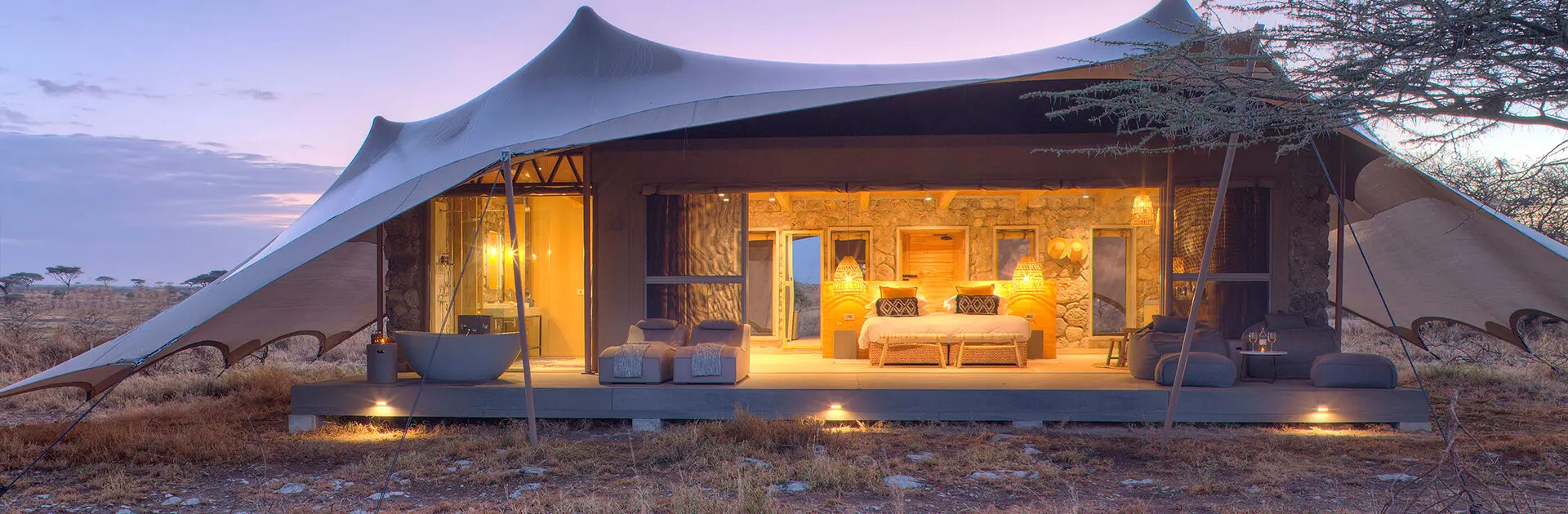
The second consideration is accommodation design. Family suites or interconnected tents are important because they allow privacy for adults while keeping children close. Camps without family-friendly layouts often become inconvenient during longer stays.
The third consideration is activity structure. The best family camps do not rely solely on game drives. Instead, they integrate interactive learning, bush education, cultural experiences, and hands-on conservation exposure that keeps children engaged throughout the stay.
The fourth consideration is safety design. Unfenced camps offer immersive wilderness experiences but require stricter supervision, while fenced or controlled camps provide more flexibility for younger children.
The Masai Mara: structured wildlife learning for families
The Masai Mara remains one of the most popular family safari destinations in Kenya due to its predictable wildlife viewing and relatively short driving distances. It is also home to several camps that have developed strong children-focused programs.
Family safaris in the Mara are often designed around short, high-impact game drives that allow children to see wildlife frequently without long periods of travel. This is especially important for younger age groups who may struggle with extended time in vehicles.
Kichwa Tembo Tented Camp: balanced family safari experience
Kichwa Tembo Tented Camp is one of the most established family-friendly safari camps in the Masai Mara region.
The camp is designed with family tents that allow parents and children to stay in close proximity while maintaining privacy. Its location near high-density wildlife zones ensures frequent sightings, which helps maintain engagement for younger travelers.
Children are introduced to wildlife tracking and basic ecology through guided activities that make the safari both educational and entertaining. Parents benefit from structured game drives while children participate in tailored programs.
Mara Intrepids Camp: education-driven safari experience
Mara Intrepids Camp is widely recognized for its strong educational focus for children.
The camp runs structured programs that introduce younger guests to wildlife behavior, tracking techniques, and ecological awareness. These sessions are designed to be interactive rather than lecture-based, ensuring that children remain engaged.
The surrounding environment also supports frequent wildlife encounters, which reinforces the learning experience by allowing children to observe animals in real time.
Saruni Mara: private family safaris with cultural depth
Saruni Mara offers a more private and flexible family safari experience within a conservancy setting.
Families staying here benefit from private vehicles and flexible scheduling, which allows safaris to be adjusted based on children’s comfort and interest levels. The conservancy setting also enables off-road driving and night game drives where appropriate.
A strong cultural component is integrated into the experience, with Maasai-led storytelling and learning sessions that give children a deeper understanding of local communities and conservation practices.
Governors’ Camp: classic river-based family safari
Governors’ Camp is one of the oldest safari camps in the Mara and remains a strong option for families.
Its riverfront location provides consistent wildlife activity directly around the camp, including elephants and hippos. This proximity reduces the need for long game drives, which is ideal for families with younger children.
The camp offers flexible safari arrangements that allow families to control pacing and structure based on daily energy levels.
Laikipia: the most versatile family safari region
Laikipia is often considered the most suitable region in Kenya for active family safaris because it offers a wider range of activities beyond traditional game drives.
Unlike the Masai Mara, Laikipia’s private conservancies allow children to participate in hands-on experiences such as camel trekking, walking safaris in safe zones, and conservation education programs.
This region is particularly valuable for families with older children who can engage in more physically interactive safari experiences.
El Karama Lodge: interactive bush learning for children
El Karama Lodge is one of the most family-focused safari lodges in Kenya.
The lodge is designed around interactive bush education where children participate in wildlife tracking, animal identification, and ecological learning through direct experience rather than passive observation.
The environment is relaxed and safe, allowing children to move freely within designated areas while still engaging deeply with the safari environment.
Lewa Safari Camp: conservation-focused family safari
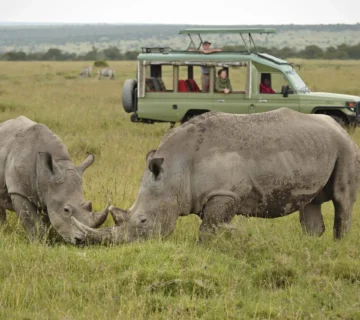
Lewa Safari Camp is located in one of Kenya’s most important rhino conservation areas.
The camp integrates conservation education into the safari experience, allowing families to learn about wildlife protection programs and ecosystem management.
Children benefit from guided learning activities, controlled wildlife exposure, and structured conservation storytelling that makes the safari both meaningful and educational.
Ol Pejeta Conservancy: wildlife education at scale
Ol Pejeta Conservancy is one of Kenya’s strongest family safari environments because it combines wildlife viewing with structured conservation education.
Families visiting this region are exposed to rhino conservation programs, wildlife sanctuaries, and anti-poaching initiatives that help children understand real-world conservation challenges in an accessible way.
This creates a safari experience that is both emotionally engaging and intellectually informative.
How safety and age policies shape family safaris
Child safety policies vary widely across Kenya’s safari camps. Some luxury lodges restrict younger children due to proximity to predators, while conservancy-based camps are often more flexible.
Unfenced camps require stricter supervision, especially for younger age groups, while controlled environments allow more independence and flexibility. Private vehicles are commonly used for families, ensuring that game drive duration and pacing can be adjusted in real time.
These policies are not limitations but structural design choices aimed at ensuring safety while maintaining safari quality.
What defines the best family safari experience in Kenya
The strongest family safaris in Kenya combine wildlife viewing with structured engagement. Game drives remain central, but they are supported by bush education, cultural experiences, conservation learning, and interactive activities designed specifically for children.
The best camps ensure that children are not passive observers but active participants in the safari journey, which significantly enhances both enjoyment and educational value.
Start Planning Your Next Trip To Africa
If you can picture yourself in one—or several—of these exceptional retreats, the next move is simple. We design fully tailored African safaris that bring these experiences together seamlessly, from private gorilla encounters to luxury lodges in the heart of the wild.
Every detail is carefully planned, so your journey feels effortless from start to finish. Reach out in whichever way suits you best, and let’s begin crafting your safari.
Start Planning