Great Migration in Kenya 2026: When the Wildebeest Cross the Mara River and How to Time Your Visit
The Great Migration in Kenya is one of those safari experiences that people often imagine as a single dramatic moment—thousands of wildebeest plunging into the crocodile-filled waters of the Mara River. In reality, within Masai Mara National Reserve, it is a seasonal buildup of tension, movement, waiting, and sudden bursts of chaos that unfold across months rather than minutes.
For 2026, the timing expectations remain consistent with long-term migration patterns, but the exact river crossing moments will still depend on rainfall, herd movement, and river conditions. There is no fixed calendar for crossings, which is why understanding when to be there matters more than trying to predict the exact day.
The migration itself is part of a larger ecosystem cycle shared with Serengeti National Park, meaning Kenya hosts only a specific phase of a much longer journey.
The Migration Arrival Window in Kenya
Late July: First Entry Into the Mara Ecosystem
By late July, the first large herds begin arriving in the northern sections of the Masai Mara after moving from the northern Serengeti.
This arrival is not a single wave but a gradual filtering process. Small groups cross first, often testing river conditions and grazing availability. These early movements set the stage for the larger herds that follow.
At this stage, the landscape begins to feel increasingly alive, but crossings are still inconsistent.
August: Peak Herd Concentration and Rising Tension
August is typically the most reliable month for witnessing large-scale migration activity in Kenya.
By this time, most of the wildebeest and accompanying zebras are concentrated within the Masai Mara ecosystem. Grass availability, predator pressure, and herd density all reach a point where movement becomes constant and unpredictable.
This is also when riverbanks become highly active staging areas, especially along the Mara River system. Large groups gather, hesitate, retreat, and regroup repeatedly before attempting crossings.
This is the phase where patience becomes essential. Wildlife activity is high, but the actual crossing moments remain unpredictable.
September: Continued Crossings and Fragmented Herds
September often delivers some of the most consistent crossing opportunities, but the herds begin to fragment into smaller groups.
Some animals remain in Kenya while others begin drifting back toward Tanzania depending on grazing conditions.
This fragmentation changes the viewing experience. Instead of massive single herds, you start seeing multiple smaller groups spread across different zones of the Masai Mara.
The Mara River Crossing Experience
Why the River Becomes the Focal Point
The Mara River is the most dangerous and decisive obstacle in the entire migration route. Its currents, steep banks, and resident crocodile populations create a natural bottleneck that forces thousands of animals into concentrated crossing points.
This is where instinct overrides caution. Wildebeest gather in large numbers along the banks, often for hours or even days, waiting for a moment that feels “right” to the herd.
The Unpredictability Factor
One of the most misunderstood aspects of river crossings is timing. There is no schedule, no guarantee, and no fixed sequence.
Crossings can happen suddenly after long periods of waiting, or not at all during certain days even in peak season. Weather, herd pressure, and internal group dynamics all influence the decision.
This unpredictability is what creates both frustration and excitement during migration safaris.
What Actually Happens During a Crossing
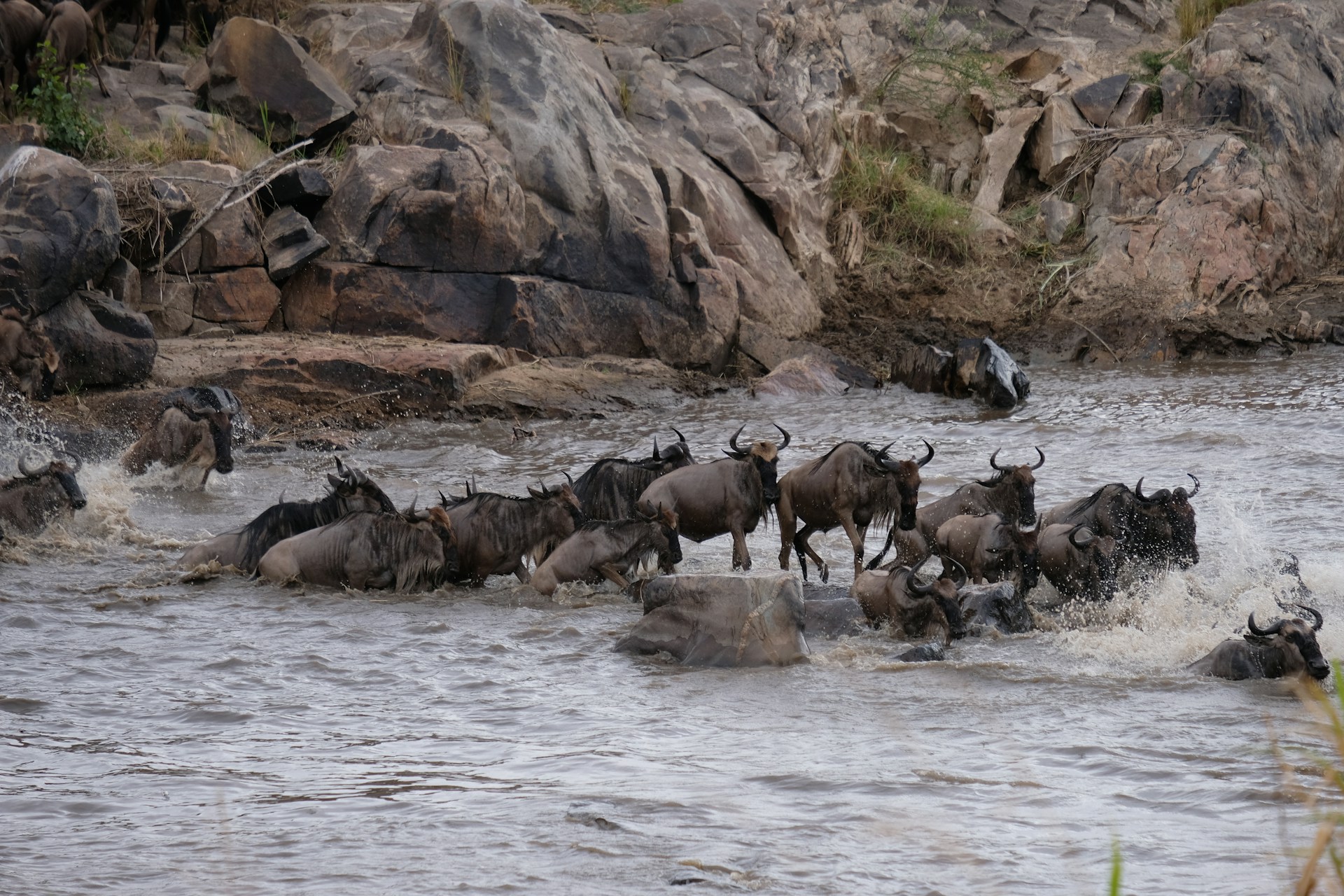
When a crossing begins, it is fast, chaotic, and visually intense.
Animals surge toward the water in waves. Some hesitate at the edge, others push forward, and within seconds the river becomes a high-energy zone of movement and noise.
Below the surface, crocodiles wait for opportunity. On the banks, predators such as lions and hyenas position themselves for weakened or separated individuals.
The entire sequence may last minutes, but the buildup can last much longer.
Best Time to Visit Kenya for the Migration in 2026
July to Early August: Arrival and Early Crossings
This period is best for travelers who want fewer crowds and earlier-stage migration movement. Crossings may occur but are not yet at peak frequency.
Mid-August to September: Peak River Crossing Season
This is the most sought-after window. Herd density is highest, crossings are more frequent, and predator interactions are intense.
This is also the busiest period in the Masai Mara, meaning more vehicles at key observation points.
Late September to October: Transition Phase
By late September, movement becomes less concentrated. Some herds remain, while others begin returning south toward Tanzania.
This period offers a balance between wildlife viewing and slightly reduced crowd levels.
Kenya Versus Other Migration Zones
Relationship With the Serengeti System
The Kenyan phase of the migration cannot be separated from its Tanzanian counterpart in Serengeti National Park. The herds originate in Tanzania, pass through Kenya, and eventually return south.
Kenya represents the most compressed and dramatic phase of the cycle, while Tanzania provides broader ecological continuity across longer timeframes.
Why Kenya Feels More Intense
The Masai Mara is smaller in size compared to the Serengeti, which means wildlife is more concentrated.
This concentration creates higher visibility, more frequent predator encounters, and tighter viewing zones.
It also means more safari vehicles are present during peak season.
Predator Dynamics During Migration Season
Lions and Territory Pressure
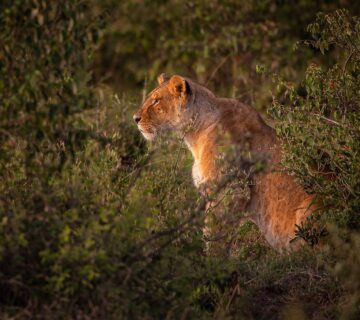
Lion prides within the Masai Mara benefit significantly from migration abundance.
With prey concentrated in predictable areas, hunting success rates increase, and pride interactions become more visible.
Crocodiles and River Control Zones
Nile crocodiles play a central role in shaping crossing behavior. They are not active participants in movement, but they define the risk structure of the river itself.
Their presence is one of the main reasons crossings remain such high-stakes events.
Hyenas and Scavenging Networks
Hyenas often operate at the edges of both riverbanks and grazing zones, taking advantage of injured or separated individuals.
Their adaptability makes them highly successful during migration peaks.
Safari Experience and Viewing Reality
Waiting Versus Movement
Migration safaris in Kenya are often defined by waiting.
Travelers may spend long periods positioned near riverbanks or crossing zones, observing tension build without immediate action.
When movement happens, it is rapid and unpredictable.
Vehicle Concentration at Crossing Points
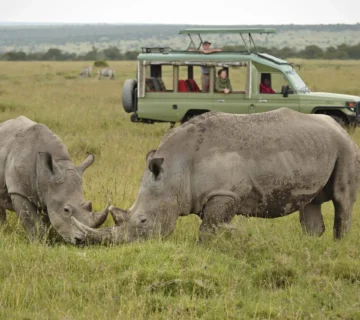
Because crossings are highly sought-after events, multiple safari vehicles often gather at known river locations.
This can create dense viewing clusters, especially during peak August periods.
The Emotional Nature of the Experience
Unlike standard game drives, migration viewing is emotionally charged. The unpredictability, tension, and survival stakes create a different psychological experience for many travelers.
Practical Timing Strategy for 2026
If the goal is to maximize chances of seeing river crossings in Masai Mara National Reserve in 2026, the most consistent window remains mid-August through September, with late July providing early movement opportunities and October offering transitional sightings as herds begin shifting south.
However, even within these windows, success depends on staying near active river zones and allowing flexibility in daily game drive planning.
No single day guarantees a crossing, but longer stays significantly increase the probability of witnessing one or more events.
Kenya Migration Season
In real safari conditions, the Great Migration in Kenya is less about a single dramatic moment and more about extended environmental pressure unfolding over weeks.
The wildebeest are constantly moving, pausing, testing, retreating, and advancing. River crossings are the visible climax of this process, but they represent only a small fraction of the overall migration behavior happening across the landscape.
What defines a successful migration safari in Kenya is not just witnessing a crossing, but understanding the rhythm behind it—the buildup, the hesitation, the movement, and the ecological forces that shape every decision made by the herds.
Start Planning Your Next Trip To Africa
If you can picture yourself in one—or several—of these exceptional retreats, the next move is simple. We design fully tailored African safaris that bring these experiences together seamlessly, from private gorilla encounters to luxury lodges in the heart of the wild.
Every detail is carefully planned, so your journey feels effortless from start to finish. Reach out in whichever way suits you best, and let’s begin crafting your safari.
Start Planning