Nairobi as a Safari Gateway: What to Do with 24–48 Hours in Kenya’s Capital
Nairobi is often treated as a transit point on the way to Kenya’s safari destinations, but in reality it is one of the most important and underrated parts of the journey. Almost every major safari route in Kenya passes through the city, whether you are heading to the Masai Mara, Amboseli, Laikipia, or the coast. In 2026, more travellers are intentionally spending 24 to 48 hours here, not because they have to, but because Nairobi offers a concentrated introduction to Kenya’s wildlife, culture, and conservation story before the safari even begins.
This short stay is not about rushing through attractions. It is about structuring a brief but meaningful transition from international travel into the African safari environment.
Why Nairobi matters in a Kenya safari itinerary
Nairobi is not just a capital city. It is the operational hub of East African safari logistics. Most international flights into Kenya land at Jomo Kenyatta International Airport, making the city the natural entry point for nearly all safari itineraries.
From Nairobi, travellers connect to key safari regions such as the Masai Mara National Reserve, Amboseli, Samburu, and Laikipia via domestic flights or road transfers.
This positioning gives Nairobi a unique role: it is both an arrival point and a reset zone before heading into remote wildlife areas.
The value of a 24-hour Nairobi stopover
A 24-hour stay in Nairobi is typically structured around recovery, orientation, and one or two high-impact experiences.
After long-haul international flights, the first priority is rest. Most luxury travellers use this time to stay in high-end city hotels or boutique properties that provide comfort, security, and easy access to key attractions.
Once rested, the focus shifts to curated experiences that introduce Kenya’s wildlife and culture in a controlled, time-efficient way.
Nairobi National Park: safari without leaving the city
One of the most unique features of Nairobi is its proximity to wildlife. The Nairobi National Park sits just minutes from the city centre, offering a rare opportunity to see wild animals against a backdrop of skyscrapers.
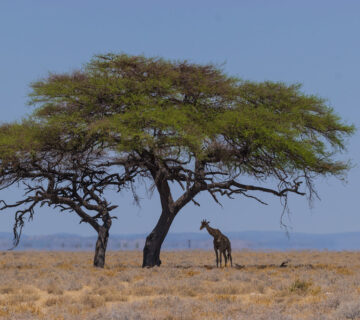
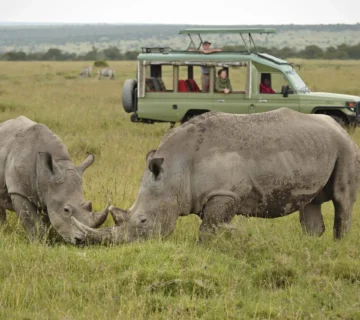
Within a few hours, it is possible to see lions, giraffes, zebras, rhinos, and antelope species in their natural habitat. The park is especially valuable for travellers with limited time, as it delivers an authentic safari experience before heading into larger wilderness areas.
Morning game drives are the most effective, as wildlife is more active and lighting conditions are optimal for photography.
David Sheldrick Wildlife Trust: elephant conservation experience
Another key experience within a short Nairobi stay is the elephant orphanage operated by the David Sheldrick Wildlife Trust.
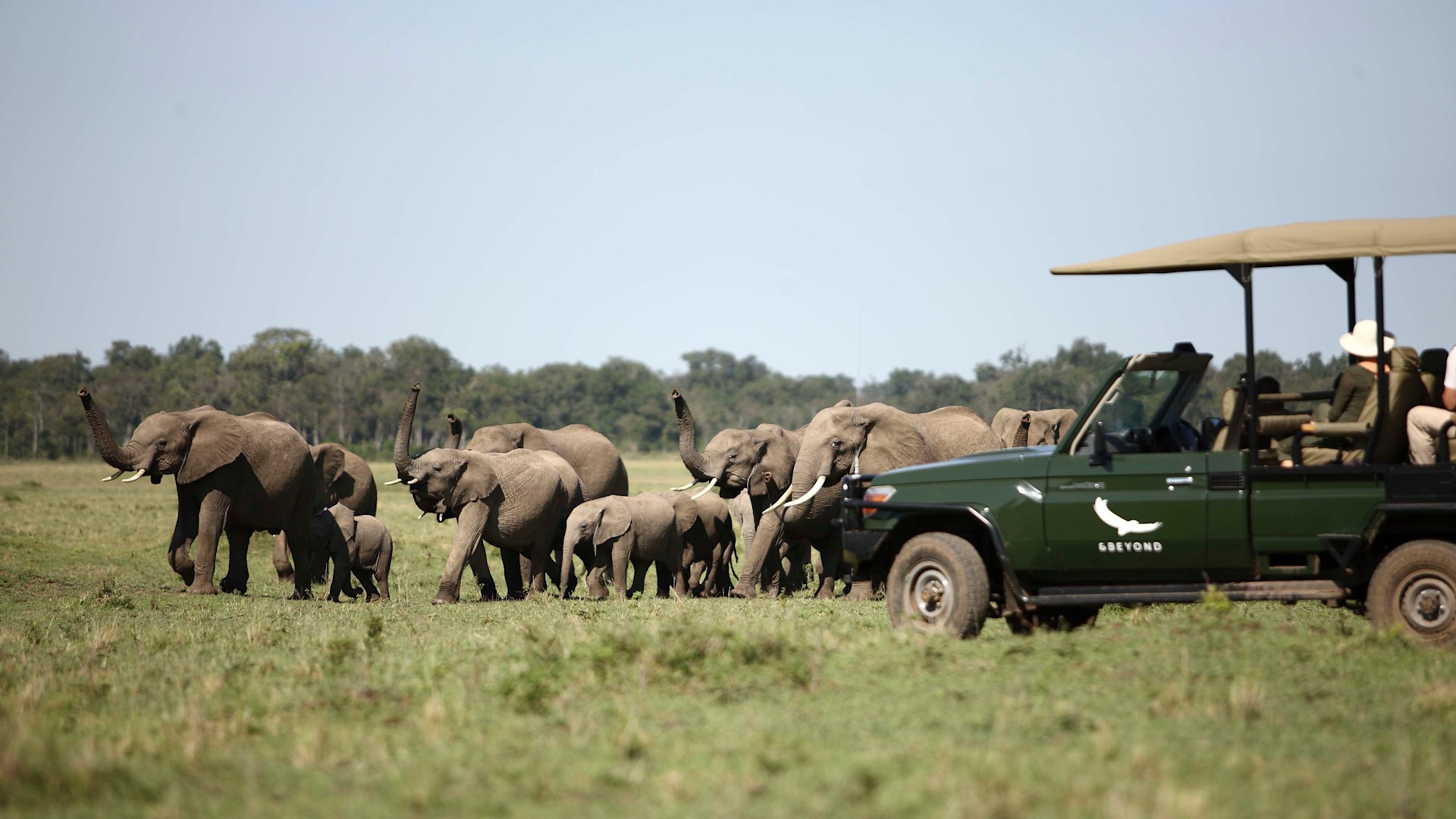
This conservation centre focuses on rescuing and rehabilitating orphaned elephants before reintroducing them into the wild. Visitors can observe feeding sessions and learn about elephant conservation challenges in Kenya.
This experience is not a traditional safari activity. It is educational and conservation-focused, offering context for the wildlife encounters that follow later in the journey.
Giraffe Centre: close-up wildlife interaction
The Giraffe Centre offers one of the most accessible wildlife interactions in Nairobi.
Here, endangered Rothschild’s giraffes are part of a conservation and breeding program. Visitors can observe them at close range and learn about conservation efforts aimed at protecting the species.
This experience is short but highly memorable, especially for first-time visitors to Africa.
Karen and Langata: Nairobi’s quieter safari suburbs
Many of Nairobi’s key attractions are located in the Karen and Langata areas, which offer a greener, more relaxed environment compared to the city centre.
These suburbs are often where travellers stay during short stopovers due to their proximity to wildlife attractions and quieter atmosphere.
The area also reflects Nairobi’s colonial and conservation history, adding depth to a short visit.
48 hours in Nairobi: a more complete experience
With 48 hours, the city opens up significantly, allowing for a more balanced itinerary.
The first day is usually dedicated to recovery and a combination of wildlife experiences such as Nairobi National Park and conservation centres.
The second day allows for cultural exploration, dining, and slower-paced experiences before departure to safari regions.
This extended stay reduces travel fatigue and creates a smoother transition into multi-day safari itineraries.
Cultural context: understanding modern Nairobi
Nairobi is a rapidly evolving city that blends modern infrastructure with deep conservation roots. It is one of the few major capitals in the world located next to a national park.
This dual identity makes it an important part of understanding Kenya as a whole. Safari travel is not isolated from urban life; it is supported by it.
Museums, art spaces, and cultural centres provide additional context for travellers who want to understand Kenya beyond wildlife.
Food and dining in Nairobi
Nairobi has a growing culinary scene that reflects both local and international influences.
Restaurants range from high-end fine dining establishments to traditional Kenyan cuisine and fusion concepts.
For short stays, dining is often combined with accommodation rather than extensive exploration, but even a single evening meal can provide insight into the city’s cultural diversity.
Accommodation strategy for short stays
Accommodation choice in Nairobi depends heavily on itinerary structure.
Luxury travellers often choose hotels in Karen or near the airport for convenience. These locations reduce transfer times and allow easier access to early morning departures for safari flights.
City-centre hotels are more suited for business travellers or those combining Nairobi with extended urban stays.
The key factor is proximity to both the airport and key attractions.
Nairobi as a transition zone, not a destination
The most important way to understand Nairobi in a safari itinerary is as a transition zone.
It is not the final destination of the trip, nor is it the main focus. It is a structured pause between international travel and wilderness immersion.
This transition is important because it allows travellers to adjust to altitude, time zones, and travel rhythm before entering remote safari regions.
Common mistakes travellers make in Nairobi
One of the most common mistakes is treating Nairobi as a purely logistical stop and ignoring its safari and conservation value.
Another mistake is overloading a short stay with too many activities. With only 24 to 48 hours, quality matters more than quantity.
Trying to fit too many attractions into a short window often leads to rushed experiences rather than meaningful engagement.
How Nairobi enhances the overall safari journey
When used correctly, Nairobi enhances the entire safari experience rather than just serving as a stopover.
It introduces wildlife in a controlled environment before the main safari begins. It also provides a conservation narrative that adds context to what travellers will see in places like the Masai Mara.
This early exposure makes later wildlife encounters more meaningful because they are no longer abstract.
Why Nairobi is becoming more relevant in 2026 itineraries
In 2026, safari planning is increasingly focused on experience layering and smooth transitions.
Nairobi fits into this model because it offers short, high-value experiences that bridge international travel and wilderness immersion.
It reduces logistical stress, improves acclimatization, and adds educational value without requiring long stays.
As a result, it is no longer seen as optional downtime but as an intentional part of itinerary design.
What 24–48 hours in Nairobi ultimately delivers
A short stay in Nairobi delivers three key outcomes: rest after international travel, introduction to Kenyan wildlife and conservation, and a smooth transition into safari regions.
It is a compact but important part of the journey that shapes how the rest of the safari is experienced.
When structured properly, it turns arrival day from a logistical necessity into a meaningful first chapter of the safari itself.
Start Planning Your Next Trip To Africa
If you can picture yourself in one—or several—of these exceptional retreats, the next move is simple. We design fully tailored African safaris that bring these experiences together seamlessly, from private gorilla encounters to luxury lodges in the heart of the wild.
Every detail is carefully planned, so your journey feels effortless from start to finish. Reach out in whichever way suits you best, and let’s begin crafting your safari.
Start Planning