Kenya and Uganda Combined Safari: Masai Mara, Gorillas and Chimpanzees
A Kenya and Uganda combined safari in 2026 is one of the most complete wildlife journeys in East Africa because it connects two fundamentally different ecosystems: the open savannahs of Kenya and the dense equatorial forests of Uganda. Unlike purely savannah-based safaris, this itinerary adds a primate dimension that changes the entire rhythm of the experience. You are not only tracking big game across plains but also stepping into rainforest terrain to observe chimpanzees and mountain gorillas at close range.
This combination is increasingly popular among luxury travellers because it delivers three distinct wildlife experiences in a single itinerary: high-density predator viewing in the Masai Mara, chimpanzee tracking in tropical forest, and gorilla trekking in mountainous jungle.
Why Kenya and Uganda complement each other so well
Kenya and Uganda are geographically close but ecologically very different. Kenya represents classic East African savannah safari environments, while Uganda introduces forest-based primate ecosystems.
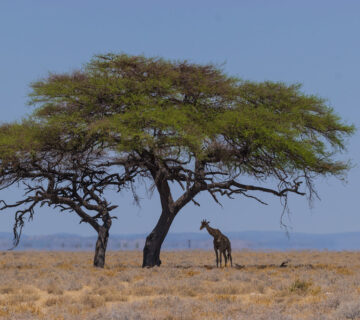
In Kenya, particularly in the Masai Mara National Reserve, wildlife is concentrated in open landscapes. Sightings are frequent, and predator-prey interactions are a major highlight of the experience.
Uganda, on the other hand, shifts the focus to forest ecosystems such as Kibale National Park and Bwindi Impenetrable National Park. Here, wildlife is less visible at a distance and more immersive, requiring guided trekking through dense vegetation.
The combination works because it balances visibility with intimacy, and movement with immersion.
The Masai Mara experience: high-density savannah wildlife
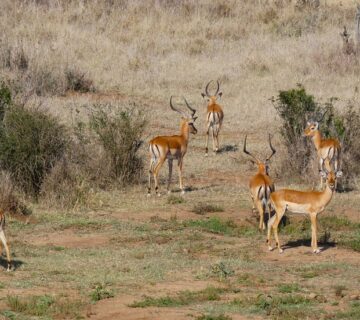
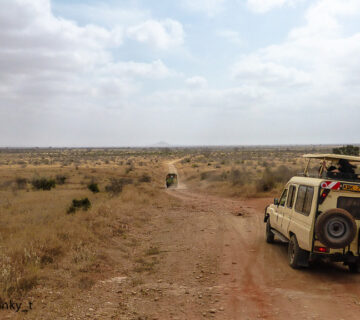
The Kenyan portion of this safari is typically anchored in the Masai Mara ecosystem. This is where the journey begins with traditional game drives across open plains filled with large herbivores and predators.
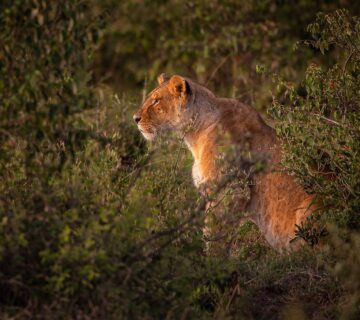
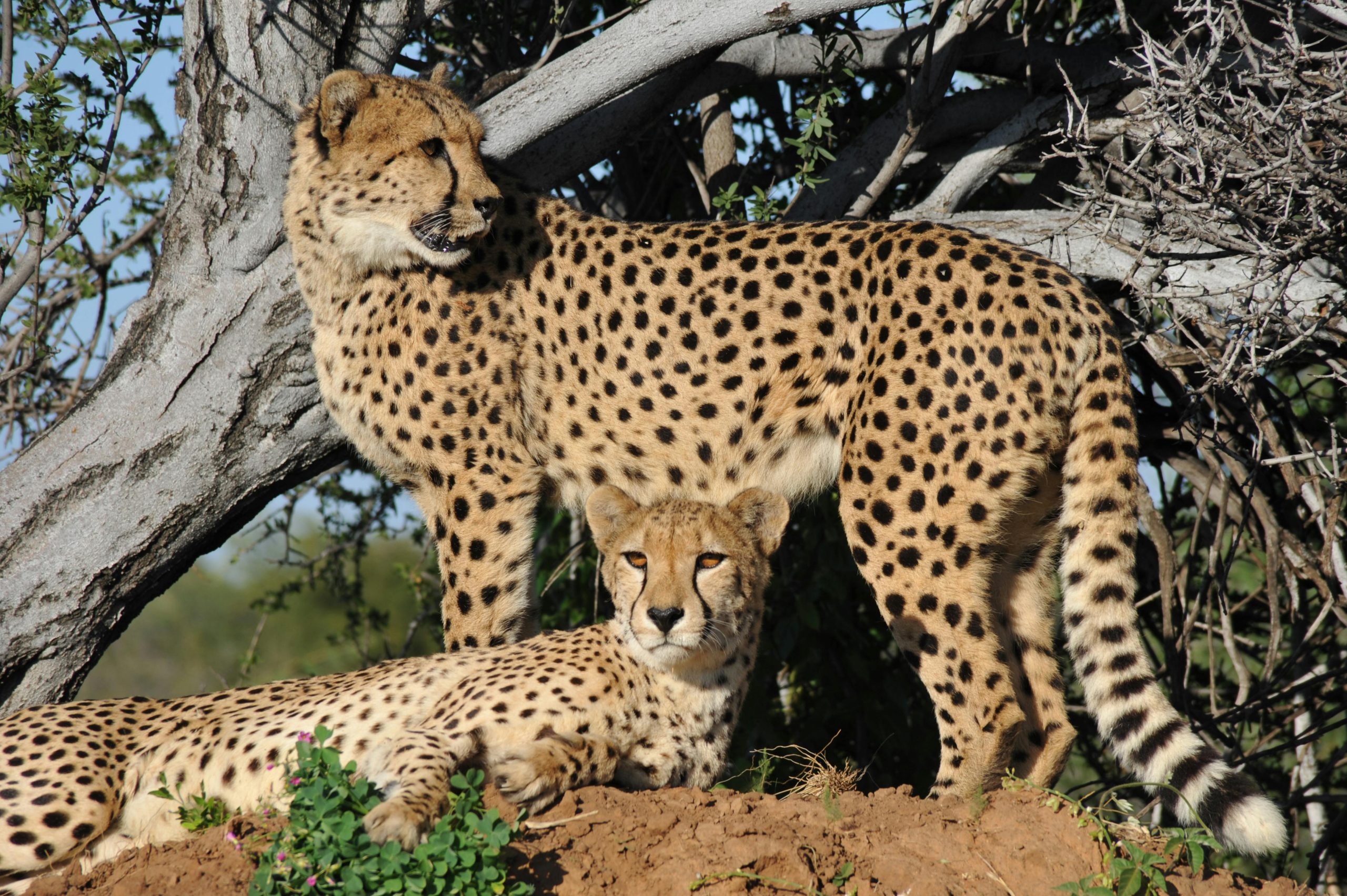
The Mara is known for its high concentration of wildlife, particularly lions, cheetahs, elephants, and hyenas. Game drives are productive, often delivering multiple sightings in a single outing.
During migration season, the experience becomes even more dynamic. Large herds of wildebeest and zebra move across the plains, often followed closely by predators.
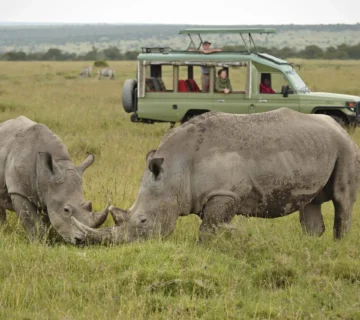
Luxury camps in conservancies around the Mara, such as Mara Plains Camp, enhance this experience by offering low vehicle density and flexible safari activities, including off-road driving.
This stage of the safari is about scale, speed, and visual abundance.
Transitioning from Kenya to Uganda
After the Masai Mara, the itinerary transitions into Uganda, usually via Nairobi and Entebbe.
This shift is not just geographical. It is experiential. The open landscapes of Kenya give way to forested terrain, where visibility is reduced and wildlife encounters require tracking rather than spotting.
Flights between Kenya and Uganda are typically scheduled international connections, followed by domestic transfers to forest regions. This transition marks a clear change in pace and environment.
Kibale Forest: chimpanzee tracking experience
One of the key highlights of Uganda is chimpanzee tracking in Kibale National Park, often referred to as the primate capital of East Africa.
Here, travellers enter dense tropical forest guided by experienced trackers who follow chimpanzee movements. Unlike game drives, this experience is on foot and requires active trekking through forest terrain.
Chimpanzees are highly active and vocal, making the experience dynamic and unpredictable. Once located, visitors spend a limited time observing their behavior, including feeding, grooming, and social interaction.
This experience introduces a completely different safari rhythm compared to Kenya. Instead of observing from a vehicle, you are moving within the environment itself.
Bwindi Impenetrable Forest: mountain gorilla trekking
The most iconic part of the Uganda experience is gorilla trekking in Bwindi Impenetrable National Park.
This involves hiking through steep, dense forest terrain to locate habituated mountain gorilla families. The trek duration varies depending on the location of the gorilla group on that day.
Once found, visitors spend a limited but deeply immersive period observing the gorillas at close range. The experience is quiet, controlled, and highly regulated to protect the animals.
Unlike savannah safaris, this is not about scanning landscapes. It is about patience, tracking, and direct presence within a forest ecosystem.
Why combining safari and primate trekking works
The combination of Kenya and Uganda creates a layered wildlife experience that cannot be achieved in a single ecosystem.
Kenya provides high-density wildlife viewing in open landscapes. Uganda introduces rare primate encounters in forest environments. Together, they create a journey that moves from macro-scale wildlife observation to micro-scale behavioral immersion.
This contrast is the defining strength of the itinerary.
Accommodation differences between Kenya and Uganda
Accommodation reflects the shift in ecosystem.
In Kenya, safari camps are often located in open plains or conservancies. Properties like Angama Mara emphasize panoramic views, modern design, and direct access to wildlife areas.
In Uganda, lodges are located near forest edges and are designed for recovery after physically demanding treks. The focus is on comfort, warmth, and proximity to trekking points rather than expansive views.
This difference reinforces the transition from savannah safari to forest trekking.
Physical demands of the Uganda section
One of the most important considerations in this combined safari is physical activity.
The Kenya portion is relatively low effort, with game drives conducted in vehicles across open terrain.
The Uganda portion requires more physical engagement. Both chimpanzee and gorilla trekking involve hiking through uneven, sometimes steep forest terrain. Conditions can vary depending on weather and animal location.
While the treks are supported by experienced guides and trackers, a reasonable level of fitness is required.
Wildlife diversity versus primate specialization
Kenya offers broad wildlife diversity. In a single day in the Masai Mara, it is possible to see dozens of species across different trophic levels.
Uganda shifts focus to primates. Instead of wide biodiversity, the emphasis is on chimpanzees, gorillas, and other forest species.
This specialization is intentional. It allows for deeper interaction with specific animal groups rather than broad ecosystem sampling.
Ideal duration for a Kenya and Uganda safari
A combined itinerary typically requires 9 to 12 days for a comfortable pace.
Shorter itineraries of around 7 to 8 days are possible but tend to be rushed, especially when including both chimpanzee and gorilla trekking.
A balanced structure usually includes three to four nights in Kenya, two nights in Kibale or nearby forest regions, and two to three nights near Bwindi.
This allows time for travel, acclimatization, and flexibility in trekking schedules.
Cost structure of a combined safari
This itinerary sits in the high-end safari category due to multiple factors.
Kenya contributes costs through luxury camps, conservancy fees, and internal flights within the Masai Mara ecosystem.
Uganda adds additional costs through gorilla trekking permits, chimpanzee tracking permits, and forest lodge accommodation.
These permits are fixed-price conservation fees that directly support wildlife protection and research programs.
Combined, they make this one of the more premium safari combinations in East Africa.
Travel logistics and routing complexity
Logistics play a key role in this itinerary.
The most common routing is Nairobi to Masai Mara, then Nairobi to Entebbe, followed by domestic flights into Uganda’s forest regions.
Each transition requires careful timing to ensure smooth connections between flights and trekking schedules.
Because gorilla trekking permits are date-specific, Uganda often dictates the structure of the entire itinerary.
Who this safari is best suited for
This combination is ideal for travellers seeking both classic safari experiences and immersive primate encounters.
It suits those who want to experience both savannah predators and forest primates in a single journey.
Photographers benefit from the diversity of environments, while experienced safari travellers appreciate the contrast between vehicle-based and on-foot wildlife encounters.
It is less suited for travellers seeking purely relaxed or low-activity holidays due to the physical demands of trekking.
How the experience feels in progression
The journey typically unfolds in three phases.
The first phase in Kenya is dynamic and visually rich, with constant wildlife movement and predator activity.
The second phase in Kibale introduces a shift into forest tracking and auditory-focused wildlife location.
The final phase in Bwindi delivers the most intimate wildlife encounter, centered on direct observation of gorilla families.
This progression moves from broad visibility to concentrated presence.
Why this combination stands out in East Africa
A Kenya and Uganda safari stands out because it integrates two fundamentally different safari systems into one cohesive journey.
It does not repeat the same experience across countries. Instead, it layers different types of wildlife interaction into a single narrative.
This makes it one of the most complete safari itineraries available in East Africa, particularly for travellers who want both savannah wildlife and primate immersion.
Start Planning Your Next Trip To Africa
If you can picture yourself in one—or several—of these exceptional retreats, the next move is simple. We design fully tailored African safaris that bring these experiences together seamlessly, from private gorilla encounters to luxury lodges in the heart of the wild.
Every detail is carefully planned, so your journey feels effortless from start to finish. Reach out in whichever way suits you best, and let’s begin crafting your safari.
Start Planning