Is Kenya Safe for Safari Tourists in 2026?

Is Kenya Safe for Safari Tourists in 2026?

Is Kenya Safe for Safari Tourists in 2026? An Honest, Nuanced Assessment

Kenya is one of those destinations where the word “safe” depends heavily on context. A safari in the Masai Mara feels completely different from an evening walk in a busy city neighbourhood, and both experiences get unfairly merged in online debates. The reality is more layered: Kenya is generally safe for safari tourists when travel is structured properly, but it is not a risk-free destination, and it should not be treated as one.

Millions of travellers visit Kenya every year, and the vast majority complete their safaris without incident, especially in established wildlife areas and conservancies. However, like many global tourism destinations, there are specific risks that exist outside safari circuits that require awareness rather than fear.

The key distinction most travellers miss

The most important safety concept in Kenya is the separation between safari ecosystems and urban environments.

Safari regions such as the Masai Mara, Amboseli, Samburu, Laikipia, and private conservancies operate very differently from cities like Nairobi or Mombasa.

Inside safari zones, tourism is structured, controlled, and highly dependent on professional guiding systems. Wildlife areas are managed with strict protocols, trained guides, and established visitor routes. These environments are designed around tourism safety because wildlife encounters are inherently part of the experience.

In contrast, urban areas behave like any large developing global city. That means normal city risks exist: petty theft, opportunistic crime, and traffic-related safety challenges, especially in crowded or poorly lit areas.

This separation is the foundation of understanding safety in Kenya.

Safety in Kenya’s safari regions

Safari areas are generally the safest environments a traveller will experience in the country.

In the Masai Mara National Reserve and surrounding conservancies, tourism is tightly managed. Vehicles follow designated routes, guides are trained in wildlife behaviour, and camps operate with established security procedures.

Wild animals themselves are not a major safety threat when proper guidelines are followed. Most incidents in safari environments occur only when visitors ignore instructions or leave vehicles in unsafe areas.

In structured safaris, your guide is effectively your safety system. Their decisions are based on decades of wildlife behaviour knowledge, terrain awareness, and communication with other guides in the field.

This is why guided safaris are consistently safer than self-directed exploration in wildlife areas.

Urban safety reality: Nairobi and major towns

Outside safari environments, safety becomes more variable.

In Nairobi, as in many large cities globally, petty crime can occur in crowded areas, transport hubs, and busy streets. These are typically opportunistic incidents rather than targeted threats against tourists, but they are still part of the urban reality.

Most visitors who stay in well-known districts, use arranged transfers, and avoid high-risk zones experience no issues. Problems tend to arise when travellers move without local guidance, especially at night or in unfamiliar neighbourhoods.

The key principle is not avoidance of cities, but structured movement within them.

Regional risk variation across the country

Kenya is not uniform in safety conditions. Risk levels vary significantly depending on geography.

Border regions near Somalia and certain northeastern areas have higher security advisories due to historical instability and cross-border risks. These regions are far from major safari circuits and are not part of standard tourist routes.

Most safari destinations, coastal tourism areas, and central highland regions operate under stable tourism infrastructure and are regularly visited by international travellers.

This geographic separation is important because it means safari tourism functions independently from areas of higher risk.

Terrorism and security presence

Kenya has experienced security challenges in the past, particularly in specific border regions. As a result, security presence is visible in airports, major transport hubs, and public spaces.

This includes screening at entry points and patrols in high-traffic areas.

For travellers, this translates into structured entry procedures rather than direct exposure to risk.

In practical terms, safari travellers moving through established routes rarely interact with high-risk zones, as tourism infrastructure is concentrated in stable regions.

Health and environmental safety factors

Beyond security, health considerations are part of safari safety planning.

Malaria risk exists in some regions, particularly in lowland and coastal areas, although it is manageable with preventative medication and mosquito protection measures.

Basic precautions such as insect repellent, long clothing in evenings, and awareness of sleeping conditions in camps are standard practice.

Food hygiene in reputable safari camps is generally high, with professional catering systems in place.

Environmental factors such as dust, heat, and sun exposure are often more relevant to day-to-day comfort than security risks.

Transport and road safety considerations

One of the more practical safety aspects in Kenya is road travel.

Long-distance road journeys can involve variable road conditions, especially outside major highways. This is one reason many safari itineraries use bush flights instead of long overland transfers.

Road safety risks are reduced significantly when using professional drivers and established safari operators who understand terrain conditions and driving patterns.

Why safari tourism is structurally safer than general travel

Safari tourism in Kenya is a controlled ecosystem.

Travellers move between defined points: airports, lodges, airstrips, and game drive routes. Each of these elements is managed by professionals whose primary responsibility is guest safety.

This system reduces uncertainty and removes many of the variables that exist in independent travel environments.

Even wildlife encounters are structured through distance rules, vehicle protocols, and guide oversight.

The role of guides in safety

Safari guides are not just wildlife interpreters—they are the core safety mechanism of the entire experience.

They are trained in animal behaviour, emergency response, terrain navigation, and communication with lodge networks.

In real terms, your safety on safari depends far more on guide expertise than on external conditions.

This is why reputable operators matter significantly more than the destination itself.

Crowds, infrastructure, and tourism stability

Kenya’s tourism industry is long-established, and infrastructure in major safari regions is designed to handle international visitors.

Camps, lodges, and conservancies operate with consistent safety standards and professional staff.

Even during peak periods such as migration season, operations are structured to manage visitor flow and wildlife interaction safely.

This stability is one of the reasons Kenya remains one of Africa’s most visited safari destinations.

Honest risk summary without exaggeration

A realistic safety assessment of Kenya in 2026 looks like this:

Safari regions are highly structured and generally very safe when using reputable operators
Urban areas require normal city awareness and caution in certain districts
Border regions near high-risk zones should be avoided unless specifically necessary
Health precautions are important but manageable with preparation
Transport safety improves significantly when using professional services

There is no single “yes or no” answer. Safety in Kenya is situational rather than absolute.

The real decision framework travellers should use

Instead of asking whether Kenya is safe overall, the more accurate question is:

Are you staying within structured safari systems and guided environments?

If the answer is yes, then safety levels are comparable to many major global wildlife tourism destinations.

If the answer involves independent movement in unfamiliar urban or border regions, then risk awareness becomes more important.

Kenya’s safari industry is built on controlled access to wilderness environments. That structure is what makes it both accessible and relatively safe for international travellers.

The real advantage of Kenya is not the absence of risk, but the presence of systems that manage it effectively inside tourism zones.

When travellers operate within those systems—guided safaris, established camps, and structured transfers—the experience remains consistently safe and professionally managed.

Kenya eTA

Kenya eTA

Kenya eTA: The New Electronic Travel Authorisation and How to Apply Before You Fly

Kenya has completely changed how visitors enter the country. Instead of the old visa-on-arrival system, most travellers now need an Electronic Travel Authorisation (eTA) before boarding their flight. This system applies to almost all international visitors and is designed to screen travellers in advance, speed up immigration, and improve border control efficiency.

If you are planning a safari, beach holiday, or business trip, the eTA is now a mandatory first step in your journey to Kenya.

What the Kenya eTA actually is

The Kenya eTA (Electronic Travel Authorisation) is an online pre-travel approval linked directly to your passport. It is not a visa stamp and not something you receive on arrival. Instead, it is an electronic clearance issued before travel that confirms you are allowed to board a flight to Kenya.

Once approved, the eTA is digitally associated with your passport number and checked by airlines before departure and by immigration officers upon arrival.

Since its introduction, it has replaced the previous visa system for most travellers entering Kenya.

Who needs a Kenya eTA

Most foreign travellers entering Kenya are required to apply for an eTA before travel. This includes tourists, safari travellers, business visitors, and people transiting through Kenya if they leave the airport or stay overnight.

There are a few exemptions, such as citizens of certain East African Community countries and specific residency or diplomatic categories, but for the majority of international visitors, the eTA is compulsory.

This means whether you are flying into Nairobi for a safari in the Masai Mara or connecting through Kenya to another destination, you will likely need approval in advance.

When you should apply for the eTA

Timing is important.

The application can be submitted up to 3 months before travel, and most travellers are advised to apply once flights and accommodation are confirmed. Processing is generally fast, often taking around 1–3 working days, but delays can happen depending on document accuracy or travel season demand.

Because airlines check for approval before boarding, travelling without an approved eTA can result in denied boarding.

What you need before applying

The application is fully online, but it requires specific documents prepared in advance.

You will need a valid passport with at least six months validity from your arrival date, a recent passport-style photo or selfie, confirmed travel details such as flights, and accommodation information in Kenya.

You may also need additional documents depending on your travel history, such as a yellow fever vaccination certificate if you are arriving from a risk area.

A valid payment method is required for the application fee.

These requirements are designed to ensure your entry details are clear before you travel, rather than processed at the airport.

How to apply step by step

The application process is straightforward but must be completed carefully.

You begin by accessing Kenya’s official eTA portal and creating an account. You then fill in personal details exactly as they appear on your passport, including full name, nationality, and passport number.

Next, you enter your travel details, including arrival date, flight information, and accommodation location in Kenya. This is followed by uploading your documents, including your passport copy and photo.

Once everything is complete, you pay the application fee online and submit the form for processing.

After submission, you receive a reference number that allows you to track the status of your application until approval is issued.

Processing time and approval expectations

Most applications are processed within a few days, provided all information is correct. In many cases, approval is issued within 24 to 72 hours.

However, processing times can extend if documents are unclear, if additional verification is needed, or during peak travel periods when application volumes are high.

Once approved, the eTA is sent electronically to your email. It is recommended to carry a printed or digital copy when travelling, although immigration officers primarily verify it electronically.

Important rules travellers often miss

One of the most important rules is that your eTA is linked to a specific passport. If your passport changes or expires before travel, you must reapply.

Another key point is that approval does not guarantee entry. It allows you to travel to Kenya, but final admission is always determined by immigration officers on arrival.

The eTA is also typically valid for a single entry within a set validity period, meaning each new trip requires a fresh application.

Entry process when you arrive in Kenya

Once you land at Jomo Kenyatta International Airport in Nairobi or another entry point, immigration officers will scan your passport and verify your eTA electronically.

If everything matches, entry is usually smooth and efficient.

From there, most safari travellers continue directly to domestic transfers, often through Wilson Airport for bush flights into destinations like the Masai Mara or northern Kenya conservancies.

Why Kenya introduced the eTA system

The shift to eTA was designed to modernize entry procedures and improve security screening before arrival.

Instead of processing visas on arrival, Kenya now pre-screens travellers digitally, which reduces congestion at immigration counters and speeds up airport processing.

It also allows better coordination with airlines, since boarding can be restricted if travellers do not have valid authorisation.

What this means for safari travellers

For safari planning, the eTA is simply a mandatory step in the logistics chain.

It does not change your itinerary, but it does affect timing. You cannot leave eTA approval to the last minute, especially if you are connecting directly into bush flights on arrival.

In practice, it should be treated with the same importance as booking flights or camps.

The simple way to think about it

The Kenya eTA is not complicated, but it is strict.

It is an online approval system that ensures you are cleared to travel before you board your flight. Once approved, it becomes part of your travel record and is checked automatically at every entry point.

For safari travellers, it is the administrative starting point of the entire journey into the bush.

Kenya Safari Packing List

Kenya Safari Packing List

Kenya Safari Packing List: What to Bring for the Masai Mara and the Conservancies

Packing for a Kenya safari is less about quantity and more about precision. The environment is not urban, predictable, or easily replaceable—once you are inside ecosystems like the Masai Mara National Reserve or surrounding conservancies, access to shops and supplies is extremely limited. What you bring directly affects your comfort, mobility, and overall safari experience.

Unlike typical travel, safari packing is shaped by three realities: variable temperatures, strict aircraft weight limits, and long hours in open vehicles.

Understanding the safari environment first

Before packing anything, it helps to understand what you are actually preparing for.

A Kenya safari is a mix of:

Early morning game drives in cold conditions
Midday heat in open savannah
Dusty or muddy terrain depending on season
Limited infrastructure once inside parks or conservancies
Small aircraft transfers with strict luggage restrictions

This combination is what defines what you should carry—not general travel habits.

The biggest mistake safari travellers make

The most common packing mistake is overpacking heavy urban clothing and underestimating practical field conditions.

Safari travel is not fashion travel. It is functional mobility across changing climates, often in the same day.

The second major mistake is ignoring bush flight restrictions, which often require soft-sided luggage and strict weight limits.

Luggage rules for bush flights

If your itinerary includes flying from Nairobi into safari regions via Wilson Airport, your luggage must comply with aviation restrictions.

Soft-sided bags are required because they fit into small aircraft cargo holds.

Hard-shell suitcases are usually not accepted on bush planes.

Weight limits are also strictly enforced and typically lower than international flight allowances.

This alone determines how efficiently you should pack.

Clothing: the core safari wardrobe logic

Safari clothing is built around layering rather than volume.

Early mornings can be surprisingly cold, especially in open vehicles. Midday conditions can become warm and bright. Evenings return to cooler temperatures.

The goal is adaptability, not variety.

Neutral colours are preferred because they reduce visibility to wildlife and minimize attraction of insects.

Breathable fabrics are more important than style.

What to wear on game drives

During game drives, comfort and practicality matter most.

You need clothing that allows movement, protects against sun exposure, and handles dust.

Long-sleeved shirts are commonly used to protect against sun and insects.

Light trousers are preferred over shorts for similar reasons.

A light jacket or fleece is essential for early morning drives when temperatures drop significantly.

Footwear should be closed, comfortable, and suitable for uneven terrain.

Layering strategy for changing temperatures

One of the most important safari packing principles is layering.

Mornings often require multiple layers due to cold air in open vehicles.

As the sun rises, layers can be removed.

By midday, light clothing is usually sufficient.

In the evening, temperatures drop again, requiring added warmth.

This cycle repeats daily, especially in open ecosystems like the Mara plains.

Sun protection essentials

The equatorial sun in Kenya is strong year-round, and exposure during game drives is continuous.

Protection is not optional—it is essential for comfort.

A wide-brim hat or cap helps reduce direct sun exposure.

Sunglasses are necessary for glare reduction, especially in open savannah landscapes.

High-SPF sunscreen is critical because exposure hours are long and repeated.

Dust and wind protection

In dry seasons, dust becomes a major environmental factor, especially in game drive vehicles moving across open plains.

A light scarf or buff is useful for covering the nose and mouth when conditions are windy or dusty.

Eye protection also becomes important during long drives on unpaved roads.

Binoculars: the most underrated safari tool

Binoculars dramatically improve safari quality.

Many wildlife sightings occur at a distance, especially predators resting or animals moving across open plains.

Good binoculars allow you to follow behavior, not just presence.

This is especially important in large ecosystems where animals are not always close to the vehicle.

Camera equipment considerations

Photography is a major part of safari travel for many visitors, but equipment should be practical rather than excessive.

A zoom lens is more useful than multiple fixed lenses because wildlife is often at variable distances.

Extra batteries are essential due to long days in the field.

Dust protection for camera gear is important because vehicles are open and conditions can be dry.

Health and personal care items

Safari locations are remote, so basic medical and personal care items should always be carried.

Motion sickness tablets can be useful for travellers sensitive to small aircraft or bumpy roads.

Personal medication should always be carried in original packaging.

Insect repellent is useful, especially in greener or wetter areas during certain seasons.

Hand sanitizer is practical due to limited facilities in the field.

Daypack essentials for game drives

During game drives, you typically carry only a small personal bag.

This should contain essentials for comfort and convenience during long hours in the field.

Water is usually provided by safari operators, but personal hydration awareness is still important.

Light snacks may be included depending on lodge style.

A light jacket, sunscreen, and camera equipment are typically the core contents of a daypack.

Packing for conservancy stays

Staying in private conservancies around the Mara introduces slightly different conditions compared to the main reserve.

These areas often offer more flexibility in activities such as walking safaris or night drives, which may influence footwear and clothing choices.

Evening temperatures can be slightly cooler in elevated conservancy areas, making warm layers more important.

The overall packing principle remains the same, but with more emphasis on adaptability.

Laundry reality in safari camps

Most safari camps offer laundry services, which reduces the need to overpack.

This is an important factor that many first-time travellers underestimate.

Because laundry is available, packing can be lighter and more focused on rotation rather than volume.

This is especially useful for multi-camp itineraries.

Electronics and charging considerations

Power availability in safari camps is generally reliable, but can vary depending on location.

Charging points are usually available in tents or main areas, but it is still wise to carry portable charging solutions.

Adapters for international plugs may be required depending on your country of origin.

Extended game drives mean devices should be charged whenever possible, not only overnight.

What not to bring on safari

One of the most important parts of safari packing is understanding what to leave behind.

Heavy formal clothing is unnecessary.

Excess footwear is impractical.

Bright or highly reflective clothing is not ideal in wildlife environments.

Large hard-shell suitcases are not compatible with bush flights.

The goal is to reduce weight, not increase options.

The real logic behind safari packing

Packing for Kenya is not about preparing for one climate or one activity.

It is about preparing for a moving environment that shifts hourly—temperature changes, terrain variation, and logistical transitions between air, road, and wilderness.

The most effective safari travellers are not those who bring the most, but those who bring only what adapts.

Everything in your bag should serve a direct function in the field.

Wilson Airport Nairobi

Wilson Airport Nairobi

Wilson Airport Nairobi: Everything You Need to Know About Kenya’s Safari Gateway

Wilson Airport is one of the most important but least understood parts of a Kenya safari journey. While international travellers usually arrive through Jomo Kenyatta International Airport, the real operational hub for safari travel is Wilson Airport in Nairobi. This is where most bush flights depart for national parks, conservancies, and remote airstrips across Kenya.

For destinations such as the Masai Mara National Reserve, Wilson Airport is not just a transit point—it is the gateway that connects urban Nairobi to the wilderness within hours.

What Wilson Airport actually is

Wilson Airport is a domestic aviation hub located just a short distance from central Nairobi. Unlike the international airport, it is smaller, more functional, and dedicated almost entirely to regional and safari flights.

It serves as the base for light aircraft operations that connect travellers to Kenya’s key wildlife regions. This includes scheduled bush flights, charter services, and private safari aviation.

The airport is named after Florence and Michael Wilson, early aviation pioneers in Kenya, and has evolved into one of the busiest general aviation airports in Africa.

Why Wilson Airport matters for safari travel

Wilson Airport is the operational backbone of Kenya’s safari industry. Almost every high-end safari itinerary that includes flying between parks relies on this airport.

From here, travellers are flown directly into airstrips located inside or near national parks and conservancies. These include the Masai Mara, Amboseli, Samburu, Laikipia, Tsavo, and many private conservancies.

Without Wilson Airport, Kenya’s multi-park safari circuits would be significantly slower and less efficient.

It is the point where international arrival transitions into wilderness logistics.

How the airport fits into your arrival in Nairobi

Most international travellers land first at Jomo Kenyatta International Airport. From there, they either transfer directly to Wilson Airport or stay overnight in Nairobi before continuing their safari.

The transfer between the two airports is relatively short in distance but can vary in time depending on Nairobi traffic conditions.

Because of this, safari itineraries are often designed around buffer time to ensure smooth connection between international arrival and domestic departure.

What the experience at Wilson Airport feels like

Wilson Airport is very different from a commercial international terminal.

It is smaller, more informal, and highly operational. Instead of long queues and large crowds, you will typically find safari passengers, pilots, crew members, and ground staff moving efficiently between aircraft and waiting areas.

The environment feels more like a logistics hub than a traditional airport terminal.

You board small aircraft directly from the tarmac, often walking a short distance from the terminal building to your plane.

Aircraft types and safari flights

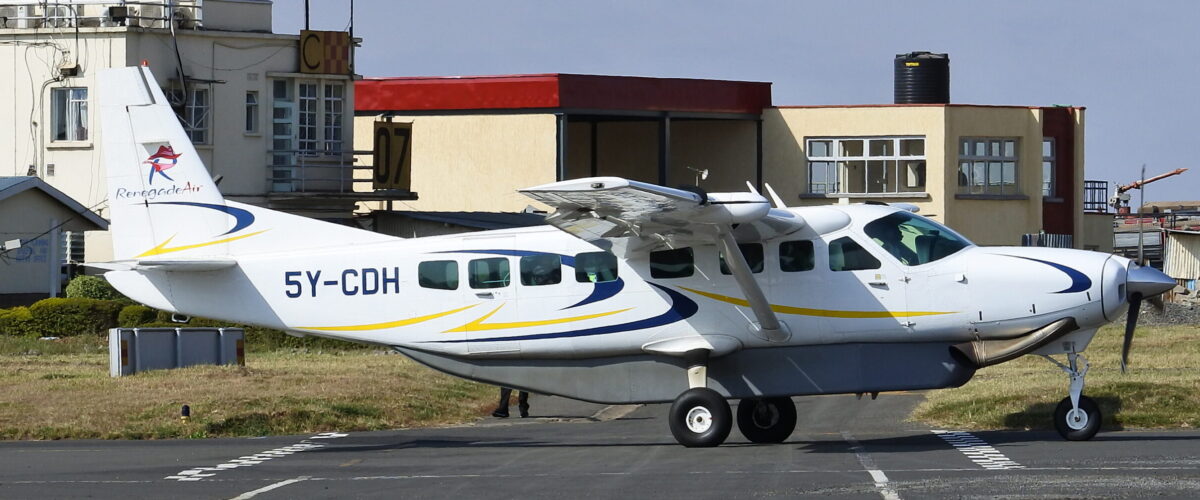
The aircraft operating from Wilson Airport are typically small propeller planes designed for short takeoff and landing capabilities.

These aircraft are used because many safari airstrips in Kenya are remote and have unpaved runways.

Common aircraft types include light twin-engine planes that carry between 6 and 12 passengers.

Flights are arranged to maximize efficiency, often combining passengers heading to nearby destinations on the same route.

The Nairobi to Masai Mara connection

One of the most important routes from Wilson Airport is the Nairobi to Masai Mara corridor.

Flights on this route take approximately 45 minutes to 1 hour depending on the specific airstrip.

Instead of landing at a single central airport, aircraft fly directly into multiple small airstrips positioned near lodges and conservancies.

This is what makes the Masai Mara system so accessible compared to other safari regions in Africa.

Once you land, you are typically met by safari guides and transferred directly into the reserve or conservancy for your first game drive.

Inside the Masai Mara ecosystem connection

In regions such as the Masai Mara ecosystem, Wilson Airport acts as the launch point for accessing one of the most wildlife-dense areas in Africa.

Once airborne, the landscape quickly transitions from urban Nairobi to agricultural land, and then into open savannah as you approach the reserve.

This rapid shift is part of what makes safari travel in Kenya so efficient—you move from city to wilderness in under an hour of flying.

Northern Kenya connections from Wilson Airport

Wilson Airport is also the departure point for northern Kenya safari regions such as Laikipia, Samburu, Lewa, and surrounding conservancies.

These regions are more remote and spread out, making air travel essential for practical access.

Flights to northern Kenya are slightly longer than Masai Mara routes but still significantly faster than road travel.

This connectivity allows travellers to combine multiple ecosystems within a single itinerary without long overland transfers.

Check-in process and passenger flow

The check-in process at Wilson Airport is straightforward but different from commercial airports.

Passengers typically arrive, confirm their flight details with the operator, and proceed through a simplified security and boarding process.

Luggage is weighed and loaded directly into aircraft storage compartments.

Because of strict weight limits, soft-sided bags are required, which is standard across all safari flights in Kenya.

Timing and scheduling reality

Flights from Wilson Airport operate on fixed morning and afternoon schedules, but they are more flexible than commercial airline timetables.

Weather conditions, passenger routing, and aircraft availability can occasionally influence departure times.

Morning flights are generally preferred because they offer more stable flying conditions and better coordination with safari game drive schedules upon arrival.

Why Wilson Airport is central to safari efficiency

The importance of Wilson Airport is not just logistical—it is structural.

It enables Kenya’s safari system to function as a multi-destination network rather than a linear travel route.

Without it, travellers would spend significantly more time on roads between parks.

With it, they can experience multiple ecosystems in a single journey with minimal travel fatigue.

This is especially important for itineraries that include combinations such as Nairobi, Masai Mara, and northern Kenya conservancies.

The transition from city to wilderness

One of the most defining aspects of departing from Wilson Airport is the immediate transition experience.

Within minutes of takeoff, Nairobi’s urban environment fades into agricultural landscapes, and then gradually into wild terrain.

By the time you approach your destination airstrip, you are already visually immersed in safari environments.

This creates a psychological shift that marks the beginning of the safari experience rather than just transport.

Arrival experience at safari airstrips

Flights from Wilson Airport typically land at small bush airstrips located near lodges or inside conservancies.

These airstrips are simple, functional, and surrounded by natural landscapes.

There are no large terminals or infrastructure—just a landing strip and safari vehicles waiting for guests.

In many cases, wildlife may even be visible near the airstrip, reinforcing the sense that you have already entered the ecosystem.

Why Wilson Airport is often underestimated

Most travellers focus on international airports and safari destinations, but Wilson Airport is the critical link that connects the entire system.

It is where the logistical complexity of safari travel is managed efficiently and quietly.

Without it, Kenya’s ability to support fast, multi-region safari circuits would not be possible.

It is not a tourist attraction in itself, but it is central to nearly every safari journey in the country.

The real role of Wilson Airport in safari design

Wilson Airport functions as the operational bridge between international arrival and wilderness immersion.

It compresses geography, reduces travel time, and enables flexible routing across Kenya’s diverse ecosystems.

For most travellers, it is the point where planning becomes reality and the safari experience truly begins.

Bush Flights in Kenya

Bush Flights in Kenya

Bush Flights in Kenya: How to Get from Nairobi to the Masai Mara and the Northern Parks

Bush flights are one of the defining features of a Kenya safari, and they are often the moment when the experience shifts from “travel” into “wilderness immersion.” Instead of long road transfers across highways and dusty tracks, small aircraft carry you directly from Nairobi into remote airstrips inside or near national parks.

These flights are not luxury add-ons—they are the backbone of high-end safari logistics in Kenya, especially for accessing the Masai Mara and the more remote northern conservancies.

How bush flights actually work in Kenya

Bush flights are short-haul scheduled or semi-scheduled flights operated by light aircraft, typically carrying between 6 and 12 passengers. They connect Nairobi with remote safari airstrips that are too far from major airports to be served efficiently by road transfers alone.

The main departure point for these flights is Wilson Airport in Nairobi, which handles all domestic safari aviation rather than the international airport.

From there, aircraft follow multiple daily routes into Kenya’s key safari regions.

Unlike commercial airline travel, bush flights operate with flexibility. Schedules can shift slightly based on weather, passenger routing, and airstrip conditions, but they follow predictable morning and afternoon waves.

Nairobi to the Masai Mara: the most common bush flight route

The most important and busiest bush flight corridor in Kenya is between Nairobi and the Masai Mara ecosystem.

This route typically takes between 45 minutes and 1 hour depending on the airstrip and aircraft type.

You are flown directly into small airstrips located within or adjacent to the reserve and conservancies, such as Mara North, Keekorok, Ol Kiombo, or Ol Seki depending on your lodge location.

This is what makes the Masai Mara so accessible compared to other major African safari destinations—you can leave Nairobi in the morning and be on a game drive before midday.

In ecosystems like the Masai Mara National Reserve, bush flights are not just convenient; they are essential for reducing travel fatigue and maximizing time in the field.

What the bush flight experience actually feels like

A bush flight in Kenya is very different from a commercial airline experience.

You board a small aircraft on a simple tarmac, often with visible loading of luggage into the rear compartment. Seating is light, and passengers are often close to the pilots.

Once airborne, the transition is immediate. Within minutes of leaving Nairobi, urban density disappears and the landscape opens into patchwork farmland, then gradually into wild terrain.

As you approach the Masai Mara, the scenery becomes more dramatic—wide savannahs, river systems, and scattered wildlife if conditions are right.

There is no formal cabin service or entertainment system. The experience is visual and direct, almost like a scenic transfer rather than transport.

Why bush flights are preferred over road transfers

While it is possible to drive from Nairobi to the Masai Mara, the journey takes approximately 5 to 6 hours depending on road conditions.

Bush flights reduce this to under an hour.

This difference is not just about convenience—it changes the entire structure of a safari itinerary.

With flights, you gain:

More time in the wildlife areas
Less physical fatigue from long road travel
Direct access to remote conservancy airstrips
Better alignment with morning game drives

For luxury and mid-range safaris, flying is often the default option rather than an upgrade.

Luggage rules and what travellers often misunderstand

Bush flights operate with strict luggage limitations due to aircraft size and weight restrictions.

Soft-sided bags are required rather than hard-shell suitcases because they must fit into compact cargo holds.

Weight limits are generally lower than international flights, and excess luggage is usually stored in Nairobi for the duration of the safari if needed.

This is an important planning detail that affects packing strategy more than most travellers expect.

Flying into different parts of the Masai Mara ecosystem

The Masai Mara is not a single uniform destination—it is a network of reserve zones and private conservancies, each with its own airstrip access.

Flights may land directly inside the main reserve or in adjacent conservancies depending on your camp location.

Conservancy airstrips often provide faster access to lodges and less congested arrival experiences.

This system allows for highly tailored safari routing, where your flight path is directly linked to your accommodation choice.

Bush flights to northern Kenya: Laikipia, Samburu and beyond

Beyond the Masai Mara, bush flights are essential for accessing northern Kenya’s more remote safari regions.

These include Laikipia, Samburu, Lewa, and other semi-arid ecosystems that are not efficiently connected by road from Nairobi.

Flights to these regions are typically slightly longer than Mara routes, often ranging from 1 to 1.5 hours depending on destination.

In areas such as Laikipia, bush flights are particularly important because lodges are spread across vast conservancies rather than concentrated park entry points.

This is where flying becomes not just convenient but necessary for efficient safari design.

Northern Kenya flight experience and landscape transition

Flights into northern Kenya offer a striking visual transition.

As you leave Nairobi, the landscape shifts from urban sprawl to farmland, then to progressively drier terrain.

As you approach regions like Samburu or Laikipia, the environment becomes more arid and rugged, with visible geological formations, river valleys, and open bushland.

In contrast to the green plains of the Mara, this region feels more sculpted and raw from the air.

Weather sensitivity and flight reliability

Bush flights are generally reliable, but they are more sensitive to weather conditions than commercial aviation.

Heavy rain, low visibility, or strong winds can occasionally delay departures or arrivals, especially in remote airstrips.

However, operators are experienced in managing these conditions, and schedules are adjusted dynamically to maintain safety and efficiency.

Morning flights are typically more stable than afternoon flights due to calmer atmospheric conditions.

Why bush flights define the luxury safari experience

In modern Kenya safari design, bush flights are not just transportation—they are part of the experience architecture.

They allow itineraries to be multi-destination without losing time to road logistics.

A traveller can realistically combine Nairobi, the Masai Mara, and northern Kenya in a single trip without exhausting overland transfers.

This is what enables high-end safari circuits that feel seamless rather than fragmented.

The psychological transition of flying into the bush

One of the most overlooked aspects of bush flights is the mental shift they create.

You start in a controlled urban environment, then within an hour you are descending into open wilderness.

There is no gradual transition. It is immediate.

This compression of space and time is part of what makes Kenya safaris feel immersive very quickly. The journey itself becomes part of the narrative rather than just a logistical step.

Arrival into airstrips: the final stage of the journey

Landing at a bush airstrip is one of the most distinctive parts of a Kenya safari.

Airstrips are simple, often unpaved, and located in open terrain close to wildlife zones.

There are no large terminals or infrastructure—just a landing strip, a small waiting area, and safari vehicles ready to collect guests.

In many cases, wildlife can be visible near the airstrip itself, reinforcing the sense that you are already inside the ecosystem.

Why bush flights matter for itinerary design

Bush flights fundamentally shape how Kenya safaris are structured.

They allow:

Short stays in multiple regions
Efficient multi-park combinations
Reduced travel fatigue
Access to remote conservancies

Without them, most safari itineraries would be significantly longer and more physically demanding.

They are a key reason Kenya supports flexible, high-end safari circuits across multiple ecosystems.

The real value of bush flights in Kenya safaris

At a practical level, bush flights are about time efficiency.

But at an experiential level, they are about transition.

They compress distance, remove friction, and deliver you directly into wildlife environments with minimal interruption.

For most travellers, the flight from Nairobi into the bush is the moment the safari actually begins in a psychological sense.

Flying into Nairobi

Flying into Nairobi

Flying into Nairobi: Which Airlines Serve Kenya and How to Connect to Your Safari

Flying into Nairobi is the beginning of almost every Kenya safari, because the capital sits at the centre of East Africa’s air network. The main entry point is Jomo Kenyatta International Airport (NBO), a busy regional hub that connects long-haul international flights with short safari hops into the bush.

For most travellers, the real planning question is not just “how do I get to Nairobi?” but “how do I connect smoothly from the airport into the Masai Mara, Amboseli, Laikipia, or the coast?”

Nairobi as East Africa’s aviation gateway

Nairobi is one of the strongest airline hubs on the continent, serving dozens of international and regional destinations. The airport handles connections across Europe, the Middle East, Asia, and Africa, making it extremely accessible for safari travellers coming from almost anywhere.

The main airport, Jomo Kenyatta International Airport, is the entry point for all long-haul international arrivals into Kenya.

Once you land here, your safari journey typically continues via either domestic flights or road transfers depending on your itinerary.

Major international airlines flying into Nairobi

Nairobi is served by a wide range of global carriers, which is one of the reasons Kenya is considered one of the easiest safari destinations to access.

You will commonly find flights operated by major international airlines such as:

British Airways
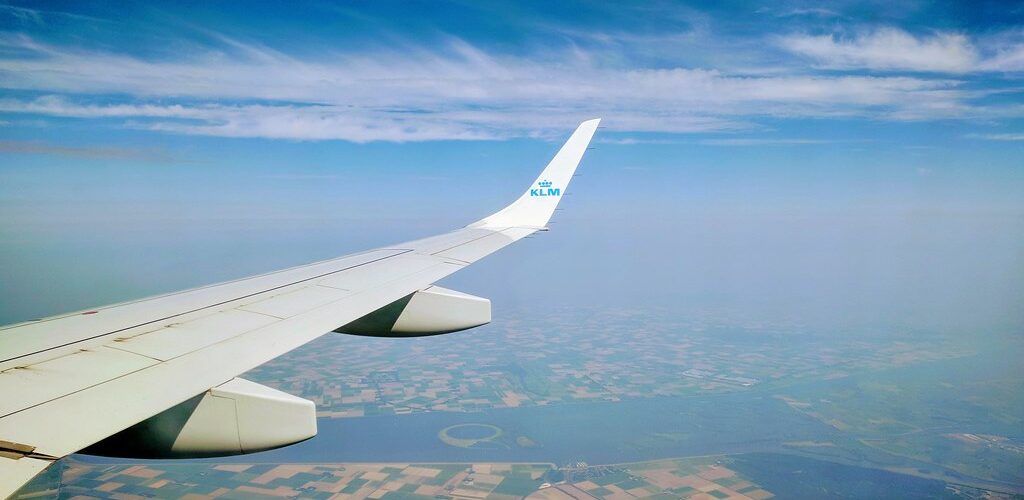
KLM
Lufthansa
Turkish Airlines
Qatar Airways
Emirates
Etihad Airways
Air France
Brussels Airlines
Swiss (seasonal or codeshare depending on routing)

These airlines typically connect Nairobi through major hubs like London, Amsterdam, Frankfurt, Istanbul, Doha, and Dubai.

For many travellers, the most efficient routes are those through the Middle East, because they offer shorter total travel time and strong daily frequency.

African regional airlines and safari connections

Once inside Africa, Nairobi becomes a central hub for regional travel. This is important because many safari destinations require a second short flight after landing.

Key regional carriers include:

Kenya Airways (the national carrier and main hub operator)
RwandAir
Ethiopian Airlines
Uganda Airlines
Air Tanzania
Precision Air
Airlink (for Southern Africa connections)
Jambojet (low-cost domestic flights)

These airlines connect Nairobi with cities like Entebbe, Kigali, Dar es Salaam, Addis Ababa, Johannesburg, Zanzibar, and Mombasa.

More importantly for safaris, they also support internal Kenyan routes into smaller airstrips closer to national parks.

Domestic safari flights: the real safari connection system

Most high-end safaris in Kenya do not rely on road travel alone. Instead, travellers use small aircraft to reach remote airstrips close to wildlife areas.

From Nairobi, you typically transfer to Wilson Airport for safari flights. However, international arrivals land at Jomo Kenyatta International Airport, so most itineraries include a short road transfer between the two airports or a nearby hotel stay.

From Wilson Airport, bush flights operate into destinations such as:

Masai Mara airstrips
Amboseli
Laikipia conservancies
Samburu
Tsavo
Lewa Downs

These flights are short, usually between 30 minutes and 90 minutes depending on destination, and they dramatically reduce travel time compared to road transfers.

The typical arrival flow for safari travellers

A standard Kenya safari arrival sequence usually looks like this:

You land internationally at Jomo Kenyatta International Airport
You clear immigration and collect luggage
You transfer to a hotel in Nairobi or directly to Wilson Airport
You take a domestic bush flight to your safari destination

In some cases, travellers split the arrival into two days to reduce fatigue, especially after long-haul flights from Europe or North America.

Why Nairobi connections matter more than people expect

Nairobi is not just a stopover—it is a logistical control point for your entire safari.

The timing of your arrival flight affects:

Whether you can catch same-day safari flights
Whether you need a Nairobi overnight stay
How smoothly your luggage transfers to domestic carriers
How much time you spend in transit versus in the bush

Because safari flights operate on strict morning and afternoon schedules, missing a connection can shift your entire itinerary by a full day.

Internal airport structure and transfer reality

Jomo Kenyatta International Airport is a large, multi-terminal hub with separate zones for international and domestic traffic.

International arrivals come through the main terminal system, while domestic connections for safari flights often require moving to Wilson Airport, which is located within Nairobi but operates independently.

This transfer is one of the most important parts of planning your safari, because Nairobi traffic can be unpredictable and travel time between airports can vary significantly.

Many safari operators therefore build in buffer time or recommend a Nairobi overnight stay before onward travel.

Alternative routing: direct safari connections from Nairobi

Some travellers choose to bypass overnight stays entirely by timing their international arrival carefully.

If you arrive early in the morning, it is sometimes possible to connect directly to a same-day safari flight to the Masai Mara or other parks.

However, this depends on:

Flight arrival time
Immigration processing speed
Domestic flight availability
Weather conditions for bush planes

Because of these variables, many operators still prefer a controlled overnight stop in Nairobi.

Nairobi as a stopover safari destination

Nairobi itself is also unique because it sits next to a national park ecosystem.

Travellers with long layovers sometimes use this opportunity for short wildlife experiences near the city before continuing onward.

This makes Nairobi not just a transit hub but a soft introduction to Kenya’s wildlife environment.

Choosing your airline based on safari style

Your airline choice indirectly affects your safari experience because it determines arrival timing and fatigue levels.

Evening arrivals from Europe or the Middle East often require an overnight rest before flying into safari regions.

Morning arrivals from Middle Eastern hubs sometimes allow faster transitions into bush flights.

There is no single “best airline,” but there are better routing strategies depending on whether you prioritize speed, comfort, or cost efficiency.

The real connection logic most travellers miss

The biggest mistake first-time safari travellers make is assuming Nairobi is just a stop.

In reality, Nairobi is the structural hinge of the entire safari system.

Once you understand this, your planning becomes clearer:

International flight gets you to Kenya
Nairobi is your coordination hub
Domestic flights take you into wilderness zones

The smoother this chain is, the more time you spend on safari rather than in transit.

What a well-planned arrival actually feels like

When everything is coordinated properly, the experience is seamless.

You land in a major international hub, transition through immigration, and within hours you are either in a hotel overlooking Nairobi National Park or already in a small aircraft heading toward the Masai Mara.

Within a day, city noise disappears and you are in open savannah.

That transition—from global aviation network to raw wilderness—is what makes Nairobi such a critical part of the safari experience.

Kenya’s Two Dry Seasons Explained

Kenya’s Two Dry Seasons Explained

Kenya’s Two Dry Seasons Explained: January–March vs June–October and How They Differ

Kenya does not have a single “dry season” in the simple sense most travellers expect. Instead, it has two distinct dry periods that behave very differently on the ground. Both are excellent for safari, but they create completely different wildlife conditions, landscapes, pricing dynamics, and travel experiences.

Understanding the difference between January–March and June–October is one of the most important decisions when planning a safari, because it directly affects what you will actually see and how you will experience it.

The structure of Kenya’s safari calendar

Kenya’s wildlife calendar is shaped by rainfall patterns, not fixed tourist seasons.

The main climate rhythm looks like this:

January–March: Hot dry season with green undertones in some regions
April–May: Long rains (low tourism season)
June–October: Main dry season and migration peak window
November–December: Short rains and transitional green season

The two dry seasons sit on opposite sides of the rainy cycle and produce very different safari outcomes.

January–March: the “quiet intensity” dry season

January to March is a dry season that feels controlled, warm, and increasingly green as it progresses.

Rainfall is minimal at the beginning of the year, but landscapes do not look harsh or dusty like later in the dry cycle. Instead, you often see a mix of dry plains and early vegetation recovery depending on the region.

In the Masai Mara National Reserve ecosystem, this period is especially important because it overlaps with the southern Serengeti calving season just before herds move north later in the year.

Wildlife behavior during January–March

This is a resident wildlife season rather than a migration-driven one.

You will see:

Stable populations of elephants, giraffes, buffalo, and antelope
High predator visibility in certain zones
Intense hunting activity in calving-adjacent areas (especially cheetahs and lions)

The defining feature is not mass movement but behavioral detail. You observe hunting strategy, births, and predator-prey interaction at close range.

Landscape and atmosphere

The landscape begins dry in January but gradually transitions toward greener conditions by March.

It feels less harsh than later dry months. Skies are often softer, and there is more visual variation in vegetation.

Game drives feel open and relaxed because wildlife is spread out rather than compressed.

Crowd levels and travel experience

One of the strongest advantages of this season is lower tourist density.

You are more likely to experience sightings without multiple vehicles surrounding them. This creates a more personal safari rhythm, especially in private conservancies.

June–October: the high-density dry season

June to October is Kenya’s main dry season and the most famous safari window in East Africa.

It overlaps with the peak of the Great Migration inside the Mara ecosystem, especially between July and September.

During this period, wildlife density reaches its annual maximum in key regions due to both migration movement and dry conditions.

Wildlife behavior during June–October

This is a concentration-driven season.

Animals gather around permanent water sources. Grass is short. Visibility is at its highest.

You will see:

Large herds of wildebeest and zebras (especially July–September)
High predator concentration around migration routes
Frequent hunting opportunities driven by herd movement
Strong overall game density across plains

In short, this is the most visually dramatic safari period.

Migration influence

The defining feature of this season is the Great Migration movement through the Masai Mara ecosystem.

By mid-year, herds move from Tanzania into Kenya, creating massive wildlife corridors.

River systems become focal points of survival drama, especially during crossing events.

This is what gives this season its global reputation.

Landscape conditions

Vegetation is short and dry. Dust levels are higher. Water is limited to permanent sources.

This creates excellent visibility but a more arid aesthetic compared to the green season.

It is a high-contrast landscape that emphasizes wildlife visibility over scenery softness.

Crowds and safari pressure

This is the busiest safari season in Kenya.

Vehicles cluster around migration hotspots. Camps book out months in advance. Prices rise significantly due to demand and location scarcity.

The experience can feel energetic and exciting, but also less private in key areas.

Direct comparison: January–March vs June–October

The differences between these two dry seasons are not minor—they are structural.

Wildlife density vs behavior quality

June–October delivers higher wildlife density due to migration concentration. You see more animals per unit of time, especially in peak months.

January–March delivers stronger behavioral observation. You see fewer mass herds but more detailed interactions like hunting sequences, births, and territory behavior.

Landscape experience

January–March feels slightly greener and softer, especially toward March.

June–October feels dry, open, and high-visibility, with more dust and sharper light conditions.

Crowd levels

January–March is significantly quieter. Game drives feel more private and flexible.

June–October is heavily visited, especially in July–September, with higher vehicle density at major sightings.

Pricing dynamics

January–March is more moderate in pricing, often offering better availability in quality camps.

June–October is the most expensive period, driven by migration demand and limited lodge availability.

Predictability vs spectacle

January–March is more predictable in terms of travel conditions and crowd control, but less dramatic in large-scale movement.

June–October is less predictable in wildlife events (like river crossings) but offers the highest potential for dramatic safari moments.

What each season feels like emotionally

The emotional tone of each season is very different.

January–March feels observational. You are watching ecosystems function at a steady rhythm, often with space and quiet around you.

June–October feels cinematic. There is constant anticipation of something happening—movement, crossings, predator action, and herd dynamics.

One is about detail. The other is about scale.

Who should choose January–March

This season is ideal if you want:

Lower crowd density and more private sightings
Better value and flexible booking options
Strong predator behavior without migration congestion
A calmer, less pressured safari rhythm

It suits travellers who prefer observation over spectacle.

Who should choose June–October

This season is ideal if you want:

The Great Migration experience at peak intensity
River crossings and large herd movement
Maximum wildlife density per game drive
A classic, high-energy East African safari

It suits travellers who want dramatic, high-volume wildlife encounters.

The most important insight most travellers miss

These two dry seasons are not competing versions of the same experience.

They are two different safari systems operating under the same geography.

January–March is about ecological behavior and balance.

June–October is about movement and concentration.

Both are excellent. They simply answer different travel expectations.

Simple way to think about it

If you want fewer vehicles, deeper observation, and calmer travel conditions, January–March is the stronger choice.

If you want migration drama, dense wildlife gatherings, and peak safari intensity, June–October is the stronger choice.

Kenya does not offer one dry season—it offers two different safari personalities depending on when you arrive.

Kenya in October and November

Kenya in October and November

Kenya in October and November: What Happens to the Mara After the Migration Leaves?

October and November in Kenya are often overlooked because they sit in the “transition zone” between the famous Great Migration peak and the green season. Many travellers assume the Masai Mara becomes empty once the wildebeest herds move back toward the Serengeti, but that is not what actually happens.

What changes is not the presence of wildlife, but the structure of the ecosystem. The Mara shifts from a high-density migration arena into a resident predator ecosystem with dispersed herbivores, evolving vegetation, and early rainfall patterns beginning to reshape movement.

This is a quieter but more complex phase of the safari calendar.

The actual movement of the migration in October and November

By late September and early October, most of the large wildebeest herds begin moving south from the Masai Mara National Reserve back into the Serengeti ecosystem in Tanzania.

This movement is not abrupt. It is gradual and responsive to grazing pressure and rainfall patterns. As grass in the Mara becomes shorter and less nutritious after months of feeding, herds naturally follow greener zones southward.

By November, the majority of the migration has left Kenya entirely, although small groups may still pass through depending on rainfall timing.

What remains behind is not emptiness, but a rebalanced ecosystem.

What the Mara looks like immediately after the migration

Once the migration pressure reduces, the landscape begins to open up visually.

With fewer massive herds on the plains, visibility improves significantly. Grass remains short due to months of grazing, which makes it easier to spot resident wildlife.

However, the atmosphere changes:

Fewer continuous moving herds
Less dust and large-scale movement
More isolated sightings of individual species

It becomes a different kind of safari experience—less about mass movement and more about tracking resident behavior.

Predator dynamics after the migration

One of the most important shifts during this period is how predators adjust.

Lions, in particular, do not leave the ecosystem when the migration moves. Instead, they switch focus to resident prey populations such as topi, gazelles, buffalo, and smaller antelope species.

In many cases, prides that were highly active during migration remain visible but shift their hunting strategies to more dispersed targets.

Hyenas continue to play a major role, often scavenging or following remaining prey movements.

Cheetahs remain present but operate more independently due to reduced herd density.

The overall effect is a transition from mass predator-prey interactions to more localized, individual hunting behavior.

Wildlife visibility: less density, more clarity

After the migration leaves, wildlife becomes less concentrated but often easier to observe in a different way.

You are no longer scanning large herds. Instead, you are focusing on individual animals or smaller groups spread across open plains.

This creates a different kind of safari rhythm:

More time spent tracking individual species
More predictable resident animal territories
Fewer distractions from large-scale movement

For experienced safari travellers, this phase often feels more “readable,” even if it lacks the dramatic density of peak season.

October: the transitional dry-to-green phase

October is still largely dry in most of Kenya’s safari regions, but subtle environmental changes begin to appear.

Grass remains short, but early signs of the short rains may start in some areas. Dust levels are still present, and game drives remain highly accessible.

This is a strong month for:

Clear visibility across plains
Balanced predator and herbivore activity
Lower vehicle density compared to peak season

In the Masai Mara ecosystem, October often feels like a reset period after months of intense wildlife concentration.

November: the arrival of short rains and ecological renewal

November marks the beginning of the short rains in Kenya.

These rains are typically light, irregular, and short-lived, but they are ecologically significant.

They trigger:

Rapid vegetation growth
Increased water availability
Gradual dispersal of resident wildlife

In the Mara, this is when the landscape begins to shift from dry plains toward early green season conditions.

Animals respond quickly. Herbivores start spreading out as food becomes more widely available. Birdlife increases noticeably due to seasonal migration patterns.

The ecosystem begins to expand spatially rather than contract.

Resident wildlife becomes the focus

Once migration herds leave, the safari focus naturally shifts to resident species that remain year-round.

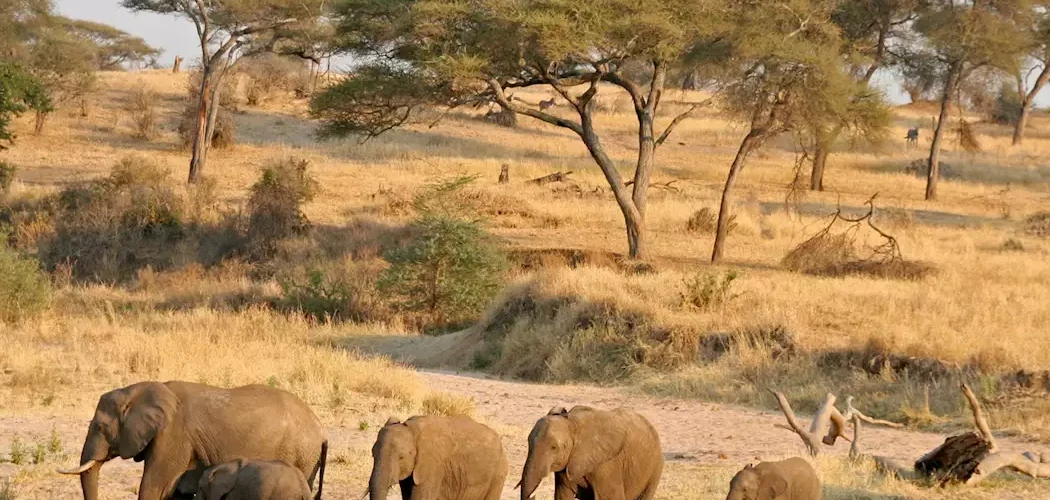
Elephants, buffalo, giraffes, topi, zebras, and various antelope species continue to occupy the ecosystem in stable populations.

The absence of massive migration herds makes these animals more individually visible and easier to follow over longer periods.

Predator interactions also become more localized, often centered around permanent territories rather than moving herd dynamics.

Predator behavior becomes more territorial

Without the migration pressure, predators become more territory-focused.

Lion prides maintain fixed hunting zones and rely more heavily on resident prey populations.

Leopards, which are already solitary and territorial, become more consistently observable along river systems and wooded areas.

Hyenas continue to operate in clans but shift from migration-following behavior to scavenging and opportunistic hunting within established territories.

This phase provides a clearer view of predator hierarchy within the ecosystem.

Crowd levels and safari experience quality

One of the biggest advantages of October and November is the reduction in tourist density.

As peak migration crowds leave, safari circuits become noticeably quieter.

Game drives feel less congested, especially in key viewing areas that were previously crowded during river crossings.

This creates more flexibility for guides and a more relaxed overall pace.

For many travellers, this is when the Mara feels more personal again.

Landscape transformation after peak grazing

Months of migration grazing leave the plains visibly altered.

By October, grass is short and uniform, which improves visibility for game viewing.

As November progresses and rains begin, the first green shoots appear, slowly changing the visual character of the landscape.

This transition creates a layered environment:

Dry, open plains in early October
Mixed transitional vegetation in mid-November
Early green growth by late November

It is a visually evolving safari window.

Weather conditions and travel practicality

Weather during this period is generally favorable for travel.

October remains dry and stable, with clear skies and excellent road conditions.

November introduces variability due to short rains, but these are typically brief and do not disrupt safari operations significantly.

Game drives continue as normal, although occasional muddy patches may appear later in the month.

The upside is improved air quality and reduced dust as rainfall increases.

Why this period is often misunderstood

The biggest misconception about October and November is that wildlife “leaves” the Mara.

In reality, only the migration herds move. The ecosystem itself remains active and fully functional.

What changes is intensity, not presence.

You lose mass movement but gain ecological stability and clearer observation conditions.

This nuance is often missed in simplified safari marketing narratives.

Who this season is best suited for

October and November are ideal for travellers who want:

Lower crowd levels after peak season
Good wildlife visibility without migration congestion
More relaxed game drive experiences
Better pricing compared to July–September
A transition into green season landscapes

It is less ideal for travellers who want:

Guaranteed river crossings or migration drama
Maximum wildlife density at all times
Highly predictable large herd movement

The real identity of the post-migration Mara

Once the migration leaves, the Masai Mara does not become inactive—it becomes structurally different.

Instead of being defined by movement, it is defined by residence.

Instead of mass herds, it is defined by individual territories.

Instead of spectacle, it is defined by continuity.

This is the phase where the ecosystem resets and prepares for the next cycle of rainfall and movement.

Kenya in the Green Season

Kenya in the Green Season

Kenya in the Green Season: The Honest Case for Visiting January to March

The period between January and March in Kenya is often misunderstood because it sits outside the famous “migration peak” narrative. Many travellers automatically assume it is a low-value safari window, but in reality it is one of the most visually rich, behaviorally active, and strategically underrated times to visit.

This is the green season—when landscapes recover after short rains, wildlife disperses across fertile plains, and predator dynamics shift into a highly intense calving phase in key ecosystems like the Masai Mara.

Unlike peak season, this period is not defined by crowd density or dramatic river crossings. It is defined by detail, behavior, and space.

What the green season actually looks like on the ground

From January to March, Kenya’s major safari ecosystems transition into a lush, green landscape. Grasslands are taller, water is more widely available, and the visual contrast of the environment changes completely compared to the dry season.

In places like the Masai Mara National Reserve, this means wide open plains turn into softer, greener terrain with scattered wildlife movement instead of dense clustering.

The atmosphere is quieter, but not less active. Instead of large-scale migrations, you see more localized behavior—births, hunting cycles, territorial interactions, and predator movements tied to newborn prey.

It feels less like a spectacle and more like observing the ecosystem functioning at a micro level.

The most important event: calving season

The defining wildlife event during this period is the wildebeest calving season, especially in the southern Serengeti ecosystem that feeds into the Mara system later in the year.

Hundreds of thousands of wildebeest give birth within a short window. This creates one of the highest concentrations of newborn animals in Africa.

The effect is immediate and dramatic:

Predators such as lions, cheetahs, and hyenas become highly active
Hunting success rates increase due to vulnerable prey
Short bursts of intense predator-prey interactions dominate game drives

Unlike the migration crossings, which are about movement, this season is about vulnerability and survival at birth.

It is one of the most emotionally intense safari periods, even if it is less visually “spectacular” in the traditional sense.

Predator behavior during green season

Predator dynamics shift significantly during this period.

Instead of following large migrating herds, predators concentrate around calving zones and resident prey populations.

In the Mara ecosystem, lion prides often adjust their territory usage to remain close to areas where newborn wildebeest and zebras are present.

Cheetahs benefit even more during this period because open grasslands and inexperienced calves increase hunting opportunities.

Hyenas become more visible and opportunistic, often following predator kills or targeting isolated young animals.

What makes this season special is not just frequency of hunts, but the educational visibility of predator strategy.

You see decision-making more clearly—stalking, hesitation, coordination, and failure as often as success.

Landscape quality: why green season looks completely different

One of the most immediate differences travellers notice is the transformation of the landscape.

Dry, golden plains become lush and saturated with vegetation. The contrast is especially strong in ecosystems like the Masai Mara, where previous dry-season dust is replaced by green grass and seasonal flowers.

This changes not just aesthetics but behavior:

Animals spread out more due to wider food availability
Visibility becomes slightly reduced due to taller grass
Birdlife increases significantly due to seasonal abundance

For photographers, this is one of the most visually dynamic periods of the year. Skies are often dramatic, with fast-moving clouds and strong light variation.

Crowds and safari experience: the biggest hidden advantage

One of the strongest arguments for visiting between January and March is the reduction in tourist density.

Unlike July to September, where high demand concentrates vehicles in key areas, the green season offers significantly more space in the field.

Game drives feel more personal. You are less likely to encounter multiple vehicles at sightings, and guides have more flexibility in movement.

This changes the emotional quality of the safari. Instead of shared anticipation with many vehicles, you often experience sightings in relative isolation.

For many travellers, this alone is a major upgrade in experience quality.

Pricing and value: why this is one of the best-value safari windows

From a cost perspective, the green season is structurally more accessible than peak migration months.

Accommodation rates are generally lower, especially in mid-range and luxury camps. Some high-end properties offer seasonal incentives or reduced rates due to lower demand.

This does not mean the quality drops. In many cases, lodges maintain the same service standards but operate at lower occupancy.

The result is a rare combination in safari travel:

High-quality guiding
Excellent wildlife viewing potential
Lower pricing pressure
Better availability in preferred camps

For travellers who prioritize value without sacrificing experience, this is one of the most efficient periods to travel.

Wildlife visibility: the trade-off reality

The main trade-off in green season safaris is not wildlife absence—it is dispersion.

Because water and grazing are more widely available, animals are not forced into tight clusters like they are in the dry season.

This means:

You may drive longer distances between major sightings
Wildlife can appear more spread out across landscapes
Certain migration-focused drama is absent

However, this is offset by behavior richness. Instead of mass movement, you observe individual and small-group interactions more clearly.

It is a shift from scale to detail.

Birdlife and ecological richness

One of the most overlooked advantages of this season is bird activity.

Migratory bird species are present in high numbers, and resident species are highly active due to favorable conditions.

Wet areas and river systems support breeding activity, making this one of the best times for bird diversity in Kenya.

For ecosystems like the Mara, this adds an additional layer of biodiversity that is often less noticeable during dry peak months.

Weather conditions: what travellers actually experience

The green season is not defined by constant rain. It is a transitional period with intermittent showers, often short and localized.

Mornings are typically clear, with rainfall occurring in the afternoon or evening in short bursts.

This creates a mix of conditions:

Fresh, cool mornings
Dramatic skies for photography
Occasional muddy tracks in some areas
Rapid vegetation recovery after rain

Game drives remain fully operational, although some areas may be less accessible depending on rainfall intensity.

Who this season is best suited for

This period is not a secondary version of peak season—it is a different type of safari entirely.

It suits travellers who want:

Lower crowds and quieter game drives
Better pricing without sacrificing lodge quality
Strong predator activity during calving season
Photography opportunities with dramatic landscapes
A more relaxed, less congested safari rhythm

It is less suitable for travellers who prioritize:

Guaranteed river crossings and migration density
Extremely predictable wildlife concentrations
Dry, uniform landscapes with maximum visibility

The real character of January to March safaris

The most important thing to understand is that this season is not about absence—it is about variation.

You are not missing wildlife. You are seeing a different phase of the same ecosystem.

Instead of migration movement, you observe reproduction cycles.

Instead of mass crossings, you see predator strategy.

Instead of crowded sightings, you experience space.

This creates a safari that feels more observational and less theatrical, but often more intimate and nuanced.

Final perspective: why this season is underrated

The green season is often overshadowed by migration marketing, but in practical safari terms it offers one of the best balance points in Kenya’s annual cycle.

It combines:

Strong wildlife presence
High behavioral activity
Lower crowd pressure
Better pricing efficiency
Rich visual landscapes

For travellers willing to step outside the peak-season narrative, January to March offers a more grounded, less congested, and highly rewarding safari experience.

Kenya in July August and September

Kenya in July, August and September

Kenya in July, August and September: Migration Peak, Peak Prices and Whether It’s Worth It

Visiting Kenya between July and September is one of those safari decisions that sounds simple on paper but feels very different in reality. This is the period when the Masai Mara ecosystem becomes one of the most concentrated wildlife stages in the world, driven by the arrival of the Great Migration. At the same time, it is also when Kenya becomes its most expensive, most crowded, and most competitive in terms of safari availability.

There is no neutral version of this season. It is either exactly what you imagined a safari should feel like, or slightly overwhelming depending on expectations.

What actually makes July to September special in Kenya

During these months, Kenya’s southern safari circuit enters its peak dry season. Rainfall is minimal, grass is short, and animals are forced into predictable movement patterns around water sources.

The defining ecological event is the arrival of massive herds of wildebeest and zebras from Tanzania into the Masai Mara ecosystem. This is not a small migration shift—it is a movement of over a million animals entering Kenya in waves.

The result is a landscape that feels alive in a very direct, visible way. You are not searching for wildlife in scattered pockets. You are watching entire ecosystems move.

By July, the first large herds begin arriving. August becomes the peak of movement and tension. September still holds strong numbers, but the energy starts to spread out slightly as herds stabilize and begin gradual repositioning.

The migration reality: it is not a show, it is a survival system

A common misunderstanding is that the migration is a predictable spectacle. In reality, it is a survival-driven movement shaped by rainfall, grazing conditions, and predator pressure.

The most famous moments are river crossings, especially along the Mara River. These crossings are not scheduled. Herds gather, hesitate for hours or days, and then suddenly move when internal group pressure builds.

When they do cross, the scene becomes intense. Crocodiles are positioned in the water, waiting for movement. Lions and hyenas patrol the banks. The herds themselves are in constant motion, reacting to fear and momentum rather than coordination.

What makes this powerful is not just the number of animals, but the unpredictability. You can be in position for hours and see nothing, then suddenly witness a full crossing unfold in minutes.

That uncertainty is the core of the experience.

What safari days actually feel like during this period

A typical game drive in this season feels different from other times of year.

You are not “looking for wildlife” in the traditional sense. You are following movement patterns—dust trails on the horizon, clusters of vehicles in the distance, radio calls from guides tracking herd direction.

When migration herds are nearby, the plains are rarely empty. You will see continuous movement: wildebeest streaming across valleys, zebras breaking off in smaller groups, predators shadowing the edges.

Lions are often positioned near movement corridors, not because they are actively hunting at every moment, but because they understand where opportunity will appear.

Hyenas are more visible than usual because they follow the herd pressure closely.

Even when there are no dramatic kills or crossings, the density of life itself becomes the attraction.

Why this season is expensive (and why it feels that way on the ground)

Prices during July to September rise sharply across Kenya’s safari circuit, but the reason is not just “peak demand” in a simple sense.

It is a combination of three structural factors:

First, there are very few camps positioned directly inside high-probability migration zones. Those that exist are limited in number and sell out far in advance.

Second, logistics become more expensive. Flights into the Mara increase in demand, fuel and vehicle usage rises, and guiding services are at maximum capacity.

Third, exclusivity becomes a selling point. The closer a camp is to river systems or migration corridors, the more it can charge, because location directly influences wildlife access.

What this means in practice is that two travellers in the same national park can have completely different price experiences depending on where they stay.

The crowd factor nobody talks about enough

One of the biggest surprises for first-time visitors is how busy certain areas can become.

At major river crossing points, you may see dozens of safari vehicles waiting in position. Guides communicate constantly to anticipate movement, and when something happens, vehicles reposition quickly.

This does not ruin the experience, but it does change the atmosphere. Instead of solitude, you sometimes experience a kind of coordinated anticipation shared among many vehicles.

It feels more like a gathering than a quiet observation.

However, this crowding is not uniform. Private conservancies around the Masai Mara operate differently. Vehicle numbers are controlled, off-road driving is sometimes allowed, and sightings feel more controlled and less congested.

So the experience depends heavily on where you are inside the ecosystem.

Weather and visibility: one of the strongest advantages of this season

From a practical safari perspective, this is one of the easiest times of year to travel.

Skies are generally clear. Rain is minimal. Roads are dry and accessible. Game drives are rarely disrupted by weather.

This matters more than it sounds, because visibility and access directly affect how much wildlife you can realistically see in a day.

Short grass also plays a major role. Animals cannot easily hide, which means predator-prey interactions become more visible and tracking becomes easier for guides.

What you actually gain by choosing this season

If you strip away the marketing language, the real value of July to September is concentration.

You are not traveling through scattered wildlife zones. You are entering one of the highest-density animal ecosystems on the planet at a specific moment in its annual cycle.

That means:

You see more animals per hour of driving
You observe more predator interaction patterns
You experience larger group movements rather than isolated sightings
You are present during one of nature’s largest migrations

There is a sense of scale that is hard to replicate at any other time of year.

What you sacrifice by choosing this season

The trade-offs are equally real.

You sacrifice flexibility because camps book out early.

You sacrifice cost efficiency because pricing is at its highest point.

You sacrifice solitude because certain areas become busy and highly concentrated with vehicles.

And you sacrifice unpredictability in a different way—the experience becomes more structured around known migration zones rather than exploratory safaris.

Who this season is actually best for

This is not a “general recommendation” season. It suits a very specific type of traveller.

It works best for people who want:

A high-intensity wildlife experience
A chance to witness river crossings or mass herd movement
A classic East African safari in its most iconic form
Strong photographic opportunities with predictable animal density

It is less suited for travellers who prioritize:

Privacy and low-traffic safari environments
Lower overall travel costs
Slow, immersive wilderness experiences without vehicle clusters
Flexible or last-minute planning

The real decision most people miss

The mistake many travellers make is comparing this season to other times of year using a simple “best vs worst” mindset.

That is not how Kenya works.

July to September is not better than January or April. It is simply more concentrated, more dramatic, and more expensive.

It is the difference between watching wildlife as a background presence and watching it as a high-density event unfolding in real time.

If that is what you want, the timing is exactly right. If not, Kenya has quieter seasons that offer a completely different but equally meaningful experience.