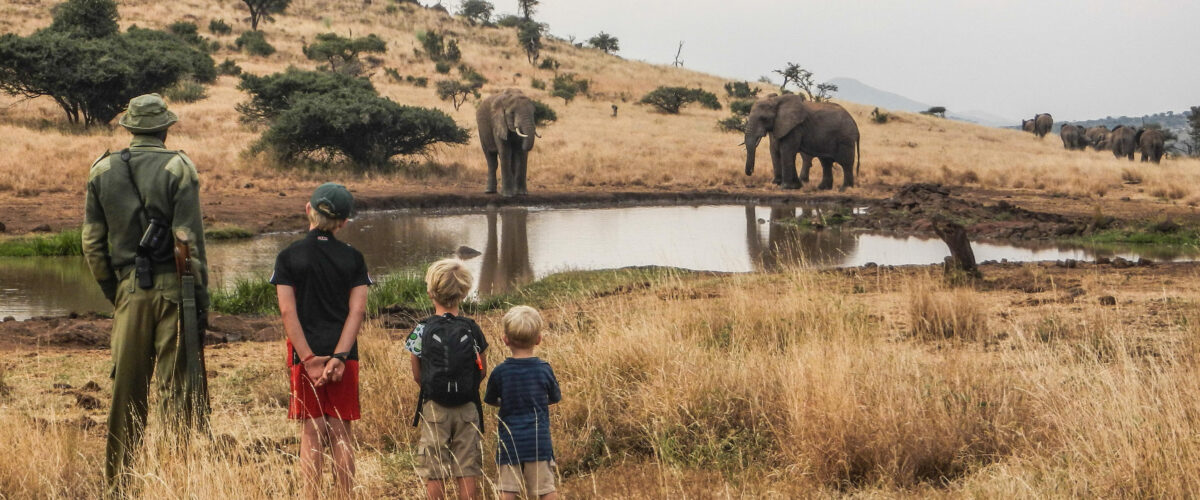
Kenya Safari in 10 Days

Kenya Safari in 10 Days

Kenya Safari in 10 Days: The Ideal Itinerary for a First-Time Visitor

A 10-day Kenya safari is widely considered the “sweet spot” for first-time visitors because it balances depth, variety, and travel efficiency without feeling rushed. It is long enough to experience multiple ecosystems, yet short enough to keep logistics manageable and the journey focused. In 2026, most well-designed itineraries of this length revolve around three core safari zones: the Masai Mara, a central or northern conservancy region such as Laikipia or Amboseli, and optional cultural or transitional stops around Nairobi.

The key to a successful 10-day safari is not how many places you visit, but how well each destination is sequenced.

Why 10 days is the ideal first safari length

Ten days allows for a structured rhythm: arrival, recovery, safari immersion, variation, and closure.

Shorter trips often force compromises—either too few wildlife days or too many rushed transfers. Longer trips can be excellent but require more complex planning and budget flexibility.

With 10 days, you can comfortably spend:

Three to four nights in the Masai Mara ecosystem
Two to three nights in a second contrasting region
Two to three nights split between arrival and optional extension (coast or Nairobi)

This structure creates a natural progression from high-density wildlife viewing to landscape diversity and finally to slower pacing.

Day 1–2: Arrival in Nairobi and safari transition

Most international flights land at Nairobi, making it the natural entry point for a Kenya safari.

The first day is typically reserved for recovery after long-haul travel. Depending on arrival time, travellers stay in either a city hotel or a quieter suburb such as Karen.

This short stop is important because it resets travel fatigue before heading into remote safari regions.

Some itineraries include light introductory experiences in Nairobi, such as visits to conservation centres or short excursions near the city, but the primary goal is rest and acclimatization.

Nairobi acts as the operational hub before the safari begins.

Day 2–5: Masai Mara wildlife immersion

The core of most first-time safaris is the Masai Mara segment in the Masai Mara National Reserve.

This is where the safari experience becomes fully immersive. Game drives typically begin early in the morning and again in the late afternoon, when wildlife is most active.

The Mara ecosystem is known for its high predator density. Lions, cheetahs, and hyenas are commonly seen, often in active hunting or territorial behavior. Elephants, giraffes, buffalo, and numerous antelope species fill the landscape.

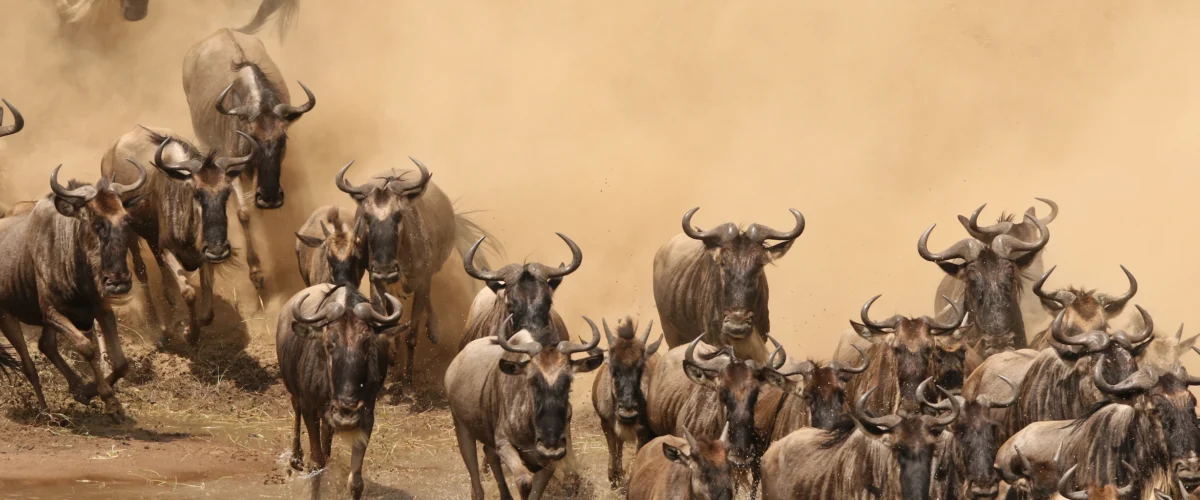
If travel is during migration season, the experience becomes even more dynamic as large herds of wildebeest and zebra move through the region.

Conservancy advantage in the Mara region

Many luxury itineraries place travellers in private conservancies surrounding the main reserve.

These areas offer fewer vehicles, more flexible driving conditions, and in some cases off-road access. This allows for longer and more private wildlife encounters.

Staying in conservancies also reduces congestion compared to the central reserve during peak periods.

This stage of the itinerary is about intensity and consistency—multiple game drives that deliver continuous wildlife exposure.

Day 5–7: Transition to a contrasting ecosystem

After the high-intensity Mara experience, the itinerary typically transitions to a second region that provides contrast.

Common choices include Laikipia, Amboseli, or Samburu depending on travel style.

This shift is important because it prevents safari fatigue and introduces ecological variety.

For example, moving from the Mara to Amboseli changes both landscape and wildlife focus, with elephants and views of Mount Kilimanjaro becoming dominant features.

Alternatively, Laikipia introduces conservation-focused ranch landscapes and lower-density wildlife encounters.

This second phase is about variation rather than repetition.

Amboseli option: elephants and open landscapes

If Amboseli is chosen, the experience is centered around the Amboseli National Park.

Amboseli is famous for large elephant herds and open plains with dramatic views of Mount Kilimanjaro in the background.

Wildlife is highly visible due to the flat terrain, making it a strong contrast to the more vegetated Mara ecosystem.

Game drives here feel slower and more visually expansive.

Laikipia option: conservation and exclusivity

If Laikipia is chosen, the safari shifts toward private conservancies and conservation-driven tourism.

This region offers rare species, walking safaris in some areas, and a lower visitor density compared to major national parks.

The experience is less about high-volume sightings and more about ecological depth and exclusivity.

Luxury camps in this region are often small and highly integrated into conservation landscapes.

Samburu option: northern Kenya character

If Samburu is included, the itinerary introduces the northern safari ecosystem anchored by the Samburu National Reserve.

This region is defined by semi-arid landscapes and unique species not commonly found in southern Kenya.

The safari experience here is more rugged and distinctive, with dry riverbeds and acacia-dominated terrain.

This option works best for travellers seeking diversity beyond classic savannah environments.

Day 7–9: Deepening the second ecosystem

The second safari region is not just a stopover—it is where contrast becomes meaningful.

With multiple nights in one area, travellers can fully understand the ecosystem rather than just passing through it.

Game drives become more exploratory, focusing on behavior patterns, tracking, and variation in terrain.

This phase is intentionally slower than the Masai Mara segment.

It allows for reflection, deeper observation, and reduced travel intensity.

Optional cultural or transitional experiences

Depending on routing, some itineraries include cultural interactions with local communities near conservancies or parks.

These experiences provide context for conservation models and land-use systems that support wildlife protection.

They are not mandatory but can add depth to the overall safari narrative.

Day 9–10: Return to Nairobi or coastal extension

The final stage of a 10-day safari typically involves returning to Nairobi for international departure or continuing to a coastal extension such as Diani Beach.

If ending in Nairobi, the final night is usually spent in a comfortable hotel close to the airport for convenience.

If extending to the coast, travellers transition from safari landscapes to the Indian Ocean, shifting from wildlife immersion to relaxation.

This optional extension adds a completely different dimension to the journey.

How pacing defines the quality of a 10-day safari

The most important factor in a 10-day safari is pacing.

Too many locations reduce time in the field. Too few locations reduce diversity.

The ideal structure alternates between intensity and rest:

High-action wildlife viewing in the Mara
Slower, more varied ecosystems in a second region
A final decompression phase before departure

This rhythm is what makes the 10-day format so effective.

What first-time travellers often underestimate

First-time safari travellers often underestimate travel time between regions, the early morning schedule of game drives, and the emotional intensity of wildlife viewing.

A 10-day itinerary solves many of these issues by spreading experiences across a manageable timeline.

It reduces fatigue while maintaining high-quality wildlife exposure.

Why this itinerary works so well in 2026

In 2026, safari design is increasingly focused on experience layering rather than simply visiting multiple parks.

A 10-day Kenya safari reflects this shift perfectly.

It combines high-density wildlife viewing, ecological contrast, and logistical simplicity into one structured journey.

It is long enough to feel complete, but focused enough to remain coherent.
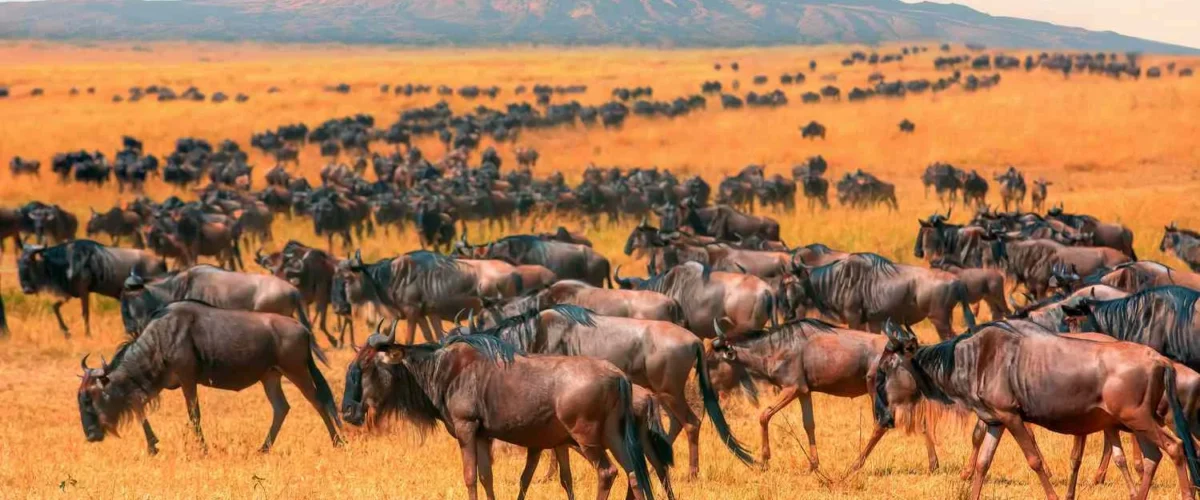
Northern Kenya vs the Masai Mara

Northern Kenya vs the Masai Mara

Northern Kenya vs the Masai Mara: The Case for Laikipia, Samburu and the Lesser-Known North

When most travellers think of a Kenya safari, the image that comes to mind is almost always the same: golden plains, dramatic river crossings, and predator action in the Masai Mara. The Mara has become the global reference point for safari travel, especially during the Great Migration. But Kenya’s northern frontier tells a very different story—one defined not by density, but by rarity, conservation innovation, and wide-open wilderness.

In 2026, Northern Kenya is no longer a “secondary” safari option. Regions like Laikipia, Samburu, and surrounding conservancies are now central to high-end, low-impact safari design. Understanding the difference between the Masai Mara and the north is essential for building a more complete and intelligent Kenya itinerary.

Why the Masai Mara dominates safari perception

The Masai Mara National Reserve is the most famous safari destination in Kenya for one clear reason: wildlife density.

Here, animals are highly concentrated across open savannah, making sightings frequent and predictable. Lions, cheetahs, elephants, buffalo, giraffes, and countless herbivores are commonly encountered within a single game drive.

During peak migration months, the Mara becomes even more dramatic as wildebeest and zebra cross into Kenya from the Serengeti ecosystem. This creates high-intensity wildlife scenes that define the classic safari image.

The Mara is structured around immediacy. You do not need to search for wildlife for long—it is already present in most directions.

The northern shift: why Laikipia changes the safari equation

Laikipia represents a completely different safari philosophy.

Unlike the Mara, wildlife here is more dispersed and conservation-led rather than migration-driven. The landscape is a mix of private conservancies, ranchlands, and protected ecosystems that prioritize low-density tourism.

The result is a safari experience built around exclusivity rather than volume.

In Laikipia, you are less likely to see large herds every few minutes, but you gain something else: space, privacy, and rare species encounters that are not common in southern Kenya.

What makes Laikipia structurally different

Laikipia is not a national park in the traditional sense. It is a network of private and community conservancies that have collectively created one of Africa’s most successful conservation models.

This structure allows for flexible safari activities such as walking safaris, night drives, and off-road tracking in many areas—experiences that are often restricted in national reserves.

Luxury camps in Laikipia are typically small, highly exclusive, and deeply integrated into conservation programs. The focus is less on spectacle and more on ecological interaction.

Samburu: the northern safari character

Further north lies the Samburu ecosystem, anchored by the Samburu National Reserve.

This region introduces a completely different wildlife profile compared to the Masai Mara. While elephants and predators are still present, the standout feature is the presence of northern specialty species known as the Samburu Special Five: Grevy’s zebra, reticulated giraffe, Beisa oryx, Somali ostrich, and gerenuk.

These species are adapted to arid and semi-arid environments, making Samburu ecologically distinct from southern Kenya.

The landscape is also more rugged, with dry riverbeds, volcanic hills, and acacia-dominated terrain replacing the open grasslands of the Mara.

Wildlife density versus wildlife rarity

The core difference between the Mara and northern Kenya is not simply geography—it is ecological structure.

The Masai Mara is defined by density. Wildlife is concentrated, interactions are frequent, and predator-prey dynamics are highly visible.

Northern Kenya is defined by rarity. Wildlife is more spread out, sightings require patience, and certain species exist only in this region.

This creates two fundamentally different safari philosophies: one based on abundance, the other based on uniqueness.

Conservation-driven safari design in the north

One of the most important developments in Northern Kenya is its conservation model.

In Laikipia and parts of Samburu, tourism revenue is directly tied to land conservation and community engagement. Many conservancies are managed in partnership with local communities and private landowners.

This means safari tourism here is not just observational—it is participatory in conservation economics.

The result is lower visitor density, stricter ecological management, and a stronger emphasis on sustainability.

Accommodation differences between north and south

Accommodation in the Masai Mara is often designed around access to wildlife hotspots. Camps are positioned near river systems, migration corridors, and predator territories.

In contrast, northern Kenya lodges and camps are often designed around landscape immersion and privacy.

Properties in Laikipia, for example, tend to be smaller, more architectural, and more integrated into conservation landscapes. The emphasis is on exclusivity rather than proximity to migration events.

This difference directly shapes the tone of the safari experience.

Game drive experience: structured versus exploratory

Game drives in the Masai Mara are highly productive and often structured around predictable wildlife movement.

In Northern Kenya, game drives are more exploratory. Guides often track specific species, follow ecological patterns, and respond to less predictable wildlife movement.

This makes guiding quality particularly important in the north, where interpretation and tracking skills often matter more than sheer animal density.

The experience becomes more about discovery than repetition.

Landscape contrast: open plains versus rugged wilderness

The Masai Mara is characterized by open savannah with wide visibility and relatively uniform terrain.

Northern Kenya introduces more varied landscapes. Laikipia features rolling hills, escarpments, and private ranch ecosystems. Samburu adds semi-arid river systems and volcanic formations.

This variation creates a more visually diverse safari experience, even if wildlife encounters are less frequent.

Who the Masai Mara is best suited for

The Masai Mara is ideal for first-time safari travellers who want reliable wildlife viewing and high chances of seeing predators in action.

It is also well suited for photographers who want consistent access to large animal concentrations and dramatic interactions.

The Mara delivers intensity, predictability, and high-impact moments in a relatively short time.

Who Northern Kenya is best suited for

Northern Kenya is better suited for repeat safari travellers or those seeking exclusivity and ecological depth.

It appeals to travellers who want fewer vehicles, more privacy, and a more conservation-focused experience.

It is also ideal for those interested in rare species and landscapes that differ significantly from the standard safari image.

Seasonal considerations between regions

The Masai Mara is highly seasonal due to the Great Migration, which peaks between July and October.

Northern Kenya is more stable year-round, with less dependence on large migratory events.

This makes the north a more consistent option outside peak safari months, while the Mara dominates during migration season.

Combining both regions in one itinerary

Increasingly, high-end itineraries combine both the Masai Mara and Northern Kenya.

A typical structure might begin in the Mara for high-density wildlife viewing, followed by Laikipia for conservation-focused experiences, and optionally Samburu for northern species.

This combination creates a layered safari that moves from intensity to rarity to ecological depth.

Why Northern Kenya is gaining importance in 2026

In 2026, safari travel is shifting toward sustainability and low-impact experiences. Northern Kenya aligns strongly with this trend.

Its conservancy model reduces pressure on ecosystems while increasing community benefits and biodiversity protection.

At the same time, it offers a more exclusive and less crowded alternative to the increasingly busy Masai Mara during peak seasons.

The core difference in one idea

If the Masai Mara is about abundance, Northern Kenya is about distinction.

One delivers quantity and immediacy. The other delivers rarity and depth.

Together, they represent two complementary sides of Kenya’s safari identity.

First Time Kenya Safari

First-Time Kenya Safari

First-Time Kenya Safari: The Planning Mistakes Most Travellers Make

A first-time Kenya safari is one of the most exciting travel experiences you can plan, but it is also one of the easiest to misstructure. Unlike city breaks or beach holidays, safari travel is highly sensitive to timing, location selection, internal logistics, and seasonal movement of wildlife. Small planning errors can have a disproportionate impact on what you actually experience on the ground.

In 2026, Kenya safaris are more refined and experience-driven than ever, especially in regions like the Masai Mara National Reserve, Amboseli, and Laikipia. However, first-time travellers still make predictable mistakes that affect cost, comfort, and wildlife viewing quality.

Understanding these mistakes in advance is what separates a rushed, confusing itinerary from a well-paced, high-quality safari.

Overpacking too many destinations into a short itinerary

One of the most common mistakes first-time safari travellers make is trying to see too much in too little time.

Kenya is not a small safari destination. Even though flights connect key regions efficiently, each transfer still consumes valuable time. Moving between multiple parks every one or two nights often results in more time in transit than in the bush.

A better approach is to focus on fewer regions and spend more nights in each. For example, staying longer in the Masai Mara ecosystem allows multiple game drive cycles rather than constantly resetting your location.

Safari value comes from time in the field, not number of destinations visited.

Ignoring travel time between safari regions

Many itineraries look efficient on paper but fail to account for real-world travel logistics.

Even when using fly-in safaris, transfers to airstrips, boarding times, and connection schedules add up. A “short flight” can still consume half a day when fully factored in.

For example, moving between Nairobi and the Masai Mara, or between different conservancies, requires coordination that is often underestimated.

First-time travellers frequently lose valuable game drive sessions because they underestimate how long it takes to transition between locations.

Choosing camps based only on price

Another major mistake is selecting safari camps purely based on cost without considering location and guiding quality.

In safari travel, location is not just a preference—it determines wildlife density, access, and overall experience.

A well-located camp inside or near prime wildlife zones delivers significantly better sightings than a cheaper camp in a less strategic area.

For example, conservancy camps around the Mara often provide lower vehicle density and better viewing conditions compared to less optimally located properties, even within the same ecosystem.

Price should always be evaluated alongside positioning and access.

Misunderstanding “all-inclusive” safari pricing

First-time travellers often assume that “all-inclusive” means everything is covered. In reality, safari pricing structures vary widely.

Some packages include park fees, conservancy fees, internal flights, and drinks. Others include only accommodation and basic meals.

Daily entry fees to areas such as the Masai Mara, conservancy charges, and domestic flights can significantly change the final cost.

Failing to clarify what is included leads to unexpected expenses during the trip or incorrect comparisons between itineraries.

Understanding cost structure is as important as choosing destinations.

Underestimating seasonality and wildlife movement

Kenya safaris are highly seasonal, particularly in the Masai Mara ecosystem.

Wildlife movement, especially the Great Migration, shifts throughout the year. Visiting at the wrong time does not mean there is no wildlife, but it does change the type of experience you will have.

First-time travellers often assume that wildlife viewing is constant year-round, but in reality, animal density and behavior vary with rainfall and migration cycles.

Timing your safari correctly can dramatically change the intensity and quality of sightings.

Overlooking conservancy advantages

Many first-time travellers focus only on national parks and overlook the value of private conservancies.

Conservancies around the Masai Mara ecosystem offer lower vehicle density, flexible game drives, and in some cases off-road access. This creates a more exclusive and less crowded safari experience.

Staying in conservancies often results in better positioning for wildlife encounters and longer, uninterrupted viewing opportunities.

Ignoring conservancies can mean missing out on some of the most refined safari experiences in Kenya.

Not planning internal flights properly

Internal flights are a core part of most Kenya safaris, especially when visiting remote regions.

These flights operate on small aircraft with strict luggage limits and fixed schedules. First-time travellers often underestimate how much planning is required to align flights with camp check-in times and game drive schedules.

Misaligned flight planning can result in lost safari time or unnecessary overnight stops.

Proper coordination ensures smooth transitions between regions like Nairobi, the Masai Mara, and coastal extensions.

Trying to self-plan complex itineraries

Kenya safari logistics involve multiple layers: flights, park access, camp availability, and seasonal wildlife patterns.

First-time travellers who attempt to self-plan often miss critical coordination details that experienced safari planners manage automatically.

Even small errors, such as incorrect routing or poor camp sequencing, can reduce the quality of the entire experience.

Safari planning is not just booking accommodation. It is system design.

Not accounting for pace and fatigue

Safari travel has a natural rhythm that includes early mornings, long game drives, and occasional travel days.

First-time travellers often underestimate the physical and mental pace of safari life.

Without proper pacing, itineraries can feel exhausting rather than immersive. Too many early starts combined with frequent movement between camps leads to fatigue and reduced enjoyment.

A well-structured safari balances activity days with rest and continuity.

Choosing inappropriate safari duration

Another common mistake is selecting a safari duration that does not match travel goals.

Short safaris under five days often feel compressed, especially if multiple regions are included. Longer safaris without structure can feel repetitive if not properly diversified.

For most first-time travellers, a 7 to 10 day itinerary provides the best balance between depth and variety.

This allows enough time to experience core regions without rushing.

Ignoring the value of guiding quality

Guides are one of the most important components of a Kenya safari experience, yet they are often overlooked during planning.

A skilled guide can significantly improve wildlife sightings, interpret behavior, and position vehicles effectively for photography.

In high-end safari regions, guiding quality often varies between camps, even within the same ecosystem.

First-time travellers sometimes prioritize lodge aesthetics over guiding expertise, which can reduce overall safari quality.

Overlooking Nairobi as part of the experience

Many travellers treat Nairobi as a simple transit stop, but it plays a strategic role in safari planning.

The city is not only a logistical hub but also a place where travellers can experience conservation centers and wildlife introductions before heading into remote areas.

Ignoring Nairobi completely can result in missed opportunities for a smoother transition into safari environments.

Not preparing for light aircraft travel

Most Kenya safaris involve small aircraft transfers between regions.

These flights have strict baggage limits, often requiring soft-sided luggage and careful packing.

First-time travellers who arrive with rigid suitcases or excessive baggage may face repacking issues or delays.

Understanding these constraints in advance avoids unnecessary complications.

Expecting a uniform safari experience

Another misconception is that all safari regions in Kenya offer the same experience.

In reality, each region has a distinct character. The Masai Mara is dense and predator-rich. Amboseli is known for elephants and open views of Mount Kilimanjaro. Laikipia offers conservation-focused experiences with fewer vehicles.

Assuming uniformity leads to mismatched expectations.

Why avoiding these mistakes matters

A Kenya safari is a high-investment, high-impact travel experience. Small planning decisions have a direct effect on wildlife exposure, comfort, and overall satisfaction.

Avoiding common mistakes ensures that time in the field is maximized and logistical friction is minimized.

The most successful first-time safaris are not the most complex—they are the most carefully structured.

Nairobi as a Safari Gateway

Nairobi as a Safari Gateway

Nairobi as a Safari Gateway: What to Do with 24–48 Hours in Kenya’s Capital

Nairobi is often treated as a transit point on the way to Kenya’s safari destinations, but in reality it is one of the most important and underrated parts of the journey. Almost every major safari route in Kenya passes through the city, whether you are heading to the Masai Mara, Amboseli, Laikipia, or the coast. In 2026, more travellers are intentionally spending 24 to 48 hours here, not because they have to, but because Nairobi offers a concentrated introduction to Kenya’s wildlife, culture, and conservation story before the safari even begins.

This short stay is not about rushing through attractions. It is about structuring a brief but meaningful transition from international travel into the African safari environment.

Why Nairobi matters in a Kenya safari itinerary

Nairobi is not just a capital city. It is the operational hub of East African safari logistics. Most international flights into Kenya land at Jomo Kenyatta International Airport, making the city the natural entry point for nearly all safari itineraries.

From Nairobi, travellers connect to key safari regions such as the Masai Mara National Reserve, Amboseli, Samburu, and Laikipia via domestic flights or road transfers.

This positioning gives Nairobi a unique role: it is both an arrival point and a reset zone before heading into remote wildlife areas.

The value of a 24-hour Nairobi stopover

A 24-hour stay in Nairobi is typically structured around recovery, orientation, and one or two high-impact experiences.

After long-haul international flights, the first priority is rest. Most luxury travellers use this time to stay in high-end city hotels or boutique properties that provide comfort, security, and easy access to key attractions.

Once rested, the focus shifts to curated experiences that introduce Kenya’s wildlife and culture in a controlled, time-efficient way.

Nairobi National Park: safari without leaving the city

One of the most unique features of Nairobi is its proximity to wildlife. The Nairobi National Park sits just minutes from the city centre, offering a rare opportunity to see wild animals against a backdrop of skyscrapers.

Within a few hours, it is possible to see lions, giraffes, zebras, rhinos, and antelope species in their natural habitat. The park is especially valuable for travellers with limited time, as it delivers an authentic safari experience before heading into larger wilderness areas.

Morning game drives are the most effective, as wildlife is more active and lighting conditions are optimal for photography.

David Sheldrick Wildlife Trust: elephant conservation experience

Another key experience within a short Nairobi stay is the elephant orphanage operated by the David Sheldrick Wildlife Trust.

This conservation centre focuses on rescuing and rehabilitating orphaned elephants before reintroducing them into the wild. Visitors can observe feeding sessions and learn about elephant conservation challenges in Kenya.

This experience is not a traditional safari activity. It is educational and conservation-focused, offering context for the wildlife encounters that follow later in the journey.

Giraffe Centre: close-up wildlife interaction

The Giraffe Centre offers one of the most accessible wildlife interactions in Nairobi.

Here, endangered Rothschild’s giraffes are part of a conservation and breeding program. Visitors can observe them at close range and learn about conservation efforts aimed at protecting the species.

This experience is short but highly memorable, especially for first-time visitors to Africa.

Karen and Langata: Nairobi’s quieter safari suburbs

Many of Nairobi’s key attractions are located in the Karen and Langata areas, which offer a greener, more relaxed environment compared to the city centre.

These suburbs are often where travellers stay during short stopovers due to their proximity to wildlife attractions and quieter atmosphere.

The area also reflects Nairobi’s colonial and conservation history, adding depth to a short visit.

48 hours in Nairobi: a more complete experience

With 48 hours, the city opens up significantly, allowing for a more balanced itinerary.

The first day is usually dedicated to recovery and a combination of wildlife experiences such as Nairobi National Park and conservation centres.

The second day allows for cultural exploration, dining, and slower-paced experiences before departure to safari regions.

This extended stay reduces travel fatigue and creates a smoother transition into multi-day safari itineraries.

Cultural context: understanding modern Nairobi

Nairobi is a rapidly evolving city that blends modern infrastructure with deep conservation roots. It is one of the few major capitals in the world located next to a national park.

This dual identity makes it an important part of understanding Kenya as a whole. Safari travel is not isolated from urban life; it is supported by it.

Museums, art spaces, and cultural centres provide additional context for travellers who want to understand Kenya beyond wildlife.

Food and dining in Nairobi

Nairobi has a growing culinary scene that reflects both local and international influences.

Restaurants range from high-end fine dining establishments to traditional Kenyan cuisine and fusion concepts.

For short stays, dining is often combined with accommodation rather than extensive exploration, but even a single evening meal can provide insight into the city’s cultural diversity.

Accommodation strategy for short stays

Accommodation choice in Nairobi depends heavily on itinerary structure.

Luxury travellers often choose hotels in Karen or near the airport for convenience. These locations reduce transfer times and allow easier access to early morning departures for safari flights.

City-centre hotels are more suited for business travellers or those combining Nairobi with extended urban stays.

The key factor is proximity to both the airport and key attractions.

Nairobi as a transition zone, not a destination

The most important way to understand Nairobi in a safari itinerary is as a transition zone.

It is not the final destination of the trip, nor is it the main focus. It is a structured pause between international travel and wilderness immersion.

This transition is important because it allows travellers to adjust to altitude, time zones, and travel rhythm before entering remote safari regions.

Common mistakes travellers make in Nairobi

One of the most common mistakes is treating Nairobi as a purely logistical stop and ignoring its safari and conservation value.

Another mistake is overloading a short stay with too many activities. With only 24 to 48 hours, quality matters more than quantity.

Trying to fit too many attractions into a short window often leads to rushed experiences rather than meaningful engagement.

How Nairobi enhances the overall safari journey

When used correctly, Nairobi enhances the entire safari experience rather than just serving as a stopover.

It introduces wildlife in a controlled environment before the main safari begins. It also provides a conservation narrative that adds context to what travellers will see in places like the Masai Mara.

This early exposure makes later wildlife encounters more meaningful because they are no longer abstract.

Why Nairobi is becoming more relevant in 2026 itineraries

In 2026, safari planning is increasingly focused on experience layering and smooth transitions.

Nairobi fits into this model because it offers short, high-value experiences that bridge international travel and wilderness immersion.

It reduces logistical stress, improves acclimatization, and adds educational value without requiring long stays.

As a result, it is no longer seen as optional downtime but as an intentional part of itinerary design.

What 24–48 hours in Nairobi ultimately delivers

A short stay in Nairobi delivers three key outcomes: rest after international travel, introduction to Kenyan wildlife and conservation, and a smooth transition into safari regions.

It is a compact but important part of the journey that shapes how the rest of the safari is experienced.

When structured properly, it turns arrival day from a logistical necessity into a meaningful first chapter of the safari itself.

Kenya Safari and Diani Beach

Kenya Safari and Diani Beach

Kenya Safari and Diani Beach: The Perfect Safari-to-Coast Combination

A Kenya safari combined with Diani Beach is one of the most balanced travel experiences in East Africa because it blends two completely different worlds into a single journey. On one side, you have the raw, wildlife-driven intensity of safari in places like the Masai Mara or Amboseli. On the other, you have the calm, warm coastline of the Indian Ocean at Diani Beach, where the pace slows down completely. In 2026, this safari-to-coast combination has become a defining luxury travel pattern because it solves a very simple problem: how to transition from adventure to recovery without leaving the country or breaking the flow of the trip.

This is not just a geographic pairing. It is a psychological transition built into one itinerary.

Why safari and beach work so well together

The strength of this combination lies in contrast. A safari in Kenya is active, structured, and early-rising. Days are shaped around game drives, wildlife tracking, and unpredictable animal behavior. You are constantly observing, scanning, and responding to the environment.

The beach segment at Diani removes all of that intensity. Time becomes unstructured, movement slows down, and the focus shifts from observation to relaxation.

At the center of this combination is the Masai Mara National Reserve, one of Africa’s most iconic safari ecosystems, where wildlife density and predator interactions define the experience. After days in this environment, the coast provides a natural reset.

The safari experience before the coast

Most itineraries begin with a classic Kenya safari in regions such as the Masai Mara, Amboseli, or Laikipia. The Masai Mara is the most common starting point because of its accessibility and high wildlife density.

In the Mara ecosystem, game drives are structured around early mornings and late afternoons. This is when wildlife is most active. Lions hunt, elephants move across plains, and large herbivore herds dominate the landscape.

Luxury camps in conservancies such as Mara Plains Camp offer a more exclusive version of this experience, with lower vehicle density and flexible safari activities.

This stage of the journey is intense, immersive, and highly structured. It builds the foundation for the contrast that follows.

Transition from safari to coast

After the safari segment, travellers typically fly from Nairobi or directly from safari airstrips to the Kenyan coast.

This transition is not just logistical. It is emotional. The shift from dusty savannah landscapes to white sand beaches and turquoise water creates a clear break in experience.

Flights are relatively short, usually connecting Nairobi to Mombasa or Ukunda airstrip, which serves Diani Beach. Within a few hours, the entire environment changes from wildlife territory to oceanfront relaxation.

Arrival at Diani Beach

Diani Beach is located along Kenya’s southern coastline and is known for its soft white sand, warm waters, and palm-lined shores. It is one of the most established luxury beach destinations in East Africa.

Unlike safari regions, where movement and timing structure the day, Diani operates on a slow rhythm. Tides, sunlight, and personal preference determine daily activity.

Luxury resorts in the area range from boutique beachfront properties to larger international-style resorts, all focused on relaxation and ocean access.

Why Diani is the preferred safari extension

Diani Beach works particularly well as a safari extension because of its accessibility and contrast.

After early mornings, long drives, and wildlife tracking, the coast offers uninterrupted rest. The Indian Ocean provides warm swimming conditions, and beach activities can be as active or passive as desired.

The environment is stable, predictable, and quiet compared to safari regions, which makes it ideal for recovery.

The psychological reset after safari

One of the most overlooked aspects of this combination is the psychological transition it creates.

Safari travel is stimulating. You are constantly alert, observing animal behavior, and responding to movement in the environment. Even downtime in camp is often filled with anticipation of the next game drive.

The coast removes that stimulation. There is no tracking, no schedule pressure, and no wildlife unpredictability. This shift allows the mind to decompress fully.

This is why many travellers describe the beach portion not as an additional destination, but as part of the recovery process from safari intensity.

Wildlife to ocean contrast

The contrast between safari and coast is one of the defining features of this itinerary.

In the safari phase, particularly in ecosystems like the Masai Mara, wildlife is the central focus. Every moment is shaped by animal presence and movement.

At Diani Beach, wildlife becomes secondary or entirely absent from the daily experience. The focus shifts to marine life, coral reefs, and ocean scenery rather than land-based predators and herbivores.

This change in focus creates a natural narrative arc in the journey.

Accommodation differences between safari and coast

Accommodation plays a major role in reinforcing the contrast.

Safari camps are typically small, remote, and highly integrated into natural environments. They prioritize access to wildlife, guiding quality, and proximity to game viewing areas.

For example, camps in the Mara conservancies are designed for immersion rather than scale.

At the coast, resorts are larger, more open, and centered around comfort and leisure. Rooms often face the ocean, and facilities include pools, spas, and beach access.

This shift in design philosophy reinforces the transition from exploration to relaxation.

Ideal duration for a safari and beach combination

A balanced Kenya safari and Diani Beach itinerary typically ranges from 8 to 12 days.

Shorter itineraries of around 7 to 8 days are possible but often feel rushed, especially if multiple safari regions are included.

A more comfortable structure is 4 to 6 days on safari followed by 3 to 5 days at the coast. This allows enough time to experience wildlife without rushing and enough time to properly unwind at the beach.

Longer itineraries extend the relaxation phase rather than the safari phase, as wildlife experiences are usually concentrated in fewer days.

Best safari regions to combine with Diani

The Masai Mara is the most popular safari region to combine with Diani Beach due to its reliability for wildlife sightings and relatively short flight connections.

Other regions such as Amboseli, known for elephant herds and views of Mount Kilimanjaro, can also be included depending on itinerary design.

The key factor is flight efficiency. Direct or one-stop routes into coastal airports make the transition smoother and reduce travel fatigue.

Seasonality and timing considerations

Seasonality plays an important role in planning this combination.

Safari conditions are generally strong year-round, but the Great Migration in the Masai Mara between July and October adds a high-impact wildlife element.

Coastal conditions in Diani are warm throughout the year, with variations in rainfall depending on season. However, even during wetter periods, the coast remains functional for relaxation-focused travel.

The combination is therefore flexible across multiple seasons, although peak safari months often increase overall demand.

Who this combination is best suited for

This itinerary is ideal for travellers who want both adventure and relaxation within a single trip.

It suits first-time safari visitors who want a complete East Africa experience, as well as honeymooners and luxury travellers seeking balance between activity and rest.

It is also popular among repeat safari travellers who want to end a high-intensity wildlife journey with a soft landing at the coast.

Cost structure and value perspective

The overall cost of a safari and beach combination depends on the level of accommodation chosen in both phases.

Safari costs are typically higher due to conservancy fees, park levies, guiding, and internal flights. Beach costs vary depending on resort category but are generally more stable and less variable than safari pricing.

The value of the combination lies in experience contrast rather than cost efficiency. It provides two different travel environments in one itinerary, reducing the need for separate future trips.

How the journey feels in sequence

The experience typically unfolds in two clear phases.

The first phase is active and immersive, centered on wildlife viewing, early mornings, and constant environmental engagement.

The second phase is slow and restorative, centered on rest, ocean views, and unstructured time.

The transition between these phases is what defines the journey. It moves from intensity to stillness without requiring additional travel outside Kenya.

Why this combination remains a classic in 2026

In 2026, safari travel is increasingly about experience layering rather than single-focus trips. The Kenya safari and Diani Beach combination remains one of the most effective examples of this approach.

It delivers wildlife intensity, logistical simplicity, and coastal relaxation within one country. It avoids unnecessary complexity while still offering two completely different environments.

The result is a structured journey that feels complete without being fragmented.

Kenya and Uganda Combined Safari

Kenya and Uganda Combined Safari

Kenya and Uganda Combined Safari: Masai Mara, Gorillas and Chimpanzees

A Kenya and Uganda combined safari in 2026 is one of the most complete wildlife journeys in East Africa because it connects two fundamentally different ecosystems: the open savannahs of Kenya and the dense equatorial forests of Uganda. Unlike purely savannah-based safaris, this itinerary adds a primate dimension that changes the entire rhythm of the experience. You are not only tracking big game across plains but also stepping into rainforest terrain to observe chimpanzees and mountain gorillas at close range.

This combination is increasingly popular among luxury travellers because it delivers three distinct wildlife experiences in a single itinerary: high-density predator viewing in the Masai Mara, chimpanzee tracking in tropical forest, and gorilla trekking in mountainous jungle.

Why Kenya and Uganda complement each other so well

Kenya and Uganda are geographically close but ecologically very different. Kenya represents classic East African savannah safari environments, while Uganda introduces forest-based primate ecosystems.

In Kenya, particularly in the Masai Mara National Reserve, wildlife is concentrated in open landscapes. Sightings are frequent, and predator-prey interactions are a major highlight of the experience.

Uganda, on the other hand, shifts the focus to forest ecosystems such as Kibale National Park and Bwindi Impenetrable National Park. Here, wildlife is less visible at a distance and more immersive, requiring guided trekking through dense vegetation.

The combination works because it balances visibility with intimacy, and movement with immersion.

The Masai Mara experience: high-density savannah wildlife

The Kenyan portion of this safari is typically anchored in the Masai Mara ecosystem. This is where the journey begins with traditional game drives across open plains filled with large herbivores and predators.

The Mara is known for its high concentration of wildlife, particularly lions, cheetahs, elephants, and hyenas. Game drives are productive, often delivering multiple sightings in a single outing.

During migration season, the experience becomes even more dynamic. Large herds of wildebeest and zebra move across the plains, often followed closely by predators.

Luxury camps in conservancies around the Mara, such as Mara Plains Camp, enhance this experience by offering low vehicle density and flexible safari activities, including off-road driving.

This stage of the safari is about scale, speed, and visual abundance.

Transitioning from Kenya to Uganda

After the Masai Mara, the itinerary transitions into Uganda, usually via Nairobi and Entebbe.

This shift is not just geographical. It is experiential. The open landscapes of Kenya give way to forested terrain, where visibility is reduced and wildlife encounters require tracking rather than spotting.

Flights between Kenya and Uganda are typically scheduled international connections, followed by domestic transfers to forest regions. This transition marks a clear change in pace and environment.

Kibale Forest: chimpanzee tracking experience

One of the key highlights of Uganda is chimpanzee tracking in Kibale National Park, often referred to as the primate capital of East Africa.

Here, travellers enter dense tropical forest guided by experienced trackers who follow chimpanzee movements. Unlike game drives, this experience is on foot and requires active trekking through forest terrain.

Chimpanzees are highly active and vocal, making the experience dynamic and unpredictable. Once located, visitors spend a limited time observing their behavior, including feeding, grooming, and social interaction.

This experience introduces a completely different safari rhythm compared to Kenya. Instead of observing from a vehicle, you are moving within the environment itself.

Bwindi Impenetrable Forest: mountain gorilla trekking

The most iconic part of the Uganda experience is gorilla trekking in Bwindi Impenetrable National Park.

This involves hiking through steep, dense forest terrain to locate habituated mountain gorilla families. The trek duration varies depending on the location of the gorilla group on that day.

Once found, visitors spend a limited but deeply immersive period observing the gorillas at close range. The experience is quiet, controlled, and highly regulated to protect the animals.

Unlike savannah safaris, this is not about scanning landscapes. It is about patience, tracking, and direct presence within a forest ecosystem.

Why combining safari and primate trekking works

The combination of Kenya and Uganda creates a layered wildlife experience that cannot be achieved in a single ecosystem.

Kenya provides high-density wildlife viewing in open landscapes. Uganda introduces rare primate encounters in forest environments. Together, they create a journey that moves from macro-scale wildlife observation to micro-scale behavioral immersion.

This contrast is the defining strength of the itinerary.

Accommodation differences between Kenya and Uganda

Accommodation reflects the shift in ecosystem.

In Kenya, safari camps are often located in open plains or conservancies. Properties like Angama Mara emphasize panoramic views, modern design, and direct access to wildlife areas.

In Uganda, lodges are located near forest edges and are designed for recovery after physically demanding treks. The focus is on comfort, warmth, and proximity to trekking points rather than expansive views.

This difference reinforces the transition from savannah safari to forest trekking.

Physical demands of the Uganda section

One of the most important considerations in this combined safari is physical activity.

The Kenya portion is relatively low effort, with game drives conducted in vehicles across open terrain.

The Uganda portion requires more physical engagement. Both chimpanzee and gorilla trekking involve hiking through uneven, sometimes steep forest terrain. Conditions can vary depending on weather and animal location.

While the treks are supported by experienced guides and trackers, a reasonable level of fitness is required.

Wildlife diversity versus primate specialization

Kenya offers broad wildlife diversity. In a single day in the Masai Mara, it is possible to see dozens of species across different trophic levels.

Uganda shifts focus to primates. Instead of wide biodiversity, the emphasis is on chimpanzees, gorillas, and other forest species.

This specialization is intentional. It allows for deeper interaction with specific animal groups rather than broad ecosystem sampling.

Ideal duration for a Kenya and Uganda safari

A combined itinerary typically requires 9 to 12 days for a comfortable pace.

Shorter itineraries of around 7 to 8 days are possible but tend to be rushed, especially when including both chimpanzee and gorilla trekking.

A balanced structure usually includes three to four nights in Kenya, two nights in Kibale or nearby forest regions, and two to three nights near Bwindi.

This allows time for travel, acclimatization, and flexibility in trekking schedules.

Cost structure of a combined safari

This itinerary sits in the high-end safari category due to multiple factors.

Kenya contributes costs through luxury camps, conservancy fees, and internal flights within the Masai Mara ecosystem.

Uganda adds additional costs through gorilla trekking permits, chimpanzee tracking permits, and forest lodge accommodation.

These permits are fixed-price conservation fees that directly support wildlife protection and research programs.

Combined, they make this one of the more premium safari combinations in East Africa.

Travel logistics and routing complexity

Logistics play a key role in this itinerary.

The most common routing is Nairobi to Masai Mara, then Nairobi to Entebbe, followed by domestic flights into Uganda’s forest regions.

Each transition requires careful timing to ensure smooth connections between flights and trekking schedules.

Because gorilla trekking permits are date-specific, Uganda often dictates the structure of the entire itinerary.

Who this safari is best suited for

This combination is ideal for travellers seeking both classic safari experiences and immersive primate encounters.

It suits those who want to experience both savannah predators and forest primates in a single journey.

Photographers benefit from the diversity of environments, while experienced safari travellers appreciate the contrast between vehicle-based and on-foot wildlife encounters.

It is less suited for travellers seeking purely relaxed or low-activity holidays due to the physical demands of trekking.

How the experience feels in progression

The journey typically unfolds in three phases.

The first phase in Kenya is dynamic and visually rich, with constant wildlife movement and predator activity.

The second phase in Kibale introduces a shift into forest tracking and auditory-focused wildlife location.

The final phase in Bwindi delivers the most intimate wildlife encounter, centered on direct observation of gorilla families.

This progression moves from broad visibility to concentrated presence.

Why this combination stands out in East Africa

A Kenya and Uganda safari stands out because it integrates two fundamentally different safari systems into one cohesive journey.

It does not repeat the same experience across countries. Instead, it layers different types of wildlife interaction into a single narrative.

This makes it one of the most complete safari itineraries available in East Africa, particularly for travellers who want both savannah wildlife and primate immersion.

Kenya and Rwanda Combined Safari

Kenya and Rwanda Combined Safari

Kenya and Rwanda Combined Safari: Masai Mara and Mountain Gorillas in One Trip

A combined Kenya and Rwanda safari is one of the most powerful wildlife journeys in Africa because it connects two completely different ecosystems in a single itinerary. On one side, you have the open savannahs of the Masai Mara with high-density big game viewing. On the other, you have the mist-covered volcanic forests of Rwanda where mountain gorillas live in small, tightly protected family groups. The contrast is extreme, and that is exactly what makes this combination so compelling in 2026.

This is not a safari built around similarity. It is built around contrast: predator-rich plains versus forest primates, game drives versus trekking, vehicle-based viewing versus walking immersion. When structured correctly, it becomes one of the most emotionally and visually complete safari experiences available.

Why Kenya and Rwanda work so well together

The connection between Kenya and Rwanda is not ecological but experiential. These are two completely different safari systems that complement each other.

Kenya, particularly the Masai Mara National Reserve, offers classic safari landscapes with lions, elephants, cheetahs, giraffes, and large herbivore herds. Wildlife is visible, abundant, and often dramatic.

Rwanda, centered around the Volcanoes National Park, offers a completely different experience. Here, the focus shifts from game drives to trekking through dense forest in search of mountain gorillas.

Together, they create a journey that moves from open visibility to intimate encounter, from wide landscapes to close human-wildlife interaction.

The structure of a typical Kenya and Rwanda safari

Most combined itineraries follow a simple two-stage structure.

The first stage is Kenya, where travellers spend time in the Masai Mara ecosystem. This is where the safari begins with traditional game drives, predator sightings, and potentially the Great Migration depending on timing.

The second stage is Rwanda, where the experience shifts into trekking mode. Travellers fly into Kigali and transfer to the volcanic region for gorilla trekking experiences.

This structure ensures that the safari builds gradually from high-energy wildlife viewing to more focused, immersive encounters.

The Masai Mara experience: scale and intensity

The Kenyan portion of the journey is typically anchored in the Masai Mara ecosystem, one of Africa’s most important wildlife areas.

In this region, game drives deliver frequent sightings of large predators and herbivores. The landscape is open, making wildlife easy to locate and observe for extended periods.

During migration season, the experience becomes even more dynamic as herds move across the plains and river systems. Predator interactions are common, and sightings can be highly active.

In conservancy areas surrounding the reserve, wildlife viewing becomes more exclusive. Camps such as Mara Plains Camp offer low vehicle density and flexible safari activities, including off-road driving.

This stage of the safari is about breadth and visibility. You see a wide range of species across open terrain in relatively short timeframes.

The Rwanda experience: forest immersion and gorilla trekking

After the savannah, the journey shifts dramatically to Rwanda.

In Volcanoes National Park, the focus is not on quantity of wildlife but on a single, deeply immersive experience: mountain gorilla trekking.

Trekkers hike through dense forest terrain guided by expert trackers to locate habituated gorilla families. Once found, visitors spend a limited but highly impactful time observing the group.

The experience is quiet, controlled, and deeply personal. Unlike game drives, there are no vehicles or open landscapes. Instead, the encounter happens at close range in a forest environment.

This creates a completely different emotional tone compared to the Masai Mara.

Why the contrast is the core value of this safari

The strength of a Kenya and Rwanda combination lies in contrast rather than similarity.

In Kenya, wildlife is abundant and visible across vast landscapes. You observe behavior from a distance, often within a dynamic ecosystem filled with multiple species interacting simultaneously.

In Rwanda, the focus narrows to a single species interaction. You are no longer observing ecosystems at scale but engaging with individual gorilla families in their natural habitat.

This shift from macro to micro perspective is what makes the combination so powerful.

Travel logistics between Kenya and Rwanda

The connection between Kenya and Rwanda is relatively straightforward in luxury safari planning.

Most itineraries use a direct flight from Nairobi to Kigali, which acts as the gateway to Rwanda’s gorilla trekking region. From Kigali, travellers transfer by road to Volcanoes National Park.

This transition is smooth but requires careful timing. Gorilla trekking permits are scheduled in advance and operate on fixed daily quotas, meaning itinerary planning must align with permit availability.

Because of these constraints, Rwanda often dictates the timing of the entire safari.

Time required for a combined itinerary

A Kenya and Rwanda safari requires careful time allocation to avoid rushing either experience.

A minimum of 7 to 8 days is required for a very compressed itinerary, typically split between the Masai Mara and Rwanda.

However, a more realistic and comfortable structure is 9 to 12 days. This allows for multiple nights in Kenya and sufficient time in Rwanda for trekking preparation and potential second gorilla trek experiences.

Longer itineraries may also include golden monkey trekking or additional forest activities in Rwanda.

Accommodation differences between Kenya and Rwanda

Accommodation in Kenya and Rwanda reflects the difference in ecosystems.

In Kenya, luxury camps are typically located in open landscapes or conservancies. Properties such as Angama Mara focus on panoramic views and safari-driven design.

In Rwanda, lodges are located near forest edges and are designed for comfort after physically demanding trekking days. The focus is on warmth, relaxation, and proximity to trekking start points.

The contrast in accommodation style mirrors the contrast in wildlife experience.

Physical demands and preparation

One of the most important differences in this combined safari is physical activity level.

The Masai Mara portion involves vehicle-based game drives with minimal physical exertion. Days are structured around morning and evening drives.

Rwanda introduces a more physically demanding component. Gorilla trekking can involve several hours of hiking through steep, muddy, and uneven terrain depending on gorilla location.

This requires basic fitness and proper preparation, including appropriate footwear and layering for changing weather conditions.

Wildlife diversity versus focused encounters

Kenya offers high biodiversity. In a single day in the Masai Mara, travellers may encounter lions, elephants, buffalo, giraffes, zebras, and numerous bird species.

Rwanda offers low biodiversity but extremely focused encounters. The experience centers almost entirely on mountain gorillas, with occasional sightings of other primates.

This difference is intentional. The safari moves from ecosystem diversity to species-specific immersion.

Cost structure of a combined Kenya and Rwanda safari

A Kenya and Rwanda combination is typically more expensive than a single-country safari due to gorilla trekking permits, which are among the highest-priced wildlife experiences in Africa.

Gorilla permits alone form a significant portion of the Rwanda cost structure. Combined with luxury accommodation and internal flights, this increases overall pricing.

Kenya contributes additional costs through conservancy fees, luxury camp rates, and internal flights between safari regions.

The result is a high-value but high-cost itinerary designed for immersive, multi-layered wildlife experiences.

Who this safari is best suited for

This combination is ideal for travellers seeking both classic safari experiences and rare wildlife encounters.

It is particularly well suited for those who want to experience both the traditional African savannah and one of the most unique primate encounters in the world.

Photographers benefit from the diversity of environments, while experienced safari travellers often choose this combination to expand beyond traditional game drive formats.

It is less suitable for travellers seeking purely relaxed or vehicle-only safaris due to the physical demands of gorilla trekking.

Emotional structure of the journey

What makes this combination distinct is its emotional progression.

The Masai Mara builds excitement through constant wildlife activity, movement, and visual diversity. It is expansive and energetic.

Rwanda shifts the experience into quiet focus. The emotional intensity becomes concentrated in a single encounter with gorillas, creating a sense of connection rather than observation.

This progression from scale to intimacy is what defines the journey.

Why this combination stands out in 2026

In 2026, safari travel is increasingly about experience depth rather than destination count. The Kenya and Rwanda combination reflects this shift perfectly.

It reduces unnecessary movement while maximizing contrast between ecosystems. It also combines two of Africa’s most iconic wildlife experiences into a single structured journey.

Rather than being a checklist itinerary, it becomes a curated transition between two very different ways of experiencing wildlife.

Kenya and Tanzania Combined Safari

Kenya and Tanzania Combined Safari

Kenya and Tanzania Combined Safari: The Classic East Africa Grand Tour

A combined Kenya and Tanzania safari is one of the most complete wildlife journeys in Africa. It connects two of the continent’s most iconic ecosystems into a single itinerary, offering unmatched diversity in landscapes, wildlife behavior, and safari experiences. In 2026, this “East Africa Grand Tour” has become increasingly popular among luxury travellers who want both the intensity of Kenya and the scale of Tanzania in one seamless journey.

Unlike single-country safaris, a combined itinerary is not just about visiting more places. It is about understanding how two connected ecosystems operate differently, how logistics shape experience, and how timing influences wildlife movement across borders.

Why Kenya and Tanzania work so well together

Kenya and Tanzania share a continuous wildlife corridor, especially across the greater Serengeti–Mara ecosystem. Animals move freely between both countries, particularly during the Great Migration. This natural connection makes it possible to design itineraries that follow wildlife across borders without disrupting ecological continuity.

In Kenya, the focus is often on concentrated wildlife viewing and high-action encounters. In Tanzania, the experience expands into vast landscapes and longer migration cycles. When combined, these two approaches create a balanced safari that blends intensity with scale.

The result is not redundancy but contrast. Each country enhances the other rather than competing with it.

The core ecosystems in a combined itinerary

A well-designed Kenya and Tanzania safari typically includes three major ecosystems, sometimes four depending on duration.

In Kenya, the central focus is the Masai Mara National Reserve and surrounding conservancies. This region is known for high predator density, frequent sightings, and dramatic migration river crossings.

In Tanzania, the primary destination is the Serengeti National Park, which forms the southern continuation of the same ecosystem. It offers vast plains, large herds, and a more expansive sense of wilderness.

Many itineraries also include the Ngorongoro Conservation Area, which adds crater-based wildlife viewing and a dramatically different geological environment.

Together, these regions create a layered safari experience that moves from concentrated action to expansive wilderness.

The Great Migration across two countries

The Great Migration is the most important wildlife movement in this combined itinerary. It is not a single event but a continuous cycle of movement driven by rainfall and grazing patterns.

In Kenya, the migration is most dramatic when herds cross into the Masai Mara between July and October. River crossings at the Mara River are intense, unpredictable, and highly sought after by travellers.

In Tanzania, the migration begins earlier and lasts longer. Herds move through the southern Serengeti during calving season, then gradually shift northward toward Kenya.

A combined safari allows travellers to follow this movement rather than witnessing only one phase of it. This creates a more complete understanding of the ecosystem’s rhythm.

How travel logistics shape the experience

One of the most important differences in a combined safari is logistics.

Kenya and Tanzania require separate international entry points, border crossings, or connecting flights. These transitions must be carefully managed to avoid losing valuable safari time.

Most luxury itineraries use internal flights to minimize travel time between regions. Flights between the Masai Mara and northern Tanzania are typically short but require coordination.

Ground crossings are also possible in some itineraries, but they add travel time and complexity.

Because of these logistics, combined safaris are usually longer in duration, often starting from 10 days and extending to 14 days or more for a comfortable pace.

Contrasting safari styles between Kenya and Tanzania

The safari experience in Kenya and Tanzania differs in subtle but important ways.

Kenya focuses on high-density wildlife viewing. In the Masai Mara, sightings are frequent, and predator interactions are common. Conservancies add exclusivity and flexibility through off-road driving and night safaris.

Tanzania emphasizes scale and continuity. In the Serengeti, landscapes are vast, and wildlife movements feel more dispersed. Game drives often cover larger distances, but the sense of wilderness is more expansive.

This contrast is one of the main reasons travellers choose to combine both countries. It creates a dynamic shift in rhythm throughout the journey.

Accommodation differences across both countries

Accommodation style varies significantly between Kenya and Tanzania, especially at the luxury level.

In Kenya, camps in conservancies are often small and highly exclusive. Properties such as Mara Plains Camp and Angama Mara focus on privacy, design, and controlled access to wildlife.

In Tanzania, luxury lodges and mobile camps are more varied in scale. Some properties follow the migration seasonally, while others remain permanently in key regions like the Serengeti.

This creates a different accommodation rhythm. Kenya emphasizes intimacy and exclusivity, while Tanzania emphasizes mobility and landscape immersion.

Wildlife density versus wilderness scale

One of the most important experiential differences lies in how wildlife is encountered.

Kenya offers high wildlife density, especially in predator-rich areas of the Mara. Sightings often occur within shorter distances, allowing for more concentrated viewing.

Tanzania offers broader dispersion of wildlife across larger areas. While sightings may require longer drives, the scale of the environment adds a sense of untouched wilderness.

Together, these experiences complement each other. One provides intensity, the other provides space.

Ideal duration for a combined safari

A combined Kenya and Tanzania safari requires careful time planning.

A 10-day itinerary is the minimum for a fast-paced version, typically focusing on one region in each country. However, this can feel rushed if not carefully structured.

A 12 to 14-day itinerary is more balanced, allowing for 5 to 7 nights in Tanzania and 5 to 7 nights in Kenya. This structure provides enough time to settle into each ecosystem without constant movement.

Longer itineraries allow for deeper exploration, including additional regions such as Ngorongoro or northern Serengeti extensions.

Who this type of safari is best suited for

A combined East Africa safari is best suited for travellers who want a complete wildlife narrative rather than a single ecosystem experience.

It is particularly well-suited for repeat safari travellers who have already visited one of the countries and want broader context.

Photographers benefit from the diversity of landscapes and wildlife behavior. First-time visitors can also benefit, but only if the itinerary is well-paced and not overly compressed.

Cost implications of combining both countries

A combined safari is typically more expensive than a single-country itinerary due to increased logistics, cross-border coordination, and additional internal flights.

Costs increase not because the experience is duplicated, but because infrastructure must support movement across two national systems.

However, the value proposition is strong for travellers seeking variety, as it reduces the need for future separate trips.

Timing and seasonal considerations

Timing plays a critical role in combined safaris.

To maximize the Great Migration experience, itineraries are often structured between July and October. However, Tanzania offers strong wildlife viewing year-round, making it flexible for different travel windows.

Seasonal planning determines whether travellers see migration crossings in Kenya or calving and early movement phases in Tanzania.

The best itineraries align both countries to complement each other rather than overlap identical migration stages.

How the combined experience feels in practice

In practice, a Kenya and Tanzania safari feels like two distinct journeys connected by a single ecological thread.

Kenya delivers intensity, close encounters, and high-action wildlife moments. Tanzania delivers scale, movement, and expansive landscapes.

The transition between the two creates a rhythm that keeps the experience dynamic rather than repetitive.

Each stage of the journey builds on the last, creating a layered understanding of East Africa’s ecosystems.

Why the Grand Tour remains a benchmark safari experience

The Kenya and Tanzania combined safari remains one of the most complete wildlife journeys in the world because it does not limit itself to a single perspective.

It captures both ends of the safari spectrum: concentrated predator-rich encounters and vast migratory landscapes.

For luxury travellers, it represents not just a trip, but a structured exploration of one of the most important wildlife corridors on the planet.

What's Included in a Kenya Luxury Safari Package?

What’s Included in a Kenya Luxury Safari Package?

What’s Included in a Kenya Luxury Safari Package? Reading the Fine Print

A Kenya luxury safari package in 2026 often appears simple on the surface. A nightly rate is quoted, described as “all-inclusive,” and positioned as covering everything you need. In reality, safari pricing is layered, and what is included varies significantly between camps, regions, and operators. For luxury travellers, understanding exactly what is included—and what is not—is essential to avoid unexpected costs and to properly evaluate value.

The phrase “all-inclusive” in the safari industry does not have a universal definition. It can range from comprehensive coverage of almost every expense to a more limited structure that still requires additional payments for key elements such as park fees, flights, or premium experiences.

Reading the fine print is not about being cautious. It is about understanding how safari pricing is constructed and what each component contributes to the overall experience.

What “all-inclusive” usually means in Kenya

In most high-end camps, “all-inclusive” covers accommodation, meals, standard drinks, shared game drives, and guiding services. This forms the operational base of the safari experience.

Guests can expect full-board dining, including breakfast, lunch, dinner, and snacks. Drinks typically include soft beverages, house wines, and standard spirits, although premium alcohol may be excluded depending on the camp.

Game drives are conducted in shared vehicles unless otherwise specified. These drives are led by professional guides and usually take place in the early morning and late afternoon, which are the most active wildlife periods.

This core package represents the foundation of most luxury safari pricing, but it is only one part of the full cost structure.

Park fees and whether they are included

One of the most important details in any safari package is whether park fees are included.

Entry to protected areas such as the Masai Mara National Reserve requires daily fees that can be substantial, particularly in high season. These fees are mandatory and are charged per person per day.

Some luxury packages include park fees within the quoted price, while others list them separately. This difference can significantly affect how you compare itineraries.

If park fees are excluded, they can add hundreds of dollars per person over the course of a safari. For this reason, it is critical to confirm their status early in the booking process.

Conservancy fees and their impact on pricing

If your safari includes stays in private conservancies, conservancy fees become a major cost component.

These fees are often higher than standard park levies because they fund land leases, community agreements, and conservation programs. In return, conservancies offer lower guest density, flexible safari activities, and a more exclusive experience.

In most luxury conservancy camps, these fees are included in the nightly rate. However, this is not always the case, and clarification is necessary when reviewing an itinerary.

Understanding whether these costs are bundled or separate is essential for accurate pricing comparisons.

Internal flights and transfers

Transport within Kenya is rarely included in base accommodation rates, even in luxury packages.

Flights between Nairobi and safari destinations such as the Masai Mara or Laikipia are typically priced separately. These flights are a standard part of luxury safaris, as they reduce travel time and improve overall comfort.

Transfers between airstrips and camps are usually included once you arrive at your destination. However, the flights themselves are often an additional cost unless the itinerary is marketed as fully packaged.

Private charter flights, when used, are always priced separately due to their high cost.

Game drives and guiding structure

Game drives are a central part of any safari package, but the structure can vary.

Most camps include shared game drives as part of their standard offering. These are conducted in camp vehicles with other guests and follow a general schedule.

Private vehicles are often available at an additional cost. This upgrade provides complete flexibility in timing, duration, and focus of game drives.

For luxury travellers, private vehicles are often preferred, especially for families or photographers. However, they can significantly increase the total cost of the safari.

Guiding quality is typically included in the package, but the level of expertise can vary between camps. High-end properties often employ highly experienced guides, which enhances the overall experience.

Meals, drinks, and dining experiences

Dining is a key component of luxury safari packages and is usually included in full.

Meals are typically prepared using high-quality ingredients and are served in a variety of settings, from dining tents to outdoor bush locations. Some camps offer private dining experiences or special setups such as bush breakfasts and sundowners.

Standard drinks are generally included, but premium wines, champagne, and top-shelf spirits may be excluded or available at an additional cost.

It is important to clarify what level of beverage service is included, particularly in higher-end camps where expectations may differ.

Laundry and personal services

Many luxury camps include laundry services as part of the package. This is particularly useful for longer safaris, as luggage restrictions on small aircraft limit the amount of clothing you can bring.

Personal services such as housekeeping, turn-down service, and concierge assistance are also included in most high-end camps.

These elements contribute to the overall comfort of the experience but are often taken for granted because they are embedded in the package price.

Activities beyond standard game drives

Additional activities can vary significantly between camps and locations.

In conservancies, activities such as night game drives and walking safaris are often included. These experiences add depth to the safari and provide opportunities to explore the ecosystem beyond daytime game drives.

In national parks, activities are usually limited to standard game drives due to regulations.

Some camps include cultural visits or conservation experiences, while others treat these as optional add-ons.

Understanding what activities are included helps determine how varied your daily experience will be.

Premium experiences that are usually excluded

Certain high-end experiences are almost always excluded from standard packages.

Hot air balloon safaris in the Masai Mara are one of the most common examples. These experiences are priced separately and can add several hundred dollars per person.

Spa treatments, private dining setups, and specialized excursions may also carry additional charges depending on the camp.

These optional extras can significantly increase the overall cost if included in your itinerary.

Gratuities and tipping expectations

Tipping is not usually included in safari packages and should be budgeted separately.

In Kenya, tipping is customary for guides, drivers, and camp staff. While there is no fixed rule, guidelines are often provided by operators to help guests determine appropriate amounts.

For luxury travellers, gratuities can add a noticeable amount to the total cost, particularly on longer safaris.

Travel insurance and international flights

International flights to Kenya are almost never included in safari packages.

Travel insurance is also typically excluded but strongly recommended. Given the value of a luxury safari and the involvement of internal flights, insurance provides important protection.

These costs are external to the safari package but must be factored into the overall budget.

How to read a safari quote correctly

Reading a safari quote requires attention to detail.

The most important step is identifying what is included and what is excluded. This includes park fees, conservancy fees, flights, private vehicles, and premium experiences.

A lower quoted price may exclude key components, making it appear more affordable than it actually is. A higher price may include everything, providing better overall value.

Comparing itineraries requires looking beyond the headline number and understanding the full cost structure.

Why safari packages are structured this way

Safari pricing reflects the complexity of operating in remote environments.

Camps must manage logistics such as food supply, fuel, and staffing in areas with limited infrastructure. Conservation fees support wildlife protection and community partnerships.

Low guest density in luxury camps increases per-person costs while maintaining exclusivity.

These factors combine to create a pricing model that is different from traditional travel products.

What luxury travellers are really paying for

A luxury safari package is not just a collection of services. It is a coordinated system that provides access to protected environments, expert guiding, and seamless logistics.

Travellers are paying for time efficiency, privacy, and the ability to experience wildlife without disruption.

Understanding what is included in a package allows you to evaluate whether the price reflects the experience you expect.

Kenya Safari in 5 7 or 10 Days

Kenya Safari in 5, 7 or 10 Days

Kenya Safari in 5, 7 or 10 Days: What You Can Realistically See in Each Timeframe

Planning a Kenya safari is not just about choosing destinations. It is about matching your available time with what is realistically achievable on the ground. Distances, flight schedules, wildlife patterns, and camp locations all influence how much you can actually experience without turning your safari into a rushed sequence of transfers.

In 2026, luxury safaris in Kenya are built around efficiency and quality of time in the field. The key principle is simple: fewer locations with more time in each almost always deliver a better experience than trying to cover too much ground.

Understanding what you can realistically see in 5, 7, or 10 days allows you to design an itinerary that maximizes wildlife viewing while maintaining a comfortable pace.

Understanding travel time in Kenya safari planning

Before comparing timeframes, it is important to understand how travel works within Kenya.

Most luxury safaris rely on internal flights rather than road transfers. Flights connect Nairobi with key safari regions such as the Masai Mara, Laikipia, and Amboseli. While these flights are efficient, they still take time when you factor in transfers, boarding, and potential stops.

A typical transfer day can consume half a day of travel. This is why overloading an itinerary with too many locations reduces time spent on actual game drives.

Time on safari is measured not just in days, but in full game drive sessions, which occur in the early morning and late afternoon. Maximizing these sessions is what defines a successful itinerary.

What a 5-day Kenya safari realistically looks like

A 5-day safari is best approached with focus and restraint. Trying to include multiple regions in this timeframe often leads to excessive travel and limited wildlife viewing.

The most effective 5-day itinerary concentrates on a single ecosystem, typically the Masai Mara National Reserve or a surrounding conservancy.

In this structure, you would typically spend four nights in one camp. This allows for multiple full days of game drives without interruption.

With this amount of time, you can realistically expect to see a wide range of wildlife, including big cats, elephants, giraffes, and large herbivore herds. Predator sightings are common in well-located areas, especially in the Mara ecosystem.

However, a 5-day safari limits diversity of landscapes. You will experience one primary ecosystem rather than multiple regions. This is not a disadvantage if the goal is strong wildlife viewing, but it does mean sacrificing variety.

For travellers visiting Kenya for the first time, a focused 5-day safari in a high-quality location often delivers a better experience than attempting to combine multiple areas.

Wildlife expectations in a 5-day safari

Within five days, the goal is depth rather than breadth. You are likely to encounter multiple species repeatedly, allowing for better observation of behavior rather than simply checking off sightings.

If timed during the Great Migration, you may witness large herd movements and potentially river crossings, depending on location and timing.

In conservancies, the experience becomes more private, with fewer vehicles and longer sightings. This can significantly enhance the quality of wildlife encounters within a short timeframe.

What a 7-day Kenya safari allows you to do

A 7-day safari introduces flexibility and the ability to combine regions without rushing.

The most effective structure for a 7-day itinerary is to split time between two locations. A common approach is combining the Masai Mara with Laikipia or another complementary ecosystem.

This allows you to experience different landscapes, wildlife densities, and safari styles within one trip.

For example, the Mara offers high-density wildlife viewing, while Laikipia provides a quieter, conservation-focused experience with different species and activities.

With seven days, you typically spend three to four nights in each location. This provides enough time to settle into each camp and enjoy multiple game drives.

Wildlife expectations in a 7-day safari

A 7-day safari significantly increases the range of wildlife and environments you experience.

In addition to the classic plains game and predators of the Mara, you may encounter species more commonly found in Laikipia, such as Grevy’s zebra, reticulated giraffe, and other region-specific wildlife.

The variation in landscapes also enhances the experience. Moving between regions introduces different terrain, vegetation, and ecological dynamics.

This timeframe balances depth and diversity, making it one of the most popular choices for luxury travellers.

What a 10-day Kenya safari makes possible

A 10-day safari allows for a more comprehensive exploration of Kenya’s safari regions.

With this amount of time, you can comfortably include three locations without compromising the pace of the experience. A typical structure might include the Masai Mara, Laikipia, and Amboseli or another complementary region.

Each location can be allocated three to four nights, ensuring that travel does not dominate the itinerary.

This structure provides a well-rounded safari experience, combining high-density wildlife viewing, conservation-focused environments, and iconic landscapes such as views of Mount Kilimanjaro in Amboseli.

Wildlife expectations in a 10-day safari

A 10-day safari offers the highest level of diversity.

You are likely to encounter a broad range of species across different ecosystems, including large elephant herds in Amboseli, predator-rich plains in the Mara, and unique northern species in Laikipia.

The extended timeframe also increases the likelihood of witnessing rare or specific wildlife behaviors, as you have more time in the field.

For photographers and experienced safari travellers, this duration provides the flexibility needed to wait for optimal conditions and sightings.

The trade-off between variety and depth

One of the key decisions in safari planning is balancing variety with depth.

Shorter safaris prioritize depth by focusing on one location. Longer safaris introduce variety but must be structured carefully to avoid excessive travel.

In many cases, adding more locations does not necessarily improve the experience. The quality of wildlife viewing often depends on time spent in each area rather than the number of areas visited.

This is why even 10-day itineraries are typically limited to three locations.

Conservancies versus national parks in time planning

Where you stay also affects how much you can see within a given timeframe.

Staying in conservancies often reduces travel time between sightings because of lower vehicle density and flexible driving rules. This allows for more efficient use of game drive time.

Staying inside national parks may involve more structured routes and higher vehicle presence, which can affect the pace of wildlife viewing.

These differences become more noticeable in shorter itineraries where time efficiency is critical.

How travel style affects what you can see

Private safaris allow greater flexibility in timing and movement, which can increase the number of sightings within a limited timeframe.

Shared safaris may follow fixed schedules, reducing flexibility but lowering cost.

Fly-in safaris maximize time in the field by reducing travel time, while road safaris may limit the number of game drives available within the same number of days.

For luxury travellers, fly-in itineraries are generally preferred because they optimize both comfort and efficiency.

Choosing the right timeframe for your safari

Selecting between 5, 7, and 10 days depends on your priorities.

Five days is ideal for focused wildlife viewing in a single high-quality location.

Seven days provides a balanced experience with both depth and variety across two regions.

Ten days allows for a comprehensive safari covering multiple ecosystems without rushing.

The decision is not about choosing the longest trip possible, but about selecting a timeframe that aligns with your expectations and travel style.

How realistic expectations improve the safari experience

Understanding what can realistically be achieved within each timeframe prevents overplanning and disappointment.

A well-structured safari prioritizes quality of experience over quantity of locations. It ensures that time is spent observing wildlife rather than moving between destinations.

By aligning your itinerary with realistic expectations, you create a safari that feels immersive, relaxed, and rewarding from start to finish.