Rwanda and Tanzania Combined Safari

Rwanda and Tanzania Combined Safari

Rwanda and Tanzania Combined Safari: Gorillas and the Serengeti in One Trip

Why this safari combination stands out in Africa

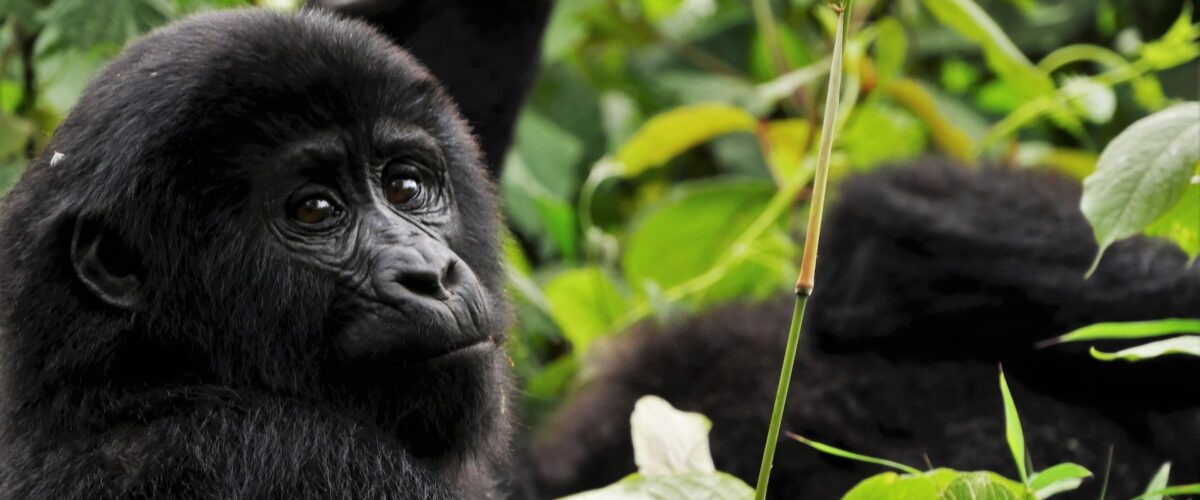
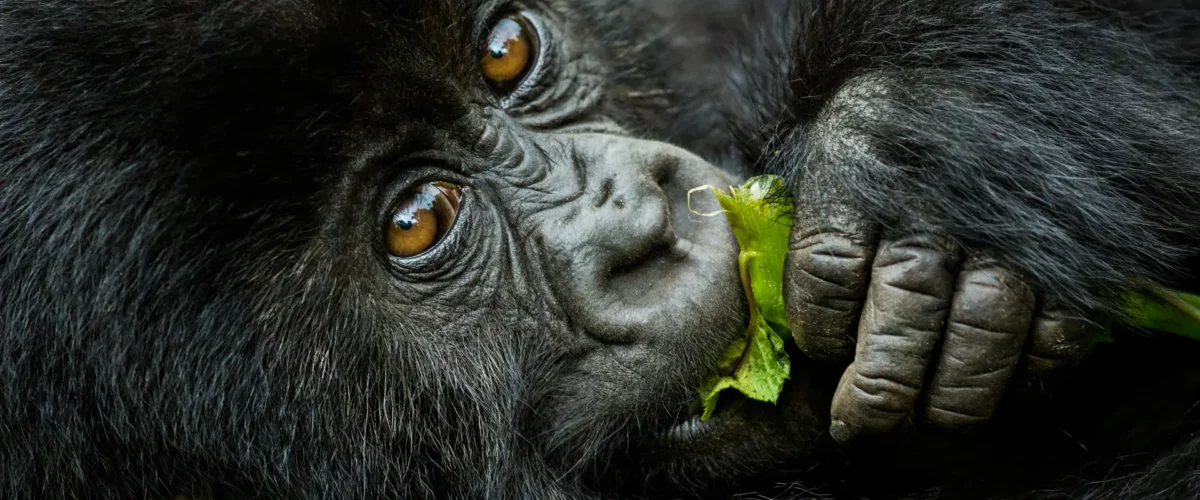
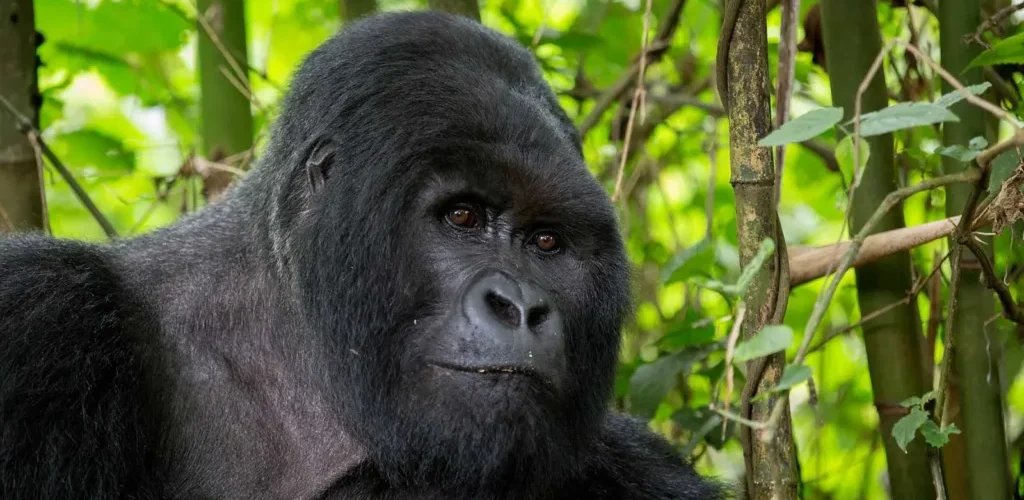
A Rwanda and Tanzania combined safari brings together two very different wildlife worlds in one journey. Rwanda offers close-range mountain gorilla trekking in Volcanoes National Park. Tanzania offers wide open savannahs in the Serengeti with large-scale wildlife movement.

This combination works because it delivers contrast. One part of the trip focuses on dense forest and intimate encounters. The other focuses on open landscapes and large herds. Together, they create a complete East African safari experience.

Two ecosystems, two completely different safari styles

Rwanda and Tanzania do not feel similar at all.

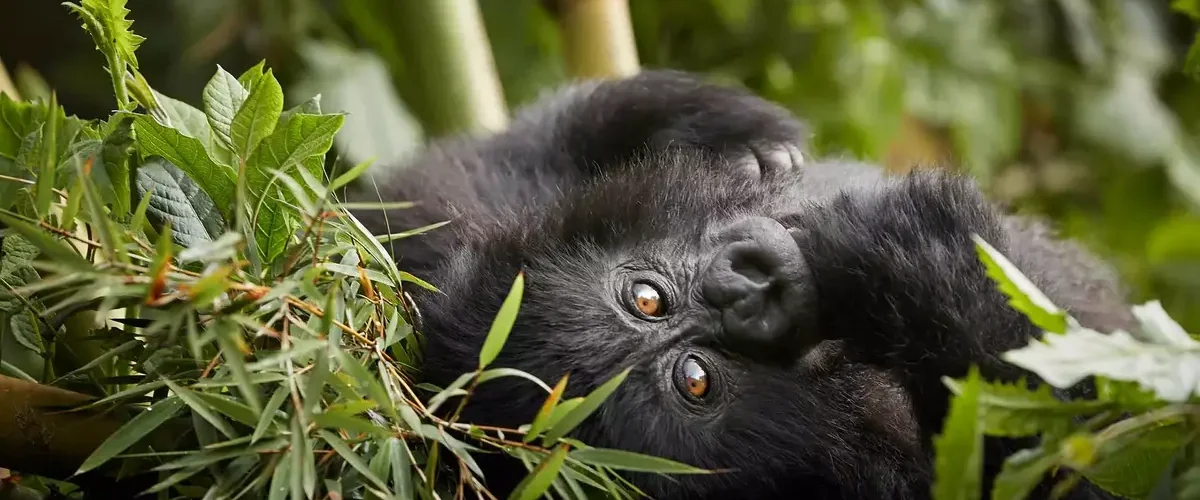
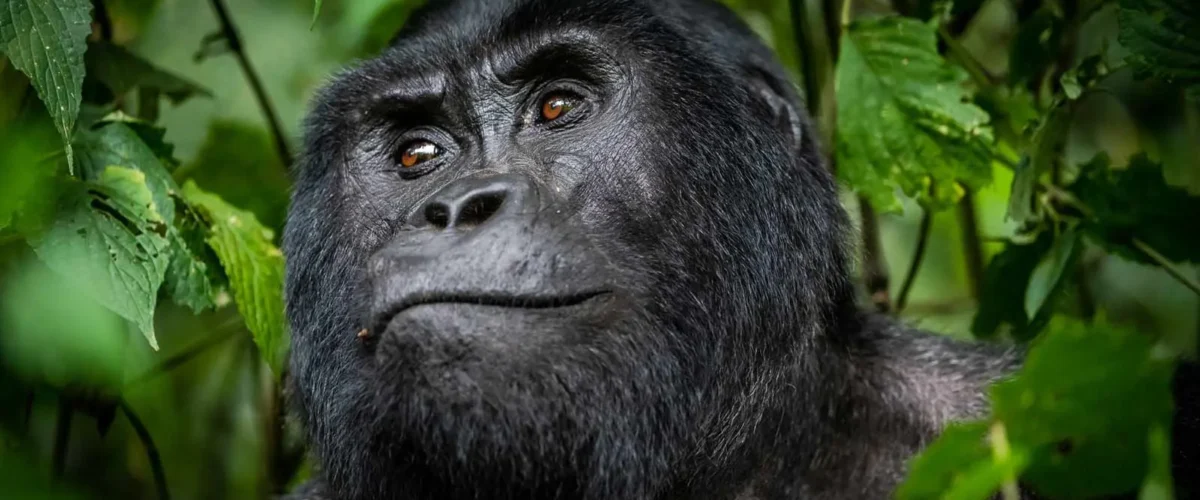
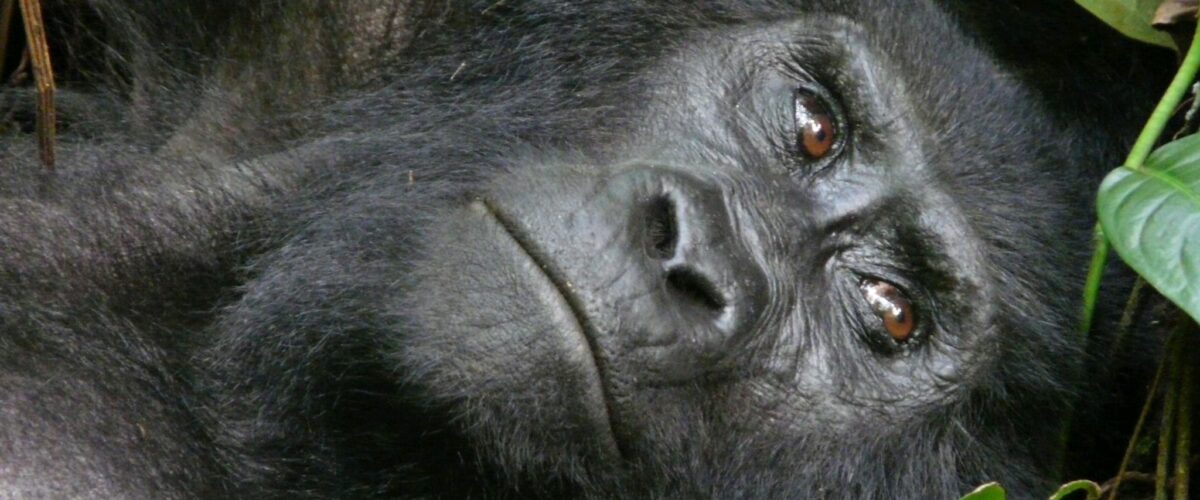
Rwanda focuses on rainforest trekking at high altitude. You walk through thick vegetation and steep slopes. Rangers guide you to a specific gorilla family. You then spend one hour with them.

Tanzania feels completely different. The Serengeti stretches across wide plains. You see animals from far distances. You watch predators and herds move across open land.

This contrast makes the combination powerful. You move from close wildlife encounters to broad landscape viewing.

How most combined itineraries work

Most safaris start in Rwanda. You arrive in Kigali first. You then travel to Volcanoes National Park for gorilla trekking.

After Rwanda, you fly to Tanzania. Most travellers enter through Arusha or Kilimanjaro. From there, they move into the Serengeti.

Some itineraries include Ngorongoro Crater as well. This depends on how many days you have and your budget.

Gorilla trekking in Rwanda: the core experience

Gorilla trekking in Rwanda takes place in Volcanoes National Park. Rangers lead small groups into the forest. They track a habituated gorilla family.

The trek can take a few hours. It depends on where the gorillas moved that day. The terrain can feel steep and wet.

Once you reach the gorillas, you spend one hour with them. You observe their behaviour closely. You also see how they interact within their group.

Rwanda controls this experience tightly. It protects the gorillas and keeps tourism impact low.

Moving from Rwanda to Tanzania

The transfer between Rwanda and Tanzania is an important part of the itinerary. You usually fly from Kigali to northern Tanzania.

This step connects two very different safari systems. Rwanda uses forest trekking. Tanzania uses game drives.

Good planning matters here. Flights must match trekking dates. Safari schedules must align with park availability.

A well-planned itinerary makes this transition smooth.

Serengeti National Park: the scale of wildlife

The Serengeti gives you a very different experience after Rwanda.

You drive across open plains. You see wildlife spread across large distances. You often see lions, elephants, giraffes, and zebras during one game drive.

The Great Migration is the main highlight. Millions of wildebeest and zebras move across the ecosystem each year. Predators follow them closely.

Game drives in the Serengeti last several hours. You move across different areas in search of wildlife activity.

Ngorongoro Crater as an optional extension

Many itineraries include Ngorongoro Crater. It sits in northern Tanzania.

The crater holds a dense population of wildlife. You can see lions, buffalo, elephants, and rhinos in one area.

It offers a different experience from the Serengeti. The landscape feels enclosed. Wildlife sightings happen more quickly due to high density.

How many days you need for this combined safari

A combined Rwanda and Tanzania safari needs more time than a single-country trip.

An 8 to 10-day itinerary works for a short but complete version. You visit gorillas and the Serengeti.

An 11 to 14-day itinerary gives a fuller experience. You add Ngorongoro Crater and spend more time in each park.

Short trips feel fast. Longer trips feel more relaxed and complete.

Cost structure of the combined safari

This safari sits in the luxury category. Gorilla permits in Rwanda make a large part of the cost. Tanzania safari lodges and park fees also add to the total.

Flights between countries increase the budget further. Luxury lodges in both destinations raise the overall price.

You pay for two high-value safari systems in one trip. That makes the experience expensive but diverse.

Who should choose this safari

This itinerary suits travellers who want variety. It works well for people who want both close wildlife encounters and large safari landscapes.

It also suits honeymooners and photographers. They benefit from the contrast between forest and savannah.

It does not suit very short trips. It also does not suit very tight budgets.

A Rwanda and Tanzania combined safari gives you two of Africa’s strongest wildlife experiences in one journey.

Rwanda delivers gorilla trekking in a controlled rainforest environment. Tanzania delivers wide savannahs and large wildlife populations.

The combination works because it balances intimacy and scale. You move from close encounters with gorillas to expansive game drives across the Serengeti.

For 2026 travel, this remains one of the most complete and rewarding safari routes in East Africa.
How Many Days Do You Need for a Rwanda Safari?

How Many Days Do You Need for a Rwanda Safari?

How Many Days Do You Need for a Rwanda Safari? A Realistic 2026 SEO Guide

Understanding the ideal Rwanda safari duration

When planning a Rwanda safari, one of the most searched and important questions is how many days are actually enough to experience the country properly. Rwanda is a compact destination in East Africa, but it offers a surprisingly diverse range of experiences including gorilla trekking in Volcanoes National Park, chimpanzee tracking in Nyungwe Forest, and classic Big Five game drives in Akagera National Park.

Because of this diversity packed into a small geography, many travellers assume that a short trip is sufficient. While it is true that Rwanda can be visited in a few days, the ideal safari duration depends heavily on your travel style, budget, and how many experiences you want to combine in one itinerary.

In 2026, most travel experts and safari planners agree that Rwanda is best experienced in a structured itinerary ranging from 4 to 7 days, with shorter and longer options available depending on priorities.

Minimum days needed for a Rwanda safari

The absolute minimum time required for a Rwanda safari is 3 days. This is usually designed around a single main activity, which is gorilla trekking in Volcanoes National Park.

A 3-day Rwanda safari typically includes arrival in Kigali, a transfer to Volcanoes National Park, one gorilla trekking experience, and departure. This type of itinerary is extremely focused and time-efficient.

While 3 days is enough to see mountain gorillas, it does not allow time for other national parks, cultural experiences, or relaxed travel pacing. It is best suited for travellers with limited time who want to prioritise the gorilla experience above everything else.

From an SEO perspective, this is often referred to as a “short Rwanda gorilla trekking itinerary” or “minimum Rwanda safari duration.”

The most popular option: 4-day Rwanda safari

A 4-day Rwanda safari is the most commonly booked duration among international travellers. It offers a more balanced experience without significantly increasing travel time or cost.

With 4 days, travellers still focus on Volcanoes National Park but gain additional flexibility. Many itineraries include golden monkey trekking, cultural visits to local communities, or extra time to relax at luxury lodges in the Virunga region.

This duration reduces travel fatigue and provides a more comfortable rhythm, especially for travellers who are not used to high-altitude trekking environments.

In SEO terms, 4-day Rwanda safari itineraries are often targeted as “best short Rwanda safari packages” or “4-day gorilla trekking Rwanda tours.”

Balanced experience: 5-day Rwanda safari itinerary

A 5-day Rwanda safari is widely considered the most balanced option for travellers who want more than just gorilla trekking.

This itinerary allows you to combine Volcanoes National Park with at least one additional destination such as Nyungwe Forest National Park or Akagera National Park. This is where Rwanda starts to feel like a full safari destination rather than a single-experience trip.

In Nyungwe, travellers can experience chimpanzee tracking and canopy walks in one of Africa’s oldest rainforests. In Akagera, they can enjoy traditional game drives with lions, elephants, giraffes, and zebras.

A 5-day itinerary offers a stronger return on investment because it diversifies wildlife experiences without making the trip overly rushed.

For SEO targeting, this duration is often associated with “Rwanda safari and gorilla trekking combo” or “5-day Rwanda wildlife safari.”

Ideal duration: 6 to 7 days Rwanda safari

A 6 to 7-day Rwanda safari is considered the ideal duration for most international travellers who want a complete experience.

At this length, it becomes possible to combine all three major ecosystems in Rwanda: the volcanic highlands of Volcanoes National Park, the rainforest environment of Nyungwe Forest, and the savannah landscapes of Akagera National Park.

This duration allows for gorilla trekking, chimpanzee tracking, canopy walks, game drives, and cultural experiences without feeling rushed. It also includes enough recovery time between physically demanding activities.

From a travel planning perspective, this is the most recommended structure for first-time visitors who want to experience Rwanda beyond just gorilla trekking.

SEO search terms for this level include “7-day Rwanda safari itinerary,” “complete Rwanda safari package,” and “best Rwanda safari itinerary 2026.”

Extended safaris: 8 to 10 days in Rwanda

An 8 to 10-day Rwanda safari is designed for travellers who want a luxury or in-depth exploration experience.

At this level, itineraries become highly customised. Travellers may include multiple gorilla trekking permits, extended stays in luxury lodges, helicopter transfers between regions, and deeper cultural or conservation experiences.

Longer itineraries also allow for slower travel pacing, which is important for photography-focused safaris, honeymoon trips, or high-end luxury travel where comfort and exclusivity are priorities.

These extended safaris are often marketed as “luxury Rwanda safari circuits” or “premium Rwanda gorilla trekking holidays.”

Key factors that affect how many days you need

The ideal number of days for a Rwanda safari is not fixed and depends on several important factors.

The first factor is the number of parks you want to visit. If your focus is only gorilla trekking, a shorter itinerary is sufficient. If you want a multi-park experience including Akagera and Nyungwe, you will need more days.

The second factor is travel style. Luxury travellers often prefer longer itineraries with more relaxed pacing, while budget travellers tend to choose shorter, activity-focused trips.

The third factor is physical comfort and altitude adjustment. Gorilla trekking takes place at high elevation and involves hiking, so having rest time before and after trekking improves the experience.

The fourth factor is flight logistics. Most international travellers arrive and depart through Kigali, and flight schedules can influence how days are structured.

Common Rwanda safari itinerary mistakes

One of the most common mistakes travellers make is underestimating travel time between parks. Rwanda is small, but road transfers between Volcanoes, Nyungwe, and Akagera still take several hours.

Another mistake is overpacking activities into too few days. While Rwanda allows efficient travel, trying to combine too many experiences in a 3 or 4-day trip often leads to fatigue and reduced enjoyment.

A third mistake is focusing only on gorilla trekking and ignoring other national parks, which significantly reduces the overall safari value.

Practical recommendations for 2026 travel planning

For travellers planning a Rwanda safari in 2026, the following guidelines are widely used by professional safari planners.

A 3-day safari is suitable only for a dedicated gorilla trekking experience with minimal additional activities. A 4-day safari is ideal for a short but comfortable gorilla-focused trip. A 5-day safari is best for combining gorillas with either Nyungwe or Akagera. A 6 to 7-day safari is the recommended standard for a full Rwanda wildlife experience. Anything beyond 7 days is best suited for luxury, photography, or in-depth exploration itineraries.

The number of days needed for a Rwanda safari depends entirely on how much of the country you want to experience beyond gorilla trekking. While it is technically possible to see mountain gorillas in as little as 3 days, most travellers benefit from a slightly longer itinerary that allows for better pacing, additional wildlife encounters, and a more complete understanding of Rwanda’s landscapes.

In 2026, the most balanced answer is that Rwanda works best as a 4 to 7-day safari destination. This duration provides enough time to experience gorilla trekking while also exploring other national parks, reducing travel stress, and maximising overall safari value.

Ultimately, Rwanda rewards travellers who allow a little more time, transforming a short gorilla visit into a richer and more complete East African safari experience.

What’s Included in a Luxury Rwanda Safari Package?

What’s Included in a Luxury Rwanda Safari Package?

What’s Included in a Luxury Rwanda Safari Package? Reading the Fine Print

Understanding what “luxury safari” really means in Rwanda

A luxury Rwanda safari package is often presented as an all-inclusive, seamless travel experience, but the reality behind the label depends heavily on what is actually written in the fine print. Rwanda is one of Africa’s most premium safari destinations, and its luxury offerings are structured around exclusivity, conservation funding, and high-service hospitality rather than simple accommodation and transport bundles.

Unlike basic safari packages that focus mainly on logistics, a luxury Rwanda safari is designed as a fully curated journey. It typically combines gorilla trekking in Volcanoes National Park, high-end lodge stays, private guiding services, and carefully coordinated transfers between destinations such as Kigali, Nyungwe Forest, and Akagera National Park.

However, not all “luxury packages” include the same level of service, and the differences often lie in details that are not immediately obvious when booking. Understanding what is included and what is not included is essential for avoiding unexpected costs and ensuring the experience matches expectations.

Gorilla trekking permits and what they actually cover

One of the most important inclusions in any Rwanda safari package is the gorilla trekking permit. In most luxury packages, the permit is included in the total price, but it is important to understand what this permit actually covers.

The gorilla permit grants access to Volcanoes National Park for one day of trekking, guided by professional rangers and trackers. It includes park entry fees, conservation contributions, ranger services, and one hour of direct observation with a habituated mountain gorilla family.

What it does not include is transportation to the park, accommodation, porter services, or personal travel insurance. Many travellers assume the permit is part of a broader experience bundle, but in reality, it is a standalone conservation fee that is then integrated into safari packages.

In luxury itineraries, the inclusion of permits is often positioned as a convenience, but it is also one of the largest cost components of the entire safari.

Luxury accommodation and lodge categories

Accommodation is a defining feature of luxury Rwanda safari packages, and it is where most variation in quality and price occurs.

Luxury lodges in Rwanda are concentrated around Volcanoes National Park, Lake Kivu, Nyungwe Forest, and Akagera National Park. These properties range from boutique eco-lodges to ultra-luxury villas with private chefs, spa services, and dedicated butler teams.

In most luxury packages, accommodation includes full-board service, meaning breakfast, lunch, and dinner are provided. High-end properties often include selected beverages, premium dining experiences, and in-room amenities such as heated beds, fireplaces, and panoramic forest or lake views.

However, not all luxury packages include identical lodge standards. Some packages use “luxury” as a broad category while actually placing travellers in mid-range boutique lodges rather than top-tier exclusive properties. This is why reviewing the specific lodge list in the fine print is essential.

Private transfers and ground transportation

Transport is another core element of luxury safari packages in Rwanda. Most itineraries include private 4×4 vehicles with professional driver-guides. These vehicles are typically used for airport transfers, inter-park travel, and daily safari movements where applicable.

The key distinction in luxury packages is whether transport is private or shared. In true luxury itineraries, vehicles are dedicated to individual travellers or small groups, allowing flexibility in departure times, stops, and route planning.

However, some packages still include semi-private transport between destinations, particularly for transfers between Kigali and Volcanoes National Park. This can significantly affect comfort levels and overall experience.

At the higher end of luxury travel, helicopter transfers are sometimes offered as optional or included upgrades. These dramatically reduce travel time and provide aerial views of Rwanda’s volcanic landscapes, but they are not standard inclusions in most packages.

Guiding services and safari structure

Professional guiding is a central component of any Rwanda safari, and in luxury packages, this is typically elevated to a higher standard.

Most luxury itineraries include English-speaking driver-guides with extensive knowledge of wildlife, conservation, and local culture. These guides accompany travellers throughout the journey, ensuring continuity and personalised service.

In higher-tier luxury packages, specialised guides may be assigned for specific activities such as gorilla trekking, chimpanzee tracking, or birding expeditions. This allows for more focused interpretation of wildlife behaviour and ecosystem dynamics.

However, the level of exclusivity in guiding varies. Some packages provide fully private guiding throughout the entire itinerary, while others assign different guides at different stages of the safari.

Meals, drinks, and dining experiences

Meal inclusions in luxury Rwanda safari packages generally follow a full-board model, but the quality and scope of dining experiences can vary significantly.

Most luxury lodges include breakfast, lunch, and dinner as standard. Meals are often prepared using locally sourced ingredients and are designed to reflect both international and Rwandan cuisine.

At higher-end properties, dining is elevated through private dining setups, bush breakfasts, wine pairings, and customised menus for dietary preferences. Some ultra-luxury lodges also include premium alcoholic beverages and curated cellar selections.

However, it is important to check whether drinks are fully included or partially excluded. Some packages include only non-alcoholic beverages or house selections, while premium wines, spirits, and imported drinks may be charged separately.

Activities included in luxury safari packages

A luxury Rwanda safari typically includes a set of core wildlife and cultural activities, though the exact combination depends on the itinerary.

The most important included activity is gorilla trekking, which is usually the highlight of the entire trip. Many luxury packages also include golden monkey trekking in Volcanoes National Park, chimpanzee tracking in Nyungwe Forest, and game drives in Akagera National Park.

Some itineraries also include guided nature walks, canopy walks in Nyungwe, cultural village visits, and conservation experiences such as research centre visits or community engagement programmes.

However, not all activities are automatically included. Some experiences, particularly additional trekking permits or specialty excursions, may require extra payment depending on the package structure.

Park fees, conservation contributions, and taxes

Luxury safari packages in Rwanda generally include all necessary park fees and conservation charges. These fees are essential for maintaining protected areas, funding ranger operations, and supporting wildlife conservation initiatives.

This includes entry fees for national parks such as Volcanoes, Nyungwe, and Akagera, as well as conservation levies tied to gorilla trekking permits.

Government taxes and tourism levies are also typically included in luxury package pricing. However, travellers should still verify whether all local taxes and service charges are fully covered or if any additional fees apply upon arrival.

What is often NOT included in luxury safari packages

This is where reading the fine print becomes critical. Even high-end safari packages often exclude certain costs that travellers assume are included.

International flights to and from Rwanda are almost always excluded. Travel insurance is another major exclusion, even though it is strongly recommended and sometimes required for gorilla trekking.

Personal expenses such as laundry, telephone calls, spa treatments, and premium alcoholic beverages are also commonly excluded unless explicitly stated otherwise.

Gratuities for guides, drivers, and lodge staff are generally not included in package prices. While tipping is optional, it is widely expected in the safari industry and should be budgeted separately.

Additional activities beyond the core itinerary, such as extra gorilla trekking permits, private photography sessions, or helicopter excursions, may also be excluded unless specifically listed.

The importance of itinerary structure in luxury packages

Luxury safari packages are not just collections of inclusions. They are structured experiences with carefully timed movement between destinations.

A well-designed itinerary ensures smooth transitions from Kigali to Volcanoes National Park, onward to other regions such as Nyungwe or Akagera, and back to Kigali for departure.

However, not all packages offer the same level of itinerary optimisation. Some focus heavily on Volcanoes National Park only, while others spread experiences across multiple ecosystems. The structure of the itinerary directly impacts travel time, comfort, and overall experience quality.

Final interpretation of luxury safari value

A luxury Rwanda safari package is ultimately defined by how seamlessly it integrates logistics, accommodation, guiding, and conservation experiences into a single journey.

The core value lies not just in what is included, but in how those inclusions are delivered. Private transport, high-quality lodges, expert guiding, and guaranteed gorilla trekking access form the foundation of the experience.

However, the real difference between packages is often hidden in the details: whether transport is fully private, whether drinks are included, how flexible guiding is, and how exclusive the lodges actually are.

Understanding what is included in a luxury Rwanda safari package requires careful attention to detail. While most packages include gorilla trekking permits, accommodation, meals, transport, and guiding, the level of luxury varies significantly depending on how these components are structured.

The fine print determines whether a safari is simply comfortable or truly exceptional. For travellers seeking a seamless and high-end experience, the key is not only choosing a luxury package, but ensuring that every element of that luxury is clearly defined, properly included, and aligned with expectations before the journey begins.

Private vs Group Rwanda Gorilla Trek

Private vs Group Rwanda Gorilla Trek

Private vs Group Rwanda Gorilla Trek: Which Booking Makes More Sense?

Understanding the core difference

When planning a Rwanda gorilla safari in Volcanoes National Park, one of the most important decisions you make is whether to book a private gorilla trek or join a group (shared) trek. At first glance, both options give you access to the same mountain gorillas, the same park, and the same ranger system. However, the structure of the experience, level of exclusivity, pacing, and overall feel of the trek can be very different.

This decision is not just about budget. It affects how you experience one of the most intimate wildlife encounters on Earth. Understanding the trade-offs helps you choose the option that matches your travel style, expectations, and comfort level.

How gorilla trekking is organised in Rwanda

Gorilla trekking in Rwanda is strictly regulated. Each day, only a limited number of permits are issued, and each habituated gorilla family is visited by a small group of tourists accompanied by armed rangers and trackers.

Even when you book a “group trek,” you are not part of a large crowd. Rwanda controls numbers tightly, and each gorilla family is typically visited by up to eight visitors per day. This means even standard group treks remain small, structured, and highly managed.

Private treks, however, take this structure and further refine it by giving you exclusivity over your trekking group and sometimes even your assigned gorilla family experience.

What a group gorilla trek feels like

A group gorilla trek in Rwanda is the standard booking option for most travellers. You are assigned to a small group of up to eight people, and you trek together under the guidance of a ranger and trackers.

The experience begins at the park headquarters with a briefing, after which groups are allocated different gorilla families based on fitness levels and location of the gorillas that day. You then hike as a unit through the forest until you locate the assigned gorilla family.

Once you find them, you spend one hour observing their behaviour, interactions, and movements.

A group trek is structured, social, and efficient. You share the experience with other travellers, which can be enjoyable if you like meeting people or do not mind a shared viewing environment. However, it also means you are balancing space, camera positioning, and viewing time with others in your group.

What a private gorilla trek changes

A private gorilla trek is designed for exclusivity and control. You still follow the same park rules, and you still only get one hour with the gorillas, but the experience is customised.

In a private trek, you do not share your trekking group with strangers. The experience is organised specifically for you, your partner, family, or selected travel companions. This gives you full control over pacing, photography, and personal interaction time during the trek.

In some cases, private treks also allow for more tailored logistical planning. For example, your guide can adjust pacing more flexibly based on your fitness level, photography needs, or interest in forest exploration along the way.

While the gorilla encounter itself remains regulated and identical in duration, the journey to reach them becomes more personalised and less socially constrained.

Cost difference between private and group treks

The most obvious difference between private and group gorilla trekking is cost.

A standard gorilla permit in Rwanda is already high in price, and this fee is generally fixed regardless of whether you join a group or opt for a private arrangement. However, the difference comes in additional guiding services, exclusivity fees, and overall safari structuring.

Group treks are more cost-efficient because logistics are shared among multiple travellers. Private treks are more expensive because you are effectively paying for exclusivity, dedicated guiding attention, and sometimes upgraded logistics such as private transfers or customised scheduling.

This makes private treks significantly more expensive in total package cost, even though the official permit remains the same.

Experience quality and personal space

One of the biggest advantages of a private trek is personal space. Gorilla trekking is an emotional and highly immersive experience, and some travellers prefer minimal distraction.

In a group trek, you may need to share viewing positions, coordinate photography angles, and adjust your movement around other visitors. While the groups are small, human presence is still part of the experience.

In a private trek, you have more freedom to position yourself, spend quiet time observing, and interact with your guide without external interruptions. This can make the experience feel more intimate and reflective.

However, group treks also have a positive social dynamic. Many travellers enjoy sharing reactions and excitement with others when encountering gorillas for the first time. This can add a sense of collective discovery.

Flexibility during the trek

Flexibility is another key distinction.

Group treks operate on a coordinated schedule. Once the group is assigned a gorilla family, the pace is generally set by the ranger and the group moves together.

Private treks offer more flexibility in pacing, particularly during the hike. If you need slower movement, more rest stops, or a more photography-focused approach, the guide can adjust more easily.

This is especially valuable for older travellers, photographers, or those who prefer a slower, more immersive forest experience.

Photography and viewing control

For photography-focused travellers, private trekking offers a clear advantage. With fewer people around you, it is easier to position yourself for stable shots, avoid obstructed views, and take time to capture gorilla behaviour without pressure from other group members.

In group treks, you may occasionally need to wait for others to move or adjust your position quickly to avoid blocking someone else’s view.

That said, gorilla encounters are time-limited and highly dynamic in both formats. Even in private treks, the gorillas are wild animals, and lighting, movement, and forest density remain unpredictable factors.

Social dynamics and travel style

Group treks are naturally more social. Travellers often come from different countries and backgrounds, and there is usually shared excitement throughout the hike and during the gorilla encounter.

For solo travellers or people who enjoy meeting others, this can be a positive aspect of the experience.

Private treks, on the other hand, are quieter and more controlled. They are better suited to honeymooners, families, photographers, or travellers who prioritise privacy over social interaction.

The choice often comes down to whether you prefer a shared adventure or a personalised expedition.

Logistics and availability considerations

Both private and group treks operate within the same permit system, meaning availability depends on daily allocations and park capacity.

Group treks are easier to book because they are the default structure of the system. Private treks require more coordination, and during peak season, availability can be more limited depending on demand.

It is also important to note that even in private trekking, you are still subject to park rules, gorilla family allocation decisions, and ranger instructions. Privacy applies to your group structure, not to unrestricted access or movement within the park.

Which option makes more sense?

The better option depends entirely on travel priorities.

A group trek makes more sense if you want a more cost-efficient safari experience, enjoy social interaction, and are comfortable sharing space during a highly structured wildlife encounter. It still delivers the same core experience of seeing mountain gorillas in their natural habitat.

A private trek makes more sense if you value exclusivity, photography control, flexible pacing, and a more personalised safari atmosphere. It is especially suited for luxury travellers, honeymooners, or those building a high-end photography-focused itinerary.

Both private and group gorilla treks in Rwanda offer access to the same extraordinary wildlife encounter. The difference is not in the gorillas, the park, or the duration of the experience, but in how the journey is structured around you.

Group treks are efficient, social, and widely accessible, while private treks are exclusive, flexible, and more personalised.

In practical terms, the “better” option is not universal. It depends on whether you prioritise value and shared experience or exclusivity and control. Either way, the core experience remains one of the most powerful wildlife encounters in the world, and Rwanda’s tightly managed system ensures that both formats deliver a safe and well-organised encounter with mountain gorillas.

Why Rwandas $1500 Gorilla Permit Costs More Than Uganda’s

Why Rwanda’s $1,500 Gorilla Permit Costs More Than Uganda’s

Why Rwanda’s $1,500 Gorilla Permit Costs More Than Uganda’s: The Full Explanation

Understanding the price gap in gorilla trekking permits

Mountain gorilla trekking is one of the rarest wildlife experiences in the world, and it is shared by only three countries: Rwanda, Uganda, and the Democratic Republic of Congo. Among these, Rwanda consistently has the highest gorilla permit price, currently around $1,500 per person per trek, while Uganda’s permit is significantly lower at around $700.

At first glance, this difference can look excessive, especially since the same species of gorillas is tracked in similar ecosystems. However, the pricing is not random. It reflects a deliberate national strategy that combines conservation funding, tourism positioning, infrastructure investment, and visitor management policy.

To understand it properly, you need to look at how each country structures its gorilla tourism model and what the permit fee actually supports.

Rwanda’s conservation-first, high-value tourism model

Rwanda has intentionally positioned itself as a high-end, low-volume tourism destination. Instead of maximising visitor numbers, the country focuses on limiting daily trekking permits while increasing revenue per visitor.

The gorilla permit price is a central tool in this strategy. By setting the price at $1,500, Rwanda reduces overcrowding in Volcanoes National Park and ensures that gorilla families are exposed to fewer daily human encounters. This reduces stress on the animals and supports long-term conservation stability.

In addition, a large portion of permit revenue is reinvested directly into conservation and community development, including park management, ranger salaries, anti-poaching operations, and local community benefit-sharing programmes.

This model means Rwanda is not just selling access to gorillas. It is financing a conservation system through tourism.

Uganda’s broader, more accessible tourism model

Uganda takes a different approach. While it also prioritises conservation, its tourism model is designed to be more accessible and competitive within East Africa.

Uganda has a larger gorilla population spread across Bwindi Impenetrable Forest and Mgahinga Gorilla National Park. Because of this scale and distribution, Uganda can issue more permits overall, which allows it to maintain a lower price point of around $700.

This lower pricing is partly intended to attract a wider range of international travellers, including mid-range and budget safari markets, while still supporting conservation funding.

In simple terms, Uganda balances conservation with accessibility, while Rwanda prioritises exclusivity and high revenue per visitor.

Park infrastructure and visitor experience differences

Rwanda’s Volcanoes National Park is widely considered one of the most developed gorilla trekking destinations in Africa. The infrastructure includes well-maintained ranger stations, highly organised briefing systems, shorter travel distances from Kigali, and a streamlined trekking experience.

The national park headquarters are close to the capital city, meaning travellers can reach trekking areas in approximately 2 to 3 hours. This convenience is a major part of Rwanda’s premium positioning.

Uganda’s gorilla trekking locations, particularly Bwindi, are more remote and require longer travel times and more rugged logistics. While this offers a more wilderness-heavy experience, it also reduces operational costs per visitor compared to Rwanda’s more centralised system.

Rwanda’s higher permit price partly reflects this investment in efficiency, infrastructure, and visitor comfort.

Revenue allocation and community investment

One of the most important differences between the two countries is how gorilla permit revenue is used.

In Rwanda, a significant portion of the $1,500 fee is reinvested into conservation and community development. This includes funding for ranger teams, anti-poaching patrols, research, habitat protection, and local community projects such as schools, roads, and healthcare support near park regions.

This structured reinvestment model ensures that local communities benefit directly from gorilla tourism, which reduces human-wildlife conflict and increases long-term protection of gorilla habitats.

Uganda also shares revenue with communities, but at a lower per-permit value due to the lower ticket price. This means Rwanda generates more funding per visitor, which strengthens its ability to maintain intensive conservation systems.

Tourism positioning and brand strategy

Rwanda has deliberately branded itself as a premium African safari destination. This strategy is not limited to gorilla trekking but extends across its entire tourism offering, including luxury lodges, high-end hospitality standards, and curated travel experiences.

The high gorilla permit price reinforces this positioning. It filters the market toward travellers who are willing to pay for exclusivity, conservation impact, and comfort.

Uganda, on the other hand, positions itself as a more diverse safari destination, offering gorilla trekking alongside classic savannah safaris, birding, and adventure tourism. Its pricing strategy reflects this broader market appeal.

In effect, Rwanda sells exclusivity, while Uganda sells variety and accessibility.

Visitor numbers and sustainability control

Another major factor behind Rwanda’s higher permit price is strict control of visitor numbers.

Rwanda limits the number of daily gorilla trekking permits available, ensuring that only a small number of groups visit each gorilla family per day. This reduces ecological pressure on the gorillas and maintains a controlled tourism footprint.

Because demand is consistently high and supply is limited, pricing naturally increases to regulate access.

Uganda, with a larger gorilla population and more trekking sectors, can distribute visitors across more locations, which reduces pressure on individual groups and allows for a lower price structure.

What travellers are actually paying for

When comparing Rwanda and Uganda, it is important to understand that the gorilla permit fee is not just an entry ticket. It is a bundled conservation contribution.

In Rwanda’s case, the $1,500 fee includes park access, trained ranger support, pre-trek briefing systems, and a structured tracking experience designed for safety and minimal environmental impact.

More importantly, it funds the long-term survival of mountain gorillas, whose populations were once critically endangered and remain highly sensitive to human disturbance.

The higher price reflects a model where tourism is directly integrated into conservation financing at a national scale.

comparison summary

Rwanda’s gorilla permit costs more than Uganda’s because it is built on a high-value conservation model rather than a volume-based tourism model. The pricing supports stricter visitor limits, stronger infrastructure, faster access from Kigali, and higher per-visitor conservation funding.

Uganda offers a more affordable alternative due to larger trekking capacity, broader tourism positioning, and a model that prioritises accessibility alongside conservation.

Both systems contribute to gorilla protection, but they do so using different economic strategies. Rwanda chooses exclusivity and high revenue per visitor, while Uganda balances conservation with broader market inclusion.

In practical terms, travellers are not just paying for a gorilla encounter. They are paying for two different national philosophies on how wildlife tourism should sustain one of the rarest species on Earth.

How Much Does a Luxury Rwanda Safari Cost?

How Much Does a Luxury Rwanda Safari Cost?

How Much Does a Luxury Rwanda Safari Cost? A Realistic 2026 Breakdown

Understanding the real cost of a luxury Rwanda safari

A luxury safari in Rwanda is one of the most exclusive wildlife experiences in Africa, largely defined by gorilla trekking in Volcanoes National Park. Rwanda positions itself as a high-end, low-volume destination, meaning prices are intentionally premium in exchange for safety, infrastructure quality, conservation impact, and exclusivity.

For 2026, Rwanda safaris sit firmly in the luxury and ultra-luxury category compared to most East African destinations. While budget travel exists in Rwanda, the gorilla trekking experience is priced in a way that naturally pushes most itineraries into mid-range to luxury territory.

A realistic luxury Rwanda safari typically combines gorilla trekking, high-end lodges, private transfers, and curated experiences across Volcanoes National Park, Nyungwe Forest, and Akagera National Park.

The biggest cost driver: gorilla trekking permits

The single most important component of any Rwanda safari budget is the gorilla trekking permit. For international visitors in 2026, the permit is approximately 1,500 USD per person per trek. This fee includes park entry, ranger services, and one hour with a habituated mountain gorilla family.

Because most luxury itineraries include at least one gorilla trek, and often two or more for high-end travelers, permits alone can significantly shape the total budget. Two treks already place the cost at around 3,000 USD per person before accommodation or logistics are included.

This is one of the main reasons Rwanda is considered a premium safari destination in Africa.

Luxury accommodation costs in Rwanda

Accommodation is the second major cost component, and Rwanda offers some of the most refined safari lodges in East Africa, especially around Volcanoes National Park.

Luxury lodges typically range from about 1,200 USD to 3,500+ USD per night depending on exclusivity, season, and room category. Ultra-luxury properties near Volcanoes National Park can exceed this range, especially for villas or private-use accommodations.

A standard luxury safari itinerary of 3 to 5 nights often results in accommodation costs ranging from approximately 3,500 USD to over 10,000 USD per person depending on room type and level of exclusivity.

At the very top end, private-use lodges, honeymoon suites, or designer eco-lodges can push nightly rates even higher, particularly during peak seasons.

Full luxury safari package pricing

When accommodation, permits, transfers, guiding, and park logistics are combined, a luxury Rwanda safari is typically sold as a package.

For 2026, realistic pricing bands are:

A 3 to 4 day luxury Rwanda safari generally ranges from about 5,000 USD to 9,000 USD per person. Mid-luxury itineraries with shared transfers and boutique lodges sit at the lower end, while private, ultra-luxury experiences sit at the higher end.

Fully bespoke luxury safaris, especially those including multiple gorilla treks, helicopter transfers, or exclusive-use vehicles, can exceed 10,000 USD per person.

Some ultra-luxury itineraries that include premium lodges, private guiding, and multiple gorilla encounters can go well beyond this depending on customization.

Transportation and logistics costs

Transport in a luxury Rwanda safari is usually private and high comfort. The most common route is Kigali to Volcanoes National Park, which takes around 2.5 to 3 hours by road in a private 4×4 vehicle.

Private transfers typically cost between 80 USD and 150 USD one way per vehicle when arranged independently, though in luxury packages this is usually bundled into the overall cost.

At the ultra-luxury level, helicopter transfers are available and can cost several thousand dollars per flight, offering a dramatic reduction in travel time and a premium scenic experience.

Internal flights are not common in Rwanda due to its compact size, but private charter services are available for high-end itineraries.

What luxury safari packages usually include

A fully luxury Rwanda safari package is not just transport and accommodation. It is a curated experience.

Most high-end packages include gorilla permits, private or semi-private guiding, luxury lodge accommodation, all meals and premium drinks at selected properties, private transfers, park logistics coordination, and concierge-level planning.

At the top end, packages may also include exclusive-use vehicles, private chefs, spa treatments, helicopter transfers, and bespoke wildlife experiences such as golden monkey trekking or forest walks in Nyungwe.

Tour operator service fees also form part of the cost structure, typically ranging from several hundred to a few thousand dollars depending on itinerary complexity.

Additional costs often overlooked

Even luxury travelers should account for smaller but important additional expenses.

Porter services during gorilla trekking are strongly recommended for safety and support on steep terrain, and tipping guides, trackers, and lodge staff is standard practice.

Travel insurance with evacuation coverage is essential and often required by operators.

Optional experiences such as chimpanzee trekking, cultural visits, or additional gorilla permits can also increase the total budget.

Final cost overview for 2026

A realistic luxury Rwanda safari in 2026 can be summarised as follows.

A short luxury itinerary of around 3 days typically starts at about 5,000 USD per person.

A mid-range luxury safari of 4 to 5 days generally falls between 6,000 USD and 9,000 USD per person.

Ultra-luxury, fully private, multi-experience itineraries with premium lodges and multiple gorilla treks can exceed 10,000 USD per person depending on customisation and travel style.

A luxury Rwanda safari is not a budget experience, and it is not designed to be. The pricing reflects a combination of conservation funding, controlled tourism numbers, high-end hospitality, and one of the most intimate wildlife encounters in the world.

What you are paying for is not just accommodation and activities, but access to one of the last remaining populations of wild mountain gorillas, combined with some of the most refined safari infrastructure in Africa.

For travellers who prioritise exclusivity, safety, conservation impact, and comfort, Rwanda delivers a tightly packaged but premium safari experience that justifies its cost in 2026.

Travel Insurance for a Rwanda Gorilla Safari

Travel Insurance for a Rwanda Gorilla Safaris

Travel Insurance for a Rwanda Gorilla Safari: What Must Your Policy Cover?

Understanding why travel insurance matters for gorilla trekking in Rwanda

A gorilla safari in Rwanda is one of the most premium wildlife experiences in Africa, centred around Volcanoes National Park in the northwestern part of the country. It involves trekking through dense montane rainforest, steep volcanic slopes, and unpredictable terrain at elevations that often exceed 2,000 to 3,000 metres. This is not a casual sightseeing activity. It is a physically demanding expedition into a remote ecosystem where access to immediate medical services is limited.

Because of this environment, travel insurance is not an optional travel accessory. It is a practical requirement for risk management. Even though Rwanda does not formally demand insurance as a condition for issuing a gorilla trekking permit, operators consistently insist that visitors carry comprehensive coverage. The reason is simple. If something goes wrong in the forest, the logistical and medical response is complex and expensive.

A gorilla permit itself represents a significant financial investment, and the safari experience often includes flights, accommodation, guiding services, and internal transfers. Without insurance, any disruption or emergency can result in substantial financial loss in addition to health risk. This is why understanding exactly what your policy must cover is essential before you travel.

The medical risk environment in Volcanoes National Park

Gorilla trekking takes place in a high-altitude rainforest ecosystem. The terrain is uneven, often muddy due to frequent rainfall, and can become slippery even on well-established trails. Trekkers may walk for anywhere between one hour and several hours before locating a gorilla family, and the return journey can be equally demanding.

In this environment, the most common medical risks include musculoskeletal injuries such as sprains or strains from slips and falls, dehydration due to physical exertion at altitude, and exhaustion in less physically prepared travellers. There is also the potential for altitude-related discomfort, particularly for individuals not acclimatised to high elevation.

More serious medical incidents are rare but possible. These include fractures, severe allergic reactions, or sudden illness while deep inside the forest. The key challenge is not only treatment but also access to treatment. The terrain limits rapid vehicle access, meaning that evacuation often begins on foot with ranger assistance before any transport can be arranged.

This is why insurance coverage must go beyond basic outpatient care and extend into emergency response and evacuation systems.

Emergency medical coverage and why limits matter

The foundation of any suitable insurance policy for a Rwanda gorilla safari is comprehensive emergency medical coverage. This includes hospital treatment, emergency consultations, medication, and inpatient care if required.

However, the critical factor is not only what is covered but also the financial limit of the coverage. Because serious cases may require transfer from rural health facilities to Kigali hospitals, costs can escalate quickly. A strong policy should therefore provide high coverage limits that reflect international private medical standards rather than minimal travel protection.

Medical coverage should also include treatment for injuries sustained during trekking activities, not just general illness. Some lower-tier insurance plans exclude injuries occurring during physically demanding excursions, which makes them unsuitable for gorilla trekking.

Emergency evacuation from remote terrain

Evacuation coverage is the most important component of gorilla trekking insurance. If an incident occurs inside Volcanoes National Park, evacuation is not immediate or simple. The process typically involves ranger teams stabilising the situation, assisting the traveller to a more accessible point, and coordinating transport to a medical facility.

Depending on severity, evacuation may involve stretcher transport through forest paths, vehicle transfer to a district health centre, and subsequent transfer to Kigali for advanced care. In severe cases, air evacuation or international medical repatriation may be necessary.

A suitable insurance policy must therefore include ground evacuation, ambulance transport, and repatriation coverage. Without these elements, the traveller may face significant out-of-pocket costs in an emergency situation, particularly if specialised transport is required.

Adventure activity inclusion for gorilla trekking

One of the most common mistakes travellers make is assuming that standard travel insurance automatically covers gorilla trekking. In reality, many policies exclude “high-risk activities” unless specifically added as an optional extension.

Gorilla trekking is classified as an adventure activity because it involves hiking in mountainous terrain, exposure to unpredictable natural conditions, and guided wildlife tracking in remote environments. If this activity is not explicitly included in the policy wording, any claim related to trekking injuries or incidents may be rejected.

A correct policy must clearly state that trekking, hiking at altitude, or wildlife tracking activities are covered. This distinction is essential and should be verified before travel rather than assumed.

Trip cancellation and financial protection of gorilla permits

Gorilla permits in Rwanda are among the most expensive wildlife permits in Africa. They are typically purchased in advance and are tied to specific trekking dates and groups. Because of this structure, cancellation or interruption can result in significant financial loss if not insured.

A comprehensive policy should include trip cancellation coverage for events such as sudden illness, injury before departure, family emergencies, or unforeseen travel disruptions. It should also include trip interruption coverage, which applies if the traveller must cut their safari short after arrival.

This type of protection ensures that the financial investment in permits, accommodation, and logistics is not completely lost due to circumstances beyond the traveller’s control.

Baggage, equipment, and travel disruption coverage

Although not unique to gorilla trekking, baggage and travel disruption coverage plays an important role in safari travel. Journeys to Rwanda often involve multiple flights and transfers, increasing the likelihood of delays or lost luggage.

For gorilla trekking specifically, luggage delays can be particularly disruptive because proper clothing, hiking boots, rain gear, and camera equipment are essential for the experience. If baggage is delayed or lost, insurance should provide compensation for emergency replacement items.

Travel delay coverage is also important when connecting flights are missed, as safari itineraries are often tightly scheduled and dependent on timely arrivals.

Personal liability and legal protection

Personal liability coverage is a standard but important part of travel insurance. It protects the traveller in the event that they accidentally cause injury to another person or damage property during their trip.

While this is unlikely during gorilla trekking, it remains a relevant component of comprehensive international travel insurance and should not be overlooked, especially for high-value travel environments.

Why standard travel insurance is often insufficient

Many travellers assume that a general international travel insurance policy is adequate for a gorilla safari. In practice, this is often not the case. Standard policies are typically designed for urban tourism and may include limitations on altitude, remote travel, or adventure activities.

Gorilla trekking combines all three risk categories: altitude exposure, remote wilderness conditions, and physical exertion. This combination places it outside the scope of basic coverage unless specifically upgraded.

As a result, travellers must actively review policy exclusions rather than relying on general assurances of coverage.

Practical risk perspective for Rwanda safaris

From a practical standpoint, most travellers complete gorilla trekking in Rwanda without incident. The activity is well managed, guided by experienced park rangers, and carefully regulated to ensure safety for both visitors and gorilla populations.

However, insurance is not about probability alone. It is about preparedness for low-probability but high-impact events. Even a simple ankle injury in a remote forest environment can become complex if evacuation and treatment are required.

This is why insurance is treated as a mandatory component of safari preparation by most professional tour operators.

Final considerations before travel

Before booking a gorilla safari in Rwanda, travellers should carefully review their insurance policy wording. The key requirements are clear: full emergency medical coverage, complete evacuation and repatriation support, explicit inclusion of trekking or adventure activities, and adequate financial limits to cover international-level medical costs.

Additional benefits such as cancellation protection and baggage coverage strengthen the overall policy but do not replace the core medical and evacuation requirements.

Travel insurance for a Rwanda gorilla safari is fundamentally about managing risk in a remote and physically demanding environment. Volcanoes National Park offers one of the most extraordinary wildlife encounters in the world, but it also presents logistical and medical challenges that require preparation.

A suitable insurance policy ensures that in the rare event of an emergency, medical care and evacuation are accessible without financial uncertainty. It also protects the significant investment made in permits and safari arrangements.

Ultimately, proper insurance is not separate from the safari experience. It is part of it, forming the safety foundation that allows travellers to focus fully on the experience of observing mountain gorillas in their natural habitat.

Travel Insurance for a Rwanda Gorilla Safari

Travel Insurance for a Rwanda Gorilla Safari

Travel Insurance for a Rwanda Gorilla Safari: What Must Your Policy Cover?

Understanding why travel insurance matters for gorilla trekking in Rwanda

A gorilla safari in Rwanda is one of the most premium wildlife experiences in Africa, centred around Volcanoes National Park in the northwestern part of the country. It involves trekking through dense montane rainforest, steep volcanic slopes, and unpredictable terrain at elevations that often exceed 2,000 to 3,000 metres. This is not a casual sightseeing activity. It is a physically demanding expedition into a remote ecosystem where access to immediate medical services is limited.

Because of this environment, travel insurance is not an optional travel accessory. It is a practical requirement for risk management. Even though Rwanda does not formally demand insurance as a condition for issuing a gorilla trekking permit, operators consistently insist that visitors carry comprehensive coverage. The reason is simple. If something goes wrong in the forest, the logistical and medical response is complex and expensive.

A gorilla permit itself represents a significant financial investment, and the safari experience often includes flights, accommodation, guiding services, and internal transfers. Without insurance, any disruption or emergency can result in substantial financial loss in addition to health risk. This is why understanding exactly what your policy must cover is essential before you travel.

The medical risk environment in Volcanoes National Park

Gorilla trekking takes place in a high-altitude rainforest ecosystem. The terrain is uneven, often muddy due to frequent rainfall, and can become slippery even on well-established trails. Trekkers may walk for anywhere between one hour and several hours before locating a gorilla family, and the return journey can be equally demanding.

In this environment, the most common medical risks include musculoskeletal injuries such as sprains or strains from slips and falls, dehydration due to physical exertion at altitude, and exhaustion in less physically prepared travellers. There is also the potential for altitude-related discomfort, particularly for individuals not acclimatised to high elevation.

More serious medical incidents are rare but possible. These include fractures, severe allergic reactions, or sudden illness while deep inside the forest. The key challenge is not only treatment but also access to treatment. The terrain limits rapid vehicle access, meaning that evacuation often begins on foot with ranger assistance before any transport can be arranged.

This is why insurance coverage must go beyond basic outpatient care and extend into emergency response and evacuation systems.

Emergency medical coverage and why limits matter

The foundation of any suitable insurance policy for a Rwanda gorilla safari is comprehensive emergency medical coverage. This includes hospital treatment, emergency consultations, medication, and inpatient care if required.

However, the critical factor is not only what is covered but also the financial limit of the coverage. Because serious cases may require transfer from rural health facilities to Kigali hospitals, costs can escalate quickly. A strong policy should therefore provide high coverage limits that reflect international private medical standards rather than minimal travel protection.

Medical coverage should also include treatment for injuries sustained during trekking activities, not just general illness. Some lower-tier insurance plans exclude injuries occurring during physically demanding excursions, which makes them unsuitable for gorilla trekking.

Emergency evacuation from remote terrain

Evacuation coverage is the most important component of gorilla trekking insurance. If an incident occurs inside Volcanoes National Park, evacuation is not immediate or simple. The process typically involves ranger teams stabilising the situation, assisting the traveller to a more accessible point, and coordinating transport to a medical facility.

Depending on severity, evacuation may involve stretcher transport through forest paths, vehicle transfer to a district health centre, and subsequent transfer to Kigali for advanced care. In severe cases, air evacuation or international medical repatriation may be necessary.

A suitable insurance policy must therefore include ground evacuation, ambulance transport, and repatriation coverage. Without these elements, the traveller may face significant out-of-pocket costs in an emergency situation, particularly if specialised transport is required.

Adventure activity inclusion for gorilla trekking

One of the most common mistakes travellers make is assuming that standard travel insurance automatically covers gorilla trekking. In reality, many policies exclude “high-risk activities” unless specifically added as an optional extension.

Gorilla trekking is classified as an adventure activity because it involves hiking in mountainous terrain, exposure to unpredictable natural conditions, and guided wildlife tracking in remote environments. If this activity is not explicitly included in the policy wording, any claim related to trekking injuries or incidents may be rejected.

A correct policy must clearly state that trekking, hiking at altitude, or wildlife tracking activities are covered. This distinction is essential and should be verified before travel rather than assumed.

Trip cancellation and financial protection of gorilla permits

Gorilla permits in Rwanda are among the most expensive wildlife permits in Africa. They are typically purchased in advance and are tied to specific trekking dates and groups. Because of this structure, cancellation or interruption can result in significant financial loss if not insured.

A comprehensive policy should include trip cancellation coverage for events such as sudden illness, injury before departure, family emergencies, or unforeseen travel disruptions. It should also include trip interruption coverage, which applies if the traveller must cut their safari short after arrival.

This type of protection ensures that the financial investment in permits, accommodation, and logistics is not completely lost due to circumstances beyond the traveller’s control.

Baggage, equipment, and travel disruption coverage

Although not unique to gorilla trekking, baggage and travel disruption coverage plays an important role in safari travel. Journeys to Rwanda often involve multiple flights and transfers, increasing the likelihood of delays or lost luggage.

For gorilla trekking specifically, luggage delays can be particularly disruptive because proper clothing, hiking boots, rain gear, and camera equipment are essential for the experience. If baggage is delayed or lost, insurance should provide compensation for emergency replacement items.

Travel delay coverage is also important when connecting flights are missed, as safari itineraries are often tightly scheduled and dependent on timely arrivals.

Personal liability and legal protection

Personal liability coverage is a standard but important part of travel insurance. It protects the traveller in the event that they accidentally cause injury to another person or damage property during their trip.

While this is unlikely during gorilla trekking, it remains a relevant component of comprehensive international travel insurance and should not be overlooked, especially for high-value travel environments.

Why standard travel insurance is often insufficient

Many travellers assume that a general international travel insurance policy is adequate for a gorilla safari. In practice, this is often not the case. Standard policies are typically designed for urban tourism and may include limitations on altitude, remote travel, or adventure activities.

Gorilla trekking combines all three risk categories: altitude exposure, remote wilderness conditions, and physical exertion. This combination places it outside the scope of basic coverage unless specifically upgraded.

As a result, travellers must actively review policy exclusions rather than relying on general assurances of coverage.

Practical risk perspective for Rwanda safaris

From a practical standpoint, most travellers complete gorilla trekking in Rwanda without incident. The activity is well managed, guided by experienced park rangers, and carefully regulated to ensure safety for both visitors and gorilla populations.

However, insurance is not about probability alone. It is about preparedness for low-probability but high-impact events. Even a simple ankle injury in a remote forest environment can become complex if evacuation and treatment are required.

This is why insurance is treated as a mandatory component of safari preparation by most professional tour operators.

Final considerations before travel

Before booking a gorilla safari in Rwanda, travellers should carefully review their insurance policy wording. The key requirements are clear: full emergency medical coverage, complete evacuation and repatriation support, explicit inclusion of trekking or adventure activities, and adequate financial limits to cover international-level medical costs.

Additional benefits such as cancellation protection and baggage coverage strengthen the overall policy but do not replace the core medical and evacuation requirements.

Travel insurance for a Rwanda gorilla safari is fundamentally about managing risk in a remote and physically demanding environment. Volcanoes National Park offers one of the most extraordinary wildlife encounters in the world, but it also presents logistical and medical challenges that require preparation.

A suitable insurance policy ensures that in the rare event of an emergency, medical care and evacuation are accessible without financial uncertainty. It also protects the significant investment made in permits and safari arrangements.

Ultimately, proper insurance is not separate from the safari experience. It is part of it, forming the safety foundation that allows travellers to focus fully on the experience of observing mountain gorillas in their natural habitat.

Malaria in Rwanda

Malaria in Rwanda

Malaria in Rwanda: Risk Areas, Prevention, Symptoms and What Travellers Need to Know

Understanding malaria in Rwanda

Malaria remains one of the most important public health concerns in Rwanda. It is a mosquito-borne infectious disease caused mainly by Plasmodium falciparum, the most dangerous malaria parasite species. Transmission happens through the bite of infected female Anopheles mosquitoes, which are most active from dusk to dawn.

Unlike countries where malaria is confined to specific rural zones, Rwanda is considered malaria-endemic. This means the disease is present throughout the country, although the intensity of transmission varies depending on altitude, climate, rainfall patterns, and population density. For travellers, this is a crucial distinction because even popular tourist destinations are not completely risk-free.

Malaria transmission patterns in Rwanda

Malaria transmission in Rwanda is not uniform across the country. The risk is shaped largely by geography and seasonal rainfall.

Low-altitude and warmer regions experience higher transmission because these environments allow mosquitoes to breed more efficiently. Areas near lakes, wetlands, and agricultural valleys often see higher infection rates. In contrast, higher-altitude regions experience lower transmission, but not zero risk.

Rwanda’s climate plays a major role. The country has two rainy seasons, and malaria cases typically increase after periods of heavy rainfall. This is because stagnant water creates ideal breeding conditions for mosquitoes. However, due to environmental changes and urban expansion, malaria transmission patterns have become more unpredictable in recent years, meaning cases can appear outside traditional peak seasons.

Regional malaria risk in Rwanda

Although malaria exists nationwide, it is helpful to understand the relative risk differences across regions.

Eastern Rwanda tends to have higher transmission levels. This is due to its lower elevation and warmer climate, which favour mosquito survival and reproduction. Agricultural activity and irrigation systems also contribute to mosquito breeding environments.

Areas around major lakes, including Lake Kivu, can also experience moderate to high transmission depending on seasonal conditions. Fishing communities and lakeside settlements are particularly exposed.

Central regions, including Kigali, generally have lower transmission compared to rural lowlands. However, Kigali is not malaria-free. Cases still occur, especially among people moving in and out of higher-risk districts.

Western and northern highland areas, including regions near Volcanoes National Park and parts of Nyungwe, tend to have lower transmission due to cooler temperatures and higher elevation. Even so, occasional cases are reported, which is why these areas are still classified as low-risk rather than no-risk.

Why malaria still exists despite control efforts

Rwanda has made significant progress in malaria control over the past years through mosquito net distribution, indoor spraying campaigns, rapid testing, and public awareness programmes. These interventions have reduced cases at different points in time.

However, malaria has not been eliminated due to several persistent challenges. Mosquito resistance to insecticides in some areas reduces the effectiveness of control measures. Climate variability also influences mosquito breeding patterns, making outbreaks difficult to predict. Human movement between regions further spreads transmission, especially in a country where people frequently travel between rural and urban zones.

As a result, malaria control in Rwanda is an ongoing effort rather than a completed success story.

Symptoms of malaria

Malaria symptoms can vary depending on the severity of infection and the individual’s immune response. In many cases, symptoms appear between a few days and several weeks after being bitten by an infected mosquito.

The most common early symptoms include fever, chills, headache, and general fatigue. Muscle aches and joint pain are also common, often making the illness feel similar to influenza in the early stages. Some individuals experience nausea, vomiting, or loss of appetite.

If not treated promptly, malaria can progress to severe illness. Severe malaria may involve confusion, difficulty breathing, persistent vomiting, or extreme weakness. In such cases, urgent medical attention is required because Plasmodium falciparum can become life-threatening very quickly.

Prevention of malaria in Rwanda

Preventing malaria is far more effective than treating it, especially for travellers and visitors who have no prior immunity.

The most important preventive measure is avoiding mosquito bites. Since the mosquitoes that transmit malaria are most active at night, protection during evening and nighttime hours is critical. Sleeping under insecticide-treated mosquito nets significantly reduces exposure risk. Wearing long-sleeved clothing and trousers after sunset also provides an additional physical barrier.

Using mosquito repellent on exposed skin is highly recommended, especially in outdoor or rural settings. Accommodations with screened windows or air conditioning further reduce mosquito exposure.

For many travellers, antimalarial medication may also be recommended depending on the duration of stay, itinerary, and individual health profile. These medications do not guarantee complete protection but significantly reduce the risk of developing severe disease if infection occurs.

Malaria and safari travel in Rwanda

For travellers visiting Rwanda for safari experiences, including gorilla trekking, chimpanzee tracking, or wildlife tours, malaria awareness is an essential part of preparation.

Even in highland destinations such as Volcanoes National Park or Nyungwe Forest, where temperatures are cooler, malaria risk is reduced but not eliminated. Trekkers often move between different altitudes during their journey, which means exposure can still occur in transit areas or lower elevation stopovers.

Safari lodges and camps usually implement mosquito control measures, but travellers should not rely solely on accommodation standards for protection. Personal preventive behaviour remains the most important factor.

Malaria treatment and healthcare in Rwanda

Rwanda has a relatively strong healthcare system for malaria diagnosis and treatment compared to many malaria-endemic countries. Rapid diagnostic testing is widely available in both urban and rural health centres, allowing for quick confirmation of infection.

Treatment is typically effective when administered early. Artemisinin-based combination therapies are the standard treatment for uncomplicated malaria caused by Plasmodium falciparum. With timely care, recovery rates are high.

However, delayed treatment can lead to complications, especially in severe cases. This is why early recognition of symptoms and immediate medical attention are critical.

Risk awareness for travellers

For visitors, the key issue is not panic but preparedness. Malaria in Rwanda is a manageable risk when proper precautions are taken. Most travellers who follow standard prevention measures complete their trips without infection.

The most important mindset is understanding that malaria risk is continuous rather than seasonal or location-specific. Even urban stays and short visits carry some level of exposure.

Malaria in Rwanda is an ongoing health reality rather than a limited or seasonal concern. It is present across the country, with higher transmission in low-altitude and warmer regions and reduced but not absent risk in highland and urban areas. While Rwanda has made strong progress in control and treatment, malaria remains endemic due to environmental, climatic, and biological factors.

For travellers, especially those exploring Rwanda’s national parks and safari circuits, prevention is straightforward but essential. Protection against mosquito bites, awareness of symptoms, and, where appropriate, medical prophylaxis form the foundation of safe travel in the country.

Understanding malaria in Rwanda is ultimately about balance. The risk exists, but it is well understood, manageable, and significantly reduced through consistent preventive behaviour.

Yellow Fever and Rwanda

Yellow Fever and Rwanda

Yellow Fever and Rwanda: Entry Requirements and What You Need to Know

Introduction: Why This Requirement Matters More Than It Looks

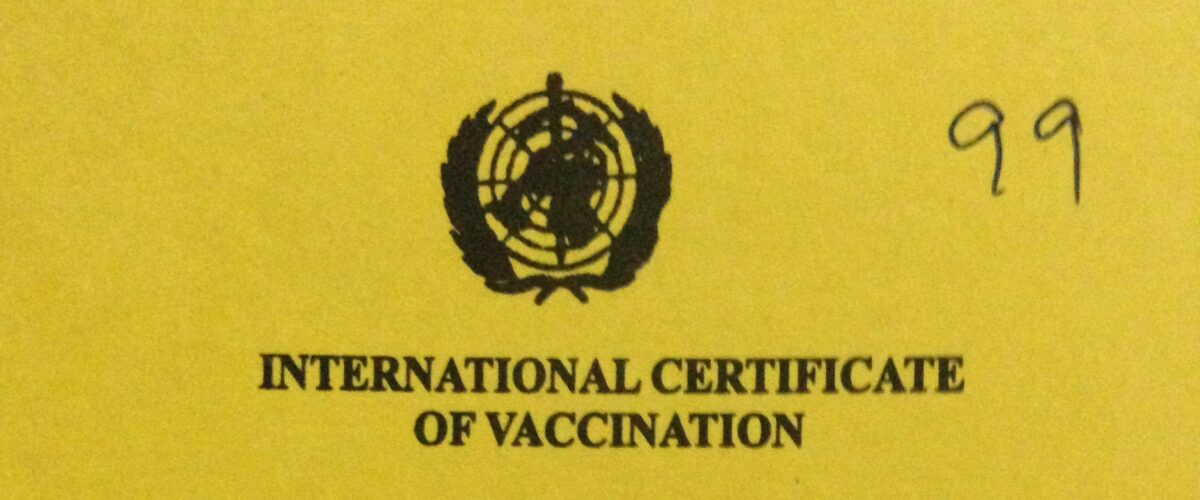
Planning a safari in Rwanda is usually associated with gorilla trekking in Volcanoes National Park, scenic lodges, and well-organized travel logistics. But before you get into the wildlife experience, there is a health entry requirement that often determines how smoothly your arrival goes: yellow fever compliance.

This is not a complicated system, but it is one that is strictly applied at borders and airports when it becomes relevant to your travel history. Many travelers underestimate it because they assume it only applies to people coming from specific countries, but in reality, it is based on routes, transit history, and regional movement.

Understanding this requirement properly is part of responsible safari planning. It prevents delays, avoids last-minute medical stress at entry points, and ensures your itinerary remains uninterrupted from arrival in Kigali to your first gorilla trek in Volcanoes National Park.

Understanding Yellow Fever in the Context of East Africa

Yellow fever is a mosquito-borne viral disease found in parts of tropical Africa and South America. It is not present in all countries, but international travel regulations treat it as a controlled disease because of its potential severity and outbreak risk.

Rwanda itself is not considered a high-risk transmission zone, but it follows international health protocols set by global health authorities. This means entry rules are designed not around internal risk, but around preventing imported cases from travelers arriving from affected regions.

This becomes especially important because Rwanda is part of a highly interconnected East African travel network. Tourists frequently move between Rwanda, Uganda, Kenya, and Tanzania, and this cross-border movement is the main reason yellow fever regulations are enforced consistently.

Do You Need a Yellow Fever Certificate for Rwanda

Whether you need a yellow fever vaccination certificate depends entirely on your travel route rather than your nationality.

If you are arriving in Rwanda from a country where yellow fever is present or endemic, you are expected to show proof of vaccination. This includes many countries in West and Central Africa, as well as certain travel routes that pass through these regions.

If you have had a transit stop in a yellow fever risk country, especially if the layover is long enough for potential exposure according to international health rules, you may also be required to present your certificate upon arrival in Rwanda.

If your journey is a direct flight from a low-risk country without any relevant transit stops, you may not always be asked for the certificate. However, immigration officers still retain the authority to request it based on your travel history, which means the requirement remains relevant even if it is not always enforced in every case.

Because of this uncertainty, most safari travelers treat the yellow fever vaccine as a standard travel requirement rather than a conditional one.

The Yellow Fever Certificate and How It Works

The document required for entry is the International Certificate of Vaccination or Prophylaxis, commonly referred to as the yellow card. This is an official internationally recognized health document issued after vaccination at an approved medical center.

It includes your personal identification details, the date the vaccine was administered, and official certification stamps confirming validity. Once issued, the certificate becomes your proof of compliance with international health regulations.

Under current global health guidelines, a single yellow fever vaccination provides lifelong protection, meaning the certificate does not expire for most travelers. This makes it a one-time requirement rather than a recurring travel obligation.

When entering Rwanda, immigration officials may request this document at Kigali International Airport or at land border crossings depending on your route and travel history.

When the Certificate Is Checked in Practice

In real travel situations, the certificate is most commonly checked when your itinerary involves higher-risk travel routes or multiple countries.

If you are arriving from or transiting through a yellow fever endemic region, officials will typically request proof upon entry. This is standard procedure and is part of routine immigration health screening.

If you are undertaking a multi-country safari that includes both Rwanda and neighboring countries such as Uganda or Kenya, the certificate may be checked more than once depending on border crossings and direction of travel.

Even in cases where it is not physically requested, the requirement still applies if your travel history falls under regulated categories. This is why experienced safari planners treat it as a mandatory document rather than an optional precaution.

What Happens If You Do Not Have It

If you are required to present a yellow fever certificate and do not have one, the consequences depend on the specific circumstances of your entry.

In some cases, immigration authorities may allow you to receive vaccination upon arrival at your own expense before entry is granted. This can cause delays, especially if multiple travelers are being processed at the same time.

In other situations, entry may be delayed while officials verify your eligibility or travel route. This can be particularly disruptive if you have scheduled transfers to safari regions or timed gorilla trekking permits in Volcanoes National Park.

In stricter enforcement scenarios, entry can be denied if compliance requirements are not met and no acceptable alternative is available.

While serious enforcement cases are not the norm for all travelers, the risk exists enough that it should be taken seriously during travel preparation.

When You Should Get Vaccinated

The yellow fever vaccine must be administered at least ten days before travel in order for the certificate to become valid for entry purposes. This waiting period is important because the vaccine requires time to take effect in the body.

If you receive the vaccine too close to your departure date, you may technically be vaccinated but still not meet entry documentation requirements at immigration checkpoints.

For this reason, travelers planning safaris in Rwanda are strongly encouraged to complete vaccination early in the planning process, ideally at the same time they begin booking flights, permits, and accommodation.

This ensures that the certificate is valid well before departure and removes any uncertainty when entering the country.

Yellow Fever in Multi-Country Safari Itineraries

Yellow fever requirements become even more important when your safari includes more than one country.

Many travelers combine Rwanda with Uganda as part of a regional gorilla trekking itinerary. Others extend their trip into Kenya or Tanzania for savannah safaris after visiting Volcanoes National Park.

In these cases, the yellow fever certificate may be checked at multiple border points, depending on the direction of travel and entry history into each country.

This makes the certificate not just a single-entry requirement for Rwanda but a regional travel document that supports movement across East Africa.

For example, a traveler moving from Kigali into Uganda for Bwindi Impenetrable Forest trekking will often need to present the certificate again at the border depending on entry conditions at the time of travel.

Why the Rule Exists and Why It Is Strictly Applied

The purpose of yellow fever entry requirements is not administrative complexity. It is public health protection.

Countries like Rwanda enforce these rules to reduce the risk of imported disease transmission, especially given the high volume of international tourists entering for gorilla trekking and wildlife tourism.

Because Rwanda has positioned itself as a high-end, conservation-focused tourism destination, maintaining strict health protocols is part of protecting both visitors and local communities.

This is particularly important in regions like Volcanoes National Park, where tourism is closely managed and environmental conditions require careful regulation.

A Small Requirement That Prevents Major Problems

Yellow fever entry requirements for Rwanda are straightforward, but they are not optional when they apply.

For most travelers, especially those visiting gorilla trekking destinations or combining regional East African itineraries, having the vaccination certificate is a simple step that prevents unnecessary complications at immigration.

In practical terms, it is not a barrier to travel but part of standard safari preparation. Once completed, it removes uncertainty and allows you to focus fully on the experience of traveling through Rwanda’s landscapes, wildlife regions, and conservation areas.

The key takeaway is simple. If there is any chance your route falls under yellow fever regulations, it is far better to be prepared in advance than to deal with it at the border.