Is Rwanda Safe for International Tourists?
 Rwanda Travel Advice
Is Rwanda Safe for International Tourists? The Honest 2026 Assessment
Introduction: Safety in Rwanda Needs Context, Not Hype
When travelers research Rwanda, especially for safaris and gorilla trekking in Volcanoes National Park, the safety question usually comes first. That is sensible. You are planning long-haul travel, often into remote mountain or forest environments, and you want clarity, not marketing language.
The honest 2026 assessment is straightforward: Rwanda is widely considered one of the safest countries in Africa for international tourists. But “safe” does not mean identical conditions everywhere, and it does not remove the need for basic travel awareness.
To understand Rwanda properly, you need to look at three layers: urban safety in Kigali, safari safety in national parks, and regional border context.
Kigali: A Stable and Highly Managed Capital City
Most international visitors begin in Kigali, and this is where Rwanda’s reputation for order and safety is most visible.
The city is clean, structured, and heavily regulated compared to many regional capitals. Public spaces are organized, traffic is controlled, and there is a visible security presence in key areas such as hotels, commercial districts, and government zones.
For tourists staying in established hotels or boutique properties, movement around the city is generally uncomplicated. Restaurants, cultural sites, and attractions are accessible without the constant vigilance that is sometimes required in larger global cities.
Crime affecting tourists is generally low-level and opportunistic rather than violent. Like any capital city, basic precautions still apply, but Kigali is not known for high-risk tourist targeting.
In practical terms, most travelers experience Kigali as calm, structured, and predictable.
Safari Regions: Controlled Environments With Guided Access
The core safari experience in Rwanda takes place in protected national parks, and these areas operate under strict conservation and tourism control systems.
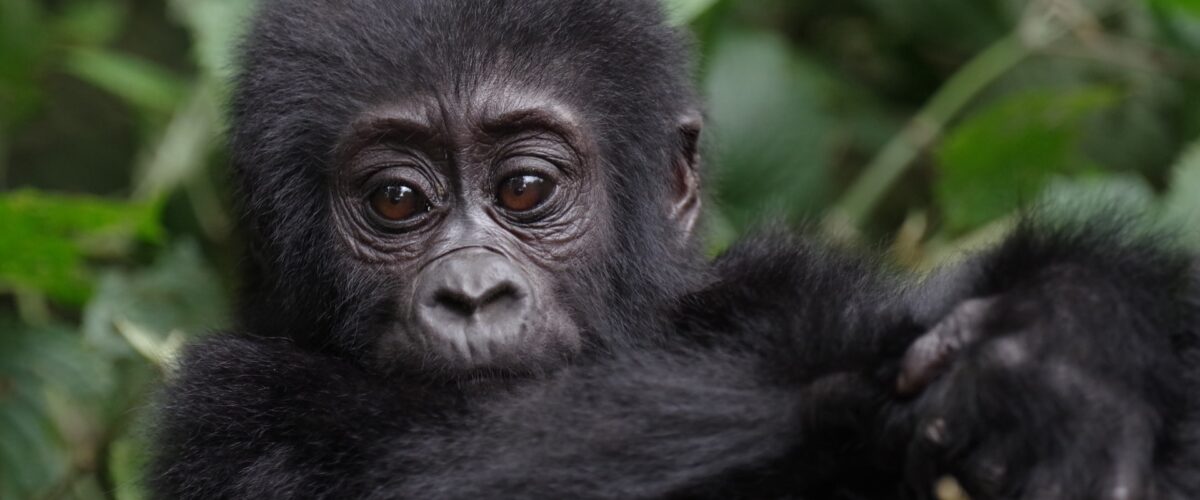
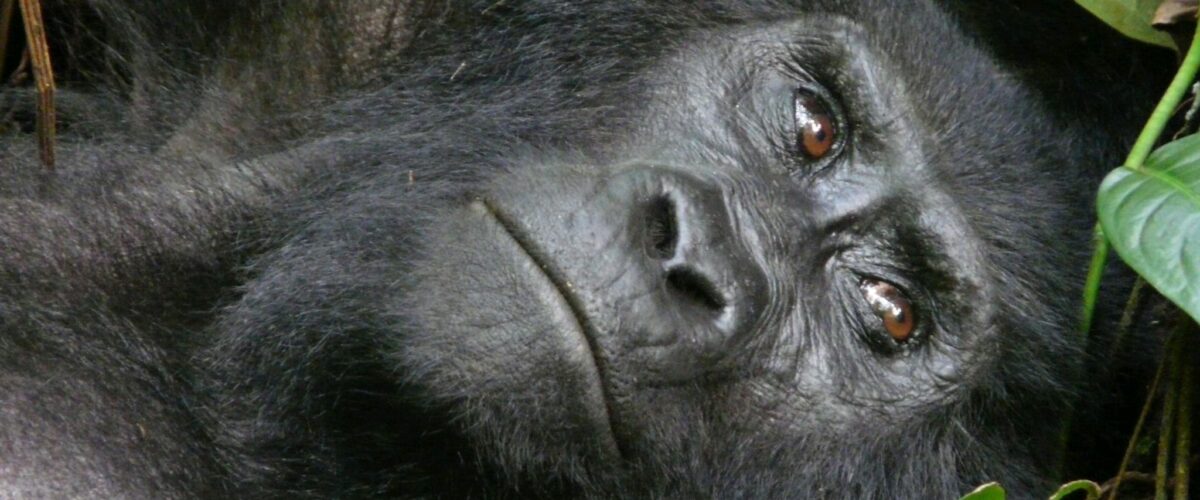
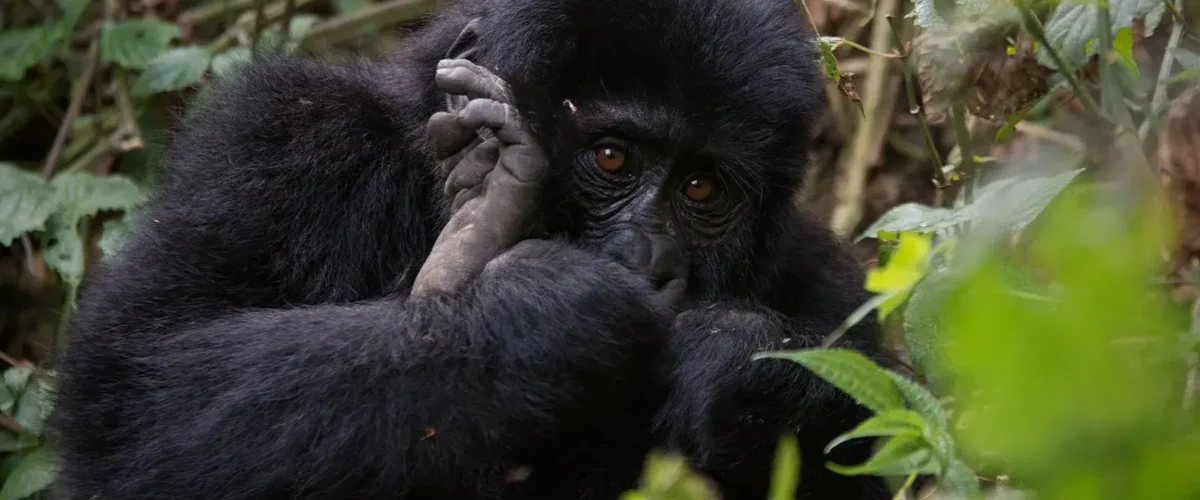
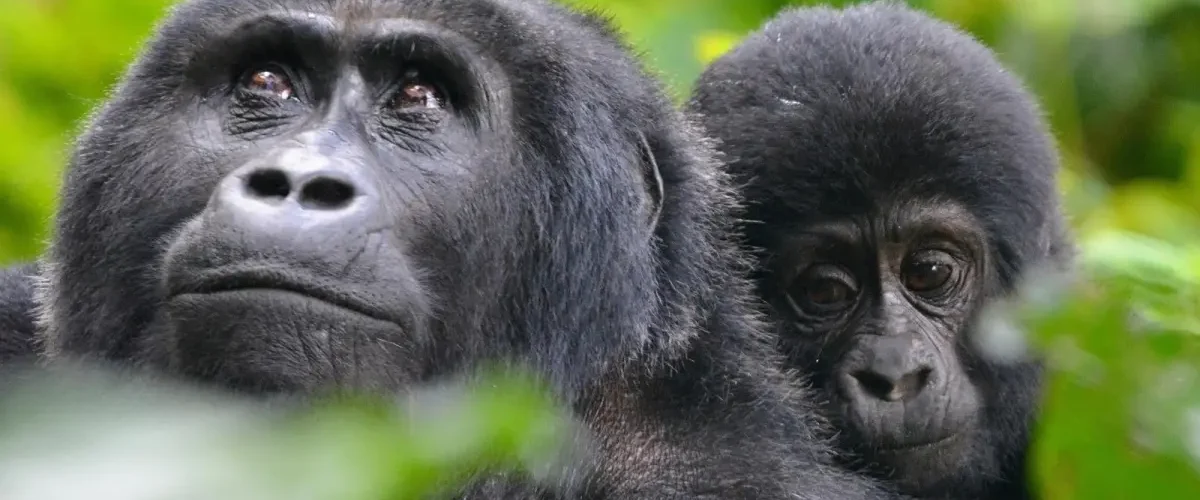
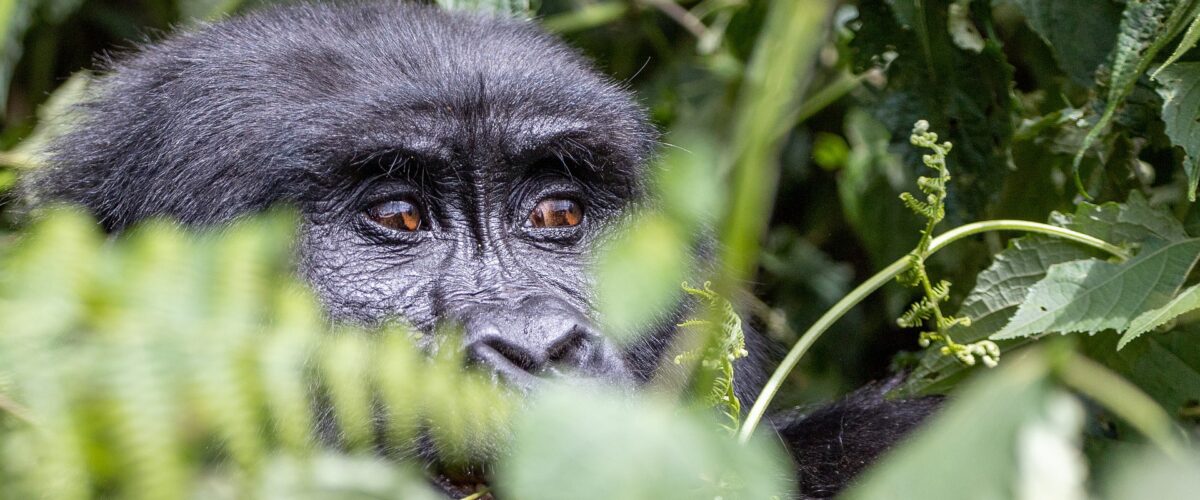
In Volcanoes National Park, gorilla trekking is one of the most regulated wildlife experiences in the world. Visitors do not move independently. Every trek is led by trained guides and armed rangers, with strict rules on group size, distance from animals, and movement in the forest.
This structure significantly reduces risk because there is no free roaming or unsupervised access. Everything is coordinated from park headquarters to trekking groups to return logistics.
Other major parks, including Akagera and Nyungwe, follow similar controlled access systems. Game drives and forest activities are always guided, and entry is regulated.
From a safety standpoint, this makes Rwanda’s safari model one of the most controlled and professionally managed in Africa.
Wildlife Safety: Managed Encounters, Not Random Exposure
Wildlife encounters in Rwanda are carefully managed rather than unpredictable.
Gorilla trekking groups are assigned specific families and accompanied at all times by trained trackers and rangers who understand animal behavior and terrain conditions. The purpose is controlled observation, not risky interaction.
Even in Big Five areas like Akagera National Park, game drives are conducted with experienced guides who maintain safe viewing distances and understand animal movement patterns.
This reduces the kind of uncertainty that can exist in less structured wildlife systems elsewhere in Africa.
Border Regions: The Only Area Requiring Awareness
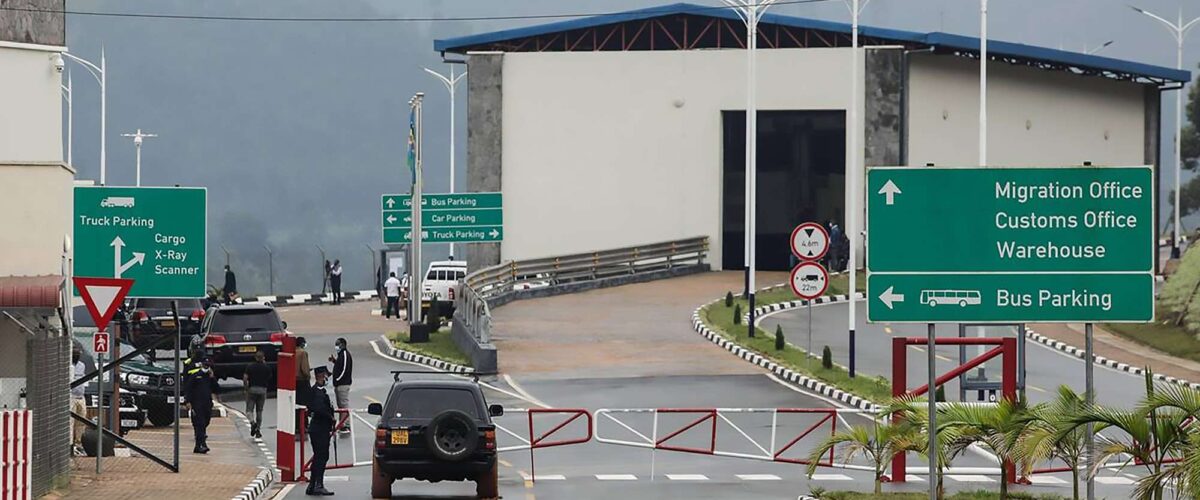
The main area where travelers are advised to exercise caution is near Rwanda’s western border with the Democratic Republic of Congo.
Some border-adjacent districts can experience occasional instability linked to regional dynamics. However, these areas are not part of standard safari itineraries.
Key tourism zones, including Volcanoes National Park and major lodge circuits, remain operational and heavily monitored.
For most visitors, this is background geopolitical context rather than a direct travel risk.
Road Travel: The Most Practical Consideration
The most realistic safety factor for travelers in Rwanda is road travel rather than crime or wildlife.
The country’s terrain is hilly, and journeys between destinations involve winding roads through rural and highland landscapes. While roads are generally in good condition, travel times can feel longer due to geography.
This is why safari itineraries rely on professional driver-guides who understand timing, road conditions, and safe driving practices.
Most travel-related incidents reported by visitors are related to fatigue or road logistics rather than security issues.
Final Verdict: Rwanda Is Safe, Structured, and Tourism-Ready
In 2026, Rwanda stands out as a stable and well-managed destination for international tourism.
Urban areas like Kigali are orderly and low-risk by regional standards. Safari regions such as Volcanoes National Park operate under strict, guided systems that prioritize visitor safety. Wildlife encounters are controlled, and tourism infrastructure is highly organized.
The only area requiring contextual awareness is border-adjacent regions, which are generally outside standard travel routes.
For most safari travelers, the real experience is not about managing risk—it is about navigating a highly structured destination where logistics, guiding, and conservation systems are tightly integrated.
In simple terms, Rwanda is not just safe enough for tourism. It is one of the most organized safari destinations in Africa.