Nyungwe House Review

Nyungwe House Review

Nyungwe House Review: Staying in Rwanda’s Ancient Rainforest in Luxury

Introduction: A Different Kind of Rwanda Safari Experience

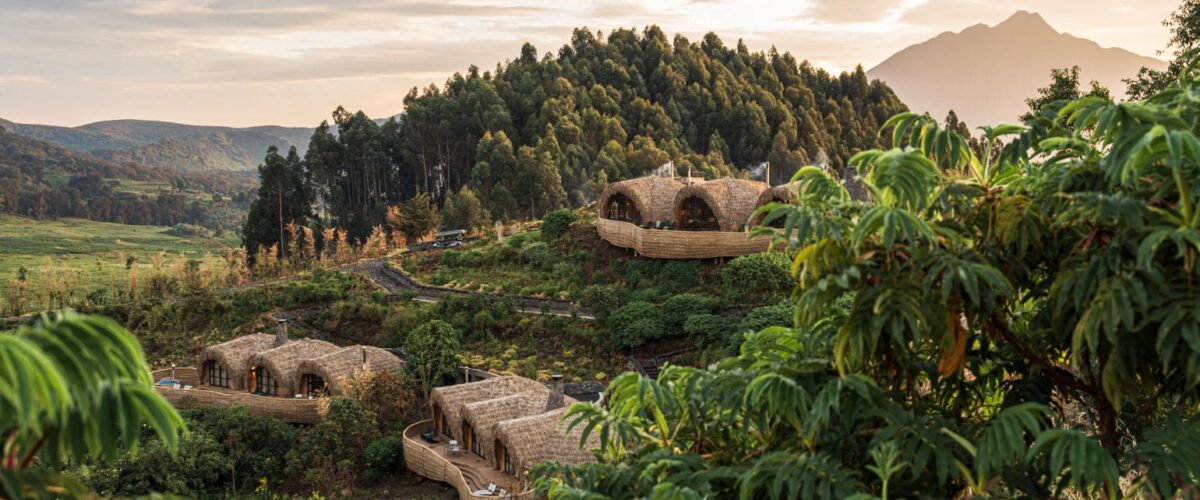
Deep in the southwest of Rwanda, where mist rises through one of Africa’s oldest mountain rainforests, sits One&Only Nyungwe House. Unlike gorilla-focused lodges in the north, this property offers a completely different rhythm of travel. Here, the focus shifts from volcanic peaks and mountain gorillas to ancient rainforest, chimpanzees, and endless green canopy stretching into the horizon.

Set within a working tea plantation on the edge of Nyungwe Forest National Park in Rwanda, the lodge blends high-end luxury with one of the most biodiverse ecosystems in East Africa. It is quieter, more contemplative, and less intense than gorilla trekking lodges, but still deeply immersive.

The key question is whether this level of luxury is justified in such a remote rainforest setting, and whether Nyungwe House delivers a meaningful experience beyond just beautiful rooms.

Location: Tea Plantations Meet Ancient Rainforest

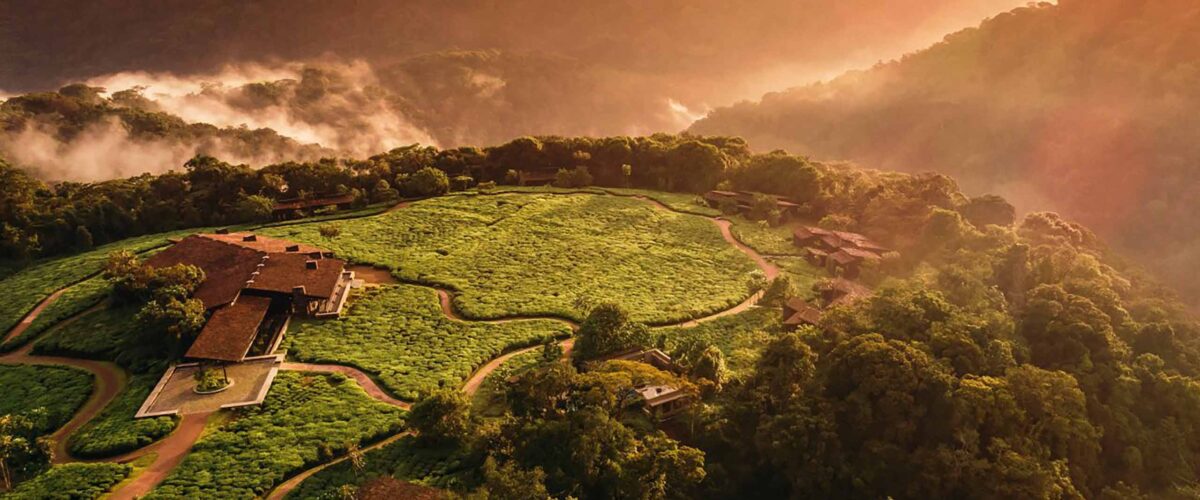
The setting of Nyungwe House is one of its most distinctive features. The lodge sits at the edge of Nyungwe Forest, surrounded by rolling green tea fields that stretch across the hillsides before giving way to dense jungle.

This creates a layered landscape that feels almost unreal. On one side, you have carefully cultivated tea plantations with geometric patterns. On the other, untouched rainforest that has existed for millions of years.

The transition between these two environments is part of the lodge’s identity. Guests often arrive through winding roads that pass through tea estates before reaching the forest edge, immediately shifting the atmosphere from agricultural calm to wild, ancient nature.

This positioning also makes the lodge a gateway to chimpanzee trekking and other primate experiences in Nyungwe Forest, which is one of the most important rainforest ecosystems in Africa.

Design and Architecture: Modern Luxury in a Natural Frame

One&Only Nyungwe House is designed to feel modern, refined, and seamlessly integrated into its environment.

The architecture uses wood, stone, and natural textures to soften its presence within the forest. Villas are arranged in clusters, slightly elevated above the ground, allowing them to blend into the sloping terrain while maintaining privacy and forest views.

Inside, the design is warm and contemporary. High wooden ceilings, large glass windows, and natural materials dominate the interiors. Fireplaces in the rooms add comfort during cool rainforest evenings, while private decks extend the living space into the canopy.

The design philosophy is not rustic safari but polished forest luxury. It is clearly positioned as a high-end retreat rather than a traditional safari lodge.

The Rooms: Forest Views and Quiet Comfort

The rooms at Nyungwe House are designed to maximize immersion in the surrounding rainforest without sacrificing comfort.

Each room opens onto a private balcony overlooking either the tea fields or the forest edge. The feeling is quiet and secluded, with constant natural sound from birds, insects, and distant primates.

Inside, the rooms are spacious and well-appointed. Large beds face the forest views, while fireplaces and warm lighting create a cozy atmosphere at night. Bathrooms are modern and generously sized, often featuring both indoor and open visual connections to the surrounding landscape.

What stands out most is the sense of stillness. Unlike busier safari environments, Nyungwe House feels slow and deeply calm, shaped more by the forest rhythm than by human activity.

Wildlife Experience: Chimpanzees and Forest Primates

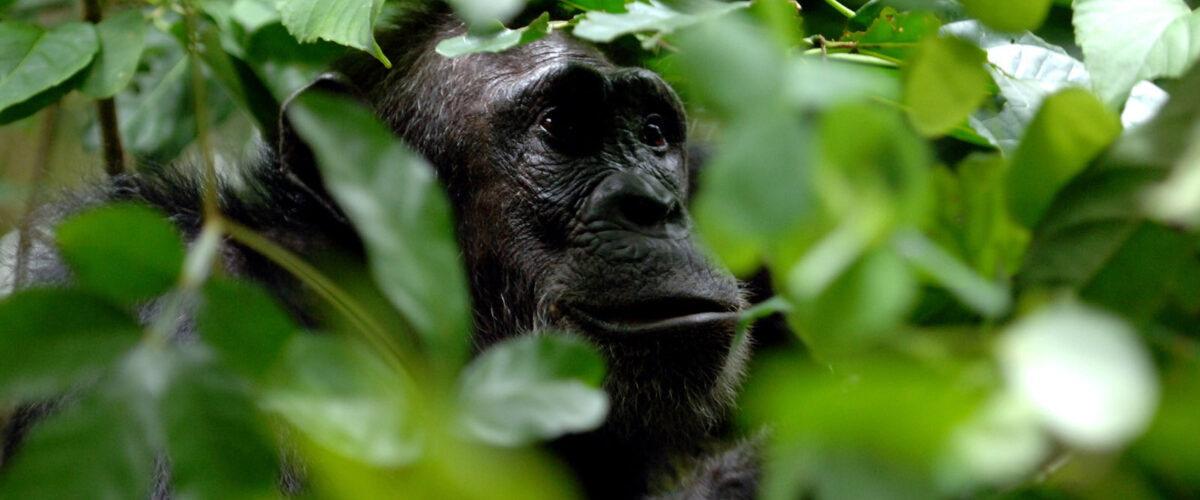
The main wildlife highlight in Nyungwe is chimpanzee trekking in Nyungwe Forest National Park.

Unlike gorilla trekking, chimpanzee tracking is more unpredictable. Chimps move quickly through the canopy and are more challenging to locate and observe at close range. This makes the experience more dynamic but also less guaranteed in terms of viewing quality.

Beyond chimpanzees, the forest is home to a wide range of primates, including colobus monkeys and other rare species. Birdlife is also extremely rich, making Nyungwe one of the best rainforest destinations in East Africa for biodiversity rather than large animal encounters.

The experience here is less about close-up wildlife interaction and more about immersion in a living ecosystem.

Service and Hospitality: Quiet Precision in a Remote Setting

Service at One&Only Nyungwe House is consistent with the broader One&Only brand standard. Staff are attentive, professional, and focused on smooth coordination of guest experiences.

Given the remote rainforest location, logistics play a major role in the service experience. This includes arranging chimpanzee trekking permits, guiding guests through forest activities, and managing transport across long distances within southwestern Rwanda.

The hospitality style is calm and understated. There is no over-formality, but there is a strong sense of structure and reliability, which is important in a destination where weather and terrain can influence daily plans.

Dining: High-End Cuisine in a Forest Setting

Dining at Nyungwe House is surprisingly refined given its remote rainforest location.

Meals are served in a central lodge building that overlooks the tea plantations and forest edge. The setting is one of the strongest parts of the dining experience, especially during sunrise and sunset.

The cuisine is international with subtle local influence, focusing on fresh ingredients and clean presentation. Menus are well-curated and designed to match the overall luxury positioning of the lodge.

While it is not experimental or highly regional in style, the consistency and quality align with expectations for a high-end safari property.

Activities Beyond Wildlife: Tea, Forest Walks, and Slow Travel

Unlike gorilla trekking lodges, Nyungwe House offers a broader range of slower-paced activities that reflect the rainforest environment.

Guests often explore guided forest walks, canopy experiences, and tea plantation tours. The surrounding tea estates are particularly important to the identity of the lodge, offering insight into local agriculture and landscape culture.

This creates a different type of safari experience, one that is less about big wildlife encounters and more about environmental immersion and cultural landscape appreciation.

The Experience Shift: Nyungwe vs Gorilla Safari Lodges

One of the most important comparisons is between Nyungwe House and gorilla trekking lodges in northern Rwanda.

While lodges near Volcanoes National Park focus on high-intensity wildlife encounters with mountain gorillas, Nyungwe House is more subdued and atmospheric.

The energy is slower, the wildlife interactions are less predictable, and the experience is more about environment than single iconic encounters.

This makes Nyungwe House ideal for travelers who want to extend their Rwanda journey beyond gorillas into rainforest ecology and quieter luxury travel.

Is Nyungwe House Worth It?

One&Only Nyungwe House is not about dramatic safari moments. It is about immersion, atmosphere, and refined comfort in one of Africa’s most ancient rainforests.

Its strength lies in its setting within Nyungwe Forest National Park, its seamless integration with tea plantations, and its ability to deliver a calm, high-end forest experience in Rwanda.

It is best suited for travelers who appreciate slower travel, biodiversity, and luxury hospitality without constant action. For those seeking high-density wildlife encounters, it may feel too quiet.

Ultimately, Nyungwe House is not trying to compete with gorilla trekking lodges. It offers something different: a refined, immersive rainforest retreat that shows a completely different side of Rwanda.
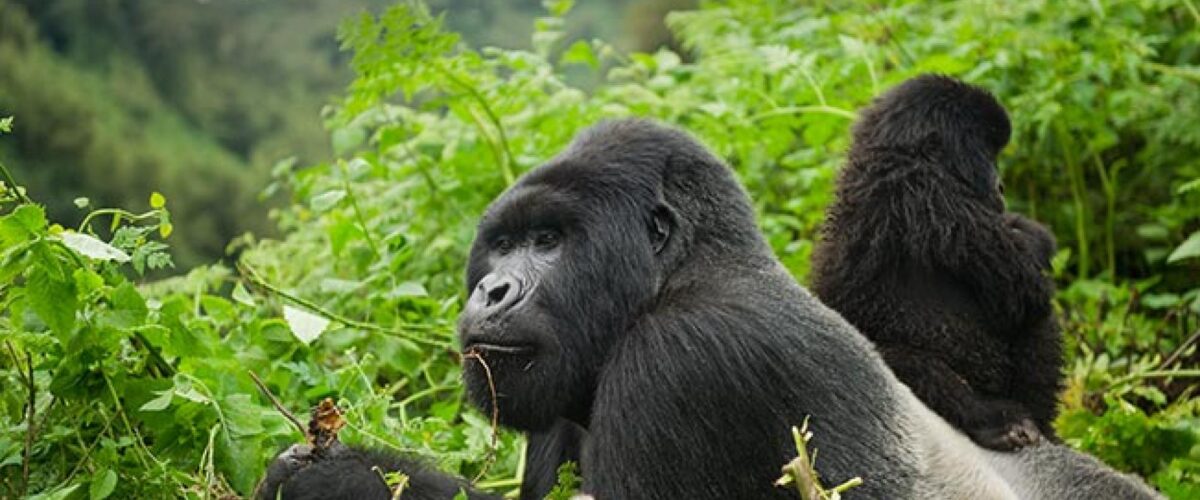
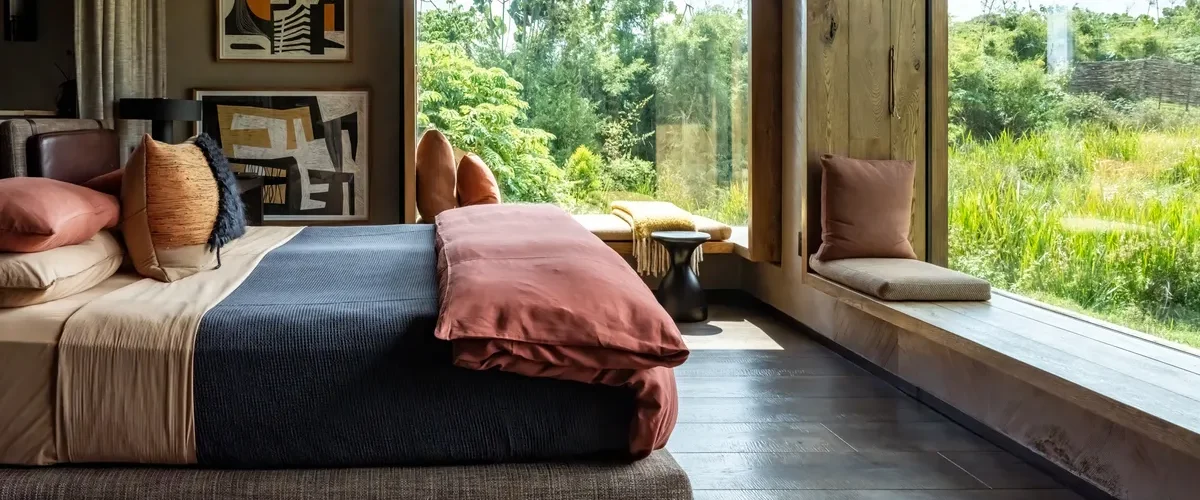
One&Only Gorilla’s Nest Review

One&Only Gorilla’s Nest Review

One&Only Gorilla’s Nest Review: Luxury at the Foot of the Virungas

Introduction: A High-End Gateway to Rwanda’s Gorilla Territory

Set in the misty foothills of Rwanda’s northern highlands, One&Only Gorilla’s Nest is one of the most polished luxury lodges in East Africa. Positioned close to Volcanoes National Park, it offers direct access to one of the world’s rarest wildlife experiences: mountain gorilla trekking in Rwanda.

This is not a rustic safari camp. It is a carefully curated luxury retreat designed for travelers who want comfort, privacy, and high-end service while still being fully immersed in the volcanic landscapes of the Virunga range.

But the real question is simple: does it justify its premium positioning, or is it just another luxury label attached to the same gorilla trekking experience?

The answer lies in how the lodge is designed, how it operates, and how it shapes the overall safari journey.

Location: Deep Immersion in the Virunga Foothills

One of the strongest advantages of One&Only Gorilla’s Nest is its location. The lodge is set within eucalyptus forest on the edge of the Virunga volcanic chain, only a short distance from the park headquarters of Volcanoes National Park where gorilla trekking begins each morning.

The setting is both practical and atmospheric. Guests wake up surrounded by dense greenery, volcanic silhouettes, and shifting mist that rolls through the forest canopy. The environment feels remote, yet access to the park is efficient, which is crucial for early morning trekking schedules.

This proximity reduces logistical stress and allows guests to focus entirely on the experience rather than travel complexity. In a destination where gorilla trekking is time-sensitive and tightly organized, this advantage is significant.

Design and Architecture: Modern Luxury in a Forest Setting

The design of One&Only Gorilla’s Nest follows a contemporary luxury philosophy. The architecture is clean, modern, and elevated among eucalyptus trees, creating a sense of being suspended within the forest.

Instead of traditional safari aesthetics, the lodge focuses on sleek lines, glass, wood, and natural stone. The goal is not to replicate a cultural village style but to create a refined, international-standard retreat that still feels connected to its environment.

Inside, suites are spacious and highly polished. Floor-to-ceiling windows frame uninterrupted views of the surrounding forest and volcanic peaks. Fireplaces add warmth for the cool highland evenings, while private terraces extend the living space into nature.

The overall design direction is clear: this is contemporary luxury shaped by landscape rather than rustic interpretation.

Suites and Villas: Privacy, Comfort, and Elevated Forest Living

Accommodation at Gorilla’s Nest is structured around a limited collection of suites and forest lodges, each designed to offer privacy and immersion in nature.

The interiors are spacious and calm, with a strong emphasis on natural light and open views. Beds are positioned to face the forest, and the architecture ensures that even indoors, the landscape remains a constant presence.

Bathrooms are large and modern, often featuring both indoor and outdoor elements that enhance the feeling of connection with the environment. Some suites include private decks where guests can sit quietly and absorb the sounds of the forest.

The experience is less about decoration and more about spatial comfort. Everything is designed to make the surrounding environment feel like part of the suite itself.

Gorilla Trekking: The Core Experience That Defines the Stay

The main reason travelers choose One&Only Gorilla’s Nest is its access to gorilla trekking in Volcanoes National Park.

Each morning begins early with a drive to the park headquarters, followed by briefing sessions and assignment to gorilla families. From there, guests enter dense forest terrain guided by expert trackers who locate habituated gorilla groups.

The trekking experience is physically demanding and highly variable. Depending on the movement of the gorillas, hikes can range from short walks to several hours of steep, muddy forest climbing.

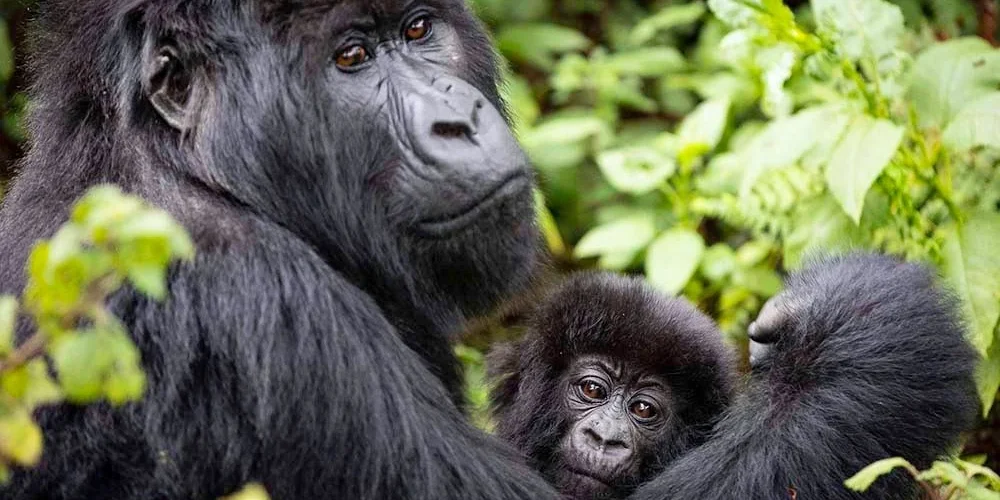
The encounter itself is strictly limited to one hour with the gorillas, but that hour is often described as one of the most powerful wildlife experiences in the world. The proximity, behavior, and intelligence of the animals create a level of connection that is difficult to replicate anywhere else.

After returning from the trek, the lodge plays an important role in recovery. Guests transition from rugged forest conditions back into refined comfort, which amplifies the emotional contrast of the experience.

Service and Hospitality: Quiet Precision and High Standards

Service at One&Only Gorilla’s Nest is structured around efficiency, discretion, and personalization.

Staff manage the logistics of gorilla trekking carefully, including permits, timing, packing support, and transport coordination. This reduces friction for guests and ensures that the focus remains on the experience itself rather than operational details.

The hospitality style is calm and attentive rather than formal or rigid. Requests are handled quickly, and guest preferences are integrated into daily planning with minimal effort required from the visitor.

It is a service model designed for high-end travelers who expect smooth execution rather than constant interaction.

Dining: Fresh, Local, and Experience-Driven

Dining at the lodge is built around fresh ingredients sourced locally, often combined with international culinary techniques. The emphasis is on quality and freshness rather than overly complex presentation.

Meals are typically served in different locations around the property, which keeps the dining experience dynamic. One evening might be in the main restaurant, while another could be arranged outdoors near firelight or forest clearings.

The cuisine reflects both global standards and local influence, offering flexibility while maintaining consistency in quality. The setting is as important as the food itself, with volcanic views and forest ambiance shaping the dining experience.

Activities Beyond Gorillas: A Broader Mountain Experience

While gorilla trekking is the central attraction, the lodge also offers additional experiences in and around Volcanoes National Park.

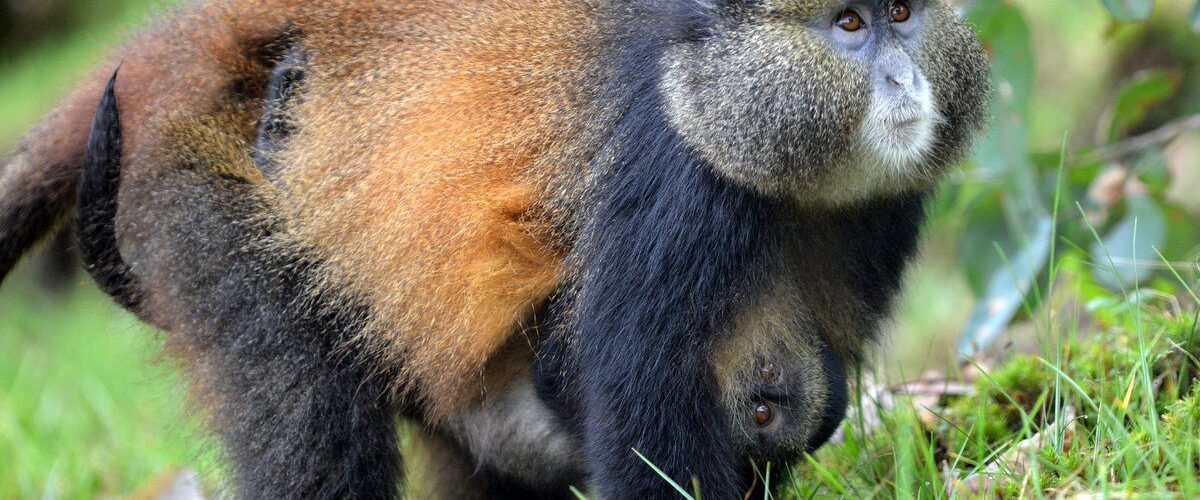
These include golden monkey tracking, guided forest walks, cultural village visits, and volcano hikes. On-site, guests can also enjoy spa treatments, wellness programs, and quiet relaxation in the pool and lounge areas.

These activities are not designed to compete with gorilla trekking but to complement it, offering slower-paced alternatives before or after intense trekking days.

The Real Value Question: What Are You Actually Paying For?

The premium pricing of One&Only Gorilla’s Nest is not just about accommodation. It reflects a combination of location, exclusivity, service quality, and overall experience design.

In practical terms, you are paying for reduced friction in a complex safari environment, immediate access to gorilla trekking logistics, and a highly controlled luxury setting in one of the most important conservation landscapes in Africa.

However, the core wildlife experience—seeing mountain gorillas in their natural habitat—remains the same regardless of where you stay. That is an important distinction.

The lodge enhances the experience but does not change the fundamentals of gorilla trekking itself.

Is One&Only Gorilla’s Nest Worth It?

One&Only Gorilla’s Nest is best understood as a luxury enhancement layer over one of the world’s most powerful wildlife experiences in Volcanoes National Park.

It is not essential for gorilla trekking, but it significantly elevates the comfort, convenience, and emotional framing of the journey.

For travelers seeking ultra-luxury, seamless logistics, and a highly refined forest retreat in Rwanda, it delivers strongly. For those focused purely on the wildlife experience itself, simpler lodges may offer better value.

In the end, its worth is defined not by gorillas alone, but by how much you value everything built around them.

Singita Kwitonda Lodge

Singita Kwitonda Lodge

Singita Kwitonda Lodge: Is It Worth the Premium Price Tag?

One of Rwanda’s Most Expensive Safari Stays

In the world of ultra-luxury safari travel, few properties carry as much weight as Singita Kwitonda Lodge. Set on the edge of Volcanoes National Park in Rwanda, this lodge is part of the globally respected Singita portfolio, a brand known for conservation-driven, high-end safari experiences.

But Kwitonda also comes with one of the highest price tags in East Africa. Rates often exceed several thousand dollars per person per night depending on season and accommodation type. That raises a very practical question: is it actually worth it, or is it just expensive branding around a gorilla trekking experience you could access elsewhere?

The answer is not simple, because Kwitonda is not just selling a room. It is selling location, exclusivity, conservation impact, and a very specific style of safari luxury.

Location: As Close as Luxury Gets to Mountain Gorillas

The biggest justification for Kwitonda’s pricing starts with geography. The lodge sits directly on the boundary of Volcanoes National Park, one of the last remaining habitats of the endangered mountain gorilla.

This proximity is not just symbolic. It translates into real logistical advantages for guests. Gorilla trekking starts early in the morning, and being based at Kwitonda means short transfer times, smooth coordination, and efficient access to briefing points.

The surrounding landscape is equally important. The lodge faces dramatic volcanic peaks, including Sabyinyo, Gahinga, and Muhabura, which dominate the horizon and constantly shift with mist, cloud, and light. The setting is quiet, remote, and visually powerful in a way that standard safari locations rarely match.

In short, you are paying not just for accommodation, but for immediate access to one of the most important wildlife experiences on the planet.

Design and Architecture: Subtle Luxury With Deep Local Integration

Unlike more theatrical safari lodges, Singita Kwitonda Lodge takes a restrained, contemporary approach to design.

The architecture is low-profile and carefully integrated into the landscape. Volcanic stone, terracotta brick, and locally crafted materials are used extensively, giving the lodge a grounded and regionally authentic feel rather than an imported luxury aesthetic.

Inside, the design is warm, minimal, and highly intentional. Large glass panels frame uninterrupted views of the volcanoes, while fireplaces and natural textures create a sense of comfort suited to the cool highland climate.

The overall design philosophy is clear: reduce visual noise and let the landscape dominate the experience. This is not a flashy lodge. It is a quiet one, where luxury is expressed through space, materials, and atmosphere rather than decoration.

Suites and Private Villas: Space, Privacy, and Comfort at a High Level

Accommodation at Kwitonda is structured around a small number of suites and a larger private villa, which reinforces exclusivity. Each suite is designed as a standalone retreat with generous space and strong visual connection to the surrounding environment.

Inside the suites, you typically find large living areas, indoor and outdoor fireplaces, spa-style bathrooms, and private terraces oriented toward the volcanoes. Some configurations also include heated plunge pools, adding another layer of comfort in the cool mountain climate.

The experience is less about opulence in the traditional sense and more about controlled privacy. You are not sharing space with large crowds, and the architecture ensures a sense of isolation even within a lodge setting.

This is one of the key reasons many travelers consider Kwitonda superior to more standard high-end safari accommodations in the region.

Gorilla Trekking Experience: The Core Value Behind the Price

The defining experience at Singita Kwitonda Lodge is still gorilla trekking in Volcanoes National Park.

This is where the value proposition becomes clearer. Mountain gorilla trekking is strictly regulated, limited in daily permits, and globally in high demand. The experience itself is not luxury in the traditional hotel sense; it is raw, physical, and deeply immersive.

Guests typically leave early in the morning, meet park rangers, and hike through dense forest terrain to locate habituated gorilla families. The trekking conditions vary depending on gorilla movement, which means no two experiences are identical.

What Kwitonda adds is the framing around this experience. After a physically demanding trek, returning to a highly refined, quiet, and visually calming lodge environment creates a powerful contrast. That emotional shift is part of what guests are paying for.

Service and Experience Design: Precision Over Excess

Service at Kwitonda is not loud or theatrical. It is precise, anticipatory, and highly structured.

From the moment guests arrive, logistics are handled smoothly, including permit coordination, trekking preparation, and daily scheduling. Staff are trained to balance attentiveness with discretion, ensuring that guests feel supported without feeling constantly managed.

Meals, timing, and in-room services are highly flexible and adjusted to guest preferences. This level of personalization is part of the Singita brand standard and is one of the reasons the company consistently ranks in the ultra-luxury safari category.

The overall feeling is controlled efficiency rather than constant interaction.

Dining: High-End Cuisine in a Remote Location

Dining at Kwitonda is designed around farm-to-table principles, with ingredients sourced locally and from the lodge’s own gardens where possible.

Meals are typically multi-course, carefully plated, and served in a setting that overlooks the volcanic landscape. The cuisine blends international techniques with African influences, but avoids overcomplication in favor of freshness and balance.

The dining experience is consistent rather than experimental. You are not coming here for culinary reinvention. You are coming for high-quality food in one of the most dramatic settings in East Africa.

Conservation and Impact: A Major Part of the Price Justification

One of the strongest arguments in favor of the premium pricing is conservation impact. Singita Kwitonda Lodge is deeply integrated into reforestation and habitat restoration projects around the park boundary.

Large areas of land around the lodge are actively being restored to native forest, contributing to expanded habitat for mountain gorillas and other wildlife. The lodge also supports local employment, community programs, and conservation education initiatives.

In this sense, part of what guests are paying for is direct contribution to ecosystem preservation and community development in the region around Volcanoes National Park.

The Real Question: Is It Worth the Money?

Whether Kwitonda is “worth it” depends heavily on expectations and travel philosophy.

If you are evaluating it purely as a hotel room, then yes, it is extremely expensive. You can access gorilla trekking from less costly lodges in the same region and still have a world-class wildlife experience.

However, if you view it as a complete system combining location advantage, exclusivity, conservation investment, seamless logistics, and ultra-refined accommodation, the value equation changes significantly.

It is not competing with standard safari lodges. It is competing with other ultra-luxury conservation-focused properties globally.

Who Should Choose Singita Kwitonda Lodge

Singita Kwitonda Lodge is best suited for travelers who prioritize exclusivity, privacy, design quality, and conservation impact, and who are willing to pay a significant premium for a highly curated gorilla trekking experience.

It is less suitable for budget-conscious travelers or those who simply want functional access to gorilla trekking without the surrounding luxury framework.

In the end, Kwitonda is not trying to be the cheapest or the most accessible option. It is designed to be one of the most refined gateways to one of the world’s rarest wildlife encounters. Whether that is worth the price is ultimately a question of how much value you place on experience design beyond the trek itself.

Bisate Lodge Review

Bisate Lodge Review

Bisate Lodge Review: Inside Rwanda’s Most Famous Gorilla Safari Camp

A Lodge That Redefined Gorilla Safaris in Rwanda

High in the volcanic highlands of northern Rwanda, Bisate Lodge has established itself as one of Africa’s most talked-about safari properties. It is not just another luxury lodge near gorillas; it is a carefully designed experience that blends conservation, architecture, and high-end hospitality into one of the most immersive stays in Rwanda.

Set on the edge of the dramatic Virunga volcanic chain, close to Volcanoes National Park, Bisate is often described as a benchmark for gorilla trekking accommodation. But what does that actually mean in practice? Is it worth the reputation, the price point, and the hype that surrounds it?

This review takes you inside the full experience, from location and design to gorilla trekking logistics, service quality, dining, and the emotional feel of staying in one of Rwanda’s most iconic safari lodges.

Location: A Volcanic Setting That Feels Almost Unreal

The first thing that defines Bisate Lodge is its location. It is perched dramatically on an eroded volcanic cone just outside Volcanoes National Park, surrounded by rolling green hills, mist-covered forests, and the towering silhouettes of the Virunga volcanoes.

This is not a flat safari landscape. It is layered, vertical, and constantly shifting with weather and light. In the early morning, fog often drifts across the valleys, partially hiding the volcanic peaks. By midday, the scenery opens up, revealing sharp ridges and deep green slopes. In the evening, the entire landscape softens again under golden light and cloud cover.

The lodge sits within a reforestation zone that has been actively restored from previously degraded farmland. This means that the environment you are looking at is not only beautiful but also part of a long-term ecological recovery effort. That sense of regeneration adds a deeper layer of meaning to the stay.

Design and Architecture: Luxury That Blends Into the Volcanoes

Bisate Lodge is instantly recognizable because of its architectural identity. The design draws inspiration from traditional Rwandan royal dwellings, reinterpreted into modern sculptural forms that resemble woven nests rising from the hillside.

The materials are intentionally natural and local, including volcanic stone, timber, and thatch. Rather than standing out against the landscape, the structures seem to grow from it. This creates a visual harmony between the lodge and the surrounding environment.

Inside, the design becomes warm, spacious, and refined. Large glass windows frame uninterrupted views of the volcanoes, while fireplaces provide comfort in the cool high-altitude climate. The interiors are not overly decorated; instead, they rely on texture, natural tones, and thoughtful spatial design.

The overall effect is a lodge that feels intentional in every detail. Nothing is accidental, and everything reinforces the connection between luxury and landscape.

The Villas: Privacy, Comfort, and Constant Connection to Nature

The villas at Bisate are designed for exclusivity and immersion rather than volume. Each one is positioned to maximize privacy while maintaining open views of the volcanic scenery.

Inside the villas, the experience is centered around space and atmosphere. The bedrooms face directly toward the volcanoes, meaning that even from bed, the landscape is part of the experience. The fireplaces become essential during the cool evenings, creating a warm contrast to the mountain air outside.

Bathrooms are spacious and modern, and the living areas are designed to feel open rather than segmented. Outdoor terraces extend the space further, allowing guests to sit with uninterrupted views of the surrounding highlands.

What stands out most is the sense of quiet. The villas are not designed for noise or activity. They are designed for reflection, rest, and constant visual connection to the environment.

Gorilla Trekking: The Core of the Experience

The main reason most guests come to Bisate is access to mountain gorilla trekking in Volcanoes National Park.

Each day begins early with a transfer to the park headquarters, where guests are assigned gorilla families and briefed by rangers. From there, treks into the forest begin, following experienced trackers who locate habituated gorilla groups.

These treks are physically demanding and vary in duration depending on the movement of the gorillas. The terrain can include steep slopes, dense vegetation, and muddy forest paths. However, the experience is carefully managed to ensure safety and conservation standards.

Spending time with mountain gorillas is often described as one of the most powerful wildlife encounters in the world. The proximity, behavior, and intelligence of the animals create an experience that is deeply emotional and difficult to compare with traditional safari viewing.

After returning to the lodge, the contrast is immediate. The intensity of the forest gives way to silence, warmth, and expansive views, allowing guests to process what they have just experienced.

Service and Hospitality: Quiet, Precise, and Highly Personalized

Hospitality at Bisate Lodge is built around personalization rather than formality. With a limited number of villas, the staff can focus on detailed, individual service.

Guests are supported through every stage of their stay, from gorilla permit coordination to trekking preparation and daily logistics. The service style is attentive without being intrusive, ensuring that guests feel cared for while still maintaining privacy.

Small touches define the experience, from personalized meal timing to tailored in-room comfort adjustments based on altitude conditions. The result is a smooth, highly organized experience that feels effortless from the guest perspective.

Dining: Refined Cuisine in a Remote Mountain Setting

Dining at Bisate is structured around fresh, seasonal ingredients and carefully prepared multi-course meals. Despite the remote location, the culinary experience is consistently refined and well-executed.

Meals are served in the main lodge, where large windows frame the surrounding volcanoes. The setting transforms every meal into a scenic experience, with shifting light and weather patterns acting as a natural backdrop.

The cuisine combines international techniques with local inspiration, creating dishes that are both familiar and regionally expressive. Flexibility is also built into the experience, allowing dietary preferences and special requests to be accommodated with ease.

Conservation: A Lodge Built on Environmental Restoration

One of the defining aspects of Bisate Lodge is its active role in conservation. The lodge is deeply involved in reforesting the volcanic slopes surrounding the property, transforming previously degraded land into thriving native forest.

This restoration work contributes to broader ecological stability in the region and supports biodiversity linked to Volcanoes National Park.

In addition to environmental work, the lodge also supports local communities through employment and development initiatives. This creates a model where tourism is directly connected to both ecological and social impact.

Overall Experience: What Staying at Bisate Actually Feels Like

A stay at Bisate is not fast-paced or activity-heavy. It follows a natural rhythm built around early morning gorilla trekking, long periods of rest, and quiet engagement with the landscape.

The emotional tone of the experience is calm and reflective. Guests often spend time simply observing the changing weather over the volcanoes, reading by the fireplace, or processing the intensity of their gorilla encounters.

Rather than constant stimulation, the lodge offers stillness. That stillness is what defines the experience as much as the wildlife itself.

Is Bisate Lodge Worth It?

Bisate Lodge is one of the most complete luxury safari experiences in Africa because it integrates location, design, conservation, and gorilla trekking into a single cohesive narrative.

Its proximity to Volcanoes National Park makes it an ideal base for gorilla trekking, but its real strength lies in how it frames that experience. Everything from architecture to service is designed to deepen the connection between guest and environment.

It is not a conventional safari lodge, and it does not try to be. Instead, it offers a focused, high-end, conservation-driven experience that feels both exclusive and meaningful.

For travelers seeking one of the most immersive gorilla trekking stays in Rwanda, Bisate Lodge remains one of the strongest and most iconic choices available.

Rwanda in December and January

Rwanda in December and January

Rwanda in December and January: The Short Dry Season Booking Opportunity

What Makes December and January a “Sweet Spot” in Rwanda

December and January sit in what is commonly called Rwanda’s short dry season. This is one of the most reliable travel windows in Rwanda, offering a balance between manageable weather conditions, strong wildlife experiences, and surprisingly good travel value compared to the peak mid-year season.

This period is not “bone dry” in the desert sense. Instead, it is a relative dry phase in a tropical highland climate where rain still appears intermittently but is less persistent and less disruptive than in the rainy months. That distinction is important when planning safaris or gorilla trekking.

For many experienced travelers, this is the moment where Rwanda becomes both accessible and rewarding without the heavy crowds of peak season.

Weather Reality: Dry Enough for Trekking, Green Enough for Atmosphere

During December and January, conditions across Rwanda are generally favorable for travel. You will typically get a mix of sunny spells, mild temperatures, and occasional short showers.

In the high-altitude forest zones of Volcanoes National Park, mornings are often cool and crisp, with mist settling over the volcano slopes. Trails are usually more manageable than in the rainy seasons, although some mud is still expected due to the rainforest environment.

This creates a useful middle ground:

  • Less rainfall than March–May or October–November
  • More manageable hiking conditions
  • Still lush, green landscapes from earlier rains

It is not the “perfect dry safari postcard” of July or August, but it is often more visually dynamic.

Gorilla Trekking in the Short Dry Season

The biggest reason travelers target this window is gorilla trekking in Volcanoes National Park.

Trekking conditions during December and January are generally favorable. Trails are firmer than in peak rainy months, vegetation is still fresh, and gorilla tracking remains consistent year-round since the animals do not migrate.

The key operational advantage is predictability. Guides can usually plan routes with fewer weather disruptions, and hikes tend to be more stable in duration.

However, expectations should remain realistic:

  • Mud is still common in forest sections
  • Weather can shift quickly due to altitude
  • Waterproof gear is still essential

The payoff is a more comfortable climb combined with strong wildlife visibility and fewer logistical interruptions.

The Booking Advantage: Demand Spikes Around Festive Travel

This period carries a significant but often underestimated booking dynamic: holiday demand.

December, especially late December through early January, is one of Rwanda’s busiest travel windows due to Christmas and New Year tourism. Even though it is technically a “short dry season,” it behaves like a mini peak season in terms of demand.

Accommodation and gorilla permits can become competitive, particularly for premium lodges around Volcanoes National Park.

Travel specialists consistently advise early booking because:

  • Lodges near trekking starting points fill quickly
  • Gorilla permits are limited daily and high in demand
  • International holiday travelers increase pressure on availability

In practice, this is less a “last-minute opportunity” season and more a “plan early to benefit” season.

Value for Money: A Better Balance Than Peak Season

Compared to the long dry season (June–September), December and January often present a slightly better value proposition for certain categories of travel.

While Rwanda is not a low-cost safari destination in general, this window can offer:

  • Slightly reduced lodge rates outside peak festive dates
  • Occasional promotional packages tied to multi-park itineraries
  • Less intense competition for mid-tier accommodation

In Akagera National Park and Nyungwe National Park, this can translate into a more relaxed safari experience with better availability and more flexible itineraries.

The overall equation becomes simple: you are not necessarily paying less everywhere, but you are often getting more flexibility for the price.

Safari Conditions Beyond Gorillas

While gorilla trekking dominates most itineraries, December and January also perform well for broader safari circuits.

In Akagera National Park, the landscape is green and full of life after the rains. Game viewing can require a bit more searching than in dry-season concentration periods, but photographic conditions are strong, with dramatic skies and vibrant vegetation.

In Nyungwe National Park, chimpanzee trekking and canopy walks benefit from cooler conditions and active forest life. Rainforest ecosystems are at their most visually rich during this time, even if trails can be slightly slippery.

This makes the short dry season particularly attractive for travelers combining multiple ecosystems in one itinerary.

The Trade-Off: Crowds, Weather Variability, and Planning Pressure

Despite its advantages, this season is not without trade-offs.

The main challenge is timing overlap with global holiday travel. Late December and early January can feel busy, especially around Kigali and major tourism corridors.

Weather also remains variable. While generally drier than wet seasons, sudden rain showers can still occur, especially in mountainous regions.

Finally, because demand spikes, the “opportunity” only works if you plan ahead. Last-minute travel during this period is often limited in choice and flexibility.

Who This Season Is Best For

December and January work best for travelers who want a balance of:

  • Reasonable trekking conditions without peak-season congestion
  • Green, cinematic landscapes rather than dusty dry-season terrain
  • A festive-season African safari experience
  • Multi-park itineraries combining gorillas, rainforest, and savannah

It is particularly strong for photographers, honeymooners, and first-time East Africa visitors who want a softer introduction than the intense peak dry season.

Takeaway

The short dry season in Rwanda is less about perfection and more about balance. You get improved trekking conditions in Volcanoes National Park, strong multi-park safari potential, and a greener, more atmospheric landscape—paired with higher festive-season demand that requires early booking.

If you secure logistics in advance, December and January become one of the most strategically rewarding windows to visit Rwanda, offering a blend of accessibility, scenery, and experience quality that is hard to replicate in other months.

Is Rwanda’s Rainy Season Worth It?

Is Rwanda’s Rainy Season Worth It?

Is Rwanda’s Rainy Season Worth It? What the Low Season Gets You

Understanding Rwanda’s Rainy Season and What It Actually Means

Rwanda sits close to the equator, which means it doesn’t experience the classic four-season cycle found in temperate regions. Instead, the country has two rainy seasons and two dry seasons. The main rainy periods typically run from March to May and again from October to December. However, calling this simply “rainy season” can be misleading. In reality, rainfall often comes in short bursts rather than all-day downpours, and many safari activities continue normally.

In destinations like Rwanda, the term “low season” is more about tourism flow and pricing than total shutdown of travel experiences. Parks remain open, wildlife is active, and trekking activities still operate. The real question is not whether you can travel during this period, but whether it is the right experience for your expectations.

The Biggest Advantage: Fewer Tourists and a More Private Experience

One of the most immediate benefits of visiting during the rainy or low season is the dramatic reduction in visitor numbers. Rwanda is known for premium wildlife experiences, especially gorilla trekking, and during peak months, permits and accommodation can feel competitive and tightly scheduled.

In contrast, the low season creates a noticeably quieter environment. Trails in Volcanoes National Park feel less crowded, and trekking groups are often smaller. This makes wildlife encounters more personal and less rushed. Guides have more flexibility, and there is generally more time spent observing animal behavior rather than managing large groups.

For travelers who value exclusivity over predictable sunshine, this shift alone can justify the timing.

Gorilla Trekking in the Rain: Different, Not Worse

Gorilla trekking remains the highlight for most visitors to Rwanda, and it continues year-round in Volcanoes National Park regardless of rainfall.

During the rainy season, the trekking experience changes in texture rather than quality. Forest trails become muddier and more slippery, which increases the physical challenge. However, the vegetation becomes denser and more vibrant, and the atmosphere of the forest is often more dramatic and cinematic.

Gorillas themselves are not affected in any negative way by the weather. In fact, they often remain at lower elevations during wetter conditions, which can sometimes reduce trekking duration. What you lose in comfort, you often gain in visual richness and solitude.

The trade-off is simple: expect effort, but also expect intensity.

Landscape at Its Most Photogenic

One of the most underrated advantages of visiting during the low season is how visually striking the country becomes.

Rwanda is widely known as the “Land of a Thousand Hills,” and rainfall amplifies this identity. Hillsides turn a deep, saturated green. Clouds hang low over volcanic peaks. Morning mist rolls across valleys, especially around northern regions near Volcanoes National Park.

For photographers, this is arguably the most rewarding time of year. Light conditions are softer, colors are richer, and dramatic weather patterns create dynamic compositions that are harder to find in the dry season.

Even outside the forests, agricultural terraces and rural landscapes appear more alive, giving the entire country a more cinematic presence.

Wildlife Viewing in Rwanda’s National Parks

Beyond gorilla trekking, Rwanda offers a broader safari circuit that includes savannah, rainforest, and wetland ecosystems.

In Akagera National Park, game drives continue year-round. During the rainy season, the park becomes greener and more lush, which can make animals slightly more dispersed compared to dry-season concentrations near waterholes. However, this also creates better photographic contrast and softer lighting conditions.

Predators remain active, and birdlife becomes especially rewarding. Migratory and resident species are more visible, making this a strong period for birdwatching enthusiasts.

In the rainforest environment of Nyungwe National Park, the rain actually enhances the experience. Chimpanzee trekking continues, and the forest canopy feels more alive and layered. While trails can be slippery, the biodiversity density during this season is exceptional.

Lower Prices and Better Availability

One of the most practical advantages of traveling during the low season is cost efficiency.

Accommodation rates often drop compared to peak months, particularly in mid-range and luxury lodges. Some properties offer seasonal discounts or added-value packages such as free transfers or guided experiences.

Permit availability for activities like gorilla trekking can also be slightly easier to secure, although demand for Rwanda’s gorilla permits remains consistently high year-round.

This combination of better availability and reduced pricing makes the rainy season attractive for travelers who want premium experiences without peak-season competition.

The Real Challenges: What You Need to Be Prepared For

The rainy season is not without its compromises, and understanding them helps set realistic expectations.

The most obvious challenge is terrain. Hiking conditions become more physically demanding due to mud, slippery slopes, and reduced traction. Proper footwear is not optional; it is essential.

Rain showers can also be unpredictable. While they rarely last all day, they can interrupt schedules or require flexible timing during excursions.

Road conditions in rural areas may be less smooth compared to dry months, especially when moving between parks like Akagera National Park and Volcanoes National Park. However, most safari operators adapt well to these conditions with suitable vehicles and experienced drivers.

In short, comfort levels decrease slightly, but accessibility remains intact.

Is It Good for First-Time Safari Travelers?

This depends on expectations.

For first-time safari travelers who prioritize guaranteed sunshine, easier hiking conditions, and highly predictable logistics, the dry season may feel more comfortable.

However, for travelers who value atmosphere, authenticity, and fewer crowds, the rainy season can actually deliver a more memorable introduction to East Africa. The landscapes are more dramatic, wildlife encounters feel less staged, and experiences often feel more immersive.

Rwanda in the low season is not a “weakened version” of the destination. It is simply a different expression of it.

Photography and Content Creation Advantage

For photographers, filmmakers, and content creators, the rainy season is often the preferred time.

Soft diffused light reduces harsh shadows. Fog and mist add depth layers to landscapes. Rain-washed vegetation increases color contrast. Even wildlife portraits benefit from richer backgrounds and more dynamic environmental context.

In places like Nyungwe National Park, forest imagery becomes especially compelling due to canopy moisture and atmospheric haze.

This is a season where mood often matters more than clarity, and Rwanda performs extremely well in that regard.

So, Is Rwanda’s Rainy Season Worth It?

Yes—but with a specific type of traveler in mind.

If you want easy walking conditions, guaranteed dry weather, and maximum comfort, the rainy season may feel challenging. But if your priority is fewer tourists, richer landscapes, lower costs, and a more atmospheric safari experience, then this period offers some of the most rewarding travel conditions Rwanda has to offer.

In destinations like Rwanda, the low season does not reduce the quality of the experience. It reshapes it. The country becomes quieter, greener, and more visually intense, offering a different but equally powerful version of its safari identity.

For many experienced travelers, that difference is exactly the point.

Rwanda’s Dry Season Explained

Rwanda’s Dry Season Explained

Rwanda’s Dry Season Explained: What June to September Really Means on Safari

Rwanda’s dry season from June to September is often described as the “best time” for wildlife experiences, especially gorilla trekking in Volcanoes National Park. But that label can be misleading if you don’t understand what “dry season” actually means in a high-altitude rainforest country.

This period is not a desert-style dry season. It is a relative reduction in rainfall that changes trekking conditions, wildlife access, and overall safari logistics—not a complete absence of rain.

What “Dry Season” Actually Means in Rwanda

Rwanda’s climate is tropical and high-altitude. Even in the driest months, rain can still occur.

During June to September:
rainfall is lower and less frequent
forest trails are firmer and less muddy
visibility in the forest improves
hiking conditions become more predictable

But you should still expect:
occasional showers
mist in higher elevations
wet vegetation in rainforest zones

The key difference is consistency, not dryness.

Why This Period Is the Peak Safari Season

June to September is considered peak safari season for three main reasons: weather stability, trekking conditions, and global travel patterns.

1. Easier Trekking Conditions

Inside Volcanoes National Park, gorilla trekking becomes physically more manageable.

Trails are:
less slippery
more stable underfoot
easier to navigate through forest slopes

This reduces the physical strain of trekking, especially on steeper routes.

2. Better Wildlife Accessibility

Gorilla families are still mobile, but dry conditions often make tracking slightly more efficient.

Rangers and trackers benefit from:
clearer ground signs
easier movement through forest paths
reduced vegetation density in some areas

This does not guarantee shorter treks, but it improves predictability.

3. Global Travel Demand

This is also peak holiday season for Europe and North America.

As a result:
permits sell out faster
lodges near the park are fully booked early
pricing is generally higher

Demand, not just weather, defines this season.

June: The Start of Reliable Conditions

June marks the beginning of stable trekking conditions.

At this stage:
rainfall drops significantly
forest trails begin to firm up
visibility improves compared to wet months

It is a transition month—less crowded than peak July and August, but already offering good trekking conditions.

For many travellers, June is the best balance between comfort and availability.

July: Peak Dry Season Experience

July is one of the most popular months for gorilla trekking.

Inside Volcanoes National Park, conditions are:
very stable trekking paths
consistent weather windows
excellent forest access

However, it is also:
one of the busiest months
a high-demand period for permits
a competitive season for accommodation

The experience is smooth, but not quiet.

August: Maximum Demand and Stability

August continues the peak season trend.

This is when:
visitor numbers are highest
logistics are at their most organised
trekking conditions are at their most predictable

It is the easiest month physically for trekking, but also the least private due to high visitor volume.

If you want optimal conditions regardless of crowds, August delivers. If you want space and solitude, it may feel busy.

September: The Transition Month

September still belongs to the dry season but begins to transition toward wetter conditions later in the month.

This creates a balanced safari environment:
good trail conditions in most areas
slightly fewer tourists than July and August
strong wildlife tracking reliability

Many experienced safari travellers prefer September because it combines stability with reduced pressure.

What You Actually Experience on the Ground

The dry season does not change the gorillas themselves. What changes is your movement toward them.

You experience:
less mud and slipping on slopes
faster vehicle transfers to trailheads
more comfortable hiking conditions
better visibility in bamboo zones

But once you reach the gorillas, the experience is the same regardless of season.

The Misconception: “Dry Means Easy”

One common misunderstanding is that dry season trekking is easy.

In reality:
altitude remains the same
distance to gorillas still varies daily
terrain is still steep and forested

Dry season reduces difficulty, but it does not eliminate it.

Advantages Beyond Gorilla Trekking

The dry season also improves broader travel logistics in Rwanda.

Benefits include:
smoother road transfers
more reliable internal travel timing
better overall safari coordination

This is important if you are combining gorillas with other destinations.

Downsides of the Dry Season

The main drawback is not environmental—it is commercial pressure.

During June to September:
permits sell out early
lodges near Volcanoes National Park are often fully booked months in advance
prices are at their highest

You are trading flexibility for comfort and predictability.

Who Should Travel in the Dry Season

This period is ideal if you:
want the most reliable trekking conditions
prefer easier hiking conditions
are combining Rwanda with other safaris
are willing to book well in advance

It is less ideal if you:
prefer solitude over comfort
want lower prices and flexibility
are booking last minute

Insight

Rwanda’s dry season from June to September is not about perfect weather—it is about predictable conditions.

Inside Volcanoes National Park, this period delivers the most stable trekking environment of the year, but also the highest demand and busiest trails.

The trade-off is simple: easier hiking and better logistics versus higher costs and more visitors.

Understanding that balance is key to choosing whether this season fits your style of safari travel.

Best Time to Visit Rwanda for Gorilla Trekking

Best Time to Visit Rwanda for Gorilla Trekking

Best Time to Visit Rwanda for Gorilla Trekking: Month-by-Month Conditions

Gorilla trekking in Volcanoes National Park is possible year-round, but the experience changes significantly depending on rainfall, trail conditions, visibility, and trekking difficulty. Rwanda sits close to the equator, so temperatures are fairly stable throughout the year, but rainfall patterns strongly shape trekking conditions.

The key factor is not temperature—it is how dry or wet the forest trails are on the day you trek.

January: Dry Season Stability and Good Visibility

January is one of the better months for gorilla trekking. Rainfall is relatively low, and forest trails are more stable compared to wetter months.

Trekking conditions are:
moderate to easy underfoot
good visibility in bamboo zones
comfortable hiking temperatures

Gorilla groups can still move deep into the forest, but overall conditions are reliable and predictable.

This is a strong month for photography and general trekking comfort.

February: Peak Dry Season Quality

February is often considered one of the best months for gorilla trekking.

Conditions include:
dry trails and reduced mud
clearer forest access routes
stable trekking durations on average

This is a high-demand month because it combines good weather with strong wildlife accessibility.

Expect higher visitor numbers and earlier permit bookings.

March: Transition Into Wet Season

March marks the beginning of increased rainfall.

Trekking becomes:
more unpredictable in duration
slightly more physically demanding
muddy in deeper forest zones

However, gorilla encounters remain excellent.

The advantage of March is fewer tourists and quieter trekking groups.

April: Peak Rainfall and Challenging Trails

April is the wettest period of the year.

Inside Volcanoes National Park, this means:
heavy rainfall
slippery, muddy trails
reduced ease of movement

Gorilla trekking is still possible, but physically more demanding.

This is the lowest visitor season, making it suitable for travellers prioritising solitude over comfort.

May: Wet but Improving Conditions

May remains wet but begins to improve toward the end of the month.

Conditions:
muddy but gradually stabilising trails
lush forest scenery
lower tourist numbers

Trekking can still be challenging, but visibility and access slowly improve as the month progresses.

June: Start of Dry Season

June marks the beginning of the long dry season.

This is one of the best periods for gorilla trekking:
firmer trails
easier hiking conditions
consistent trekking durations
excellent forest visibility

It is also the start of peak tourism season.

July: Peak Season Conditions

July is one of the most popular months.

Conditions are:
dry and stable trails
predictable trekking routes
excellent visibility in bamboo and forest zones

This is high-demand season, meaning permits and lodges must be booked well in advance.

It is one of the most reliable months for a smooth trekking experience.

August: Peak Season Continuation

August continues the peak dry season.

Expect:
very stable trekking conditions
high visitor numbers
clear forest access paths

This is one of the easiest months physically for trekking, but also one of the busiest.

Advance planning is essential.

September: Still Dry, Slightly Quieter

September remains part of the dry season but begins to see a slight reduction in crowds compared to July and August.

Conditions:
good trail stability
slightly fewer tourists
excellent wildlife visibility

This is often considered a “sweet spot” month: good weather with slightly less pressure.

October: Transition Into Rain

October marks the transition from dry to wet season.

Conditions become more mixed:
occasional rainfall
increasing mud in deeper forest sections
variable trekking difficulty

However, gorilla encounters remain consistent year-round.

This is a good value month with fewer crowds.

November: Short Rainy Season

November brings short but frequent rains.

Inside Volcanoes National Park, this means:
slippery trails
lush, green forest environments
lower visitor numbers

Trekking is more physically demanding, but the forest is at its most vibrant.

December: Improving Conditions and Holiday Demand

December is a mixed month.

Early December can still have some rain, but conditions improve as it moves toward the dry season.

Expect:
gradually improving trails
increasing tourist demand in late December
good trekking conditions toward month-end

This is a popular holiday travel period, so availability can be tight.

Overall Summary: Best Months for Gorilla Trekking

The most reliable trekking conditions occur during:
June
July
August
September

These months offer:
dry trails
easier hiking conditions
stable trekking durations

The green and wet seasons (March–May, October–November) offer:
fewer tourists
lower demand
more challenging but more immersive forest conditions

Insight

There is no “bad” time to visit Volcanoes National Park for gorilla trekking. The gorillas remain present year-round, and sightings are highly consistent regardless of season.

The real difference lies in trekking effort, trail conditions, and visitor density.

Dry months favour comfort and predictability. Wet months favour solitude and lush forest atmosphere.

The best time depends on whether you prioritise ease of trekking or the raw, untouched feel of the rainforest.

Chimpanzee Trekking in Nyungwe

Chimpanzee Trekking in Nyungwe

Chimpanzee Trekking in Nyungwe: How It Compares to Rwanda’s Gorilla Experience

Chimpanzee trekking in Rwanda offers a very different primate encounter from the country’s famous gorilla experience. While both are guided, conservation-driven activities, they operate on different rhythms, in different environments, and with completely different animal behaviour patterns.

Chimpanzee trekking takes place in Nyungwe Forest National Park, while gorilla trekking is based in Volcanoes National Park. Understanding the contrast between these two locations is key to understanding the difference in experience.

The Core Difference: Movement vs Stillness

The simplest way to understand the difference is behavioural.

Gorillas are largely calm, slow-moving, and often stationary for long periods. Encounters feel intimate and controlled.

Chimpanzees are fast, vocal, and constantly on the move. Encounters feel energetic, unpredictable, and sometimes chaotic.

This single difference changes the entire trekking experience.

Environment: Dense Rainforest vs Volcanic Slopes

Chimpanzee trekking in Nyungwe Forest National Park takes place in dense montane rainforest.

This environment is:
thick with vegetation
high in humidity
visually enclosed
full of sound—birds, insects, and primate calls

Gorilla trekking in Volcanoes National Park occurs on volcanic slopes with a mix of bamboo forest, open patches, and higher-altitude vegetation.

The terrain there often allows slightly clearer visibility once the gorillas are located.

Nyungwe feels more like deep jungle. Volcanoes feels more varied and, in some areas, more open.

Tracking Experience: Reactive vs Structured

Chimpanzee tracking is more reactive.

Chimpanzees move quickly through the forest canopy and across the ground. Guides often track them using vocalisations—loud calls, hoots, and movement through trees.

This means:
you may move quickly to keep up
you may not stay in one place for long
you may hear them before you see them

Gorilla trekking is more structured.

Once located, gorillas tend to remain in a relatively fixed area, allowing for stable observation.

The Encounter: What You Actually See

With chimpanzees, sightings can be brief and dynamic.

You may observe:
individuals moving through treetops
short ground interactions
feeding behaviour
rapid social movement

The challenge is that visibility can be limited by forest density and movement speed.

With gorillas, encounters are slower and more sustained.

You are likely to see:
a full family group in one area
clear social interaction
extended observation without movement

The experience feels more immersive and controlled.

Physical Effort: Similar but Feels Different

Both treks require fitness, but they feel different in execution.

Chimpanzee trekking often involves:
quicker pace
frequent direction changes
navigating dense forest

Gorilla trekking involves:
steady climbing or hiking
longer sustained effort
more predictable pacing

Neither is “easier” universally, but chimp trekking can feel more intense due to constant movement.

The Role of Sound

Sound plays a major role in chimpanzee trekking.

In Nyungwe Forest National Park, you often locate chimpanzees by hearing them first—loud calls echoing through the forest.

This creates a very different sensory experience:
you track by sound as much as sight
the forest feels alive and active
the encounter builds through noise before visibility

Gorilla trekking is quieter and more visual.

Photography: Two Different Challenges

Chimpanzee photography is difficult.

Challenges include:
low light in dense forest
fast movement
obstructed views

You need fast reactions and technical preparation.

Gorilla photography is more manageable.

Subjects are larger, slower, and often positioned in clearer view, making composition easier.

Permit Cost and Accessibility

Chimpanzee trekking is significantly more affordable than gorilla trekking.

It is often included as part of a broader Rwanda itinerary rather than the main focus.

However, Nyungwe is geographically separate from the main gorilla trekking region.

Reaching Nyungwe Forest National Park requires:
a long drive from Kigali
or internal travel planning

This makes chimp trekking more time-intensive to include.

Experience Quality: Not Better, Just Different

It is a mistake to view chimpanzee trekking as a lesser version of gorilla trekking.

They are fundamentally different experiences:
gorillas offer depth, stillness, and close observation
chimpanzees offer energy, sound, and movement

Some travellers prefer the calm intensity of gorillas. Others find chimpanzees more exciting and dynamic.

Should You Do Both?

If time allows, combining both experiences gives a broader understanding of primate behaviour.

You experience:
two different ecosystems
two distinct social structures
two completely different interaction styles

However, because of distance between parks, this requires additional travel days.

Insight

Chimpanzee trekking in Nyungwe Forest National Park and gorilla trekking in Volcanoes National Park are not variations of the same activity. They are two distinct wildlife experiences shaped by different species, environments, and behavioural patterns.

Gorillas offer a slow, controlled, and deeply intimate encounter.

Chimpanzees offer a fast, unpredictable, and sensory-driven experience.

Choosing between them depends on what kind of wildlife interaction you value—or whether you have the time to experience both.

Can You Combine Gorilla and Golden Monkey Trekking in One Day?

Can You Combine Gorilla and Golden Monkey Trekking in One Day?

Can You Combine Gorilla and Golden Monkey Trekking in One Day?

The short answer is no—you cannot realistically combine gorilla trekking and golden monkey trekking in the same day in Rwanda. While both experiences take place inside Volcanoes National Park and may appear logistically close, the way trekking is structured makes a same-day combination impractical and, in most cases, not permitted.

The Core Constraint: Both Activities Start at the Same Time

Gorilla trekking and golden monkey trekking both begin early in the morning.

All visitors must report to the park headquarters for:
registration
briefing
group assignment

This process happens simultaneously for both activities. You are assigned to one trek, not both.

Once your group leaves for the forest, you are committed to that experience for the entire day.

There is no system that allows you to “finish one and join another.”

Gorilla Trekking Is a Full-Day Commitment

A gorilla trek is not just the one-hour encounter.

The full timeline includes:
early morning briefing
transfer to trailhead
trekking time (which can range from 1 to 5+ hours)
one-hour gorilla encounter
return trek

In many cases, you only return to the lodge in the afternoon.

This alone eliminates the possibility of fitting a second trek into the same day.

Golden Monkey Trekking Also Requires Half to Full Day

Golden monkey trekking is usually shorter, but it still follows the same structure:
morning briefing
group assignment
guided trek
one-hour observation
return hike

Even if it finishes earlier than a gorilla trek, the scheduling overlap prevents combining both.

Permit System Does Not Support Same-Day Treks

Permits in Volcanoes National Park are issued per activity, per day.

You cannot:
hold two permits for the same time slot
switch between activities mid-day
join a second group after completing one trek

The system is designed to control visitor flow and protect wildlife, not to maximise activity stacking.

Physical Reality: It Would Be Too Demanding

Even if logistics allowed it, combining both would be physically unrealistic for most travellers.

Gorilla trekking alone can involve:
several hours of hiking
steep terrain
altitude fatigue

Adding a second trek on the same day would significantly reduce the quality of both experiences.

The Right Way to Combine Both

The correct and recommended approach is to do them on separate days.

A typical structure looks like:
Day 1: Gorilla trekking
Day 2: Golden monkey trekking

This allows:
full energy for each experience
time to recover physically
better appreciation of the differences between the two

Because both take place in Volcanoes National Park, logistics are simple and efficient across days.

Why Doing Both Is Actually Worth It

Although they cannot be combined in one day, doing both across two days is highly recommended.

They offer completely different experiences:
gorillas are slow, powerful, and grounded
golden monkeys are fast, playful, and constantly moving

Together, they provide a more complete understanding of the park’s primate ecosystem.

Insight

You cannot combine gorilla and golden monkey trekking in a single day in Volcanoes National Park due to scheduling, permit rules, and physical demands.

But over two days, they complement each other perfectly.

Trying to compress both into one day would reduce the quality of the experience. Spacing them out allows each to be fully experienced on its own terms.