Is Rwanda’s Rainy Season Worth It? What the Low Season Gets You
Understanding Rwanda’s Rainy Season and What It Actually Means
Rwanda sits close to the equator, which means it doesn’t experience the classic four-season cycle found in temperate regions. Instead, the country has two rainy seasons and two dry seasons. The main rainy periods typically run from March to May and again from October to December. However, calling this simply “rainy season” can be misleading. In reality, rainfall often comes in short bursts rather than all-day downpours, and many safari activities continue normally.
In destinations like Rwanda, the term “low season” is more about tourism flow and pricing than total shutdown of travel experiences. Parks remain open, wildlife is active, and trekking activities still operate. The real question is not whether you can travel during this period, but whether it is the right experience for your expectations.
The Biggest Advantage: Fewer Tourists and a More Private Experience
One of the most immediate benefits of visiting during the rainy or low season is the dramatic reduction in visitor numbers. Rwanda is known for premium wildlife experiences, especially gorilla trekking, and during peak months, permits and accommodation can feel competitive and tightly scheduled.
In contrast, the low season creates a noticeably quieter environment. Trails in Volcanoes National Park feel less crowded, and trekking groups are often smaller. This makes wildlife encounters more personal and less rushed. Guides have more flexibility, and there is generally more time spent observing animal behavior rather than managing large groups.
For travelers who value exclusivity over predictable sunshine, this shift alone can justify the timing.
Gorilla Trekking in the Rain: Different, Not Worse
Gorilla trekking remains the highlight for most visitors to Rwanda, and it continues year-round in Volcanoes National Park regardless of rainfall.
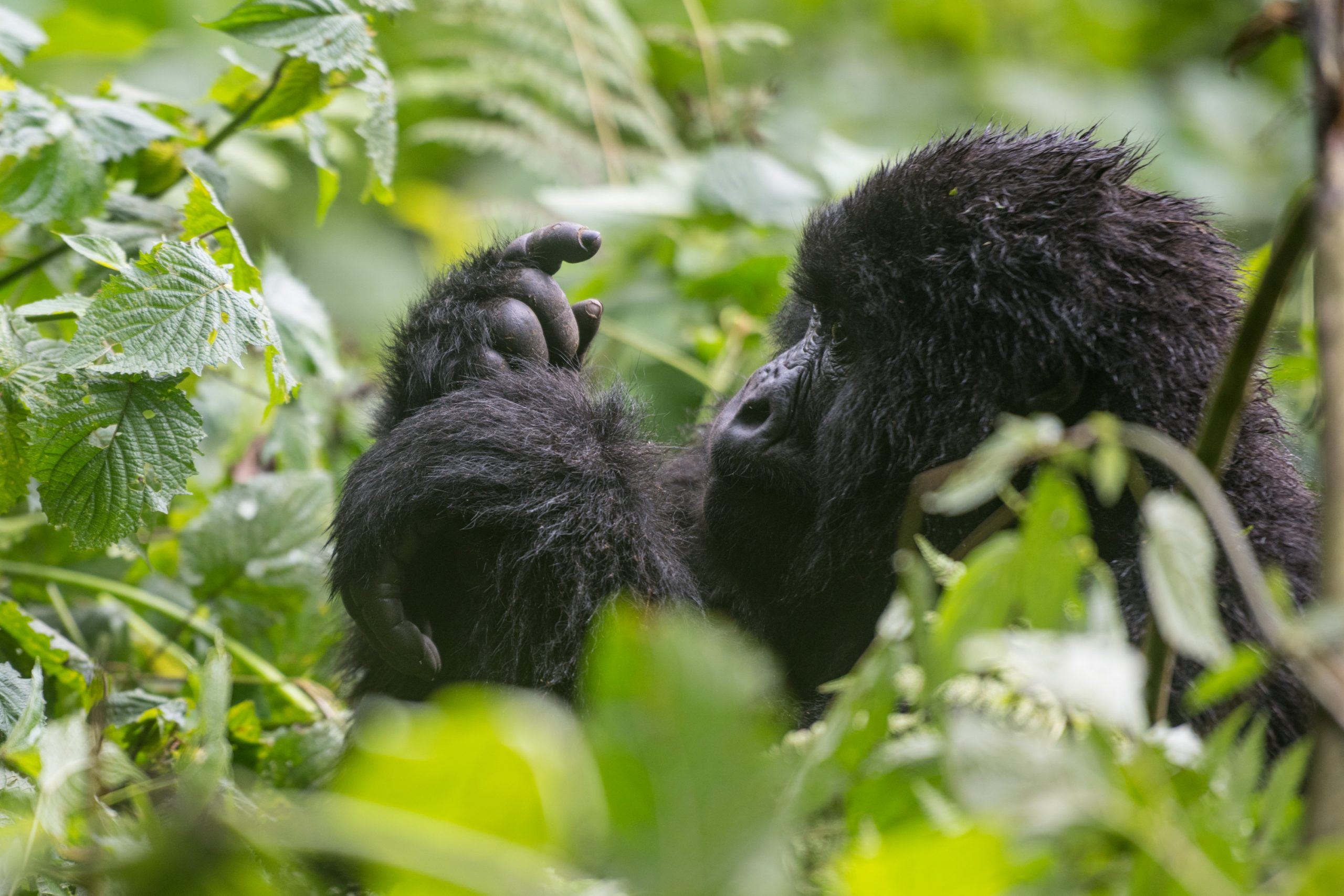
During the rainy season, the trekking experience changes in texture rather than quality. Forest trails become muddier and more slippery, which increases the physical challenge. However, the vegetation becomes denser and more vibrant, and the atmosphere of the forest is often more dramatic and cinematic.
Gorillas themselves are not affected in any negative way by the weather. In fact, they often remain at lower elevations during wetter conditions, which can sometimes reduce trekking duration. What you lose in comfort, you often gain in visual richness and solitude.
The trade-off is simple: expect effort, but also expect intensity.
Landscape at Its Most Photogenic
One of the most underrated advantages of visiting during the low season is how visually striking the country becomes.
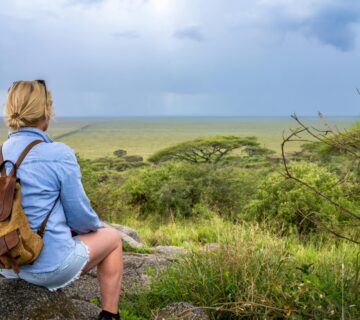
Rwanda is widely known as the “Land of a Thousand Hills,” and rainfall amplifies this identity. Hillsides turn a deep, saturated green. Clouds hang low over volcanic peaks. Morning mist rolls across valleys, especially around northern regions near Volcanoes National Park.
For photographers, this is arguably the most rewarding time of year. Light conditions are softer, colors are richer, and dramatic weather patterns create dynamic compositions that are harder to find in the dry season.
Even outside the forests, agricultural terraces and rural landscapes appear more alive, giving the entire country a more cinematic presence.
Wildlife Viewing in Rwanda’s National Parks
Beyond gorilla trekking, Rwanda offers a broader safari circuit that includes savannah, rainforest, and wetland ecosystems.
In Akagera National Park, game drives continue year-round. During the rainy season, the park becomes greener and more lush, which can make animals slightly more dispersed compared to dry-season concentrations near waterholes. However, this also creates better photographic contrast and softer lighting conditions.
Predators remain active, and birdlife becomes especially rewarding. Migratory and resident species are more visible, making this a strong period for birdwatching enthusiasts.
In the rainforest environment of Nyungwe National Park, the rain actually enhances the experience. Chimpanzee trekking continues, and the forest canopy feels more alive and layered. While trails can be slippery, the biodiversity density during this season is exceptional.
Lower Prices and Better Availability
One of the most practical advantages of traveling during the low season is cost efficiency.
Accommodation rates often drop compared to peak months, particularly in mid-range and luxury lodges. Some properties offer seasonal discounts or added-value packages such as free transfers or guided experiences.
Permit availability for activities like gorilla trekking can also be slightly easier to secure, although demand for Rwanda’s gorilla permits remains consistently high year-round.
This combination of better availability and reduced pricing makes the rainy season attractive for travelers who want premium experiences without peak-season competition.
The Real Challenges: What You Need to Be Prepared For
The rainy season is not without its compromises, and understanding them helps set realistic expectations.
The most obvious challenge is terrain. Hiking conditions become more physically demanding due to mud, slippery slopes, and reduced traction. Proper footwear is not optional; it is essential.
Rain showers can also be unpredictable. While they rarely last all day, they can interrupt schedules or require flexible timing during excursions.
Road conditions in rural areas may be less smooth compared to dry months, especially when moving between parks like Akagera National Park and Volcanoes National Park. However, most safari operators adapt well to these conditions with suitable vehicles and experienced drivers.
In short, comfort levels decrease slightly, but accessibility remains intact.
Is It Good for First-Time Safari Travelers?
This depends on expectations.
For first-time safari travelers who prioritize guaranteed sunshine, easier hiking conditions, and highly predictable logistics, the dry season may feel more comfortable.
However, for travelers who value atmosphere, authenticity, and fewer crowds, the rainy season can actually deliver a more memorable introduction to East Africa. The landscapes are more dramatic, wildlife encounters feel less staged, and experiences often feel more immersive.
Rwanda in the low season is not a “weakened version” of the destination. It is simply a different expression of it.
Photography and Content Creation Advantage
For photographers, filmmakers, and content creators, the rainy season is often the preferred time.
Soft diffused light reduces harsh shadows. Fog and mist add depth layers to landscapes. Rain-washed vegetation increases color contrast. Even wildlife portraits benefit from richer backgrounds and more dynamic environmental context.
In places like Nyungwe National Park, forest imagery becomes especially compelling due to canopy moisture and atmospheric haze.
This is a season where mood often matters more than clarity, and Rwanda performs extremely well in that regard.
So, Is Rwanda’s Rainy Season Worth It?
Yes—but with a specific type of traveler in mind.
If you want easy walking conditions, guaranteed dry weather, and maximum comfort, the rainy season may feel challenging. But if your priority is fewer tourists, richer landscapes, lower costs, and a more atmospheric safari experience, then this period offers some of the most rewarding travel conditions Rwanda has to offer.
In destinations like Rwanda, the low season does not reduce the quality of the experience. It reshapes it. The country becomes quieter, greener, and more visually intense, offering a different but equally powerful version of its safari identity.
For many experienced travelers, that difference is exactly the point.
Start Planning Your Next Trip To Africa
If you can picture yourself in one—or several—of these exceptional retreats, the next move is simple. We design fully tailored African safaris that bring these experiences together seamlessly, from private gorilla encounters to luxury lodges in the heart of the wild.
Every detail is carefully planned, so your journey feels effortless from start to finish. Reach out in whichever way suits you best, and let’s begin crafting your safari.
Start Planning