Chimpanzee Trekking in Nyungwe: How It Compares to Rwanda’s Gorilla Experience
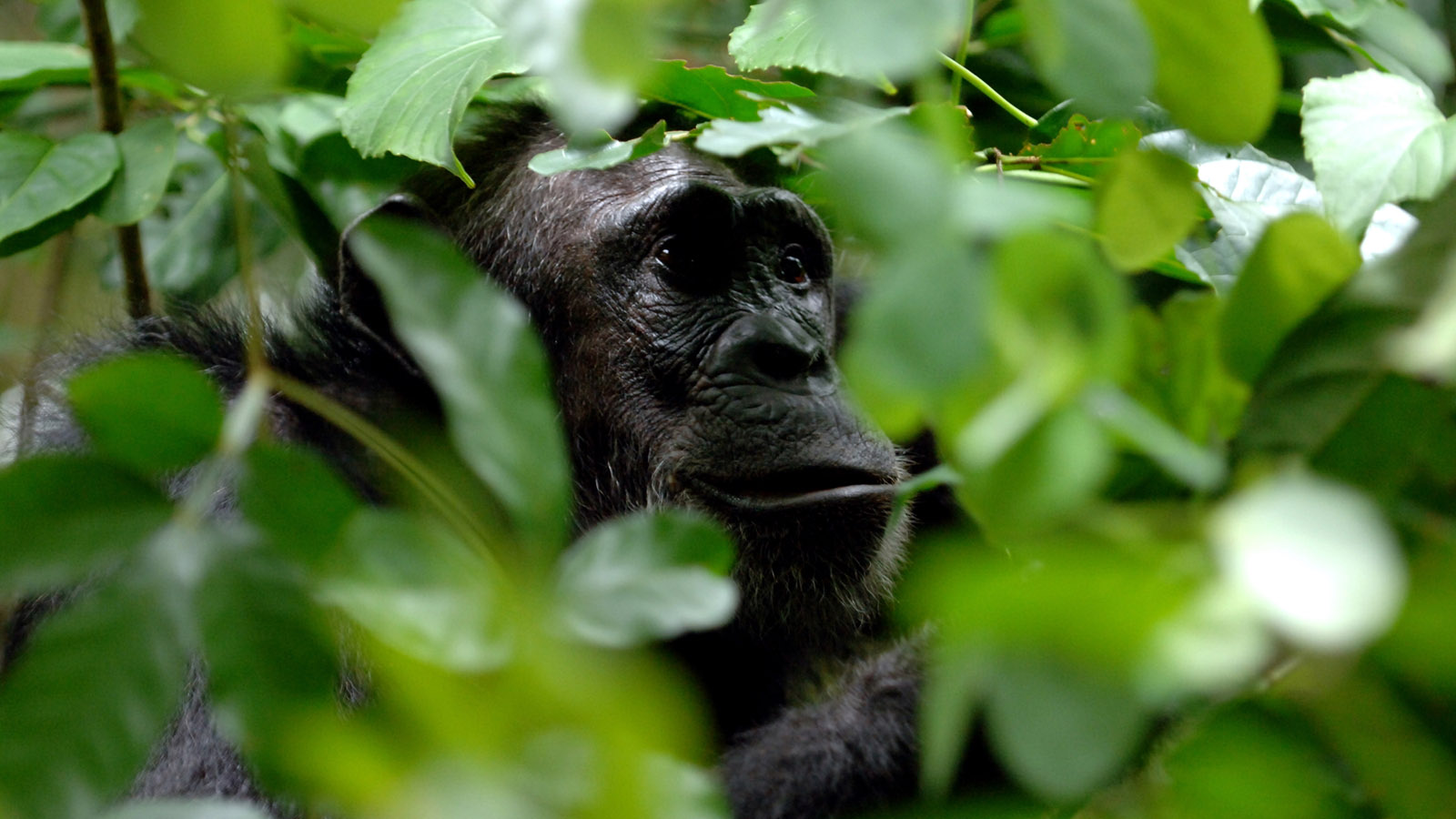
Chimpanzee trekking in Rwanda offers a very different primate encounter from the country’s famous gorilla experience. While both are guided, conservation-driven activities, they operate on different rhythms, in different environments, and with completely different animal behaviour patterns.
Chimpanzee trekking takes place in Nyungwe Forest National Park, while gorilla trekking is based in Volcanoes National Park. Understanding the contrast between these two locations is key to understanding the difference in experience.
The Core Difference: Movement vs Stillness
The simplest way to understand the difference is behavioural.
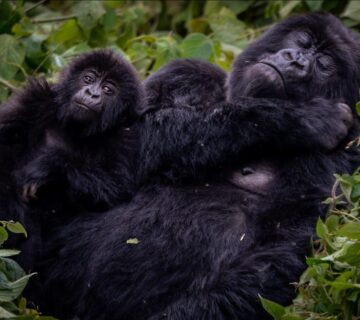
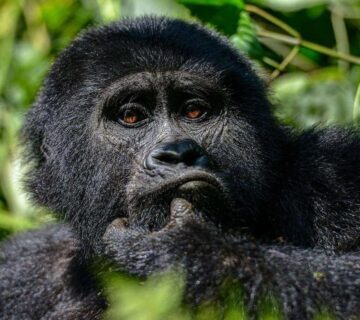
Gorillas are largely calm, slow-moving, and often stationary for long periods. Encounters feel intimate and controlled.
Chimpanzees are fast, vocal, and constantly on the move. Encounters feel energetic, unpredictable, and sometimes chaotic.
This single difference changes the entire trekking experience.
Environment: Dense Rainforest vs Volcanic Slopes
Chimpanzee trekking in Nyungwe Forest National Park takes place in dense montane rainforest.
This environment is:
thick with vegetation
high in humidity
visually enclosed
full of sound—birds, insects, and primate calls
Gorilla trekking in Volcanoes National Park occurs on volcanic slopes with a mix of bamboo forest, open patches, and higher-altitude vegetation.
The terrain there often allows slightly clearer visibility once the gorillas are located.
Nyungwe feels more like deep jungle. Volcanoes feels more varied and, in some areas, more open.
Tracking Experience: Reactive vs Structured
Chimpanzee tracking is more reactive.
Chimpanzees move quickly through the forest canopy and across the ground. Guides often track them using vocalisations—loud calls, hoots, and movement through trees.
This means:
you may move quickly to keep up
you may not stay in one place for long
you may hear them before you see them
Gorilla trekking is more structured.
Once located, gorillas tend to remain in a relatively fixed area, allowing for stable observation.
The Encounter: What You Actually See
With chimpanzees, sightings can be brief and dynamic.
You may observe:
individuals moving through treetops
short ground interactions
feeding behaviour
rapid social movement
The challenge is that visibility can be limited by forest density and movement speed.
With gorillas, encounters are slower and more sustained.
You are likely to see:
a full family group in one area
clear social interaction
extended observation without movement
The experience feels more immersive and controlled.
Physical Effort: Similar but Feels Different
Both treks require fitness, but they feel different in execution.
Chimpanzee trekking often involves:
quicker pace
frequent direction changes
navigating dense forest
Gorilla trekking involves:
steady climbing or hiking
longer sustained effort
more predictable pacing
Neither is “easier” universally, but chimp trekking can feel more intense due to constant movement.
The Role of Sound
Sound plays a major role in chimpanzee trekking.
In Nyungwe Forest National Park, you often locate chimpanzees by hearing them first—loud calls echoing through the forest.
This creates a very different sensory experience:
you track by sound as much as sight
the forest feels alive and active
the encounter builds through noise before visibility
Gorilla trekking is quieter and more visual.
Photography: Two Different Challenges
Chimpanzee photography is difficult.
Challenges include:
low light in dense forest
fast movement
obstructed views
You need fast reactions and technical preparation.
Gorilla photography is more manageable.
Subjects are larger, slower, and often positioned in clearer view, making composition easier.
Permit Cost and Accessibility
Chimpanzee trekking is significantly more affordable than gorilla trekking.
It is often included as part of a broader Rwanda itinerary rather than the main focus.
However, Nyungwe is geographically separate from the main gorilla trekking region.
Reaching Nyungwe Forest National Park requires:
a long drive from Kigali
or internal travel planning
This makes chimp trekking more time-intensive to include.
Experience Quality: Not Better, Just Different
It is a mistake to view chimpanzee trekking as a lesser version of gorilla trekking.
They are fundamentally different experiences:
gorillas offer depth, stillness, and close observation
chimpanzees offer energy, sound, and movement
Some travellers prefer the calm intensity of gorillas. Others find chimpanzees more exciting and dynamic.
Should You Do Both?
If time allows, combining both experiences gives a broader understanding of primate behaviour.
You experience:
two different ecosystems
two distinct social structures
two completely different interaction styles
However, because of distance between parks, this requires additional travel days.
Insight
Chimpanzee trekking in Nyungwe Forest National Park and gorilla trekking in Volcanoes National Park are not variations of the same activity. They are two distinct wildlife experiences shaped by different species, environments, and behavioural patterns.
Gorillas offer a slow, controlled, and deeply intimate encounter.
Chimpanzees offer a fast, unpredictable, and sensory-driven experience.
Choosing between them depends on what kind of wildlife interaction you value—or whether you have the time to experience both.
Start Planning Your Next Trip To Africa
If you can picture yourself in one—or several—of these exceptional retreats, the next move is simple. We design fully tailored African safaris that bring these experiences together seamlessly, from private gorilla encounters to luxury lodges in the heart of the wild.
Every detail is carefully planned, so your journey feels effortless from start to finish. Reach out in whichever way suits you best, and let’s begin crafting your safari.
Start Planning