Travel Insurance for a Rwanda Gorilla Safari: What Must Your Policy Cover?
Understanding why travel insurance matters for gorilla trekking in Rwanda
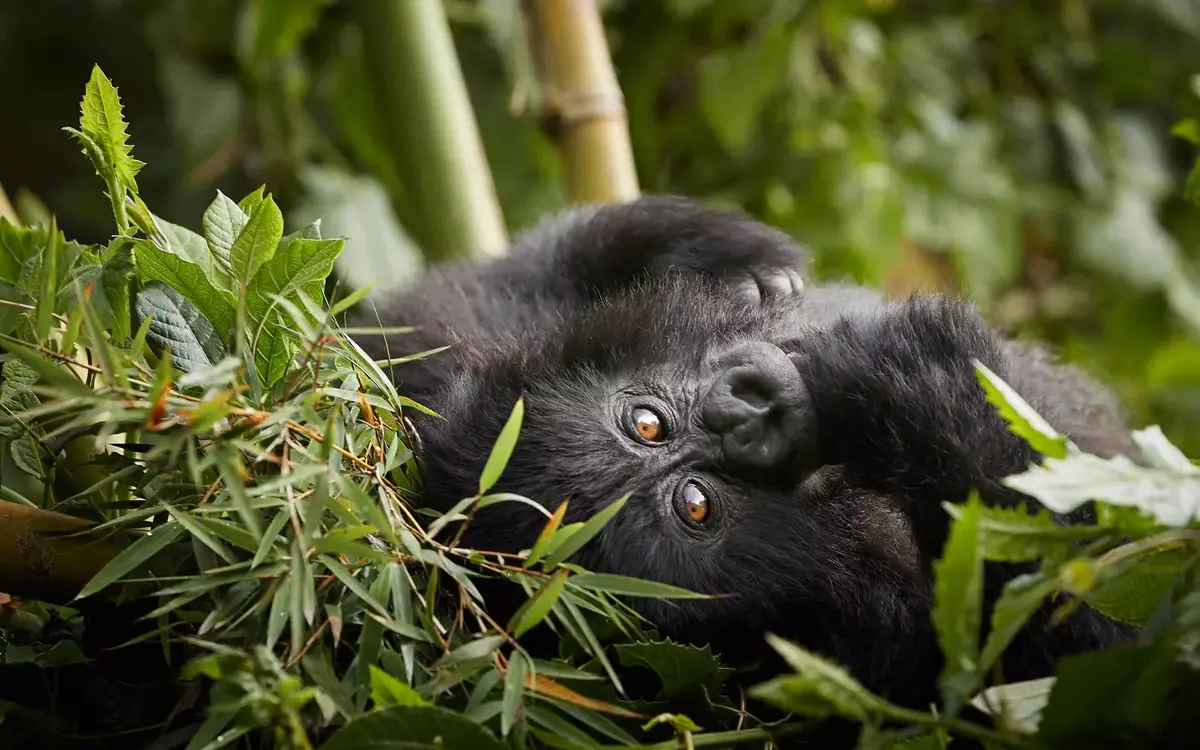
A gorilla safari in Rwanda is one of the most premium wildlife experiences in Africa, centred around Volcanoes National Park in the northwestern part of the country. It involves trekking through dense montane rainforest, steep volcanic slopes, and unpredictable terrain at elevations that often exceed 2,000 to 3,000 metres. This is not a casual sightseeing activity. It is a physically demanding expedition into a remote ecosystem where access to immediate medical services is limited.
Because of this environment, travel insurance is not an optional travel accessory. It is a practical requirement for risk management. Even though Rwanda does not formally demand insurance as a condition for issuing a gorilla trekking permit, operators consistently insist that visitors carry comprehensive coverage. The reason is simple. If something goes wrong in the forest, the logistical and medical response is complex and expensive.
A gorilla permit itself represents a significant financial investment, and the safari experience often includes flights, accommodation, guiding services, and internal transfers. Without insurance, any disruption or emergency can result in substantial financial loss in addition to health risk. This is why understanding exactly what your policy must cover is essential before you travel.
The medical risk environment in Volcanoes National Park
Gorilla trekking takes place in a high-altitude rainforest ecosystem. The terrain is uneven, often muddy due to frequent rainfall, and can become slippery even on well-established trails. Trekkers may walk for anywhere between one hour and several hours before locating a gorilla family, and the return journey can be equally demanding.
In this environment, the most common medical risks include musculoskeletal injuries such as sprains or strains from slips and falls, dehydration due to physical exertion at altitude, and exhaustion in less physically prepared travellers. There is also the potential for altitude-related discomfort, particularly for individuals not acclimatised to high elevation.
More serious medical incidents are rare but possible. These include fractures, severe allergic reactions, or sudden illness while deep inside the forest. The key challenge is not only treatment but also access to treatment. The terrain limits rapid vehicle access, meaning that evacuation often begins on foot with ranger assistance before any transport can be arranged.
This is why insurance coverage must go beyond basic outpatient care and extend into emergency response and evacuation systems.
Emergency medical coverage and why limits matter
The foundation of any suitable insurance policy for a Rwanda gorilla safari is comprehensive emergency medical coverage. This includes hospital treatment, emergency consultations, medication, and inpatient care if required.
However, the critical factor is not only what is covered but also the financial limit of the coverage. Because serious cases may require transfer from rural health facilities to Kigali hospitals, costs can escalate quickly. A strong policy should therefore provide high coverage limits that reflect international private medical standards rather than minimal travel protection.
Medical coverage should also include treatment for injuries sustained during trekking activities, not just general illness. Some lower-tier insurance plans exclude injuries occurring during physically demanding excursions, which makes them unsuitable for gorilla trekking.
Emergency evacuation from remote terrain
Evacuation coverage is the most important component of gorilla trekking insurance. If an incident occurs inside Volcanoes National Park, evacuation is not immediate or simple. The process typically involves ranger teams stabilising the situation, assisting the traveller to a more accessible point, and coordinating transport to a medical facility.
Depending on severity, evacuation may involve stretcher transport through forest paths, vehicle transfer to a district health centre, and subsequent transfer to Kigali for advanced care. In severe cases, air evacuation or international medical repatriation may be necessary.
A suitable insurance policy must therefore include ground evacuation, ambulance transport, and repatriation coverage. Without these elements, the traveller may face significant out-of-pocket costs in an emergency situation, particularly if specialised transport is required.
Adventure activity inclusion for gorilla trekking
One of the most common mistakes travellers make is assuming that standard travel insurance automatically covers gorilla trekking. In reality, many policies exclude “high-risk activities” unless specifically added as an optional extension.
Gorilla trekking is classified as an adventure activity because it involves hiking in mountainous terrain, exposure to unpredictable natural conditions, and guided wildlife tracking in remote environments. If this activity is not explicitly included in the policy wording, any claim related to trekking injuries or incidents may be rejected.
A correct policy must clearly state that trekking, hiking at altitude, or wildlife tracking activities are covered. This distinction is essential and should be verified before travel rather than assumed.
Trip cancellation and financial protection of gorilla permits
Gorilla permits in Rwanda are among the most expensive wildlife permits in Africa. They are typically purchased in advance and are tied to specific trekking dates and groups. Because of this structure, cancellation or interruption can result in significant financial loss if not insured.
A comprehensive policy should include trip cancellation coverage for events such as sudden illness, injury before departure, family emergencies, or unforeseen travel disruptions. It should also include trip interruption coverage, which applies if the traveller must cut their safari short after arrival.
This type of protection ensures that the financial investment in permits, accommodation, and logistics is not completely lost due to circumstances beyond the traveller’s control.
Baggage, equipment, and travel disruption coverage
Although not unique to gorilla trekking, baggage and travel disruption coverage plays an important role in safari travel. Journeys to Rwanda often involve multiple flights and transfers, increasing the likelihood of delays or lost luggage.
For gorilla trekking specifically, luggage delays can be particularly disruptive because proper clothing, hiking boots, rain gear, and camera equipment are essential for the experience. If baggage is delayed or lost, insurance should provide compensation for emergency replacement items.
Travel delay coverage is also important when connecting flights are missed, as safari itineraries are often tightly scheduled and dependent on timely arrivals.
Personal liability and legal protection
Personal liability coverage is a standard but important part of travel insurance. It protects the traveller in the event that they accidentally cause injury to another person or damage property during their trip.
While this is unlikely during gorilla trekking, it remains a relevant component of comprehensive international travel insurance and should not be overlooked, especially for high-value travel environments.
Why standard travel insurance is often insufficient
Many travellers assume that a general international travel insurance policy is adequate for a gorilla safari. In practice, this is often not the case. Standard policies are typically designed for urban tourism and may include limitations on altitude, remote travel, or adventure activities.
Gorilla trekking combines all three risk categories: altitude exposure, remote wilderness conditions, and physical exertion. This combination places it outside the scope of basic coverage unless specifically upgraded.
As a result, travellers must actively review policy exclusions rather than relying on general assurances of coverage.
Practical risk perspective for Rwanda safaris
From a practical standpoint, most travellers complete gorilla trekking in Rwanda without incident. The activity is well managed, guided by experienced park rangers, and carefully regulated to ensure safety for both visitors and gorilla populations.
However, insurance is not about probability alone. It is about preparedness for low-probability but high-impact events. Even a simple ankle injury in a remote forest environment can become complex if evacuation and treatment are required.
This is why insurance is treated as a mandatory component of safari preparation by most professional tour operators.
Final considerations before travel
Before booking a gorilla safari in Rwanda, travellers should carefully review their insurance policy wording. The key requirements are clear: full emergency medical coverage, complete evacuation and repatriation support, explicit inclusion of trekking or adventure activities, and adequate financial limits to cover international-level medical costs.
Additional benefits such as cancellation protection and baggage coverage strengthen the overall policy but do not replace the core medical and evacuation requirements.
Travel insurance for a Rwanda gorilla safari is fundamentally about managing risk in a remote and physically demanding environment. Volcanoes National Park offers one of the most extraordinary wildlife encounters in the world, but it also presents logistical and medical challenges that require preparation.
A suitable insurance policy ensures that in the rare event of an emergency, medical care and evacuation are accessible without financial uncertainty. It also protects the significant investment made in permits and safari arrangements.
Ultimately, proper insurance is not separate from the safari experience. It is part of it, forming the safety foundation that allows travellers to focus fully on the experience of observing mountain gorillas in their natural habitat.
Start Planning Your Next Trip To Africa
If you can picture yourself in one—or several—of these exceptional retreats, the next move is simple. We design fully tailored African safaris that bring these experiences together seamlessly, from private gorilla encounters to luxury lodges in the heart of the wild.
Every detail is carefully planned, so your journey feels effortless from start to finish. Reach out in whichever way suits you best, and let’s begin crafting your safari.
Start Planning