Private vs Group Rwanda Gorilla Trek: Which Booking Makes More Sense?
Understanding the core difference
When planning a Rwanda gorilla safari in Volcanoes National Park, one of the most important decisions you make is whether to book a private gorilla trek or join a group (shared) trek. At first glance, both options give you access to the same mountain gorillas, the same park, and the same ranger system. However, the structure of the experience, level of exclusivity, pacing, and overall feel of the trek can be very different.
This decision is not just about budget. It affects how you experience one of the most intimate wildlife encounters on Earth. Understanding the trade-offs helps you choose the option that matches your travel style, expectations, and comfort level.
How gorilla trekking is organised in Rwanda
Gorilla trekking in Rwanda is strictly regulated. Each day, only a limited number of permits are issued, and each habituated gorilla family is visited by a small group of tourists accompanied by armed rangers and trackers.
Even when you book a “group trek,” you are not part of a large crowd. Rwanda controls numbers tightly, and each gorilla family is typically visited by up to eight visitors per day. This means even standard group treks remain small, structured, and highly managed.
Private treks, however, take this structure and further refine it by giving you exclusivity over your trekking group and sometimes even your assigned gorilla family experience.
What a group gorilla trek feels like
A group gorilla trek in Rwanda is the standard booking option for most travellers. You are assigned to a small group of up to eight people, and you trek together under the guidance of a ranger and trackers.
The experience begins at the park headquarters with a briefing, after which groups are allocated different gorilla families based on fitness levels and location of the gorillas that day. You then hike as a unit through the forest until you locate the assigned gorilla family.
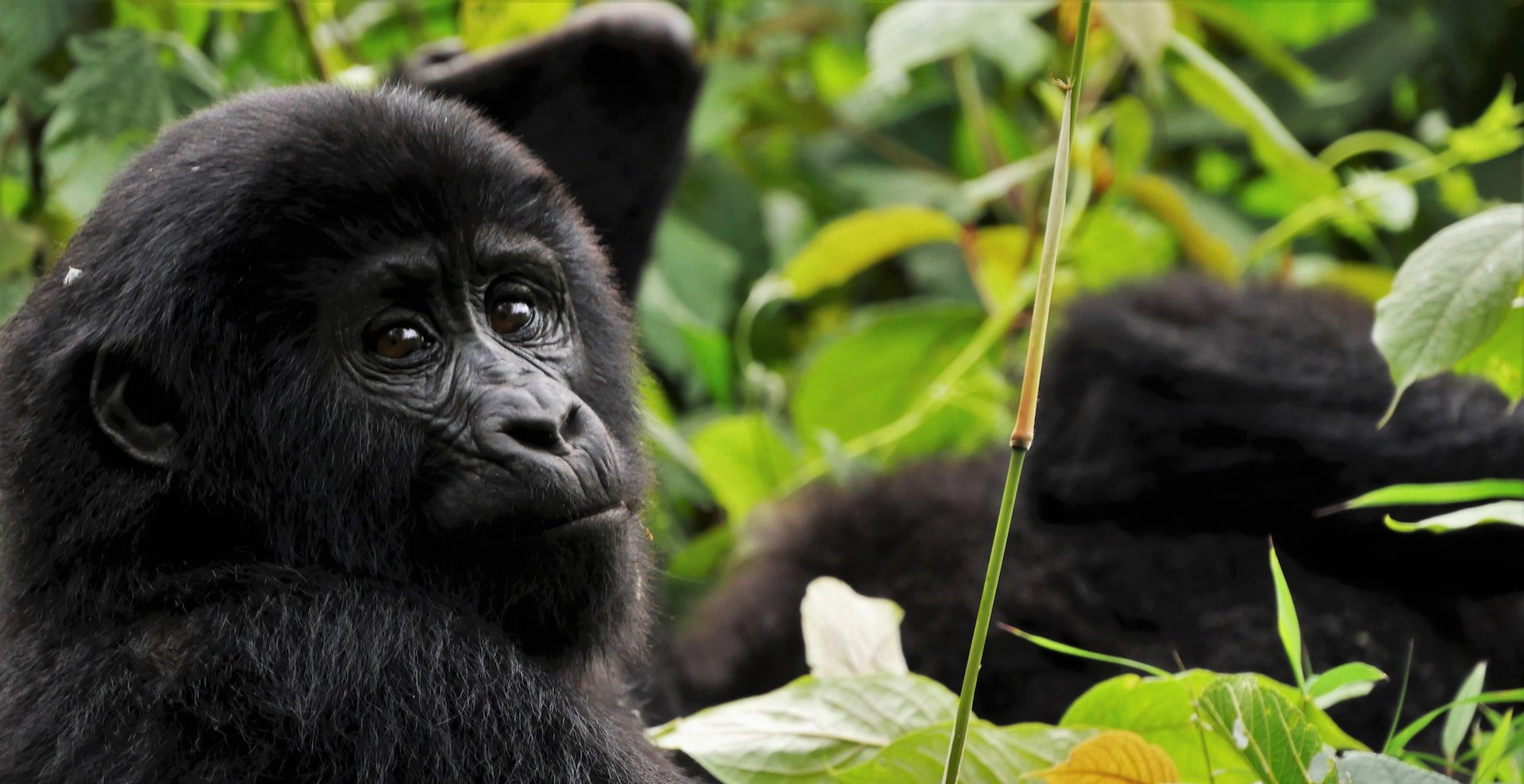
Once you find them, you spend one hour observing their behaviour, interactions, and movements.
A group trek is structured, social, and efficient. You share the experience with other travellers, which can be enjoyable if you like meeting people or do not mind a shared viewing environment. However, it also means you are balancing space, camera positioning, and viewing time with others in your group.
What a private gorilla trek changes
A private gorilla trek is designed for exclusivity and control. You still follow the same park rules, and you still only get one hour with the gorillas, but the experience is customised.
In a private trek, you do not share your trekking group with strangers. The experience is organised specifically for you, your partner, family, or selected travel companions. This gives you full control over pacing, photography, and personal interaction time during the trek.
In some cases, private treks also allow for more tailored logistical planning. For example, your guide can adjust pacing more flexibly based on your fitness level, photography needs, or interest in forest exploration along the way.
While the gorilla encounter itself remains regulated and identical in duration, the journey to reach them becomes more personalised and less socially constrained.
Cost difference between private and group treks
The most obvious difference between private and group gorilla trekking is cost.
A standard gorilla permit in Rwanda is already high in price, and this fee is generally fixed regardless of whether you join a group or opt for a private arrangement. However, the difference comes in additional guiding services, exclusivity fees, and overall safari structuring.
Group treks are more cost-efficient because logistics are shared among multiple travellers. Private treks are more expensive because you are effectively paying for exclusivity, dedicated guiding attention, and sometimes upgraded logistics such as private transfers or customised scheduling.
This makes private treks significantly more expensive in total package cost, even though the official permit remains the same.
Experience quality and personal space
One of the biggest advantages of a private trek is personal space. Gorilla trekking is an emotional and highly immersive experience, and some travellers prefer minimal distraction.
In a group trek, you may need to share viewing positions, coordinate photography angles, and adjust your movement around other visitors. While the groups are small, human presence is still part of the experience.
In a private trek, you have more freedom to position yourself, spend quiet time observing, and interact with your guide without external interruptions. This can make the experience feel more intimate and reflective.
However, group treks also have a positive social dynamic. Many travellers enjoy sharing reactions and excitement with others when encountering gorillas for the first time. This can add a sense of collective discovery.
Flexibility during the trek
Flexibility is another key distinction.
Group treks operate on a coordinated schedule. Once the group is assigned a gorilla family, the pace is generally set by the ranger and the group moves together.
Private treks offer more flexibility in pacing, particularly during the hike. If you need slower movement, more rest stops, or a more photography-focused approach, the guide can adjust more easily.
This is especially valuable for older travellers, photographers, or those who prefer a slower, more immersive forest experience.
Photography and viewing control
For photography-focused travellers, private trekking offers a clear advantage. With fewer people around you, it is easier to position yourself for stable shots, avoid obstructed views, and take time to capture gorilla behaviour without pressure from other group members.
In group treks, you may occasionally need to wait for others to move or adjust your position quickly to avoid blocking someone else’s view.
That said, gorilla encounters are time-limited and highly dynamic in both formats. Even in private treks, the gorillas are wild animals, and lighting, movement, and forest density remain unpredictable factors.
Social dynamics and travel style
Group treks are naturally more social. Travellers often come from different countries and backgrounds, and there is usually shared excitement throughout the hike and during the gorilla encounter.
For solo travellers or people who enjoy meeting others, this can be a positive aspect of the experience.
Private treks, on the other hand, are quieter and more controlled. They are better suited to honeymooners, families, photographers, or travellers who prioritise privacy over social interaction.
The choice often comes down to whether you prefer a shared adventure or a personalised expedition.
Logistics and availability considerations
Both private and group treks operate within the same permit system, meaning availability depends on daily allocations and park capacity.
Group treks are easier to book because they are the default structure of the system. Private treks require more coordination, and during peak season, availability can be more limited depending on demand.
It is also important to note that even in private trekking, you are still subject to park rules, gorilla family allocation decisions, and ranger instructions. Privacy applies to your group structure, not to unrestricted access or movement within the park.
Which option makes more sense?
The better option depends entirely on travel priorities.
A group trek makes more sense if you want a more cost-efficient safari experience, enjoy social interaction, and are comfortable sharing space during a highly structured wildlife encounter. It still delivers the same core experience of seeing mountain gorillas in their natural habitat.
A private trek makes more sense if you value exclusivity, photography control, flexible pacing, and a more personalised safari atmosphere. It is especially suited for luxury travellers, honeymooners, or those building a high-end photography-focused itinerary.
Both private and group gorilla treks in Rwanda offer access to the same extraordinary wildlife encounter. The difference is not in the gorillas, the park, or the duration of the experience, but in how the journey is structured around you.
Group treks are efficient, social, and widely accessible, while private treks are exclusive, flexible, and more personalised.
In practical terms, the “better” option is not universal. It depends on whether you prioritise value and shared experience or exclusivity and control. Either way, the core experience remains one of the most powerful wildlife encounters in the world, and Rwanda’s tightly managed system ensures that both formats deliver a safe and well-organised encounter with mountain gorillas.
Start Planning Your Next Trip To Africa
If you can picture yourself in one—or several—of these exceptional retreats, the next move is simple. We design fully tailored African safaris that bring these experiences together seamlessly, from private gorilla encounters to luxury lodges in the heart of the wild.
Every detail is carefully planned, so your journey feels effortless from start to finish. Reach out in whichever way suits you best, and let’s begin crafting your safari.
Start Planning