How Far in Advance Should You Book a Great Migration Safari?

How Far in Advance Should You Book a Great Migration Safari? An Honest Answer
Booking a safari for the Great Migration is not a flexible, last-minute travel decision. It is one of the most capacity-constrained wildlife experiences in the world, where timing determines not only what you see, but also where you stay, how close you are to the action, and how much you ultimately pay. Unlike typical holidays, availability does not adjust to demand. It disappears.
The honest planning window for a Great Migration safari is between 9 and 24 months in advance, depending on the season, the level of comfort you want, and how specific you are about wildlife positioning inside the ecosystem formed between the Serengeti National Park and the Masai Mara National Reserve.
This article breaks down exactly why that timeframe matters, how it changes across seasons, and what happens when you book too late.
Why Great Migration Safaris Require Early Booking
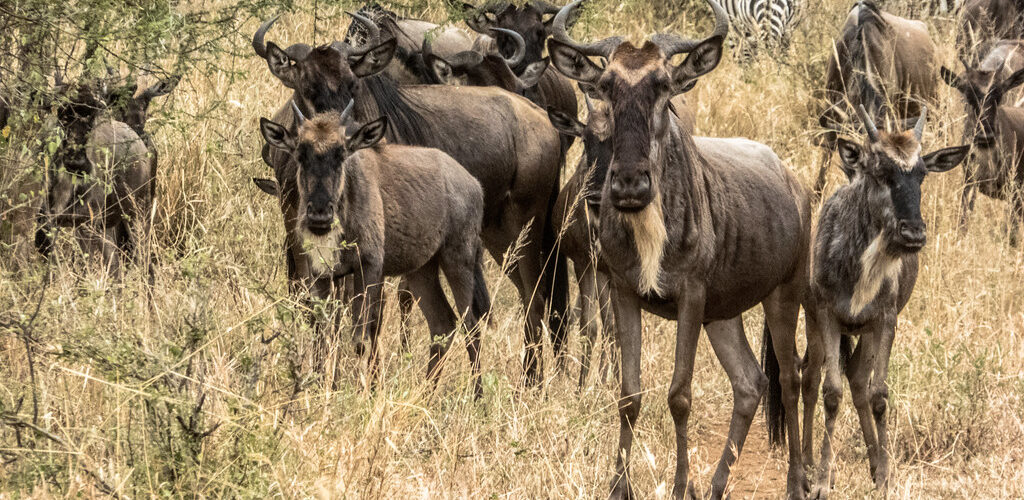
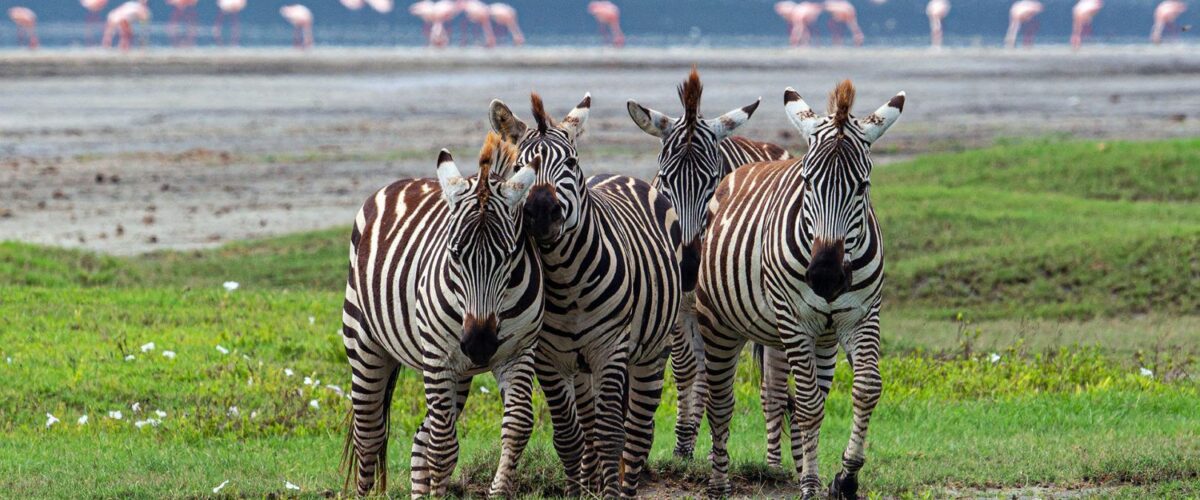
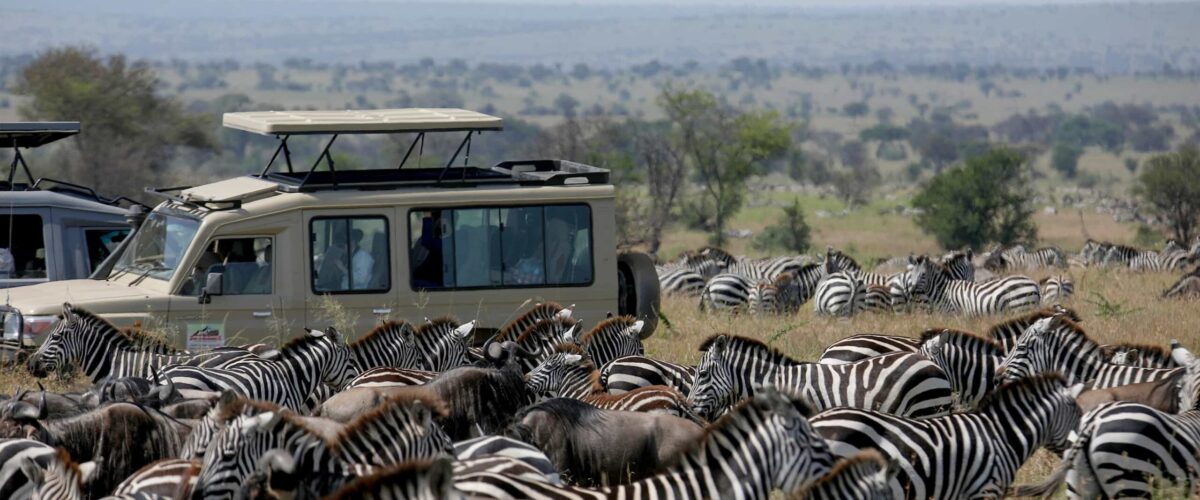
The Great Migration is not a single event happening in one place. It is a continuous circular movement of over a million wildebeest, accompanied by zebras and gazelles, moving across vast plains in response to rainfall and grazing conditions. Because this movement is natural and unpredictable at a micro level, safari operators position camps in anticipated zones months or even years in advance.
The core limitation is not demand alone, but supply. Safari accommodation inside protected ecosystems is deliberately limited. Camps are small, often with fewer than 20 tents, and development inside key wildlife areas is tightly controlled. This ensures conservation integrity but also creates extreme scarcity during peak migration windows.
As a result, when the herds concentrate in specific areas, such as river crossings or calving plains, demand for nearby camps far exceeds availability.
Understanding the Migration Cycle and Its Impact on Booking
To understand why booking timelines vary, you need to understand how the migration moves throughout the year.
Calving Season in the Southern Serengeti
Between roughly December and March, the herds gather in the southern plains of the Serengeti National Park. This is calving season, when hundreds of thousands of wildebeest give birth within a short window.
This period is highly popular because it delivers intense predator-prey interactions. Lions, cheetahs, and hyenas follow the herds closely, making it one of the most dramatic wildlife viewing periods in Africa.
Because of its photographic value and wildlife density, accommodation in the southern Serengeti now requires booking around 9 to 18 months in advance, especially for well-positioned camps.
Green Season Movement Through Central Serengeti
From April to June, the herds begin moving through central and western Serengeti. This is a transitional stage where wildlife is still abundant but spread over a wider area.
While this period is less crowded, good camps still fill early because travelers seeking lower prices and fewer tourists target this window. Booking 6 to 12 months in advance is usually sufficient, but flexibility improves results significantly.
River Crossing Season in the North
Between July and October, the migration reaches its most famous phase in the northern Serengeti and extends into the Masai Mara National Reserve.
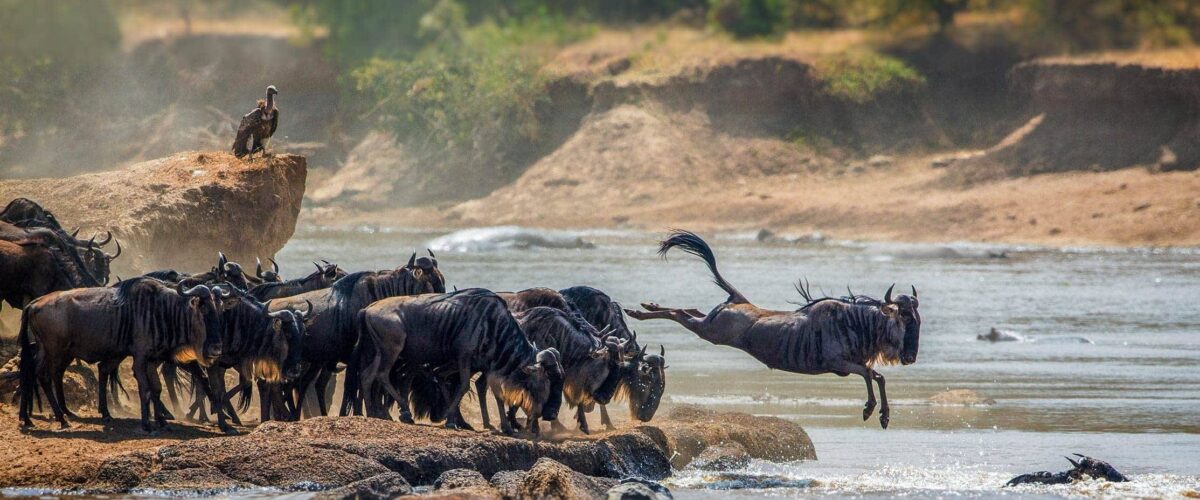
This is the river crossing season, when herds attempt to cross the Mara River while facing crocodiles and strong currents. It is the most iconic wildlife spectacle in Africa and also the most competitive safari season.
Camps located near crossing points are extremely limited. Many are mobile camps that move with the herds, and these often sell out 12 to 24 months in advance. This is the period where early booking matters most.
Return South in November
In November, the herds begin moving back toward the southern plains. This period is transitional again, with moderate demand and slightly better availability, but still requiring advance planning for good positioning.
How Far in Advance You Should Book Based on Season
The safest planning rule depends entirely on when you want to travel.
For peak river crossing season in July to October, the realistic booking window is 12 to 24 months in advance. This ensures access to camps close to the Mara River and prime crossing points, both in Tanzania and Kenya.
For calving season in December to March, booking 9 to 18 months in advance is strongly recommended. Demand for this period has increased significantly in recent years, particularly among photographers and repeat safari travellers.
For shoulder seasons such as April to June or November, you can sometimes secure availability 6 to 12 months in advance, although the quality of location becomes more dependent on flexibility.
Why Camps Sell Out So Early
The biggest misconception about safari planning is that accommodation behaves like a normal hotel market. It does not.
Safari camps are intentionally small and designed to minimize environmental impact. Many luxury camps operate with fewer than 15 tents, and even larger lodges are constrained by conservation regulations.
In addition, many of the best camps are seasonal or mobile. These camps physically relocate to follow the migration, meaning their availability is tightly controlled and often allocated to repeat clients or early bookers well before the season begins.
Because of this structure, availability is not just limited. It is pre-allocated long before most travelers start planning.
Luxury vs Mid-Range Availability Differences
Luxury camps are the first to sell out. This is not only due to demand but because they are smaller, more exclusive, and often positioned in the most strategic wildlife zones.
Many luxury properties near river crossings or calving areas are booked up to two years in advance. These camps prioritize location over volume, which means fewer rooms but significantly better wildlife access.
Mid-range and budget camps tend to have more capacity, but they are often located farther from peak migration routes. This can result in longer daily drives to reach wildlife action, especially during high movement periods.
What Happens If You Book Late
Booking late does not make a Great Migration safari impossible, but it does change the nature of the experience significantly.
Instead of staying close to migration corridors, you are more likely to find accommodation farther from peak wildlife activity. This means more time spent traveling and less time observing animals during critical moments.
During peak season, particularly July through September in the northern Serengeti and Masai Mara, late booking can also mean extremely limited or no suitable availability at all. In these cases, travellers often need to change dates or adjust destinations entirely.
Pricing also becomes less favorable as remaining availability is typically either premium-priced luxury or lower-quality mid-range options in less optimal locations.
When Closer Booking Can Still Work
There are situations where booking closer to travel is possible, but they require flexibility.
If you are open to adjusting your travel dates, switching between Kenya and Tanzania depending on availability, or choosing accommodation based on location rather than brand preference, then booking 3 to 6 months in advance can sometimes work.
This approach is most effective during transitional migration periods when the herds are spread across broader regions and demand is less concentrated.
However, flexibility is the deciding factor. Without it, last-minute booking rarely delivers a high-quality migration experience.
The Most Important Factor Most Travellers Ignore
One of the most overlooked aspects of Great Migration planning is that it is not just about accommodation. It is also about logistics.
Internal flights between safari regions, park entry coordination, and access to experienced guides all become constrained during peak season. Flights into remote airstrips near the Serengeti and Masai Mara have limited seats, and experienced guides are often booked well in advance by established safari operators.
This means that early booking is not only about securing a room. It is about securing the entire safari ecosystem that supports the experience.
The Great Migration is one of the most sought-after wildlife events on the planet, and its booking patterns reflect that reality.
If you want the best possible experience with strong wildlife access and well-positioned camps, you should plan 9 to 24 months in advance. Peak river crossing season requires the longest lead time, often up to two years for the most strategic camps. Calving season also requires early booking, typically around a year or more. Shoulder seasons offer slightly more flexibility but still benefit significantly from advance planning.
In simple terms, the earlier you book, the more control you have over your experience. Waiting too long does not eliminate the safari, but it reduces choice, quality, and proximity to wildlife action.
The Great Migration rewards planning, not spontaneity.