Ol Pejeta Conservancy

Ol Pejeta Conservancy: The Rhino Sanctuary That Changed How Kenya Thinks About Conservation
Ol Pejeta Conservancy is one of the most influential conservation landscapes in Africa because it represents a shift in how wildlife protection actually works on the ground. Located in central Kenya on the Laikipia plateau, it is not a national park in the traditional sense, but a privately managed conservancy that has become a global benchmark for rhino conservation, community integration, and modern wildlife protection systems.
In a country known for iconic safari destinations like the Masai Mara National Reserve, Ol Pejeta stands out because it proves that conservation success does not depend solely on government-protected parks. Instead, it depends on land use design, funding structures, and long-term ecological management.
What makes Ol Pejeta different from a national park
Ol Pejeta is a private conservancy, meaning it is managed by a non-governmental conservation trust rather than a state wildlife authority.
However, this does not make it less protected. In many ways, it allows for more flexible and adaptive conservation strategies than traditional park systems.
National parks operate under fixed legal frameworks with standardized rules. Conservancies like Ol Pejeta can implement targeted conservation interventions, respond quickly to ecological challenges, and integrate wildlife protection with community development programs.
This flexibility is one of the reasons it has become a model for modern conservation thinking.
The rhino sanctuary at the heart of Ol Pejeta
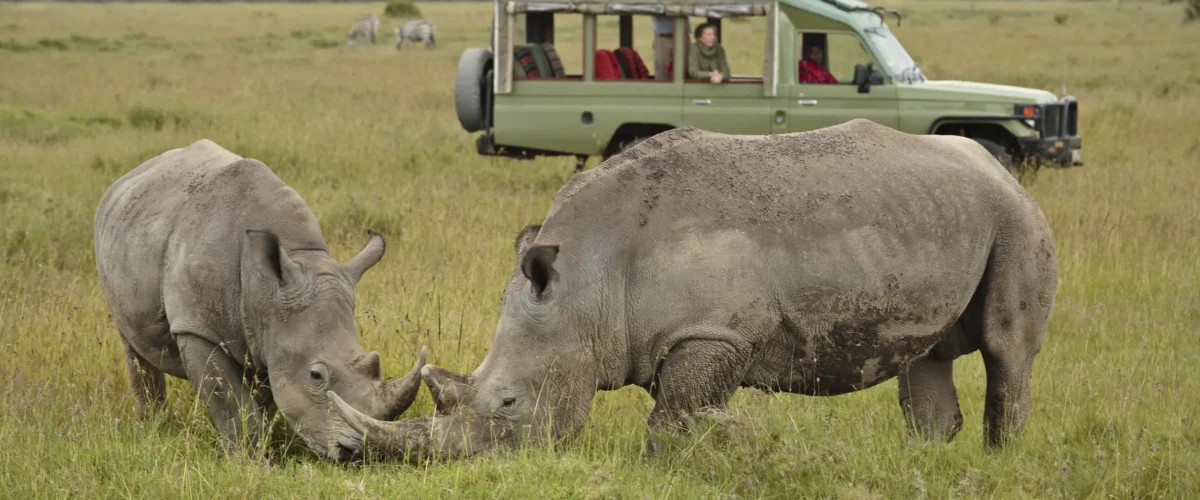
Ol Pejeta is most famous for its rhino conservation program. It hosts one of the largest black rhino populations in East Africa and is also home to the world’s last two remaining northern white rhinos.
These animals are under 24-hour protection, representing one of the most intensive wildlife security operations anywhere in the world.
The sanctuary operates with highly controlled monitoring systems, including armed ranger patrols, surveillance, and veterinary support teams.
Rhino conservation here is not passive—it is active, continuous, and highly resource-intensive.
Why rhino conservation became the priority
Rhinos are among the most heavily poached large mammals in the world due to demand for their horns.
By the late 20th century, population declines had reached critical levels across Africa.
Ol Pejeta became a focal point for rhino conservation because it combined suitable habitat with strong security infrastructure and financial backing for long-term protection.
This allowed it to build one of the most successful rhino breeding and protection programs in East Africa.
The role of wildlife security systems
One of the defining features of Ol Pejeta is its advanced security system for wildlife protection.
Unlike open national parks, conservancies can implement layered security strategies that include patrol units, monitoring technology, and coordinated response teams.
This is especially important for rhinos, which are high-value targets for illegal wildlife trade networks.
The security model used here has influenced conservation approaches in other parts of Africa.
Community integration and land use model
Ol Pejeta is not isolated from human activity. It operates within a broader landscape that includes surrounding communities and pastoral land use systems.
A key part of its model is integrating local communities into conservation economics.
This includes employment opportunities, education support programs, and revenue-sharing mechanisms that link conservation success to community benefit.
This structure reduces land-use conflict and increases long-term sustainability of conservation efforts.
Wildlife diversity beyond rhinos
Although rhinos are the flagship species, Ol Pejeta supports a wide range of wildlife.
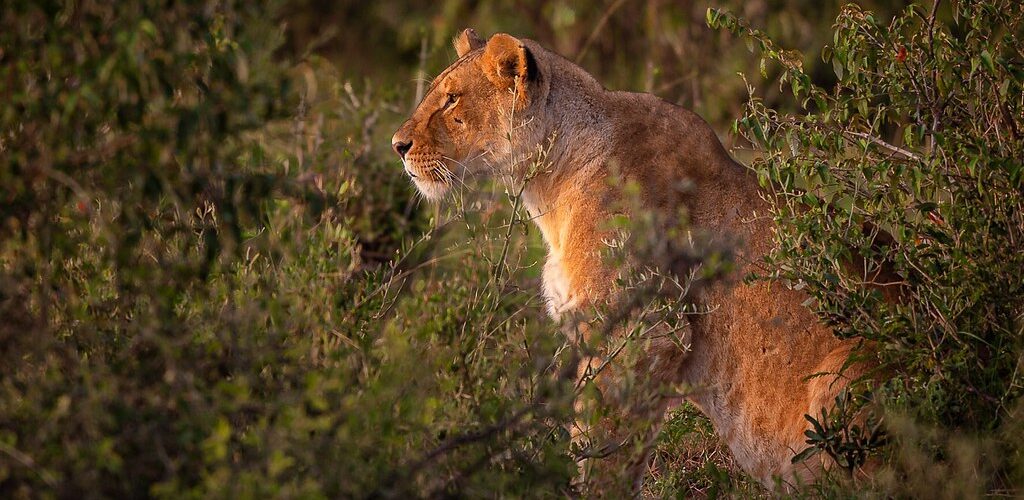
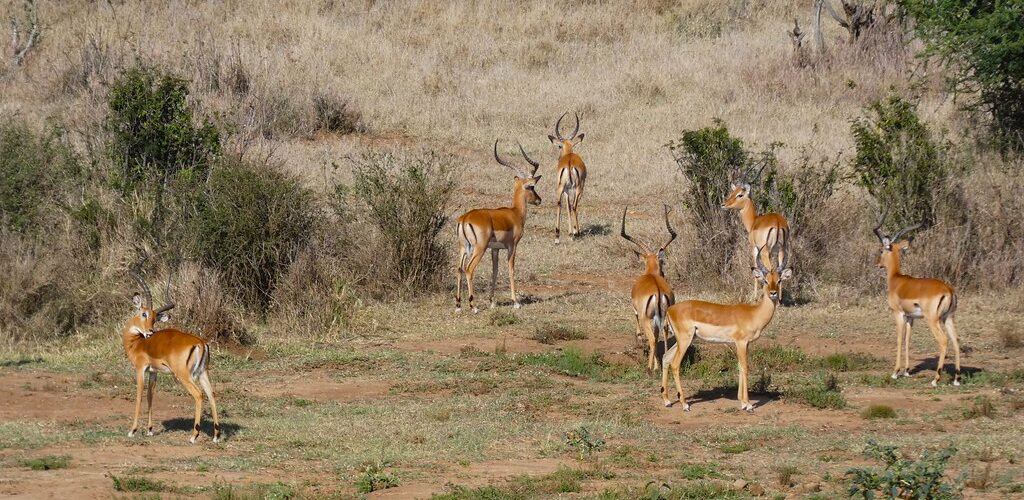
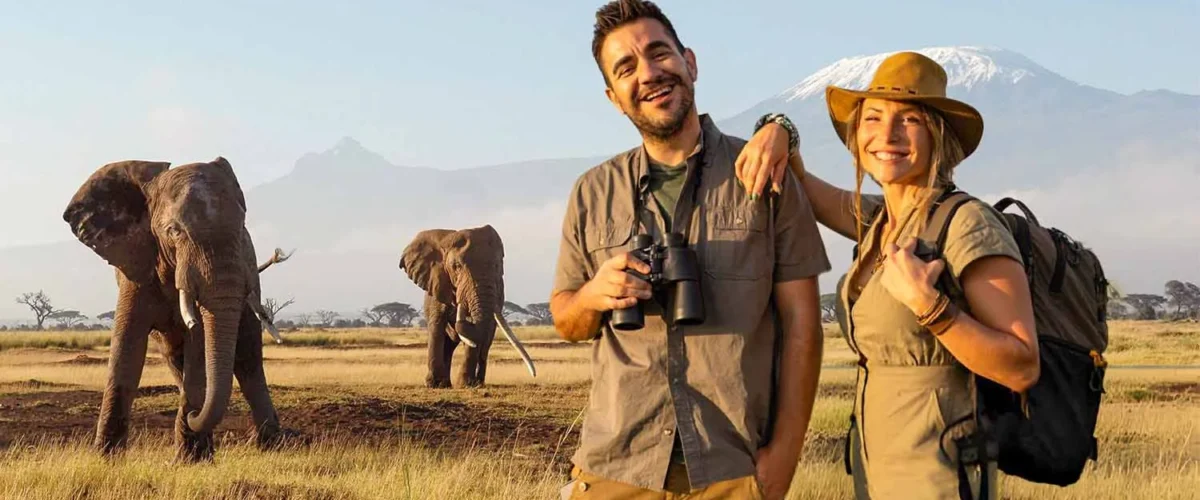
Elephants, lions, giraffes, buffalo, zebras, and numerous antelope species all inhabit the conservancy.
Because it is not a fenced zoological environment, wildlife movement is still influenced by ecological conditions and seasonal patterns.
The conservancy acts as both a protected habitat and part of a wider Laikipia ecosystem corridor.
The chimpanzee sanctuary: a unique conservation layer
One of the lesser-known but important components of Ol Pejeta is its chimpanzee sanctuary.
Chimpanzees are not native to Kenya, so the sanctuary focuses on rescued and rehabilitated individuals that cannot be returned to the wild.
This facility adds a primate conservation dimension to an otherwise savannah-focused ecosystem.
It also highlights the conservancy’s broader commitment to wildlife welfare beyond flagship African species.
How Ol Pejeta changed conservation economics
Traditional conservation in Africa has often relied on government funding and donor support.
Ol Pejeta introduced a stronger commercial conservation model where tourism revenue directly funds wildlife protection operations.
Visitor fees, tourism partnerships, and safari lodge operations all contribute to maintaining security, habitat management, and community programs.
This reduces dependency on external funding and creates a self-sustaining conservation ecosystem.
Tourism experience in Ol Pejeta
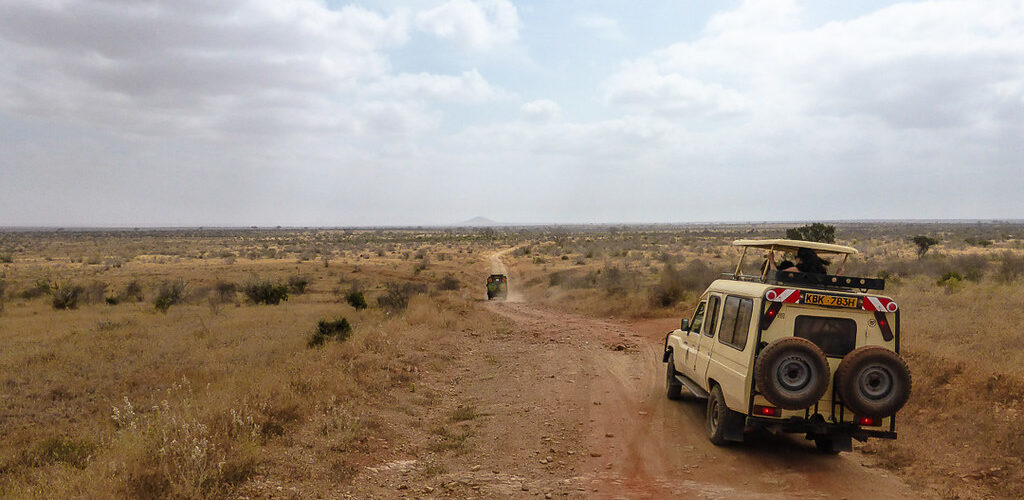
From a safari perspective, Ol Pejeta offers a different experience compared to more famous destinations.
It is less crowded than major parks, and game drives often feel more controlled and research-oriented.
Guiding is highly structured, and wildlife viewing is combined with conservation education.
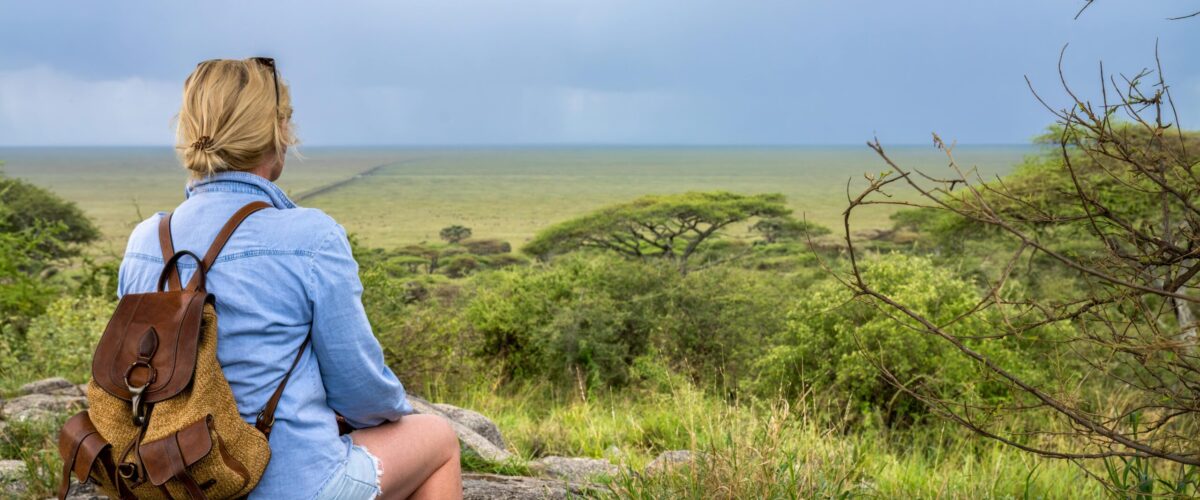
Visitors are not just observing animals—they are engaging with an active conservation landscape.
Why Ol Pejeta is important for the future of conservation
The significance of Ol Pejeta goes beyond its boundaries.
It demonstrates that conservation can work when land, wildlife, and human communities are integrated into a single system rather than separated into rigid categories.
It also shows that private conservancies can play a central role in protecting endangered species at scale.
This model is increasingly relevant in a world where protected areas alone are not large enough to sustain wide-ranging wildlife populations.
The Laikipia ecosystem connection
Ol Pejeta is part of the broader Laikipia ecosystem, which includes multiple conservancies and ranches that collectively support wildlife movement across a large landscape.
This connectivity is essential for species like elephants that require extensive ranges.
In this sense, Ol Pejeta is not an isolated sanctuary but a node in a larger ecological network.
Challenges facing the conservancy model
Despite its success, Ol Pejeta operates within a complex environment.
Land pressure, climate variability, and regional development trends all influence long-term conservation planning.
Maintaining financial sustainability while expanding conservation impact is an ongoing balancing act.
Additionally, ensuring that community benefits remain equitable is central to maintaining long-term support.
The global conservation influence of Ol Pejeta
Ol Pejeta is frequently referenced in global conservation discussions because it demonstrates how private land management can achieve large-scale ecological outcomes.
Its rhino program, in particular, has influenced international approaches to endangered species protection.
It is often used as a case study in conservation economics, wildlife security, and community-based land management.
Final perspective
Ol Pejeta Conservancy represents a shift in conservation philosophy from static protection to active ecosystem management.
It shows that wildlife conservation is not just about setting land aside, but about continuously managing relationships between species, landscapes, and human communities.
In doing so, it has redefined what a modern conservation landscape can look like in Kenya and beyond.