Tanzania Safari and Kilimanjaro

Tanzania Safari and Kilimanjaro: Can You Realistically Do Both in One Trip?
Yes—you can realistically combine a Tanzania safari with a Kilimanjaro climb in one trip. But the more accurate answer is that it depends entirely on time, fitness level, and how you structure the itinerary. This is not a casual combination. It is one of the most physically and logistically demanding travel pairings in East Africa.
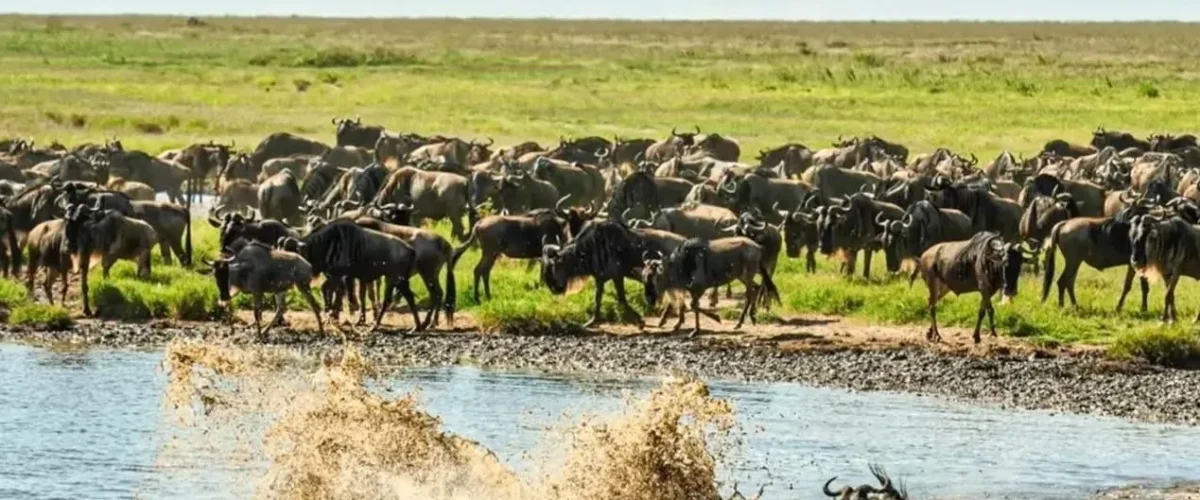
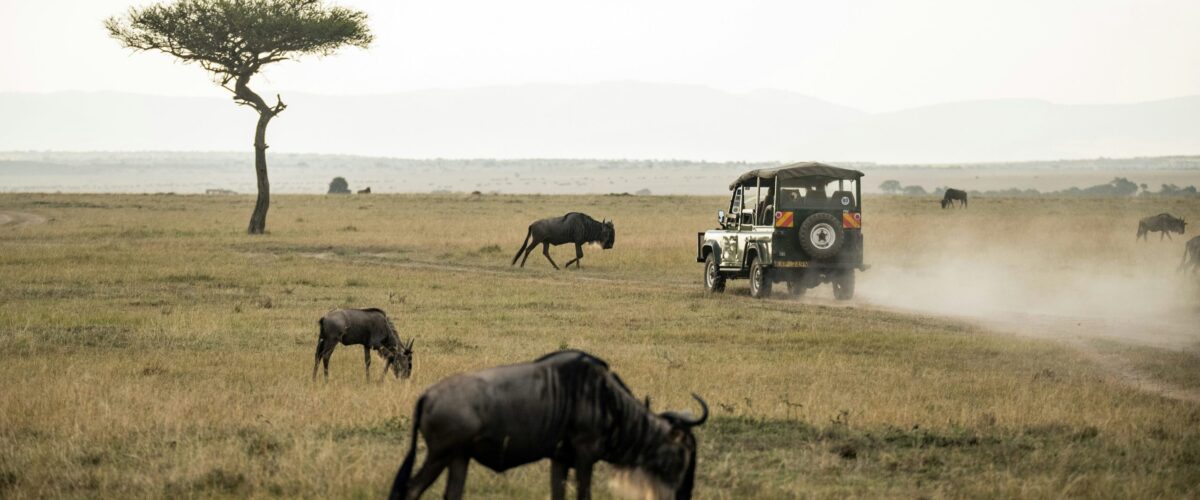
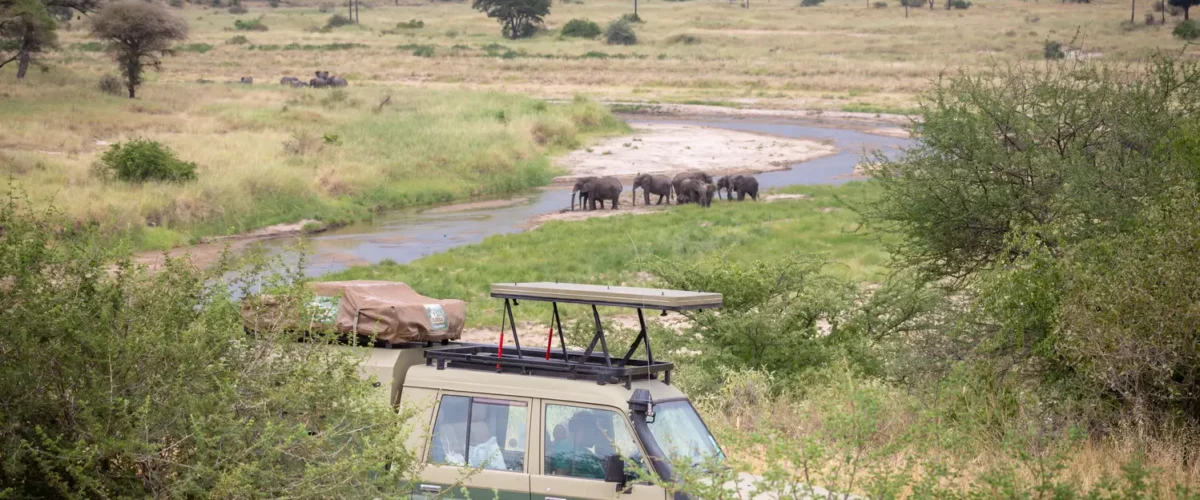
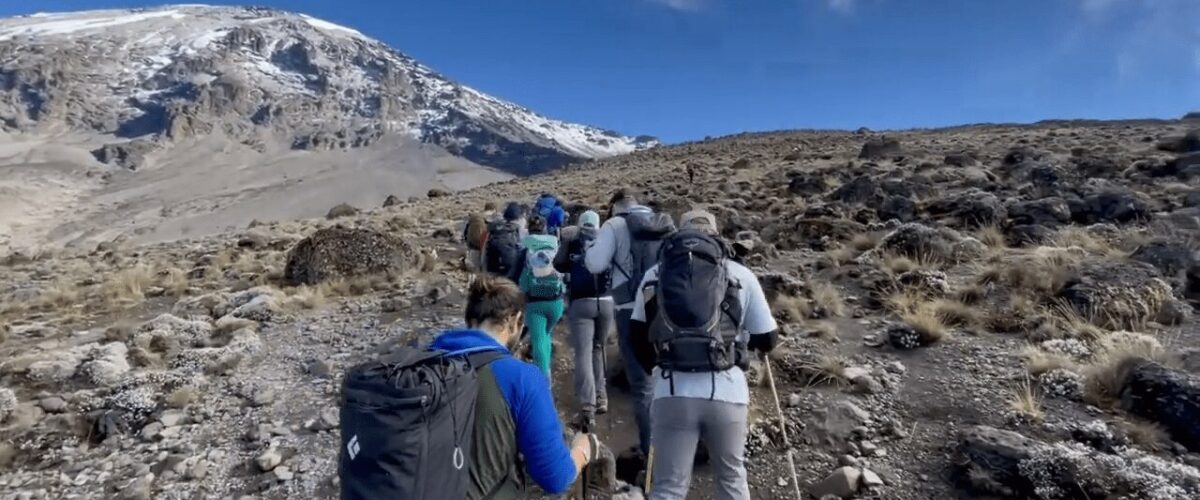
Both experiences are world-class, but they operate on completely different rhythms. A safari in the Serengeti National Park is about wildlife observation, early morning game drives, and long but comfortable days. Climbing Mount Kilimanjaro is a multi-day high-altitude trek that pushes physical endurance and acclimatisation limits.
The key question is not whether it is possible. It is whether it is well-planned.
The Core Reality: Time Is the Limiting Factor
A proper safari in northern Tanzania typically requires at least 5 to 7 days to feel complete. A Kilimanjaro climb takes a minimum of 6 days on shorter routes, and more commonly 7 to 9 days for safer acclimatisation profiles.
When you combine both, you are realistically looking at a minimum of 10 to 14 days, not including international travel.
This is where most itineraries fail—not because the combination is impossible, but because it is rushed.
Why the Combination Works Logistically
The good news is that Tanzania is one of the few countries where this combination is structurally feasible.
Both experiences are based in the northern tourism corridor:
Kilimanjaro climbs start near Moshi
safaris begin in Arusha and extend into the Serengeti ecosystem
This means there is no need for long inter-country transfers. The entire journey can be built around one regional hub.
Arusha acts as the central staging point for both activities.
Typical Order of Travel: Safari or Kilimanjaro First?
There are two main sequencing options, and each has a different impact.
Option 1: Safari First, Kilimanjaro Second
This is the most commonly recommended structure.
You begin with a safari in parks such as Tarangire, Ngorongoro, and the Serengeti, then move into the climb.
The advantage is psychological and physical:
safaris are less physically demanding, allowing recovery from international travel
wildlife experiences act as a gradual transition into the trip
you end with a major physical achievement
However, there is one drawback: fatigue from safari days can slightly affect early climbing stages if rest is not managed properly.
Option 2: Kilimanjaro First, Safari Second
This structure flips the experience.
You begin with the climb, then recover on safari afterward.
The advantage here is recovery:
after descending Kilimanjaro, a safari feels relaxed and restorative
you are not carrying fatigue into high-altitude trekking
However, the challenge is that climbing first requires immediate physical performance after international arrival, which some travellers find difficult.
Physical Reality of Climbing Kilimanjaro
Mount Kilimanjaro is not a technical climb, but it is a high-altitude endurance trek.
Success depends on:
gradual acclimatisation
consistent walking pace
proper hydration
altitude response management
Most routes involve multiple days of ascending through distinct ecological zones before reaching Uhuru Peak.
The biggest challenge is not distance—it is altitude adaptation.
Safari Reality: A Different Kind of Intensity
A safari in the Serengeti National Park is physically easier but still structured around early mornings and long observation periods.
Typical safari days include:
pre-dawn starts for predator activity
long vehicle-based game drives
extended time in open terrain conditions
sun exposure and dust environments
While not physically exhausting in the same way as climbing, safaris still require energy management, especially over multiple days.
Minimum Recommended Duration for Both
If you want to combine both properly, the minimum realistic structure looks like this:
6–9 days for Kilimanjaro depending on route
4–6 days for safari depending on parks included
plus 1–2 buffer days for arrival, rest, and transitions
This brings the total to approximately 11–16 days for a balanced experience.
Anything shorter begins to compromise either the climb, the safari, or both.
Who This Combination Is Best For
This combined itinerary is best suited for:
physically fit travellers with endurance capability
first-time visitors who want both iconic experiences in one trip
adventure-focused travellers prioritising achievement and wildlife
people with sufficient time flexibility
It is less suitable for:
travellers on short holidays under 10 days
people who prefer relaxed, single-focus travel
travellers sensitive to altitude or physical exertion
The Key Trade-Off
The main trade-off is intensity versus depth.
Combining both means:
you experience two of Tanzania’s biggest highlights in one trip
but you reduce flexibility and downtime between experiences
It is not a slow travel itinerary. It is a high-density experience structure.
Why Arusha Is Critical to the Plan
Arusha is the logistical bridge between both experiences.
It connects:
Kilimanjaro trekking routes
northern safari circuits
domestic flight networks
Without Arusha, combining both activities would be significantly more complex.
Insight
Yes, you can realistically combine a Tanzania safari and Kilimanjaro climb in one trip, and many travellers do. But it only works well when time is sufficient and the itinerary is structured with discipline.
The northern safari circuit in and around the Serengeti National Park provides wildlife immersion, while Kilimanjaro delivers a high-altitude physical challenge. Together, they form one of Africa’s most complete adventure combinations—but only when allowed enough time to be done properly.
The real decision is not “can it be done,” but “can it be done without rushing either experience.”